Basement Mold Remediation in Bridgewater, NJ: Seepage, Sumps and a Musty Lower Level
Cal HewittPublished Updated
- basement mold remediation
- basement mold
- moisture source
- bridgewater nj
- new jersey
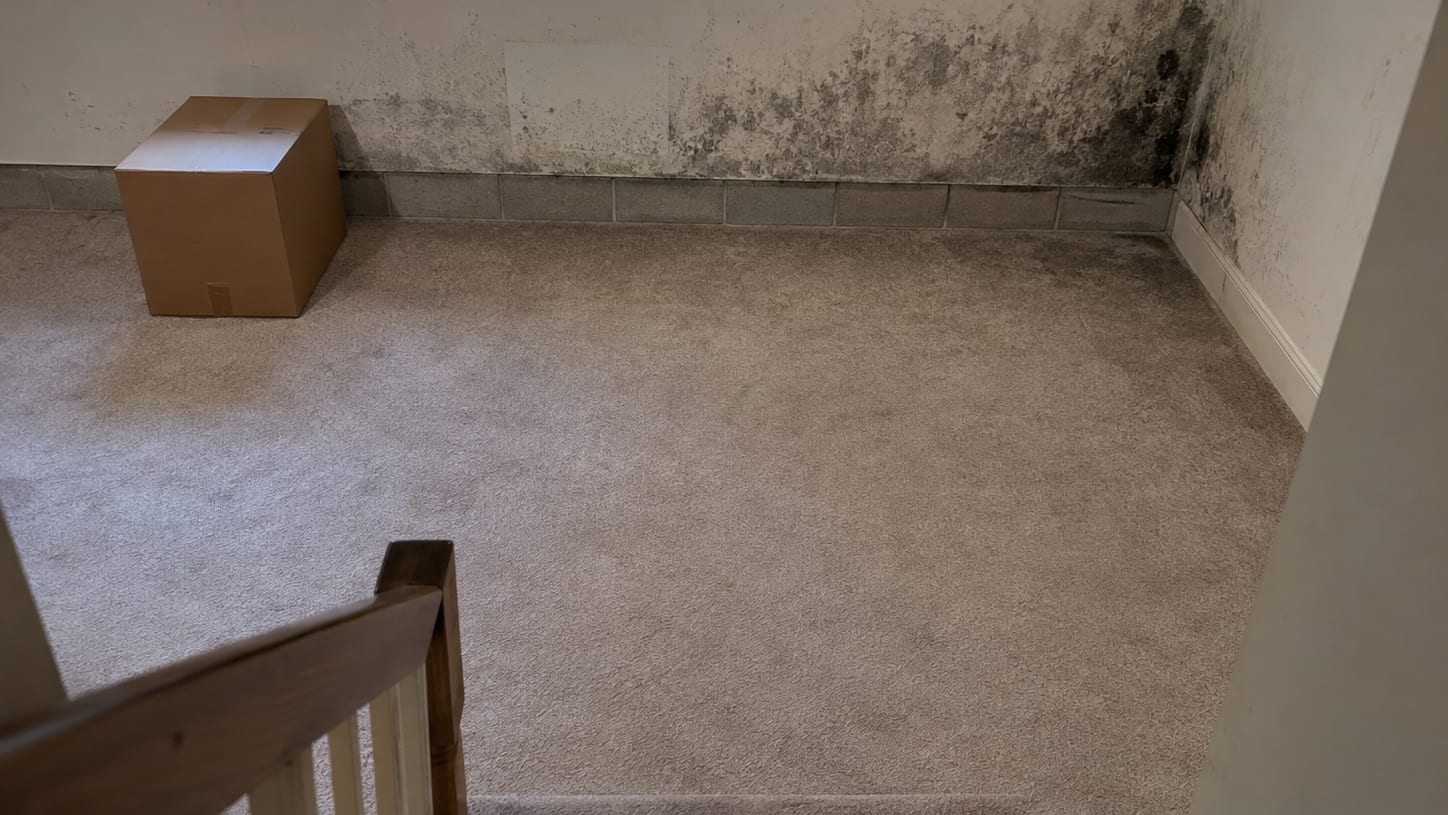
The smell hits you at the top of the basement stairs, or you move a box and find dark growth on the drywall behind it. You clean it, and it comes back after the next hard rain, or after the sump pump struggled to keep up. Basement mold remediation in Bridgewater, NJ is really two jobs, getting the mold out and finding out where the water is coming from. If you do only the first, you may pay to clean the same basement again next year. The place to start is with the basement itself, because a seeping wall, a sump that fell behind and a leaking pipe each point to a different fix.
Key Takeaways
Find the water before you clean
Growth that returns after rain, a struggling sump and a slow plumbing leak call for different repairs, and the durable fix is moisture control plus physical removal.
Call a professional above about 10 square feet
EPA also advises help when sewage, HVAC contamination or health concerns are involved, and people with asthma or COPD should stay out of the area.
Check your own parcel
Township planning describes soils in Bridgewater that hold water in some places and not in others, so one basement can seep while its neighbor stays dry.
Seepage, a Failed Sump or a Leak: Reading the Basement First
Before anyone removes a single piece of drywall, someone has to work out how the water is getting in. There are three common patterns, and a professional assessment maps the source and any hidden damage before the cleanup plan is written. You can gather clues yourself while you wait.
- Seepage through a wall or floor: Damp patches, a musty smell or growth that returns after heavy rain often point to water coming through the foundation or slab. The fix is about drainage and the foundation, not just cleaning the surface.
- A sump that failed or fell behind: If water appeared around the pit, or the odor started after the pump struggled during a storm, the sump system itself needs to be checked and corrected.
- A plumbing leak: Dampness that follows a pipe, a water heater or a fixture, and growth that starts near it, points to a leak that has to be repaired at the source.
Humidity and condensation are a fourth possibility. A basement that stays humid can grow mold on cool surfaces without any water entering at all, and the fix there is humidity control. Other moisture sources include stormwater and, in some cases, contaminated water such as sewage, which changes the job and calls for a professional. New Jersey's seasons add pathways of their own: spring rain and thaw, summer thunderstorms, fall drainage problems, and winter freeze-thaw cycles or burst pipes.
Hover or tap a row to highlight it.
| Pattern | What it looks like | What fixes it |
|---|---|---|
| Seepage through a wall or floor | Damp patches, a musty smell or growth that returns after heavy rain | Drainage and the foundation, not just cleaning the surface |
| A sump that failed or fell behind | Water around the pit, or an odor that started after the pump struggled in a storm | Checking and correcting the sump system |
| A plumbing leak | Dampness that follows a pipe, a water heater or a fixture | Repair at the source |
| Humidity and condensation | Mold on cool surfaces in a basement that stays humid, with no water entering | Humidity control |
Growth can also hide. Behind drywall, wallpaper, paneling, carpet and furniture, around pipes and above ceiling materials, mold may already be established before you see any of it. That is why a wet wall days ago and a smell today deserve an inspection, even when nothing shows.
Bridgewater Soils Hold Water in Some Places and Not in Others
One reason two neighboring basements can behave so differently is the ground under them. Township planning describes Bridgewater's soils, including areas linked to stream terraces and floodplains. It notes seasonally high water tables in some soil series and frequent flooding in lower floodplain positions.
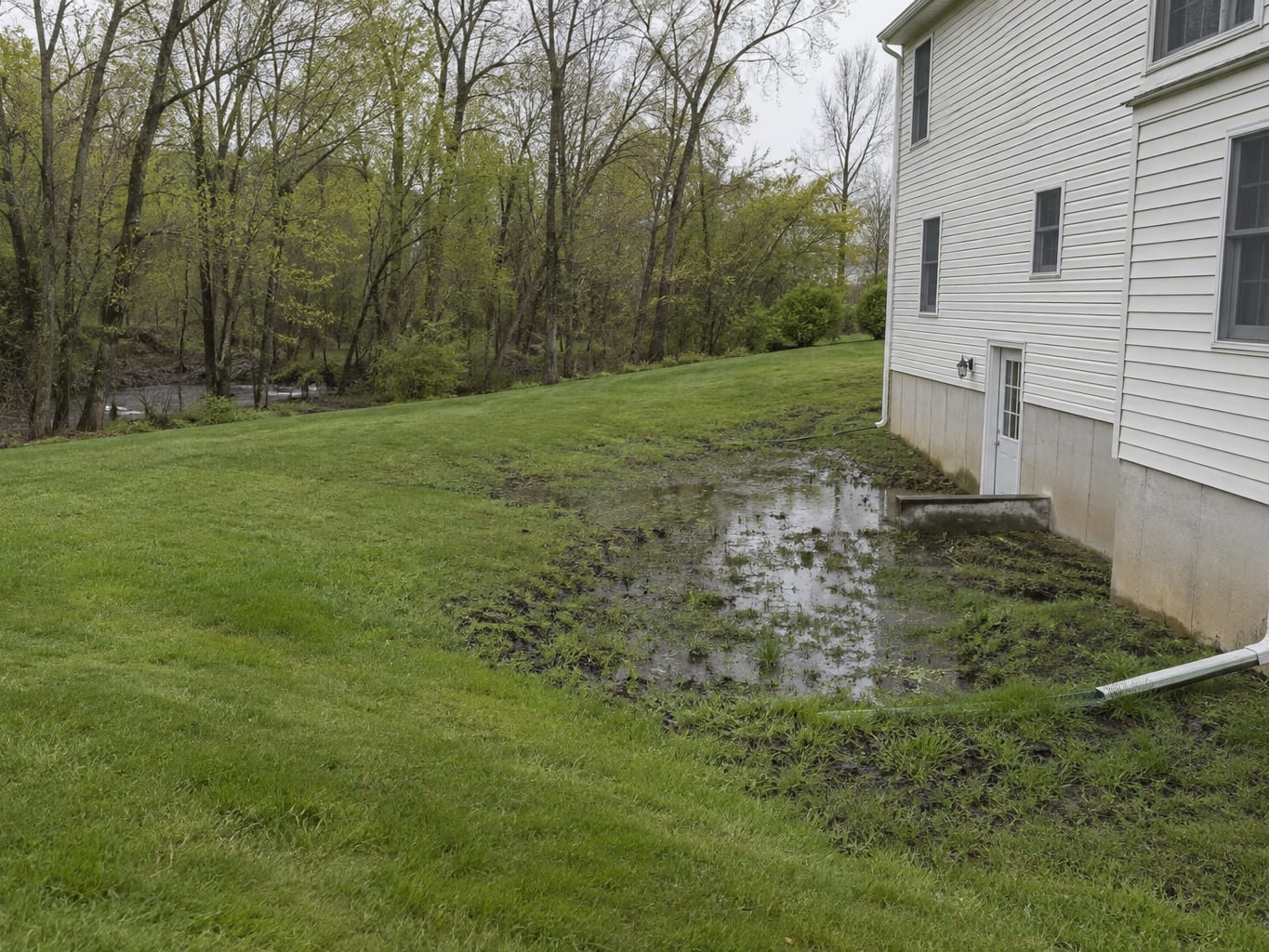
That description applies to particular soils and particular spots, and it does not mean every basement in the township is wet. It does mean the lot matters. A basement in a lower position, or on a soil that holds water in spring, can see moisture that a house higher up never does. Your parcel, your foundation, the drainage around the house and your sump decide what your basement does in a wet week.
So, if the growth keeps returning, look at the ground outside as well as the wall inside. Ask your inspector to check the foundation, the drainage around the house and the sump as part of the source assessment, and describe when the growth returns so the pattern is on record. Our Bridgewater mold remediation page describes how we approach the town as a whole, and the sections below cover the basement itself.
What You Can Safely Do Before Help Arrives
The first hour and the first day are about limiting the spread and protecting people, not about scrubbing.
- Stop the source if it is safe: Shut off a leaking supply line if you can reach it without standing in water, and keep people and pets away from standing water near electrical equipment.
- Leave suspicious materials alone: Do not disturb drywall, insulation, carpet or wall cavities that may hold growth, because disturbing them can spread it.
- Photograph and note the timing: Record what you see and when the water or odor first appeared.
- Skip the HVAC system if contamination is suspected: Running it can move spores through connected air pathways to the rest of the house.
- Keep vulnerable people away: The CDC advises that people with asthma or COPD, and people with weakened immune systems, should not stay in a moldy home or be present during cleanup. It recommends at least an N95 respirator, gloves and eye protection for anyone doing cleanup.
- Dry wet materials fast: EPA identifies 24 to 48 hours as the window that matters for reducing mold growth after a leak or spill, and it suggests keeping humidity below 60 percent, with 30 to 50 percent ideal.
- Call your insurer promptly if a sudden event was involved: Ask what your policy covers before materials are thrown away.
The First Hour and First Day
Stop the source if it is safe
Shut off a leaking supply line only if you can reach it without standing in water.
Leave suspicious materials alone
Disturbing drywall, insulation, carpet or wall cavities that may hold growth can spread it.
Photograph and note the timing
Record what you see and when the water or odor first appeared.
Skip the HVAC system if contamination is suspected
Running it can move spores through connected air pathways.
Keep vulnerable people away
People with asthma or COPD, and people with weakened immune systems, should not stay in a moldy home or be present during cleanup.
Dry wet materials fast
EPA identifies 24 to 48 hours as the window that matters, with humidity below 60 percent and 30 to 50 percent ideal.
Call your insurer promptly
If a sudden event was involved, ask what your policy covers before materials are thrown away.
EPA also says mold damages the materials it grows on, which is why porous materials that cannot be cleaned and dried adequately may have to come out. EPA's brief guide to mold, moisture and your home advises bringing in a professional when the affected area is larger than about 10 square feet, when sewage or contaminated water is involved, when HVAC contamination is suspected, or when anyone has health concerns.
When to Bring In a Professional
The area is larger than about 10 square feet
EPA advises bringing in a professional.
Sewage or contaminated water is involved
This changes the job.
HVAC contamination is suspected
Connected air pathways can spread spores.
Anyone has health concerns
Including asthma or COPD.
Working Below Grade Means the Source Comes First, Then Removal, Then Drying
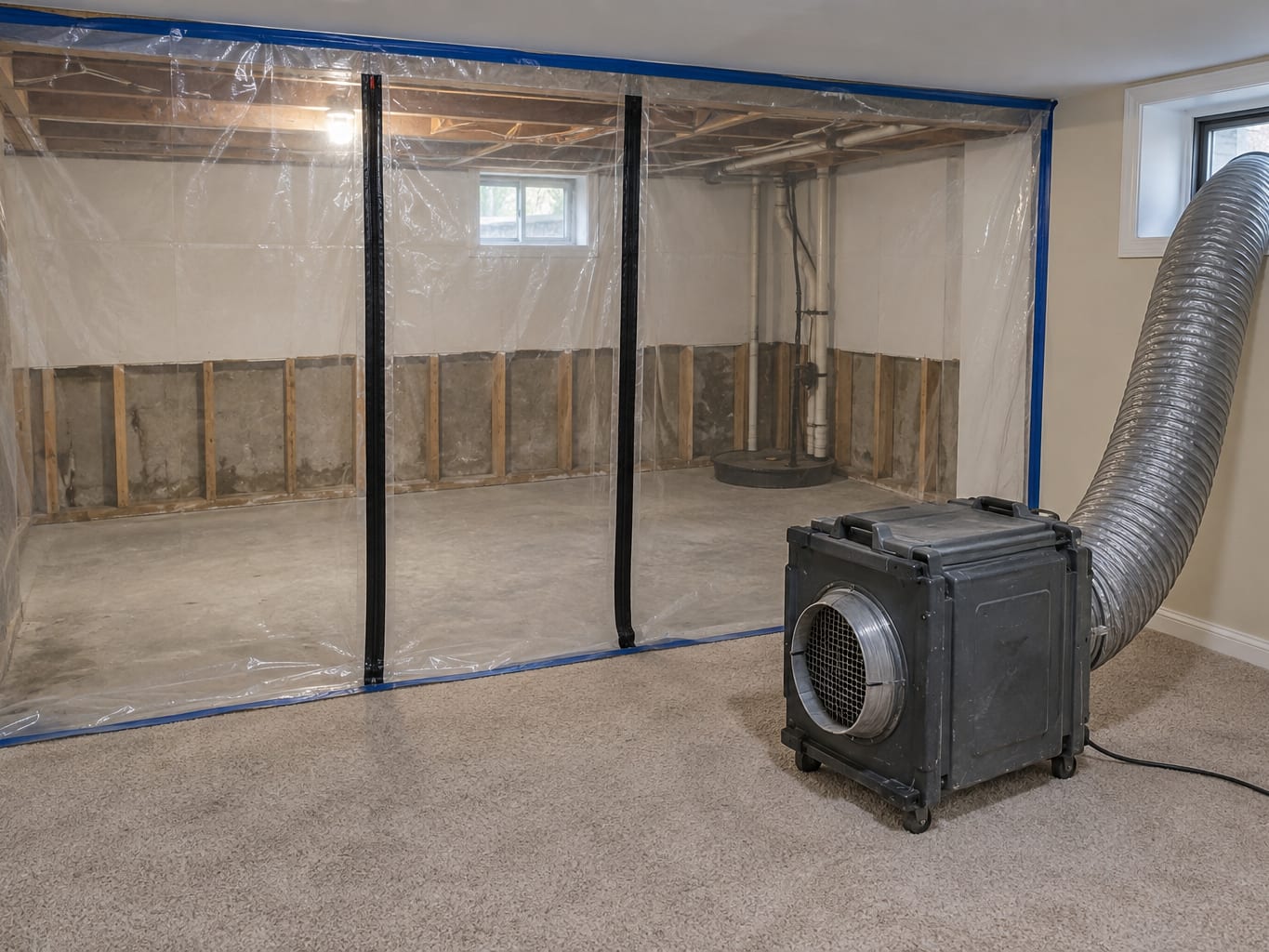
A basement job follows a sequence, and the order is what makes the result last. Our basement mold remediation service works through these stages:
- Source and hidden damage: Identify the water or moisture source and map visible and concealed damage.
- Testing decision: EPA says sampling is usually unnecessary when mold is visible, though it may help with certain hidden, health-related or documentation questions.
- Containment: Isolate the work area when the size or conditions call for it, so cleanup does not spread growth to the rest of the house.
- Protection: Crew members wear respiratory, eye, skin and clothing protection.
- Removal: Take out mold-damaged porous materials that cannot be cleaned adequately, such as drywall, insulation, carpet and some paper and wood products.
- Cleaning and drying: HEPA-vacuum and clean hard surfaces, then dry the structure.
- Correcting the pathway: Repair the drainage issue, plumbing leak, sump failure, humidity problem or other cause.
- Inspection and rebuild: Inspect and document the result; post-remediation testing may be useful for insurance, real estate or unusually complex projects. Then rebuild removed drywall, insulation, flooring and trim once the area is dry and cleared for reconstruction.
A Basement Job in Order
- 1
Source and hidden damage
Identify the water or moisture source and map visible and concealed damage.
- 2
Testing decision
EPA says sampling is usually unnecessary when mold is visible, though it may help with certain hidden, health-related or documentation questions.
- 3
Containment
Isolate the work area when the size or conditions call for it.
- 4
Protection
Crew members wear respiratory, eye, skin and clothing protection.
- 5
Removal
Take out mold-damaged porous materials that cannot be cleaned adequately, such as drywall, insulation, carpet and some paper and wood products.
- 6
Cleaning and drying
HEPA-vacuum and clean hard surfaces, then dry the structure.
- 7
Correcting the pathway
Repair the drainage issue, plumbing leak, sump failure, humidity problem or other cause.
- 8
Inspection and rebuild
Inspect and document the result, then rebuild once the area is dry and cleared for reconstruction.
Finished basements add limits. Access may be tight, mechanical equipment may sit close to the affected wall, and HVAC pathways can connect the basement to occupied rooms. Whether you have a finished basement, a utility basement, a crawl space, a townhome lower level or a commercial lower level, the plan should describe the space you actually have.
In our practice, a contained single area typically takes one to three days of active work, and larger jobs with multiple rooms or significant material removal take five to ten, plus laboratory time if testing is done. Those are our own working figures, not township timelines, and your inspection should produce a schedule for your basement.
Hover or tap a row to highlight it.
| Job | Active work |
|---|---|
| A contained single area | One to three days |
| Larger jobs with multiple rooms or significant material removal | Five to ten days, plus laboratory time if testing is done |
What Changes the Cost of Basement Mold Remediation
No single price fits every basement, and an itemized estimate based on an inspection is the honest way to price the work. These factors move the number:
- Area: The size of the affected space and the number of rooms.
- Visible versus hidden growth: Growth behind drywall, paneling, flooring or insulation, or around pipes, costs more to reach.
- Finish materials: Finished basements need careful demolition and later reconstruction, and framing, subflooring, insulation, carpet, drywall or stored contents may need to come out.
- Moisture source: A plumbing leak, seepage, stormwater, sump failure, condensation and contaminated water are fixed in different ways.
- Containment and protection: Negative air, HEPA filtration and specialized protective equipment add to the scope.
- HVAC involvement: Connected air pathways can spread spores.
- Drying: Time and equipment.
- Testing and verification: Independent testing or post-remediation verification, if you want it.
- Rebuild: Replacing what was removed.
Before work starts, ask for the moisture source, the affected materials, the containment plan, the disposal plan, the drying plan and the reconstruction scope in writing. Ask for a written scope that separates inspection, containment, removal, drying, testing, source correction, disposal and reconstruction, so you can see what each part costs and compare bids fairly.
Hover or tap a row to highlight it.
| Factor | What it covers |
|---|---|
| Area | The size of the affected space and the number of rooms |
| Visible versus hidden growth | Growth behind drywall, paneling, flooring or insulation, or around pipes, costs more to reach |
| Finish materials | Finished basements need careful demolition and later reconstruction |
| Moisture source | A plumbing leak, seepage, stormwater, sump failure, condensation and contaminated water are fixed in different ways |
| Containment and protection | Negative air, HEPA filtration and specialized protective equipment |
| HVAC involvement | Connected air pathways can spread spores |
| Drying | Time and equipment |
| Testing and verification | Independent testing or post-remediation verification, if you want it |
| Rebuild | Replacing what was removed |
Permit and Insurance Questions Follow the Cause and the Rebuild
Cleaning and rebuilding are treated differently by the township. Bridgewater's Code Enforcement department requires construction permits when work constructs, enlarges, alters or demolishes a structure or involves structural, electrical, plumbing or mechanical work. A finished-basement rebuild may need township review even when the original cleaning did not, so ask Code Enforcement about your exact demolition and rebuild scope before it starts. If your property is in a mapped flood-hazard area, the township's floodplain ordinance adds rules for regulated development and substantial improvements.
If you rent, the state's mold guidance directs tenants to the local building-code office for unrepaired leaks, and it notes that government offices have limited authority to cite owners for mold because there are no mold regulations.
On insurance, the answer depends on the cause. The state's homeowners policy summary identifies sudden and accidental water damage as commonly covered, while mold may be excluded unless it results from a covered loss. Standard homeowners policies exclude flood, as the state's flood notice explains. Your policy's mold limit and deductible decide the rest, so report the loss promptly and ask which peril applies.
Hover or tap a row to highlight it.
| Situation | What the state guidance says |
|---|---|
| Sudden and accidental water damage | Commonly covered |
| Mold | May be excluded unless it results from a covered loss |
| Flood | Excluded from standard homeowners policies |
| A renter with an unrepaired leak | Directed to the local building-code office |
Keep dated photographs, the water source, moisture readings, inventories of damaged materials, invoices, permits, drying records and any clearance report together.
Preventing the Next Basement Mold Problem
Once the basement is dry, the goal is to keep it that way. Correct the source of moisture, not only the visible growth, and do not reinstall carpet or finish materials until the structure is dry and the source is under control. Keep basement humidity below 60 percent, with 30 to 50 percent as EPA's ideal range. Drainage and the sump are worth rechecking before the wet season, because those are the routes that can feed the problem. Review your insurance exclusions, mold limit, flood coverage, deductible and additional-living-expense provisions now, so you know what applies before the next event.
If the event was recent, our water damage restoration team can handle extraction and drying first. If hidden growth is a concern, or you need documentation for a sale, residential mold testing can answer a specific question, and drywall replacement after mold restores the walls once removal is done.
Frequently Asked Questions About Basement Mold Remediation Bridgewater NJ
What does mold remediation cost in a Bridgewater basement?
There is no useful single price without knowing the area, materials, moisture source, containment needs, drying, testing and rebuild work. Ask for an itemized, inspection-based estimate.
Will insurance pay for mold remediation?
Sometimes. New Jersey guidance generally distinguishes mold that results from a covered sudden event, such as certain plumbing losses, from mold tied to flood, repeated seepage, maintenance, humidity or another excluded cause. Your policy controls, so ask your insurer for the peril, mold limit, deductible and documentation it requires.
What permanently kills mold?
Moisture control and physical removal are the durable solution. EPA does not recommend routine use of bleach or other biocides, dead mold can still cause allergic reactions, and mold returns if the moisture problem remains.
Can my family stay upstairs while the basement is handled?
That depends on the size of the job, the air pathways and who lives in the house. People with asthma, COPD, severe allergies or weakened immune systems should not stay in a moldy home or be present during cleanup, so ask your remediator how the work area will be contained.
Basement Mold, Quick Check
1. What are the two jobs in basement mold remediation?
2. What drying window does EPA identify for reducing mold growth after a leak or spill?
3. What basement humidity range does EPA call ideal?
4. At about what size does EPA advise bringing in a professional?
5. What is the durable solution to mold?
Pick an answer to begin.
Moving Forward
A musty basement gets fixed for good when you read the water first and clean second. Work out whether the problem is seepage, a sump or a leak, keep people safe while you wait, and have the growth removed and the structure dried. Correct the pathway, keep humidity in range, and rebuild once the readings say the space is dry.
That order stops you from paying to clean the same basement again and leaves you with a record for your insurer or a future buyer. A written scope and drying documentation make each later decision easier.
If your basement in Bridgewater, NJ smells musty or shows growth, call ExecPro Restoration & Cleaning at (888) 300-3772 or contact us. We inspect for the moisture source, contain and remove affected materials, dry the space and coordinate the rebuild, and we will describe the plan in writing before work begins. Tell us what you see and when it started, and we will help you take the next step.
Basement Mold Terms
Tap a term to see what it means.
Seepage. Water coming through the foundation or slab, often after heavy rain.
Serving Bridgewater
ExecPro Restoration & Cleaning provides mold remediation services in Bridgewater, NJ, from inspection and testing through removal, drying, and post-remediation verification. Call (888) 300-3772 for 24/7 emergency response.
Related Articles
Basement Mold Remediation in Robbinsville, NJ: Fieldstone, Poured Concrete and Rain That Soaks In
Whether the wall is fieldstone or poured concrete, basement mold remediation in Robbinsville starts with where rain gets in. Learn what shapes the scope.
Basement Mold Remediation in Trenton, NJ: Old Masonry Cellars and Summer Rain
Finding growth on a masonry cellar wall starts with the water path. How old Trenton cellars are cleaned and dried, and what to fix so it does not return.
Basement Mold Removal: What Comes Out, What Can Stay, and Why
Basement mold removal in NJ: see which materials usually come out, which can be cleaned and kept, when DIY stops and how to keep mold from coming back.