Mold Removal in Robbinsville, NJ: Which Materials Go, in a House or a Townhouse Unit
Cal HewittPublished Updated
- mold removal
- hoa condo
- moisture source
- robbinsville nj
- new jersey
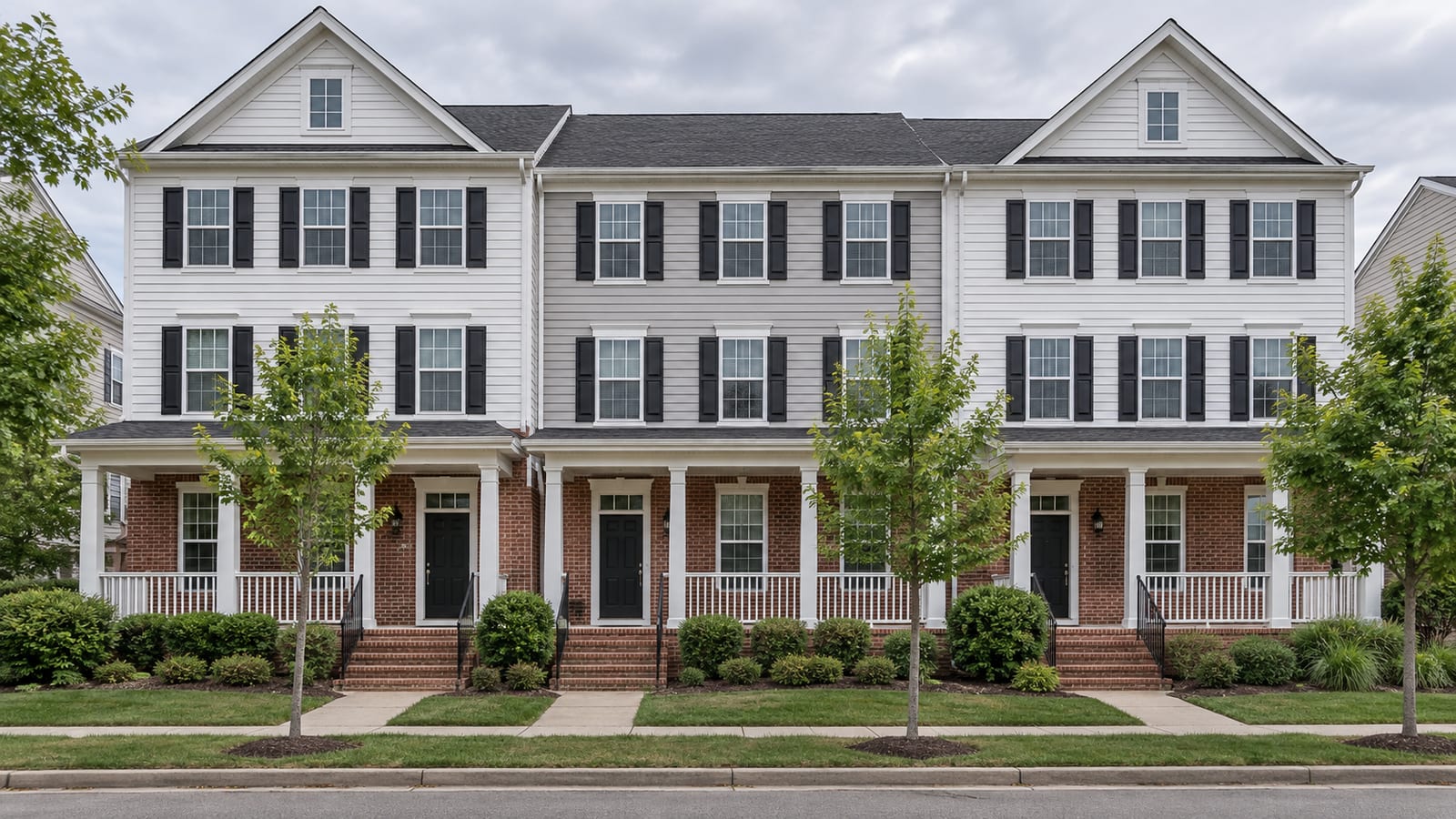
Before you hire anyone to take out mold on a wall, a ceiling or a floor, you want to know what your room will look like when the crew leaves. Mold removal in Robbinsville, NJ often means a finished lower level or a townhouse or condominium unit, where the growth sits behind drywall you paid to have hung and beside a wall you may share with a neighbor. It is fair to ask which drywall, insulation, carpet, flooring and trim will be cut out, which surfaces will be cleaned and kept, and how much of the wall will be opened. In a shared building there is a second worry: whether the growth runs into the next unit or a common wall, and whether that part is yours or the association's to deal with. Those questions have answers you can get in writing before anyone picks up a tool. What follows goes material by material, so you can ask a contractor what would come out of your room, what would stay, and where your unit ends.
Key Takeaways
Porous materials with growth in them generally come out
Drywall, insulation, carpet and pad, and ceiling tile are cut out and replaced, while hard surfaces can often be HEPA vacuumed and cleaned where they are.
Your unit ends where your documents say it does
In a townhouse or condominium, read the association documents before a shared wall is opened, and tell the property manager in writing.
Size sets who does the work
Under about 10 square feet an owner can often handle it, 10 to 100 square feet calls for professional advice, and above 100 square feet calls for a qualified contractor.
How Far the Tear-Out Goes, and Where Your Unit Ends
In a detached house, the walls, floors and ceilings around the growth are yours, so the tear-out stops where the moisture and the growth stop. In a townhouse or condominium it also stops at a line you may not be able to see. Robbinsville's housing mix includes townhomes and condominiums, and those buildings can involve shared walls, common mechanical areas, association responsibilities and exposure to the next unit. Mold follows moisture, and moisture does not stop at a property line. A leak in the unit above, a wet shared wall or a failed line in a common chase (the enclosed channel that carries pipes or ducts between units) can put growth on your side of a wall while the cause sits on someone else's.
So, before anyone opens a shared wall, settle three questions:
- Where did the water come from?: Stop the source if it is safe to reach it, and photograph the wet area and the growth before anything is touched.
- Is the wall shared or common?: A wall between two units, a wall around a shared pipe or duct, and a wall that holds common electrical or heating equipment may be the association's or jointly maintained. Your declaration, bylaws or lease say which, and only those documents can tell you what your association requires.
- Who needs to be told?: Notify the property manager or the association in writing, and your insurer if a claim may be involved, before demolition starts.
If the moisture came through a shared wall, ask for the neighbor's side to be looked at too.
Inside your own unit, the drywall, flooring and trim around the growth are the usual scope of a unit-level job. Who owns and pays for the wall framing, the pipes behind it and the common equipment depends on your governing documents. Ask a contractor to mark on a sketch or on the wall itself where the work stops and why.
Detached homes come second here. Most homes in the township were built from the 1980s through the 2000s, and in that kind of house the finished lower level is the room to watch. It can have drywall over insulated walls, carpet or engineered flooring, and concealed wall cavities that hold moisture. Those layers soak up water and dry slowly, and they are the first ones a crew cuts into.
Which Drywall, Insulation, Carpet and Trim Come Out, and What Stays?
The first sorting question is whether a material is porous. A porous material has tiny openings that soak up water and let growth root inside, and drywall paper, insulation, carpet and ceiling tile all fit that description. EPA says porous materials with embedded growth may need removal, and that killing mold alone is not enough. A hard, nonporous surface is different, because growth sits on top of it and can usually be cleaned off.
Here is how the common materials sort out before an assessment changes the picture:
A HEPA vacuum has a filter fine enough to hold the smallest particles, so dust is captured and not blown around the room.
Drywall is the material most owners ask about, and the cut follows the moisture, not the stain. Growth on a wall face can be the visible end of wetness that climbed inside the wall, so the crew usually opens the wall past the visible edge and checks the back of the board and the cavity. If the board is dry and clean beyond a certain line, the cut stops there. Insulation sits in that same cavity, and wet or growth-covered insulation comes out with the board.
Carpet and pad go together. The pad is a sponge, and it holds water long after the carpet feels dry on top. Engineered flooring is layered, and once water gets between the layers the boards can swell and lift, so whether a floor stays depends on how wet it got and how far the growth reached. Trim is a similar judgment. A baseboard with a sound finish and light surface growth can often be cleaned, while a piece that has soaked up water and gone soft is replaced. Ask the contractor to sort each piece of trim, door casing and stair part into cut out, cleaned or kept.
Sound studs and joists can be cleaned and dried, but the New Jersey Department of Health says mold can begin breaking down studs and joists when moisture stays. If framing has to be replaced, it belongs on the estimate as its own line.
Can You Clean It Yourself, or Is It a Contractor's Job?
Three size thresholds help you decide, and they are planning guidance for who should do the work, not health limits. EPA says areas smaller than about 10 square feet can often be handled by the owner with appropriate precautions. The New Jersey Department of Health recommends professional advice for areas between 10 and 100 square feet and a qualified contractor above 100 square feet.
Hover or tap a row to highlight it.
| Affected area | Who handles it | Source |
|---|---|---|
| Under about 10 square feet | The owner can often handle it with appropriate precautions | EPA |
| 10 to 100 square feet | Professional advice is recommended | New Jersey Department of Health |
| Above 100 square feet | A qualified contractor | New Jersey Department of Health |
For scale, 10 square feet is a patch about three feet on each side. Measure the area you can see, and remember that growth on a wall face can be smaller than the wet area behind it.
Size is not the only trigger. EPA guidance points to professional help sooner when the water damage is extensive, the water was contaminated, or an HVAC system may be affected. Cutting drywall or disturbing insulation raises the stakes too, and anyone with significant health concerns should talk with a health professional before cleanup.
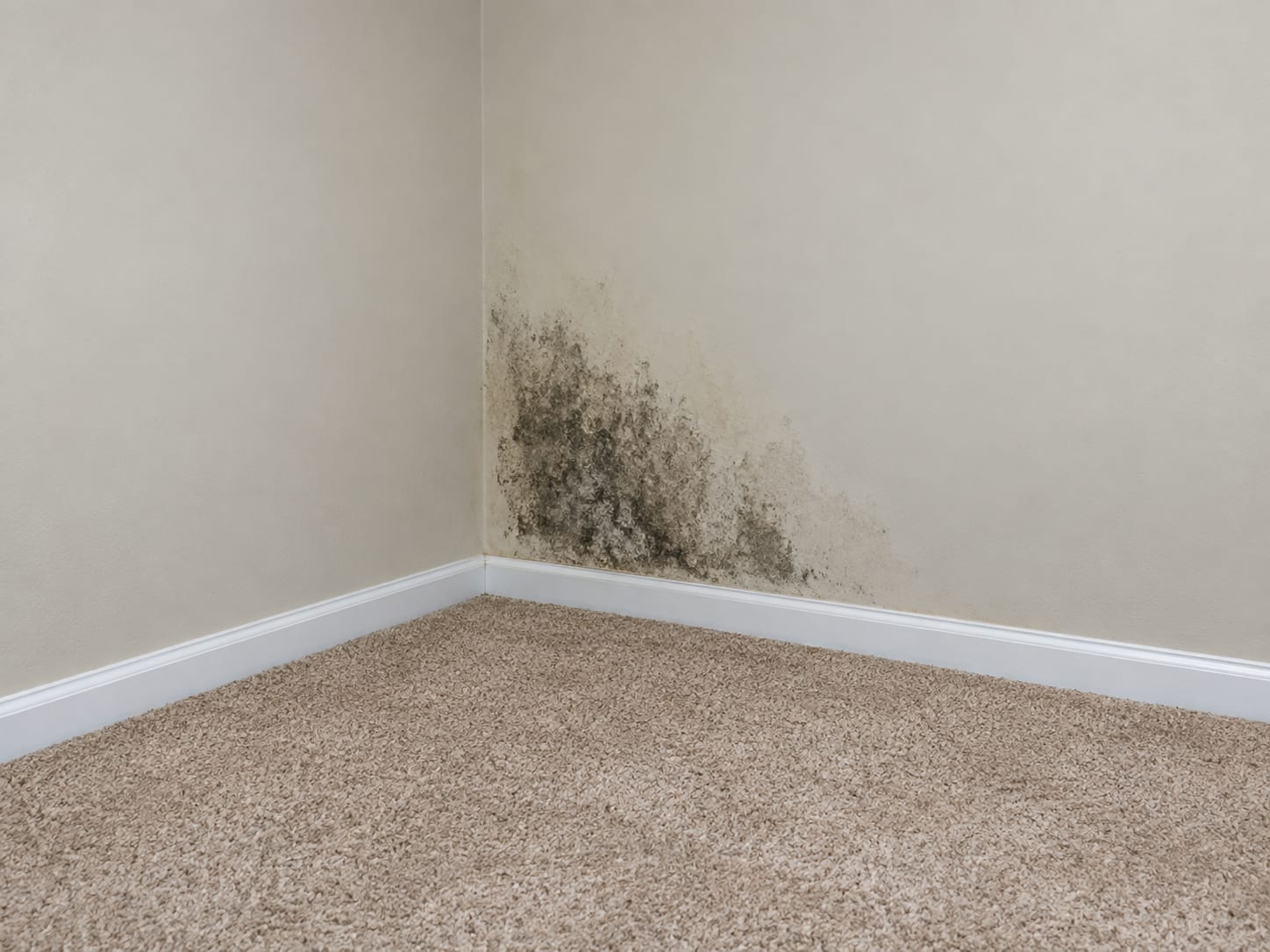
If you clean a small area yourself, wear protection, keep it separate from the rest of the home, and fix the water problem first. If the growth is in a shared wall, hold off until the association has heard from you, because even a small patch on a shared wall may not be yours to open.
What Should You Do in the First 24 Hours?
Your plan for the first day is short, and none of it needs a contractor on site yet. Start with the next hour:
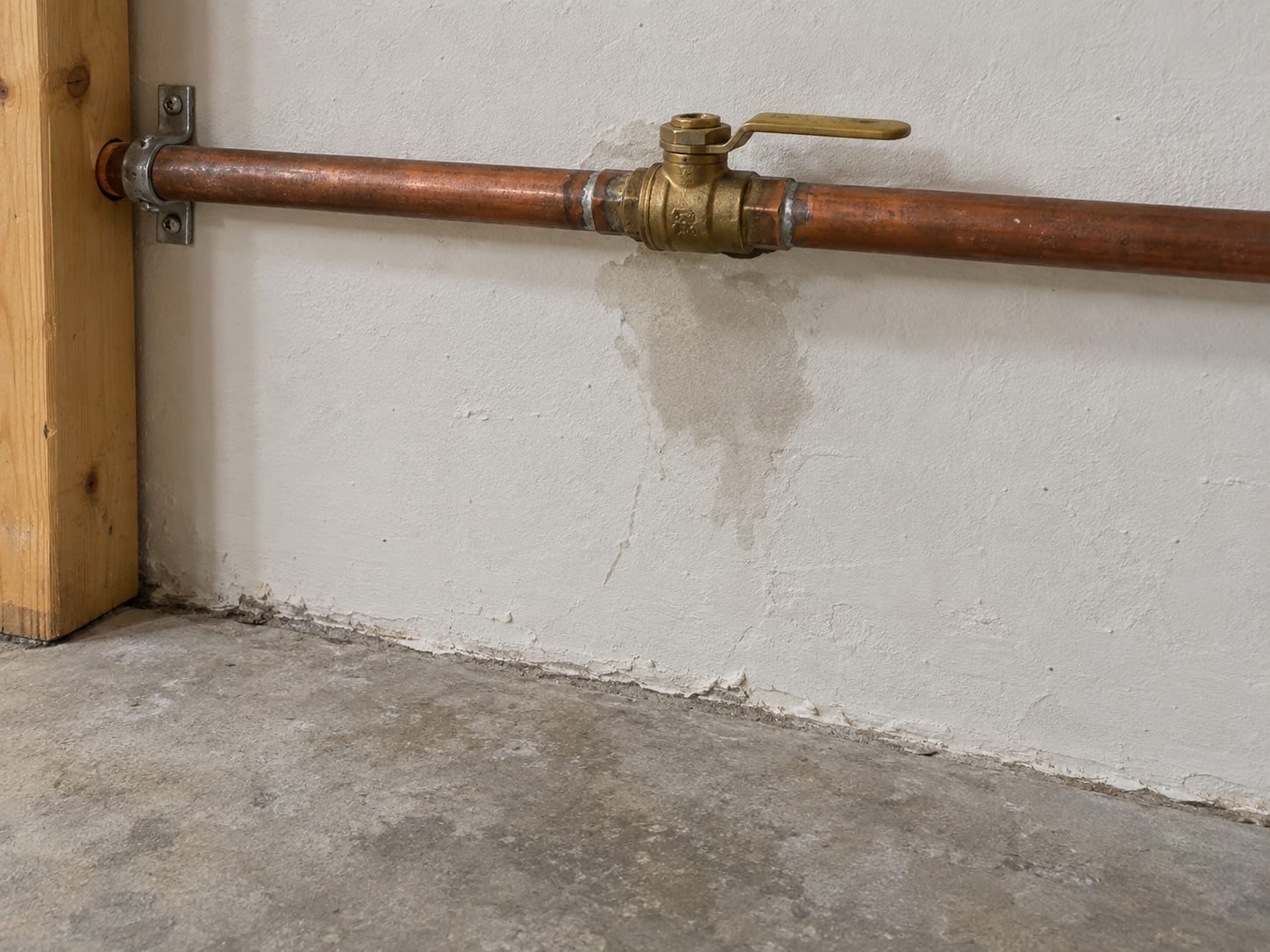
- Stop the water: If the source is safe to reach, shut it off.
- Keep people away: Stay clear of visible growth, contaminated water and damaged electrical equipment.
- Leave the HVAC off: Do not run a system you suspect is contaminated.
- Photograph everything: Record the affected area and where the water came from before anything is touched or thrown away.
- Make the calls: Notify your insurer or your property manager when a claim or a shared building may be involved.
Then use the rest of the day. EPA says wet or damp materials should generally be dried within 24 to 48 hours after a leak or spill to reduce the chance of growth, so dry what you safely can, and leave sewage-contaminated material alone. Arrange a visual assessment when the source is hidden, the area is large or the water was contaminated. Then ask for a written scope that separates moisture correction, removal, testing, disposal and rebuild, because that document is what lets you compare one contractor with another. Our Robbinsville mold inspection guide explains how an inspector traces a hidden source.
What Does Mold Removal Cost, and What Changes the Estimate?
The cost of mold removal depends on your room and not on the town, so the useful move is to learn what changes an estimate and ask for it itemized. The main drivers are these:
- Area and rooms: One wall section is a different job from a whole lower level.
- Visible or hidden growth: Growth inside a wall cavity means more opening up.
- Materials removed: Drywall, insulation, carpet, flooring, ceiling tile, framing or cabinetry that has to go, against hard surfaces cleaned in place.
- Water type: Clean, gray, sewage-contaminated or flood water are handled differently.
- Containment and protection: Containment, negative air (fans that pull air out of the sealed work area), HEPA filtration and protective gear for workers.
- Drying and testing: Drying and dehumidification time, plus sampling or verification when a lender, buyer, insurer or manager wants it.
- Rebuild and disposal: Hauling away removed material, structural repair and replacing what was taken out.
- Occupancy: A townhome, condominium, rental or office adds coordination.
The New Jersey Department of Health advises getting estimates from more than one contractor, because they can vary significantly, and it recommends asking whether the contractor's liability insurance covers mold or microbial work. Put both questions to everyone who bids, and ask each one to price what comes out, what is cleaned, what is dried and what is rebuilt on its own line.
Questions to Put to Every Bidder
Where does the work stop?
Ask the contractor to mark on a sketch or on the wall itself where the work stops and why.
Which trim stays?
Ask for each piece of trim, door casing and stair part to be sorted into cut out, cleaned or kept.
Is framing replaced?
If framing has to be replaced, it belongs on the estimate as its own line.
Is the estimate itemized?
Ask each bidder to price what comes out, what is cleaned, what is dried and what is rebuilt on its own line.
Does liability insurance cover mold work?
Ask whether the contractor's liability insurance covers mold or microbial work.
Do the estimates agree?
Get estimates from more than one contractor, because they can vary significantly.
At ExecPro Restoration & Cleaning, our practice is to scope and start most residential projects within 24 to 48 hours of an initial assessment. Ask whoever you hire for a schedule that fits your property.
Whether insurance pays depends on the policy and the cause of the loss. Report the loss promptly and keep your photographs, moisture readings, damaged-material lists and invoices.
What Happens After the Materials Come Out?
Removal without a repair is a delay, so the next step is fixing the water problem before anything closes up. EPA says the moisture problem has to be corrected or mold is likely to come back. Ask the contractor to write down where the water came from and how it was stopped. That single line is the one a future buyer, insurer or property manager will look for.
The crew then cleans the work area and dries the structure, and only after that are drywall, insulation, flooring and trim put back. Every step, from the first moisture reading to the completion record, is on our Robbinsville mold remediation page.
Putting a finished basement back may need a permit, and cleaning by itself is not treated as automatically needing one. The township construction office answers permit questions at (609) 259-3600, extension 1114, and its permit page lists basement finishing among the work that needs one. Tell the contractor what you plan to rebuild and ask the office whether that part of the work needs a permit before it starts.
Flood status is a property question, so check your parcel with current FEMA and New Jersey maps. If your lower level took in outside water, that changes the water type and the estimate, so tell everyone who bids.
For a sale, a lease or a claim, keep the inspection notes, the written scope, the moisture records, the repair invoices and any independent verification together in one folder.
After the Materials Come Out
- 1
Fix the water problem
EPA says the moisture problem has to be corrected, or mold is likely to come back.
- 2
Write down the source
Ask the contractor to record where the water came from and how it was stopped.
- 3
Clean and dry
The crew cleans the work area and dries the structure.
- 4
Put the finishes back
Drywall, insulation, flooring and trim go in only after the structure is dry.
- 5
Keep one folder
Inspection notes, the written scope, moisture records, repair invoices and any independent verification stay together for a sale, a lease or a claim.
Frequently Asked Questions About Mold Removal in Robbinsville, NJ
What is the difference between mold removal and mold remediation?
Removal means physically cleaning or taking out contaminated material. Remediation is the whole process: finding and fixing the moisture, containing the area when needed, removing or cleaning the affected material, drying, documenting and verifying the result.
Who pays for it if the growth is in a shared wall in my townhouse or condominium?
That depends on your declaration, bylaws or lease, and on where the water came from. Tell the property manager or association in writing, ask for their responsibility list, and get the contractor's cut lines marked before a shared wall is opened.
Can I stay in the house during removal?
It depends on the size of the area, the water type, whether the HVAC system is involved and who lives there. Infants, older adults and people with asthma, severe allergies or weakened immune systems face higher risk, so ask a health professional and ask the contractor how the work area will be separated.
Will insurance cover the removal?
Coverage depends on the policy and the cause of the loss. Read your policy, report the loss promptly and ask the insurer what documentation and temporary repairs it requires.
How do I keep mold from coming back?
Fix the moisture problem and remove or clean the growth. EPA says killing mold alone is not enough, so a repair that stops the water matters more than any product applied afterward.
Check What You Know About Mold Removal
1. Which materials with growth in them generally come out?
2. What does the New Jersey Department of Health recommend above 100 square feet?
3. In a townhouse or condominium, what tells you where your unit ends?
4. How soon should wet or damp materials generally be dried after a leak or spill?
5. What has to be fixed before anything closes up?
Pick an answer to begin.
Moving Forward
Mold removal is a set of material decisions. Drywall, insulation, carpet and ceiling tile with growth in them generally come out, hard surfaces can often be cleaned in place, and engineered flooring, trim and framing depend on how wet they got and how far the growth reached. In a townhouse or condominium, your governing documents say where your unit ends, so read them and tell the manager before a shared wall is opened.
When you know which materials would be cut out, which cleaned and kept, and where the unit line falls, the estimate stops being a mystery. A marked cut line and a written record of the water source protect your room now and answer a buyer's or insurer's questions later.
If you have mold in a Robbinsville, NJ house or townhouse, ExecPro Restoration & Cleaning can assess the affected walls and floors, tell you which materials we would cut out, clean or keep, and put it in a written estimate. Call us at (888) 300-3772 or contact us to schedule an assessment, and see our full mold remediation services for how we handle the rest of the job.
Mold Removal Terms
Tap a term to see what it means.
Porous material. A material with tiny openings that soak up water and let growth root inside, such as drywall paper, insulation, carpet and ceiling tile.
Serving Robbinsville
ExecPro Restoration & Cleaning provides mold remediation services in Robbinsville, NJ, from inspection and testing through removal, drying, and post-remediation verification. Call (888) 300-3772 for 24/7 emergency response.
Related Articles
Air Quality Testing in Robbinsville, NJ: A Musty Smell After a Thunderstorm
A musty smell that shows up after heavy rain often means hidden moisture. See what air quality testing in Robbinsville, NJ can tell you and what to check.
Basement Mold Remediation in Robbinsville, NJ: Fieldstone, Poured Concrete and Rain That Soaks In
Whether the wall is fieldstone or poured concrete, basement mold remediation in Robbinsville starts with where rain gets in. Learn what shapes the scope.
Mold Inspection in Robbinsville, NJ: Leaks, Condensation or Seepage, and What an Inspector Checks
Most of the township's land sits outside the mapped floodplain, so a musty room usually traces to a leak. See what mold inspection in Robbinsville, NJ checks.