Mold Remediation in Robbinsville, NJ: Hiring the Whole Job and Keeping the Paperwork
Cal HewittPublished Updated
- mold remediation
- documentation
- insurance restoration
- robbinsville nj
- new jersey
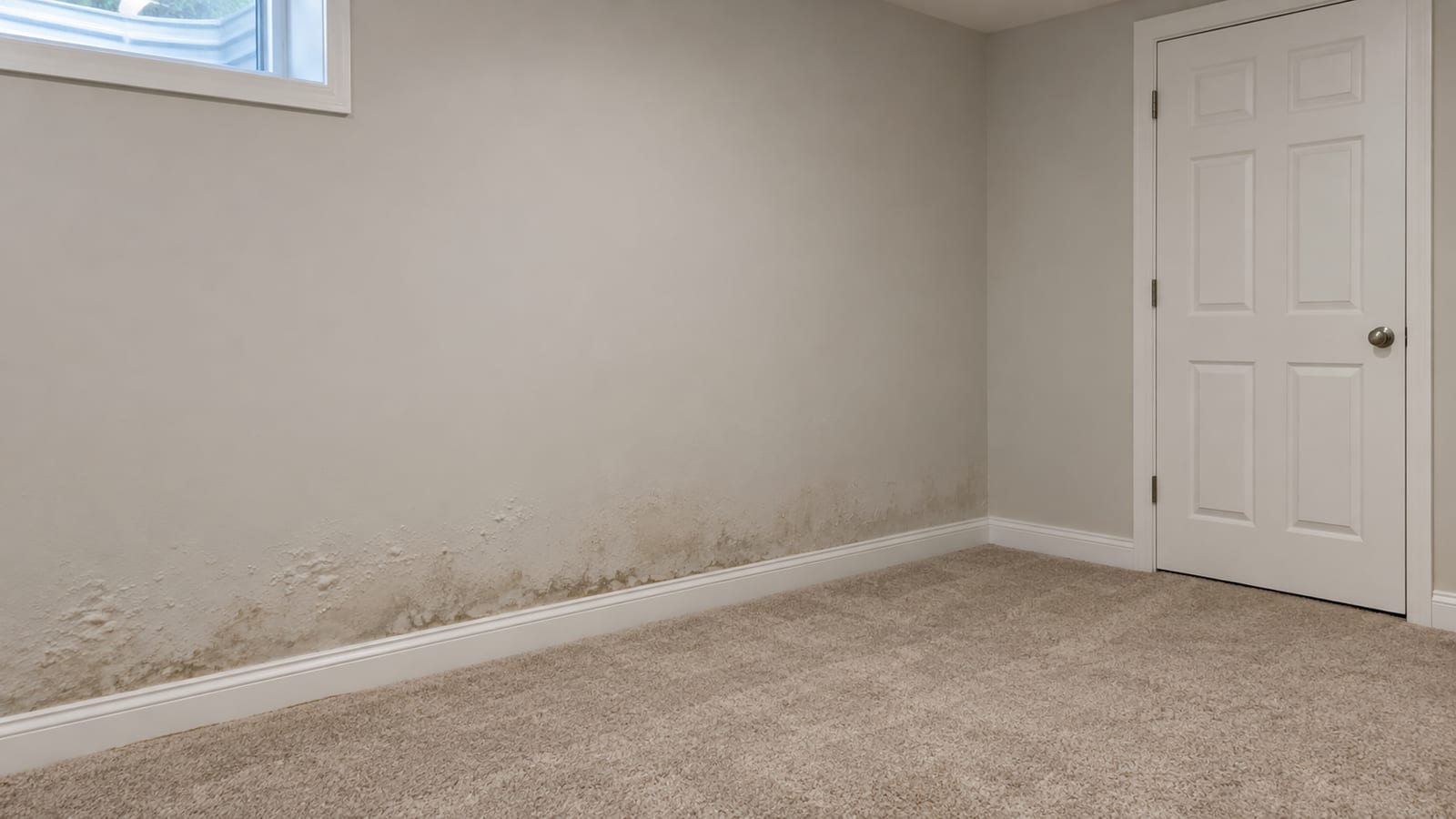
The mold is no longer a question. A leak exposed it, or it turned up in a finished lower level, or a buyer's inspector wrote it up, and now you have to hire one company for the whole job and keep an eye on it. Mold remediation in Robbinsville, NJ comes down to four things you can settle before anyone starts: what you get in writing before you sign, how you judge a contractor when the state does not certify mold companies, what your insurer will want to see, and which papers you are holding when the crew leaves. Those papers matter because the person who answers at a sale, or across a desk from an adjuster, is you. A job that is done well but undocumented is hard to prove, and a job with a clear written trail is easy to stand behind. What follows is the order to ask for things in, so you finish with a folder that holds up.
Key Takeaways
The written plan comes first
New Jersey Department of Health guidance says to fix the water source, get a written inspection report and a separate written remediation plan, and document the areas and materials affected.
The state does not certify mold companies
Confirm the contractor's business registration, insurance, training and credentials before signing, and ask for references from similar jobs.
Ask for milestones, not a number of days
A written sequence with drying, verification, demolition, rebuild and occupancy milestones tells you more than a promised finish date.
Insurance coverage depends on the policy and the cause
Report promptly, document before demolition when it is safe, and keep invoices, moisture records and the final remediation documents.
Before You Sign: The Written Plan, the Insurance and the Sign-Off
Robbinsville is a township of homeowners. About four in five homes are owner-occupied (79.6%), and the median value of an owner-occupied home is $568,300, according to Census QuickFacts figures for 2020 to 2024. When the house is yours and worth that much, the paperwork from a mold job is part of what you own. It is what a buyer's attorney reads, and it is what an insurer asks for.
The New Jersey Department of Health lays out the order: correct the water intrusion first, get a visual inspection and a written inspection report, and get a separate written remediation plan. The report should say which areas were inspected, what the moisture conditions were, where the mold is, how large the affected area is, which materials it is on, and whether other contaminants are possible. The department also says New Jersey has no state certification program for companies that do mold work, and its lists of consultants, laboratories and remediation firms are a service that does not endorse or qualify anyone on them. That means the documents, not a state license, are how you choose.
Before you sign, ask each contractor for these:
- A written scope: Stabilization, containment, demolition, cleaning, drying, disposal, testing and rebuild, each described separately.
- The moisture plan: How the leak, storm entry, condensation or other water source will be found and corrected.
- The affected areas and materials: Listed by room, with the estimated size of each area.
- Credentials you can confirm: Business registration, insurance, training and any state or local credentials that apply, plus references and experience with similar jobs.
- A sign-off definition: What condition the room has to be in, and what record you receive, before the job counts as finished.
NJDOH also suggests considering a different company for testing than for remediation, which avoids a conflict of interest. If a sample or a verification is part of your plan, ask who is doing it and who is paid for the result.
What to Ask Each Contractor For Before You Sign
A written scope
Stabilization, containment, demolition, cleaning, drying, disposal, testing and rebuild, each described separately.
The moisture plan
How the leak, storm entry, condensation or other water source will be found and corrected.
The affected areas and materials
Listed by room, with the estimated size of each area.
Credentials you can confirm
Business registration, insurance, training and any state or local credentials that apply, plus references from similar jobs.
A sign-off definition
The condition the room has to be in, and the record you receive, before the job counts as finished.
Before the crew arrives, do what protects the record. Stop the water if it is safe to reach, photograph or video the source, the rooms, the materials and any standing water, and notify your insurer promptly. Keep damaged materials and receipts as your insurer directs, unless safety requires removal.
Insurance depends on the policy and the cause of the loss. The state's Bulletin No. 02-14, "Mold/Fungus Exclusion Guidelines for Personal and Commercial Lines and Higher Limits Options", issued July 8, 2002, gives insurers guidelines and says mold coverage should apply when the mold results from a peril insured against during the policy period. It does not guarantee coverage under your current policy. A leak, a flood, long-term seepage, a maintenance issue, a sewer backup and a humidity problem may each be treated differently, so read your policy, report the loss, and ask the insurer in writing which documents it requires.
Permits take only a few sentences. Cleaning mold alone is not identified as permit-triggering on the township's construction department page, but demolition and rebuild, plumbing, electrical or mechanical work, or a finished basement may be. Ask the township construction office whether your proposed work needs a permit or an inspection before it starts.
The Job Runs in a Set Order, From the Water Source to the Rebuild
A sound remediation follows a sequence, and knowing it lets you spot a bid that skips a step. The order is:
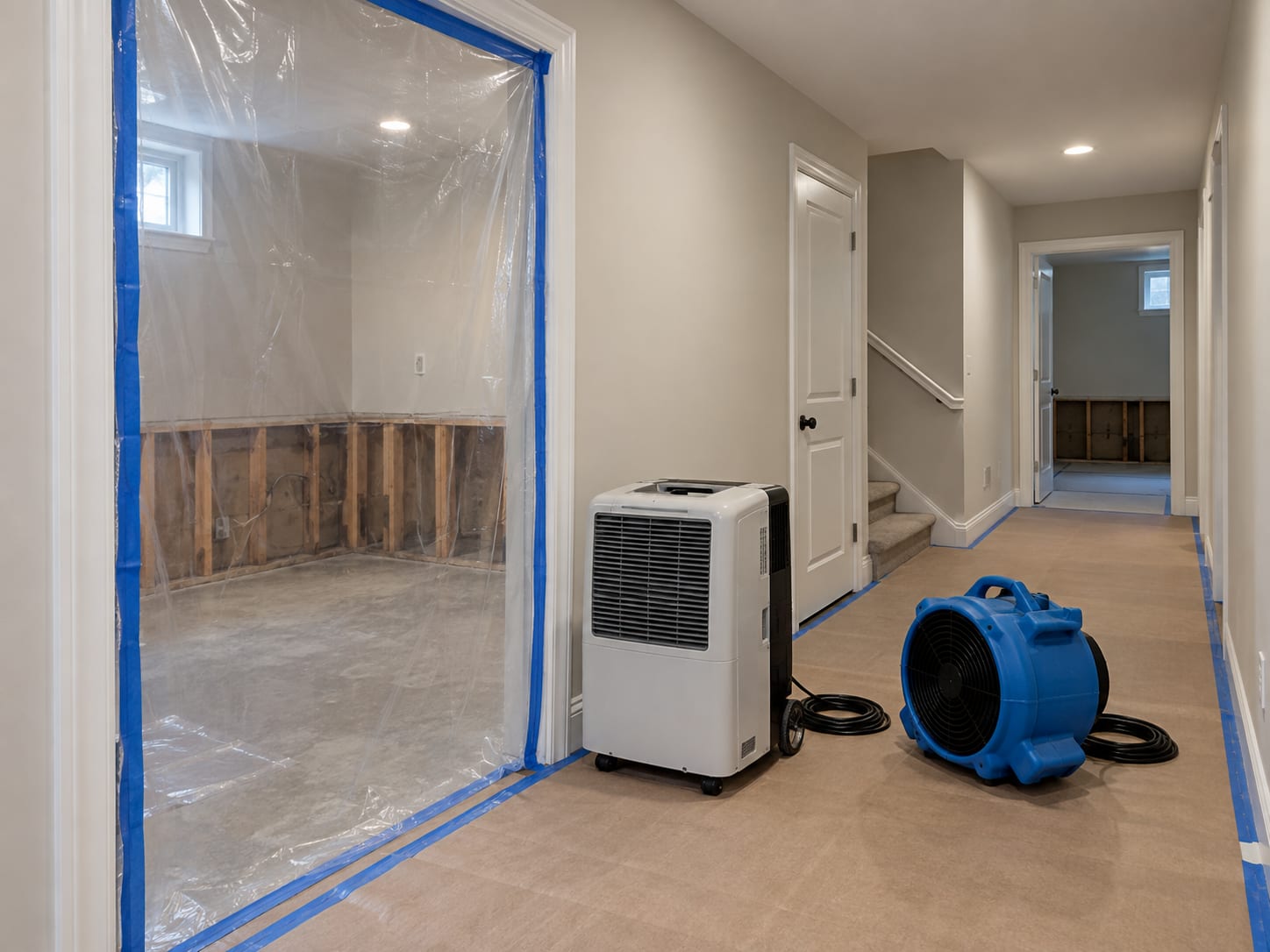
1. Identify the water or moisture source. 2. Assess the affected area and materials, including the chance of hidden growth. 3. Plan containment, protective equipment, cleaning, removal, drying and how occupants will be told. 4. Correct the source, whether that is a leak, flood entry, condensation, plumbing, HVAC or grading. 5. Clean and dry what can be saved. 6. Remove porous material that cannot be cleaned. 7. Check for remaining moisture, odor, visible growth or a sign the problem is returning. 8. Rebuild the finishes once the remediation scope is complete.
Containment means sealing off the work area so disturbed dust and spores do not travel through the house. It matters more as the area gets larger, and EPA guidance notes that larger contamination areas and greater potential exposure can require more containment and protective equipment. Which materials come out and which are cleaned and kept is its own subject, and it is covered material by material in our Robbinsville mold removal guide.
A Remediation Job in Order
- 1
Identify the water or moisture source
Find where the water came from before anything else.
- 2
Assess the area and the materials
Include the chance of hidden growth.
- 3
Plan the job
Containment, protective equipment, cleaning, removal, drying and how occupants will be told.
- 4
Correct the source
A leak, flood entry, condensation, plumbing, HVAC or grading problem.
- 5
Clean and dry what can be saved
Salvageable materials are cleaned and dried.
- 6
Remove porous material that cannot be cleaned
Wallboard, insulation and similar material each get their own decision.
- 7
Check for remaining moisture
Look for moisture, odor, visible growth or a sign the problem is returning.
- 8
Rebuild the finishes
Once the remediation scope is complete.
Drying runs through the whole job. EPA's checklist calls for wet materials that are not moldy to be dried within 48 hours, and its detailed guidance gives carpet and backing a window of 24 to 48 hours. Wallboard, insulation, flooring and wood each get their own decision, based on swelling, contamination, porosity and whether the material can be cleaned.
In an older home, one more check belongs before demolition. Asbestos and lead can be present in suspect materials, and New Jersey regulates asbestos abatement separately, so ask whether a hazard evaluation is needed before anything is cut. That applies to the smaller share of older houses in the township more than to the many built from the 1980s through the 2000s.
Ask for the Schedule as Written Milestones
The length of a job depends on the source, the affected square footage, the materials, hidden cavities, contents, contamination, drying conditions, inspections, insurance approval and the rebuild. No honest contractor can name a fixed number of days before seeing the building. What you can ask for is a written sequence with milestones:
- Drying: When the structure is expected to be dry and how it will be measured.
- Verification: When the check for remaining moisture, odor and visible growth happens, and who does it.
- Demolition: When materials come out, and what is protected while they do.
- Rebuild: When finishes go back, and that they wait until the area is sufficiently dry.
- Occupancy: When each room can be used again, and what to do until then.
If an inspection is part of the rebuild, the township's construction office takes inspection requests in writing, so build that step into the schedule. A contractor who can give you milestones has thought about the job, and a contractor who gives you only a finish date has not shown you the steps between.
Hover or tap a row to highlight it.
| Milestone | What to ask for |
|---|---|
| Drying | When the structure is expected to be dry and how it will be measured |
| Verification | When the check for remaining moisture, odor and visible growth happens, and who does it |
| Demolition | When materials come out, and what is protected while they do |
| Rebuild | When finishes go back, and that they wait until the area is sufficiently dry |
| Occupancy | When each room can be used again, and what to do until then |
What Sets the Price: Area, Material, Access and Rebuild
Price follows scope, and scope follows the building. The main drivers are:
- Area: The size of the affected area and the number of rooms or levels involved.
- Visible or hidden growth: Growth behind finished walls means more opening up.
- Material: The type and porosity of what is affected, and whether drywall, insulation, carpet, ceiling materials, cabinetry or contents must be removed.
- Water type: Whether sewage, floodwater or another hazardous source is involved.
- Source difficulty: How hard the moisture source is to find and correct.
- Containment and drying: Negative air (fans that pull air out of the sealed area), HEPA filtration, dehumidification, air movement and extended drying.
- Access: Finished walls, crawl spaces, attics, mechanical rooms and occupied spaces make the work slower.
- Contents: Cleaning, packing, storage and disposal.
- Testing: Third-party inspection or sampling, when it is appropriate.
- Rebuild: Reconstruction, plus any permit, inspection, plumbing, electrical, HVAC, roofing, grading or waterproofing work.
Ask every bidder for an itemized estimate that separates emergency stabilization, assessment, containment, demolition, cleaning, drying, disposal, contents, testing, repairs and reconstruction. Compare those lines, along with exclusions, equipment and drying measurements, and skip the single lump-sum number, which hides what you are actually buying. Ask what the estimate leaves out, too, so a later change order is not a surprise. Our build-back services cover the reconstruction line when the scope calls for it.
Hover or tap a row to highlight it.
| Driver | What changes |
|---|---|
| Area | The size of the affected area and the number of rooms or levels involved |
| Visible or hidden growth | Growth behind finished walls means more opening up |
| Material | Whether drywall, insulation, carpet, ceiling materials, cabinetry or contents must be removed |
| Water type | Whether sewage, floodwater or another hazardous source is involved |
| Source difficulty | How hard the moisture source is to find and correct |
| Containment and drying | Negative air, HEPA filtration, dehumidification, air movement and extended drying |
| Access | Finished walls, crawl spaces, attics, mechanical rooms and occupied spaces make the work slower |
| Rebuild | Reconstruction, plus any permit, inspection, plumbing, electrical, HVAC, roofing, grading or waterproofing work |
The Water Route Sets the Scope, and Your Lower Level Is Where It Shows
Every scope starts with where the water came from. A roof or plumbing leak, water entering through a foundation or window during a storm, and condensation in a humid summer are three different problems with three different repairs. EPA identifies water vapor, dampness and condensation as possible contributors to growth, so mold can appear without a flood at all.
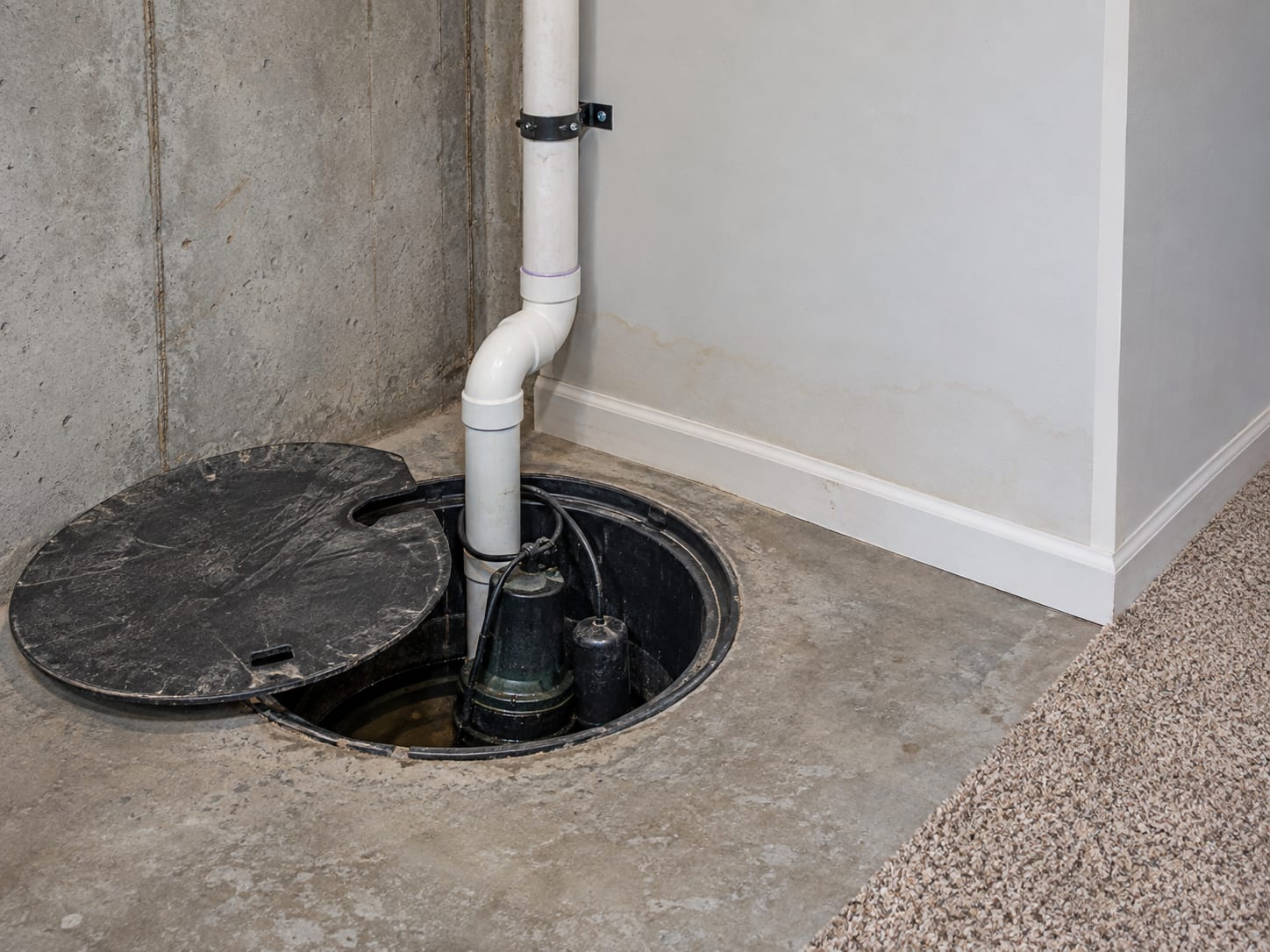
A finished lower level is the room where these routes tend to show up, because drywall, insulation and carpet hold moisture behind a surface you cannot see. Ask the contractor to look at lower-level finishes, sump-pump history, exterior grading, foundation walls and any water that entered after a storm. If the water was contaminated, or came in from outside, the work and the estimate change, so say so at the first call. Flood status is a property question, so check your parcel with current FEMA and New Jersey maps. If the leak or the wet materials come first, our water damage restoration team handles that stage before the mold work begins.
The Folder You Hold When the Crew Leaves Is Your Proof
The job is finished when the room is dry, the source is fixed and you have the records. Ask for these and keep them in one place:
- The written inspection report and remediation plan: The originals, with the affected areas and materials listed.
- Moisture records: Readings from the start and from the drying period, showing the structure reached a sufficiently dry condition.
- Photographs and video: Taken before demolition when it was safe, and during the work.
- Invoices and receipts: Itemized, as your insurer may ask for them.
- Final remediation documents: The completion record, and verification results if a lender, buyer or insurer asked for them.
- Permit and inspection records: For any rebuild that needed them.
- A written note of the moisture source: What it was and how it was corrected.
Before you reoccupy, confirm that visible growth, musty odor and excess moisture have been addressed, and that rebuilding started only after the scope was complete. Growth comes back when the moisture does. EPA says moisture control is the key to mold control, and cleaning without a repair leads to recurrence.
Frequently Asked Questions About Mold Remediation in Robbinsville, NJ
What is considered Stage 4 mold contamination?
Guidance from EPA and the New Jersey Department of Health sizes a job by the affected area, the material, hidden growth, the moisture source, contamination and the containment the work needs. If a contractor uses a stage number, ask what it means in square feet, in materials and in containment, and get that written into the scope.
Will insurance pay for mold remediation?
It depends on the policy and the cause of the loss. State guidance ties mold coverage to a covered peril during the policy period. Report the loss promptly, document conditions before demolition when it is safe, keep invoices and moisture records, and ask your insurer for written confirmation of the documents it needs.
How much does mold remediation cost in New Jersey?
The price depends on the area, materials, access, hidden growth, contamination, containment, drying, disposal, testing, permits and rebuild. Ask for an itemized estimate that prices each component, and compare estimates line by line.
Is mold remediation worth the cost?
It addresses both the mold and the condition that let it grow. If the moisture stays unresolved, growth and material damage can continue, and the rebuild can become larger.
What permanently keeps mold away?
No treatment prevents recurrence while moisture remains. EPA says cleaning mold without fixing the water problem will likely lead to it coming back, so the source, the affected materials, the drying and a recurrence check all belong in the job.
Who is at higher risk during a job?
The New Jersey Department of Health lists people with allergies, asthma or other lung conditions, very young infants and older adults. Ask the contractor how occupants will be protected, and talk with a health professional if someone in your household is sensitive.
Check What You Know About Hiring a Remediation Company
1. Does New Jersey certify mold remediation companies?
2. What does the New Jersey Department of Health say to correct first?
3. Within how many hours does EPA's checklist say wet materials that are not moldy should be dried?
4. What should you ask for in place of a promised number of days?
5. Does the state's 2002 mold bulletin guarantee coverage under your current policy?
Pick an answer to begin.
Moving Forward
Hiring the whole job well means asking for the right documents in the right order. Get a written inspection report and a separate remediation plan, confirm the contractor's registration, insurance, training and references, ask for a milestone schedule instead of a promised number of days, and compare itemized estimates. Keep your photographs, moisture readings, invoices and final documents together.
That folder is what stands behind the work at a sale or in a claim, and it is what lets you answer a buyer or an adjuster in a single call. A job that fixes the water source and leaves a clear record protects the house you own for longer than the cleaning does.
If you are hiring a mold remediation company for a Robbinsville, NJ home, ExecPro Restoration & Cleaning can walk the affected areas, put the plan and the scope in writing, and hand you the records at the end. Call us at (888) 300-3772 or contact us to schedule an assessment, and see our Robbinsville mold remediation page for the services we offer in the township.
Mold Remediation Terms
Tap a term to see what it means.
Containment. Sealing off the work area so disturbed dust and spores do not travel through the house.
Serving Robbinsville
ExecPro Restoration & Cleaning provides mold remediation services in Robbinsville, NJ, from inspection and testing through removal, drying, and post-remediation verification. Call (888) 300-3772 for 24/7 emergency response.
Related Articles
How a Mold Remediation Estimate Is Built, Line by Line
Holding a mold remediation estimate in NJ? See what each line covers, what moves the price, and how to compare two bids on equal terms before you sign.
Commercial Dryer Vent Cleaning in Robbinsville, NJ: Shared Laundry Rooms in Hotels, Assisted-Living and Mixed-Use Buildings
Across a hotel, an assisted-living residence or a mixed-use building, commercial dryer vent cleaning in Robbinsville starts with a hot room and slow dryers.
Mold Remediation in Bridgewater, NJ: From the Water Source to the Records You Keep
From the first call to the final paperwork, see what mold remediation in Bridgewater, NJ includes, what sets the size of the job, and which records to keep.