Home Mold Test Kits: What Each Kit Shows and When to Call a Pro
Cal HewittPublished
- mold testing
- sampling
- mold inspection
- new jersey
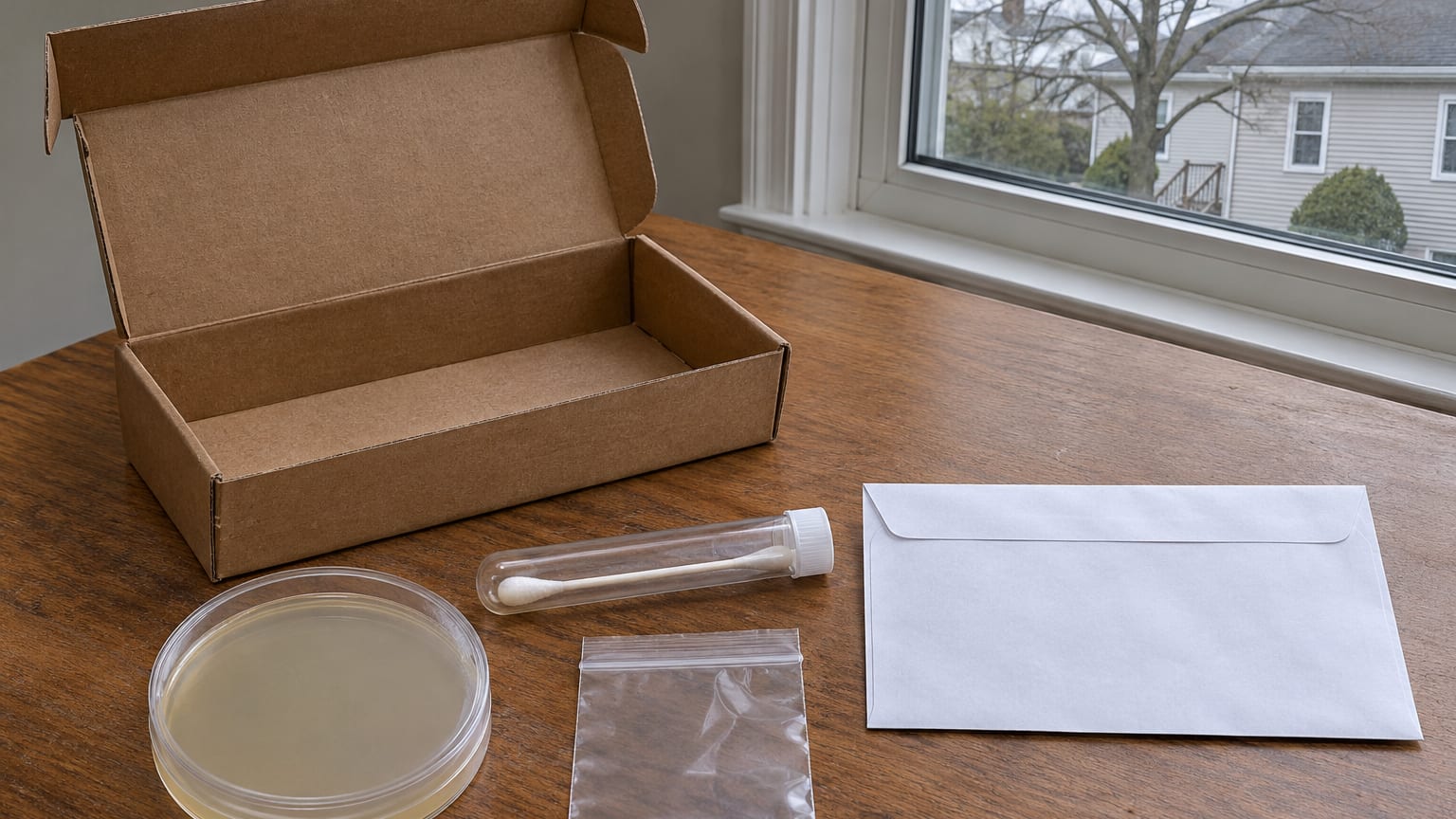
A mold test kit looks like a quick answer when you are in a hardware store aisle with a musty smell at home or a dark spot on a wall. The box promises a result, and what matters is whether that result would change anything you do next.
Some kits can tell you a little, some tell you almost nothing about your house, and a few situations call for a professional to take the samples instead. Knowing which is which keeps you from paying for a result that does not point anywhere.
Below, you will see what each kit type records, what a lab fee adds, and how to decide between drying out what you can see and booking a qualified inspection this week.
Key Takeaways
A kit reports on its sample
A settle plate, swab or tape lift describes what landed on that dish or came off that spot, and says little about the rest of the home.
Spores are everywhere
CDC says no indoor space is completely free of mold spores, and moisture is what lets mold grow.
Visible mold means moisture and cleanup come first
EPA and the New Jersey Department of Health both say a kit adds little once you can see the growth.
Professional sampling earns its cost in specific cases
hidden growth, an unclear moisture source, a dispute, a buyer or insurer who needs documentation, or a check after remediation.
A lab fee buys analysis only
It does not include an inspection, moisture mapping or a look behind finishes unless those are bought separately.
What A Mold Kit Can Actually Tell You
Every kit answers a narrow question about the sample it collects, and the box rarely says so. Mold spores occur indoors and outdoors, and CDC says that no indoor space is completely free of them. Moisture, not the mere presence of spores, is the condition that lets mold grow. A kit that finds spores has found something you would expect in nearly any room.
Are Home Mold Test Kits Accurate?
Accuracy depends on the kit and on the question you ask it. A settle plate can show that spores landed and grew on an exposed nutrient surface. UConn's environmental health office says petri-dish growth cannot tell you whether a home has a mold-growth problem or where the spores came from.
A swab or tape sample from a visible spot may help identify that bit of material. It does not describe the air or the unsampled parts of the property.
CDC does not recommend routine mold testing. Sampling and culturing cannot determine whether a person will become sick, and there are no accepted home standards for how much of each mold type is acceptable. EPA adds that no federal limits exist for mold or airborne spores, so no result can show that your home meets one.
Can a House Ever Be Free of Mold Spores?
No home is expected to reach zero spores. The practical goal is a building that stays dry, with any visible or concealed growth removed and wet materials dried or replaced. A kit that reports "mold present" on a dish has told you what CDC already says about every indoor space.
The Signs in Your Home That Tell You More Than a Plate Result
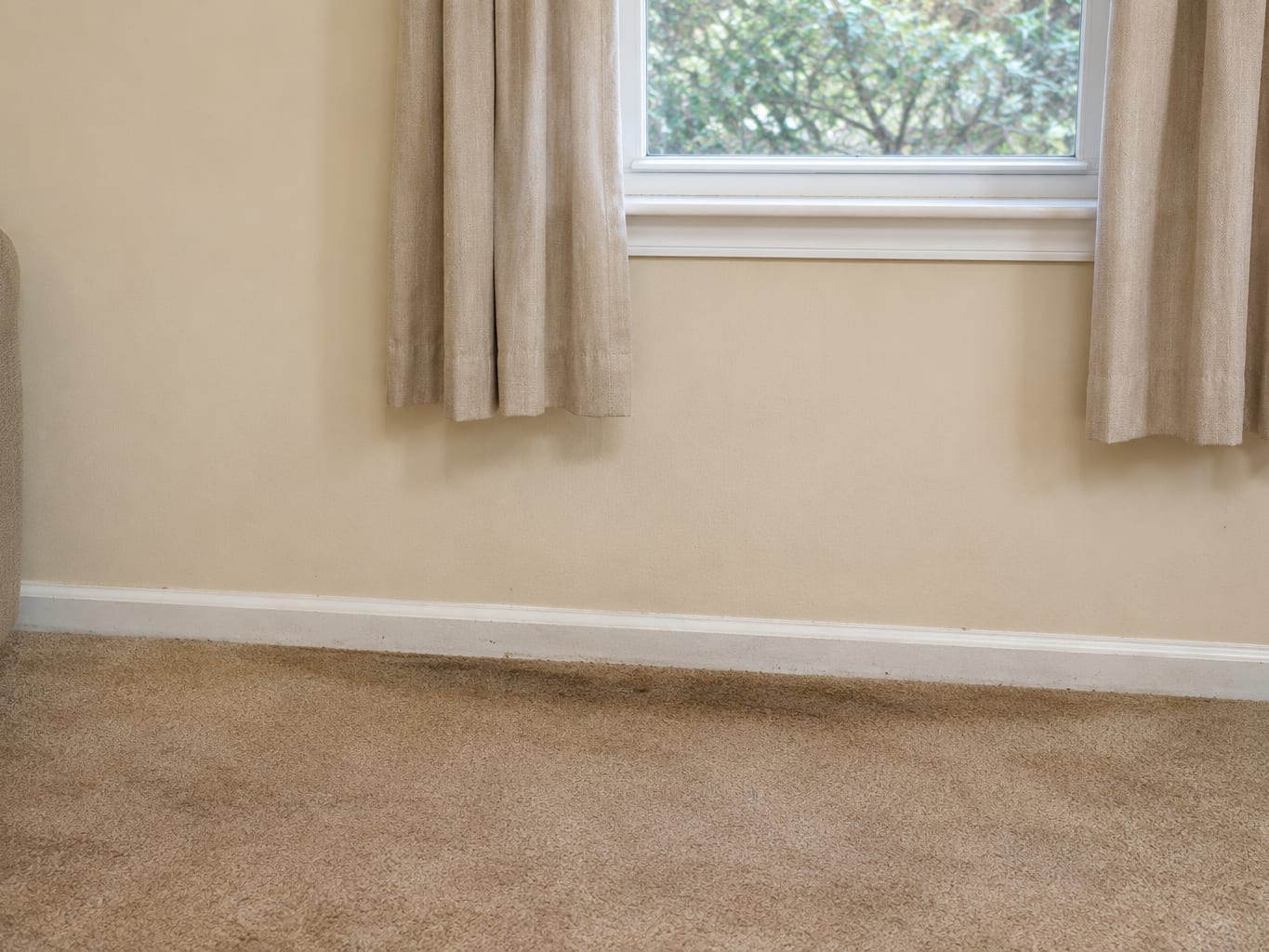
The best first test costs nothing: a visual and moisture inspection of your own house. Walk the rooms that worry you and look for visible spots or growth, staining, water damage, condensation on windows or pipes, damp drywall or carpet, and a musty smell. CDC notes that mold appears in many colors and may smell musty, so a smell and a damp surface count for more than a hue.
Visible growth settles the first decision. EPA says that when mold is visible, sampling is usually unnecessary, and the work is to find the moisture source, correct it, work out the affected area, and clean or remove contaminated materials. The New Jersey Department of Health gives the same direction: a visual inspection that reveals mold generally makes additional testing unnecessary.
If the smell lingers and you see nothing, the next step is a moisture-focused look at the likely spots before anyone takes an air sample. Check under sinks, around the base of exterior walls, along the basement perimeter, above bathroom ceilings and near window sills where condensation collects.
In the first hour, a few actions help:
- Stop active water: Shut off a leak if you can do it safely.
- Leave hidden areas closed: Do not open or disturb suspected growth behind drywall, wallpaper, insulation or cabinets.
- Record what you see: Note the location, odor, visible condition, recent leaks, flooding or condensation, and any symptoms.
- Write to your landlord: Renters should notify the landlord or property manager in writing and request repair of leaks.
Anyone with asthma, significant allergies, a weakened immune system or chronic lung disease should leave mold removal to others and speak with a physician about symptoms. CDC lists stuffy nose, sore throat, coughing, wheezing, burning eyes and skin rash among the effects some people have, and a kit cannot predict who will be affected. For a closer look at marks that resemble mold, see our post on what looks like mold on walls.
Settle Plates, Swabs, Tape Lifts, and Mail-In Labs Compared
Each kit type collects a different kind of sample, and each leaves a different gap. The useful distinction is between what was present on this sample and what is happening in this building. Every kit below answers the first question; none answers the second by itself.
Hover or tap a row to highlight it.
| Kit type | What it collects | What it leaves out |
|---|---|---|
| Settle plate (petri dish) | Viable material that landed on an open dish with growth medium | Airborne amount, source, hidden growth and health risk |
| Swab kit | Material from one chosen surface | Surfaces you did not sample |
| Tape lift | Material from a surface for microscope or lab examination | Room-wide air conditions |
| Bulk sample | A piece of building material sent to a lab | Anything beyond the submitted piece |
| Mail-in lab kit | A lab may identify or count material from a swab, tape lift, dust, bulk or air sample | An inspection of the building or what the result means for the whole property |
- Settle plates (petri dishes): An open dish with growth medium sits in room air for a stated period, and spores that settle on it may grow into colonies. The result shows that viable material landed on that dish. It does not measure how much mold is in the air, identify a source, compare indoors with outdoors, find hidden growth or establish a health risk.
- Swab kits: You rub a swab across a chosen surface, then culture it at home or mail it to a lab. The result may indicate that material from that one spot grew or was detected. It does not represent surfaces you did not sample.
- Tape lifts: Adhesive tape collects material from a surface for microscope or lab examination. It can help characterize the material from that area, and it does not measure room-wide air conditions.
- Bulk samples: A piece of building material goes to a lab. It describes the submitted piece, and cutting into a wall can disturb hidden contamination, so it needs a plan.
- Mail-in lab kits: A lab may identify or count material from a swab, tape lift, dust, bulk or air sample.
A lab fee pays for analysis of the specimen it receives. It does not add an inspection of the building, moisture mapping, a look into wall cavities, or an interpretation of what the result means for the whole property, unless those services are bought separately.
UConn's guidance notes that petri-dish growth is common and that settle plates can create a false impression of a mold problem. A positive plate is a weak answer even to the narrow question it asks.
When A Professional Inspection or Air Sample Is Worth the Cost
Sampling earns its cost when the answer will change a decision you cannot make by looking. EPA lists the situations where it may help: when growth is suspected but not visible, when the source is unclear, when a dispute or litigation needs documentation, and when surface sampling is used to evaluate cleaning or remediation. The state's own resident guidance follows the same rule, with qualified testing for suspected hidden mold.
Four situations come up most often for New Jersey owners, buyers and renters:
- Hidden growth: A smell persists with nothing visible, wall cavities may be wet, or opening a surface could release spores.
- An unclear moisture source: You cannot tell whether the water comes from plumbing, a roof or window leak, seepage or condensation.
- A transaction or dispute: A buyer, seller, landlord, tenant, insurer or lender needs documented evidence.
- A check after remediation: Someone needs to confirm that the work met its written objective.
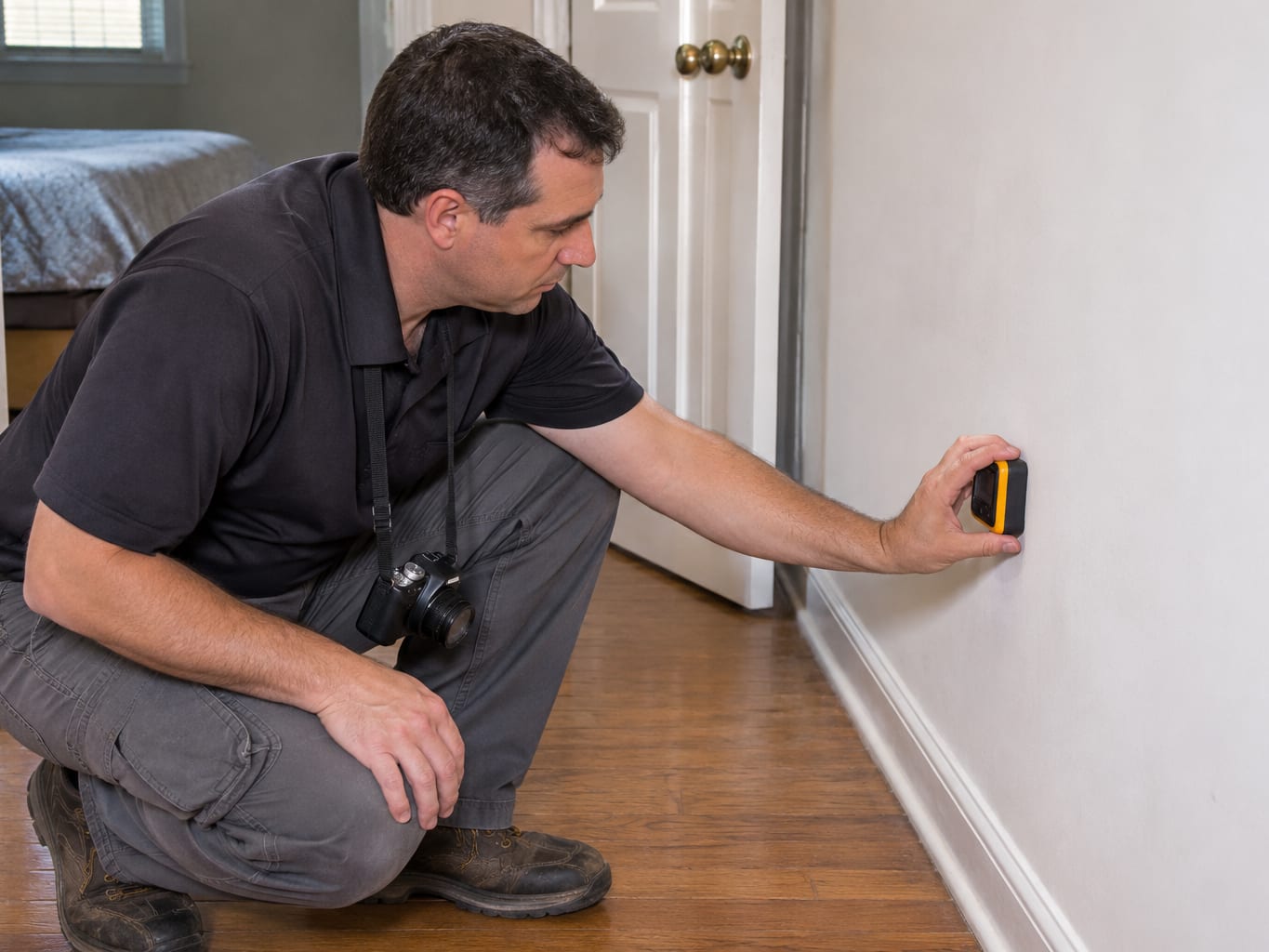
A professional inspection begins with the building, not the lab. It should document visible or suspected growth, moisture sources, moisture readings in suspect materials, odor, the location and rough extent of affected materials, places hidden growth could exist, and any ventilation conditions that could move contaminants. Expect photographs, measurements and a written scope of observations.
What a Professional Inspection Documents
The growth
Visible or suspected growth, plus the location and rough extent of affected materials.
The water
Moisture sources and moisture readings in suspect materials.
The air
Odor, and ventilation conditions that could move contaminants.
Hidden spots
Places hidden growth could exist.
The record
Photographs, measurements and a written scope of observations.
When sampling is justified, New Jersey guidance names bulk, surface, dust and air samples as the possible types. A sound air-sampling plan identifies the purpose of each sample, the indoor locations, the timing and the method. The Department of Health specifically says an outside reference sample should be taken when air sampling is done, so the indoor result can be read next to what is outdoors.
Results are not read against a universal "safe mold count." EPA and CDC identify no federal or health-based indoor-air limit. EPA says indoor results may be read alongside outdoor conditions and the building investigation, especially after remediation. EPA also warns that a poor sampling plan can produce misleading or useless results, so samples should answer a defined question and be collected by people experienced in mold sampling.
New Jersey has no state certification program for companies doing residential mold inspection, testing or remediation. The Department of Health lists consultants, laboratories and remediation firms but does not endorse or qualify them. Ask about training, insurance, experience, written scope, laboratory arrangements and documentation instead of relying on a company calling itself certified.
What To Do After a Positive Kit Result
A positive plate or swab is no reason for panic, and it is no reason to order a second kit automatically. Treat it as one limited piece of information, and use it to start a short sequence:
After a Positive Kit Result
- 1
Record the sample
Note where and when you collected it, how you handled it, and exactly what the report claims.
- 2
Look for the moisture source
Check for plumbing leaks, roof or window intrusion, basement seepage, condensation, high humidity, HVAC drainage, flooding or wet porous materials.
- 3
Inspect the area around it
Look for staining, swelling, dampness, odor and materials that could conceal growth.
- 4
Size the area
Estimate how much is affected and whether the material is porous or structural.
- 5
Correct the moisture and dry
Then decide whether the result changes the plan.
1. Record the sample: Note where and when you collected it, how you handled it, and exactly what the report claims. Keep the kit instructions, photographs and any chain-of-custody form. 2. Look for the moisture source: Check for plumbing leaks, roof or window intrusion, basement seepage, condensation, high humidity, HVAC drainage, flooding or wet porous materials. 3. Inspect the area around it: Look for staining, swelling, dampness, odor and materials that could conceal growth. 4. Size the area: Estimate how much is affected and whether the material is porous or structural. 5. Correct the moisture and dry the materials safely: Then decide whether the result changes the plan.
If the moisture source and the visible growth are already clear, more testing may add little, and CDC says the type of mold does not change the need to remove it and prevent future growth. If the source is hidden, the area is disputed or someone needs documentation, arrange a qualified inspection with a targeted sampling plan.
Painting or caulking over a damp or moldy surface hides the problem and leaves the water in place, and so does cleaning the visible surface while a leak continues. Water is the item to fix first. Our post on basement humidity levels covers the numbers to watch if the damp is in the lower level.
New Jersey Insurance, Rental, and Documentation Issues
Paperwork decides more outcomes than most readers expect, because a kit result alone rarely satisfies an insurer, a landlord or a buyer. Keep a folder with photographs, dates, invoices, moisture readings, lab reports and every message you send or receive. When a property is being bought or sold, preserve inspection reports, repair invoices and clearance documents too.
On insurance, the New Jersey Department of Banking and Insurance says mold coverage depends on the policy and the covered cause of loss. Its homeowner summary lists mold as generally excluded unless it results from a covered loss, such as certain sudden and accidental water damage, and lists continuous or repeated seepage as excluded. A 2003 bulletin describes coverage options that insurers may file, including a $10,000 annual aggregate option and optional $25,000 and $50,000 higher limits. Those are options, so your own policy controls.
Hover or tap a row to highlight it.
| Option | Limit |
|---|---|
| Option an insurer may file | $10,000 annual aggregate |
| Optional higher limit | $25,000 |
| Optional higher limit | $50,000 |
| Which one applies to you | Your own policy controls |
Before you authorize testing or remediation, document the event, notify the insurer promptly, and ask what evidence and notice requirements apply. Our insurance restoration services support the paperwork side of a claim.
Renters have a separate path. The Department of Community Affairs tenant guide treats mold and leaks as potentially serious habitability concerns. It says tenants should notify the landlord, provide access for repairs and keep documentation. The Department of Health points residents with mold or unrepaired leaks to the local building-code office for structural defects such as leaks and plumbing problems. Before you withhold rent or take legal action, talk with an attorney.
What Air Purifiers Can and Cannot Do
Many readers buy a purifier at the same moment they buy a kit. EPA says portable air cleaners may remove some airborne particles and may sometimes reduce odors. They do not correct the moisture source or remove established growth on a surface, so a purifier is a supplement to drying and cleanup, never a substitute.
Skip any device that intentionally produces ozone. If the smell returns every time the unit is off, that points back to damp material somewhere in the room, and the moisture-focused inspection described above is the next step. Our indoor air quality testing post covers when air sampling fits a home.
Choosing the Right Next Step for Your Property
Start with the question you want answered. If you can see mold and a leak is the likely cause, the next step is to dry the area, repair the source and clean or remove what is affected, with professional mold removal as an option when the area is large or the materials are porous. If a smell persists and nothing is visible, book a mold inspection that checks moisture before it samples anything.
When a defined question justifies sampling, such as a buyer's request or a dispute, mold testing should come with a plan that names the sample locations, an outdoor comparison, the laboratory and the report format. After remediation, post-remediation verification documents whether the work met its stated objectives. If water is still the source, water damage restoration comes first, and build-back services replace the drywall, insulation or flooring removed along the way.
Frequently Asked Questions About Mold Test Kits
How can I test for mold in my house?
Begin with a visual and moisture inspection. Look for visible growth, staining, water damage, condensation, leaks, damp building materials and musty odor. If mold is visible, testing is usually unnecessary to decide that moisture correction and cleanup are needed. If growth is hidden or the source is unclear, a qualified professional may use surface, bulk, dust or air samples as part of an investigation.
Can a negative air sample rule out mold behind a wall?
A short-term air sample reflects one moment in one room, and CDC says short-term spore counts and culture results do not capture all exposures. A negative result does not show that hidden growth is absent. If a smell or a known leak points to the wall, a moisture-focused inspection is the better next step.
Will my insurance company accept a mail-in kit?
Ask your insurer before you buy or send anything. Coverage depends on the policy and the cause of loss, and the insurer can tell you what evidence and notice it requires before testing or remediation. Keep the kit instructions, sample location, collection date and lab report in your claim file.
Can you tell if mold is toxic by looking at it?
No. CDC says color does not establish whether a mold is more or less dangerous, and that certain molds can produce mycotoxins even though the molds themselves are not poisonous. If anyone in the home has symptoms, contact a physician; a visual guess or a kit result cannot answer a health question.
Mold Kit Quick Check
1. What does a settle plate show?
2. What does EPA say about sampling when mold is visible?
3. What does a lab fee pay for?
4. Does New Jersey have a state certification program for residential mold inspection, testing or remediation companies?
Pick an answer to begin.
The Bottom Line
A home mold test kit tells you about one dish or one swabbed spot, and spores show up indoors and outdoors regardless. When you can see mold, EPA and the New Jersey Department of Health point you to moisture correction and cleanup. When growth may be hidden, the moisture source is unclear, a dispute is under way or someone needs documentation, a qualified inspection with a stated sampling plan answers a question a kit cannot.
Handled in that order, you spend money on the dry building and the repair rather than a stack of results, and you keep the records an insurer, landlord or buyer will ask for.
If you are looking at a spot, a smell or a kit result and want to know what comes next, call ExecPro Restoration & Cleaning at (888) 300-3772 or reach us through our contact page. We handle mold inspection, testing, remediation, water damage restoration and rebuilding for homes across New Jersey.
Mold Testing Terms
Tap a term to see what it means.
Settle plate. An open dish with growth medium that sits in room air for a stated period, so spores that settle on it may grow into colonies.
Related Articles
Mold Testing in Robbinsville, NJ: Air Samples, Swabs and the Moisture Behind Them
What a mold sample shows is one moment in one room, not the source. See when mold testing in Robbinsville, NJ is worth paying for and who needs the result.
Mold Testing in Trenton, NJ: What a Landlord, Tenant or Buyer Can Do With a Result
Landlord, tenant or buyer: a mold test only helps if the result changes what happens next. See what mold testing in Trenton, NJ can and cannot settle.
Mold Testing in Bridgewater, NJ: When a Lab Report Changes the Plan
Offered a mold test in Bridgewater, NJ? Sampling pays off when the source is hidden or someone else needs a result, so ask what it would change first.