Mold Testing in Bridgewater, NJ: When a Lab Report Changes the Plan
Cal HewittPublished Updated
- mold testing
- sampling
- documentation
- bridgewater nj
- new jersey
Somebody has offered you a mold test, or a buyer, landlord, condo board or insurer has asked you for proof, and you are not sure a lab result will change anything you do. You do not want to pay for numbers that sound alarming and settle nothing. You also do not want to skip a test you turn out to need. Mold testing in Bridgewater, NJ is worth its price when the result answers a question you actually have, and it is a poor buy when the answer would not change your next step. The way to tell the difference is to name the decision the result would feed before anyone collects a sample.
Key Takeaways
A test is a decision tool
Sampling earns its fee when growth is hidden, the source is unclear, a transaction or dispute needs documentation, a health concern calls for a building assessment, or clearance after remediation must be shown.
Your reader sets the contents
In condos, rentals, care facilities and multi-occupant buildings, a report may have to satisfy a landlord, board, buyer, insurer or attorney, so ask who will read it before you order it.
Get the numbers itemized
Ask for a quote that separates the inspection, each sample, lab analysis, reporting and clearance, plus visit, lab and report dates in writing.
The Situations Where a Sample Earns Its Fee
A sample is one piece of information taken from one place at one time, and it pays off in five situations. Growth may be hidden, for example a musty smell with no visible source. The source of the moisture may be unclear. A sale, a purchase, a lease or a dispute may need documentation that a third party will accept. A health concern may call for a building assessment. Or cleanup may be finished and you need to show that it worked, which is called clearance testing.
Outside those situations, the lab report tends to describe your building in numbers that nobody can act on. EPA reports that there are no federal mold or airborne-spore limits against which a building can be declared compliant, and CDC does not recommend routine home mold testing, because sampling cannot show whether a particular person will become ill and there are no set standards for acceptable amounts of different molds in a home. A number from a lab is not a pass or a fail.
That is also why, when mold is visible and the cleanup will go ahead either way, EPA says sampling is usually unnecessary. In that case the money does more good in finding and fixing the water and in removing the affected material.
Who Is Going to Read Your Report, and What Does It Have to Say?
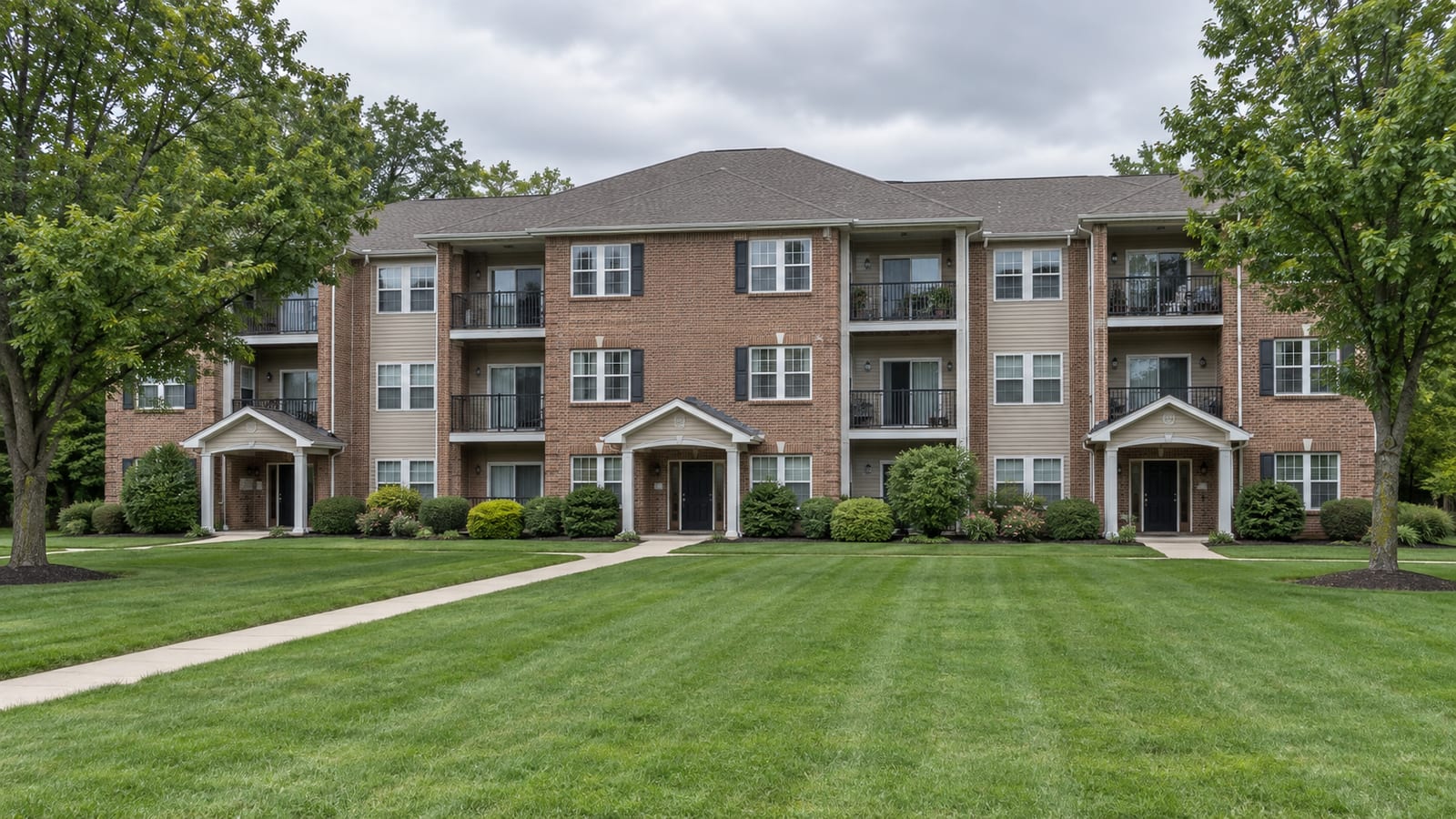
Bridgewater's buildings vary, and the building you own or manage tells you who the audience is. The township's housing element, built on 2010 Census and ACS five-year data, counted 2,043 attached units (12.8 percent) and 830 units in buildings of 20 or more units (5.2 percent). The township's 2025 township plan describes apartments, condominiums, townhouses, single-family detached homes, assisted living, nursing homes and group homes. Those figures are from 2010, so treat them as a description of the mix and not a current count.
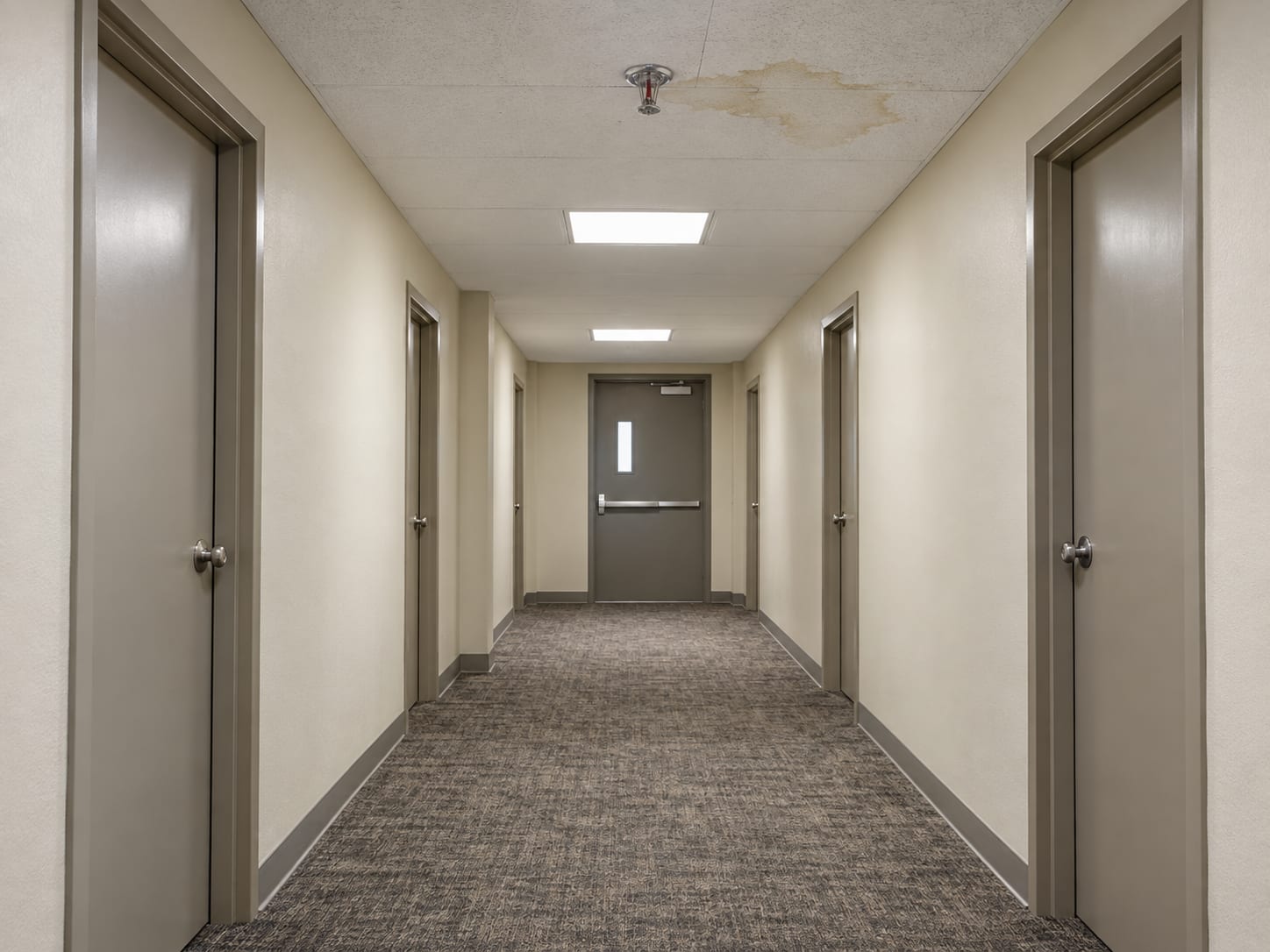
In many of those buildings, the person who reads the report is not you. A landlord may need it for a tenant, a board for an owner, a buyer for a purchase, an insurer for a claim or an attorney for a dispute. Who reads it decides what it has to contain, so tell the professional at the outset. A report that will be handed to others should state the sample locations, the findings, the limits of the work and the recommended next steps.
Hover or tap a row to highlight it.
| Reader | What the report should let them do |
|---|---|
| Landlord or property manager | Decide on repairs and answer a tenant with something in writing |
| Condo or association board | Show owners where the moisture is and who handles the fix |
| Buyer or seller | Document a condition so a sale can move forward on facts |
| Insurer | See the cause, the dates and the extent of the loss |
| Attorney | Have observations, locations and limits stated plainly |
| Remediation contractor | Scope the cleanup and, later, show that it worked |
If an unbiased report matters to you, ask whether the inspector is independent of the remediation contractor. A report written by a company that will also perform the cleanup can be perfectly accurate, but a board, buyer or insurer may want the two roles separated.
Commercial buildings, including offices, retail, healthcare, school and industrial properties, call for larger scopes and coordination, so mold testing commercial buildings starts with a conversation about occupants and access. If you are a buyer asking about mold testing before buying a house in Bridgewater, the same rule holds: decide what the result must show, and a report can then serve a sale as one record among several.
What Can the Property and Moisture History Tell You Before Anyone Samples?
More than you might expect, and you already hold most of it. CDC says mold grows where moisture is present, including around roof, window and pipe leaks and after flooding, and recommends drying wet materials within 24 to 48 hours after a flood. So the useful questions come first: did the property have water intrusion, did it stay damp, is there an odor or visible growth, and is there a source that has not been fixed?
A flood-zone designation does not establish that a particular property has mold. What matters is your address's actual history of water. Gather prior repair, flood, roofing, plumbing, HVAC and remediation records, and note when the smell, leak or symptoms began. If the history points to a source, an inspection that finds and documents it may answer your question without a lab.
What Does a Professional Evaluation Include?
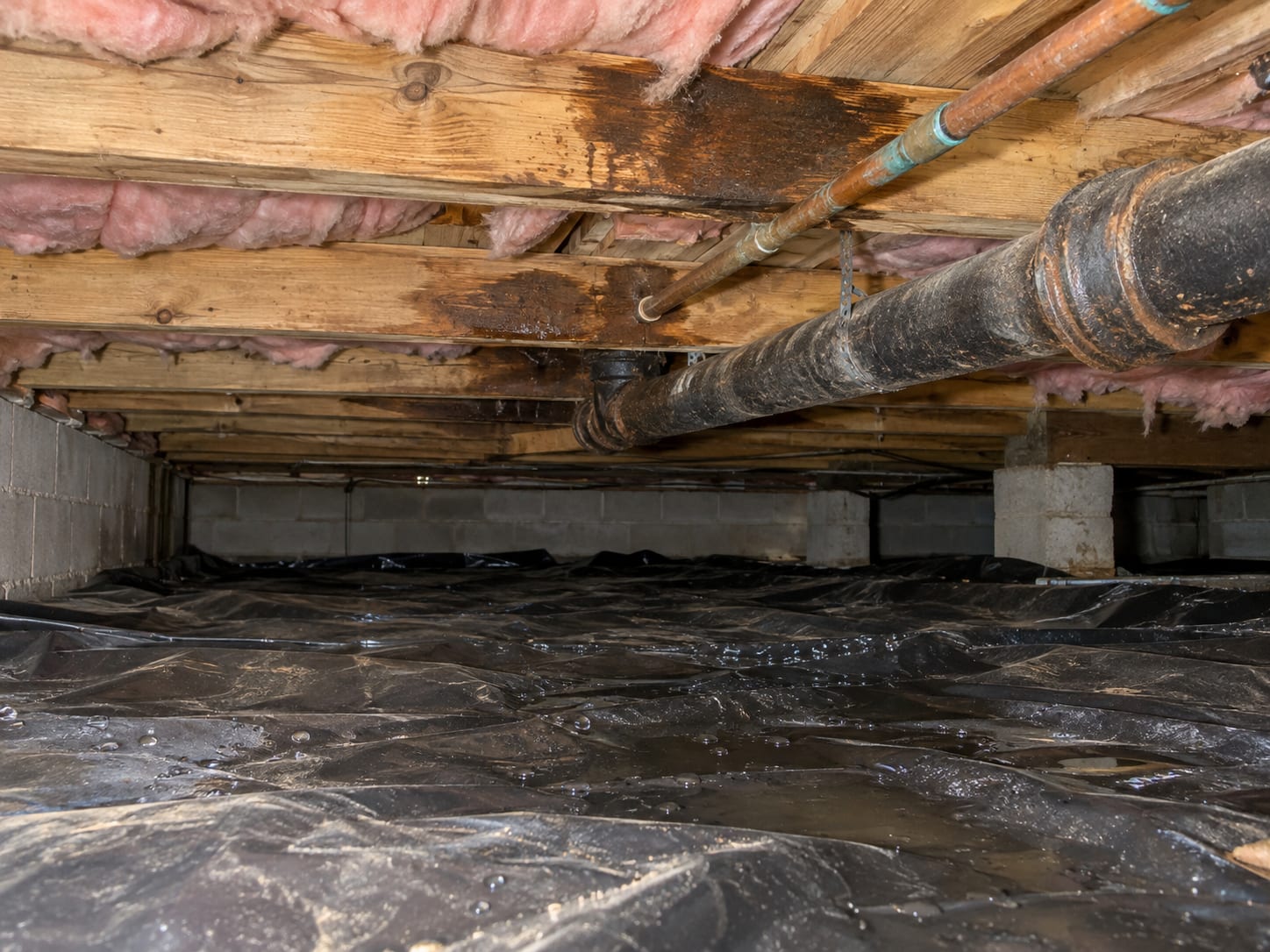
A professional evaluation begins with the property history, then inspects accessible rooms, basements, attics, crawl spaces, HVAC-adjacent areas and suspect materials. It measures moisture and humidity and traces the likely water source. Air, surface or bulk samples come next, only when the result could change the decision, and the lab analyzes them. The written report describes observations, sample locations, findings, limits and next steps, and clearance testing follows remediation when you need proof the cleanup worked.
Ask for the dates in writing: the site visit, the lab turnaround, the report delivery and any rush charge. Timing depends on the property and the lab, so a promise made before anyone has seen the building is a guess.
What a Professional Evaluation Includes
- 1
Review the history
Leaks, flooding, odors, visible growth and prior work on the property.
- 2
Inspect the building
Accessible rooms, basements, attics, crawl spaces, HVAC-adjacent areas and suspect materials.
- 3
Measure and trace
Moisture and humidity readings, and the likely water source.
- 4
Sample only if it could change the decision
Air, surface or bulk samples.
- 5
Lab analysis
The laboratory analyzes what was collected.
- 6
Written report
Observations, sample locations, findings, limits and next steps.
- 7
Clearance testing
Follows remediation when you need proof the cleanup worked.
On credentials, the New Jersey Department of Health says the state has no certification program for companies performing mold or general indoor-air services, and it does not endorse or qualify the private companies it lists. That leaves you to check several separate things: business registration, any contractor registration that applies to remediation work, voluntary industry credentials, the laboratory's accreditation, insurance, the inspector's independence and what the report contains and leaves out. New Jersey's 2023 home-improvement law says municipalities may not issue a construction permit for covered work by a contractor who is neither licensed nor exempt.
On permits, testing alone is not identified by Bridgewater's Code Enforcement as a construction-permit activity. Remediation that includes tear-out, reconstruction, or plumbing, electrical, HVAC or structural work can be, so confirm with Code Enforcement before that work starts.
What Does Mold Testing Cost?
No standard Bridgewater price applies, because the cost is set by the scope and not by the town. The drivers are property size and number of rooms, the building type and use, the number of floors and separate areas, access to basements, crawl spaces and attics, whether growth is visible or hidden, the number and type of samples, outdoor comparison samples, lab analysis and rush processing, moisture mapping or thermal imaging, the type of written report, clearance testing, and travel, after-hours access or tenant coordination.
Hover or tap a row to highlight it.
| Group | What moves the price |
|---|---|
| The property | Size and number of rooms, building type and use, number of floors and separate areas, and access to basements, crawl spaces and attics |
| The sampling | Whether growth is visible or hidden, the number and type of samples, outdoor comparison samples, lab analysis and rush processing |
| The investigation and report | Moisture mapping or thermal imaging, the type of written report and clearance testing |
| The logistics | Travel, after-hours access or tenant coordination |
Ask for an itemized quote that separates the inspection, the moisture investigation, each sample, laboratory analysis, reporting and clearance testing. Compare written scopes and not advertised sample counts. Testing is also often sold inside a broader inspection, remediation or waterproofing package, so a low quote for "testing" can be covering more or less work than the one next to it. Itemizing is how you find out. If a provider offers a free consultation or estimate, ask what it includes, because a free visual estimate is not necessarily a laboratory test or an independent report.
Does Insurance Pay for Testing, and What Paper Do You Need?
It depends on the policy. The New Jersey Department of Banking and Insurance's Bulletin 03-24 says personal and commercial property policies should offer a $10,000 annual aggregate mold and fungus coverage option, with optional $25,000 and $50,000 limits, and that the $10,000 coverage should include mold testing costs when the mold loss results from a covered peril during the policy period. Your policy, your deductible, the exclusions, the cause of the loss and the insurer's claim handling control payment, and commercial liability may be treated differently. The state's homeowner insurance page is a good place to start reading.
Hover or tap a row to highlight it.
| Option | Limit | What the bulletin says |
|---|---|---|
| Mold and fungus coverage option | $10,000 annual aggregate | Policies should offer it, and it should include mold testing costs when the loss results from a covered peril during the policy period |
| Optional higher limits | $25,000 and $50,000 | Offered as options on personal and commercial property policies |
For any purpose, keep a single file: the inspection report, photographs, lab results, invoices, and messages with the insurer, the buyer, the board or the landlord. The file is what turns a test into evidence, and it shortens every conversation after it.
What Is at Stake if You Wait on the Decision?
Delay costs the most in the building itself. Wet drywall, insulation, carpet, wood and furnishings keep deteriorating while the moisture source stays open, and growth returns when the source is not fixed. Disturbing suspect material without control can spread contamination, and hidden damage found late adds repair cost.
The paperwork suffers too. A sale, an insurance claim, a landlord dispute or a remediation project all go more smoothly when inspection, moisture and clearance records exist from the start. If you also need to know what mold could mean for a property's value, ask a qualified property professional for a valuation, and keep the inspection and remediation documents to hand.
What Should You Do in the Next Hour, Day and Week?
In the next hour, stop disturbing suspect materials, photograph visible growth, staining, leaks and damaged materials, and note when the odor, leak, flood or symptoms began. Keep people with asthma, serious allergies, chronic lung disease or weakened immune systems away from heavily affected areas, and stop the water source if you can do it safely.
Within a day, contact your insurer before you discard major damaged materials if a covered loss may be involved. Ask for an inspection scope that explains what the inspection establishes and what testing would change, and gather prior repair, flood, roofing, plumbing, HVAC and remediation records.
Within a week, compare written scopes instead of sample counts, decide whether your real need is moisture investigation, remediation, clearance or documentation for a transaction or dispute, and keep every report and invoice in one place.
Next Hour, Day and Week
- 1
In the next hour
Stop disturbing suspect materials, photograph visible growth, staining, leaks and damaged materials, note when the odor, leak, flood or symptoms began, and keep people with asthma, serious allergies, chronic lung disease or weakened immune systems away from heavily affected areas.
- 2
Within a day
Contact your insurer before you discard major damaged materials if a covered loss may be involved, ask for an inspection scope that explains what testing would change, and gather prior repair, flood, roofing, plumbing, HVAC and remediation records.
- 3
Within a week
Compare written scopes instead of sample counts, decide whether your real need is moisture investigation, remediation, clearance or documentation, and keep every report and invoice in one place.
Frequently Asked Questions About Mold Testing Bridgewater NJ
Q: How much does a mold inspection cost in New Jersey?
The price depends on the property and the number of samples. Ask for an itemized quote so you can compare like with like.
Q: How can I get a free mold inspection in New Jersey?
Some providers advertise free consultations or estimates. Confirm what is included before you agree, since a free visual estimate is not the same as a laboratory test or an independent report.
Q: Will insurance pay for a mold test?
Bulletin 03-24 says policies should offer coverage for mold testing when the loss results from a covered peril during the policy period. Your policy, deductible and exclusions control payment.
Q: Is a mold inspection and test worth it?
It is most useful when the result will change a decision: locating hidden moisture, deciding whether a suspected material is mold, documenting a sale or dispute, supporting an insurance claim, evaluating a property after flooding, or establishing conditions after remediation.
Q: What is clearance testing, and who should do it?
Clearance testing is sampling after remediation to document that the cleanup worked. Decide before the work begins who will do it and what the report must show, and if an unbiased result matters to a buyer, board or insurer, ask whether the tester is independent of the contractor who did the cleanup.
Q: Should I test for mold before buying a house in Bridgewater?
A test helps when it answers a question a general inspection cannot, such as suspected hidden growth or a moisture history that needs documenting. Decide what you need the result to show, and ask the professional whether a sample would show it.
Q: What if the result is negative and the odor or moisture remains?
A result describes the samples collected, and it does not clear the building. If the smell or dampness continues, go back to the moisture source and ask for a follow-up inspection.
Mold Testing Quick Check
1. Are there federal limits a building can be declared compliant against?
2. When does EPA say sampling is usually unnecessary?
3. What is clearance testing?
4. Does New Jersey certify companies that perform mold services?
5. What should you ask a provider for before comparing quotes?
Pick an answer to begin.
Wrapping Up
A mold test is a decision tool. It earns its fee when growth is hidden, the source is unclear, a sale or dispute needs documentation, a health concern calls for a building assessment, or clearance must be shown. In Bridgewater's condos, rentals, care facilities and multi-occupant buildings, the person who reads the report decides what it must say.
Ask what the result will change, get the quote itemized, and get the dates in writing. With those three in hand, a lab report becomes a record you can use.
If you have been offered a test or asked for proof in Bridgewater, NJ, we at ExecPro Restoration & Cleaning can start with the history and a moisture investigation and tell you whether sampling would change your plan. Call (888) 300-3772 or contact us with the building type and who needs the report, and we will set up the visit.
Mold Testing Terms
Tap a term to see what it means.
Clearance testing. Sampling after remediation to document that the cleanup worked.
Serving Bridgewater
ExecPro Restoration & Cleaning provides mold remediation services in Bridgewater, NJ, from inspection and testing through removal, drying, and post-remediation verification. Call (888) 300-3772 for 24/7 emergency response.
Related Articles
Mold Testing in Trenton, NJ: What a Landlord, Tenant or Buyer Can Do With a Result
Landlord, tenant or buyer: a mold test only helps if the result changes what happens next. See what mold testing in Trenton, NJ can and cannot settle.
Mold Testing in New Jersey Commercial Buildings: What Gets Sampled and What the Results Mean
Mold testing for a New Jersey commercial building: when sampling helps, how air, surface and bulk tests differ, and how to read the lab report.
Pre-Purchase Mold Inspection in New Jersey: What Buyers Get Before Closing
A pre-purchase mold inspection in NJ covers what a home inspection excludes. See who pays, how long it takes and what to do if mold turns up.