Mold Testing in Trenton, NJ: What a Landlord, Tenant or Buyer Can Do With a Result
Cal HewittPublished Updated
- mold testing
- sampling
- documentation
- trenton nj
- new jersey
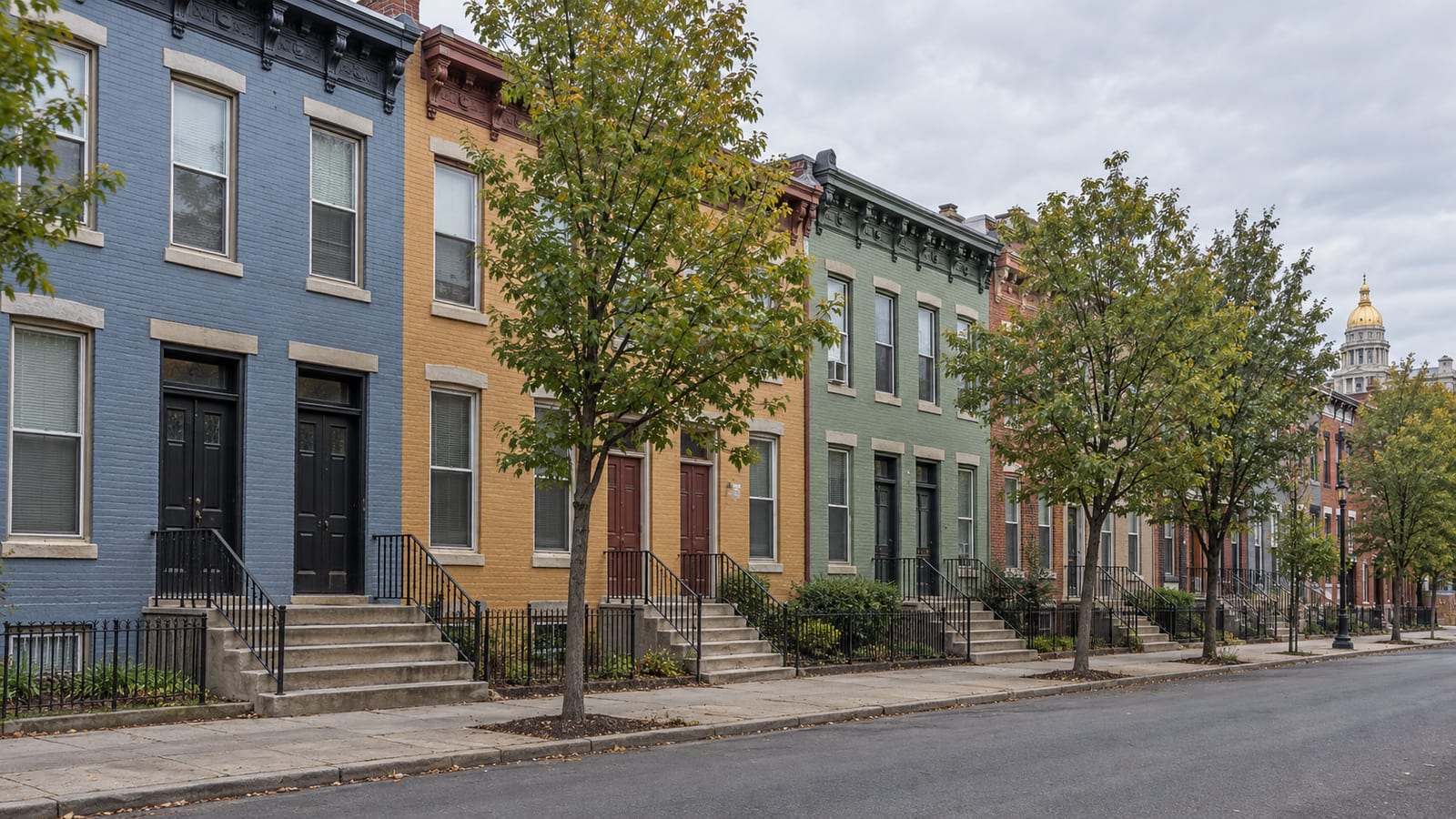
A mold test is on the table, offered by a company or asked for by someone who wants proof that a room is clean or contaminated, and you are trying to decide whether to pay for it. Mold testing in Trenton, NJ can produce a page of numbers that sounds alarming and settles nothing, or it can produce the one document a lease dispute, a home sale or an insurance claim turns out to need. The difference comes down to the question the test was ordered to answer and who will read the result. A landlord, a tenant, a buyer, a lender and an insurer each want something different from the same lab report. Before you spend anything, it helps to know what a result can establish, what it cannot, and what you would do differently once you have it.
Key Takeaways
Start with who reads the result
A landlord, tenant, buyer, lender or insurer each needs different documents, so name the reader before you order a test.
The city's rental inspection is a code inspection
Trenton inspects residential rentals every five years for ordinance violations, and that does not replace moisture investigation or sampling.
A lab result cannot prove a building passes a standard
EPA sets no federal pass or fail limit for airborne mold spores.
Ask for the report date and the scope in writing
Confirm what is sampled, where, by which lab, and when the report is due before the crew arrives.
Who the Result Is For, and What They Will Do With It
A test is only worth ordering when someone will act on what it says. So, the first job is to name that person and the decision in front of them.
A landlord may want a documented baseline before repairs, or clearance evidence after cleanup, so the next tenant and the insurer can see what was done. A tenant may want a record to attach to a written notice about a leak, alongside dated photographs. A buyer may need a documented condition before a sale closes, and a lender or an insurer may ask for proof that a repair took care of the problem. An attorney may want a baseline if a dispute is developing. In a commercial building, a property manager may need documentation after occupant complaints or when several areas are affected.
Hover or tap a row to highlight it.
| Reader | What they may want |
|---|---|
| Landlord | A documented baseline before repairs, or clearance evidence after cleanup |
| Tenant | A record to attach to a written notice about a leak, alongside dated photographs |
| Buyer | A documented condition before a sale closes |
| Lender or insurer | Proof that a repair took care of the problem |
| Attorney | A baseline if a dispute is developing |
| Commercial property manager | Documentation after occupant complaints or when several areas are affected |
Each of those readers wants something specific from the report, and a test that does not answer their question wastes money. A buyer who needs to know whether hidden moisture exists behind a basement wall is served by a moisture investigation, and a landlord who needs to show that cleanup worked is served by post-remediation verification, which is documentation of conditions after cleanup and drying. Ask the person who wants the test what they will do with each possible result. If the answer is "nothing different," the test is not the right purchase yet.
Does the City's Rental Inspection Already Cover Mold?
Trenton requires residential rental properties to be inspected every five years for city ordinance violations, and the Division of Housing Inspections handles that work. It is a code inspection. It checks the unit against the city's requirements, and it does not replace a private moisture investigation or environmental sampling. A landlord who passes a housing inspection still may not know whether a damp basement wall has growth behind it, and a tenant who is worried about a smell should not assume the last city inspection looked for one.
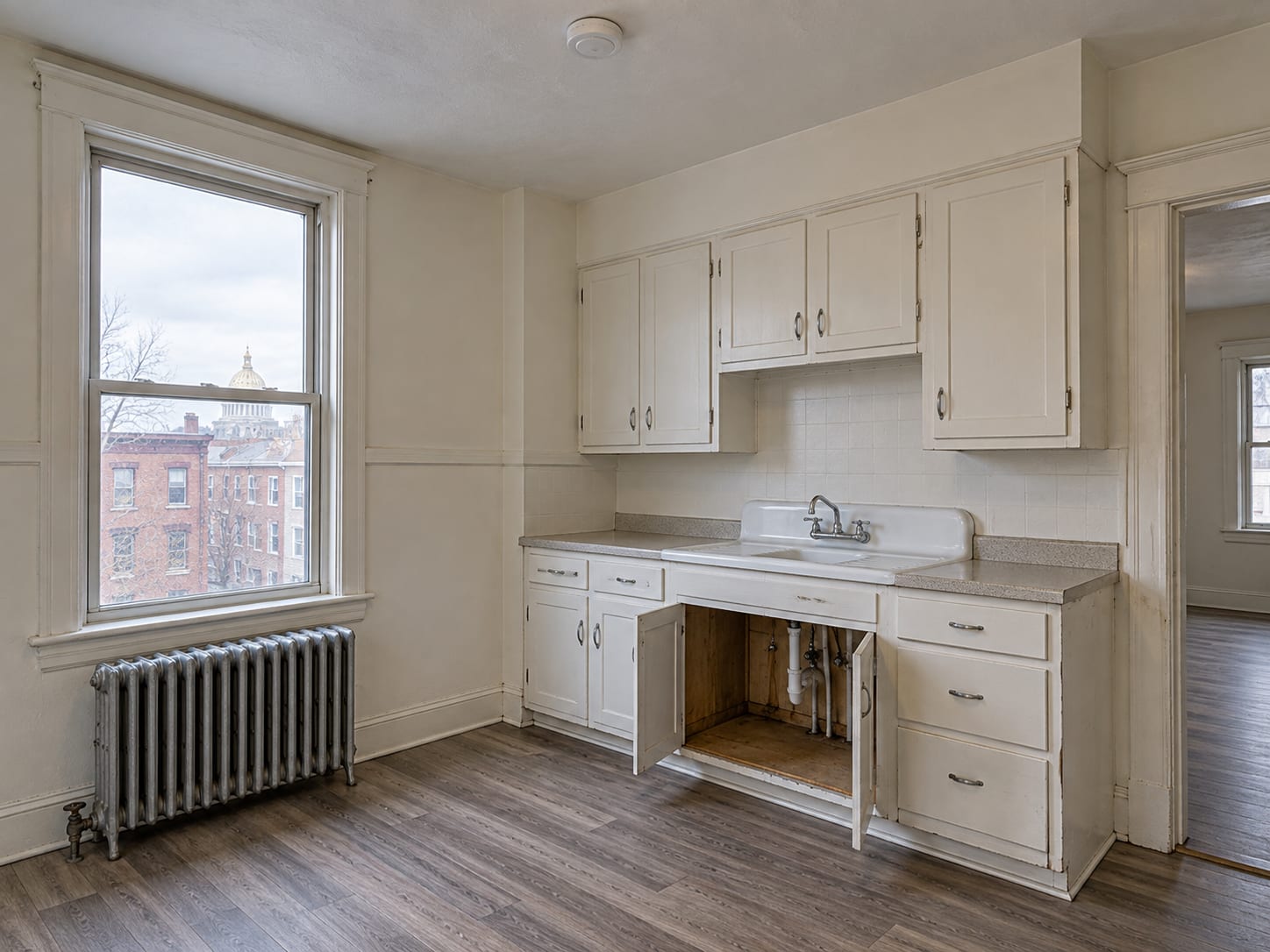
That is why a landlord, a tenant or a buyer often wants a lab result for a different reason than the city wants its inspection. The city is asking whether the property meets the ordinance. A private assessment is asking where the water is, what it has touched and whether the material needs to be identified. Trenton's Division of Inspections enforces the New Jersey Uniform Construction Code and Uniform Fire Code as well as housing and property-maintenance rules, so when the problem is an unrepaired leak or a structural deficiency, that office is the place to report it. For a rental, use the city process for code concerns and treat private mold testing as a separate service.
If you rent, keep dated photographs and copies of what you send your landlord, because a lab report does not take the place of a code complaint about an unrepaired leak. In a building with a homeowners or condominium association, review the governing documents and ask the association before anyone accesses common elements or shared mechanical systems.
What Kinds of Testing Are There, and What Does Each One Establish?
"Mold test" covers several different activities, and a quote may bundle them without saying so. A useful process starts with the question the test must answer, and a professional assessment generally separates these:
Two limits apply to all of them. EPA sets no federal pass or fail limit for indoor mold spores, so a laboratory result cannot show that a building meets a universal standard. And testing documents environmental conditions; it cannot diagnose illness or prove that mold caused a person's symptoms. CDC says damp and moldy environments may be linked with a stuffy nose, sore throat, coughing, wheezing, burning eyes and skin symptoms, with more severe reactions in people who have asthma or mold allergies, so anyone with symptoms should talk to a healthcare professional.
Before you hire, ask for a written scope that lists the areas inspected, the instruments used, the samples collected, the laboratory credentials, the limitations and the next steps. New Jersey has no state certification program for companies that perform mold or indoor-air services, and the New Jersey Department of Health says it does not endorse or qualify the firms on its lists, so the written scope is how you compare providers.
What a Written Scope Should List
Areas inspected
Which parts of the property were looked at.
Instruments used
The tools behind any moisture readings or imaging.
Samples collected
How many, of what type, and where.
Laboratory credentials
Who analyzes the samples.
Limitations
What the work cannot establish.
Next steps
What happens once the result is in.
When Would a Test Change Your Next Step?
A test is more likely to change a decision in these situations:
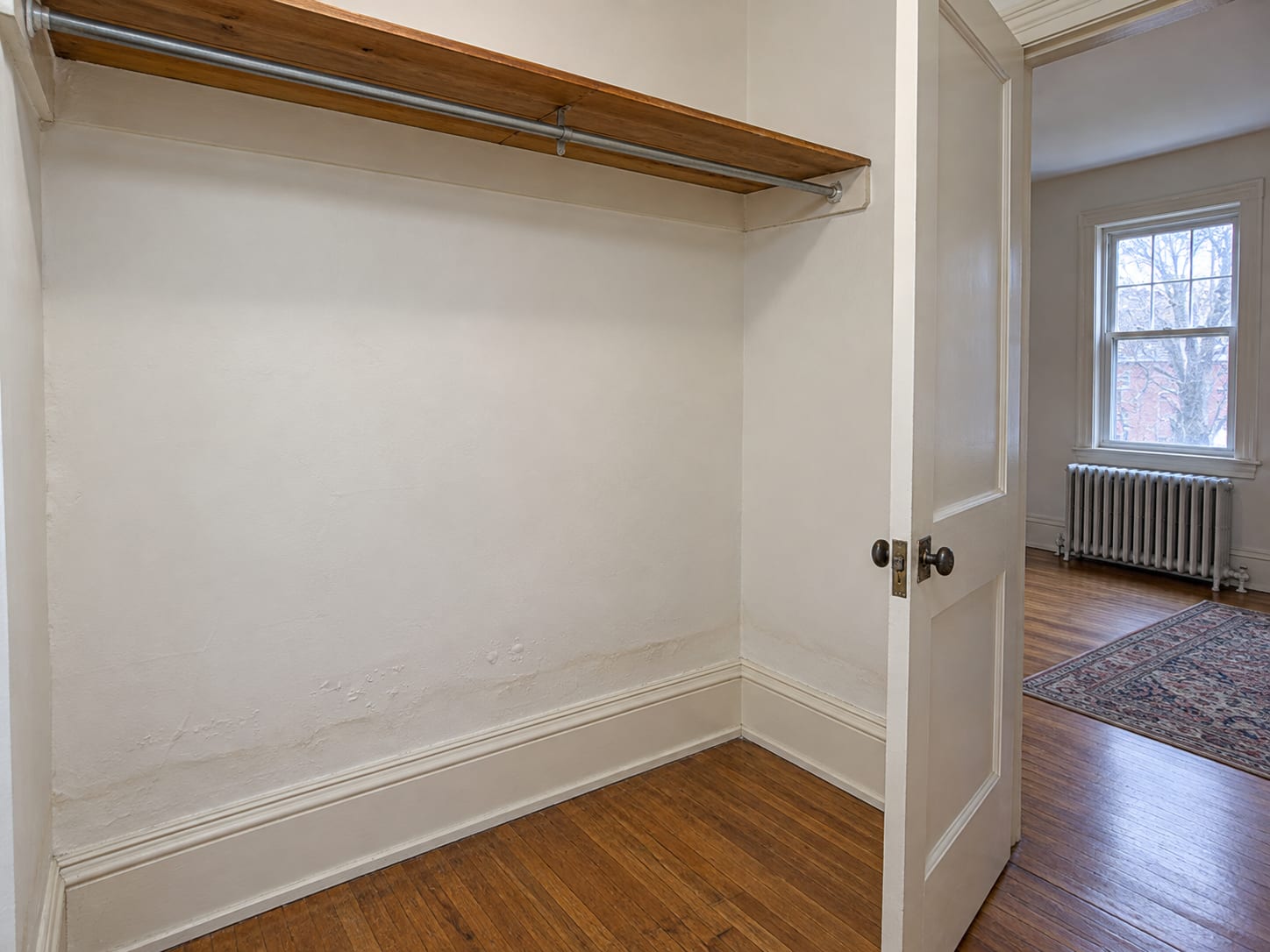
- Growth is suspected but not visible: A wall, floor or basement is damp or smells, and nothing can be seen.
- An odor has no source: The smell is real and nobody can find where it comes from.
- A sale or dispute needs a baseline: A buyer, seller, lender, insurer, attorney, tenant or property manager needs documentation.
- Cleanup is finished: Someone wants clearance evidence that the work is done.
- A commercial building has complaints: Occupants report problems, or several areas are affected.
- An occupant has a diagnosed condition: Environmental documentation may matter to a clinician or a landlord, though the test is not a medical diagnosis.
When a Test Is More Likely to Change Your Next Step
Growth is suspected but not visible
A wall, floor or basement is damp or smells, and nothing can be seen.
An odor has no source
The smell is real and nobody can find where it comes from.
A sale or dispute needs a baseline
A buyer, seller, lender, insurer, attorney, tenant or property manager needs documentation.
Cleanup is finished
Someone wants clearance evidence that the work is done.
A commercial building has complaints
Occupants report problems, or several areas are affected.
An occupant has a diagnosed condition
Environmental documentation may matter to a clinician or a landlord, though the test is not a medical diagnosis.
When mold is already visible, the situation reverses. EPA says sampling is usually unnecessary in that case, because the visible growth already shows that moisture and mold need to be addressed. The money is better spent on finding the moisture source, containment, removal, drying and repair, and if you are not sure where the water is, a mold inspection is usually the first purchase. If you are looking at a rental unit with a visible patch and a landlord who wants "proof," the photographs, the dates and the moisture readings document the condition, and the visible growth already shows that action is needed.
What Does Testing Cost, and Why Do Quotes Differ?
The price of testing follows scope and purpose more than the word "mold." No Trenton or New Jersey price schedule sets a standard fee, and the national inspection figures we cover on our mold inspection page are industry data, not a local quote. The main drivers are these:
- Size and layout: Property size, number of floors and number of separate units.
- Access: Basements, crawl spaces, attics, wall cavities, HVAC areas and locked rooms.
- Samples: The number and type of samples, and whether an outdoor comparison sample is included.
- Laboratory work: Analysis and how fast the report is returned.
- Diagnostics: Moisture mapping, infrared imaging or other investigation.
- Documentation needs: Insurance, litigation, real-estate or clearance requirements.
- Property type: Residential, multifamily, commercial or a school.
- What follows: Whether the assessment points to remediation, demolition, drying or reconstruction.
Hover or tap a row to highlight it.
| Cost driver | What it covers |
|---|---|
| Size and layout | Property size, number of floors and number of separate units |
| Access | Basements, crawl spaces, attics, wall cavities, HVAC areas and locked rooms |
| Samples | The number and type of samples, and whether an outdoor comparison sample is included |
| Laboratory work | Analysis and how fast the report is returned |
| Diagnostics | Moisture mapping, infrared imaging or other investigation |
| Documentation needs | Insurance, litigation, real-estate or clearance requirements |
| Property type | Residential, multifamily, commercial or a school |
| What follows | Whether the assessment points to remediation, demolition, drying or reconstruction |
Ask for a written quote that lists inspection, moisture diagnostics, samples, laboratory fees, reporting and verification on separate lines. Timelines vary with access, the number of areas, the sample type and laboratory turnaround, so ask the provider and the lab for the expected report date before any sampling is done. That date matters most for a buyer working against a deadline.
Will Insurance Pay for a Test, and What Should You Keep?
Coverage is specific to the policy. New Jersey's Department of Banking and Insurance has issued mold and fungus coverage guidance that addresses property damage, removal costs, access costs and testing costs, so testing can be part of covered mold loss, subject to the policy's exclusions, limits and cause of loss. Standard homeowners policies exclude damage caused by flood, according to the state's flood insurance information, while separate flood insurance may be available. A sudden covered plumbing or appliance loss may be treated differently from flood, seepage, gradual leakage or a pre-existing condition. Notify the insurer, document the loss, and confirm coverage before you order work you expect to be reimbursed. New Jersey guidance also says permanent repairs should wait until the insurer has reviewed the damage, while necessary temporary repairs and documentation help limit further loss.
Whoever is holding the file at the end, whether landlord, tenant, buyer or manager, should keep the same set of papers: photographs and dates, moisture readings, affected locations, sample locations, laboratory reports and the chain-of-custody record that shows who handled each sample, invoices, drying and remediation records, and post-remediation verification where it applies. If a dispute develops, that set is what you will be asked for.
What Happens After the Result?
Whatever the report says, the water source comes first. Correct the moisture problem, and dry wet materials within 24 to 48 hours where you can; EPA and CDC both emphasize that window. If the result or the inspection points to contamination, the next step is remediation, and our Trenton mold remediation page walks through the whole sequence. When cleanup is finished, verification documents the result, and if walls were opened, rebuilding follows.
After the Result
- 1
Correct the water source
Fix the moisture problem, and dry wet materials within 24 to 48 hours where you can.
- 2
Remediate if contamination is found
If the result or the inspection points to contamination, the next step is remediation.
- 3
Verify the cleanup
When cleanup is finished, verification documents the result.
- 4
Rebuild
If walls were opened, rebuilding follows.
A sampling visit is not identified as a permit-triggering activity on its own. Major renovation, alteration, demolition, equipment changes and changes of occupancy may need permits, so confirm with the Division of Inspections if sampling comes with that kind of work. If the property is a designated landmark or in a historic district, check with the Landmarks Commission before any exterior repair, window work, siding or roofing tied to moisture correction. Interior sampling is not identified as needing a landmark permit.
Mold Testing, Quick Check
1. Does EPA set a federal pass or fail limit for indoor mold spores?
2. How often does Trenton inspect residential rental properties for city ordinance violations?
3. When mold is already visible, what does EPA say about sampling?
4. Can a mold test diagnose illness or prove that mold caused symptoms?
5. Does New Jersey certify companies that perform mold or indoor-air services?
Pick an answer to begin.
Frequently Asked Questions About Mold Testing Trenton NJ
How much does mold testing cost in Trenton?
No Trenton price schedule exists, and the total depends on property size, access, the number and type of samples, laboratory fees, moisture diagnostics and reporting. Ask for a written quote that separates each line and includes the report date.
Will insurance pay for a mold test?
It may, depending on the policy, its exclusions and limits, and the cause of the loss. New Jersey mold and fungus guidance can include testing costs, but standard homeowners policies exclude flood damage. Notify your insurer and confirm coverage before ordering work you expect to be reimbursed.
Is mold testing worth it?
It is worth it when the result will change a decision: finding hidden moisture, documenting a sale or insurance condition, setting a baseline before remediation, or verifying cleanup afterward. If the moisture source and the cleanup scope are already clear, the value shifts to moisture investigation, containment, removal, drying and repair.
Can a mold test tell me whether mold is making me sick?
No. A test documents conditions in the building. It cannot diagnose illness or predict health outcomes, so talk to a healthcare professional about symptoms.
How long until I get results?
Turnaround depends on access, the number of areas, the sample type and the laboratory. Ask the provider and the lab for the expected report date before sampling begins.
Mold Testing Terms
Tap a term to see what it means.
Visual inspection. Documents visible growth, staining, odors, building conditions and likely moisture sources.
The Bottom Line
A mold test is worth ordering when a specific person will use the result to make a decision. The city's rental inspection covers code compliance and does not replace moisture investigation or sampling, no federal limit turns a lab number into a pass or fail, and a written scope, a report date and a complete set of records are what make a test useful afterward.
Handled that way, you spend on the piece of paper your dispute, sale or claim actually needs, and you avoid paying for numbers that answer nobody's question.
If you own, rent, manage or are buying property in Trenton, NJ and are not sure whether a test would change your next step, ExecPro Restoration & Cleaning can talk through the question with you and scope the inspection, moisture work, sampling or verification that fits it. Call us at (888) 300-3772 or contact us, and see our mold remediation services for what comes after the result.
Serving Trenton
ExecPro Restoration & Cleaning provides mold remediation services in Trenton, NJ, from inspection and testing through removal, drying, and post-remediation verification. Call (888) 300-3772 for 24/7 emergency response.
Related Articles
Mold Testing in Bridgewater, NJ: When a Lab Report Changes the Plan
Offered a mold test in Bridgewater, NJ? Sampling pays off when the source is hidden or someone else needs a result, so ask what it would change first.
Mold Testing in New Jersey Commercial Buildings: What Gets Sampled and What the Results Mean
Mold testing for a New Jersey commercial building: when sampling helps, how air, surface and bulk tests differ, and how to read the lab report.
Pre-Purchase Mold Inspection in New Jersey: What Buyers Get Before Closing
A pre-purchase mold inspection in NJ covers what a home inspection excludes. See who pays, how long it takes and what to do if mold turns up.