What a Home Indoor Air Quality Test in New Jersey Actually Checks
Cal HewittPublished
- indoor air quality testing
- sampling
- moisture control
- new jersey
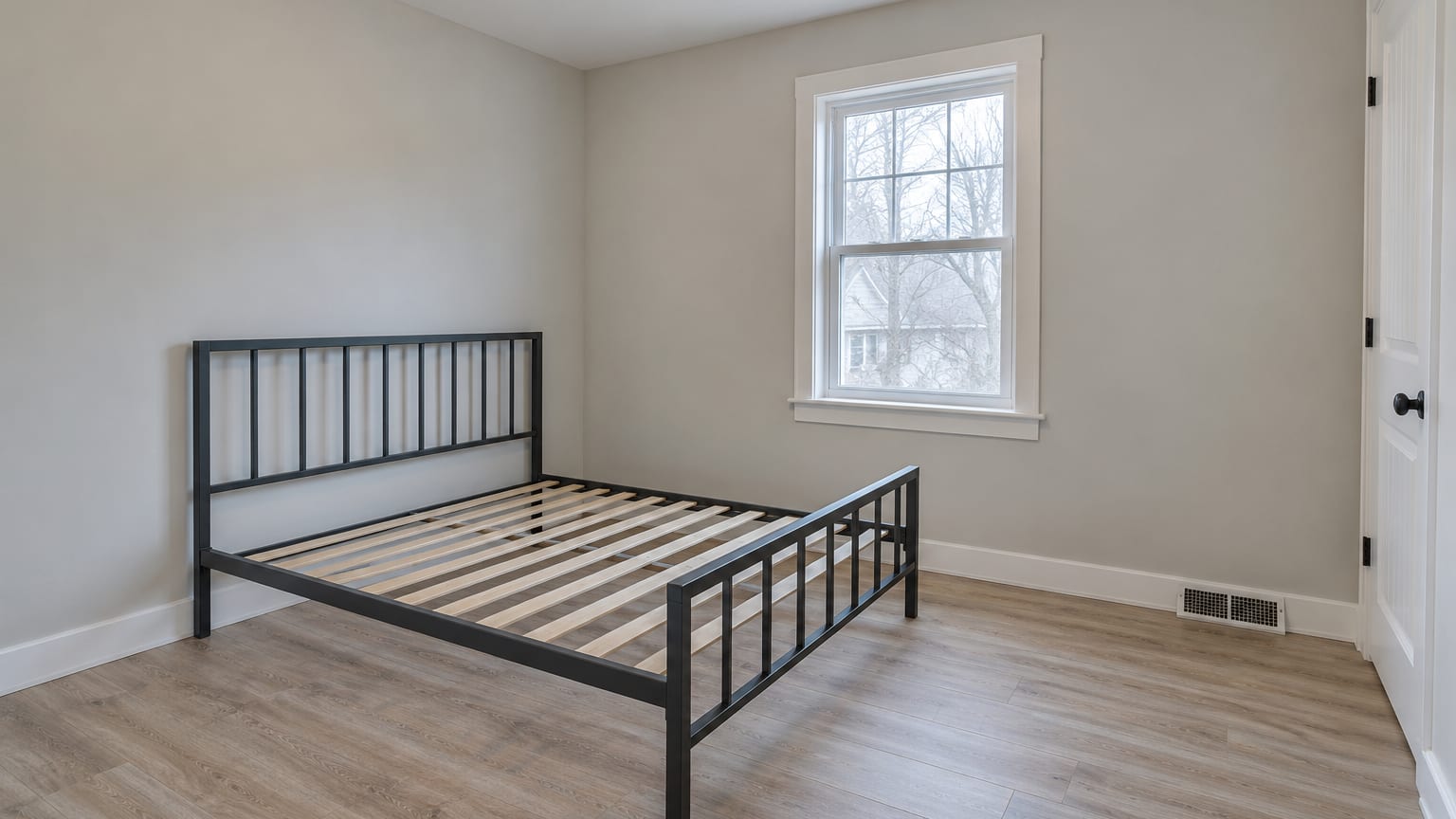
If you are looking into indoor air quality testing in NJ, something at home probably feels off. It might be a musty or chemical smell that comes and goes, a headache that eases the minute you leave the house, or a room that never felt right after a leak or a renovation. You can buy a monitor or hire a professional, and the two do very different jobs. Before you spend anything, it helps to know that "air quality" is really several separate questions: moisture and mold, combustion gases, radon, chemicals from products and materials, and ventilation. Each one has its own test and its own next step, and the sections below match them to your worry.
Key Takeaways
Match the test to the suspected cause
Radon, mold and moisture, carbon monoxide, chemical vapors and particles each need a different method, so a single generic test rarely answers your question.
Two things cannot wait for a test
A sounding carbon monoxide alarm means leaving for fresh air and getting medical attention, and every New Jersey home should have a radon test.
Mold has no airborne safe number
EPA and CDC say no federal or health-based limit exists for mold spores in air, and visible mold calls for fixing the moisture, not for an air sample.
Get the scope and price in writing
The cost follows the pollutants tested, the rooms, the sampling time, the lab work and the report, so ask for those items listed before you book.
What Does a Home Indoor Air Quality Test Actually Measure?
A professional home assessment is built around your building and your complaint, not around a fixed menu. The person doing the work asks about the smell, the symptoms, the leak or renovation and the appliances, then picks the measurements that fit. EPA's guide to indoor air quality lists the usual categories: particles, volatile organic compounds (VOCs, which are gases released by paints, finishes, cleaners and new materials), combustion pollutants, biological contaminants such as mold, radon, moisture and poor ventilation. A visit might touch several of them or only one.
Hover or tap a row to highlight it.
| Item | What may be measured | Reference point |
|---|---|---|
| Particles | Fine dust, smoke and combustion particles | EPA's 2024 annual outdoor standard for fine particles is 9.0 micrograms per cubic meter; it is not an indoor action level |
| VOCs | A selected VOC panel, or formaldehyde alone | No federally enforceable indoor VOC standard for homes |
| Carbon dioxide | Ventilation and buildup from occupants | EPA building guidance treats a peak above 1,000 ppm as a sign of possible ventilation problems |
| Carbon monoxide | Combustion gas from appliances | A sounding alarm means leave and get medical help |
| Humidity | Moisture that supports mold | EPA recommends 30% to 50% |
| Mold | Airborne spores, surface or bulk material | No federal or health-based airborne limit |
| Radon | Radioactive gas from the soil | 4 pCi/L is the New Jersey and EPA action level |
Many rows have no pass or fail number, which is normal. EPA says no federally enforceable standards exist for VOCs in ordinary indoor settings, and a carbon dioxide reading is a clue about ventilation, not a health verdict. A good assessment also writes down the conditions around each reading: the room, the time, the weather, who was home, what the HVAC system was doing and which laboratory method was used. EPA's building assessment methodology pairs measurements with building conditions for the same reason: a bare number is hard to read.
How Do I Test the Air Quality Inside My House?
Start with the suspected cause, not with a generic test. The right first move depends on what is bothering you.
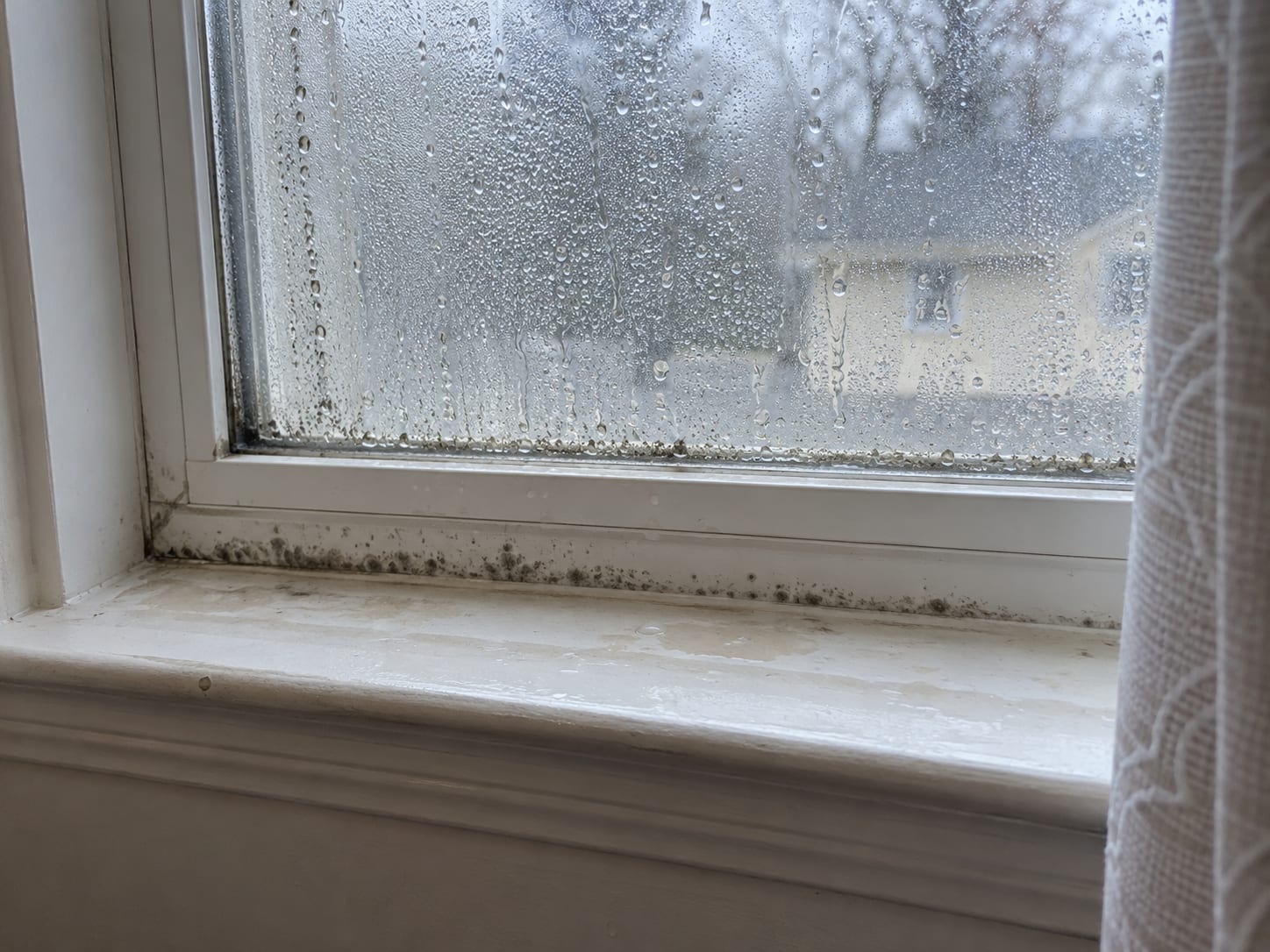
- A musty smell, a past leak or a damp basement: Start with a moisture and visual assessment. Mold needs moisture, and the New Jersey Department of Health says the priority is to find and correct the water problem, then do appropriate remediation.
- Fuel-burning appliances, a fireplace, a generator or an attached garage: Start with carbon monoxide alarms and an appliance and chimney check.
- A new floor, fresh paint or a pesticide treatment: A targeted VOC or particle assessment can make sense if symptoms started with that work.
- Any home that has never been tested for radon: Test for radon, because nothing else on this list can tell you whether it is there.
For the next hour, write down the odor, where it is strongest, any visible moisture, recent work and when symptoms show up, and photograph water damage or mold without disturbing it. Check your carbon monoxide alarms. If an alarm sounds, or you suspect carbon monoxide poisoning, leave for fresh air right away and get medical attention; do not wait for an air quality appointment. EPA's carbon monoxide fact sheet recommends alarms on every level, near sleeping areas and at least 15 feet from fuel-burning appliances, tested monthly.
The next day, stop active water entry where you can do so safely, check humidity with a basic gauge and order a radon test if you have not done one recently. If symptoms keep coming back, call your healthcare provider.
The First Hour and the First Day
Write it down
The odor, where it is strongest, any visible moisture, recent work and when symptoms show up.
Photograph without disturbing
Water damage or mold, left as you found it.
Check carbon monoxide alarms
Alarms belong on every level, near sleeping areas and at least 15 feet from fuel-burning appliances, tested monthly.
If an alarm sounds
Leave for fresh air right away and get medical attention. Do not wait for an air quality appointment.
Stop active water entry
Only where you can do so safely.
Check humidity
Use a basic gauge.
Order a radon test
If you have not done one recently.
Call your healthcare provider
If symptoms keep coming back.
What Are the Signs of Poor Indoor Air Quality?
EPA lists irritated eyes, nose and throat, headaches, dizziness and fatigue as possible immediate effects of indoor pollutants, and says symptoms that improve away from home can justify looking for indoor causes. Other signs are physical: stuffy or smelly air, condensation, dirty heating and cooling equipment, and mold or mildew growth.
None of these signs points to one specific pollutant, and none proves the house caused a medical condition. A musty smell and a damp wall point toward moisture, and a chemical smell after a renovation points toward products and materials. When and where you notice the problem is the most useful thing you can tell a technician. If symptoms worry you, bring them to a physician; a test of the building cannot say whether it affects a particular person.
Can a Consumer Monitor Do the Job, and Does It Detect Mold?
Consumer monitors earn their place. EPA's guidance on low-cost monitors says they can show trends in particles, carbon dioxide, temperature and humidity, and they can show how readings change during cooking, cleaning or when you run a fan or an air cleaner.
They also have clear limits. A monitor measures only what its sensors were built to measure, so a particle monitor will not warn you about radon or carbon monoxide. EPA notes that alert levels are often set by the manufacturer, that most pollutants have no widely accepted indoor limit, and that these alerts are not designed as an emergency warning the way a certified carbon monoxide alarm or smoke detector is. A low reading on one day does not show the building is fine.
That leads to the mold question. A general air quality monitor does not detect mold; only a mold-specific sample measures airborne spores. Home air sampling kits can collect a sample, but the CDC does not recommend routine mold air sampling during building evaluations, and it says short-term spore counts or culture results cannot be read as health-risk thresholds. EPA adds that sampling is usually unnecessary when mold is visible; it may help when growth is suspected but hidden, or to judge cleanup. If you can see mold, the useful next step is to fix the moisture and have the affected area evaluated.
Hover or tap a row to highlight it.
| Question | Consumer monitor | Professional assessment |
|---|---|---|
| What is it for? | Showing trends in particles, carbon dioxide, temperature and humidity | Investigating a specific problem, built around your building and complaint |
| Does it detect mold? | No, a general monitor does not | A mold-specific sample measures airborne spores |
| Radon and carbon monoxide | A particle monitor will not warn you about either | Radon needs a radon test, and carbon monoxide needs working alarms and an appliance check |
| Alerts | Often set by the manufacturer, and not an emergency warning like a certified carbon monoxide alarm | A report with a named method that says what to do next |
Is Indoor Air Quality Testing Worth It?
It is worth it when the result will change what you do next. Confirming radon, tracing an unexplained odor and assessing conditions after water damage are good reasons. Testing earns less when it produces a number with no plan for reading it, or when visible mold and a known leak already tell you what to repair.
A useful visit and report cover several things, and you can ask for each before you book:
- The scope and the reason for sampling: Which concerns the visit addresses, what it leaves out and whether a sample would change the next action.
- The sampling plan: Where samples are taken, how long they run, whether an outdoor comparison is included and which laboratory method is used.
- The written report: A summary of what was inspected, the moisture or mold conditions seen, samples collected, the limits on what the results can tell you and the recommended next steps. The state's mold guidelines for residents say a final report should summarize the inspection, mold conditions, corrective actions and sampling results when samples were taken.
- The comparison basis: Which published standard, guideline or comparison your results will be measured against, since many pollutants have no single residential limit.
Two more questions are worth asking. If one company does both the testing and the repair, ask how the findings are kept independent of the repair proposal. And because NJDOH says New Jersey has no state certification program for companies that perform mold or general indoor air services in homes, ask about training, certifications and insurance for the specific work. NJDOH also says a building cannot be made mold-free, so be cautious about any company that promises it.
You may come across New Jersey's Indoor Air Quality Standard, N.J.A.C. 12:100-13. It applies to buildings occupied by public employees during working hours, so it is a public-workplace standard and not a measuring stick for a private home.
What to Ask For Before You Book
The scope and the reason for sampling
Which concerns the visit addresses, what it leaves out and whether a sample would change the next action.
The sampling plan
Where samples are taken, how long they run, whether an outdoor comparison is included and which laboratory method is used.
The written report
What was inspected, the conditions seen, samples collected, the limits on the results and the recommended next steps.
The comparison basis
Which published standard, guideline or comparison your results will be measured against.
How findings stay independent
If one company does both the testing and the repair, ask how.
Training, certifications and insurance
New Jersey has no state certification program for companies that perform mold or general indoor air services in homes.
How Much Does Indoor Air Quality Testing Cost?
The price depends on what is being tested and how. The main drivers are:
- The pollutants involved: A moisture and visual assessment, a mold sample, a VOC panel and a radon test are different jobs with different equipment.
- The number of rooms or locations: More sampling points mean more time and more lab analysis.
- The sampling duration: A reading taken over a day or longer costs more than a quick spot check.
- Laboratory analysis: Mold, VOC and particle samples often go to a lab, and each sample carries a fee.
- Radon certification: In New Jersey, radon work uses certified businesses or certified retail kits.
- Travel and reporting: The write-up and the distance to your home both count.
Ask for a written, pollutant-specific quote with the visit, the samples, the laboratory work, travel and the report each listed on its own line. That makes quotes easy to compare, and it keeps you from paying for panels that do not match your problem. We provide residential air quality testing across New Jersey, and whoever you hire, including us, should put the scope and price in writing before any work starts.
Should I Test for Radon, and How Does It Work in New Jersey?
Yes. Radon is a radioactive gas with no smell, color or taste, and no monitor for particles, VOCs, humidity or carbon dioxide can tell you whether it is in the house. The New Jersey Department of Environmental Protection (NJDEP) and EPA recommend testing every New Jersey home, because levels vary a lot from one house to the next, even on the same street. NJDEP identifies radon as the leading cause of lung cancer among nonsmokers, and it says no level is risk-free.
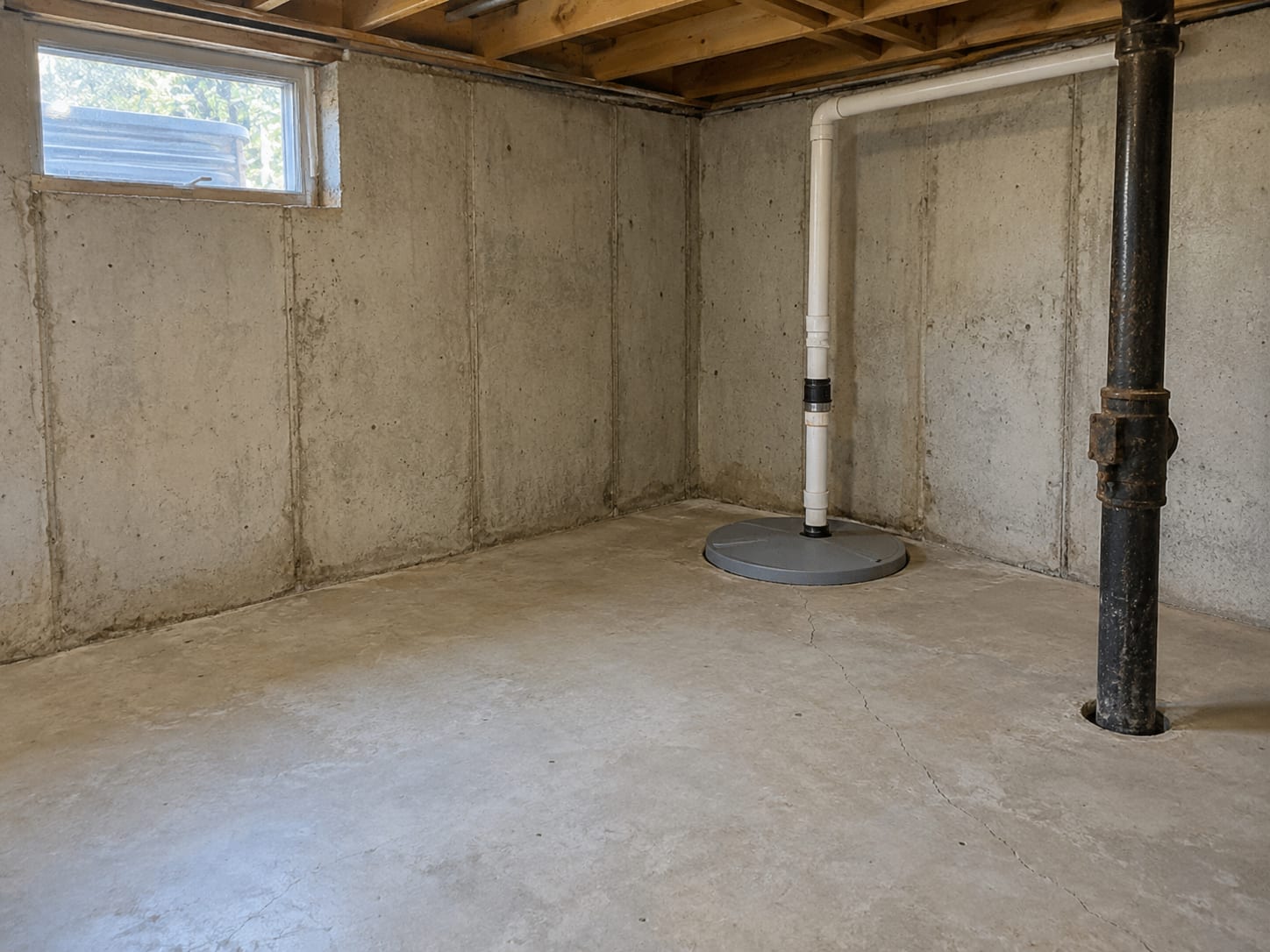
You have three ways to test: a retail or mail-in kit carrying a New Jersey certification number that begins with "MEB9," a New Jersey-certified radon measurement business, or a professional continuous monitor or other approved method. The action level is 4 picocuries per liter (pCi/L), and NJDEP says mitigation should be considered between 2 and 4 pCi/L and is recommended at 4 or higher. The usual fix is sub-slab depressurization, which vents soil gas from under the foundation to a point above the roofline, and the home is retested afterward to confirm the result. Radon can enter through foundation cracks, pipe openings and sump pits, and the program's rules are in N.J.A.C. 7:28-27.
NJDEP also sorts municipalities into three tiers by the share of tested homes at or above 4 pCi/L: Tier 1 is 25% or more, Tier 2 is 5% to 24% and Tier 3 is below 5%. The tier report describes your area, but a low tier does not tell you what your own basement reads.
Hover or tap a row to highlight it.
| Measure | Value |
|---|---|
| Action level | 4 picocuries per liter (pCi/L) |
| Consider mitigation | Between 2 and 4 pCi/L |
| Mitigation recommended | 4 pCi/L or higher |
| Tier 1 municipality | 25% or more of tested homes at or above 4 pCi/L |
| Tier 2 municipality | 5% to 24% of tested homes at or above 4 pCi/L |
| Tier 3 municipality | Below 5% of tested homes at or above 4 pCi/L |
What Happens After the Results Come Back?
The result is the start of a decision. If the test points to moisture, the order of work is to correct the water entry, dry the building materials and then remove what is damaged. NJDOH puts it the same way: identify and correct the water source first, then remediate. Testing alone does not repair a leak, remove mold, fix a combustion appliance or reduce radon.
After the Results Come Back
- 1
Correct the water entry
If the test points to moisture, this comes first. NJDOH puts it the same way: identify and correct the water source first.
- 2
Dry the building materials
Drying comes before removing anything that is damaged.
- 3
Remove what is damaged
Remediation follows once the cause is fixed.
- 4
Keep every record
Notes, photographs, moisture readings, the written assessment, laboratory reports, invoices, repair records, the remediation plan and messages with the insurer, landlord or contractor.
Keep every record from the start: notes, photographs, moisture readings, the written assessment, laboratory reports, invoices, repair records, the remediation plan and messages with the insurer, landlord or contractor. They help when you explain the condition of the property to an insurer, a buyer or a tenant.
On insurance, coverage depends on your policy and on what caused the loss. The state insurance department's bulletin on mold coverage describes a model $10,000 annual aggregate that includes covered mold-related loss, removal, necessary tear-out and testing, with optional higher limits of $25,000 and $50,000, and it applies only when the mold results from a covered peril during the policy period. The department's homeowner policy summary notes that mold is commonly excluded unless it results from a covered loss, and the policy itself controls. Ordering a test does not create coverage, so read your policy and ask your insurer before you assume.
If you rent, tell your landlord or property manager in writing about leaks, dampness, suspected mold and health concerns. NJDOH advises renters to report unrepaired leaks to the local building-code office, which may be able to address structural problems such as leaks or plumbing issues, although it may not have authority over mold itself. The state's landlord and tenant resources are a place to start, and an attorney can answer rights-specific questions.
Frequently Asked Questions About Indoor Air Quality Testing NJ
Does an air quality test detect mold?
Only a mold-specific sample can measure airborne spores. A general monitor does not detect mold, and a short-term sample can miss exposure that happens over time. A visual inspection, a moisture investigation and an odor assessment are often more informative.
What is the number one cause of indoor air pollution?
There is no single cause that fits every New Jersey home. Combustion, smoking, cooking, consumer products, building materials, poor ventilation and moisture all contribute. For mold, excess moisture is the condition that lets it grow.
Do air purifiers really improve air quality?
According to EPA's guide to air cleaners, portable air cleaners and HVAC filters can lower some airborne particles, and activated carbon helps with some gases. They do not remove every pollutant, and they do not stop a leak, remove a chemical source or take the place of a carbon monoxide alarm.
Home Air Quality Testing, Quick Check
1. What is the radon action level in New Jersey?
2. Does a general air quality monitor detect mold?
3. What should you do if a carbon monoxide alarm sounds?
4. Who does New Jersey's Indoor Air Quality Standard, N.J.A.C. 12:100-13, apply to?
Pick an answer to begin.
The Bottom Line
The right test is the one that matches what you suspect. Radon needs a radon test, mold and moisture start with a visual and moisture assessment, carbon monoxide needs working alarms and an appliance check, and chemical or particle concerns need a targeted look tied to a specific source. A consumer monitor is a fair way to watch trends and a professional assessment is the way to investigate a specific problem. Ask for a written scope, a named method and a report that says what to do next.
Fixing the moisture, servicing the appliances and mitigating radon do more for your air than any reading, and the records you keep make later conversations with an insurer, a buyer or a landlord easier.
If you are in New Jersey and want help sorting out which test fits your home, ExecPro Restoration & Cleaning can look at the moisture, mold and water-damage side of the problem and walk you through the options. Call us at (888) 300-3772 or reach us through our contact page, tell us what you smell, where and when it started, and we will explain the next step, whether that is a mold inspection or mold remediation once the cause is fixed.
Indoor Air Terms
Tap a term to see what it means.
VOCs. Volatile organic compounds, which are gases released by paints, finishes, cleaners and new materials.
Related Articles
Mold Testing in New Jersey Commercial Buildings: What Gets Sampled and What the Results Mean
Mold testing for a New Jersey commercial building: when sampling helps, how air, surface and bulk tests differ, and how to read the lab report.
Basement Mold Removal: What Comes Out, What Can Stay, and Why
Basement mold removal in NJ: see which materials usually come out, which can be cleaned and kept, when DIY stops and how to keep mold from coming back.
Finishing a Basement in New Jersey: The Moisture Checks to Do Before Framing
Planning on finishing a basement in NJ? Walk through the moisture checks, below-grade materials, permits and records that come before framing.