Water Damage Restoration in Warren, NJ: The First 72 Hours
Cal HewittPublished
- water damage restoration
- structural drying
- water category
- warren nj
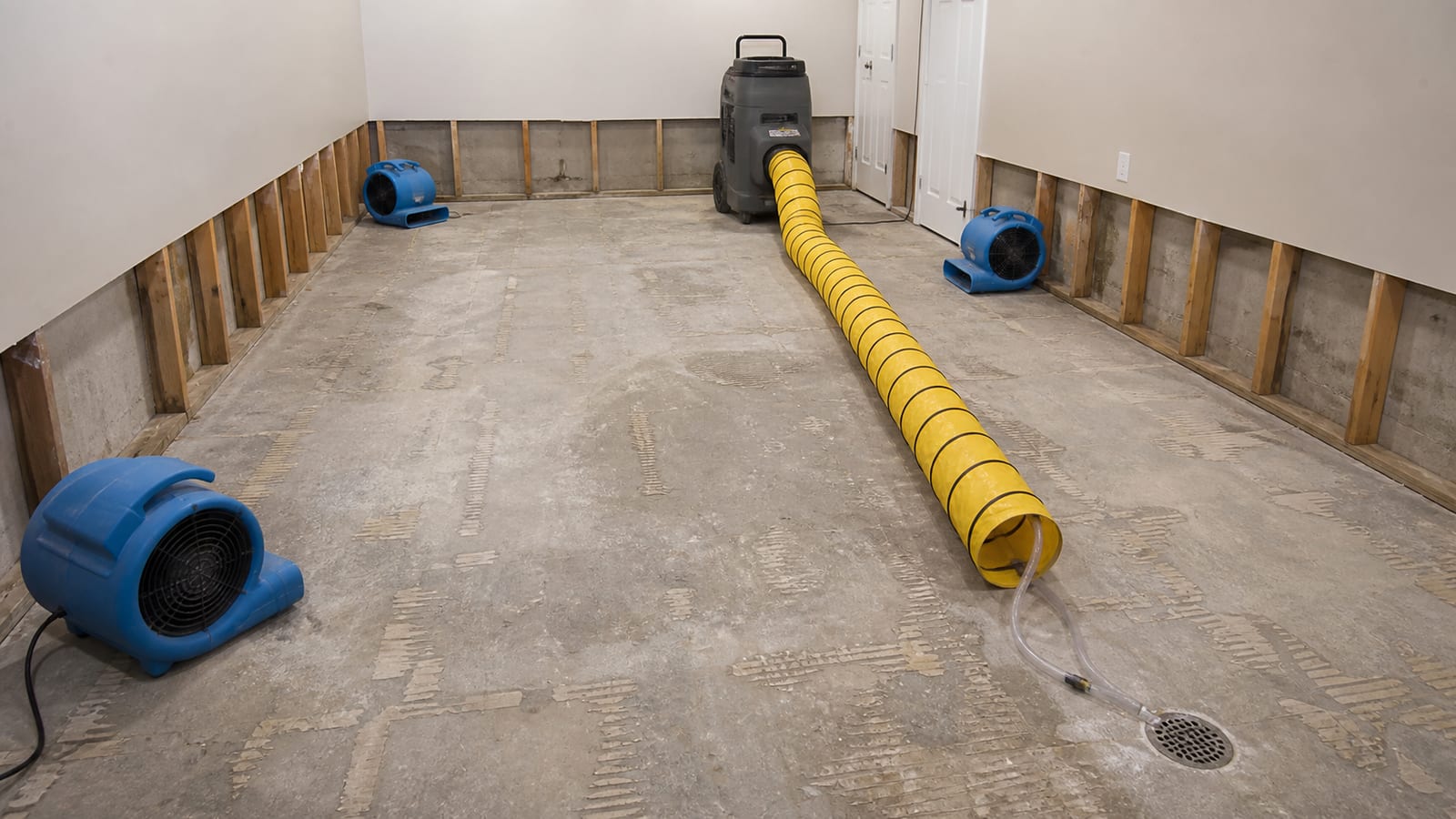
The water has stopped. That is the moment most people start looking things up, and it is the right moment, because what happens over the next two or three days decides how much of the room survives and whether you end up with a second problem in a month. The useful thing to understand is that restoration is not one job. It is four stages with different clocks: making it safe, removing what cannot be saved, drying what can, and putting it back. This is what each of those looks like in a Warren home, and where the decisions actually sit.
Key Takeaways
24 to 48 hours is the one real benchmark
it is the window the EPA and CDC both work from for preventing mold after clean water damage, and it applies to concealed material as much as visible.
Photograph and notify before cleanup
the CDC advises contacting the insurer and taking photographs before cleaning begins, because cleanup removes the evidence of extent.
The water's source decides what is saved
, not how the water looks. Contaminated water means porous material goes regardless of appearance.
A flooded finished basement is not dried with fans on an intact floor
carpet and pad come out and drywall is flood cut before structural drying starts.
Leave the HVAC off
until cleaning, drying and any needed repairs are complete.
The Township adds a floor to the schedule
inspections must be requested at least 24 hours ahead and there are no same day inspections, which matters once a repair becomes construction.
What Does Water Damage Restoration Include?
The First Seventy Two Hours
- 1
Make it safe and record it
Power off where water meets circuits. Photograph and notify the insurer before anything is cleaned or moved.
- 2
Classify the water
The source sets the category, and the category decides what leaves the building.
- 3
Map where it went
Including the cavities and under floor spaces, not only the rooms you can see.
- 4
Remove what cannot be saved
Carpet, padding, upholstery, paper and wall coverings that took contaminated water are discard candidates.
- 5
Clean and isolate
Remaining surfaces cleaned, unaffected space isolated so debris and contamination do not spread.
- 6
Dry and verify
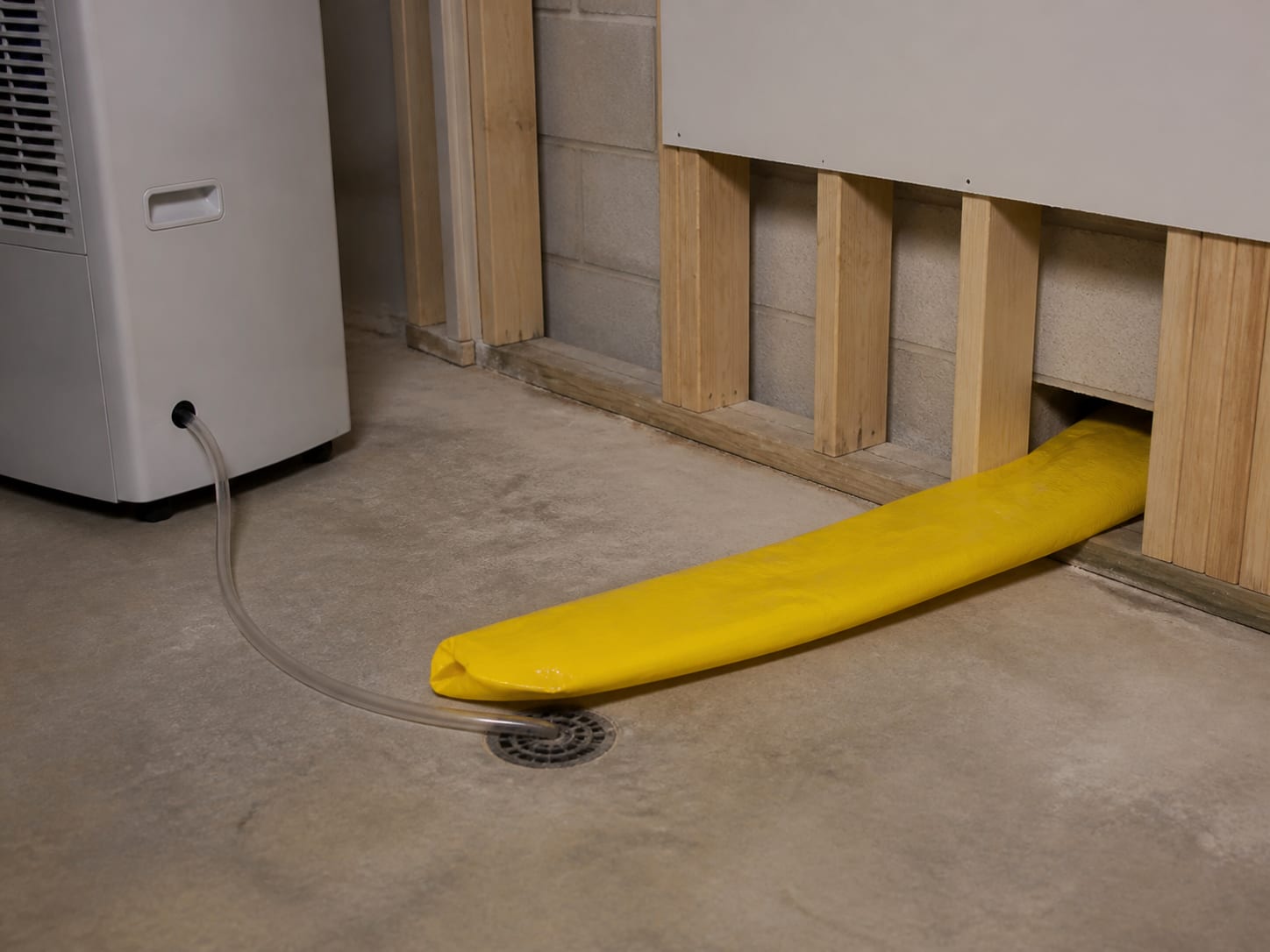
Air movers and dehumidification on the opened assembly, confirmed by meter before anything closes.
- 7
Reconstruct
A separate stage with its own clock, which cannot begin until the drying is verified.
Four stages, in this order.
Making it safe and recording it. Power off where water and circuits meet. Do not enter a building with obvious serious structural damage. Photograph the rooms and contents, and notify the insurer, before anything is cleaned or moved. If a generator is involved, it runs outside and at least 20 feet from the building, never indoors or near an opening.
Classifying the water and mapping where it went. The source determines the category, and the category determines what leaves the building. This is also where the extent gets established, including the cavities and under-floor spaces the water reached rather than only the rooms you can see.
Removing, cleaning and drying. Standing water out, unsalvageable material out, remaining surfaces cleaned and where appropriate disinfected, unaffected space isolated so debris does not spread, then the structure dried and verified before anything is closed.
Reconstruction. Putting the room back, which is a separate stage that cannot start until the drying is verified.
People usually think of the second and third as the whole thing. The first and fourth are where most of the avoidable cost lives.
The Clock, and What It Actually Promises
Twenty four to forty eight hours is the only timing benchmark with broad support behind it, and it is about mold prevention rather than job completion. Materials kept wet past roughly that window are generally treated as having growth, and the EPA's flooded home guidance says to assume it where the building and contents were not dried within it.
What that does not mean is that everything is finished in two days. Extraction is measured in hours. Drying is measured in days and depends on what is concealed. Reconstruction is measured separately and comes after verification. Anyone offering a completion date before seeing the property is guessing, and the honest version is to ask for the drying target and the rebuild estimate as two different numbers.
What Gets Saved and What Goes
This is the question everyone actually wants answered, and it turns on material and contamination rather than on sentiment or appearance.
Generally removed and discarded where water was contaminated or where the material cannot be cleaned and dried quickly: carpet and padding, upholstered furniture, mattresses, paper products, wall coverings, and drywall and insulation that took sewage or floodwater.
Often cleaned and dried where condition and contamination allow: intact hard and nonporous surfaces, structural framing, and cleanable finishes.
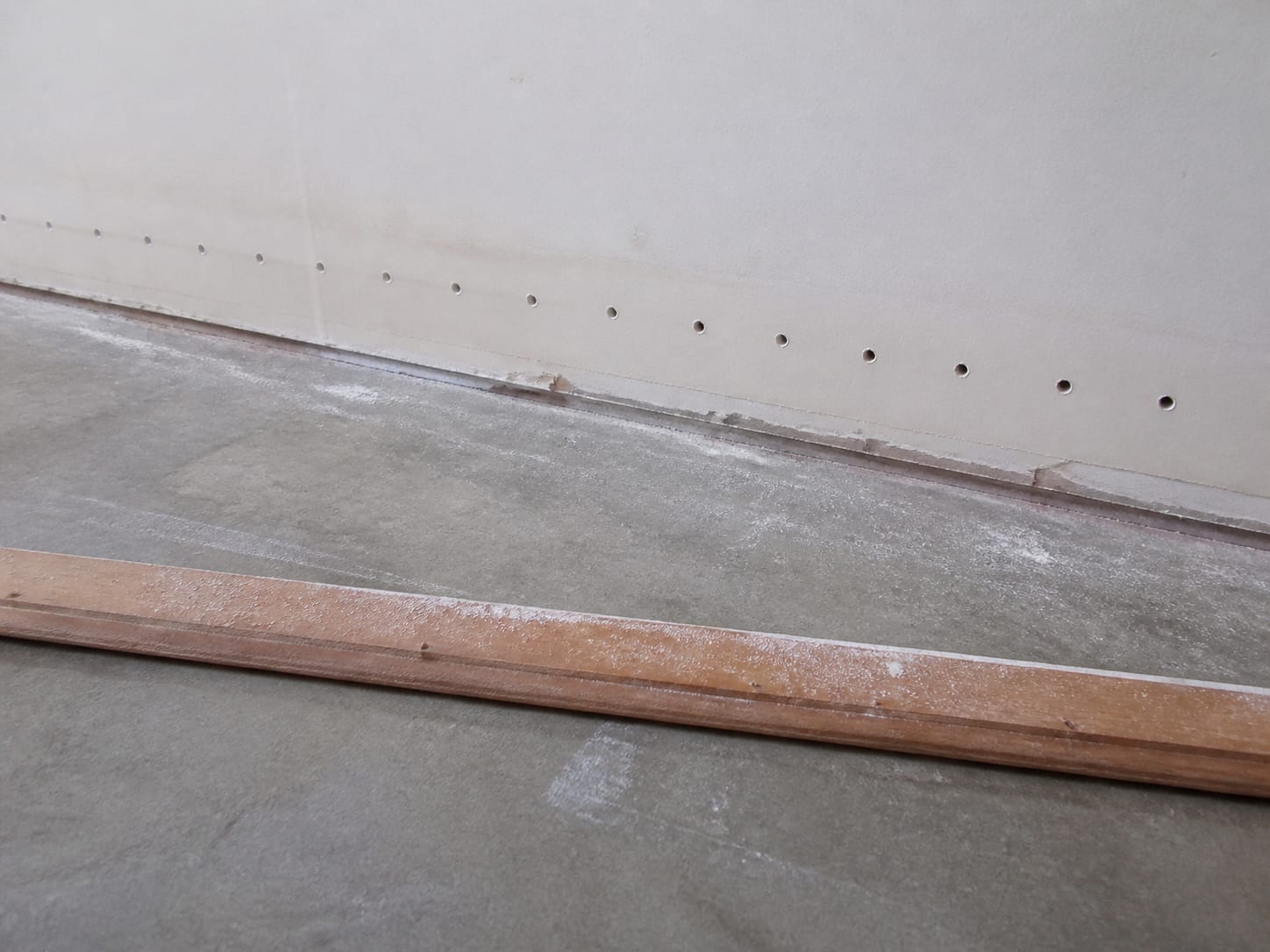
The case that catches people out is the finished lower level. A finished basement that has taken water is not dried by putting air movers on the floor. The carpet and pad come out, the drywall is flood cut at the base, and only then does structural drying reach the slab and framing that are actually holding the moisture. Fans over an intact finished floor dry the surface and leave the assembly underneath it wet, which is the most common way a room gets dried twice.
Where the Water Came From in Warren
Warren runs from the First Watchung Mountain across Washington Valley to the Second Watchung, with Middle Brook in the valley and the Passaic at the lower edges, and the Township's own record describes low percolation and high runoff across its soils. That produces a specific set of candidates on any given property: runoff arriving downhill against a foundation, a seasonal water table close to a slab, envelope failures at the roof or windows, and plumbing or appliance failures inside the building.
They look alike once the drywall is stained, and they are not alike at all in what they require. The distinction is made with moisture readings, with elevations, and with a look at what the lot does during heavy rain. Getting it wrong is how a property gets restored twice in three years.
The Warren Schedule, and Why It Has a Floor
Restoration itself is not permitted work. What brings the Township in is the repair.
Warren Township requires permits for most construction activity, and asks that inspections be requested at least 24 hours before the requested day. It does not perform same day inspections. On a job where a source repair sits on the critical path, that is a built in floor on the calendar, and it is better known at the start than discovered at the end.
Where the property is in a regulated flood hazard area, the Township's Floodplain Administrator reviews development permits for flood hazard location and coordinates with the Construction Official, and the ordinance requires site and construction documents for such an application. That applies to reconstruction, alteration and fill rather than to an urgent removal and drying.
What Documentation Is Worth Keeping
Contemporaneous records are cheap while the job is running and impossible to recreate afterwards. The useful set is moisture readings over time, photographs from before cleanup onward, equipment records showing what ran and for how long, removal records for what left the building, and an itemized scope.
That set is what an insurer's review works from, what a future buyer's inspector is reassured by, and what settles a disagreement about extent months later.
Common Mistakes Worth Avoiding
Turning the HVAC on to help dry the house, before cleaning and drying are done, which distributes whatever is in the affected air through the rest of the building.
Closing a wall because the surface feels dry. Dryness is a measurement.
Cleaning before photographing, which removes the record of how far the water went.
Treating outside water like a burst pipe. Different source, different contamination question, different outcome for the material.
Running a portable generator indoors or in a garage. It goes outside and at least 20 feet from the building.
Who Does What, and What You Should Be Given
Restoration involves more parties than most people expect, and knowing which one answers which question saves a great deal of frustration.
The restoration contractor establishes the condition, documents it, produces a scope, removes what cannot be saved, dries the structure and verifies it. They are the party who can tell you what is wet, how wet, and what it will take to make it dry.
The insurer and adjuster decide coverage. Not the contractor, and not you. The adjuster's scope may differ from the contractor's, and where it does the resolution is evidence rather than argument: readings, photographs of concealed conditions, and an itemised justification for why a material was removed rather than cleaned.
A plumber, roofer or drainage contractor frequently owns the actual repair. The restoration contractor stops the damage spreading and dries the building. The thing that caused it is often somebody else's trade, and on a Warren lot it is often outside the building entirely.
The Township enters when repair becomes construction, with permits and inspections requested at least 24 hours ahead.
What you should be given, in every case: a written scope that itemises what is being removed and what is being cleaned, moisture readings taken over the course of the drying rather than only at the start, a record of what equipment ran and where, photographs from before cleanup onward, and a clear statement of what the source was believed to be and what was done about it.
If any of those is missing, ask for it while the job is running. Every one of them is easy to produce at the time and impossible to reconstruct afterwards, and they are what a buyer's inspector, an adjuster or a future owner will ask about.
One thing worth agreeing at the start is who is contracting with whom. Arrangements vary, and it is much easier to establish in the first conversation than in the middle of a claim.
Frequently Asked Questions About water damage restoration Warren NJ
What does water damage restoration include?
Four stages: making the property safe and documenting it, classifying the water and mapping where it went, removing what cannot be saved and drying what can, then reconstruction. The last stage is separate and starts only after drying is verified.
How do I choose a water damage restoration company?
Ask how they will establish the source, how they will verify dryness, and what documentation you will receive. Ask for the drying estimate and the rebuild estimate separately. Confirm registration and insurance before work begins. Be wary of a firm completion date offered before anyone has seen the property.
How long before mold becomes a problem?
The working window is 24 to 48 hours for clean water, and the EPA's flooded home guidance says to assume growth where the building and contents were not dried in that time. The window applies to concealed material too, which is why drying is judged with a meter rather than by feel.
My basement is finished. Does the carpet definitely come out?
Where it has been saturated, or where the water may have been contaminated, yes. Carpet and padding are on the standard discard list because they cannot be cleaned and dried quickly enough in place. The drywall above it is usually flood cut at the base so the cavity can dry.
Can I leave the heating and cooling running to help?
No. Leave it off until cleaning, drying and any needed repairs are complete, particularly if water may have reached ductwork.
Do I need a permit?
Not for the removal and drying. Once repair or reconstruction begins it usually does, and Warren requires inspection appointments at least 24 hours ahead with no same day inspections. In a flood hazard area, the Floodplain Administrator reviews the application alongside the Construction Official.
Final Thoughts
If the water has stopped in your Warren property and you are working out what happens next, ExecPro Restoration & Cleaning can establish the source, tell you what is saveable, and give you the scope in writing before anything comes out. Call ExecPro Restoration & Cleaning at (888) 300-3772, or get in touch to arrange a visit. We are licensed and insured and we work to your insurer's documentation requirements. Emergency mold and water damage services are available 24/7, Monday through Sunday. If there is water on the floor right now, start with emergency water extraction, and if it came from outside see flood damage cleanup.
Restoration Terms
Tap a term to see what it means.
Mitigation. Reasonable steps to prevent further damage, generally expected of the insured, and distinct from the repair.
Serving Warren
ExecPro Restoration & Cleaning provides mold remediation services in Warren, NJ, from inspection and testing through removal, drying, and post-remediation verification. Call (888) 300-3772 for 24/7 emergency response.
Related Articles
Water Got Into Your New Jersey Home in the Nor'easter: The First 48 Hours
Water got into your New Jersey home in the September nor'easter? What is safe to touch, what to photograph, and how to start drying in the first 48 hours.
Classify the Water First: Water Damage Restoration in Alpine, NJ
What the water is decides what can be saved. On an Alpine lot with septic and high groundwater, that question is harder and more important than usual.
Three Materials Decide It: Water Damage Restoration in Plainsboro, NJ
Engineered flooring, MDF trim and paper faced drywall decide most Plainsboro losses. None of the three behaves like plaster and oak in an older house.