
Emergency Water Extraction in Warren, NJ: What to Do First
Cal HewittPublished
- emergency water extraction
- standing water
- electrical safety
- warren nj
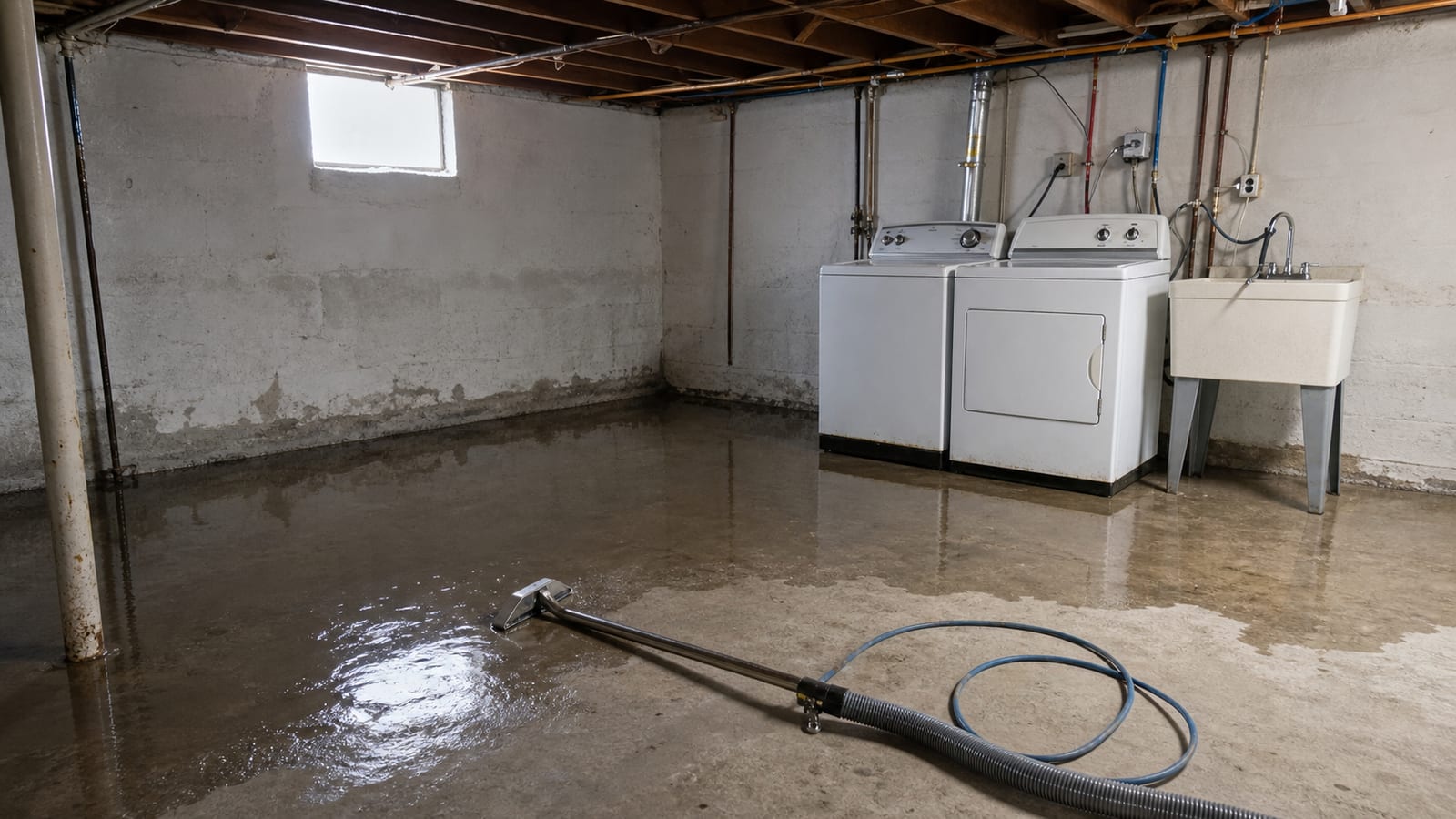
Before you step into it, kill the power to that part of the building. If the panel is in the wet area, or you would have to cross standing water to reach it, do not go. Call the utility or an electrician instead. Everything else on this page can wait a few minutes. That cannot. Once the area is safe, the order that matters is stopping the water, keeping people and pets out, photographing before anything moves, and getting extraction started, because from the moment the material got wet you are working against a clock rather than against the puddle.
Key Takeaways
Power first, always
standing water and live circuits is the only part of this that can hurt you tonight. If reaching the panel means crossing water, do not do it yourself.
The clock is roughly a day
the EPA advises responding to clean water damage within 24 to 48 hours to prevent mold, and notes growth can begin on wood, drywall, carpet and furniture kept wet beyond about 24 hours.
Photograph before you move anything
the record you make in the first hour is free, irreversible, and the thing an adjuster and a contractor both work from later.
Extraction is the first hour of a longer job
removing standing water is not drying. Drying concealed material can run days to weeks.
It happens to well kept buildings
Warren Town Hall lost a third floor sprinkler line in February 2026 and the Township approved $383,416.63 for the remediation.
Do not close anything up until it is demonstrably dry
, confirmed with a meter rather than by touch.
Shut Off the Power Before You Touch the Water
Water finds outlets, it finds the bottom of walls where cabling runs, and it finds appliances. Cutting power to the affected area removes the one hazard that is immediately dangerous. If the panel is dry and reachable without crossing water, switch off the circuits for that level. If it is not, that is a call to the utility or an electrician, not a risk worth taking to save fifteen minutes.
Once the power is off, keep people and pets out of the area. That is partly about slips and partly about what may be in the water, which nobody can judge by looking at it in the first few minutes.
Then stop the source if you safely can. For a supply line, an appliance, or a fixture, that is usually a shutoff valve at the appliance or the main. If the water is coming from outside the building, there is no valve and the sequence changes: you are managing what is already in rather than turning something off.
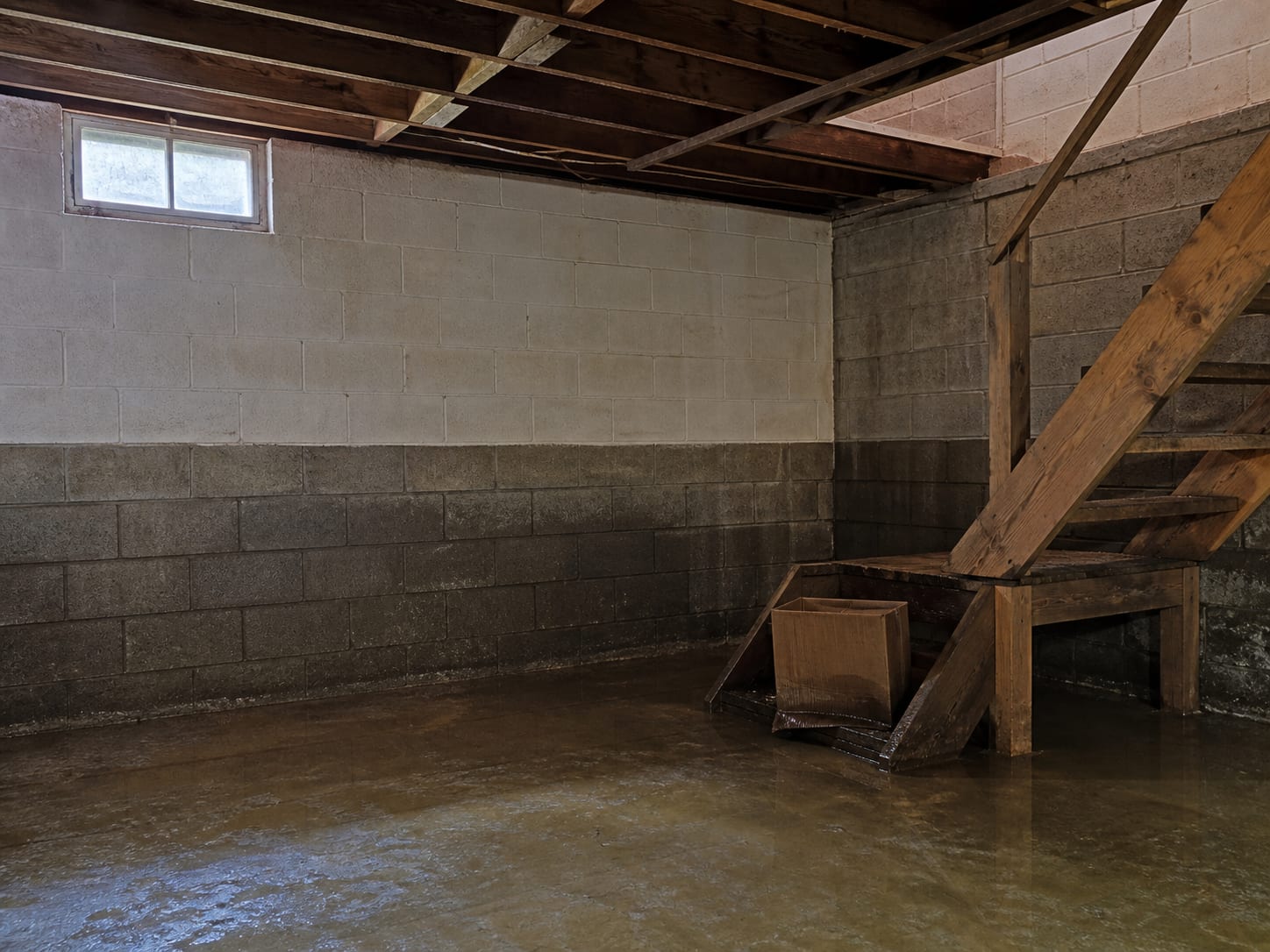
Photograph Everything Before Anything Moves
This takes five minutes and it is the highest value thing you will do all evening.
Photograph each affected room from the doorway, then close in on where the water is and how far it has spread. Get the ceiling if water came from above. Photograph the source if you can see it. Photograph the contents that are sitting in it, including what is under furniture, before you drag anything out. Note the time, and note when you first found it, which is not always the same thing.
Do this before extraction, because extraction removes the evidence of extent along with the water. A restorer arriving later can measure moisture, but only your photographs show what the room looked like when it happened.
What Extraction Actually Is, and What It Is Not
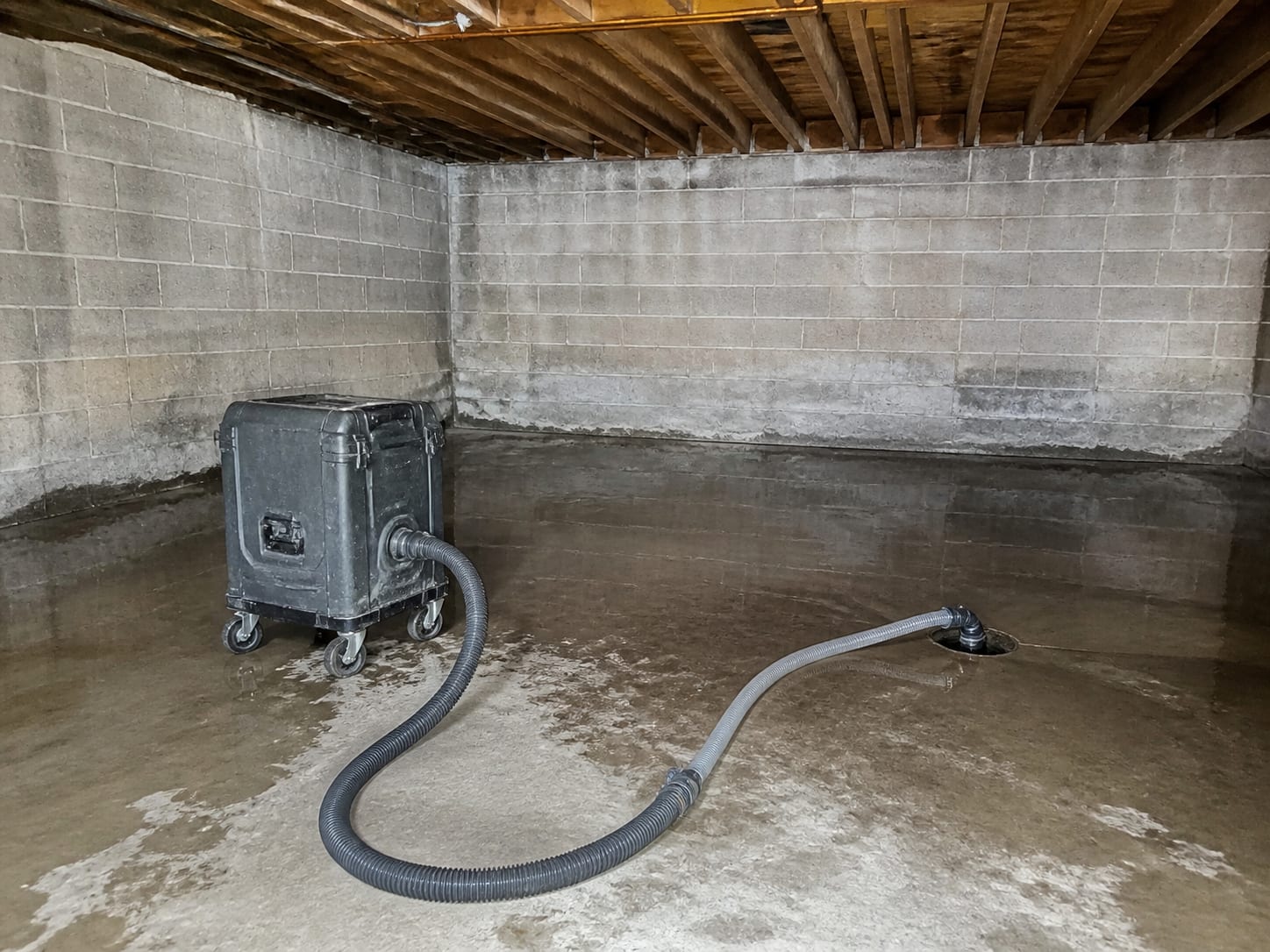
Extraction is the removal of standing and absorbed water using pumps and truck mounted or portable equipment. It is fast, it is visible, and it is the first stage rather than the job.
What follows it is structural drying, which is slower and much less dramatic: air movers and dehumidifiers running on an opened assembly for as long as the materials need. The EPA's flood cleanup guidance is direct that complete drying can require removal of wall, ceiling, insulation and flooring materials, and that drying may take days to weeks.
The practical consequence for a Warren homeowner is that the truck leaving does not mean the job finished. It means the water is out and the drying has started.
The Sequence, in the Order It Happens
A Warren Extraction, in Order
- 1
Cut the power to the area
Standing water and live circuits is the one hazard that can hurt somebody tonight. If reaching the panel means crossing water, it is a call to the utility.
- 2
Keep people and pets out
Partly slips, partly what may be in the water, which nobody can judge by looking in the first few minutes.
- 3
Stop the source if you safely can
A valve at the appliance or the main. Water arriving from outside has no valve, and the sequence changes.
- 4
Photograph before anything moves
Five minutes, free, and impossible to recreate once extraction removes the evidence of extent.
- 5
Extract the standing water
Pumps and truck mounted or portable units. Fast, visible, and the first stage rather than the job.
- 6
Establish the water category
From where it came, not how it looks. This decides what material can stay.
- 7
Begin structural drying
Air movers and dehumidification on the opened assembly, which is slower and is what actually prevents the second problem.
Working from EPA guidance, the sequence a competent response follows is:
Make it safe and stop the active source where that can be done without risk.
Establish whether the water may be contaminated. This turns on where it came from, not on how it looks. Water from a supply line, water from a drain, and water that has crossed ground are three different situations with three different outcomes for the material it touched.
Remove the standing water.
Document the affected areas and materials before removal begins.
Clean or remove what cannot be salvaged. The EPA distinguishes material that can be cleaned and dried from absorbent material that cannot adequately be cleaned or dried. Carpet pad, wet insulation and saturated wallboard usually fall in the second group.
Dry the concealed material as well as the visible material. Water travels inside wall cavities and under flooring, and a surface that feels dry says nothing about what is behind it.
Do not close or finish an assembly until it is demonstrably dry. The EPA advises using a moisture meter to judge whether materials are dry enough for refinishing. That is a measurement, not a judgment call.
It Happens to Buildings That Are Looked After
On February 8, 2026, a third floor fire sprinkler pipe burst at Warren Town Hall. The Township recorded that immediate remediation was required to prevent further damage, mold and environmental contamination. Its resolution of April 16, 2026 approved $383,416.63 for that remediation, after the Township's insurance program and the carrier had reviewed the completed work.
That is a clean water line, in a public building, under professional maintenance. It is worth knowing for two reasons. The first is that this is not a consequence of neglect, and nobody should feel foolish for it happening to them. The second is the shape of the process: the loss, then immediate remediation, then documentation, then a carrier reviewing completed work before payment was approved. That order is the same on a house.
What Warren Adds to the Picture
Most of an extraction is the same anywhere. Two things here are local.
The first is where the water came from. Warren runs from the Watchung ridges down to the Middle Brook valley and the Passaic edges, and the Township describes its soils as low percolation and high runoff. Water arriving off a slope against a foundation behaves differently from a burst line inside the building, and it changes what can be saved.
The second is what happens after the emergency. If repair or reconstruction falls in a regulated flood hazard area, the Township's floodplain rules apply beyond the initial extraction. Warren's Floodplain Administrator, with the Construction Official, is responsible for substantial damage determinations, which compare the cost of repair against the property's pre-damage market value, take account of permits issued over the previous five years, and consider flood related damage over ten years for repetitive loss. A floodplain development permit is required before development in a flood hazard area, and depending on scope that can be in addition to a building permit.
That is precisely why the photographs, the moisture records, the source of the water and an itemized scope matter from day one. Those documents are what a determination is made from later.
What You Can Do While You Wait
Once power is off and you have your photographs:
Lift what you can lift. Getting furniture legs out of water, or putting foil or blocks under them, prevents staining and stops absorbent frames wicking. Take rugs off wet floors if they are light enough to move safely.
Get contents up and out. Paper, textiles and anything with a fabric base are the first things lost and the easiest to save.
Do not use a household vacuum on standing water, and do not run the HVAC if the water may have reached ductwork or if the system is in the wet area.
Do not start pulling material off walls to see how far the water went. That has a place, and it is done with containment once the category of water is known.
How Long Will It Take
Nobody can give you a real duration before seeing the property, and anyone offering one over the phone is guessing. What can be said is the shape of it: extraction is measured in hours, drying in days, and reconstruction is a separate stage after that. The EPA's own guidance describes drying as potentially taking days to weeks depending on materials and how much is concealed.
Where a source repair crosses into construction, Warren Township requires inspections to be requested at least 24 hours ahead and does not offer same day inspections, so that step has a floor built into it regardless of how fast the work goes.
What the Water Reached, and Why That Decides More Than the Volume
Two feet of water in a garage and half an inch across a finished lower level are not ranked by depth. What matters is what the water touched and how absorbent it was, because that decides what can stay.
Hard and non-porous surfaces are the easy case. Sealed concrete, tile, glass, metal, solid timber with an intact finish. These can generally be cleaned and dried and kept, provided they are reached quickly enough that the water has not migrated underneath them.
Semi-porous materials are the judgement call. Unsealed concrete, timber framing, subfloor. They absorb, they release slowly, and whether they stay depends on how long they were wet and what the water was. This is the group that meters are for, because they read dry on the surface long before they are dry through.
Porous materials are usually the loss. Carpet and its padding, upholstered furniture, mattresses, paper, wall coverings, and fibreglass insulation. Padding in particular acts like a sponge sitting between the water and the slab, and it is the single most common item that has to come out even when the carpet above it looks recoverable.
The complication in a lower level is that the water does not stay where you can see it. It runs under the edge of flooring, it wicks up the paper facing of drywall, it fills the bottom of a stud cavity, and it collects in the void under a floating floor. A room that looks like it has an inch of water across it frequently has considerably more sitting where nobody is looking.
That is why extraction is followed by opening rather than by drying. The flooring comes up so the slab can be reached, and the drywall is cut back above the wet line so the cavity is open to the air. Skipping that produces a room that feels dry within a day and smells within a month.
A practical note on contents. Anything with a fabric or paper base is worth getting out of the affected room immediately, whether or not it has been touched, because the humidity in a room that has just been flooded is high enough to do damage on its own. Hard goods can wait. Photographs, documents and textiles cannot.
First Five Minutes, Quick Check
1. What comes first when you find standing water indoors?
2. Why photograph before extraction?
3. Does the truck leaving mean the job is finished?
Pick an answer to begin.
Frequently Asked Questions About emergency water extraction Warren NJ
Is it safe to go into a flooded basement?
Not until the power to that area is off. If the panel is in the wet area or you would have to cross water to reach it, call the utility or an electrician rather than doing it yourself. After that, staying out is mostly about what may be in the water, which cannot be judged by looking.
How quickly does this need to happen?
The EPA advises responding to clean water damage within 24 to 48 hours to prevent mold, and notes growth can begin on wood, drywall, carpet and furniture wet for more than about 24 hours. Sooner is materially better, and the first hour is worth spending on safety and documentation.
The water is gone. Is the job finished?
No. Extraction removes water. Drying removes moisture from materials, takes considerably longer, and is what actually prevents the second problem. Nothing should be closed up until a meter says the material is dry.
Will my insurance cover it?
That turns on the policy and the cause of loss, and it is not something a restoration company can tell you. What helps in every case is documenting the damage and the source before anything moves, and keeping an itemized record of the scope.
Do I need a permit?
Not for the extraction itself. If repair or reconstruction follows and the property is in a regulated flood hazard area, Warren requires a floodplain development permit before development, potentially in addition to a building permit, and the Floodplain Administrator handles substantial damage determinations with the Construction Official.
Can I just dry it out myself with fans?
For a small, clean water spill on a hard surface caught immediately, often yes. Once water has reached carpet pad, wall cavities, insulation or subfloor, household fans move air across a surface while the material underneath stays wet, which is how a dried looking room becomes a mold problem three weeks later.
Final Thoughts
If there is water on the floor in Warren right now, cut the power to that area, stay out of it, photograph what you can safely photograph, and call ExecPro Restoration & Cleaning at (888) 300-3772. We will tell you on the phone what to do in the meantime, and what we need to see when we arrive. Emergency mold and water damage services are available 24/7, Monday through Sunday, and you can also get in touch for anything that is not urgent tonight. Related work: water damage restoration for the drying and repair that follow, and flood damage cleanup where the water came from outside.
Emergency Terms
Tap a term to see what it means.
Extraction. Removal of standing and absorbed water with pumps and vacuum equipment. The first stage, not the whole job.
Serving Warren
ExecPro Restoration & Cleaning provides mold remediation services in Warren, NJ, from inspection and testing through removal, drying, and post-remediation verification. Call (888) 300-3772 for 24/7 emergency response.
Related Articles
Emergency Water Extraction in West Windsor, NJ: Safe First Moves
Standing water in a West Windsor property: what is safe to touch, what to do before help arrives, how local road flooding affects access, and how extraction runs.
Emergency Water Extraction in Bridgewater, NJ: Getting Standing Water Out Safely
Keep clear of wet outlets and standing water until the power question is settled. What safe entry looks like, how extraction goes and what backup coverage adds.
Emergency Water Extraction in Robbinsville, NJ: The First Hour and the 72-Hour Permit Window
Within the first hour of standing water, shut off power from a dry spot and call. See how emergency water extraction in Robbinsville, NJ works, permits too.