Emergency Water Extraction in Robbinsville, NJ: The First Hour and the 72-Hour Permit Window
Cal HewittPublished
- emergency water extraction
- water damage
- permits
- robbinsville nj
- new jersey
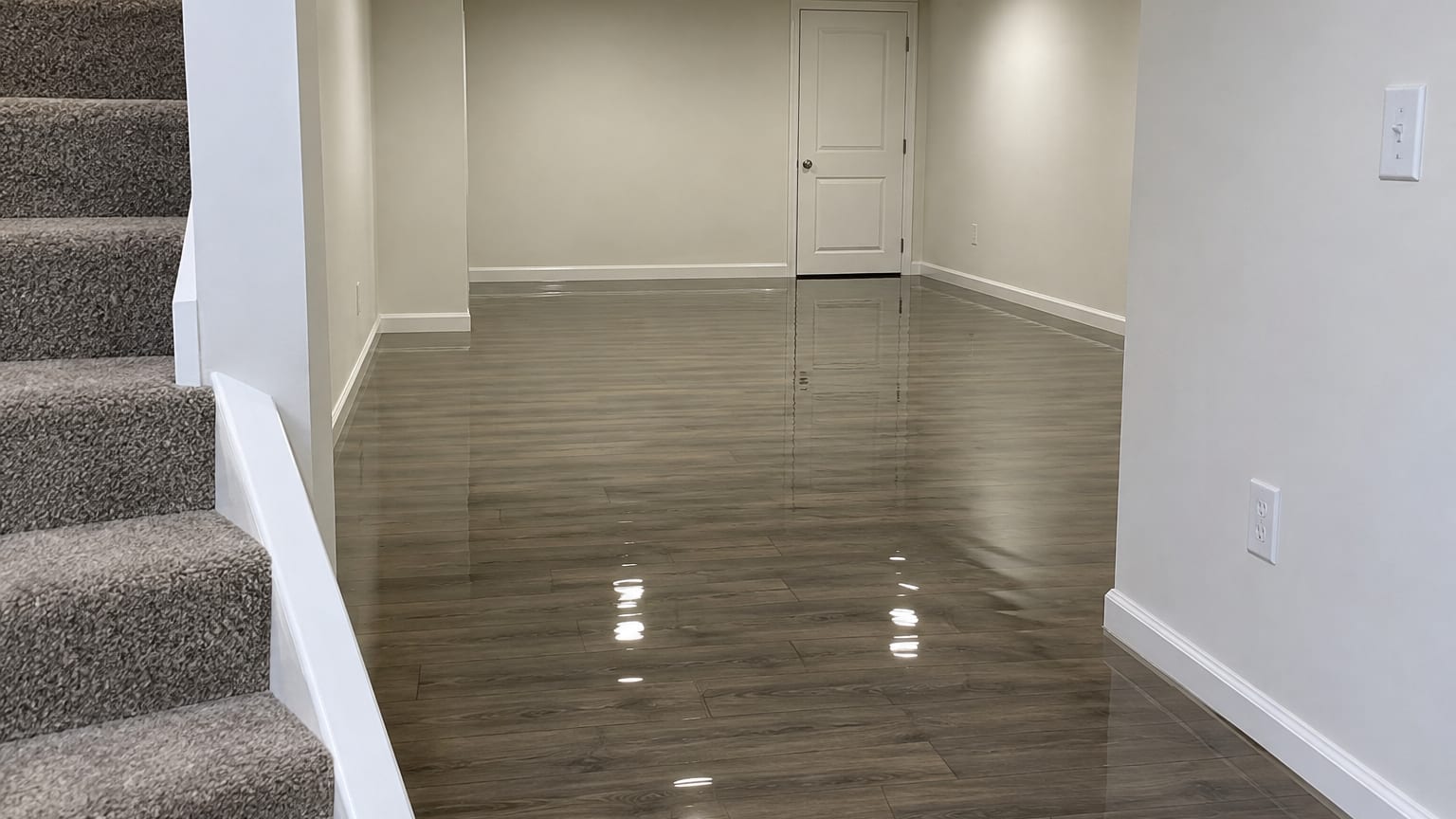
There is water standing on the floor of your finished basement or lower-level room, and you have not decided yet whether it is safe to walk in. It may have come from a burst pipe, from a sump pump that stopped working, or from rain that found its way in through the foundation. Every minute it sits, it soaks a little more carpet, drywall and baseboard, and you are also wondering whether anything can come out before someone from the township has signed off on the repair. Emergency water extraction in Robbinsville, NJ begins with what keeps you from getting hurt, and the pumping comes after that. Once the water is out, the real work is getting the building dry. Below is the order to work in: the first hour, the first two days and the permit clock that starts when the tear-out does.
Key Takeaways
Breakers and gas come first
Do not enter standing water if the electrical conditions are uncertain; turn the power off only from a dry spot, and call an electrician if reaching the shutoff means stepping into water.
Extraction is where drying starts
Pumping out the water is one step in a sequence that runs through classification, material assessment and structural drying, and EPA points to drying within 24 to 48 hours as the window that matters for mold.
Emergency work goes ahead, the permit follows
New Jersey's construction rule lets emergency work not involving lead abatement start with notice as soon as practicable, with the permit applied for no later than 72 hours afterward, and the tear-out and repair are where permit questions begin.
Before You Step In: Breakers, Gas and the First Call
You do not have to be brave here. The water can hide an electrical hazard, and the floor under it can be slick or hold debris, so the first job is deciding whether to go in at all.
Do not enter standing water if you are unsure about the electrical conditions. If the main electrical shutoff is reachable from a dry spot, turn the power off from there. If reaching it means stepping into water, call an electrician and wait. Do not touch a wet outlet, cord, appliance or panel while standing in water. If you smell gas, leave the building right away and call the gas utility or emergency services from outside. Leave for any sign of an unstable wall, ceiling or floor as well.
When to Stay Out of the Water
Unsure about the electrical conditions
Do not enter standing water. If the main shutoff is reachable from a dry spot, turn the power off from there.
Shutoff only reachable through water
Call an electrician and wait.
A wet outlet, cord, appliance or panel
Do not touch it while standing in water.
The smell of gas
Leave the building right away and call the gas utility or emergency services from outside.
An unstable wall, ceiling or floor
Leave for any sign of one.
Once you are standing on a dry, safe surface, stop the source if you can do it without entering danger. That might be the supply shutoff, an appliance valve or a plumber you call to close a line. Then work through these steps in order:
- Photograph before you move anything: Record the waterline, each affected room, the contents, the flooring, the walls, the ceilings, the appliances and the source itself.
- Call your insurer or agent: Report the loss now, and keep every receipt for the emergency steps you take.
- Keep people out of the water: Children, pets and anyone with asthma or a weakened immune system should stay away from contaminated or moldy areas.
- Move valuables from unaffected areas: Do this only if the path is safe and dry.
- Keep any generator outdoors: EPA says a generator belongs at least 20 feet from the building, and never in a garage or near a door, window or opening, because of carbon monoxide.
Then call for extraction when water is standing, spreading, contaminated or reaching drywall, flooring, contents, electrical systems or mechanical equipment. If you live in a townhouse or condominium, water can reach the next unit, so tell your neighbor or the association at the same time. Our emergency services team takes that call.
Getting the Water Out and Then Getting the Building Dry
Extraction looks like one event, with a pump and a hose, but it is a sequence, and the order matters more than the equipment.
Source control and classification. Once the source is stopped, the next question is what kind of water it was. The response changes depending on whether it came from a clean supply line, an appliance or a drain, sewage or floodwater from outside. Floodwater may carry sewage, chemicals, petroleum products and pesticides, so it is handled differently from a small clean-water leak.
Bulk extraction. Standing water is removed with pumps, truck-mounted or portable extraction equipment, and wet extraction tools sized to the volume and the location.
Assessing what is left. Carpet, pad, drywall, insulation, flooring, furniture and stored contents are each judged for contamination, for whether they can be dried and for whether they can be kept. This is where the decisions about what comes out get made, and it is the reason to photograph first.
Structural drying. After the bulk water is gone, air movement, dehumidification, moisture readings and controlled access take over. Extraction is the beginning of drying and not the end of the job, and our structural drying work follows the moisture readings until the structure is dry.
Cleaning, removal and rebuild. Materials that cannot be cleaned and dried are removed. A contaminated loss can call for cleaning, disinfection and containment, and then for mold work or reconstruction if growth has started.
Extraction, Step by Step
- 1
Source control and classification
Stop the source, then work out whether the water came from a clean supply line, an appliance or drain, sewage or floodwater from outside.
- 2
Bulk extraction
Pumps, truck-mounted or portable extraction equipment and wet extraction tools are sized to the volume and the location.
- 3
Assessing what is left
Carpet, pad, drywall, insulation, flooring, furniture and stored contents are each judged for contamination, for whether they can be dried and for whether they can be kept.
- 4
Structural drying
Air movement, dehumidification, moisture readings and controlled access take over after the bulk water is gone.
- 5
Cleaning, removal and rebuild
Materials that cannot be cleaned and dried are removed, and mold work or reconstruction follows if growth has started.
EPA treats 24 to 48 hours as the important window for drying wet materials to reduce the risk of mold. That is a target for the response, and fast drying lowers the risk rather than removing it, since EPA says mold can develop under different conditions. The length of the whole job is a separate question to ask about. EPA also notes that absorbent materials wet for 48 hours or more may need to be thrown out, and that contaminated buildings can require removal of walls, ceilings, insulation and flooring, as its guidance on debris and damaged buildings explains.
Most homes here were built from the 1980s through the 2000s, so the water that reaches them tends to involve finished lower levels, sump pumps that fail during wet weather, appliance leaks and supply-line failures.
What Should Be Done by Tomorrow and by Next Week
Knowing the timeline keeps you from accepting a job that stops at the pump.
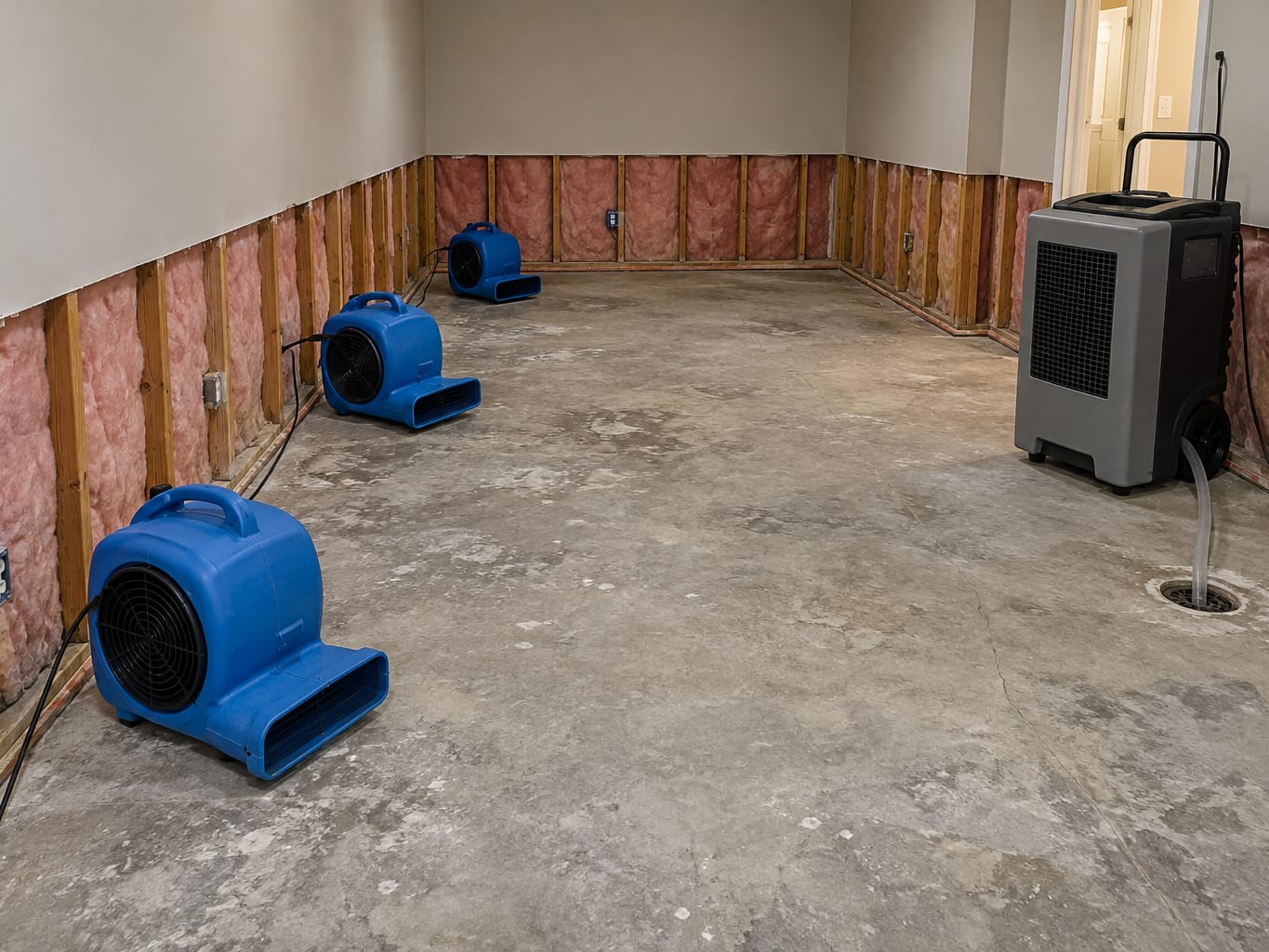
By the next day, the source should be controlled, the bulk water removed, the wet materials assessed and structural drying underway. EPA recommends drying the home and its contents within 24 to 48 hours when that is possible. Visible mold, sewage, floodwater or other contaminated material changes the work from simple extraction to controlled cleanup and possible remediation, and if you see growth, do not run fans across it before the mold-contaminated materials have been dealt with, because airflow can spread it.
During the following week, the property should have documented moisture readings and a written scope for removal, cleaning, drying, repairs and rebuilding. Wet materials that cannot be cleaned and dried should come out, and the cause of the water should be corrected so the loss does not come back. If mold has started, our basement mold remediation covers that separate scope.
Ask for the sequence in writing: extraction, drying, demolition, any remediation and reconstruction. A total job duration depends on the volume of water, how much the materials absorbed, the level of contamination, power, access, the weather and the drying readings, so a schedule comes after the assessment and not before.
Emergency Work Now, the Permit Within 72 Hours
Many people hold off on pulling out wet carpet or drywall because they are afraid it needs a permit first. New Jersey's construction rule, N.J.A.C. 5:23-2.14, sorts work into three kinds. Ordinary maintenance needs no permit or notice. Minor work needs a permit, though it may proceed after notice before the permit is issued. Emergency work that does not involve lead abatement may go ahead with notice as soon as practicable, and the permit must be applied for no later than 72 hours afterward.
Hover or tap a row to highlight it.
| Kind of work | Permit or notice |
|---|---|
| Ordinary maintenance | No permit or notice |
| Minor work | Needs a permit, though it may proceed after notice before the permit is issued |
| Emergency work not involving lead abatement | May go ahead with notice as soon as practicable, with the permit applied for no later than 72 hours afterward |
The rule covers regulated construction work. Pumping standing water, moving contents and running drying equipment are the emergency response itself, and they are not automatically the permitted part. Questions about permits begin when the response turns into demolition, or electrical, plumbing, mechanical or structural work, and again at the rebuild.
Robbinsville publishes emergency-repair, dumpster and trade permit forms, so the paperwork is one stop away. Before the tear-out starts, ask the township's construction official which parts of the proposed work need notice, a permit or an inspection. Ask about a dumpster before you order one, since the township publishes a dumpster form of its own. If the work would touch a regulated flood hazard area, a wetland or a drainage feature, confirm the state and local requirements before you begin. Flood status is parcel by parcel, so check the property with current FEMA and New Jersey maps.
Keep a copy of the notice and the permit application with your other records, since they record when the emergency work began.
What to Tell Your Insurer and What to Keep
The insurance call is short, and the records behind it are what count. Report the loss promptly. Take reasonable temporary steps to prevent more damage, keep the receipts for them, and wait for the adjuster's review before permanent repairs begin. New Jersey's insurance department advises reporting the loss quickly, photographing the damage and keeping receipts for what you spend.
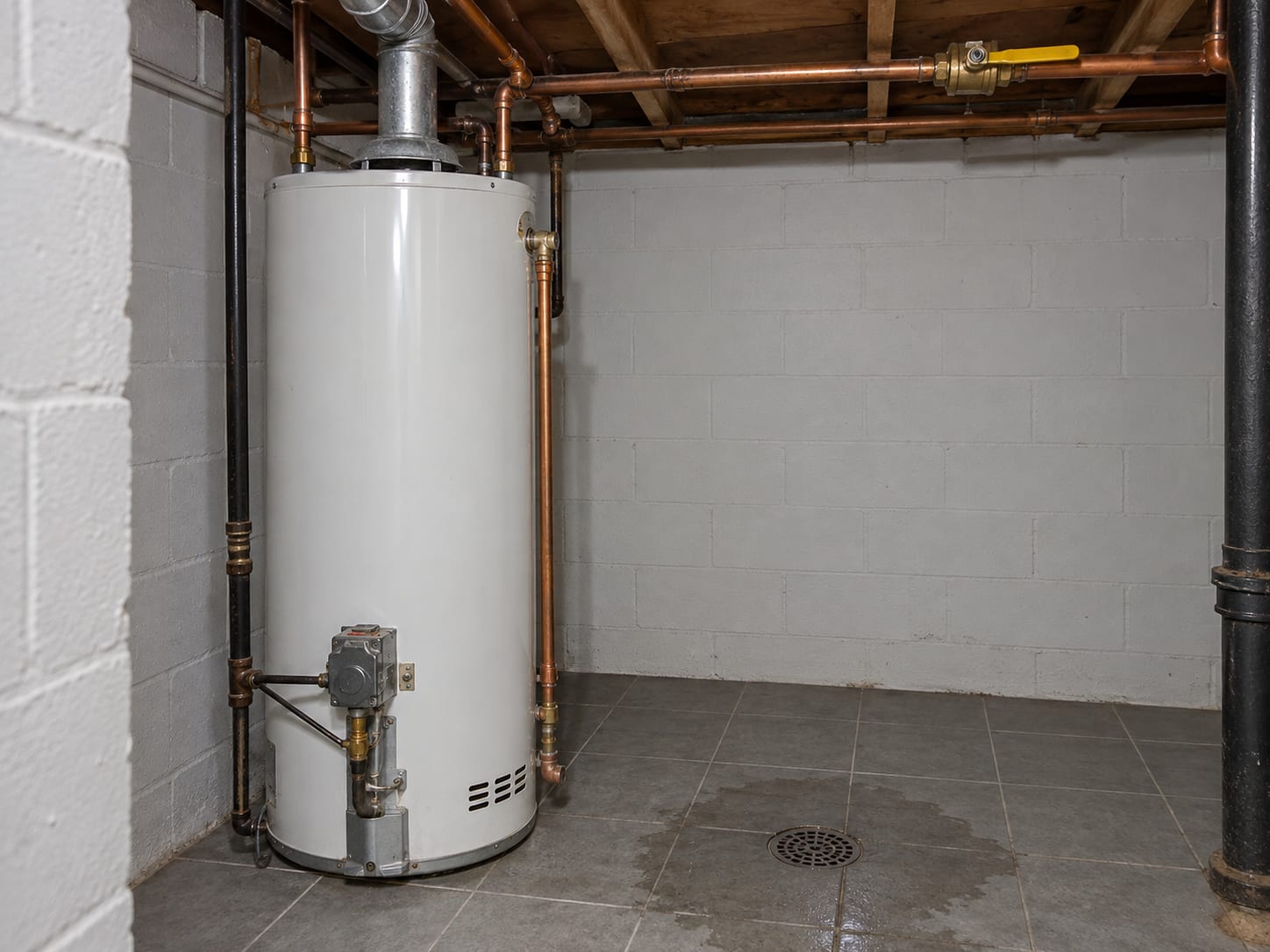
The word "flood" matters. Homeowners policies exclude water damage caused by flood, and flood insurance is a separate policy. New Jersey's required flood-damage notice defines flood to include the overflow of inland or tidal waters and the unusual and rapid accumulation or runoff of surface water. Coverage for a burst pipe, an appliance failure, a sewer backup or a sump pump discharge depends on your policy and on what caused the water. Ask your agent which policy applies before you assume anything.
Keep the drying records, moisture readings, photographs, invoices and repair documentation together. They help an insurer, a landlord, a buyer or an agent see what happened and what was done about it. Reconstruction after an insured loss falls under our insurance restoration services, and the same records support it.
What Changes the Scope and Cost of Water Extraction
Your extraction is priced from what is in the building, not from the town. A finished basement, an attached townhouse unit, an older home with an unusual layout and a commercial or warehouse space are each a different job. These are the drivers:
- Depth and volume: How much water is standing and how many rooms or floors it covers.
- Category: Clean water, gray water, sewage or exterior floodwater.
- Whether the source is still active: A leak that has not been stopped adds to the total.
- Rooms and materials: Carpet, pad, drywall, insulation, cabinetry, flooring and contents.
- Time wet: The longer materials stay wet, the more of them tend to need removal.
- Access: Room for hoses, pumps, equipment, dumpsters and contents handling.
- Drying equipment and duration: How much equipment the structure needs and for how long.
- After-hours logistics: Weekend, overnight or storm work.
Hover or tap a row to highlight it.
| Driver | What it changes |
|---|---|
| Depth and volume | How much water is standing and how many rooms or floors it covers |
| Category | Clean water, gray water, sewage or exterior floodwater |
| Whether the source is still active | A leak that has not been stopped adds to the total |
| Rooms and materials | Carpet, pad, drywall, insulation, cabinetry, flooring and contents |
| Time wet | The longer materials stay wet, the more of them tend to need removal |
| Access | Room for hoses, pumps, equipment, dumpsters and contents handling |
| Drying equipment and duration | How much equipment the structure needs and for how long |
| After-hours logistics | Weekend, overnight or storm work |
Extraction is also the first stage, and the bill for it should not be mixed up with the rest. Ask for a written scope that separates extraction, drying, demolition, disposal, cleaning, remediation and rebuild, and ask for the schedule in writing once someone has seen the space. That way you can compare two companies line by line, and your insurer can see what each amount pays for.
Frequently Asked Questions About Emergency Water Extraction in Robbinsville, NJ
Do I need a permit to pump out a flooded basement?
Pumping water, moving contents and running drying equipment are not automatically the permitted part of the job. Demolition, electrical, plumbing, mechanical and structural work can be. Ask the township's construction official which parts of your proposed work need notice, a permit or an inspection.
Can wet material come out right away, before the township signs off?
Emergency work not involving lead abatement may proceed with notice as soon as practicable, and the permit must be applied for within 72 hours afterward. Photograph everything before it comes out, and keep the notice with your records.
How long does emergency water extraction take?
Bulk water can be removed quickly, and the goal is to have it out and the drying under way inside EPA's 24 to 48 hour window. The whole project runs longer, because drying, material removal, cleaning, inspections, permits and rebuilding are separate stages. Ask for a written sequence after the space has been seen.
How much does it cost to clean up a flooded basement?
The cost depends on the amount of water, the level of contamination, the materials affected, access, drying time, demolition, disposal and the rebuild. Ask for an itemized written scope so you can compare each part.
Should I run fans to dry things faster?
Not where you can see mold. Fans can spread mold, so wait until mold-contaminated materials are addressed. Where there is no visible growth, air movement is part of professional drying, along with dehumidification and moisture readings.
Emergency Extraction Quick Check
1. If the main electrical shutoff can only be reached by stepping into water, what should you do?
2. How long after emergency work may the permit be applied for under New Jersey's rule?
3. How far from the building should a generator sit?
4. What does EPA treat as the important window for drying wet materials?
5. Is pumping out standing water automatically the permitted part of the job?
Pick an answer to begin.
Wrapping Up
Standing water asks you to do things in a set order. Stay out of it until the electrical and gas hazards are under control, stop the source, photograph the damage and call your insurer. Then get the water out, dry the building inside EPA's 24 to 48 hour window and keep the permit clock in mind when the tear-out begins.
Done in that order, the response protects your family, your claim and the parts of the house that can still be saved. It also gives you a clear paper trail if anyone asks later what happened and when.
If you have standing water in Robbinsville, ExecPro Restoration & Cleaning can help with the pumping and the drying that follows. Our emergency water extraction team works from the first pump through structural drying and the rebuild, and you can contact us or call (888) 300-3772 to talk through what you are seeing.
Extraction Terms
Tap a term to see what it means.
Extraction. Removing standing water with pumps, truck-mounted or portable extraction equipment and wet extraction tools sized to the volume and the location.
Serving Robbinsville
ExecPro Restoration & Cleaning provides mold remediation services in Robbinsville, NJ, from inspection and testing through removal, drying, and post-remediation verification. Call (888) 300-3772 for 24/7 emergency response.
Related Articles
Flood Damage Cleanup in Bridgewater, NJ: When the Brook or River Comes Inside
When water comes in from outside, it is treated as contaminated. What to throw out, what to keep clear of, and what the township wants before you rebuild.
Flood Damage Cleanup in Robbinsville, NJ: What to Discard, Dry and Document After Creek Water
Soaked carpet, swollen drywall and wet insulation from creek water usually come out. See what flood damage cleanup in Robbinsville, NJ discards and dries.
Water Damage Restoration in Robbinsville, NJ: Creek Water, Pipe Water and the Claim File
Where a leak or flood begins decides what can be kept. See how water damage restoration in Robbinsville, NJ sorts pipe water from creek water and the claim.