Flood Damage Cleanup in Robbinsville, NJ: What to Discard, Dry and Document After Creek Water
Cal HewittPublished
- flood damage cleanup
- water damage
- claim documentation
- robbinsville nj
- new jersey
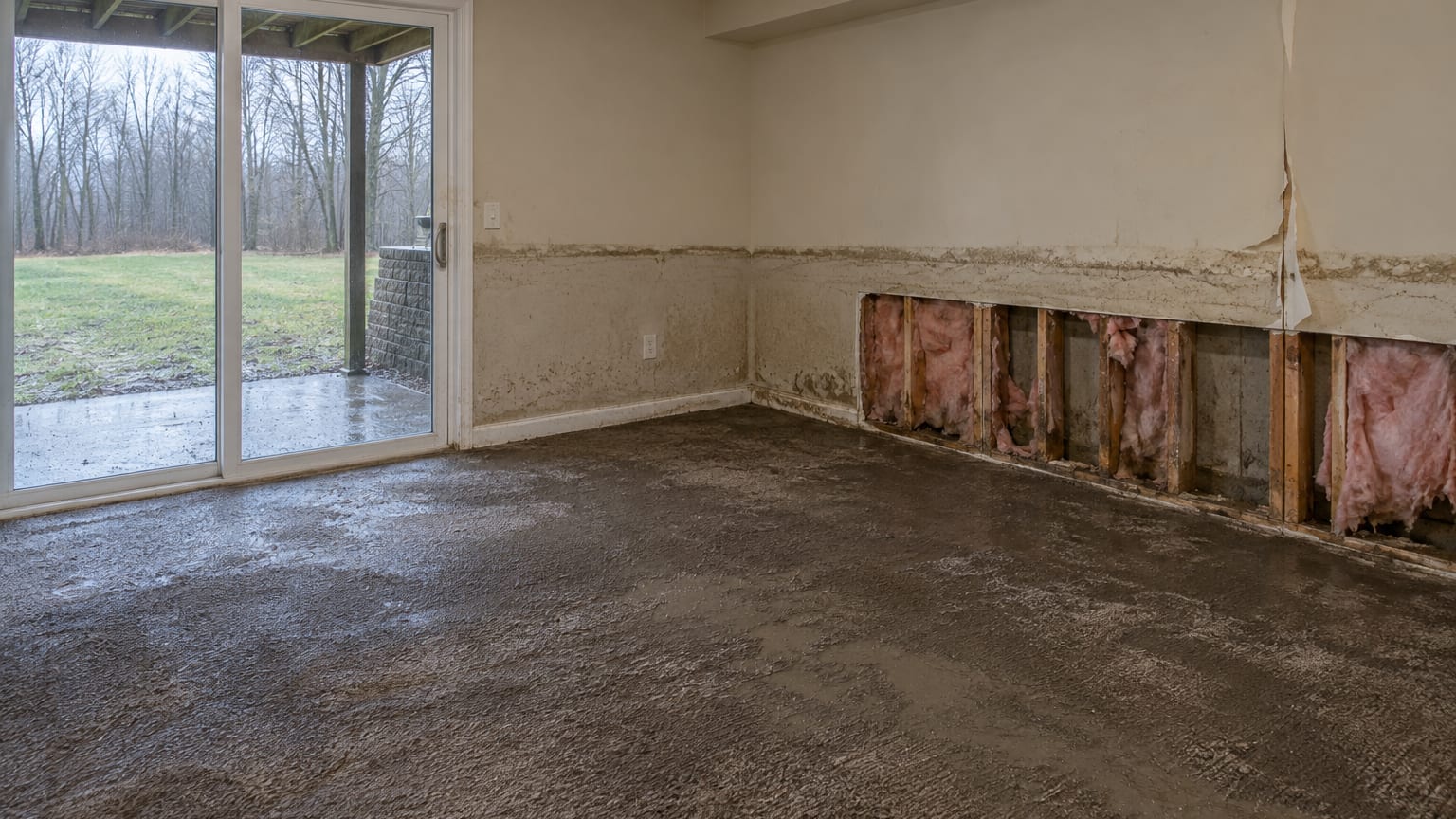
Water came in from outside, off a creek, a wetland edge or the runoff from your street and yard, and it left soaked carpet, swollen drywall, wet insulation and a smell. You are standing in a lower level with finished walls and floors, trying to decide what is safe to touch, what has to go in the dumpster and what to photograph before you do anything else. On top of that sits a second question, which is whether the flood status of your property changes what you are allowed to rebuild. Flood damage cleanup in Robbinsville, NJ has a working order, and following it protects your health, your belongings and your claim. You can start on it today, one careful step at a time.
Key Takeaways
Re-enter only when it is safe
Shut off electricity and gas first, and treat creek water and runoff as contaminated, because floodwater can carry bacteria from sewage and other waste.
Document before you discard
Photograph and video the damage, keep small samples of damaged carpet, flooring, drywall or insulation for the adjuster and log every call and receipt.
Flood status is parcel by parcel
Robbinsville sits in five watersheds and treats wetlands and waterways as constrained land, and state-regulated flood-hazard areas can reach past FEMA's mapped areas, so check your own address before you plan a rebuild.
24 to 48 hours is a drying target
CDC recommends cleaning and drying as quickly as possible, ideally within that window, to reduce mold growth, and it says nothing about how long the whole project takes.
Floodwater Came Inside: What to Discard, What to Dry, What to Photograph
Start with the building, not the belongings. Do not go back in until it is safe, and leave or stay out if water is near electrical equipment, gas appliances, or walls and ceilings that look unstable. Shut off electricity and gas only if you can do it safely, and call for help if you cannot.
Floodwater and sewage water are handled as contaminated, and they are not treated like a small clean-water leak from a supply line. CDC says floodwater can contain bacteria from sewage, agricultural waste and industrial waste, and that it can cause disease if it is swallowed or transferred to food and drinking water. So, keep children and pets out of it, do not touch it with bare hands and protect any open cut or sore. People with asthma, lung disease or a weakened immune system should stay away from the contaminated water and from any visible or smelled mold.
Before anything leaves the house, photograph and video it. Record the water level, each room, the walls, the floors, the furniture, the appliances and the serial numbers on the appliances. Then sort what you see into three groups:
- Discard, after you have documented it: Carpet, pad, drywall and insulation that contamination or saturation has made unreliable to clean, along with anything that is a health hazard.
- Dry: Framing, subfloors, wall cavities and salvageable contents, using controlled air movement and dehumidification.
- Keep as evidence: Small samples of damaged carpet, flooring, drywall or insulation for the adjuster, until it has been seen.
Sorting Before You Discard
Discard, after you have documented it
Carpet, pad, drywall and insulation that contamination or saturation has made unreliable to clean, along with anything that is a health hazard.
Dry
Framing, subfloors, wall cavities and salvageable contents, using controlled air movement and dehumidification.
Keep as evidence
Small samples of damaged carpet, flooring, drywall or insulation for the adjuster, until it has been seen.
Ordinary household cleaning is not enough for every flood event, since porous materials can hold contamination that a mop will not reach. If contamination, standing water, hidden moisture or unsafe utilities are involved, arrange a professional assessment.
The Working Order From Standing Water to Rebuild
Flood cleanup follows a sequence, and skipping ahead is how hidden problems get sealed into a wall. Once the building is safe to enter and the damage is documented, the order runs like this:
1. Identify whether the water came from outside flooding, sewage, an appliance, plumbing, roof drainage, a failed sump or another source. 2. Remove the standing water. 3. Separate salvageable contents from contaminated or unsalvageable porous materials. 4. Remove the drywall, insulation, carpet, pad and other materials that cleaning cannot make reliable. 5. Dry the framing, subfloors, cavities and contents with air movement and dehumidification. 6. Clean and disinfect the surfaces that can be cleaned. 7. Monitor moisture and inspect for hidden wet materials and secondary mold. 8. Complete the repairs and document the finished work.
The Working Order for Flood Cleanup
- 1
Identify the source
Was it outside flooding, sewage, an appliance, plumbing, roof drainage, a failed sump or another source?
- 2
Remove the standing water
Do it once the building is safe to enter and the damage is documented.
- 3
Separate contents
Salvageable contents go apart from contaminated or unsalvageable porous materials.
- 4
Remove what cleaning cannot fix
Drywall, insulation, carpet, pad and other materials that cleaning cannot make reliable come out.
- 5
Dry the structure
Framing, subfloors, cavities and contents are dried with air movement and dehumidification.
- 6
Clean and disinfect
Do this on the surfaces that can be cleaned.
- 7
Monitor moisture
Inspect for hidden wet materials and secondary mold.
- 8
Complete the repairs
Document the finished work.
CDC's guidance is to clean and dry as quickly as possible, ideally within 24 to 48 hours, to reduce mold growth. Treat that as a prevention target. How long your job takes depends on the water category, the square footage, how deep the water stood and for how long, the materials involved, access, contents, hidden cavities, utility safety and the weather, and it also depends on whether rebuilding and permits come next. A basement with wet drywall and flooring is a different scope from a slab-floor commercial space or a flood that came in through several openings. Our flood damage cleanup and structural drying work both follow this order.
Permits enter at the rebuild, and only there. Flood cleanup is not automatically a building permit. Demolition, electrical, plumbing, mechanical, structural or basement-finishing work can be, so call the Robbinsville Construction Office before that work starts. Grading or drainage work near wetlands may need review beyond interior work, and the Township Engineer is the contact for flood and engineering questions. New Jersey's permit application materials separate ordinary maintenance, minor work and full-permit work.
The first week breaks down like this. By the next day, small samples are set aside for the adjuster, receipts and a call log are started, wet contents are separated from dry ones, and extraction and drying begin as soon as it is safe. Over the following week, review the written scope against the rooms and materials that were actually affected, confirm whether demolition, electrical, plumbing, mechanical, structural or floodplain permits apply, and compare the adjuster's estimate with that scope. Finish with moisture verification before any wall is closed or any floor is replaced.
Hover or tap a row to highlight it.
| When | What to do |
|---|---|
| By the next day | Set small samples aside for the adjuster, start receipts and a call log, separate wet contents from dry ones, and begin extraction and drying as soon as it is safe |
| Over the following week | Review the written scope against the rooms and materials that were actually affected, confirm whether demolition, electrical, plumbing, mechanical, structural or floodplain permits apply, and compare the adjuster's estimate with that scope |
| Before any wall is closed or any floor is replaced | Finish moisture verification |
Why Two Robbinsville Floods Can Need Different Scopes
The same creek water leaves a different mess depending on what the building is made of. Most homes here were built from the 1980s through the 2000s, so a common job is a finished lower level in a suburban home, where carpet, pad, drywall, insulation, trim and contents all sit low and take the water first. Older homes bring foundation and masonry questions, and older plumbing. Townhouses and condominiums share walls and building systems, so water and repairs can cross a property line and the association or property manager needs to be part of the plan. Multifamily and commercial buildings can mean larger, coordinated scopes.
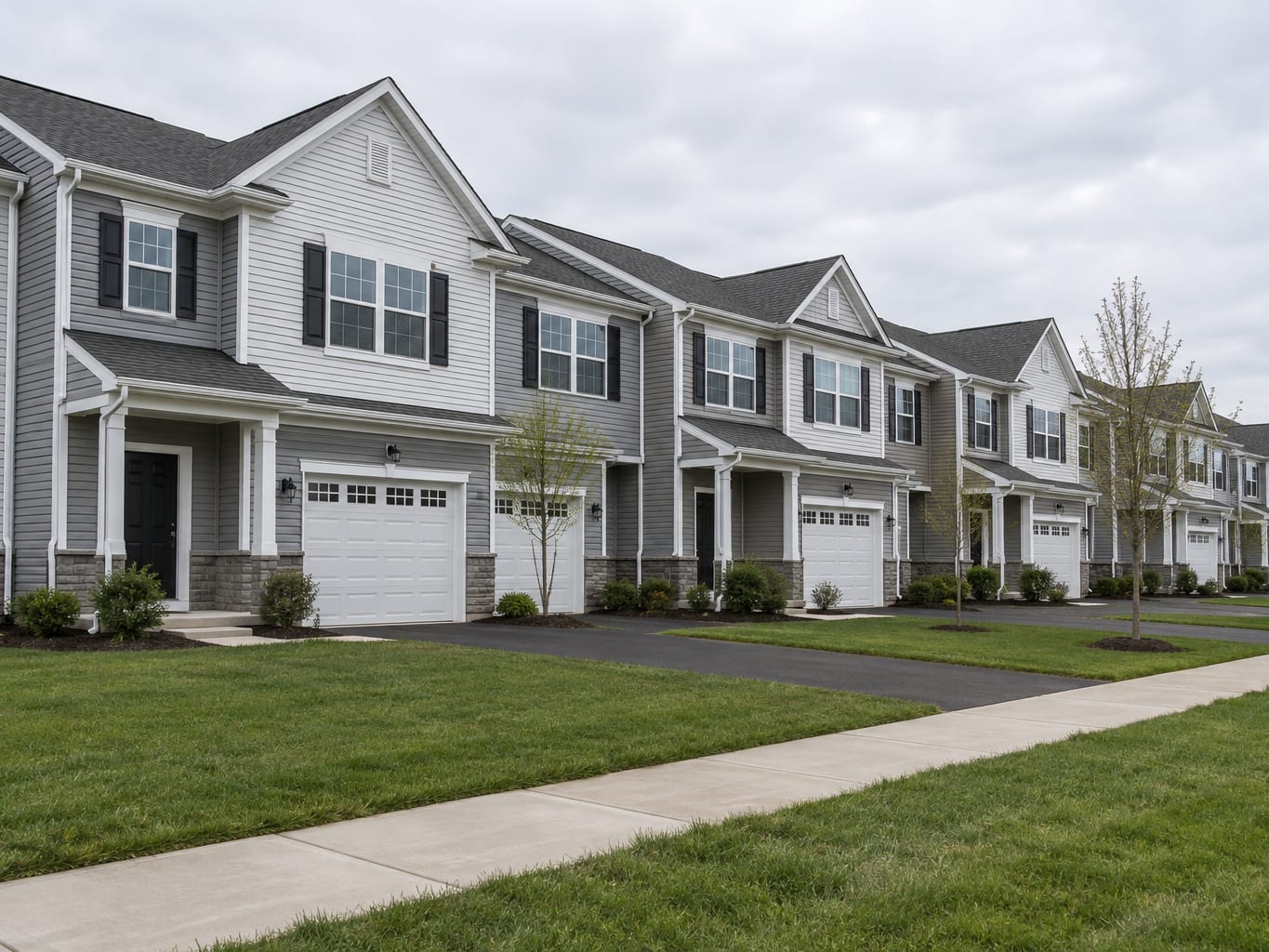
That is why a single number or a single timeline for Robbinsville does not hold up. The building, the water and the materials set the scope, and the town name does not.
Five Watersheds and the Land Robbinsville Treats as Constrained
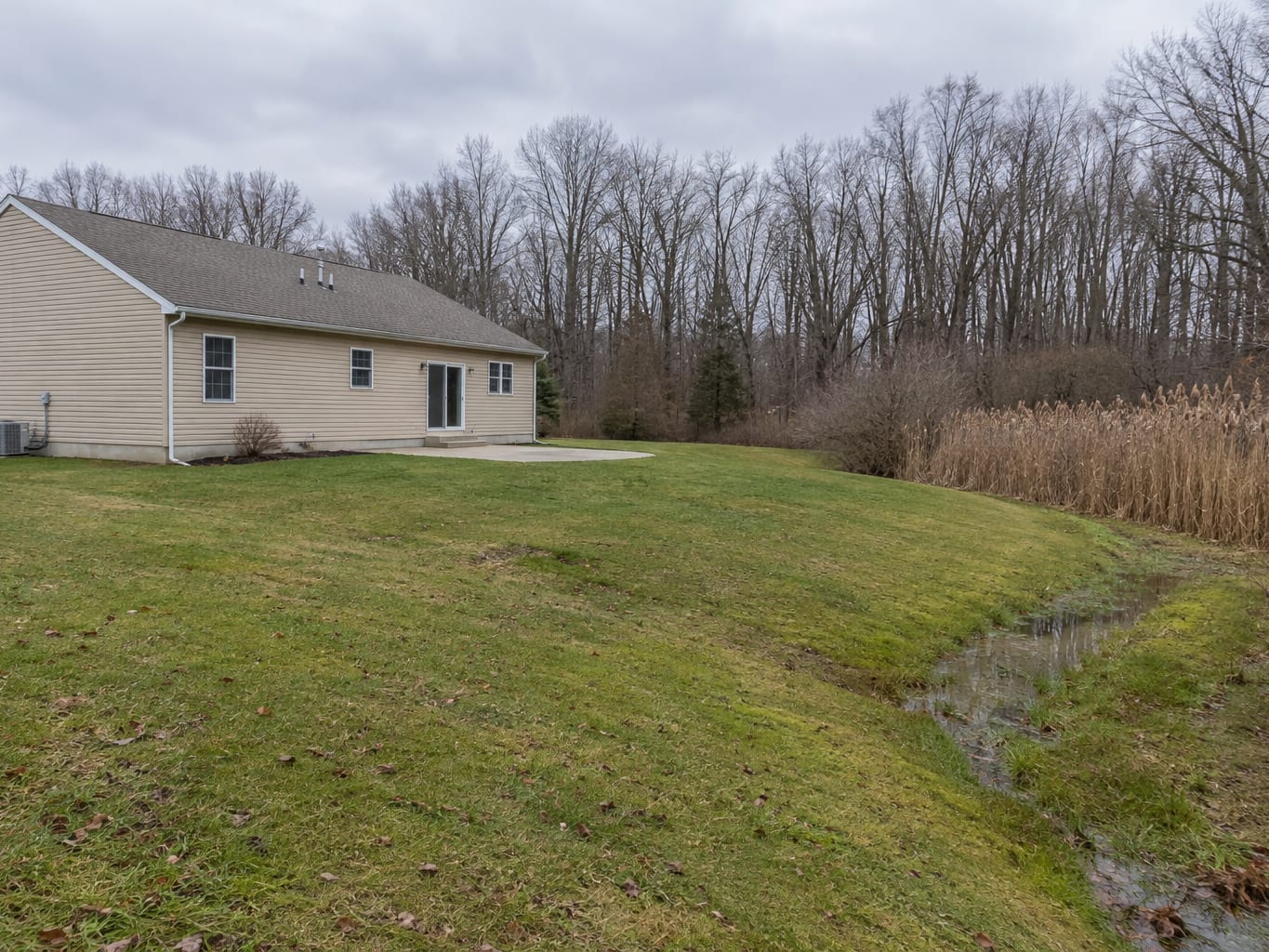
The reason creek water reaches some Robbinsville houses has to do with where the township sits on the map. The township's 2022 Municipal Stormwater Management Plan places Robbinsville in five HUC-11 watersheds. The five are the Assunpink Creek above and below Shipetaukin Creek, Doctors Creek, Crosswicks Creek below Doctors Creek, and the Millstone River below and including Carnegie Lake.
The same plan counts wetlands and waterways as constrained land. Robbinsville's flood-hazard ordinance also says state-regulated flood-hazard areas can extend beyond the areas FEMA maps.
None of that tells you what will happen at your address. Flood status is parcel by parcel, so check your property with current FEMA and New Jersey maps, and ask the township floodplain administrator, who can give you the answer for your lot. The township's stormwater program page lists the plan, the outfall map and the stormwater ordinances if you want to see them yourself.
Before You Rebuild: What Substantial Damage Can Change
In a floodplain, the rebuild can come with rules that the cleanup did not. New Jersey's community affairs department explains in its storm recovery materials that substantial-damage and substantial-improvement determinations can affect what reconstruction has to meet, and elevation is one of the possibilities. A local official, the floodplain administrator, decides how those rules apply to your parcel and your proposed work.
That is why the question comes before the contractor's schedule. If your property is in a floodplain, ask the floodplain administrator whether a determination applies before you rebuild, and do it before you sign for reconstruction. A determination can change the work, and it is easier to plan for it at the start than to redo finished drywall.
If the property is not in a mapped floodplain, the same call still confirms that, and it costs you a few minutes.
Building a Claim File That Holds Up
The federal flood insurance program's guidance on documenting damage and starting a claim reads like a checklist you can follow tonight:
- Report the loss promptly: Contact the insurer or the flood insurer as soon as it is safe to do so.
- Photograph and video before cleanup: Include the water level, the rooms, the appliances and the contents.
- Keep samples: Small pieces of damaged carpet, flooring, drywall or insulation, for the adjuster.
- Keep receipts and a call log: Write down the date, the person and what was said for each call, visit and expense.
- Compare the estimates: Set the adjuster's estimate beside the restoration scope and look for rooms or materials that do not match.
Ask your agent whether your homeowners policy or a separate flood policy applies to creek and runoff water, and what emergency work is covered before you sign a contract. Coverage depends on the policy and the cause of the loss. The program says payment depends on the policy and on the documentation you give the adjuster. Take reasonable steps to prevent more damage while you wait. If a policyholder receives a denial letter, an appeal can be filed within 60 days of receiving it, so keep the date. If the water may have come from a pipe rather than a creek, our Robbinsville water damage post explains how the categories sort it.
What Moves the Cost of Flood Cleanup
A price for your house cannot be named before someone sees it. These are the drivers:
- Depth and contamination: Floodwater or sewage takes more protection, removal and cleaning than a clean plumbing leak.
- Rooms and finished contents: A finished basement has carpet, pad, drywall, insulation, trim and contents that an unfinished one does not.
- Hidden moisture: Water in wall cavities, subfloors and framing adds removal and drying.
- Disposal and contents handling: Removing contaminated materials, and cleaning or storing your belongings off site.
- Access: Room for equipment and, after hours, for emergency work.
- Drying duration: How long the equipment has to run.
- Rebuild scope: Drywall, flooring, cabinets, trim, paint and any mechanical work.
Hover or tap a row to highlight it.
| Driver | What it changes |
|---|---|
| Depth and contamination | Floodwater or sewage takes more protection, removal and cleaning than a clean plumbing leak |
| Rooms and finished contents | A finished basement has carpet, pad, drywall, insulation, trim and contents that an unfinished one does not |
| Hidden moisture | Water in wall cavities, subfloors and framing adds removal and drying |
| Disposal and contents handling | Removing contaminated materials, and cleaning or storing your belongings off site |
| Access | Room for equipment and, after hours, for emergency work |
| Drying duration | How long the equipment has to run |
| Rebuild scope | Drywall, flooring, cabinets, trim, paint and any mechanical work |
Ask for a written scope that lists each of those, and ask for a timeline after the site assessment and moisture mapping, which means measuring how wet the walls and floors really are. Your insurer can then see what each part pays for.
Drying, Mold Prevention and Returning to Normal Use
Mold is the secondary risk when wet materials stay in place. Flooded buildings hold damaged porous materials, hidden moisture and contamination, which is why EPA separates flood cleanup from ordinary surface cleaning. Do not close walls or lay new flooring until moisture readings show the framing and subfloor are dry.
If growth has already started, our basement mold remediation is a separate scope, and post-remediation verification documents the result when you need it. The file you build, with photographs, moisture readings, invoices, permits and the final verification, also supports a sale, a lender's question or a later evaluation.
Frequently Asked Questions About Flood Damage Cleanup in Robbinsville, NJ
How do you clean up after flood damage?
Document first, identify the source of the water and secure the utilities. Remove the standing water, remove porous materials that cannot be cleaned, dry the structure and contents, clean what can be cleaned, check for hidden moisture and only then rebuild.
How much does it cost to clean up a flooded basement?
It depends on the water source, the level of contamination, the affected area, the materials, the contents and the rebuild. A finished basement usually has more cost components than an unfinished concrete one. Ask for an itemized written scope.
How long does it take to clean up after a flood?
Cleanup should start as soon as it is safe, and CDC recommends drying within 24 to 48 hours if possible. The whole project can run longer when materials are saturated, demolition is needed, cavities stay wet or permits are involved. Ask for a timeline after the assessment.
Do I need a permit to clean up flood damage?
Flood cleanup is not automatically the same as a building permit. Demolition, electrical, plumbing, mechanical, structural or basement-finishing work can be, so call the Robbinsville Construction Office before that work begins.
How do I find out if my property is in a flood hazard area?
Check the address with current FEMA and New Jersey maps, and ask the township floodplain administrator. State-regulated flood-hazard areas can reach past FEMA's mapped areas.
Flood Cleanup Quick Check
1. What does CDC say floodwater can contain?
2. How many HUC-11 watersheds does the 2022 stormwater plan place Robbinsville in?
3. What should you keep for the adjuster?
4. Who decides how substantial-damage rules apply to your parcel?
5. What does CDC recommend as the drying target to reduce mold growth?
Pick an answer to begin.
Wrapping Up
Cleaning up after creek water comes down to a few habits. Wait until the building is safe, document before you discard, dry what can be dried and take out what contamination has made unreliable. Then ask two questions before the rebuild, which are which policy covers the loss and whether the floodplain administrator needs to be consulted.
Handled in that order, a flooded lower level can come back dry, clean and properly documented. The records you keep also help with a sale, a lender or a later question about what was done.
If floodwater has reached your Robbinsville property, ExecPro Restoration & Cleaning can assess it with you, and our water damage restoration team handles the work from extraction through drying and rebuild coordination. You can contact us or call (888) 300-3772 to talk through what you are looking at.
Flood Cleanup Terms
Tap a term to see what it means.
Floodplain administrator. The township official who can tell you how flood rules apply to your lot and whether a determination applies before you rebuild.
Serving Robbinsville
ExecPro Restoration & Cleaning provides mold remediation services in Robbinsville, NJ, from inspection and testing through removal, drying, and post-remediation verification. Call (888) 300-3772 for 24/7 emergency response.
Related Articles
Water Damage Restoration in Robbinsville, NJ: Creek Water, Pipe Water and the Claim File
Where a leak or flood begins decides what can be kept. See how water damage restoration in Robbinsville, NJ sorts pipe water from creek water and the claim.
Flood Damage Cleanup in Bridgewater, NJ: When the Brook or River Comes Inside
When water comes in from outside, it is treated as contaminated. What to throw out, what to keep clear of, and what the township wants before you rebuild.
Flood Damage Cleanup in Trenton, NJ: Backwater, Mud and Checking Your Parcel
After the river or the creek backs up into the street, cleanup starts with power, photos and what to throw out. Then check your parcel's flood status.