Homeowners Insurance and Mold in NJ: What Decides a Claim
Cal HewittPublished
- insurance restoration
- claim documentation
- water damage
- new jersey
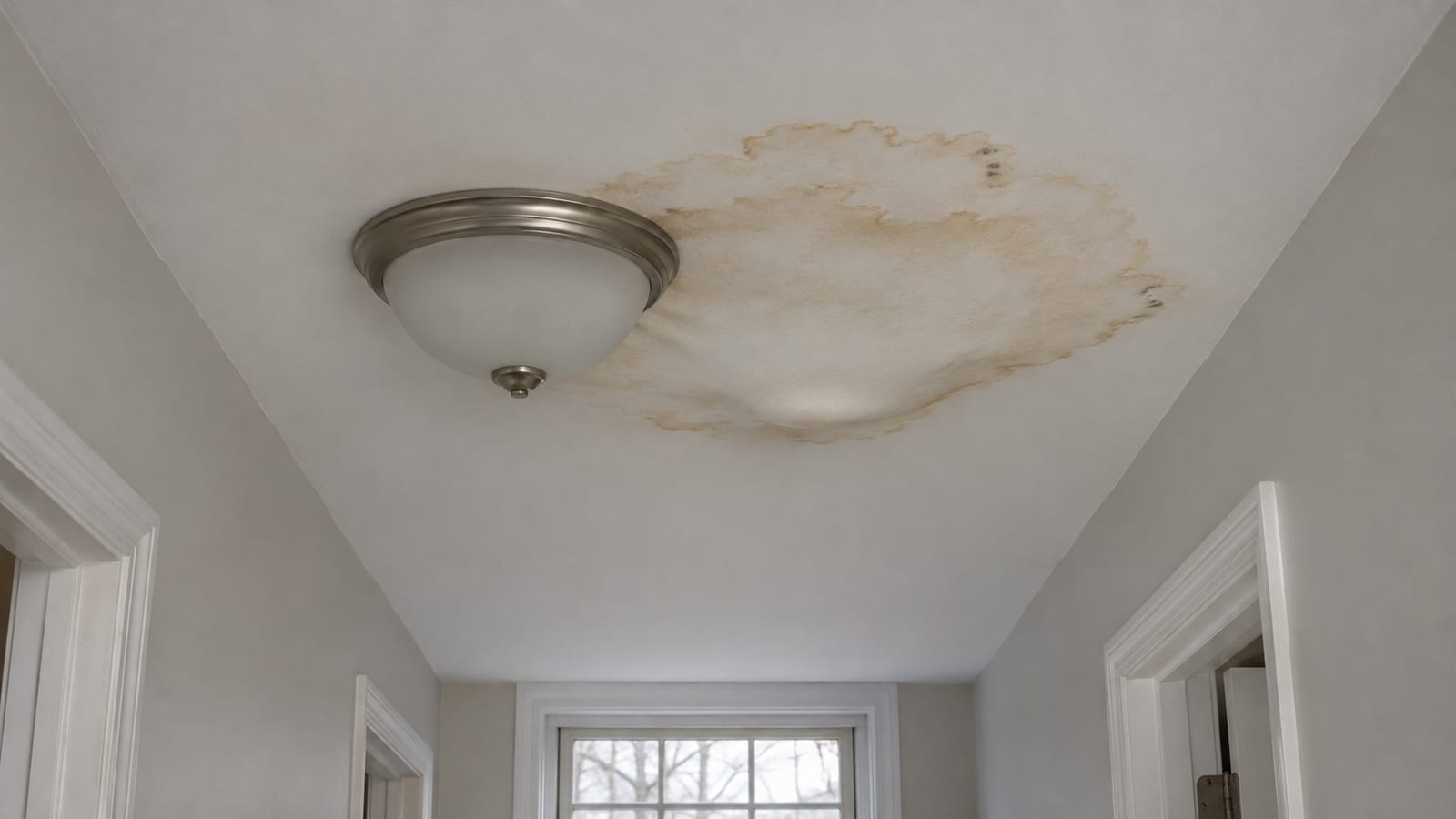
You have spotted mold, probably after a leak, and the first thing you want to know is whether your homeowners policy will pay for it. In New Jersey, the honest answer is that it depends on what caused the water and what your policy says, and mold alone rarely settles it.
That makes the next few days matter. What you photograph, what you save and what you ask the adjuster can shape the claim before anyone has made a coverage decision.
Start by finding your declarations page and any mold or water endorsement, then read on to see what usually decides the outcome.
Key Takeaways
Cause comes first
A sudden, covered water event such as a burst pipe may bring its mold cleanup with it, but only when the policy provides mold coverage.
Long-term moisture is commonly excluded
Seepage, repeated leakage, condensation and deferred maintenance are usually treated as maintenance problems.
Flood is separate coverage
New Jersey homeowners policies exclude flood damage, and flood insurance is the policy designed for it.
Documentation protects you
Photograph and inventory before discarding anything, save every receipt, and wait on permanent repairs until the adjuster has reviewed the damage.
Check your own limits
A 2002 state bulletin described a $10,000 annual mold aggregate for certain forms, and your declarations page and endorsements show what applies to you.
Coverage Turns on What Caused the Water
Possibly, yes, when the mold results directly from a covered, sudden water event. The Insurance Information Institute says mold damage is generally a maintenance issue and usually is not covered, but mold that results directly from a covered peril such as a burst pipe may be. The National Association of Insurance Commissioners says water damage from leaky plumbing, siding and roofs is typically covered, while flood, groundwater, rain runoff and snowmelt are not, and it adds that homeowners policies often exclude mold damage.
The New Jersey Department of Banking and Insurance (NJDOBI) describes a homeowners policy as a contract made of coverage agreements, exclusions and conditions. The declarations page lists the coverages, limits, effective dates and mortgage holder. So the practical question is not just "Is there mold?" It is what caused the moisture, whether that cause was covered, whether the policy excludes or limits mold, and whether you took reasonable steps to prevent further damage.
Here is a dated example of how a limit can look. NJDOBI's Bulletin No. 02-14, from 2002, describes approved mold and fungi limitations for certain ISO policy forms: a $10,000 annual aggregate covering property losses, mold removal, tear-out and replacement needed to reach the mold, and mold testing. That figure is 2002 guidance for particular forms. Your policy's declarations page, endorsements, exclusions and conditions decide what applies to you, so read them or ask your agent to point them out.
Hover or tap a row to highlight it.
| Cause of the water | How it is usually treated |
|---|---|
| A sudden, accidental event such as a burst supply pipe | May be a covered loss, and mold cleanup may be covered when it connects directly to that event and the policy provides mold coverage |
| Long-term leaks, seepage, repeated leakage, condensation or deferred maintenance | Commonly treated as maintenance or excluded losses |
| Flood, groundwater, rain runoff or snowmelt | Not covered by a standard homeowners policy; flood insurance is separate coverage |
| Rain entering from the top, such as through a damaged roof | Not NFIP flood damage |
The First Hours After You Notice Mold or Water Damage Protect the Claim
Safety and speed come first. Stop or isolate the water source if you can do it safely. CDC advises turning off power only from a dry location or by using an electrician and keeping people out of flooded or contaminated spaces until structural, electrical, sewage and mold hazards have been evaluated.
Photograph and video the source, the affected rooms, water lines, visible mold, damaged materials and your belongings before you move or discard anything. Then call your agent or carrier promptly. Ask for the claim number, the adjuster's contact information, the inspection requirements, instructions for temporary repairs, and any mold or water-damage endorsement information.
Over the next day, arrange temporary measures to stop more damage: shutting off active leaks, extracting standing water, covering a damaged roof, or moving undamaged contents to a dry area. CDC says damp materials should be dried within 24 to 48 hours when possible, and our emergency water extraction service handles standing water. Ask whether the carrier wants to inspect before demolition, disposal or permanent repair, and ask the adjuster to name the cause of loss, the exclusion that applies, the deductible and the mold limitation.
Claim Steps, From the First Hours to the First Week
- 1
First hours
Stop or isolate the water if it is safe, photograph and video everything before moving or discarding anything, then call your agent or carrier for the claim number, adjuster contact details and inspection requirements.
- 2
Over the next day
Arrange temporary measures to stop more damage, ask whether the carrier wants to inspect before demolition, disposal or permanent repair, and ask the adjuster to name the cause of loss, the exclusion, the deductible and the mold limitation.
- 3
In the first week
Get the insurer's written estimate or coverage position, compare it with a qualified restoration or repair estimate, and ask in writing about excluded items, depreciation, mold limits, testing charges, tear-out, contents and additional living expenses.
A Sudden, Covered Leak Is More Likely to Bring Mold Cleanup With It
A sudden and accidental water event, such as a burst supply pipe or another unexpected plumbing discharge, may create a covered loss, subject to the policy's terms, exclusions, deductible and notice requirements. Mold cleanup may then be covered if the mold connects directly to that event and the policy provides mold coverage. Long-term leaks, seepage, repeated leakage, condensation, damp basements, deteriorated materials, roof wear and deferred maintenance are commonly treated as maintenance or excluded losses. Mold that develops because an ongoing moisture condition was never corrected is less likely to qualify.
A policy can cover the original water damage and still limit or exclude mold work. Limits may apply to:
- Removal and testing
- Tear-out needed to reach the mold
- Replacement of damaged building materials
- Contents and additional living expenses
- Liability claims involving mold
Additional living expenses, such as hotel and storage costs, may be available only when the underlying loss is covered. A mold limit on one policy does not carry over to another, so ask for yours in writing.
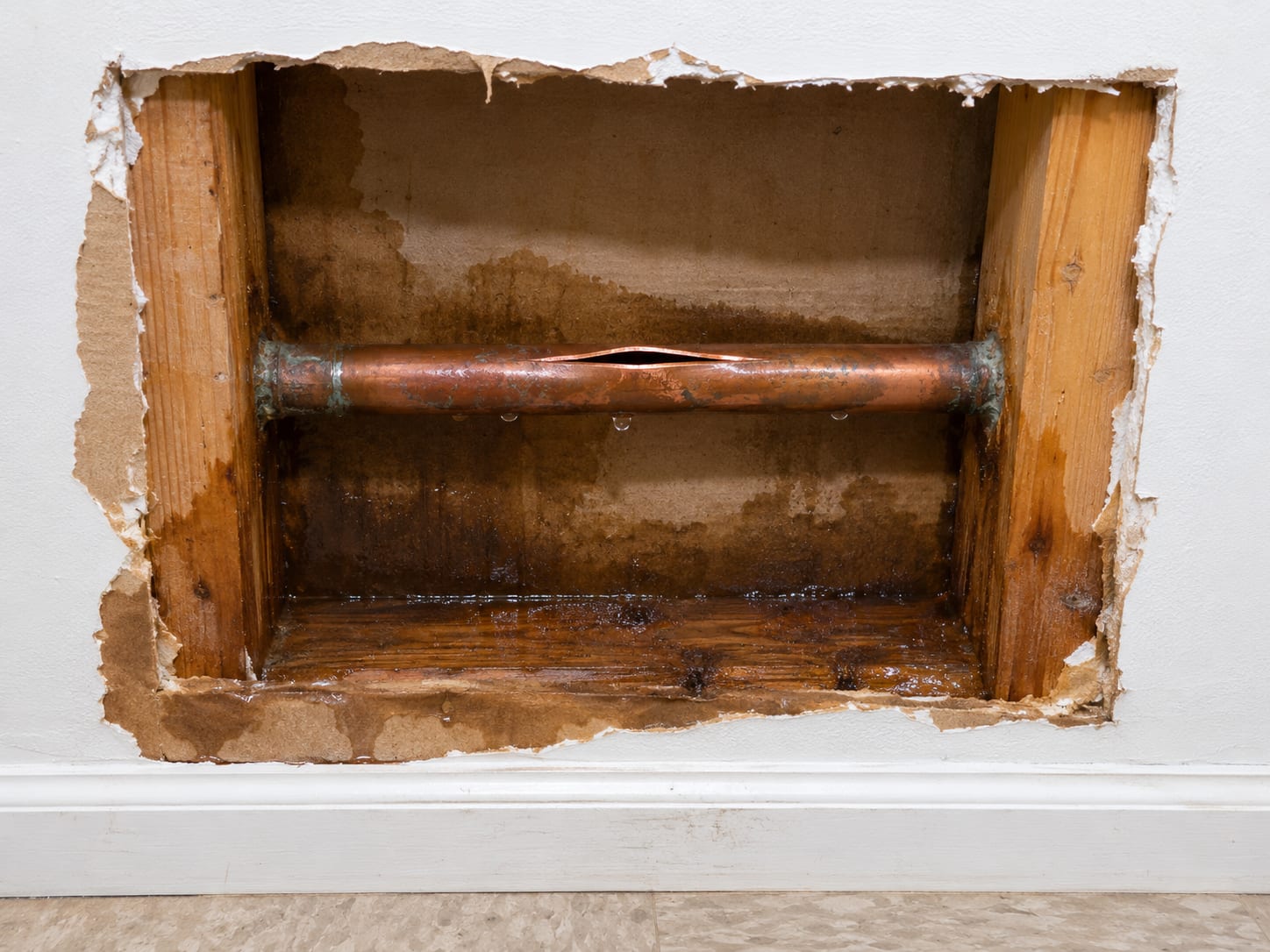
Our insurance restoration services supply drying documentation, moisture readings, work scopes and invoices, and coordinate mitigation, remediation and rebuilding. We keep emergency work, covered repairs, excluded maintenance and owner-requested improvements separate on the paperwork.
Basement Flood Water Needs Flood Insurance, and Its Mold Coverage Is Narrow
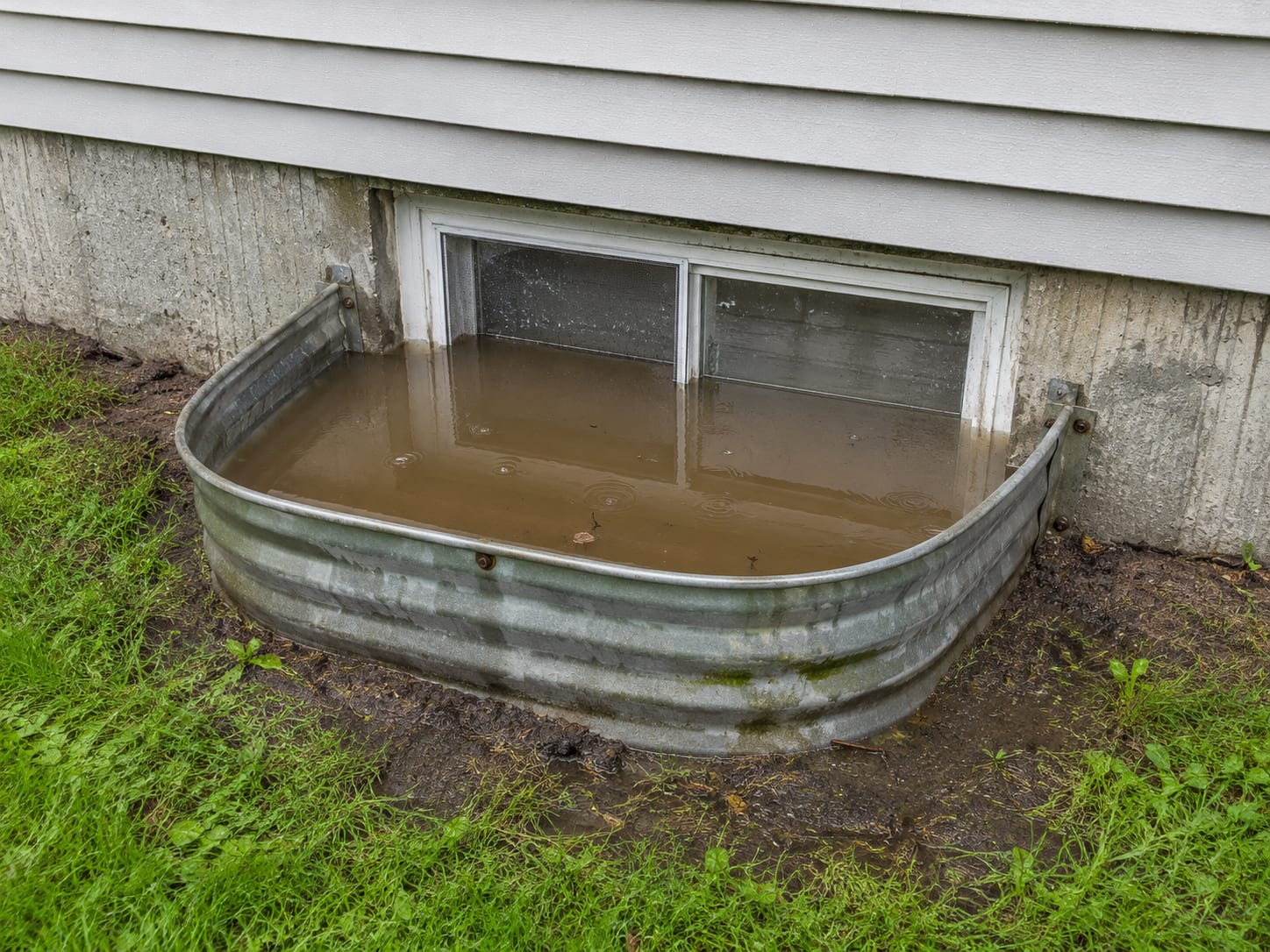
Basement water is where the cause question gets hard, because the same wet floor can come from a plumbing failure, a roof leak, groundwater or a flood. Each one is treated differently, and using the wrong coverage for the wrong source is a common claim mistake. Identify the water source first, and ask your agent which policy responds.
Will insurance cover basement water damage?
It depends on where the water came from. NJDOBI states that ordinary homeowners policies exclude flood water, and flood insurance is separate coverage through the National Flood Insurance Program (NFIP) or private insurers. The NAIC distinguishes plumbing or roof leaks, which are typically covered, from groundwater, rain runoff and snowmelt, which are not typically covered by a standard homeowners policy.
NFIP flood policies cover direct physical loss from a qualifying flood, and FEMA's guidance says that damage must come from the ground up, such as storm surge, surface-water runoff, heavy rainfall or the overflow of a body of water. Rain that enters from the top, through a damaged roof for instance, is not NFIP flood damage. Basement coverage under NFIP is limited: certain installed building equipment and some powered contents may be covered, while many basement items and improvements are excluded.
NFIP materials exclude mold, mildew or moisture damage that results primarily from conditions within the policyholder's control, including seepage, plumbing failure, long-term moisture and failure to inspect and maintain the property after floodwaters recede. A limited exception can apply when officials restricted access or floodwater made entry unsafe. Flood policies generally do not cover mold testing or broad mold remediation, though they may cover removal of flood-damaged materials and antimicrobial treatment meant to prevent mold growth. For a flooded basement, our basement flood cleanup service dries and cleans the space while you sort out the claim.
Photos, Receipts and Written Answers Carry the Claim
NJDOBI's claim guidance gives a clear order. Record the claim number, the assigned representative, the instructions and the documents requested. Make necessary temporary repairs, save the receipts, and photograph and inventory damaged rooms, building materials, contents and any visible water or mold. Do not discard damaged property before the insurer has had the chance to inspect it, unless disposal is needed for health or safety.
Delay permanent repairs until the adjuster has reviewed the loss when possible. Keep receipts for hotels, meals and storage if you cannot stay in the home, attend the inspection if you can, and review the itemized estimate with your adjuster, agent and contractor. The claim file should show a timeline: when the leak or flood began, how it was discovered, what caused it if known, what was done, when emergency services arrived, what was removed and what remains damaged.
What to Keep for Your Claim File
Claim details
Record the claim number, the assigned representative, the instructions and the documents requested.
Temporary repairs
Make only the necessary ones and save the receipts.
Photos and inventory
Photograph and inventory damaged rooms, building materials, contents and any visible water or mold.
Damaged property
Do not discard it before the insurer has had the chance to inspect, unless disposal is needed for health or safety.
Permanent repairs
Delay them until the adjuster has reviewed the loss when possible.
Living costs
Keep receipts for hotels, meals and storage if you cannot stay in the home.
In the first week, get the insurer's written estimate or coverage position and compare it with a qualified restoration or repair estimate. Ask in writing about excluded items, depreciation, the deductible, mold limits, testing charges, tear-out, contents and additional living expenses.
What should you not say to an insurance adjuster after water damage?
Skip the guesses. Do not speculate about the cause, age, extent or value of the damage, and do not describe a suspected cause as established fact. Give accurate observations, say what you know and what you do not, hand over your photographs and records, and ask for coverage decisions and exclusions in writing.
Understand the scope, the payment terms and the insurer's position before you sign a contract or assign insurance proceeds.
A Denial or Low Settlement Still Leaves You Options
If your claim is denied or comes in low, start by asking for the denial or coverage position in writing. Ask the insurer to identify the exact policy language, exclusion, condition, deductible or limitation behind the decision. Then send what strengthens your side: more photographs, plumber or contractor reports, invoices, moisture documentation, inventories and a clear timeline. Discuss the estimate with the adjuster and your contractor before you accept a settlement when possible.
Next, ask whether your policy provides an internal appeal, a disputed-claim process, independent appraisal, mediation or another review step. NJDOBI identifies internal appeals, disputed-claim notices and independent appraisal as possible policy-based remedies.
If the problem remains, contact NJDOBI Consumer Assistance. NJDOBI says its consumer unit investigates insurance inquiries and complaints, contacts the insurer or producer, and reviews whether the applicable insurance requirements were followed and the consumer was treated fairly. A complaint should include the insurer or agent name, your policy number, the claim number, a description of the problem and supporting documents. That route is separate from private legal advice or litigation, and an attorney can advise you on a coverage dispute.
If a Claim Is Denied or Comes In Low
Get it in writing
Ask for the denial or coverage position, and the exact policy language, exclusion, condition, deductible or limitation behind it.
Send more evidence
Photographs, plumber or contractor reports, invoices, moisture documentation, inventories and a clear timeline.
Ask about review steps
Internal appeal, disputed-claim process, independent appraisal or mediation, if your policy provides them.
Contact NJDOBI Consumer Assistance
Include the insurer or agent name, your policy number, the claim number, a description of the problem and supporting documents.
Testing Is Usually Unnecessary When Mold Is Visible
A good first question about testing is whether a result would change what happens next, because the answer shapes both your cleanup and your claim.
Will insurance pay for a mold test?
Coverage depends on the policy and its mold limitation. NJDOBI Bulletin No. 02-14 places mold testing inside the described $10,000 annual aggregate for certain ISO property forms, and that 2002 guidance does not set the current limit for every policy. NFIP materials generally exclude mold testing. EPA says visible mold usually does not require sampling, there are no federal mold-spore limits for indoor buildings, and sampling should be done by experienced professionals when the results will affect the cleanup decision. If you want one, ask your adjuster whether a residential mold test would be covered before you order it.
NIOSH says excess moisture is the major cause of indoor mold growth and that any mold in a building signals a moisture problem needing prompt attention. CDC says mold can hide behind carpet, cushions, walls and drywall, and that exposure can trigger asthma attacks and eye, nose and skin irritation. For appropriate cleanup tasks, CDC recommends at least an N95 respirator, goggles and gloves, and it advises keeping generators outside and away from the home. After a flood, wait for professionals to confirm the home is safe to enter, and take health concerns to a physician. When the mold is extensive or the moisture source is unclear, mold remediation starts with an assessment of both.
Frequently Asked Questions About Homeowners Insurance and Mold in New Jersey
Does a burst pipe change the result?
It can. A sudden and accidental plumbing failure may be a covered loss, and mold that results directly from it may be covered when the policy provides mold coverage. Report it right away, dry the area quickly and ask the adjuster about your policy's mold limit.
What if you cannot afford mold remediation?
Report the loss and ask the insurer whether emergency mitigation, covered tear-out, mold treatment, temporary housing or additional living expenses apply. Ask for a written scope and an explanation of what will be paid. Drying and preventing more damage still matter while coverage is being decided. If the claim is denied or underpaid, use the policy's dispute process and contact NJDOBI Consumer Assistance. An attorney or the appropriate agency can help with a coverage or legal dispute.
What can I throw away?
Photograph and inventory damaged property first, and hold it until the insurer has had an opportunity to inspect, unless disposal is necessary for health or safety.
Mold and Insurance, Quick Check
1. What do New Jersey homeowners policies say about flood damage?
2. What usually decides a mold claim first?
3. What should you do with damaged property before the insurer inspects?
4. Does visible mold usually need sampling, according to EPA?
Pick an answer to begin.
Moving Forward
Your homeowners policy responds to the cause of the water, the policy's exclusions and its mold language, and a sudden covered event stands on much firmer ground than long-term moisture or a flood. Report promptly, make only the temporary repairs that stop more damage, document everything, and ask for every coverage decision, exclusion and mold limit in writing.
Done well, those habits give you a clear record, make the adjuster's job easier and leave you better prepared for an appeal or a call to NJDOBI if the result falls short. They also keep drying and repairs moving, which protects the building while the claim is sorted out.
If you are dealing with water or mold in New Jersey and need help with documentation and rebuilding, call ExecPro Restoration & Cleaning at (888) 300-3772 or reach us through our contact page. We handle the records and the repairs that follow a loss, including post-water damage reconstruction.
Insurance and Mold Terms
Tap a term to see what it means.
Declarations page. The page of your policy that lists the coverages, limits, effective dates and mortgage holder.
Related Articles
Flood Damage Cleanup in Robbinsville, NJ: What to Discard, Dry and Document After Creek Water
Soaked carpet, swollen drywall and wet insulation from creek water usually come out. See what flood damage cleanup in Robbinsville, NJ discards and dries.
Water Damage Restoration in Robbinsville, NJ: Creek Water, Pipe Water and the Claim File
Where a leak or flood begins decides what can be kept. See how water damage restoration in Robbinsville, NJ sorts pipe water from creek water and the claim.
Emergency Water Extraction in Bridgewater, NJ: Getting Standing Water Out Safely
Keep clear of wet outlets and standing water until the power question is settled. What safe entry looks like, how extraction goes and what backup coverage adds.