Water Damage Restoration in Robbinsville, NJ: Creek Water, Pipe Water and the Claim File
Cal HewittPublished
- water damage restoration
- water damage
- claim documentation
- robbinsville nj
- new jersey
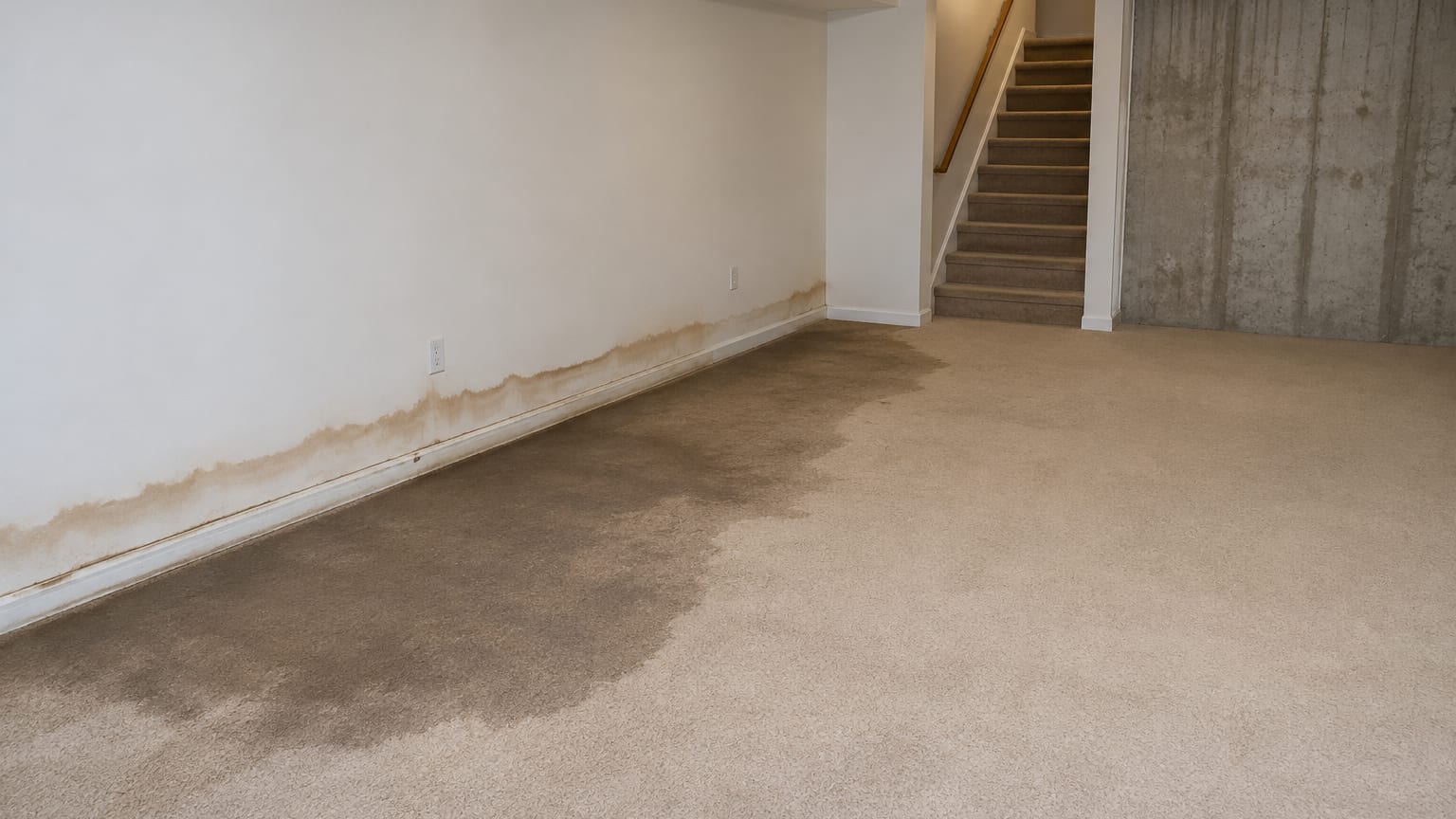
Water has come into the lower level, and now you are standing over wet carpet, a darkening wall or a floor that gives under your shoes, deciding what goes in the dumpster before anyone from the insurance company has seen it. Maybe a supply line let go, maybe the sump pump quit in the middle of a storm, or maybe creek and runoff water pushed in after hours of heavy rain. Each of those is a different kind of water, and the kind decides what can be dried and kept, what has to come out and what an adjuster will want to see. Water damage restoration in Robbinsville, NJ starts with one sorting question tonight and a paperwork routine tomorrow. You do not have to solve the whole house in the next hour. You need to know where the water came from, keep everyone safe and photograph the damage before you move a single item.
Key Takeaways
Source first
A clean supply-line leak, an appliance overflow, a toilet backup and creek, runoff or sewage water fall into three categories, and the category decides whether carpet, pad and drywall are dried or removed.
Photograph before you discard
Photos and video of the source, the waterline and each room, taken before anything is thrown out, protect a claim, along with the claim number, the representative's contact details and every receipt.
Coverage depends on the policy and the cause
New Jersey's insurance department says homeowners policies exclude flood damage and that flood insurance is a separate policy, while a pipe, sump or sewer loss depends on your policy and what caused it.
24 to 48 hours is a drying window
EPA points to drying wet areas and items within that time to help prevent mold, which describes how fast to respond and does not describe how long the whole job takes.
Creek Water or Pipe Water: The Question That Sorts Everything Else
Before you decide what is ruined, decide what the water was. A broken supply line pushes clean water into a room. A failed sump or a floor drain that backs up can bring in water that has passed through a drain or the ground. Creek and runoff water arrives carrying whatever it crossed on the way, and CDC says floodwater can contain bacteria from overflowing sewage, agricultural waste and industrial waste. Restoration companies sort all of this into three categories, and EPA's review of flood cleanup guidance describes what each one can carry.
Most homes here were built from the 1980s through the 2000s, and many have finished lower levels, so the materials in question are usually carpet, pad, drywall, insulation and engineered flooring. If you live in a townhouse or condominium, water can cross a shared wall or travel along a common system, so tell the association or property manager the same day. The same sorting question applies in commercial and warehouse buildings, where the loss may also involve loading areas and tenant spaces.
Clean Water, Gray Water, Sewage: What Each Means for the Carpet and Drywall
Start with what you can safely do, because the category is easier to judge once the room is under control. Then match what you see to the category.
- Stop the source: Shut off the plumbing supply, stop an overflowing appliance, or protect a roof opening from more rain without climbing onto an unsafe roof.
- Power and gas: Do not step into standing water near electrical equipment. If you can reach the main shutoff from a dry spot, turn it off; if reaching it means entering water, call an electrician. If you smell gas, leave right away and call the gas utility or emergency services.
- People who should stay out: Keep children, older adults, anyone with asthma and anyone with a weakened immune system away from contaminated water.
- Protective gear: Wear gloves, eye protection, waterproof footwear and respiratory protection suited to the conditions if you have to go near the water at all.
- Photograph first: Take photos and video of the source, the waterline, each room, the walls, floors and ceiling, and any appliances before you move anything.
With clean water from a supply line, carpet and drywall are judged mostly by the clock. EPA says absorbent materials that stay wet for 48 hours or more may need to be thrown out, depending on how contaminated and how damaged they are.
Gray water, such as an appliance overflow or a toilet backup without feces, carries significant contamination and a possible health hazard. Treat carpet and pad that took it as suspect, and expect a technician to judge each material one at a time.
Sewage and outside water, including creek water, runoff and groundwater, are Category 3. This is the one that changes the plan most. When Category 3 water has soaked a finished floor, the carpet, pad, drywall and insulation that absorbed it generally come out, and the framing, subfloor and slab underneath are then cleaned and dried. A flooded finished floor is not dried where it sits, because drying does not remove what the water carried in.
EPA and CDC both point to drying wet areas and items within 24 to 48 hours to help prevent mold growth, and CDC gives the same target after a flood or storm. Treat that as a response window. It says how fast to start, and it says nothing about how long extraction, drying, demolition and rebuilding will take together. CDC's flood and storm safety guidance and EPA's mold cleanup guidance give the same target.
Where Creek and Runoff Water Reach: The Crossings the 2021 County Plan Names
Creek and runoff water is a local reality here, and the county's planning documents say so in specific places. The August 2021 Mercer County hazard-mitigation annex for Robbinsville lists local flood exposure around the Assunpink Creek, New Sharon Branch, Bear Brook and a tributary of Miry Run, at Windsor Road, Sharon Road, Old York Road (Route 539), Woods Road and Hankins Road.
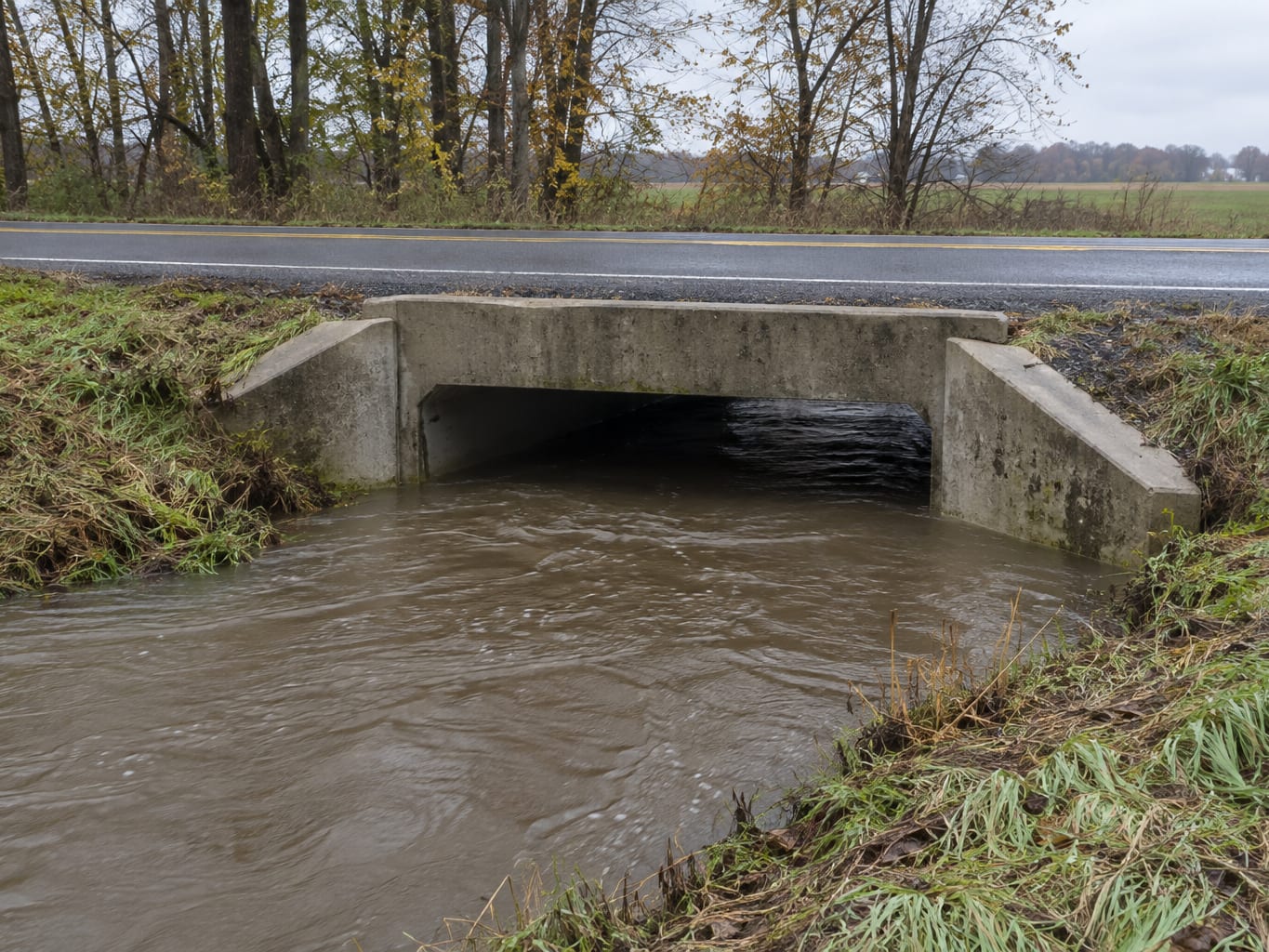
That is a 2021 planning document. It does not say that every house near those roads floods, and it says nothing about your own lot. It does show that when heavy rain pushes water into a lower level in Robbinsville, creek and runoff water is a real possibility to rule in or out.
Flood status is parcel by parcel. A property outside a mapped flood zone can still have groundwater seep in, runoff overwhelm a yard, a drain fail, a sewer back up or a pipe break. So, check your own address with current FEMA and New Jersey maps, and ask the township's floodplain administrator if the answer affects your claim or your rebuild. State-regulated flood areas can reach past what FEMA maps show, which is one more reason to check both.
The route the water took decides the category, and the category decides both the cleanup and the conversation with your insurer.
Starting the Claim File Before Anything Goes in the Dumpster
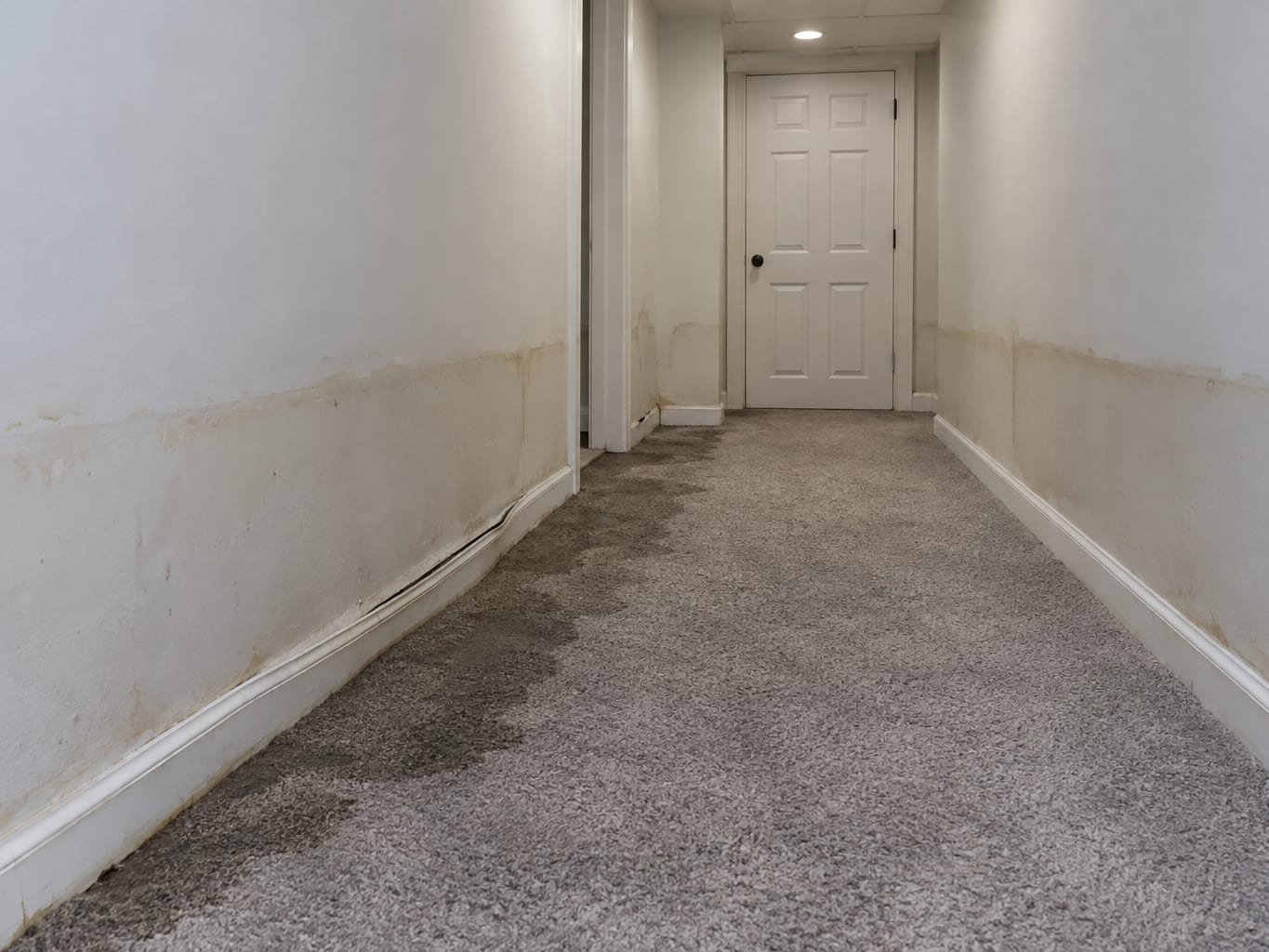
An adjuster may want to see the ruined carpet, the swollen baseboard and the waterline, so the claim file starts before demolition does. Building it takes a routine, and most of it takes minutes.
- Claim number and contacts: Record the claim number and the representative's name and phone number as soon as you have them.
- Photos and video: Document the source, the waterline, each affected room, the contents, the flooring, the walls, the ceiling, appliances and utility equipment before disposal, when it is safe to do so.
- Temporary repairs: Take reasonable steps to stop further damage, such as shutting off the supply, covering an opening or moving dry items out of the way, and keep a record of what you did.
- Receipts and records: Keep receipts, invoices, temporary-repair records, an inventory of damaged contents, moisture readings and every message with the insurer.
- Call before permanent repairs: Contact the insurer before permanent repairs begin, and ask what documentation is required.
Claim File Checklist
Claim number and contacts
Record the claim number and the representative's name and phone number as soon as you have them.
Photos and video
Document the source, the waterline, each affected room, the contents, the flooring, the walls, the ceiling, appliances and utility equipment before disposal, when it is safe to do so.
Temporary repairs
Shut off the supply, cover an opening or move dry items out of the way, and keep a record of what you did.
Receipts and records
Keep receipts, invoices, temporary-repair records, an inventory of damaged contents, moisture readings and every message with the insurer.
Call before permanent repairs
Contact the insurer first, and ask what documentation is required.
Coverage is where people get surprised. New Jersey's insurance department notes that homeowners policies exclude flood damage and that flood insurance is a separate policy. Coverage for a burst pipe, a sump pump problem or a sewer backup depends on the policy and on what caused the loss. So, call your agent early, describe the source accurately and ask which policy applies before you assume anything. Deductibles are specific to each policy too.
A complete file also helps later. Photographs, moisture readings, invoices and permits show what was affected and what was repaired, which matters at a sale.
How Restoration Runs From Extraction to Rebuild
A restoration job has an order, and knowing it makes an estimate easier to read. We work through it like this: stop or isolate the water when that is safe, deal with electrical, gas, structural and sewage hazards, document conditions, identify the source and classify the contamination, and then extract the standing water. Next, materials that cannot be safely cleaned or dried are removed. The structure is dried with air movement and dehumidification, and moisture readings track how the drying is going. Suitable surfaces are cleaned and disinfected, and concealed areas such as wall cavities, insulation, flooring systems and HVAC components are inspected. Reconstruction starts only after the structure is clean and documented as dry.
From Extraction to Rebuild, in Order
- 1
Stop or isolate the water
Do it when that is safe.
- 2
Deal with the hazards
Electrical, gas, structural and sewage hazards come next.
- 3
Document conditions
Photograph the source, the waterline and each room before anything is thrown out.
- 4
Identify the source and classify the water
The category decides what is dried and what comes out.
- 5
Extract the standing water
This comes after the source is classified.
- 6
Remove what cannot be saved
Materials that cannot be safely cleaned or dried come out.
- 7
Dry the structure
Air movement and dehumidification do the work, and moisture readings track how the drying is going.
- 8
Clean and inspect
Suitable surfaces are cleaned and disinfected, and concealed areas such as wall cavities, insulation, flooring systems and HVAC components are inspected.
- 9
Rebuild
Reconstruction starts only after the structure is clean and documented as dry.
That last rule protects you. A wall closed over a wet cavity is the start of the next problem, and the moisture documentation is also what an insurer or a future buyer can rely on. When drying is the main job, our structural drying work follows the readings until the structure reaches its dry standard. Once the structure is dry and the source is fixed, our build-back services cover the finish work, including drywall replacement where mold has been a factor.
Permits come in at the rebuild. Emergency extraction, cleaning, drying and removal of damaged materials are separate from reconstruction. Rebuilding drywall, flooring, electrical or plumbing can need a permit and an inspection under New Jersey's Uniform Construction Code, so confirm with the Robbinsville Construction Department before reconstruction begins. Emergency repairs can start before the permit, and our post on the first hour and the 72-hour permit window explains how that works. If your house is in a historic district, check with the township before exterior work.
What Moves the Price, and How to Ask for an Estimate You Can Compare
A fair price for your house comes after someone looks at it, because the same town produces very different jobs. These are the factors that move an estimate:
- Source and category: Clean supply water, gray water, sewage and creek water need different protection and different removal.
- Area and depth: How many rooms and floors were touched, how deep the water stood and how far it climbed the walls.
- Depth of saturation and materials: Whether water reached wall cavities, insulation, the subfloor, framing, cabinets, HVAC or electrical equipment.
- Access: Room for pumps, hoses, air movers, dumpsters and trucks.
- Drying time: How long the structure needs equipment and monitoring.
- Rebuild: The drywall, flooring, trim, paint and any electrical or plumbing work that follows.
Hover or tap a row to highlight it.
| Factor | What it changes |
|---|---|
| Source and category | Clean supply water, gray water, sewage and creek water need different protection and different removal |
| Area and depth | How many rooms and floors were touched, how deep the water stood and how far it climbed the walls |
| Depth of saturation and materials | Whether water reached wall cavities, insulation, the subfloor, framing, cabinets, HVAC or electrical equipment |
| Access | Room for pumps, hoses, air movers, dumpsters and trucks |
| Drying time | How long the structure needs equipment and monitoring |
| Rebuild | The drywall, flooring, trim, paint and any electrical or plumbing work that follows |
A small clean-water leak confined to a hard-surface floor is a very different job from a basement loss involving sewage or floodwater, finished flooring, drywall, insulation and equipment. So, ask any company for an itemized estimate that separates emergency mitigation, demolition, cleaning, drying, contents handling and reconstruction. That way you and your insurer can see what each amount pays for, and you can compare two estimates line by line. Ask for the schedule in writing after the assessment, because a total duration depends on what the water reached and how the drying readings come back.
Frequently Asked Questions About Water Damage Restoration in Robbinsville, NJ
What should I do first if there is water in my Robbinsville home right now?
Protect people first. Stay out of standing water near electrical equipment, and if the main shutoff is reachable only through water, call an electrician. Leave at once if you smell gas. Stop the source if that is safe, photograph the source, the waterline and the affected rooms, and call your insurer and a restoration professional.
Can I keep the carpet and drywall in a finished lower level?
It depends on the category of the water and how long the materials stayed wet. Materials soaked by sewage or creek water generally come out. Porous items that stay wet for about 48 hours may be hard or impossible to save, especially after gray or contaminated water.
Will my homeowners policy pay for this?
It depends on your policy and on what caused the water. New Jersey's insurance department notes that homeowners policies exclude flood damage and that flood insurance is a separate policy. A pipe, sump or sewer loss depends on the policy and the cause, so ask your agent which one applies and what documentation is needed.
How long does water damage cleanup take?
The first response should start right away, with drying aimed at 24 to 48 hours where it is safe and possible. That window is not the length of the job. Extraction can move quickly, while drying, removing contaminated materials, inspections, permits, insurance review and rebuilding each add time, so ask for a written schedule after the assessment.
What does it cost to clean up a flooded basement?
The price depends on the water category, how deep the water stood, how many square feet were touched, how long things stayed wet, what was damaged and what has to be rebuilt. Ask for an itemized estimate instead of relying on a generic basement figure.
Water Damage Quick Check
1. Which category do sewage and creek or river flooding fall into?
2. When can absorbent materials that stay wet need to be thrown out, according to EPA?
3. What does New Jersey's insurance department say about flood damage and homeowners policies?
4. When should you photograph the source, the waterline and each room?
5. When does reconstruction start?
Pick an answer to begin.
Final Thoughts
Water damage sorts out in a sensible order. Ask where the water came from, keep people away from anything that may be contaminated, dry what can be dried within EPA's 24 to 48 hour window and let go of the porous materials that Category 3 water has soaked. Photograph and record everything before it goes in a bag, keep the receipts and call your insurer before permanent repairs begin.
A wet lower level handled in that order tends to come back with fewer surprises, fewer disputes over what was ruined and repairs that hold. The records you make this week are the ones that count at a claim review and at a sale.
If you have water in a Robbinsville home or building, ExecPro Restoration & Cleaning can look at it with you, identify what kind of water it was and lay out extraction, drying and rebuilding in an itemized scope. Our water damage restoration team handles the work from the first pump to the finished wall, and you can contact us or call (888) 300-3772 to talk through what you are looking at.
Water Damage Terms
Tap a term to see what it means.
Category 3 water. Heavily contaminated water, including sewage and flooding from rivers, lakes, surface water or groundwater. Contaminated porous materials generally come out.
Serving Robbinsville
ExecPro Restoration & Cleaning provides mold remediation services in Robbinsville, NJ, from inspection and testing through removal, drying, and post-remediation verification. Call (888) 300-3772 for 24/7 emergency response.
Related Articles
Flood Damage Cleanup in Robbinsville, NJ: What to Discard, Dry and Document After Creek Water
Soaked carpet, swollen drywall and wet insulation from creek water usually come out. See what flood damage cleanup in Robbinsville, NJ discards and dries.
Emergency Water Extraction in Bridgewater, NJ: Getting Standing Water Out Safely
Keep clear of wet outlets and standing water until the power question is settled. What safe entry looks like, how extraction goes and what backup coverage adds.
Emergency Water Extraction in Robbinsville, NJ: The First Hour and the 72-Hour Permit Window
Within the first hour of standing water, shut off power from a dry spot and call. See how emergency water extraction in Robbinsville, NJ works, permits too.