Flood Damage Cleanup in Bridgewater, NJ: When the Brook or River Comes Inside
Cal HewittPublished Updated
- flood damage cleanup
- water damage
- permits
- bridgewater nj
- new jersey
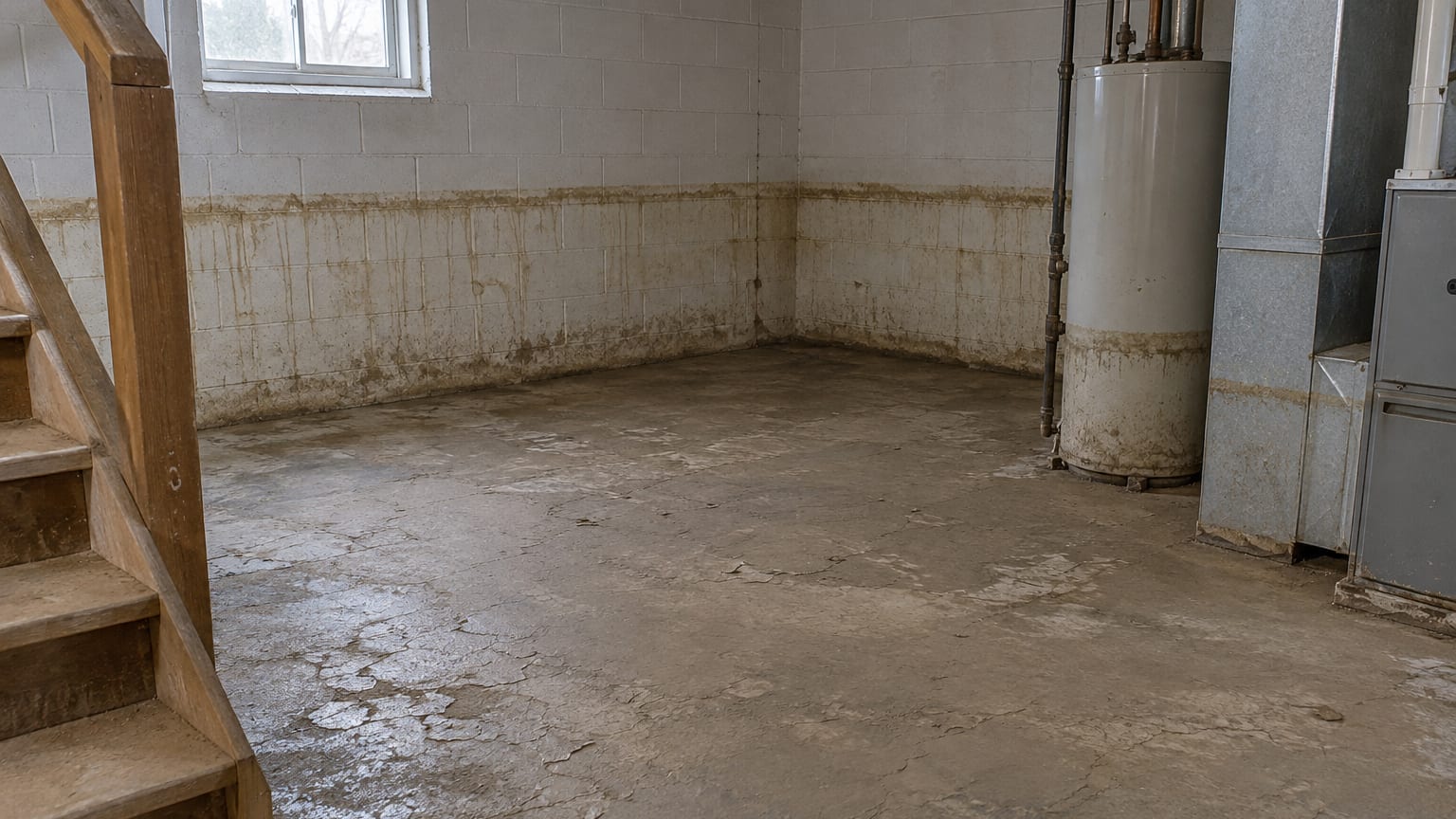
The water has gone down, and what it left is still in the house: a brown waterline on the walls, mud on the floor and a smell that follows you from room to room. Flood damage cleanup in Bridgewater, NJ often starts with a list of questions you did not expect to be asking. What can you touch, what has to go to the curb, will your homeowners policy pay for any of it, and what will the township want to see before you rebuild? Water that comes in from outside can be handled very differently from a burst pipe, and the first choices you make about it can affect your health and your claim. The answers below start with what to throw out and what to stay away from, then follow the cleanup in the order it usually goes.
Key Takeaways
Floodwater sends porous materials out
Drywall, insulation, carpet padding, mattresses and upholstered furniture that touched it generally come out, while hard surfaces can be cleaned and disinfected.
Bridgewater has recorded flood marks on named streets
The township's stormwater plan records Hurricane Floyd marks, and the flood ordinance says land outside a mapped hazard area can still flood, so your own parcel is what counts.
Homeowners policies exclude flood
Flood insurance is separate, so document everything before you discard it and confirm what you carry.
Floodwater in the House: What to Throw Out and What to Keep Clear Of
Floodwater calls for a different response than clean plumbing water does. It can carry sewage, bacteria, chemicals, petroleum products, pesticides and sharp debris, and the CDC's flood guidance and the EPA's flooded-homes page build their advice on that. The rule that follows is simple. Porous materials soak the water in and cannot be cleaned to a safe condition, so they go. Hard, nonporous surfaces can be cleaned and disinfected.
What generally comes out:
- Drywall and insulation: Flood-contaminated wall and ceiling materials are removed instead of dried in place.
- Carpet and padding: Both hold contaminated water and usually cannot be cleaned to a safe condition.
- Mattresses and upholstered furniture: Their padding and fill hold contaminated water.
- Paper products: Books, boxes, files and similar paper items may not be recoverable.
What can often be cleaned:
- Hard, nonporous surfaces: These can be washed with detergent and disinfected, using more protective controls than you would for clean water. Photograph each item and list what you discard first, so the record shows what was lost and why.
What to keep clear of:
- Standing water near outlets, appliances, panels or cords: Electrical hazards are serious wherever water touches them, so stay out and call an electrician or the utility.
- The building if you smell gas or see sagging ceilings, major cracks or exposed wiring: Leave and call for help.
- Contaminated areas, if you are a child, pet, or a person with asthma, allergies, breathing conditions or a weakened immune system: They should be kept away until cleanup is done.
If you do work in the mud, the CDC recommends gloves, goggles, waterproof boots and respiratory protection suited to the conditions. If you rely on a private well or a septic system, the EPA advises extra precautions after flooding, and you should not assume either is safe to use until it has been checked.
Hover or tap a row to highlight it.
| Item | What generally happens |
|---|---|
| Drywall and insulation | Removed instead of dried in place |
| Carpet and padding | Hold contaminated water and usually cannot be cleaned to a safe condition |
| Mattresses and upholstered furniture | Padding and fill hold contaminated water |
| Paper products | Books, boxes and files may not be recoverable |
| Hard, nonporous surfaces | Can be washed with detergent and disinfected, with more protective controls than for clean water |
Know What the First Hour, the First Day and the First Week Look Like
You do not have to do everything at once, and the order protects you. In the first hour, keep children, pets and anyone unnecessary out. Stay clear of standing water near electrical equipment, and stop the source only if you can do it safely. Photograph and video the waterline, each room, the contents and the outside of the building. Then notify your insurer, and your landlord, property manager or association if that applies. Leave contaminated materials alone until the water type and the safety conditions are understood. When you call for help, have the address, the rooms affected, where the water came from if you know, and whether the power is still on ready to tell them.
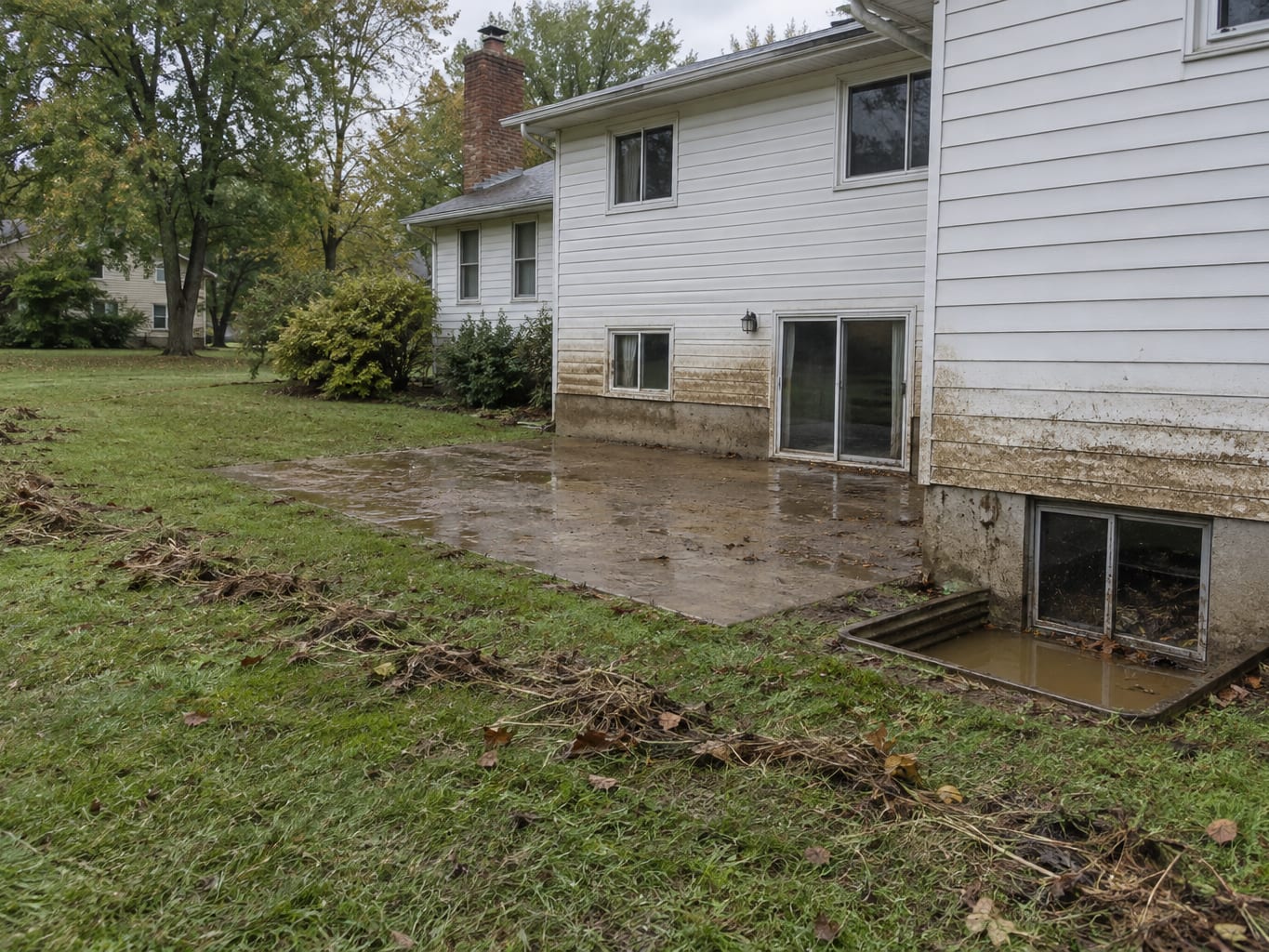
During the first day, arrange an inspection, extraction, drying and documentation, and keep every receipt. Do not seal wet walls, repaint, reinstall flooring or put contents back until moisture has been evaluated. The CDC recommends starting cleanup and drying within 24 to 48 hours where possible, to reduce mold growth.
During the first week, finish drying and controlled removal, and write down what you discard. Confirm what your insurer needs, find out whether Bridgewater permits apply, and get a repair scope for the rebuild. If your home is in or near a mapped flood-hazard area, check the local and state requirements before any rebuilding begins.
First Hour, First Day, First Week
- 1
The first hour
Keep children, pets and anyone unnecessary out, stay clear of standing water near electrical equipment, photograph and video the waterline, each room, the contents and the outside, then notify your insurer and any landlord, property manager or association.
- 2
The first day
Arrange an inspection, extraction, drying and documentation, keep every receipt, and do not seal wet walls, repaint or reinstall flooring until moisture has been evaluated.
- 3
The first week
Finish drying and controlled removal, write down what you discard, confirm what your insurer needs, find out whether Bridgewater permits apply and get a repair scope for the rebuild.
Get From Extraction to a Dry Structure in a Clear Order
Professional flood cleanup runs in a sequence, and the steps build on each other.
- Safety and source control: Confirm the building is safe to enter, stop any active water source, keep people and pets away, and deal with electrical, gas, structural, sewage and chemical hazards.
- Water removal: Extract standing water with equipment matched to how contaminated it is.
- Assessment and documentation: Record the affected rooms, materials, contents, moisture, visible contamination and the likely water source for your insurer and the repair plan.
- Removal of unsalvageable materials: Take out the porous materials described above.
- Cleaning and disinfection: Wash hard surfaces with detergent and disinfect them with the extra protection floodwater and sewage call for.
- Drying: Use air movement, dehumidification and controlled ventilation until moisture readings show the structure is dry.
- Moisture and mold evaluation: Check for hidden moisture inside wall cavities and subfloors, not just what shows on the surface.
- Reconstruction: Replace removed materials only after the building is dry enough and any required inspections or permits are in place.
If you can see mold, plan the cleanup and the drying rather than a lab test. The EPA says sampling is usually unnecessary when growth is visible, and there are no federal mold-spore limits to compare a result against. Testing has a limited role when a professional needs to answer a specific question. Our water damage restoration team follows this order on flood jobs.
A standard duration for a flood cleanup cannot be promised, because it depends on the materials, the moisture readings, hidden cavities, contamination, contents, inspections and the rebuild. Ask for a written scope that names the affected materials, the drying plan, the moisture criteria, the demolition, the contents handling and the rebuild sequence.
Flood Cleanup, in Order
- 1
Safety and source control
Confirm the building is safe to enter, stop any active water source, keep people and pets away, and deal with electrical, gas, structural, sewage and chemical hazards.
- 2
Water removal
Extract standing water with equipment matched to how contaminated it is.
- 3
Assessment and documentation
Record the affected rooms, materials, contents, moisture, visible contamination and the likely water source.
- 4
Removal of unsalvageable materials
Take out the porous materials floodwater reached.
- 5
Cleaning and disinfection
Wash hard surfaces with detergent and disinfect them with the extra protection floodwater and sewage call for.
- 6
Drying
Use air movement, dehumidification and controlled ventilation until moisture readings show the structure is dry.
- 7
Moisture and mold evaluation
Check for hidden moisture inside wall cavities and subfloors.
- 8
Reconstruction
Replace removed materials only after the building is dry enough and any required inspections or permits are in place.
See What Sets the Cost Before You Compare Estimates
No published local price fits every flooded basement, so the useful comparison is between scopes, not totals. The guidance above describes the work, and these conditions decide how much of it your building needs:
- Water source and contamination: Outside floodwater, sewage and polluted runoff call for more protection and disposal controls than a clean supply-line leak.
- Volume and duration: More water and longer saturation mean more extraction, drying, demolition and material loss.
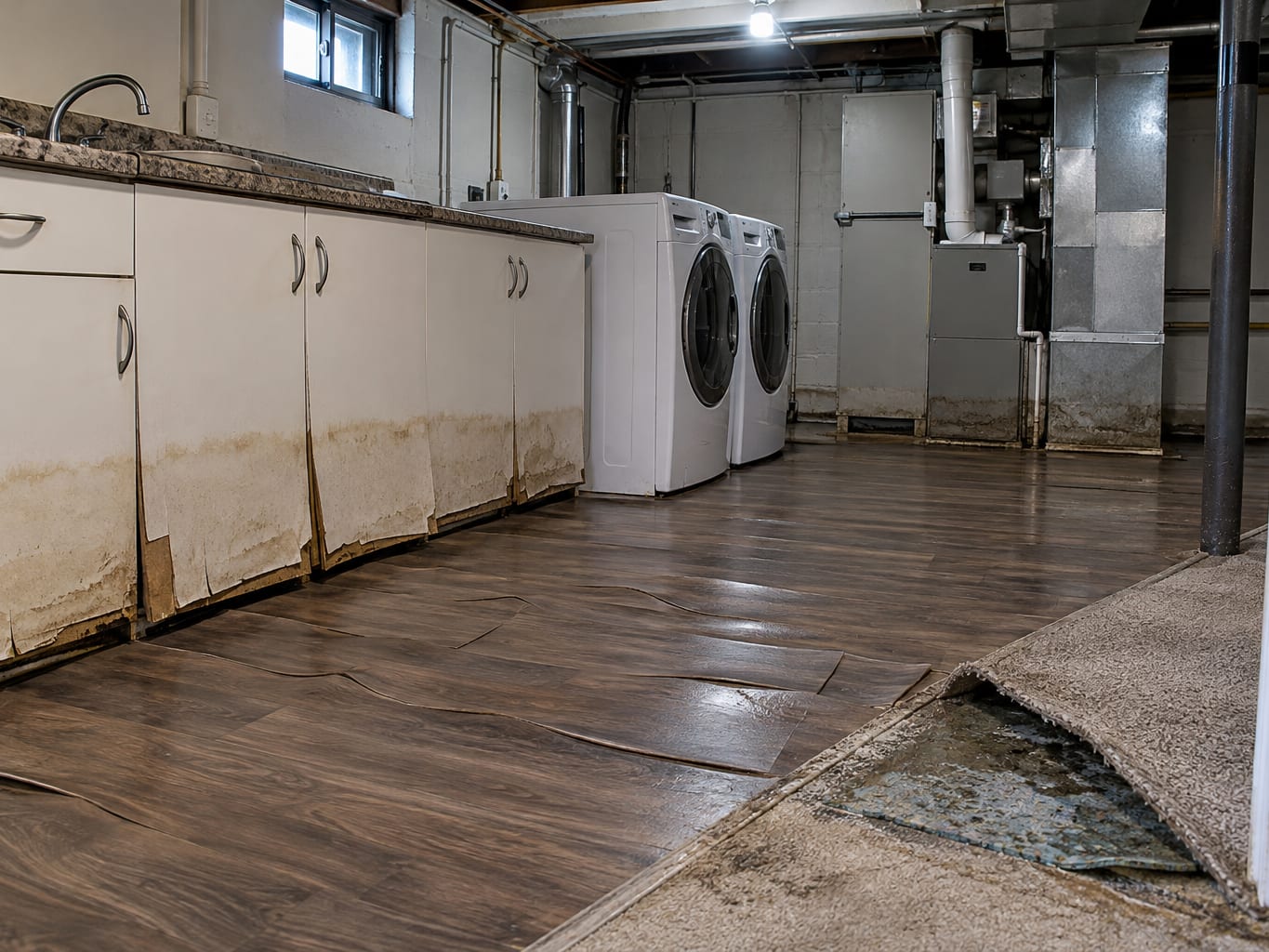
- Affected materials: Carpet, padding, drywall, insulation, baseboards, cabinets, flooring and mechanical systems each have different cleaning or replacement needs.
- Hidden moisture: Wall cavities, subfloors, crawl spaces, insulation and below-grade areas can widen the scope beyond visible damage.
- Building type: A detached home, a multifamily building and a commercial site involve different access, occupancy and coordination.
- Contents: Pack-out, cleaning, storage, disposal, electronics, documents and furniture can add separate charges.
- Access and site conditions: Narrow access, shared utilities, occupied buildings and flood debris can add labor and equipment.
- Reconstruction: Permit drawings, electrical or plumbing work, structural repairs, cabinets, flooring, drywall and paint are separate from extraction and drying.
Ask for an itemized estimate with separate lines for extraction, drying, demolition, contents, cleaning, disposal, permits and rebuilding. It tells you what each stage costs, and it gives your insurer something specific to review.
Hover or tap a row to highlight it.
| Condition | How it changes the scope |
|---|---|
| Water source and contamination | Outside floodwater, sewage and polluted runoff call for more protection and disposal controls than a clean supply-line leak |
| Volume and duration | More water and longer saturation mean more extraction, drying, demolition and material loss |
| Affected materials | Carpet, padding, drywall, insulation, baseboards, cabinets, flooring and mechanical systems each have different cleaning or replacement needs |
| Hidden moisture | Wall cavities, subfloors, crawl spaces, insulation and below-grade areas can widen the scope beyond visible damage |
| Building type | A detached home, a multifamily building and a commercial site involve different access, occupancy and coordination |
| Contents | Pack-out, cleaning, storage, disposal, electronics, documents and furniture can add separate charges |
| Access and site conditions | Narrow access, shared utilities, occupied buildings and flood debris can add labor and equipment |
| Reconstruction | Permit drawings, electrical or plumbing work, structural repairs, cabinets, flooring, drywall and paint are separate from extraction and drying |
Read the Street Records and Your Own Parcel Before You Assume Anything
Bridgewater's records show that flooding here is documented, and the details matter. The township's stormwater management plan records Hurricane Floyd flood marks in connection with historic flood mapping of the Raritan River and Middle Brook floodplains. The recorded examples include water affecting yards, roads and properties along Willow Street, Mountain Avenue, Thomas Avenue, Nagle Street, Main Street and Kline Place.
Those marks record one storm on named streets, and they do not tell you whether a particular house on any of them flooded. They also do not mean a house on another street is safe. The township's flood damage prevention ordinance uses FEMA's flood insurance rate maps and flood profiles, and it also says that land outside a mapped special flood hazard area is not guaranteed to be free from flooding or flood damage. Flood status is a parcel-by-parcel question.
So, check your own address. Ask the township about the flood-hazard information for your parcel; the stormwater page directs residents to the township's stormwater ordinances. Then compare the FEMA and New Jersey flood-hazard information that applies, and look at how water reached the building this time: the street, the yard, a drain or a sewer. A detached home may have a basement, an attached garage and its own mechanical systems, while a multifamily building brings shared walls, common areas and stacked utilities, and a commercial building may hold inventory and equipment. The route the water took and the type of building set your scope.
Check Your Own Address
Ask the township
Ask about the flood-hazard information for your parcel; the stormwater page directs residents to the township's stormwater ordinances
Compare the maps
Look at the FEMA and New Jersey flood-hazard information that applies
Trace how the water got in
The street, the yard, a drain or a sewer
Note the building type
A detached home, a multifamily building and a commercial building each set a different scope
Get the Permits and the Insurance Paperwork Right Before You Rebuild
Cleanup and reconstruction are handled differently. Bridgewater's Code Enforcement department states that a construction permit is generally required when constructing, enlarging, altering or demolishing a structure, or when structural, electrical, plumbing or mechanical work is involved. Finishing a basement, rearranging plumbing, replacing structural members and certain utility replacements are among the common permit-related jobs. Applications that need review take time, and minor work may receive a limited review, so allow for that when you plan the rebuild.
Inside an established special flood hazard area, the ordinance requires a development permit before construction or development begins. New Jersey's environmental agency also lists flood-hazard permits for streams and rivers, and separate stormwater and wetlands permits, on its permits page. The exact path depends on whether the work is cleanup, removal of damaged materials, structural repair, basement finishing, utility replacement or work near a regulated waterway, so confirm your plan with Code Enforcement and, where it applies, NJDEP.
Hover or tap a row to highlight it.
| Work | Permit note |
|---|---|
| Constructing, enlarging, altering or demolishing a structure, or structural, electrical, plumbing or mechanical work | A construction permit is generally required, according to Code Enforcement |
| Finishing a basement, rearranging plumbing, replacing structural members, certain utility replacements | Among the common permit-related jobs |
| Anything inside an established special flood hazard area | A development permit is required before construction or development begins |
| Work near streams and rivers | NJDEP lists flood-hazard permits, plus separate stormwater and wetlands permits |
On the insurance side, the state's homeowner insurance guidance says homeowner policies exclude water damage caused by flood, and the required flood notice says separate flood insurance may be available. Coverage depends on your policy and the cause of the loss. Keep photographs, moisture records, invoices, disposal records and any permits together, because they serve your insurer now and a buyer or lender later.
Cut the Odds of Repeat Water and Moisture Problems
Once the building is dry, the goal is to keep it that way. Find out how the water reached you, and correct that route: a drainage problem, a sump that could not keep up, a sewer connection or an opening in the wall. The New Jersey Department of Health says moisture problems should be identified and corrected before mold remediation, and that applies here too. Do not close up wet walls or reinstall flooring until moisture readings say the assemblies are dry.
Keep the photographs, moisture records, invoices, permits, disposal records and repair documentation in one property file. Insurers, future buyers and lenders may all ask for them. If musty odors or visible growth return, our Bridgewater mold remediation team can assess the cause, and our post-remediation rebuild work restores the finishes afterward.
Frequently Asked Questions About Flood Damage Cleanup Bridgewater NJ
How much does it cost to clean up a flooded basement?
A reliable price depends on the water source, contamination, water volume, affected materials, access, contents, drying and rebuild scope. Ask for separate line items for extraction, drying, demolition, contents, cleaning, disposal, permits and rebuilding.
How long does it take to clean up after a flood?
Extraction and stabilization can begin right away, but completion depends on materials, moisture readings, hidden cavities, contamination, inspections and rebuilding. The CDC recommends beginning cleanup and drying within 24 to 48 hours where possible.
How do you clean up after flood damage?
Make the building safe, remove standing water, document the damage, discard porous materials contaminated by floodwater or sewage, clean hard surfaces, dry the structure and check for hidden moisture. Rebuild only after the affected assemblies are dry.
Does homeowners insurance cover flood damage in New Jersey?
Standard homeowner policies exclude flood damage, and separate flood insurance may be available. Call your insurer promptly and ask what your policy covers.
Flood Cleanup Quick Check
1. What can floodwater carry?
2. What happens to drywall and insulation that floodwater touched?
3. Does land outside a mapped special flood hazard area come with a guarantee against flooding?
4. Do standard homeowner policies cover flood damage in New Jersey?
5. When should the rebuild start?
Pick an answer to begin.
Wrapping Up
Flood cleanup comes down to a few decisions made in the right order. Stay out of water near electrical equipment, photograph before you discard, remove the porous materials floodwater reached, and clean and dry what remains. Then check your parcel, confirm the permit and insurance details, and rebuild once readings say the structure is dry.
Done that way, a flooded house becomes a defined project instead of an open-ended worry, and your records support your claim and any later sale.
If floodwater has come into your home or building in Bridgewater, NJ, call ExecPro Restoration & Cleaning at (888) 300-3772 or contact us. We handle extraction, structural drying, mold remediation and rebuild coordination, and we will start by asking where the water came from and which rooms it reached. Send the address and a few photos, and we will tell you what to do next.
Flood Cleanup Terms
Tap a term to see what it means.
Porous materials. Materials that soak the water in and cannot be cleaned to a safe condition, so they go.
Serving Bridgewater
ExecPro Restoration & Cleaning provides mold remediation services in Bridgewater, NJ, from inspection and testing through removal, drying, and post-remediation verification. Call (888) 300-3772 for 24/7 emergency response.
Related Articles
Custom Carpentry in Bridgewater, NJ: Trim, Stairs and Built-Ins That Match the House
Matching trim, doors and stairs to an older house starts with the zoning office and a registered contractor. Custom carpentry in Bridgewater, NJ, explained.
Flood Damage Cleanup in Robbinsville, NJ: What to Discard, Dry and Document After Creek Water
Soaked carpet, swollen drywall and wet insulation from creek water usually come out. See what flood damage cleanup in Robbinsville, NJ discards and dries.
Mold Removal in Bridgewater, NJ: What Comes Out and What Can Stay
Drywall, insulation, carpet and ceiling tile holding growth usually come out; hard surfaces can be cleaned. See what mold removal in Bridgewater, NJ involves.