Mold Removal in Bridgewater, NJ: What Comes Out and What Can Stay
Cal HewittPublished Updated
- mold removal
- containment
- permits
- bridgewater nj
- new jersey
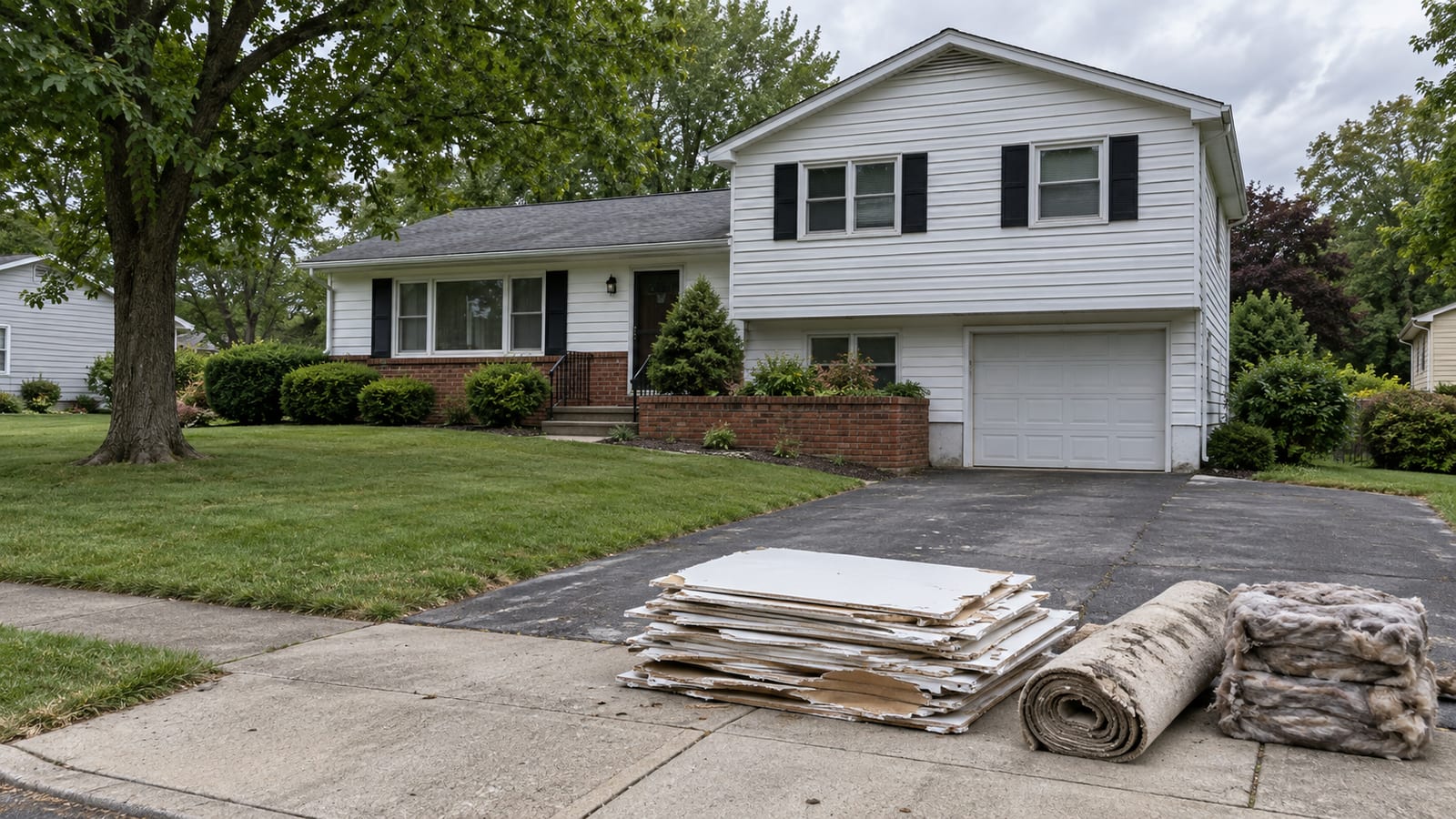
You have mold on drywall, insulation, carpet or framing, and the question in front of you is how much of the room is going to be opened up. You do not want to pay for tear-out you did not need, and you do not want walls closed back over growth that was missed. Mold removal in Bridgewater, NJ comes down to a set of decisions made one material at a time, and once you know how those decisions are made, an estimate becomes much easier to read. Some materials come out because they cannot be cleaned. Others stay because they can. A few decisions depend on what the crew finds when a wall is open, and a few depend on a permit conversation you can start before anyone picks up a tool.
Key Takeaways
Porous materials with growth usually come out
Contaminated drywall, insulation, carpet, padding and ceiling tile are removed, while hard surfaces that can be salvaged are HEPA-vacuumed and damp-wiped and stay.
Size decides how the room is sealed
EPA's planning guidance calls for limited containment at roughly 10 to 100 square feet and full containment above 100 square feet, so the size of the area shapes the plastic, the airflow and the cost.
Ask about permits before the walls come down
Bridgewater generally requires a permit for structural, electrical, plumbing or mechanical work, and the put-back is where that work usually appears.
What Gets Cut Out, What Gets Cleaned, and What Stays
The dividing line is porosity. A porous material is one that soaks up water and holds it, and once mold is established in one, EPA says the growth can infiltrate the pores, cavities and crevices, so wiping the surface does not reach it. That is why contaminated drywall, insulation, carpet, carpet padding and ceiling tile are cut out and bagged for disposal instead of cleaned. Drywall is the most common example, because it takes up water easily and holds it, and a panel that stayed wet long enough to grow mold is usually a panel that comes out.
Hard, nonporous surfaces are the opposite. Surfaces that do not absorb water can be cleaned with water or detergent and dried thoroughly. In practice, salvageable hard surfaces get a HEPA vacuum, which is a vacuum with a filter fine enough to hold mold spores, and then a damp wipe. They stay in the room, and that is money you do not spend on replacement.
Framing and other solid wood sit in between, and the crew decides them case by case once the wall is open, monitoring their drying with a moisture meter. Replacing structural members is a different matter, because Bridgewater treats that as permit-relevant work, which is covered below.
Hover or tap a row to highlight it.
| Material | What happens |
|---|---|
| Contaminated drywall, insulation, carpet, carpet padding and ceiling tile | Cut out and bagged for disposal, because wiping the surface does not reach the growth |
| Salvageable hard, nonporous surfaces | HEPA-vacuumed and damp-wiped, and they stay in the room |
| Framing and other solid wood | Decided case by case once the wall is open, with drying monitored by a moisture meter |
Ask every company for a written list that names the material and the room. "Drywall, north wall, lower level, four feet up" tells you what is coming out. "Remove affected materials" does not. We write our scopes that way on our mold removal service, and it gives you something to hold each company to. The full order of a mold job, from the water source to the final paperwork, is a separate subject that our Bridgewater mold remediation page covers. Here we stay with the physical question of what leaves the room.
Finished Lower Levels, Attics and Bathrooms Play Out Differently
The same rule lands differently depending on the room, and knowing where mold tends to hide helps you judge whether an estimate covers enough. Mold can grow in below-grade basements and finished basements, crawl spaces, attics, bathrooms, wall cavities and HVAC components.
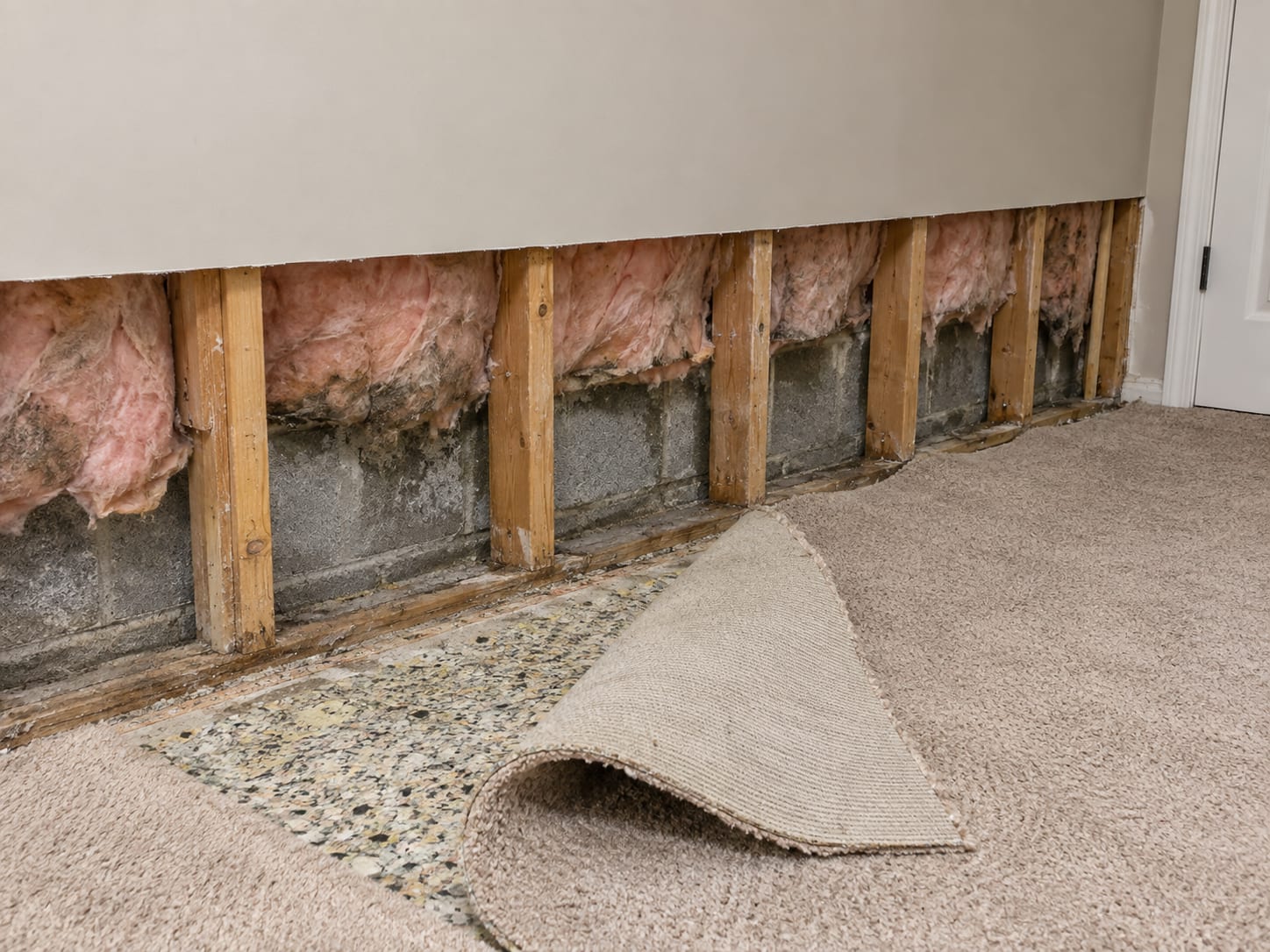
- A finished lower level: This is where most of the decisions sit, because finishing adds drywall, insulation, carpet and padding over a wall that may have been damp for a long time. Expect the wet, affected drywall and insulation to come out, the carpet and pad to come out if they stayed wet, and the concrete, block and any hard surfaces to be cleaned and dried. Our basement mold remediation page covers below-grade moisture and seepage in more detail.
- An attic: Water can arrive through a roof or flashing leak or as condensation, and insulation is a porous material that holds it. Insulation that is wet or carries growth comes out, and the framing around it is checked with a meter before anything goes back.
- A bathroom: Leaks and excess humidity can put moisture into drywall, ceiling materials and the cavity behind a fixture. Hard surfaces that can be cleaned stay; the drywall or ceiling material behind them is where removal is more likely.
Older homes may have repeated moisture entry and aging roof or window assemblies, while newer or renovated homes can have finished wall systems that hide a leak for longer. Either way, the honest answer to "how much will come out" is the amount the moisture reached, and that is confirmed when the area is opened and measured.
Before Anything Is Cut, the Work Area Is Isolated
Cutting into moldy drywall can release spores and dust into the air, so the crew isolates the work area first whenever demolition or spread is possible. EPA's planning guidance describes limited containment for roughly 10 to 100 square feet and full containment above 100 square feet, or wherever contamination could travel through the building. Containment means plastic sheeting sealed at the edges, controlled airflow and filtered air, so the mold stays in the room being worked on.
For a small area of under about 10 square feet, EPA identifies gloves, goggles and an N-95 respirator as the minimum protective equipment. Larger areas, growth inside a wall, HVAC contamination, major water damage or extensive demolition call for more controlled work. If the equipment list in an estimate does not match the size of the area it describes, ask why.
Hover or tap a row to highlight it.
| Area affected | What EPA guidance calls for |
|---|---|
| Under about 10 square feet | Gloves, goggles and an N-95 respirator as the minimum protective equipment |
| Roughly 10 to 100 square feet | Limited containment |
| Above 100 square feet, or wherever contamination could travel through the building | Full containment |
| Growth inside a wall, HVAC contamination, major water damage or extensive demolition | More controlled work |
What You Can Safely Bag, Wipe or Leave Alone Before Help Arrives
Waiting a few days for a crew is normal, and there are things worth doing in the meantime. Stop the water source if it is safe to do so. Keep children, pets, and anyone with asthma or a weakened immune system out of the area. Photograph the growth and the source of the water.
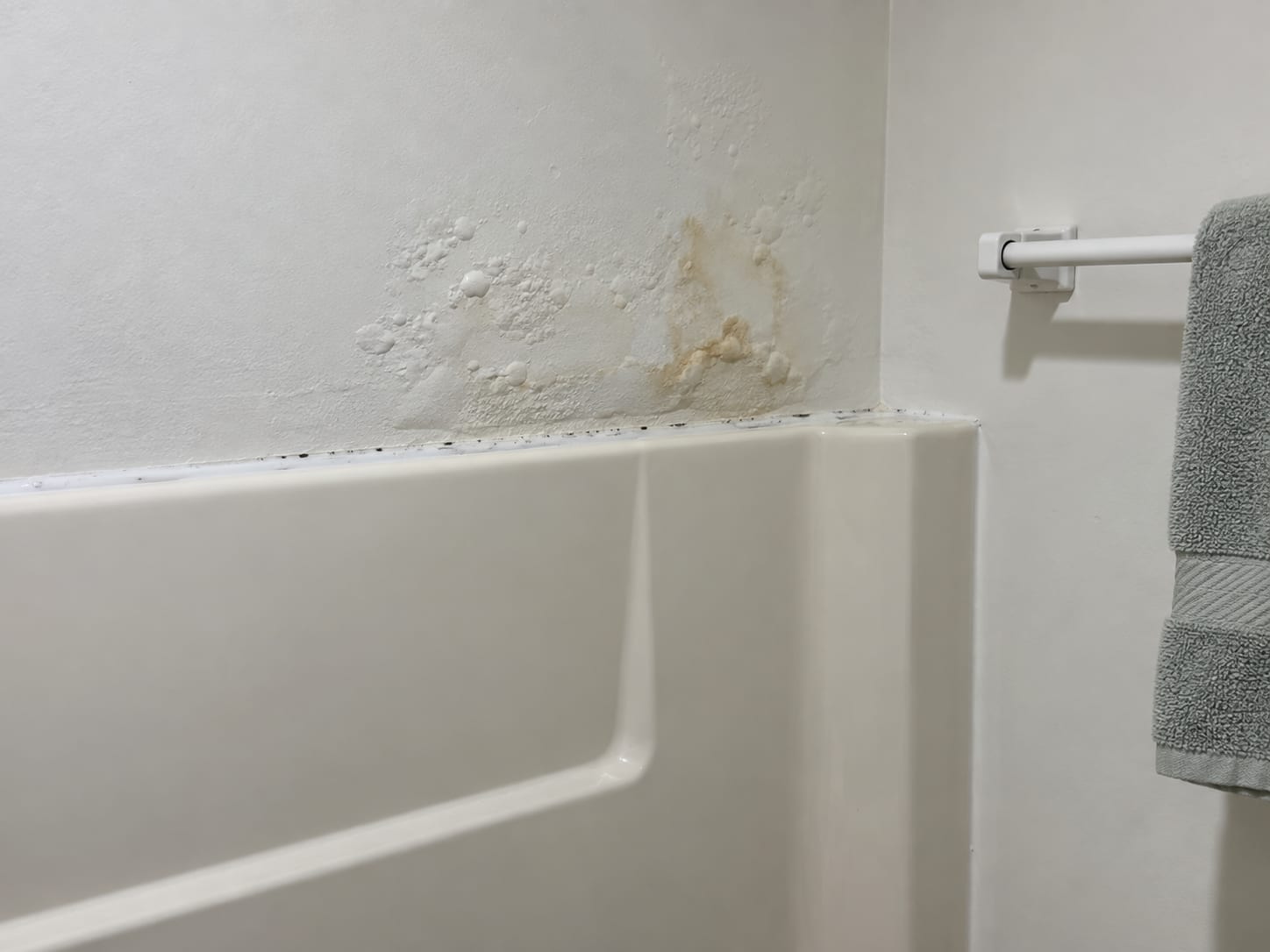
Leave alone anything you would have to break open: moldy drywall, insulation, carpet and ceiling materials all release more when disturbed. Do not paint, caulk or seal over mold or wet material, because the moisture stays trapped underneath and the growth continues. Dry wet materials as quickly as you can; EPA says wet or damp materials should ideally be dry within 24 to 48 hours.
If the growth is small, under about 10 square feet, you can wipe hard surfaces with detergent and water while wearing the gloves, goggles and N-95 respirator EPA names. If you remove anything, ask the company how to bag and dispose of it. Do not start pulling out drywall over a larger area, or over anything you suspect runs behind the wall.
Before Help Arrives
Stop the water source
Only if it is safe to do so
Keep people clear
Children, pets, and anyone with asthma or a weakened immune system stay out of the area
Photograph the growth and the water source
The pictures go with your records
Leave anything you would have to break open
Moldy drywall, insulation, carpet and ceiling materials release more when disturbed
Do not paint, caulk or seal
Moisture stays trapped underneath and the growth continues
Dry wet materials fast
EPA says wet or damp materials should ideally be dry within 24 to 48 hours
Where Removal Meets the Permit Line in Bridgewater
Tearing out is only half of a removal job, because the room has to be put back. That is where Bridgewater's permit rules come in. The township's Code Enforcement office says a construction permit is generally required when work constructs, enlarges, alters or demolishes a structure, or involves structural, electrical, plumbing or mechanical work. Permit applications may need construction plans and a plot plan. Working without a required permit can bring a penalty of up to $2,000 per violation, according to Code Enforcement.
The zoning office is the first local contact for questions about whether a project needs a zoning permit. Whether cleaning by itself needs a permit is a question to put to Zoning or Code Enforcement directly, before you tear out or put back. Ask again about the put-back, since new drywall, receptacles, plumbing or repaired framing is where permit-relevant work usually appears. If your property is near a mapped flood area, the township's floodplain rules may add requirements, so raise that at the same time.
Hover or tap a row to highlight it.
| Topic | What the township says |
|---|---|
| When a construction permit is generally required | When work constructs, enlarges, alters or demolishes a structure, or involves structural, electrical, plumbing or mechanical work |
| What an application may need | Construction plans and a plot plan |
| Review time | May take up to 20 working days when an application needs zoning, building, electrical, plumbing or fire subcode officials |
| Working without a required permit | A penalty of up to $2,000 per violation, according to Code Enforcement |
| First local contact for a zoning permit question | The zoning office |
Before the Walls Close, the Open Area Is Dried and Looked At Again
The worry that walls will be closed over missed growth has a practical answer, and it happens between tear-out and put-back. Once the affected materials are out and the hard surfaces are cleaned, the structure is dried and the water source is corrected. The crew then re-inspects the area and documents the completed work. That re-inspection is the moment to ask for photographs of the open wall, the moisture readings, and a note of anything that still looks damp.
From Tear-Out to Put-Back
- 1
Materials come out
Contaminated porous materials are cut out and bagged.
- 2
Hard surfaces are cleaned
Salvageable surfaces are HEPA-vacuumed and damp-wiped.
- 3
The structure is dried and the source corrected
The water source is fixed and moisture is confirmed with a meter.
- 4
The crew re-inspects and documents
Ask for photographs of the open wall, the moisture readings and a note of anything still damp.
- 5
Finishes go back last
Only after the moisture problem is controlled.
Replacing finishes comes last, and only after the moisture problem is controlled. If drywall goes back over wet framing or an active leak, the same mold can return, which means paying for the same tear-out twice. A crew that will not close a wall until the meter says it is dry is protecting your budget as much as your walls.
Keep the re-inspection notes with your other records. If a buyer, landlord or insurer asks later what was found behind the wall and what was done about it, those notes and photographs answer that question.
How Long the Room Stays Open
The schedule follows the scope. We generally plan one to three days for most residential mold removal projects, and structural drying, extensive demolition, HVAC contamination, concealed growth and rebuilding can extend the overall timeline. Permit review can add time too; Bridgewater says review may take up to 20 working days when an application needs zoning, building, electrical, plumbing or fire subcode officials. Ask for the start date, the expected finish of removal, drying and re-inspection, and the earliest rebuild date, in writing.
What Mold Removal Costs and What Changes the Estimate
The cost depends on the property. The numbers below are national marketplace data from Angi for July 2026, and they are practice figures, not Bridgewater prices or official New Jersey pricing. Angi reports a typical national range of $1,223 to $3,757 with an average of $2,368.
Hover or tap a row to highlight it.
| Where the mold is | National range |
|---|---|
| Basement | $500 to $3,000 |
| Crawl space | $500 to $2,000 |
| Attic | $1,000 to $4,000 |
| HVAC system | $3,000 to $10,000 |
| Whole house | $10,000 to $30,000 |
What moves a real estimate up or down is the total area, whether the mold is visible or hidden, how much porous material must come out and be disposed of, the containment and filtration needed, access to the space, drying, and the repairs and finishes that go back afterward. Where an HVAC system is involved, our HVAC mold remediation page explains that work. Ask for a written estimate for your address that separates each of these lines.
Insurance, Records and Who Can Do the Work
Coverage depends on your policy, the cause of the loss and whether flood insurance is involved. The New Jersey Department of Banking and Insurance's Bulletin 02-14 describes a $10,000 annual aggregate mold coverage option for certain policies, with higher limits available, and says coverage applies when the mold results from a covered peril during the policy period. Mold from a sudden burst pipe may be treated differently from long-term seepage or flooding, so call your carrier promptly.
Keep photographs, dates, moisture readings, the source of the water, invoices, records of removed materials, drying logs, permits and messages with the insurer. New Jersey has no state certification program for mold remediation companies, per the Department of Health, so ask a contractor about current registration, insurance, training and the documents you will receive.
Frequently Asked Questions About Mold Removal Bridgewater NJ
Q: What is the difference between mold removal and mold remediation?
Removal means taking contaminated material or growth out. Remediation is the broader process of finding and correcting the moisture source, containing the work, removing or cleaning affected materials, drying the structure, preventing cross-contamination and verifying the finished condition. Mold cannot be completely eliminated from indoor air, so the practical goal is a dry building with no active growth, visible contamination or persistent moldy odor.
Q: What is the average cost of mold removal in New Jersey?
Angi's national July 2026 average is $2,368, with a typical range of $1,223 to $3,757. A Bridgewater quote can land outside that range depending on area, access, demolition, drying, HVAC involvement and rebuild work, so ask for an estimate for your property.
Q: Will insurance pay for mold removal?
It depends on the policy and the cause. Flood-related losses may require flood insurance, and a sudden covered event can be treated differently from long-term seepage. Contact the carrier promptly and keep your documentation.
Q: What permanently kills mold?
No product does while moisture remains. EPA says cleaning mold without fixing the water problem will likely lead to recurrence, so the lasting fix is correcting the leak, condensation, humidity, drainage or ventilation problem and drying the area.
Q: Is mold removal worth the cost?
It matters most when growth is widespread, hidden or recurring, when it is in an HVAC system, when significant water damage is involved, or when someone in the home has asthma, allergies, chronic lung disease or a weakened immune system. Ask your clinician about symptoms.
Mold Removal Quick Check
1. What decides whether a material comes out or stays?
2. What does EPA planning guidance call for above 100 square feet?
3. What happens if you paint or caulk over mold or wet material?
4. When does Bridgewater generally require a construction permit?
5. How long do most residential mold removal projects generally take?
Pick an answer to begin.
What This Means for You
Mold removal is a set of material decisions. Porous materials with growth come out, salvageable hard surfaces are cleaned and stay, and the size of the area decides how the room is sealed. Ask for a written list by material and room, and for your permit questions to be answered before demolition and again before put-back.
Getting this right protects your walls and your budget. You pay to remove what needs to go, and you keep what can be saved, with a clear record of both.
If you are dealing with mold in a Bridgewater home or building, we at ExecPro Restoration & Cleaning can look at the affected rooms, list what has to come out and what can stay, and walk you through the permit questions before work starts. Call (888) 300-3772 or contact us with your address and a description of the room, and we will set up a visit.
Mold Removal Terms
Tap a term to see what it means.
Porous material. A material that soaks up water and holds it, so growth can get into its pores, cavities and crevices.
Serving Bridgewater
ExecPro Restoration & Cleaning provides mold remediation services in Bridgewater, NJ, from inspection and testing through removal, drying, and post-remediation verification. Call (888) 300-3772 for 24/7 emergency response.
Related Articles
Custom Carpentry in Bridgewater, NJ: Trim, Stairs and Built-Ins That Match the House
Matching trim, doors and stairs to an older house starts with the zoning office and a registered contractor. Custom carpentry in Bridgewater, NJ, explained.
Flood Damage Cleanup in Bridgewater, NJ: When the Brook or River Comes Inside
When water comes in from outside, it is treated as contaminated. What to throw out, what to keep clear of, and what the township wants before you rebuild.
Black Mold Removal in Bridgewater, NJ: Scope, Safety and Cost After You Find It
Dark growth on a wall or ceiling: is it safe to stay tonight, what black mold removal in Bridgewater, NJ involves, and what drives the cost of the job.