Emergency Water Extraction in Bridgewater, NJ: Getting Standing Water Out Safely
Cal HewittPublished Updated
- emergency water extraction
- water damage
- claim documentation
- bridgewater nj
- new jersey
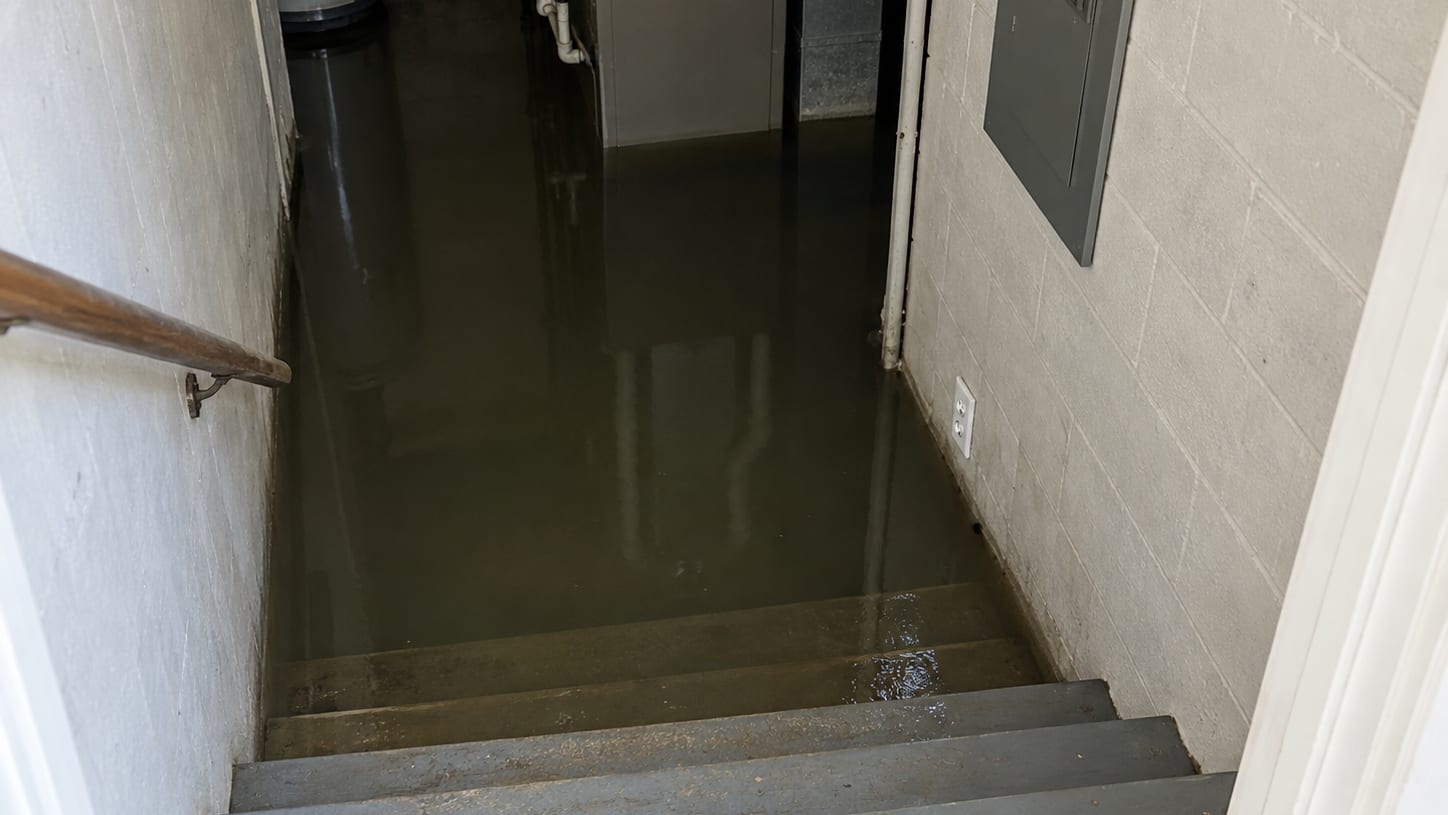
There is water on the basement floor, and the first thing to settle is whether it is safe to go in. If it has reached outlets, appliances, the panel or damaged framing, the answer is no, and that holds for a burst pipe, a failed sump and a backup alike. Emergency water extraction in Bridgewater, NJ starts with that decision, because standing water near electrical equipment can cause shock, slips and collapse, and floodwater may carry sewage, chemicals and bacteria. You may be wondering whether to cut the power, whether to shut off the water, and what you can do while you wait for help. Those questions have an order, and the answers are below. Stay where it is dry, and read this before you take another step toward the water.
Key Takeaways
Stay out of standing water near electrical equipment
Do not wade in to reach a panel or an outlet, and call an electrician or the utility for unsafe electrical conditions.
Stop the water only if you can do it safely
Shut off a supply line or appliance leak from a dry spot, and leave a source you cannot reach to the professionals.
Photograph before anything is disturbed
Water levels, the source and the affected rooms are what your insurer and your restoration company will ask about.
Extraction is fast, drying is not
Pumps can remove standing water quickly, but EPA and CDC guidance sets 24 to 48 hours as the drying target, and moisture readings decide when a structure is dry.
Ask about backup coverage now
A burst pipe, a sewer backup, a sump overflow and a flood can be treated differently by a policy, so find out which endorsements you carry.
Is It Safe to Walk In? Power, Water and the First Call
Treat any standing water as unsafe until someone qualified says otherwise. The CDC's flood safety guidance and the EPA's guidance on flooded homes both warn that floodwater can contain contaminants, and that hidden damage under flooring and behind walls is common. Slips, unstable materials and electrical shock are the immediate risks, and water that touched a sewer line or a backed-up drain adds bacteria and other contamination.
Should you cut the power? If reaching the panel means stepping into standing water, do not go. Call an electrician or the utility and tell them water has reached electrical equipment. If there is a structural concern, such as a sagging ceiling or a shifting wall, call emergency services. The power question is theirs to settle.
Should you shut off the water? Yes, if the source is a supply line or an appliance and you can reach the valve without entering the water. If you cannot reach it, leave it, and tell the responder or the utility where the water is coming from.
Children, older adults, and anyone with asthma or a weakened immune system should stay out of contaminated or moldy areas, and children should not help with cleanup. Do not run the HVAC system until the flooded area and the equipment have been assessed and cleaned as needed. Then make the call to a restoration company and ask for an arrival estimate, because no single response time applies to every job.
Safe Entry Comes First, Then the Source, Then the Pump
Once the room is safe, the work follows a sequence, and each step depends on the one before it.
- Identify the water type: Supply-line water, appliance overflow, groundwater, stormwater, and sewage or river water do not carry the same contamination risk or support the same salvage decisions.
- Photograph before disturbing: Take photos and video of the water level, the source, each room, the materials and the contents. Note the date and time you discovered it and anything you did to stop it.
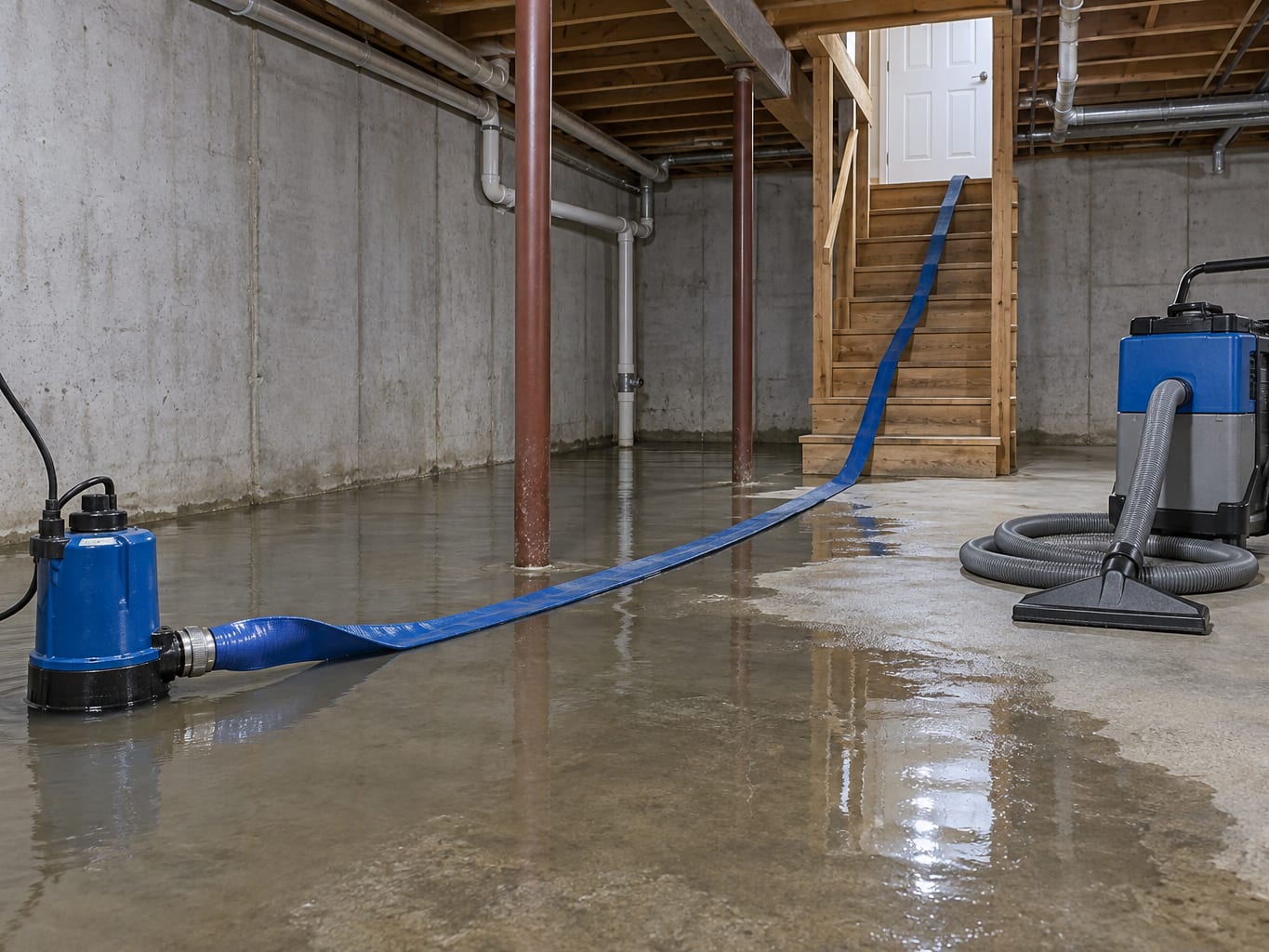
- Extract the standing water: Crews use pumps, truck-mounted equipment, portable extractors or submersible pumps, chosen for the volume and the location.
- Separate wet contents: Wet belongings and porous materials that cannot be dried in place are removed or set apart.
- Dry by readings, not by looks: Air movement, dehumidification and moisture monitoring dry the structure, and crews open or remove materials where they must.
- Clean by contamination level: Cleaning, disinfection or remediation follows what the water carried.
- Record everything: Moisture readings, removed materials, equipment, drying progress and the remaining repair scope go into the file.
In the first hour, keep people away from unsafe water, stop the source if it is safe, contact the utility or emergency services for electrical or structural hazards, photograph conditions, notify your insurer and arrange extraction if water remains. Today, get extraction and drying started, and work out whether the water came from plumbing, stormwater, groundwater, sewage or a flood. This week, confirm that concealed areas and structural materials are dry, finish cleaning or remediation, fix the source and get any repair permits before rebuilding.
First Hour, Today and This Week
- 1
In the first hour
Keep people away from unsafe water, stop the source if it is safe, contact the utility or emergency services for electrical or structural hazards, photograph conditions, notify your insurer and arrange extraction if water remains.
- 2
Today
Get extraction and drying started, and work out whether the water came from plumbing, stormwater, groundwater, sewage or a flood.
- 3
This week
Confirm that concealed areas and structural materials are dry, finish cleaning or remediation, fix the source and get any repair permits before rebuilding.
Extraction can happen during the first response. Drying takes longer, and EPA's guidance on debris and damaged buildings notes that fully drying a building can require removing wall, ceiling, insulation and flooring materials. EPA and CDC use 24 to 48 hours as the drying target where possible, to reduce mold risk. That is a target for wet materials, so the job is finished when moisture measurements say so, not when the surface looks dry. Our emergency water extraction service works to that sequence.
Finished Basements and Lower Levels Hold Water Where You Cannot See It
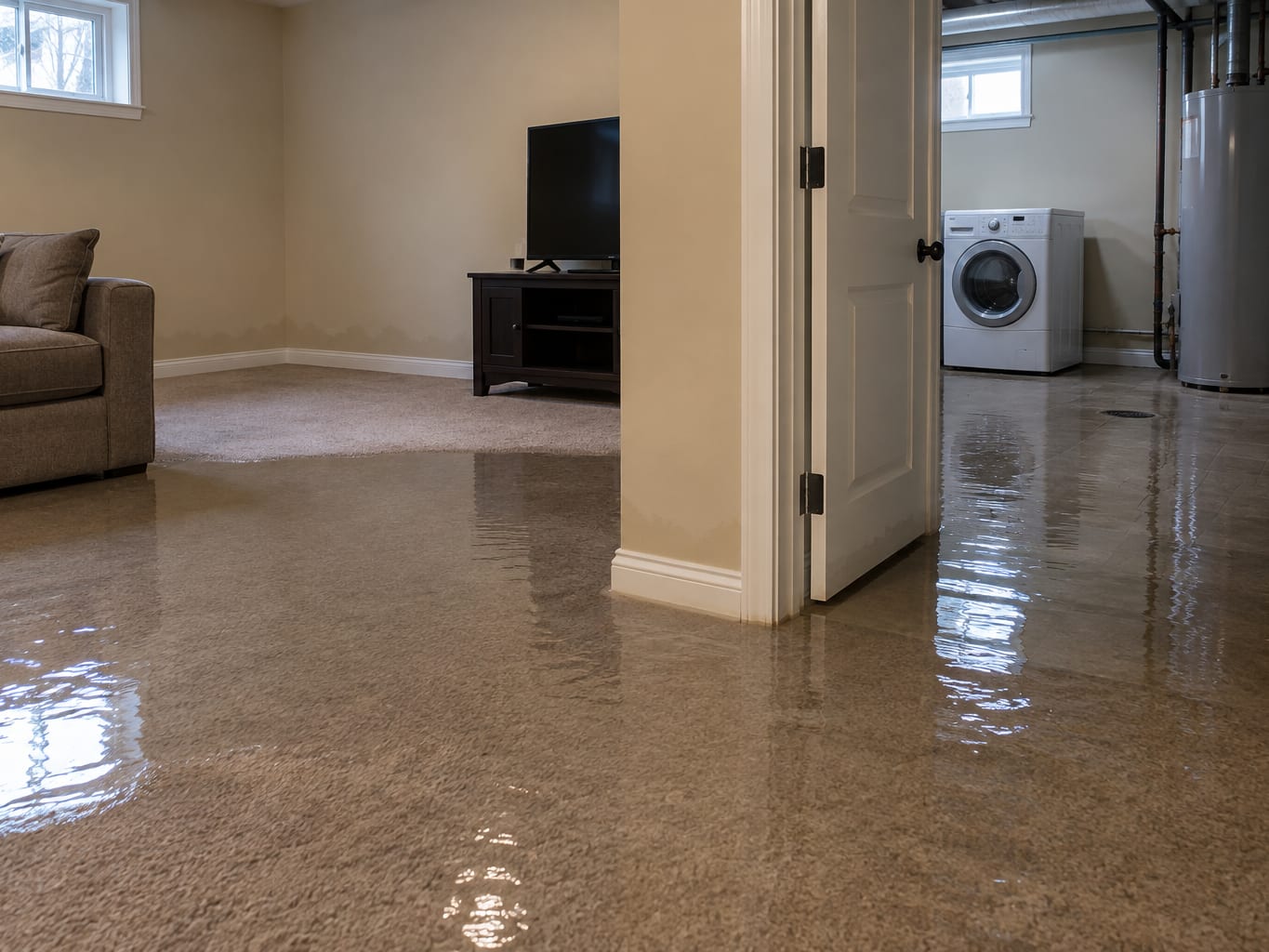
A finished basement hides a lot. Behind the drywall are wall cavities and insulation, under the carpet is padding and subfloor, and around the room are cabinets, trim and built-ins that trap moisture. Older plumbing and drainage systems add more places for water to travel. Townhouses and multifamily buildings add shared walls and mechanical systems, so one unit's water may reach another's.
Where the lower level is finished, the wet area can be larger than the visible puddle, so the moisture has to be measured in the walls and floor before anyone decides what is dry. Basements, crawl spaces and finished lower levels each call for different equipment placement and access.
Commercial space adds its own questions. A loss in an office or retail suite can affect tenant operations, inventory and shared building systems, so the work may be phased around business hours and occupants. Our commercial mold remediation service covers occupied properties when moisture leaves growth behind, and HVAC mold remediation applies when water or contamination has reached air-handling equipment or ducts.
Cost Follows the Volume, the Water Type and the Materials
A local price cannot be responsibly quoted from a home's value or square footage, and no number applies to every basement. These conditions set the price:
- Volume and depth: How much water there is, how many rooms or levels it covers and how long it sat.
- Contamination: The water source and whether it needs sanitizing.
- What it reached: Wall cavities, insulation, subfloor, cabinetry, HVAC components, flooring and carpet pad.
- Access: Finished basement or crawl-space access, and the distance from equipment to the wet area.
- Equipment and time: Pumps versus extractors, dehumidification and how long moisture monitoring runs.
- Contents and demolition: Pack-out, cleaning, storage, controlled demolition and disposal.
- Occupancy: Commercial-hour limits, tenant coordination or phased work.
- Repairs: Plumbing, electrical or structural work after extraction.
A useful estimate is itemized. Ask for extraction, structural drying, contents handling, cleaning or disinfection, demolition and rebuild to be listed separately, so you can see what each stage costs and what your policy may cover.
Hover or tap a row to highlight it.
| Cost driver | What it covers |
|---|---|
| Volume and depth | How much water there is, how many rooms or levels it covers and how long it sat |
| Contamination | The water source and whether it needs sanitizing |
| What it reached | Wall cavities, insulation, subfloor, cabinetry, HVAC components, flooring and carpet pad |
| Access | Finished basement or crawl-space access, and the distance from equipment to the wet area |
| Equipment and time | Pumps versus extractors, dehumidification and how long moisture monitoring runs |
| Contents and demolition | Pack-out, cleaning, storage, controlled demolition and disposal |
| Occupancy | Commercial-hour limits, tenant coordination or phased work |
| Repairs | Plumbing, electrical or structural work after extraction |
Ida Showed How Quickly Water Can Reach Bridgewater Basements
Tropical Storm Ida gave Bridgewater a documented lesson in how fast water arrives. Somerset County's transportation plan records that 8 to 12 inches of rain were common across the county in September 2021, with much of it falling in about three hours. Bridgewater's own emergency resolution from that month records extensive storm and flood damage to township sewers, roadways and related infrastructure.
That is a record of one event, not a forecast for your property. What it does show is that water can enter through more than one route at once: surface runoff, a stressed drainage system, a sewer that backs up or a sump that cannot keep pace. Those routes carry different kinds of water, which is why identifying the type comes early in the sequence, and why they can be treated differently by a policy.
If you have a finished basement or lower level, the practical step is to find out what your policy says before the next heavy rain. Ask your insurer or agent whether you carry water backup or sump-pump overflow coverage, and write down what they tell you.
A Burst Pipe and a Backup May Not Be Treated Alike by Your Policy
New Jersey's required flood-damage notice states that standard homeowners policies do not cover property damage from floods. It defines flood to include the general and temporary inundation of normally dry land from inland or tidal-water overflow, and the unusual and rapid accumulation or runoff of surface water. Separate flood insurance may be available through the National Flood Insurance Program or private insurers.
The state's homeowner insurance guidance lists optional coverages, and these may include water backup and sump-pump overflow. Whether a particular event is covered depends on your policy, its endorsements, the cause of the loss, the exclusions and the deductible. A burst supply pipe, a sewer backup, a sump overflow, groundwater seepage and a general flood can each be treated differently, so ask your insurer how yours would be classified.
While you wait, follow the state insurance department's loss advice: call the insurer promptly, photograph the damage, keep receipts for emergency expenses and keep damaged property when you can. Save written estimates, invoices, moisture readings, drying records, contents lists and every message with the insurer, adjuster, landlord or property manager.
Keep These for Your Claim
Photos and video
The water level, the source, each room, the materials and the contents, plus the date and time you discovered it
Receipts
Every receipt for emergency expenses
Written records
Estimates, invoices, moisture readings and drying records
Contents lists
A list of what was damaged, and the damaged property itself when you can keep it
Every message
Communications with the insurer, adjuster, landlord or property manager
Permit Questions Start Where Extraction Stops and Rebuilding Starts
Pumping and drying are one part of the job, and reconstruction is another. Bridgewater Code Enforcement states that a permit shows plans were released by township officials and comply with the Uniform Construction Code and township ordinances. Rebuilding that involves plumbing, electrical work, structural work or drywall may need one.
The township's floodplain ordinance adds floodplain permits, certifications, records and a review for substantial damage or substantial improvement for regulated work. Whether a specific extraction, demolition or drying scope needs any of this depends on the work and the location, so confirm your plan with Bridgewater Code Enforcement before regulated repairs begin. Our post-mold-remediation rebuild work follows that same order: dry first, document, then permit and rebuild.
Fixing the Source Keeps Water From Coming Back
Extraction removes the water, and it does not remove the reason the water arrived. The New Jersey Department of Health says mold problems commonly occur where there is excess water and that the moisture source should be identified and corrected before remediation. Materials that stay wet past the 24 to 48 hour window can become hard to clean and may need removal.
After the water is gone, repair or replace whatever failed, confirm the backup and sump-overflow coverage you carry, and keep the drying and repair records. A file with photos, readings and invoices also helps later with an inspection, a lender or a sale. If a musty odor lingers after drying, our Bridgewater mold remediation page covers the next step.
Frequently Asked Questions About Emergency Water Extraction Bridgewater NJ
Is it safe to go into a flooded basement?
Not if water may have reached electrical equipment, outlets, appliances or damaged structure. Floodwater may also carry sewage, chemicals and bacteria. Stay out and call an electrician, the utility or emergency services as the hazard requires.
Do I shut off the power or the water first?
Stop the water source if you can do it safely from a dry position. Do not enter standing water to reach electrical equipment, and leave unsafe electrical conditions to a qualified professional or the utility.
How much does it cost to clean up a flooded basement?
The price depends on water volume, contamination, affected materials, access, drying time, contents, demolition, disposal and reconstruction. Ask for a written scope that separates extraction from drying and repair.
How long does it take to clean up after a flood?
Standing water can often be extracted during the first response, but complete drying and restoration take longer. EPA and CDC recommend drying wet materials and contents within 24 to 48 hours where possible, and heavily contaminated or saturated buildings may need material removal and extended drying.
Does insurance cover a sewer backup or sump overflow?
It depends on your policy and its endorsements. Homeowners policies exclude flood, and water backup and sump-pump overflow are optional coverages, so ask your insurer what you carry.
Emergency Extraction Quick Check
1. What drying target do EPA and CDC guidance use where possible?
2. When should you shut off the water yourself?
3. What tells you a structure is dry?
4. What do standard homeowners policies say about flood damage?
5. Who should you confirm a repair plan with before regulated repairs begin?
Pick an answer to begin.
What This Means for You
Right now, the order is safety, source, photographs and a call. Stay out of water near electrical equipment, stop the source only if it is safe, document what you see and ask for an arrival estimate. Over the next day or two, get the water out and the drying started, and then follow the moisture readings until the structure is dry.
Working in that order protects your health, your building and your claim. It also leaves you with a written scope and a record that answers an adjuster's questions, and a fixed source keeps the same water from returning.
If there is standing water in your Bridgewater, NJ home or business, call ExecPro Restoration & Cleaning at (888) 300-3772 or contact us. We handle extraction, structural drying, moisture documentation, mold remediation and rebuild work, and we will ask where the water came from and what you can safely see before we tell you what happens next. Tell us the address, what you have photographed and whether power is a concern, and we will start from there.
Water Extraction Terms
Tap a term to see what it means.
Extraction. Removing standing water with pumps, truck-mounted equipment, portable extractors or submersible pumps, chosen for the volume and the location.
Serving Bridgewater
ExecPro Restoration & Cleaning provides mold remediation services in Bridgewater, NJ, from inspection and testing through removal, drying, and post-remediation verification. Call (888) 300-3772 for 24/7 emergency response.
Related Articles
Storm Damage Restoration in Bridgewater, NJ: Roof, Trees and the Claim Clock
After roof, tree or window damage, the house needs protecting before the next rain. Who to call first, what protects your claim and what the township approves.
Flood Damage Cleanup in Bridgewater, NJ: When the Brook or River Comes Inside
When water comes in from outside, it is treated as contaminated. What to throw out, what to keep clear of, and what the township wants before you rebuild.
Flood Damage Cleanup in Robbinsville, NJ: What to Discard, Dry and Document After Creek Water
Soaked carpet, swollen drywall and wet insulation from creek water usually come out. See what flood damage cleanup in Robbinsville, NJ discards and dries.