Classify the Water First: Water Damage Restoration in Alpine, NJ
Cal HewittPublished
- water damage restoration
- structural drying
- septic
- alpine nj
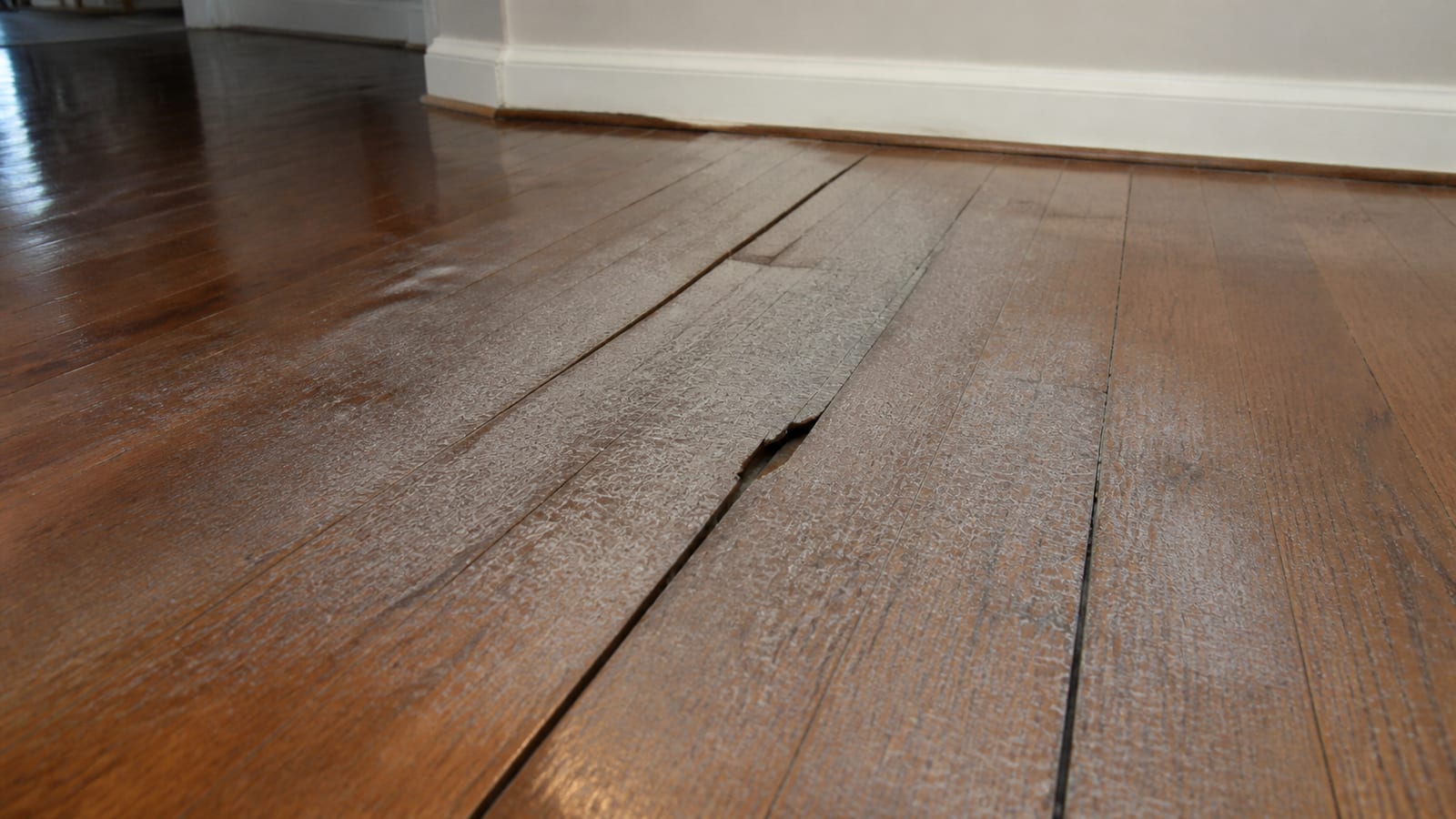
The single decision that shapes a water damage job is made in the first hour, and it is not about equipment. It is about what the water actually is. A supply line that let go under a sink and groundwater pushing through a foundation wall can produce the same puddle on the same floor, and they call for different work, different protective equipment, and different answers about what stays in the building. Get that decision right and everything downstream follows sensibly. Get it wrong and you either throw away material that could have been dried, or you dry material that should have gone in a skip. Our water damage restoration page covers the method in general; this is about making that first call on an Alpine property, where the ground makes it harder than usual.
Key Takeaways
The source sets the scope
Clean supply water, water that has picked up contamination, and sewage or floodwater are three different jobs with three different outcomes.
Alpine is mostly on septic
The Borough's own plan says most properties rely on septic rather than public sewer, which changes what a lower level water event might be.
Two days is the working window
EPA guidance is to clean and dry a home and its contents within 24 to 48 hours where possible.
A flooded finish floor is not fanned dry
Ruined porous material comes out, then the structure underneath is dried and verified before anything is rebuilt.
Photograph before you move anything
EPA advises contacting the insurer and taking pictures before cleanup starts. The carrier decides coverage, not the contractor.
The Three Kinds of Water
The restoration trade sorts water into three categories, and although this is industry practice rather than New Jersey law, the logic behind it is sound and worth understanding as a homeowner. Category one is clean at the source, the water in your supply pipes before it touches anything. Category two carries enough contamination to make someone unwell if they drank it. Category three is grossly unsanitary, sewage being the obvious case, along with floodwater that has run across ground, roads and drainage on its way in.
The part people miss is that these are not fixed. Categories one and two both deteriorate with time, so a clean supply leak that sat for three days in a warm closed room is no longer the job it was on the first morning. The category is set by the source and by what the water has touched since, never by how it looks. Clear water can be badly contaminated and dirty looking water can be clean at source.
That is why the first question a competent technician asks is not what needs drying, but where did this come from and what has it run through. Until that is settled, decisions about what to keep are guesses.
Why Alpine Makes That Question Harder
Most of the borough is not on public sewer. Alpine's own adopted 2025 housing plan states that the majority of properties rely on septic, and the same plan identifies shallow bedrock and high groundwater across the borough, along with slopes over 15 percent, wetlands and protected streams with buffers running from 50 to 300 feet.
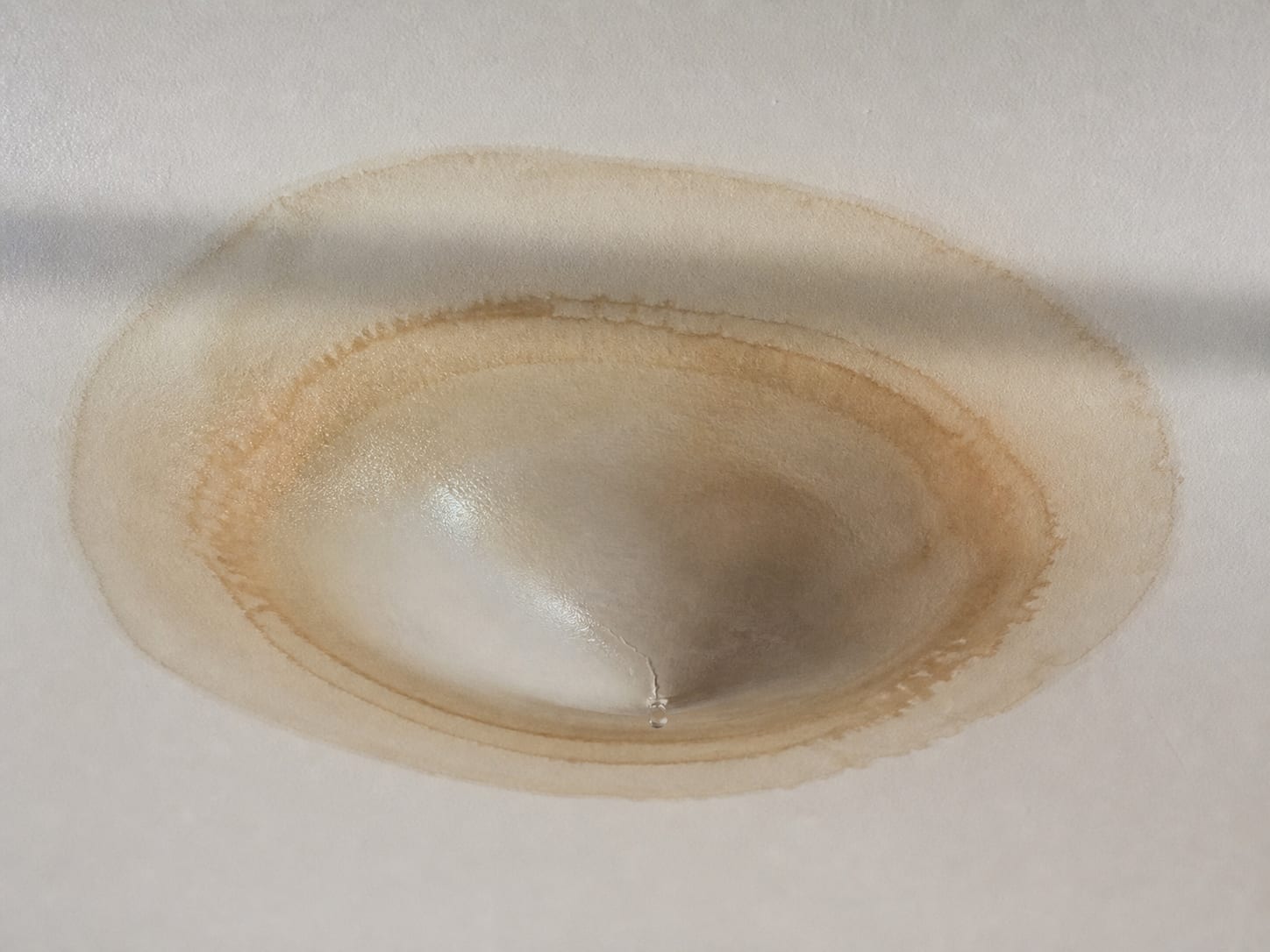
Put those facts together and a lower level water event in Alpine has more candidate explanations than it would on a flat lot with a sewer connection. It could be interior plumbing, which is clean at source. It could be groundwater arriving through the foundation, which is not. It could be surface water driven downhill by a grade that stopped working. Or it could be wastewater, which is the one nobody wants and the one that most changes the response.
Those four look similar on a floor. They differ enormously in what happens next, and the difference is decided by investigation rather than by inspection of the puddle. Where the answer turns out to be drainage or septic rather than the building, the Borough routes those separately: seepage pit and drainage questions go to the Borough Engineer, and septic matters go to the Alpine Health Department. Knowing that before the first phone call saves a day.
The housing stock reinforces the point. In the 2023 five year American Community Survey estimate reported in the Borough plan, 556 of 593 units, or 93.8 percent, were single unit detached houses, and there is effectively no commercial district, with commercial uses under one percent of borough land. So these are whole house events, on individual sites, with individual drainage. There is no template.
The First Day, in Order
Safety comes before everything, and the specific hazard is electrical. Do not enter standing water near energized equipment, and if power can be shut off from a dry location, do that first. If you are running a generator, EPA is specific that it belongs outside and at least 20 feet from the building.
Then documentation, before anything moves. EPA advises contacting your insurer and photographing the home and belongings before cleanup begins, and that sequencing matters because the evidence disappears the moment the work starts. Photograph the rooms, the contents, the water line on the wall, and whatever you can see of the source.
Then source control and extraction. Stop the leak if it is interior and reachable. Get standing water out. EPA's guidance is to clean and dry the home and its contents within 24 to 48 hours where possible, and that window is the reason speed matters more than perfection at this stage.
How a Water Loss Actually Sequences
- 1
Make it safe
Power off from a dry location where possible, no standing water near live equipment, generators outside and well clear.
- 2
Photograph everything
Before anything is moved or discarded, and before the insurer is even on the phone.
- 3
Classify the water
Source and contact history, which decides what can be kept and what protection the work needs.
- 4
Extract and remove
Standing water out, then the porous material that cannot be thoroughly cleaned and dried.
- 5
Dry the structure
The exposed subfloor, framing, slab and cavities, with moisture readings rather than an opinion.
- 6
Verify, then rebuild
Only once the assembly is measurably dry, and with permits where the work reaches regulated trades.
What "Dry It Out" Actually Means
There is a persistent idea that a flooded finished floor gets saved by putting fans on it. It does not, and the reason is that the wet layers are underneath. Carpet and pad, engineered flooring, drywall bottoms and insulation hold water against the structure, so drying the surface leaves the assembly wet and the problem intact.
EPA's own cleanup guidance is direct about this: anything that cannot be cleaned and dried should be discarded, carpet and backing need drying within 24 to 48 hours, and ceiling tile and cellulose or fiberglass insulation are replaced rather than dried. So the honest description of the work is removal first, then structural drying of what remains, then verification, then rebuild.
That sequence is the same regardless of category. What the category changes is how much comes out and what protection the work needs while it happens. A clean supply release caught quickly may need very little removed. A sewage or floodwater event means restricted access, protective equipment, controlled removal of everything porous that the water touched, cleaning of the hard surfaces worth keeping, and drying before anything closes up.
When the Rebuild Needs a Permit
Emergency mitigation is one thing and reconstruction is another, and the boundary catches people out. New Jersey's Uniform Construction Code allows ordinary maintenance without a permit, but it specifically excludes work that cuts load bearing walls or beams, affects structural or fire safety, changes required egress, or adds, alters, replaces or relocates water, sewer, drainage, gas, waste or vent piping, or electrical wiring.
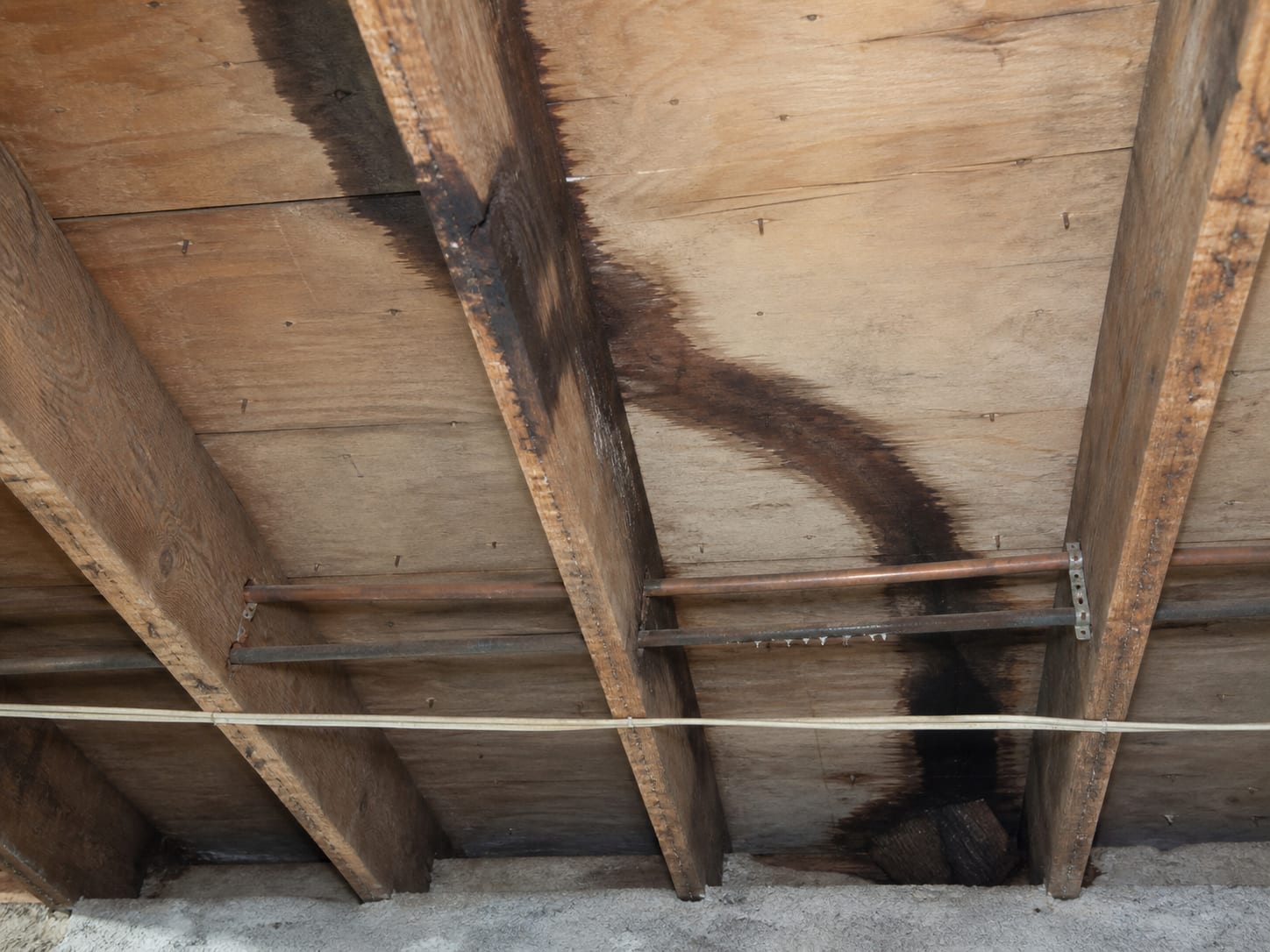
Water loss reconstruction reaches at least one of those exclusions more often than not. Replacing a section of wall is one thing; moving a supply line, rewiring an outlet that sat underwater, or opening framing is another. The right move is a written determination from the Construction Official rather than an assumption that repair after a leak is automatically permit free.
Alpine's route is published. UCC applications use form F100 plus the applicable technical sections for building, electrical, plumbing, fire and mechanical work, and inspections are by appointment, with building, plumbing and mechanical, electrical and fire windows running Tuesdays and Thursdays. If the property sits in a regulated flood area, there is a further layer: the Borough's site plan code prohibits development in a delineated floodway and allows flood fringe work only where the Borough Engineer finds the first floor is above flood level and the work will not significantly increase flooding elsewhere. That is a rebuild and design question rather than a reason to delay making the building safe and getting it dry.
What Moves the Cost
Nobody can price a water loss from a phone description, and the reason is that six or seven independent things move the number.
A scope worth signing separates mitigation from reconstruction so you can see which is which. That separation is also what lets you compare two estimates honestly, because an attractive number that has quietly folded the rebuild into a single line is not comparable to one that has not.
On insurance, keep one thing in mind before you assume: FEMA's flood insurance material notes that basements carry limited building coverage and very limited personal property coverage under the National Flood Insurance Program. Coverage generally turns on your policy and the cause of loss, so photograph early, keep the moisture records, invoices, permits and disposal receipts, and let the carrier make the determination.
Frequently Asked Questions About Water Damage Restoration in Alpine NJ
How fast do I actually need to move?
EPA's guidance is to clean and dry the home and contents within 24 to 48 hours where possible, and the reason is biological rather than cosmetic: standing water and wet materials support bacteria, viruses and mold. Practically, the first few hours are for safety, photographs, stopping the source and getting standing water out. The rest of that window is for removing what cannot be saved and getting air and dehumidification onto the structure.
Can we stay in the house?
It depends on how much is affected, whether there are electrical or structural hazards, what the water category is, and whether the work can be isolated behind containment. There is no borough wide rule. One thing is worth knowing regardless: EPA identifies children, pregnant people, and people with weakened immune systems or chronic breathing problems as those who should not take part in cleanup.
My lower level took water after heavy rain. Is that a flood claim?
That is exactly the question worth slowing down for, because rainfall arriving indoors can be groundwater, surface runoff, a drainage failure, a plumbing coincidence, or wastewater, and in Alpine the septic factor makes the last one a live possibility rather than a remote one. The classification drives both the restoration scope and the insurance conversation, so it should be established and documented rather than assumed.
Do I need a mold test afterwards?
Not automatically. A clean loss that was found quickly, dried properly and verified with moisture readings usually does not need one. A mold inspection earns its place when drying was delayed, when there is visible growth or a persistent odour, or when something needs documenting for a claim or a sale.
What should the contractor be giving me?
Ask for the documented affected area, the source and category decision with the reasoning, a list of what was removed and why, moisture readings with the target values, an equipment log, and the condition required before rebuild starts. Those are ordinary working records rather than special paperwork, and a job that cannot produce them is a job you cannot check.
Who fixes the actual leak?
Whoever owns that trade, and it is worth being clear that mitigation and source repair are separate scopes. If the source is a roof, a supply line or an appliance, that is a repair. If it is drainage or septic, Alpine routes those to the Borough Engineer and the Health Department respectively. Drying a building while the water is still arriving is a job nobody should be selling.
Final Thoughts
Water damage work looks like equipment and it is really about judgement, and almost all of the judgement is spent in the first hour on one question: what is this water and where has it been. Everything after that follows, including the uncomfortable parts about what has to come out.
Alpine sharpens that question rather than changing it. A borough on the Palisades with shallow rock, high groundwater, steep ground and most properties on septic gives a lower level event more possible explanations than the same event would have elsewhere, and the difference between two of those explanations is the difference between drying a floor and removing it.
If you have water in a building now, ExecPro Restoration & Cleaning will make it safe, establish where the water came from and what it has touched, and separate what can be dried from what has to go before anything gets closed up. Where the structure needs putting back afterwards, post water damage reconstruction picks up once the assembly is measurably dry. Call (888) 300-3772 or reach us through the contact page.
Terms You Will Hear
Tap a term to see what it means.
Category. The classification of water by its source and what it has contacted, which decides what can be kept and how the work is protected.
Serving Alpine
ExecPro Restoration & Cleaning provides mold remediation services in Alpine, NJ, from inspection and testing through removal, drying, and post-remediation verification. Call (888) 300-3772 for 24/7 emergency response.
Related Articles
Water Got Into Your New Jersey Home in the Nor'easter: The First 48 Hours
Water got into your New Jersey home in the September nor'easter? What is safe to touch, what to photograph, and how to start drying in the first 48 hours.
Water Damage Restoration in Warren, NJ: The First 72 Hours
After the water stops in a Warren, NJ home the clock starts. Extraction, drying, what gets removed, what the Township needs, and how the days actually run.
A Map of the Water: Mold Inspection in Alpine, NJ
An inspection here is worth what it establishes about where water enters and travels, which on a large Alpine lot with shallow rock and a septic field is a longer list than most people expect.