
Water Got Into Your New Jersey Home in the Nor'easter: The First 48 Hours
Cal HewittPublished
- water damage restoration
- storm damage
- structural drying
- new jersey
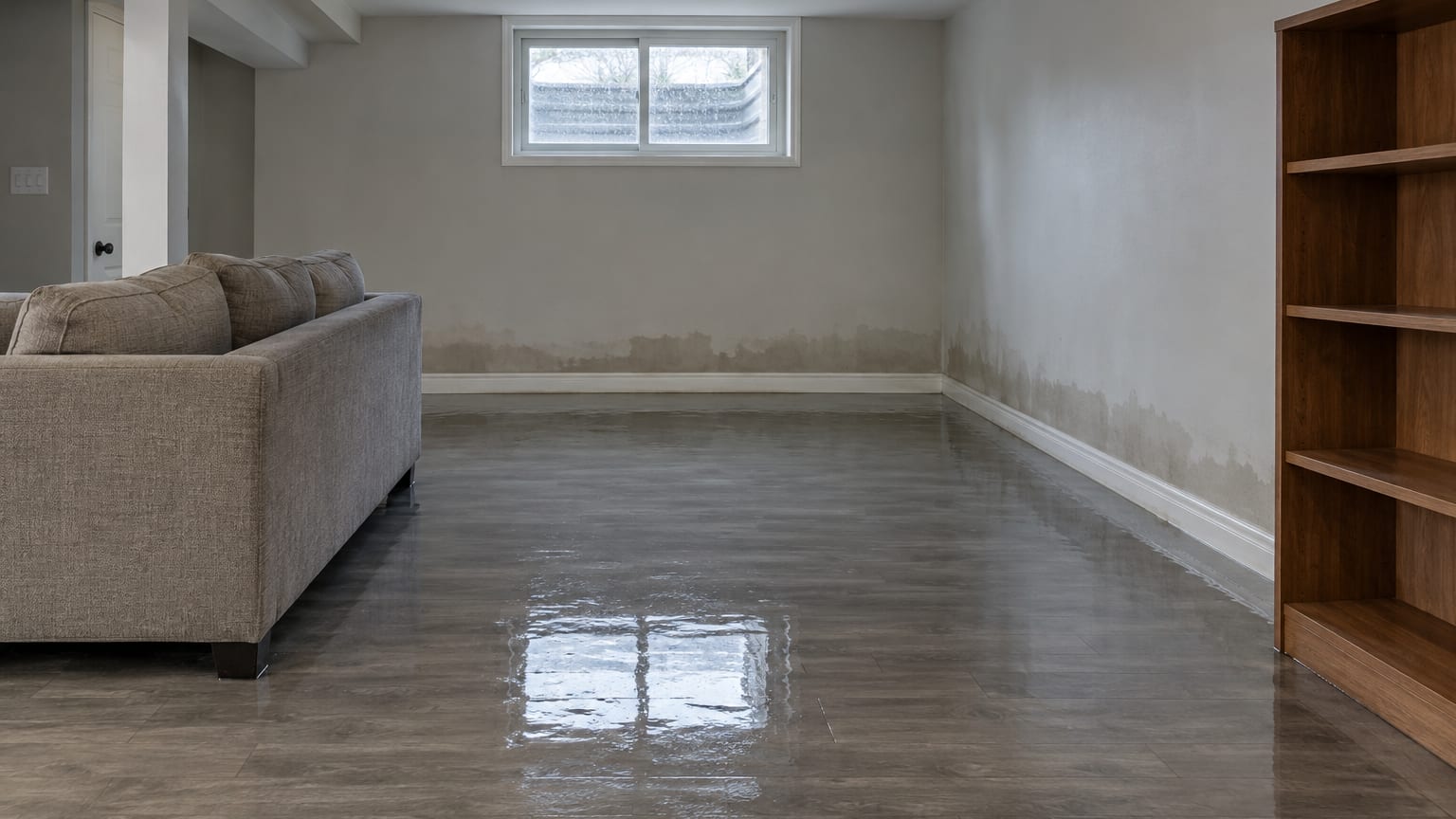
You walked downstairs, opened a door or looked up at the ceiling, and saw water where it should not be. Water damage after a nor'easter in New Jersey can look small on the surface and still be spreading behind the wall, under the carpet or above the ceiling. The rain and wind have been rough, and the forecast has kept going into Monday, so you may still be hearing it against the house as you read this. You do not have to fix everything tonight. You have to keep people safe, record what happened and start the drying clock in the right order. We will take it in three windows, the next hour, the next day and the next week, so you always know what comes next.
Key Takeaways
Safety first
Stay out of standing water if outlets, wiring, appliances or the panel may be wet, and turn power off only from a dry spot.
Record before you move anything
Photograph and video each room, the water line and the entry point, then call your insurer and write down the claim number.
The drying window is 24 to 48 hours
EPA uses it as a target for preventing mold, and it applies to clean water only.
Fans have limits
If visible mold is already present, fans can spread it, so hold off and call for an assessment.
Watch the next week
Musty odor, staining, peeling paint or swollen drywall means moisture is still there and should be evaluated before anything is painted or rebuilt.
The Storm Left Water Where You Can See It and Where You Cannot
Governor Mikie Sherrill declared a State of Emergency on September 25 for Atlantic, Burlington, Cape May, Cumberland, Middlesex, Monmouth, Ocean and Salem counties. Executive Order No. 25 named coastal and bayside areas as the hardest hit, with repeated tidal flooding and roads that could become impassable. The National Weather Service then issued a coastal flood advisory on September 28 covering Middlesex, western Monmouth and eastern Monmouth, with up to 1 foot of water above ground level in low-lying areas near shorelines and tidal waterways until 2 p.m. Monday.
Conditions differ from one street to the next, so follow the current warning from your municipality, your county and the National Weather Service for your exact address.
Inside, the water you can see is only part of the job. Water can soak into insulation, subfloors, carpet padding, ceilings and heating equipment, and a basement or entry area can keep absorbing moisture after the puddle is gone.
Your First 48 Hours, in Order
- 1
Protect people
Keep children, older adults, anyone with asthma or another breathing condition, and anyone with a weakened immune system away from the water and the cleanup.
- 2
Check the electricity
Do not touch wet electrical equipment or stand in water near it. If the power can be shut off from a dry, safe spot, turn it off there. Otherwise, call an electrician or your utility.
- 3
Photograph before cleanup
Take photos and video before you move, wring out or throw away anything, then call your insurer.
- 4
Start drying within 24 to 48 hours
Once the electrical and contamination hazards are under control, pull out standing water and begin drying. Use fans and dehumidifiers only when the power is safe and the water is clean.
- 5
Sort what can be saved
Cleanable hard items can be washed and dried. Porous materials that are swollen, moldy or saturated are the hard calls.
- 6
Watch the week
Confirm that whatever let the water in is fixed, keep daily notes, and have lingering moisture or visible mold evaluated before it is painted over or rebuilt.
Spend the First Hour on Electrical, Gas and Floodwater Safety
Start with people. Keep children, older adults, anyone with asthma or another breathing condition, and anyone with a weakened immune system away from the water and the cleanup. EPA's flood cleanup guidance says children should not take part in disaster cleanup.
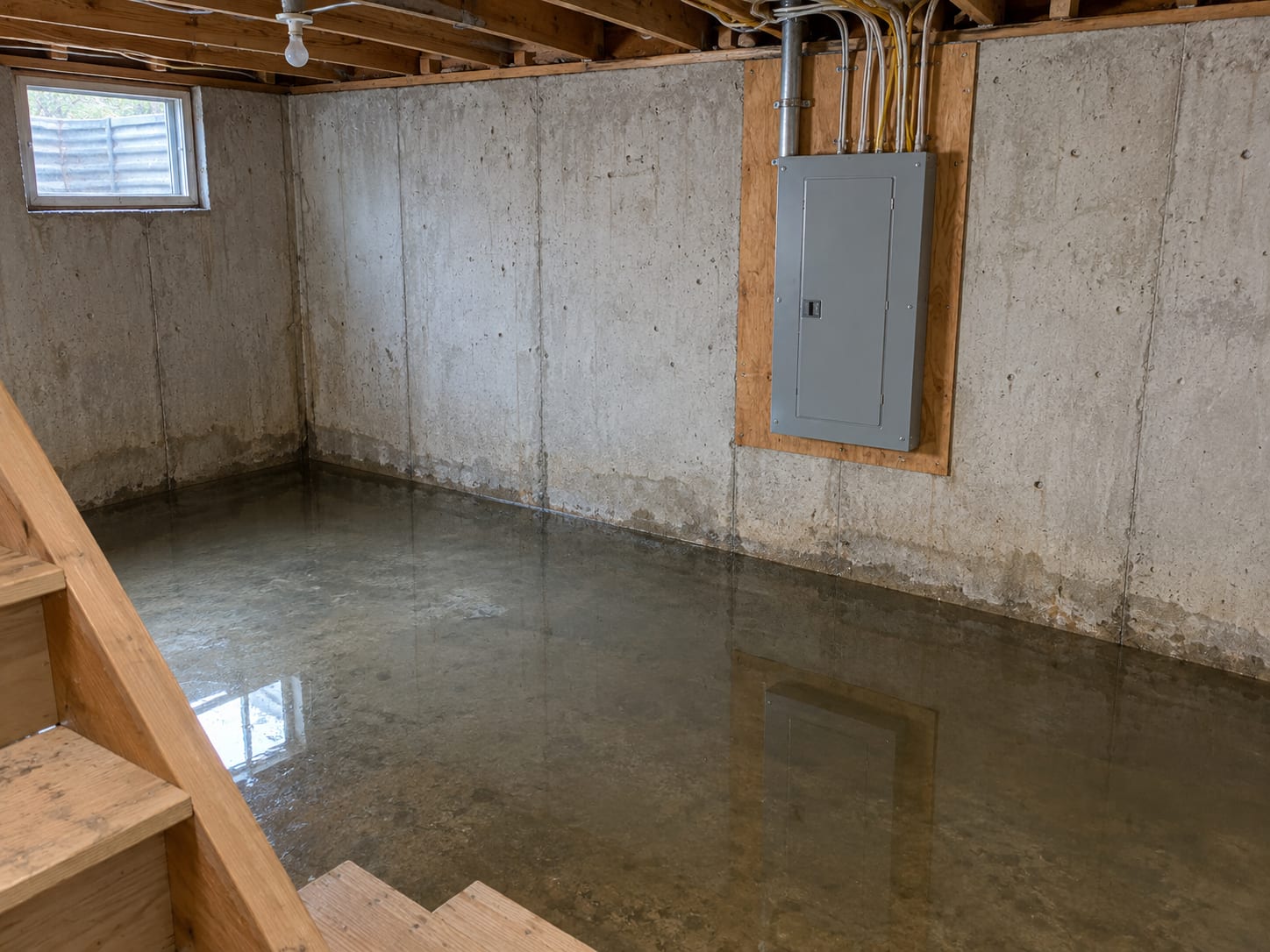
Then look at the electricity. Do not touch wet electrical equipment, and do not stand in water while you are near it. If the power can be shut off from a dry, safe spot, turn it off there. If getting to the panel means wading through water, stay out and call an electrician or your utility. A qualified electrician should check wet equipment before anyone turns it back on.
Stay out of the building altogether if you see or smell any of these:
- Downed or loose power lines: Stay well away and report them to the utility. JCP&L has warned residents to keep clear of downed wires and flooding.
- A gas odor: Leave and call from outside.
- Sagging ceilings or unstable floors: These can fail without warning.
- Contaminated water: Floodwater can carry sewage, chemicals and bacteria, no matter how it got in.
If you run a portable generator, keep it outside and at least 20 feet from the building, away from doors, windows and vents. When you do begin cleanup, EPA lists an N95 respirator, goggles and protective gloves as the minimum protection, plus boots or work shoes.
Photograph Everything Before Cleanup Begins
Once the space is safe to enter, take photos and video before you move, wring out or throw away anything. Shoot wide views of each affected room, then close views of the water line, stains, swollen or buckled materials, wet insulation, ceiling openings, and the window, door or roof spot where the water came in. Photograph model numbers, serial numbers and labels on damaged appliances.
Write down the date and approximate time you first saw the water, where it seemed to come from, and whether it was rising, falling or still coming in. The New Jersey Department of Banking and Insurance recommends that you contact your insurer as soon as possible, record the claim number and the adjuster's information, and photograph damaged property before disposing of it.
What to Photograph and Write Down
Wide views
Each affected room, before you move, wring out or throw away anything.
Close views
The water line, stains, swollen or buckled materials, wet insulation, ceiling openings, and the window, door or roof spot where the water came in.
Appliance labels
Model numbers, serial numbers and labels on damaged appliances.
Date and time
When you first saw the water, where it seemed to come from, and whether it was rising, falling or still coming in.
Insurer details
Contact your insurer as soon as possible, and record the claim number and the adjuster's information.
Keep the damaged items themselves when it is safe to do so, because the company may want to inspect them. Temporary measures are fine and often expected: cover a broken window, or set a bucket under a ceiling drip. Hold permanent repairs until the adjuster has looked, unless the insurer tells you otherwise.
Start Drying Within 24 to 48 Hours, and Sort What Can Be Saved
Once the electrical and contamination hazards are under control, you can begin pulling out standing water and drying. EPA treats 24 to 48 hours as a drying target for preventing mold. It is a target, not a promise. Mold can still develop even when materials dry inside that window, and the target applies to clean-water damage. If the water may hold sewage or chemicals, the cleanup needs more protection and often a professional.
Use fans and dehumidifiers only when the power is safe and the water is clean. If you can already see mold, run no fans, since they can spread it.
Then sort your belongings. Cleanable hard items, such as plastics and metals, can usually be washed with water and mild detergent and dried. Porous materials that are swollen, moldy or saturated are the hard calls. EPA's clean-water guidance gives these directions:
Hover or tap a row to highlight it.
| Material | What EPA supports |
|---|---|
| Carpet and backing | Extract water and speed drying with fans; both should dry within 24 to 48 hours, and the subfloor must be cleaned and dried too |
| Drywall | May be dried in place if it is not visibly swollen and the seams hold; otherwise remove and replace, and ventilate the wall cavity |
| Fiberglass and cellulose insulation | Discard and replace |
| Ceiling tiles | Discard and replace |
| Concrete or block | Extract water and dry with dehumidifiers, fans or heaters |
| Hard-surface flooring | Clean, extract water and dry; check and dry the underflooring |
| Upholstered furniture | May be dried, but full drying in 48 hours is difficult; prized pieces may need a specialist |
How long a material stayed wet, whether the water reached the wall cavity or heating equipment, and whether you can get to the layer underneath all change the answer. Moisture readings settle what looks dry versus what is dry. Our team uses moisture meters and thermal imaging for that, and the IICRC S500 standard covers how water damage is classified and dried.
Water Left Wet Too Long Turns Into a Mold Problem
Mold needs two things, moisture and something to grow on, and a flooded house offers both. EPA advises that if a flooded home and its contents could not be dried within 24 to 48 hours, you should assume mold may be growing. It can show up on drywall, furniture, clothing, books and cardboard, and it can sit out of sight under carpet, behind cushions or inside walls. The New Jersey Department of Health adds drywall, ceiling tiles, wood framing, attics, basements and crawl spaces to that list.
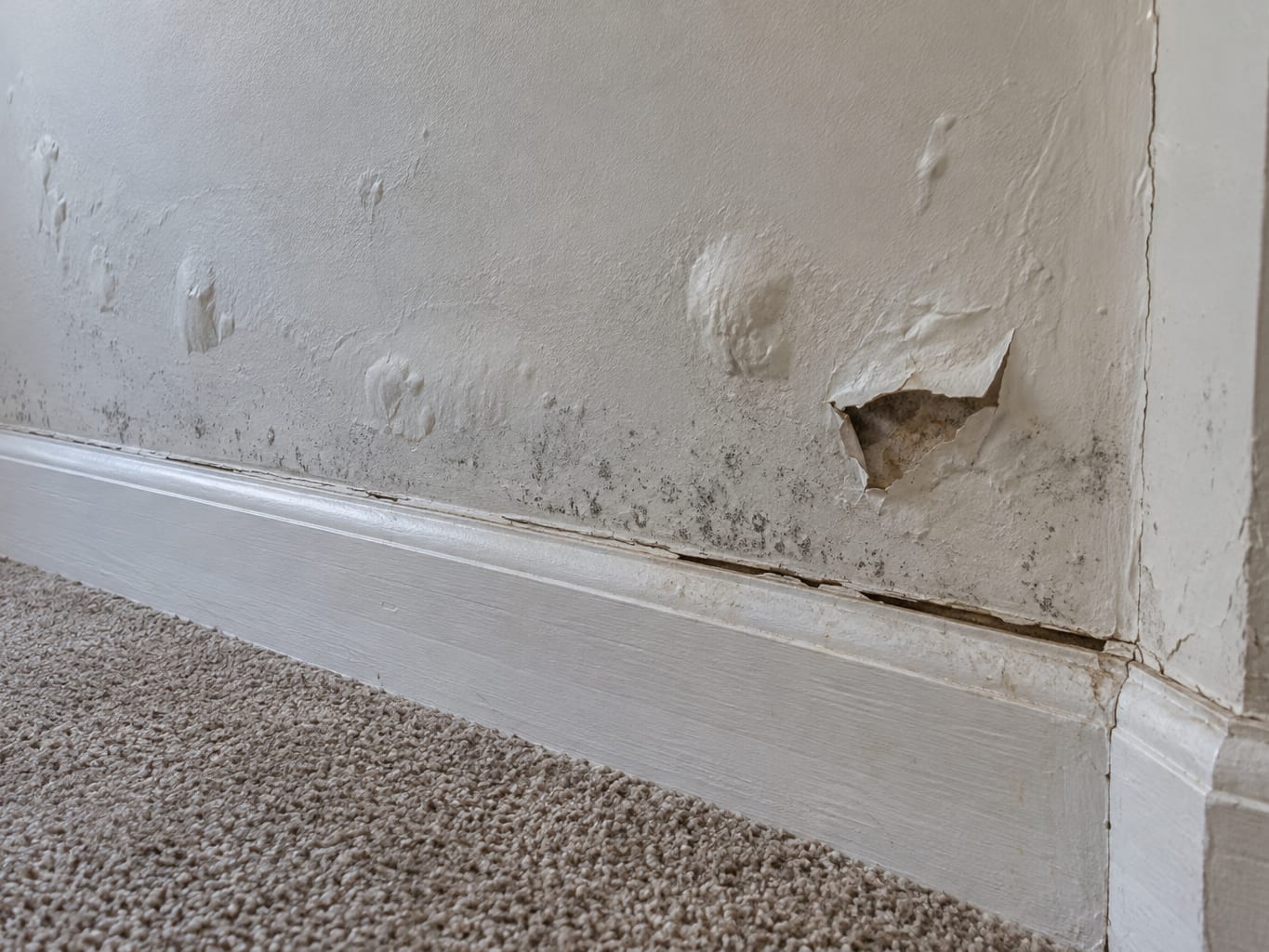
Over the coming days and weeks, watch for:
- Odor: A musty or moldy smell that returns after you clean.
- Surface changes: Peeling paint, bubbling finishes, cracked drywall tape or swollen drywall.
- Floors: Warped or buckled boards, or delaminated subfloor panels.
- Staining: Discoloration that spreads, returns or appears after the surface seemed dry.
- Symptoms: Eye, nose, throat or skin irritation or asthma symptoms that ease when you leave the building.
The state's mold guidelines suggest a qualified contractor for affected areas larger than 100 square feet and professional advice for areas between 10 and 100 square feet. New Jersey does not certify mold companies, so ask any contractor for a written plan before work starts.
Keep Records That Match What the Insurer Will Ask For
Build a room-by-room inventory listing the item, its condition, when and for how much you bought it, and what a replacement would cost. Keep receipts for temporary repairs, water extraction, drying, protective materials and lodging. Save every message with the insurer, adjuster, landlord, utility and contractor. When a professional dries the structure, ask for moisture readings, drying logs and a written scope of work as well.
Ask your insurer how the loss is being classified, whether wind-driven rain, a roof leak, sewer backup, surface water or rising floodwater. The DOBI guidance says those causes can be treated differently. It also says flood insurance is separate from standard homeowners, condominium and renters policies, and that a flood policy generally takes 30 days to take effect after purchase. If the insurer denies part of a claim, it must explain the exclusions.
One point belongs here, below the guidance. A state of emergency declaration does not promise insurance coverage, and your policy language decides what is paid.
Ask a Restoration Company for a Documented First Visit
When you call a professional, ask what the first visit covers. It should start with an assessment that separates visible from hidden moisture and tells you whether the water may be contaminated. The crew should record affected materials before removing them and tell you what can be dried in place. You should also get a monitoring plan with a timeline, and a clear line between emergency work and permanent repair.
That is how we work at ExecPro Restoration & Cleaning. Our water damage restoration process includes extraction, commercial air movers and dehumidifiers, repeated moisture readings with equipment adjustments, and a final inspection with documentation. We follow IICRC S500-based procedures and keep photo documentation, drying logs and moisture reports that insurers commonly ask for. For active water or a problem that cannot wait until morning, our 24-hour response applies, and our storm damage restoration work covers storm water and wind damage. Ask for an expected arrival window at your address and what work can begin on the first visit.
What to Ask For on a First Visit
An assessment
It should separate visible from hidden moisture and tell you whether the water may be contaminated.
Records before removal
The crew should record affected materials before removing them.
What can be dried in place
A clear answer on which materials can stay where they are and be dried.
A monitoring plan
A timeline for drying and monitoring.
Emergency versus permanent work
A clear line between emergency work and permanent repair.
An arrival window
An expected arrival window at your address, and what work can begin on the first visit.
Confirm the Repairs Held and Keep Notes Through the Week
By the end of the week, make sure whatever let the water in is fixed. That might be a roof leak, a window, a foundation crack or a drain, and until it is corrected, drying only buys you time. Keep daily notes on moisture, odors, changes you can see, equipment running, who you spoke with and what work was done.
If you rent, tell your landlord or property manager in writing, and report leaks that stay unrepaired to your local building-code office. That office can act on leaks and plumbing problems, which local health and state offices generally cannot do for mold itself.
Ask your municipality where damaged materials should be placed for collection. Have any lingering moisture or visible mold evaluated before it is painted over or covered by new drywall and flooring.
Frequently Asked Questions About Water Damage After a Nor'easter in New Jersey
Is it safe to turn off the power if my basement has water in it?
Only if you can reach the panel from a dry spot without standing in water. If you cannot, stay out and call your utility or an electrician.
Should I run fans right away?
Once the power is safe and the water is clean, fans and dehumidifiers help. If you can see mold, hold off, because fans can spread it.
Can I throw out ruined carpet and drywall right away?
Photograph and list them first, and ask your insurer or adjuster what must stay available for inspection.
How do I know if water is inside my walls?
Look for stains that appear later, peeling paint, swollen drywall and a musty smell. Moisture meters and thermal imaging can confirm it without opening every wall.
Test Your First 48 Hours Knowledge
1. How long is EPA's drying target for preventing mold?
2. What should you do about fans if you can already see mold?
3. What does EPA support for wet fiberglass and cellulose insulation?
4. Where should you be when you shut off the power?
Pick an answer to begin.
Wrapping Up
Start with safety, then record the damage, then dry what can be dried within 24 to 48 hours and sort out what cannot. Over the next week, keep notes and watch for odor, staining and swollen materials. Water that stays in a wall, insulation or subfloor is the kind that leads to mold, so a moisture reading is worth more than a guess.
Acting in the right order protects your health, keeps your claim documentation clean and gives the structure its best chance of drying without a rebuild.
If you are in New Jersey and water is still in your home, call ExecPro Restoration & Cleaning. We handle water extraction, structural drying, mold remediation and the reconstruction that follows, and we can walk you through what is safe to do while you wait for us. Contact us with your address and what the water reached, and we will start with a documented first visit.
Storm Water Terms
Tap a term to see what it means.
IICRC S500. The standard that covers how water damage is classified and dried.
Related Articles
Storm Damage Restoration in Robbinsville, NJ: Downed Trees, Long Outages and Drying Without Power
Trees on the roof and the power out for days: see how storm damage restoration in Robbinsville, NJ closes the opening, dries without power and starts a claim.
Water Damage Restoration in Livingston NJ: From Hour Zero to Move-Back Day
Stopping the water is step one of about nine. A Livingston, NJ loss runs from source control through verified drying to the final call on each material.
Commercial Storm Damage in New Jersey: The First 72 Hours for a Business
Commercial storm damage restoration in New Jersey: what to do in the first hour, day and 72 hours, from safe entry to drying and insurance records.