
Storm Damage Restoration in Robbinsville, NJ: Downed Trees, Long Outages and Drying Without Power
Cal HewittPublished
- storm damage restoration
- storm damage
- structural drying
- robbinsville nj
- new jersey
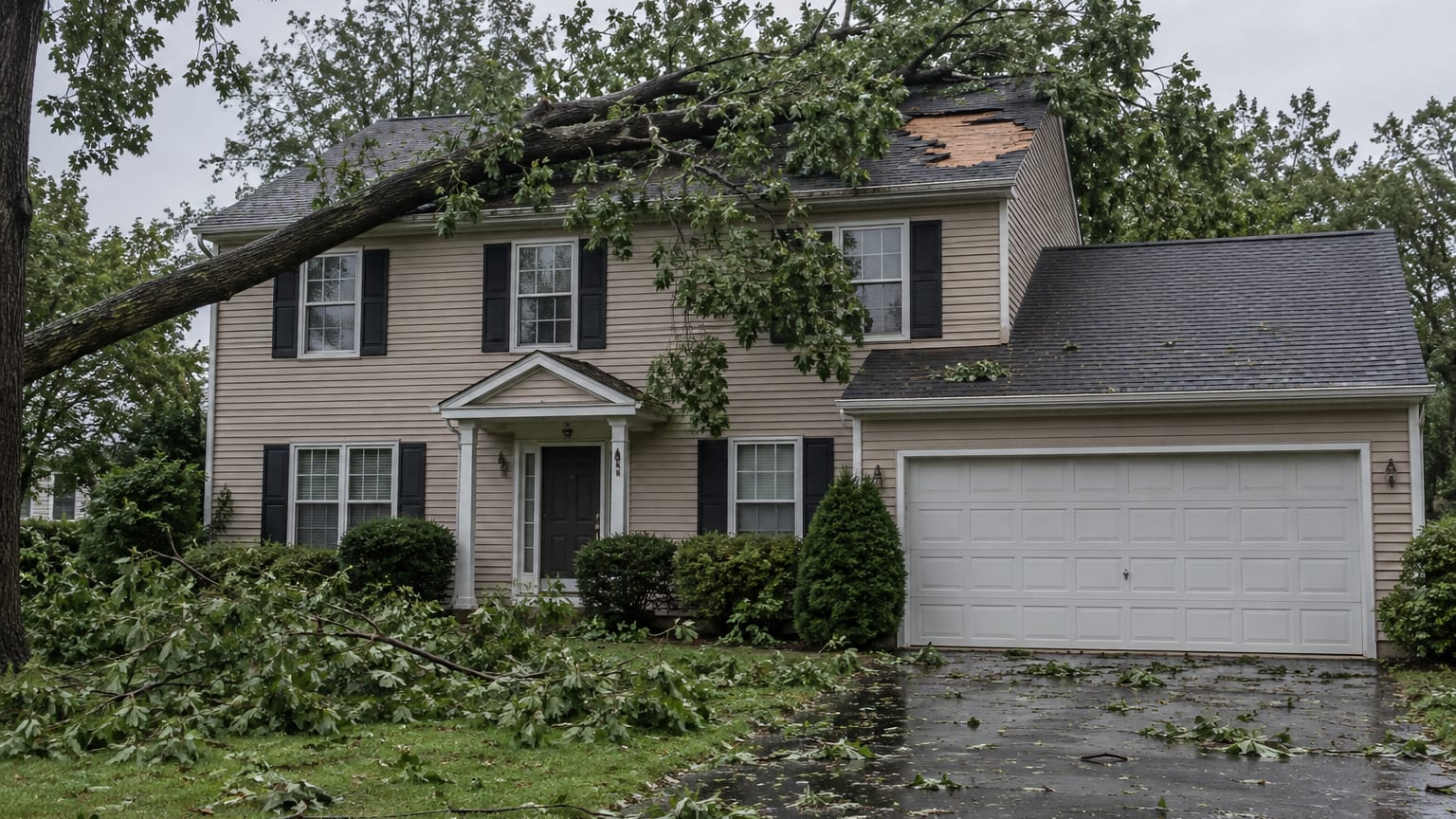
A limb or a whole tree is on the house, part of the roof is torn open or a window is gone, and the power may be out for days. You need the opening closed before the next rain, you need the house kept dry without a sump pump or a dehumidifier, and every step you take feels like it could hurt the insurance claim. Storm damage restoration in Robbinsville, NJ starts tonight, with a short list of things to do and a few things to leave alone. Nobody expects you to fix the roof by yourself in the dark, and the safest choices are usually the simplest ones. Take the safe steps in order and keep records as you go.
Key Takeaways
Stay off a damaged roof
Protect the opening with a secure temporary barrier from a safe position, or call a professional, and photograph before you move anything.
Power and fuel hazards come first
Keep clear of downed lines and wet electrical equipment, and run any generator outdoors at least 20 feet from the building.
A long outage stops the drying
After Superstorm Sandy in 2012, outages in Robbinsville lasted from two to ten days in different areas, and sump pumps, dehumidifiers and HVAC need power, so ask how drying will be powered.
24 to 48 hours is a prevention window
EPA points to that window for drying wet materials, and it also says drying can take several days to weeks even when surfaces look dry.
The claim starts with a call
Call the insurer promptly, record the claim number and the adjuster's contact details, make temporary repairs, keep receipts and keep damaged property until the insurer has inspected it or authorized disposal.
A Tree on the Roof and the Power Out: Keeping Water Out Until Repairs
The first hour is about people, then the opening, then the paper trail.
Stay off a storm-damaged roof. A torn roof deck, a tree resting on it and wet shingles are a bad combination, and a fall will do more harm than the rain. Protect the opening with a secure temporary barrier from a position you can reach safely, or call a professional who can. The goal is a dry interior until permanent repairs can start, and it does not have to look neat.
Keep clear of downed lines and of any wet electrical equipment, including outlets, panels, cords and appliances. If it is safe, shut the power off through a dry, reachable location, or have an electrician do it. Do not use a generator, pressure washer, grill or fuel-burning appliance indoors or in a garage. EPA and CDC guidance places a generator outdoors, at least 20 feet from buildings, doors, windows and vents, because of the carbon monoxide risk.
Photograph the damage before you move anything. Take pictures of the tree, the roof opening, the broken window, the water on the floor, the wet ceiling and the rooms below. Stop the water source if you can do it safely. Keep children, pregnant people, anyone with asthma and anyone with a weakened immune system out of the cleanup. Then call your insurer.
If water is standing in the house, treat it with caution. If floodwater or sewage is involved, treat it as contaminated and avoid touching it with bare hands. Clean rainwater through a roof opening is a different kind of problem from surface flooding, and the difference affects both the cleanup and the estimate. If your storm water came from outside instead of through the roof, our post on flood damage cleanup in Robbinsville covers that case.
Commercial and warehouse buildings follow the same order of protecting people, closing the opening and documenting the damage.
What Did Superstorm Sandy Do in Robbinsville, and What Does It Mean for Your Drying Plan?
Robbinsville has been through a long outage before, and the record is specific. The 2016 Mercer County hazard-mitigation annex documents Superstorm Sandy in 2012. Downed trees and power lines closed roads for up to five days. Power outages lasted from two to ten days in different areas of the township. A tree fell into a house on Voelbel Road. In a 2016 risk table, the same annex ranked hurricane, severe weather and severe winter weather as high-risk hazards for Robbinsville, and the county plan also names thunderstorms and long rain.
Those are history and a dated planning ranking. The practical lesson is smaller and more useful. A long outage stops sump pumps, dehumidifiers and HVAC, and a drying plan needs power.
So, when you talk to a contractor, ask two things. Ask how the drying will be powered if the grid is down, and ask how crews will get to you if trees, lines or road closures block the street. A company that has answers to both is planning for the situation you are actually in.
What Does Storm Damage Restoration Include, and How Long Does It Take?
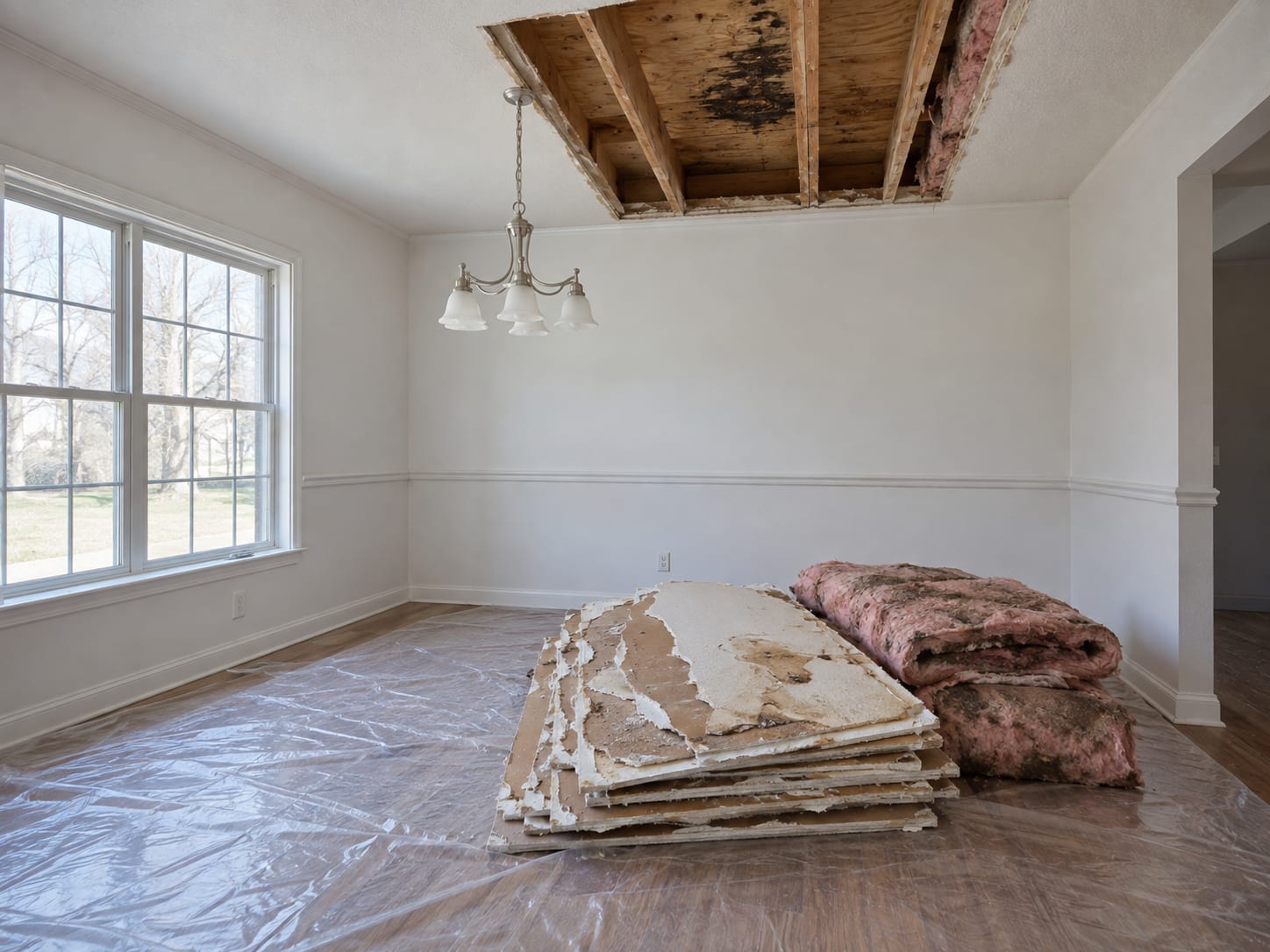
A storm restoration job goes through phases, and the same order works whether the opening was a roof, a window or a wall. First comes safety and emergency stabilization, which means confirming the building is safe to enter, closing roof and window openings with temporary weather barriers, securing fallen-tree or debris hazards, and isolating electrical hazards. Second is inspection and documentation of the visible damage, the water lines, the wet contents and the likely path the water took in. Third is water removal and debris handling, where standing water is extracted, wet contents and materials that cannot be cleaned and dried are removed, and anything that may be contaminated is set apart.
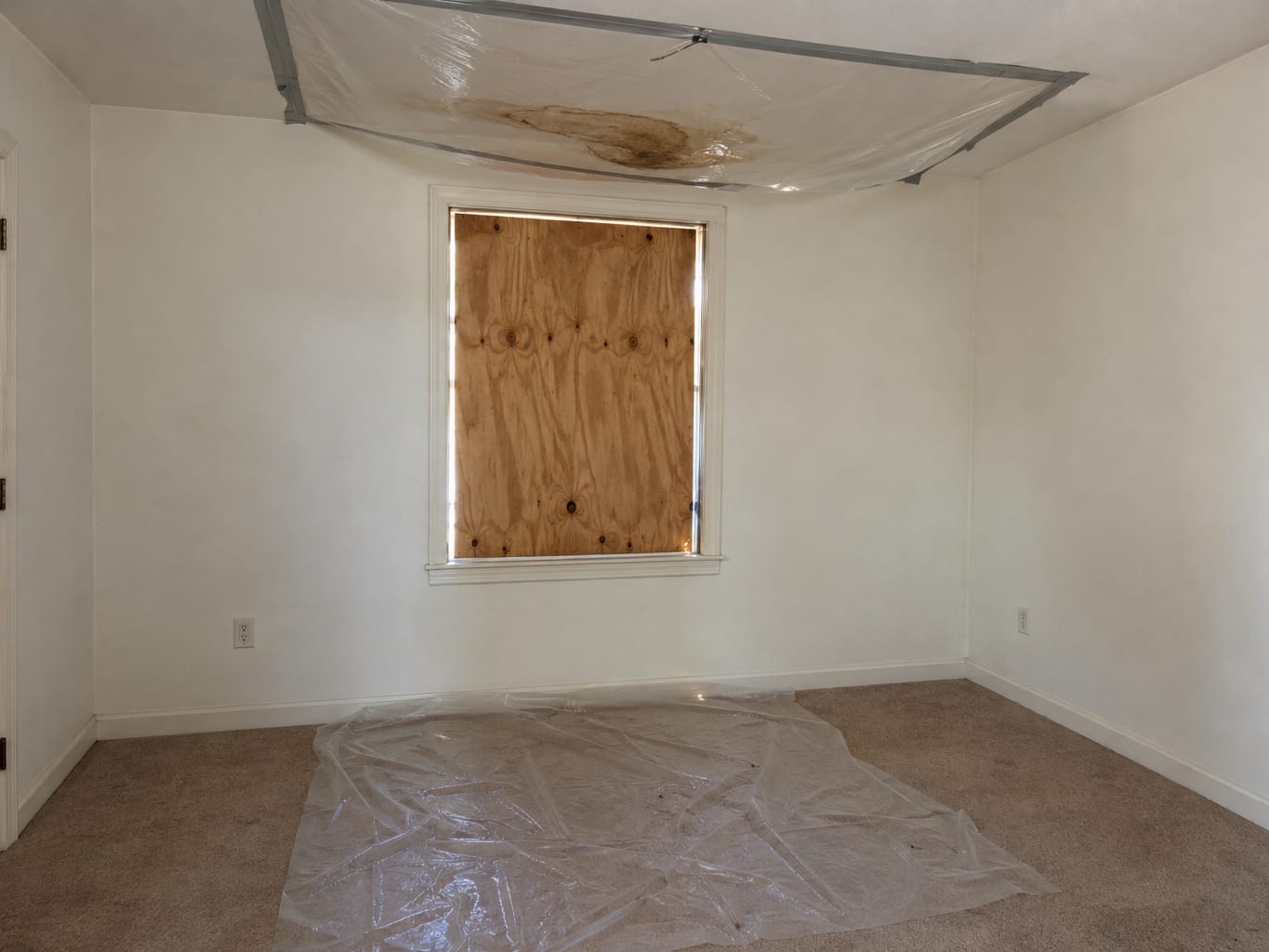
Fourth is structural drying with air movement, dehumidification and moisture monitoring. Fifth is cleaning, which includes managing any visible mold and using containment where mold or contaminated debris could spread. Sixth is repair and rebuild, once the structure is dry. The last step is confirming the building is clean, dry and free of musty odors before anyone moves back in.
The Phases of a Storm Restoration Job
- 1
Safety and emergency stabilization
Confirm the building is safe to enter, close roof and window openings with temporary weather barriers, secure fallen-tree or debris hazards, and isolate electrical hazards.
- 2
Inspection and documentation
Record the visible damage, the water lines, the wet contents and the likely path the water took in.
- 3
Water removal and debris handling
Extract standing water, remove wet contents and materials that cannot be cleaned and dried, and set aside anything that may be contaminated.
- 4
Structural drying
Air movement, dehumidification and moisture monitoring.
- 5
Cleaning
Manage any visible mold, and use containment where mold or contaminated debris could spread.
- 6
Repair and rebuild
This starts once the structure is dry.
- 7
Final check
Confirm the building is clean, dry and free of musty odors before anyone moves back in.
EPA recommends drying a flooded home and its contents within 24 to 48 hours where possible. It also says drying commonly takes several days to weeks, even after surfaces look dry, so the 24 to 48 hours is a target for preventing mold and not a completion date. Our structural drying work follows moisture readings to the finish, and our storm damage restoration team handles the roof-to-floor sequence.
Permits come in at the rebuild. Structural, electrical, plumbing and roofing rebuilds should go through the Robbinsville Construction Office, which asks residents to call when they are unsure whether a permit is needed. Emergency repairs can start before the permit. Rebuilding is the stage where a call to the office belongs on your list, since work that changes a structure or a building system may need review.
Ask for a schedule after the inspection, once the moisture mapping, material decisions, insurance review and permit review are done. No honest contractor can name a completion date over the phone during a storm.
What Can You Safely Do Yourself, and What Needs a Professional?
You can do the first-hour steps yourself: shut off the supply, photograph, close what you can safely reach and move dry contents away from the wet. The rest leans toward a professional as soon as the water is contaminated, widespread or hidden.
Do these yourself, if it is safe:
- Remove or isolate wet contents: Keep damaged items for the insurer's inspection when you can, and ask before you discard anything large.
- Protect yourself: In a contaminated cleanup area, wear at least an N95 respirator, sealed goggles, gloves, protective clothing and boots.
- Keep the chemicals apart: Never mix bleach with ammonia or other cleaning chemicals.
Hold off on these until a professional has looked:
- Fans over visible mold: Do not run fans across visible mold, because airflow can spread spores.
- A flood-affected HVAC system: Do not use it to dry the house, since it can spread contamination through the building.
- Demolition in older materials: Check older materials for lead-based paint and asbestos before demolition.
- Wet cavities: Do not close wall cavities or lay new flooring, paint or sealants until the materials underneath are dry.
Hover or tap a row to highlight it.
| Task | What to do |
|---|---|
| Remove or isolate wet contents | Do it yourself if it is safe, and keep damaged items for the insurer's inspection |
| Protect yourself in a contaminated cleanup area | Wear at least an N95 respirator, sealed goggles, gloves, protective clothing and boots |
| Cleaning chemicals | Never mix bleach with ammonia or other cleaning chemicals |
| Running fans across visible mold | Wait, because airflow can spread spores |
| Using a flood-affected HVAC system to dry the house | Wait, since it can spread contamination through the building |
| Demolition in older materials | Wait until the materials are checked for lead-based paint and asbestos |
| Closing wall cavities or laying new flooring, paint or sealants | Wait until the materials underneath are dry |
EPA recommends that children, pregnant people, people with weakened immune systems and people with chronic breathing problems such as asthma not take part in flood cleanup. If mold is visible or you cannot tell where the moisture is coming from, New Jersey's Department of Health says the building should be inspected to identify the moisture source. Our mold remediation team handles growth that starts after a storm.
How Do You Start the Insurance Claim Without Hurting It?
The steps that protect the claim are the same steps that protect the house. New Jersey's insurance department, in its guidance on claims after a storm, advises the following:
- Call the insurer promptly: Record the claim number and the adjuster's contact details.
- Make temporary repairs: Prevent further damage, and keep the receipts and bills.
- Photograph before discarding: Do it before any damaged property leaves the house.
- Keep damaged property: Hold it until the insurer has inspected it or authorized disposal.
A disaster declaration is not needed to file a claim. Standard homeowners policies generally exclude flood, and separate flood insurance may cover flood losses, so ask your agent what applies to a tree through the roof and what applies to water that came from outside. Temporary repairs to stop more damage are among the steps the insurance department advises, so make them and keep the receipts.
One rule matters if the water reached a flood-hazard area. New Jersey's community affairs department treats repair costs at or above 50 percent of a building's pre-damage market value as substantial damage, and the municipal floodplain administrator makes that determination. Its storm recovery guidance explains the details.
Why Does One Robbinsville Storm Job Cost More Than Another?
A price cannot be named from the town or the storm. A roof-only opening, clean rainwater through a window, a flooded basement and a fallen tree each produce a different scope. These are the drivers:
- Water volume and contamination: Standing water and floodwater or sewage take more protection, removal and cleaning than a small clean-water roof leak.
- Area affected: One room, a finished basement, several floors or an attic call for very different labor and equipment.
- Materials: Drywall, insulation, carpet, hardwood, cabinets, plaster, roofing, siding and framing each come out and go back differently.
- Access: Blocked roads, unstable trees and limited parking add time.
- Hidden damage: Water inside wall cavities, ceilings, subfloors or HVAC can expand the scope once the assemblies are opened.
- Containment and permits: Mold work, structural or electrical repairs and rebuilds can add containment, permits and inspections.
- Contents: Packing, cleaning, storage and disposal of belongings are separate items.
- Mitigation versus rebuild: Emergency extraction and drying come first, and the reconstruction is billed apart from them.
Hover or tap a row to highlight it.
| Driver | What it changes |
|---|---|
| Water volume and contamination | Standing water and floodwater or sewage take more protection, removal and cleaning than a small clean-water roof leak |
| Area affected | One room, a finished basement, several floors or an attic call for very different labor and equipment |
| Materials | Drywall, insulation, carpet, hardwood, cabinets, plaster, roofing, siding and framing each come out and go back differently |
| Access | Blocked roads, unstable trees and limited parking add time |
| Hidden damage | Water inside wall cavities, ceilings, subfloors or HVAC can expand the scope once the assemblies are opened |
| Containment and permits | Mold work, structural or electrical repairs and rebuilds can add containment, permits and inspections |
| Contents | Packing, cleaning, storage and disposal of belongings are separate items |
| Mitigation versus rebuild | Emergency extraction and drying come first, and the reconstruction is billed apart from them |
Ask for a written scope that separates emergency mitigation, drying, demolition, contents handling, cleaning and reconstruction. It shows what each part pays for, so you can compare it with the adjuster's estimate.
How Do You Keep the Next Storm From Doing the Same Damage?
Once the structure is dry and the repair is done, a few habits lower the odds of a repeat. Fix whatever let the water in, and confirm the roof, window or wall is closed before you bring furniture back. Keep indoor humidity below 60 percent, and EPA's guidance calls 30 to 50 percent ideal. Store the photographs, moisture readings, receipts, permits and inspection records together, because a professional scope, a drying record and a permit file show what was affected and what was repaired if you sell or refinance.
Then think about the outage itself. If your sump pump and dehumidifier stop when the power does, ask a contractor before the next storm how drying would be powered. Our build-back services cover the finish work once the structure is dry.
Frequently Asked Questions About Storm Damage Restoration in Robbinsville, NJ
What should I do in the next hour after a tree hits my house?
Stay off the roof, keep clear of downed lines and wet electrical equipment, and shut the power off from a dry spot if it is safe. Protect the opening with a secure temporary barrier, photograph the damage before moving anything, stop the water source if that is safe, and call your insurer.
Can I file a claim without a disaster declaration?
Yes. New Jersey's insurance department notes that a disaster declaration is not required to file a claim. Call the insurer promptly and record the claim number and the adjuster's contact details.
Does homeowners insurance cover flooding from a storm?
Standard homeowners policies generally exclude flood, and separate flood insurance may cover flood losses. Ask your agent what applies to your situation before you assume.
How long does storm damage restoration take?
Start protecting and removing water as soon as the building is safe. EPA says drying can take several days to weeks even when surfaces look dry, and the 24 to 48 hour figure is a prevention window. Rebuilding, inspections, insurance review, material availability and permits can add time, so ask for a schedule after the inspection.
What does it cost to clean up a flooded basement after a storm?
It depends on the size, depth, water source, contamination, materials, access, drying needs, contents and rebuild. Ask for a written scope that separates emergency mitigation, drying, demolition, contents handling, cleaning and reconstruction.
Do I need a permit to repair storm damage?
Structural, electrical, plumbing and roofing rebuilds should go through the Robbinsville Construction Office, and emergency repairs can start before the permit. Call the office if you are unsure.
Storm Damage Quick Check
1. How far from buildings, doors, windows and vents should a generator sit?
2. Do you need a disaster declaration to file an insurance claim?
3. At what point do repair costs count as substantial damage in a flood-hazard area?
4. How long did power outages last in different areas of Robbinsville after Superstorm Sandy in 2012?
5. What is the 24 to 48 hour figure for drying?
Pick an answer to begin.
Moving Forward
A storm in Robbinsville asks you to protect people first, close the opening, photograph before you move anything and call your insurer. From there, the work runs from water removal through drying, cleaning and a rebuild that starts only when the materials are dry. A long outage changes the plan, so ask how the drying will be powered.
Handled in that order, the house dries out, the claim stays documented and the repairs go on a dry structure. You will also have the records to show what was affected and what was fixed.
If a storm has opened your Robbinsville home or building, ExecPro Restoration & Cleaning can help you close it, dry it and rebuild it. Our water damage restoration team works from emergency stabilization through reconstruction, and you can contact us or call (888) 300-3772 to talk through what you are looking at.
Storm Damage Terms
Tap a term to see what it means.
Temporary barrier. A secure cover over a roof, window or door opening that keeps the interior dry until permanent repairs can start.
Serving Robbinsville
ExecPro Restoration & Cleaning provides mold remediation services in Robbinsville, NJ, from inspection and testing through removal, drying, and post-remediation verification. Call (888) 300-3772 for 24/7 emergency response.
Related Articles
Commercial Storm Damage in New Jersey: The First 72 Hours for a Business
Commercial storm damage restoration in New Jersey: what to do in the first hour, day and 72 hours, from safe entry to drying and insurance records.
Water Got Into Your New Jersey Home in the Nor'easter: The First 48 Hours
Water got into your New Jersey home in the September nor'easter? What is safe to touch, what to photograph, and how to start drying in the first 48 hours.
Storm Damage Restoration in Bridgewater, NJ: Roof, Trees and the Claim Clock
After roof, tree or window damage, the house needs protecting before the next rain. Who to call first, what protects your claim and what the township approves.