Commercial Storm Damage in New Jersey: The First 72 Hours for a Business
Cal HewittPublished
- storm damage restoration
- storm damage
- claim documentation
- new jersey
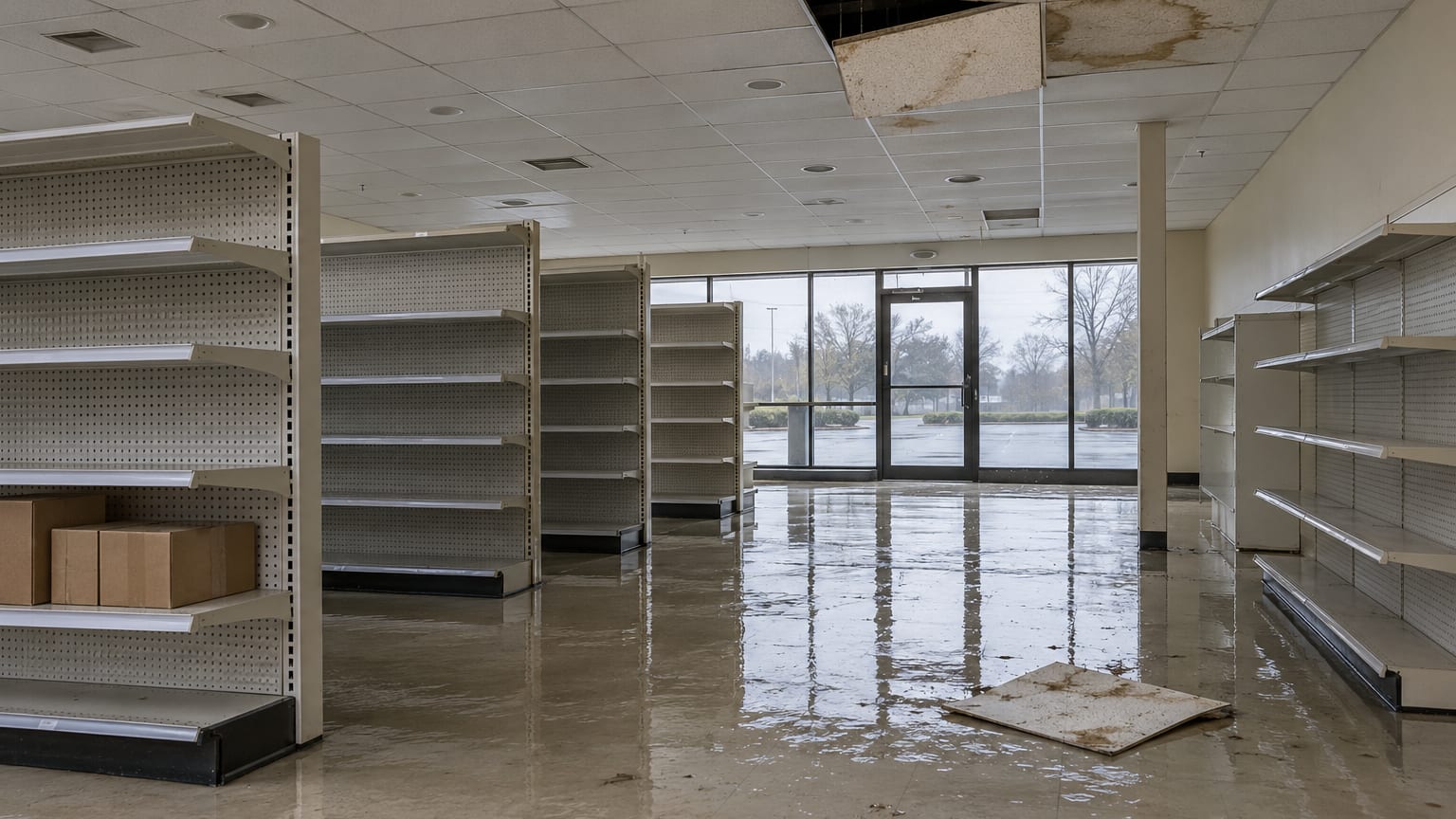
Commercial storm damage restoration in New Jersey starts with a short list of decisions you can make before anyone picks up a pump or a mop. You walked in to a wet ceiling, a lifted roof edge, or an inch of water across the sales floor. The alarm panel may be dead, the elevator is out, and your tenants and staff are texting to ask whether they can come in tomorrow. Your insurer wants a call, and every instinct says to start hauling wet stock out to the dumpster. The next three days go better when the work happens in a set order: people stay safe, more water stays out, the damage gets recorded, and the building dries while you keep everyone informed. What follows is that order, the way a project manager would walk you through it on site.
Key Takeaways
Safety decides the first hour
Keep everyone out of areas with unstable roofs, wet electrical equipment or downed lines until the utility, emergency officials or a qualified professional clears them.
Records protect the claim
Photograph and inventory every item before it moves, and keep the damaged property for the insurer's inspection.
Drying runs on a clock
EPA recommends cleaning and drying water-damaged areas within 24 to 48 hours when possible, and the water type decides which tools are safe to use.
Keep everyone out until someone qualified says the building is safe
Owners first ask whether people can go back in. The answer comes from outside your own team. NJOEM tells you to follow the protective-action instructions that local, county and state officials issue, including evacuation and sheltering. EPA says reentry should wait until professionals determine that structural, electrical and other hazards are gone. In practice, the fire department, the utility, a construction official or an engineer tells you the building is safe, and you pass that word to your people.
While you wait, keep occupants away from sagging ceilings, loose glass, standing water, damaged electrical equipment and anything the wind brought down. Treat every downed line as energized. OSHA's disaster-cleanup fact sheet sets a minimum danger zone of 10 feet around a downed line, and your utility may ask for more. Call 911 for immediate hazards and the utility for electrical emergencies. Suspected gas leaks, chemical releases, sewage and structural movement all belong to the responders and the specialty trades, so those areas stay closed.
Three more first-hour habits protect you and your crew:
- Generators: Run them outdoors and well away from doors, windows and openings, because carbon monoxide is odorless and can cause illness or death.
- Water shutoff: Close the valve or isolate the line only when you can reach it safely.
- Your insurer: Call the agent or carrier now, even before you know the full scope.
Photograph everything before the first piece of property moves
Your camera is the most useful tool you own for the first hour. Before anyone lifts a ceiling tile or drags out a wet pallet, photograph and video the exterior, the roof if you can see it safely from the ground, every opening, each interior room, equipment, inventory, water lines on walls and the debris. Note the date, the time and the apparent source of the water. NJDOBI's consumer guidance asks you to report the loss promptly, ask the insurer which forms and data it needs, and keep damaged property for inspection. A short written event log, started now and kept through the week, gives you the timeline an adjuster will ask for later.
The first day is about keeping more weather and water out
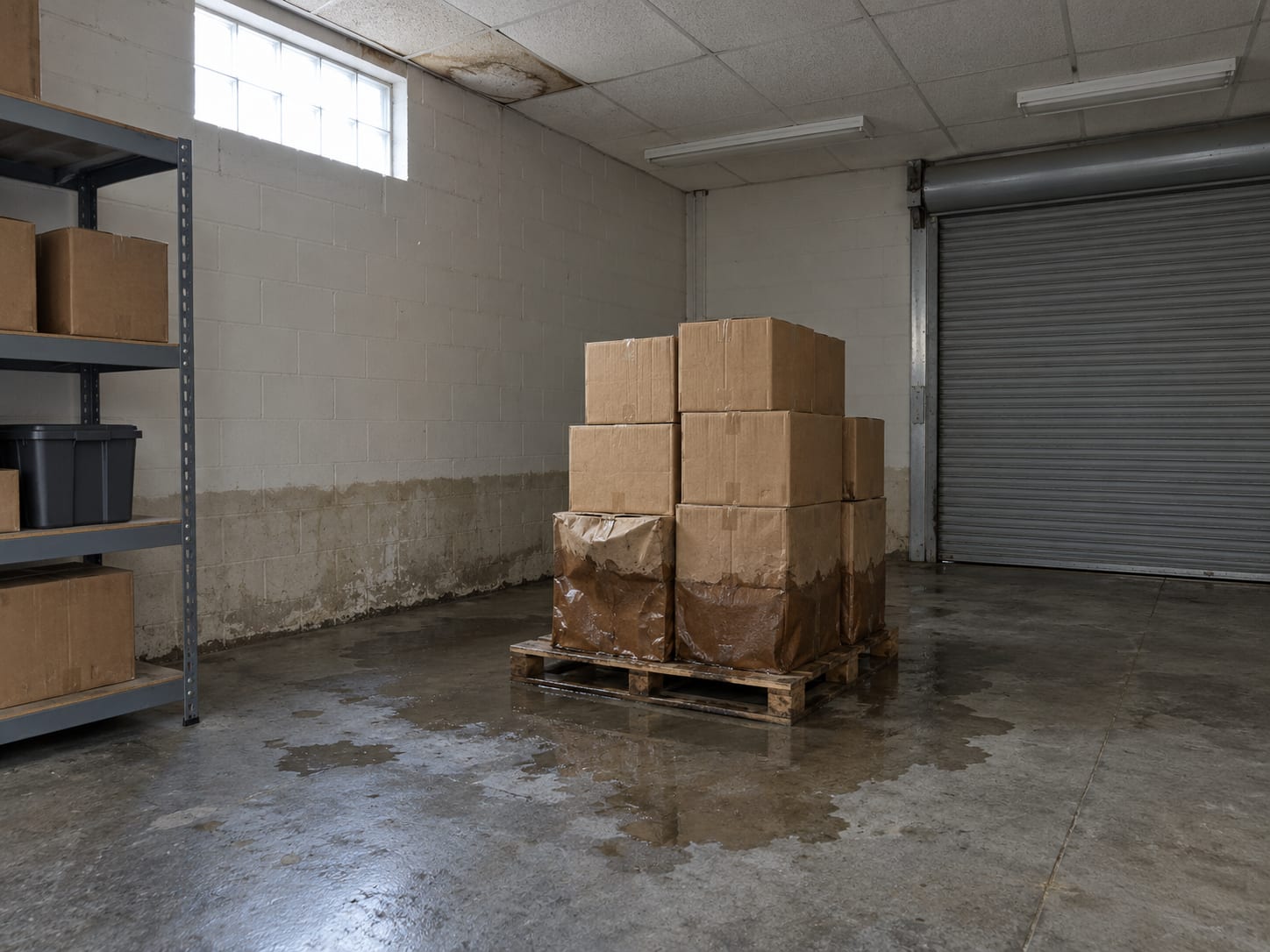
By the end of the first day, the goal is a building that stops getting worse. That means temporary protection: secure doors and windows, cover exposed openings and arrange emergency roof protection where the roof has been breached. With a restoration company involved, this is where emergency water extraction and storm damage restoration begin. Standing water comes out once electrical and contamination hazards are under control, and salvageable contents move to a dry, protected space.
Water type decides almost everything that follows, so separate the areas early. Rain that came through a roof opening and a clean supply line break are one situation. Floodwater, sewage backup and chemical spills are another, and OSHA tells workers to treat floodwater as contaminated, since it can carry bacteria, sewage organisms, chemicals and mold. Mark those zones and keep untrained staff out of them. Fans wait until the water is known to be clean and the area is safe for moving air, because moving air can spread contamination.
Three decisions owners ask about before the contractor arrives
Three questions come up on almost every storm call, and each has a clear answer.
Can employees or tenants clean it up? Staff can take on tasks that fit their training, equipment and the water type, such as moving dry stock away from a leak or wiping clean surfaces. OSHA says trained workers with the right protective equipment should handle toxic chemicals, hazardous waste and mold. Sewage and floodwater cleanup belongs to a crew with that training and gear.
Should we turn the power back on? Leave wet or damaged electrical systems off until qualified personnel have evaluated them in coordination with the utility and local code officials.
Should we throw damaged items away? Photograph and inventory them first. NJDOBI advises keeping damaged property until the insurer has had a chance to inspect it. Items that are contaminated or cannot be cleaned and dried may need to go for health and building reasons, and your photographs and inventory are what let you dispose of them with the claim intact.
Days two and three are for extraction, drying and moisture readings
Once the building is stable, the work becomes controlled drying. Extraction continues, dehumidifiers and ventilation go in, and technicians take moisture readings in materials and cavities rather than judging by the surface. EPA recommends cleaning and drying water-damaged areas within 24 to 48 hours when possible, and the actual pace depends on the water source, the materials, temperature, humidity, HVAC conditions and how far contamination reached. Drying has to reach wall cavities, ceiling systems, insulation, subfloors and HVAC components as well as the visible floor. Delayed drying can widen the scope of removal and the disruption to tenants.
EPA's table for water-damaged commercial building materials gives a useful sorting guide for clean-water damage:
Hover or tap a row to highlight it.
| Material | EPA action |
|---|---|
| Carpet and backing | Extract water, reduce humidity and dry within 24 to 48 hours when possible |
| Ceiling tiles | Discard and replace |
| Cellulose insulation | Discard and replace |
| Fiberglass insulation | Discard and replace |
| Concrete and block | Extract water and use dehumidification, fans or heaters |
| Wallboard | Dry in place only when it shows no obvious swelling and seams remain intact; otherwise remove and replace |
| Wood | Remove moisture immediately; use dehumidifiers, gentle heat and fans with care |
Materials that stayed wet beyond 48 hours, or that show mold, follow a mold-remediation approach instead of this table. At that point containment, protective equipment and mold inspection enter the plan, and our structural drying work is documented with daily moisture readings so you can show when drying is finished. If sewage is part of the loss, sewage cleanup is a separate scope with its own controls. The professional standard behind this work is ANSI/IICRC S500, Fifth Edition (2021), which covers water classification, microbiology, drying technology, safety and documentation for commercial buildings, and you can read about it on the IICRC S500 page.
Through these two days, keep the event log current with times, locations, equipment, workers, materials removed, decisions and conversations.
The First 72 Hours, in Order
- 1
Keep everyone out
Wait for the fire department, the utility, a construction official or an engineer to say the building is safe, and keep people away from sagging ceilings, loose glass, standing water and downed lines.
- 2
Photograph before anything moves
Photograph and video the exterior, every opening, each room, equipment, inventory and water lines, and start a written event log.
- 3
Keep more weather and water out
Secure doors and windows, cover exposed openings and arrange emergency roof protection where the roof has been breached.
- 4
Separate the water types
Mark floodwater, sewage and chemical zones and keep untrained staff out; fans wait until the water is known to be clean.
- 5
Extract and dry
Extraction continues, dehumidifiers and ventilation go in, and technicians take moisture readings in materials and cavities.
- 6
Keep the records current
Add times, locations, equipment, workers, materials removed, decisions and conversations to the event log.
Build the claim file while the water is still coming out
A claim file is easier to assemble during the cleanup than six weeks later. Start a dated folder, paper or digital, and keep adding to it:
- Photos and video: Exterior and interior views taken before cleanup, plus progress photos of the drying.
- Room-by-room inventory: Damaged building components, equipment, stock, furniture, documents and fixtures, with measurements, water lines, affected square footage and equipment serial numbers.
- Cause descriptions: Separate notes for roof damage, wind, rain entry, floodwater, sewer backup, utility interruption, debris impact and conditions that existed before the storm.
- Policy papers: Policies, declarations pages, endorsements, adjuster messages and claim numbers.
- Mitigation costs: Invoices for board-up, roof protection, extraction, drying, equipment rental, labor and disposal.
- Drying records: Daily moisture readings, equipment logs and a list of areas kept closed.
- Notices: Tenant and employee notices, closure dates and reopening dates.
Ask your insurer what it needs, and ask which temporary protective measures and emergency services it expects before you sign any non-emergency agreement. The Triple-I guide to filing a business insurance claim covers what insurers typically ask for. Hold off on permanent repairs until the adjuster or insurer has documented the loss, and keep emergency work and permanent work as separate line items on every invoice.
What Goes in the Claim File
Photos and video
Exterior and interior views taken before cleanup, plus progress photos of the drying.
Room-by-room inventory
Damaged building components, equipment, stock, furniture, documents and fixtures, with measurements, water lines, affected square footage and equipment serial numbers.
Cause descriptions
Separate notes for roof damage, wind, rain entry, floodwater, sewer backup, utility interruption, debris impact and conditions that existed before the storm.
Policy papers
Policies, declarations pages, endorsements, adjuster messages and claim numbers.
Mitigation costs
Invoices for board-up, roof protection, extraction, drying, equipment rental, labor and disposal.
Drying records
Daily moisture readings, equipment logs and a list of areas kept closed.
Notices
Tenant and employee notices, closure dates and reopening dates.
Business interruption coverage follows physical damage and your policy wording
Owners reasonably ask whether business interruption coverage pays for lost sales. According to Triple-I, business-income coverage can replace lost revenue and extra expenses when a covered loss forces a closure or relocation, and terms, limits, exclusions and triggers vary from policy to policy. Business-income claims generally rest on direct physical damage from a covered peril, which is why the cause of the damage matters so much in your records.
The financial side of the file deserves the same attention as the photographs. Historical sales, profit-and-loss statements, tax records, payroll, inventory records, continuing expenses and extra expenses such as temporary space, equipment rental, moving costs, alternate fulfillment and overtime all help show what the interruption cost. Triple-I's business income interruption guide lists these records. New Jersey requires insurers to give commercial-property and business-interruption applicants and renewals the state's Business Interruption Insurance Summary, and rereading it this week will help you read your own policy.
How wind, rain, flood and utility loss can differ
Commercial property policies can handle wind, hail, lightning, rain entering from above, flood, storm surge, sewer backup and utility interruption differently. Triple-I explains that flood damage, including storm surge, is typically excluded from a standard commercial policy and usually needs separate flood coverage, while rain entering through a damaged roof may be treated differently. Off-site utility interruptions may be excluded or need specific coverage. Because of those differences, your documentation should describe what happened: which water came from the roof, which came up through the floor drain, and what changed when the power went out. Label the cause plainly, and let the adjuster decide how the policy responds.
Hover or tap a row to highlight it.
| Loss | What the post says |
|---|---|
| Rain entering through a damaged roof | May be treated differently from flood |
| Flood, including storm surge | Typically excluded from a standard commercial policy; usually needs separate flood coverage |
| Off-site utility interruption | May be excluded or need specific coverage |
| Business-income loss | Generally rests on direct physical damage from a covered peril |
Reopen one part of the building only after that area is cleared
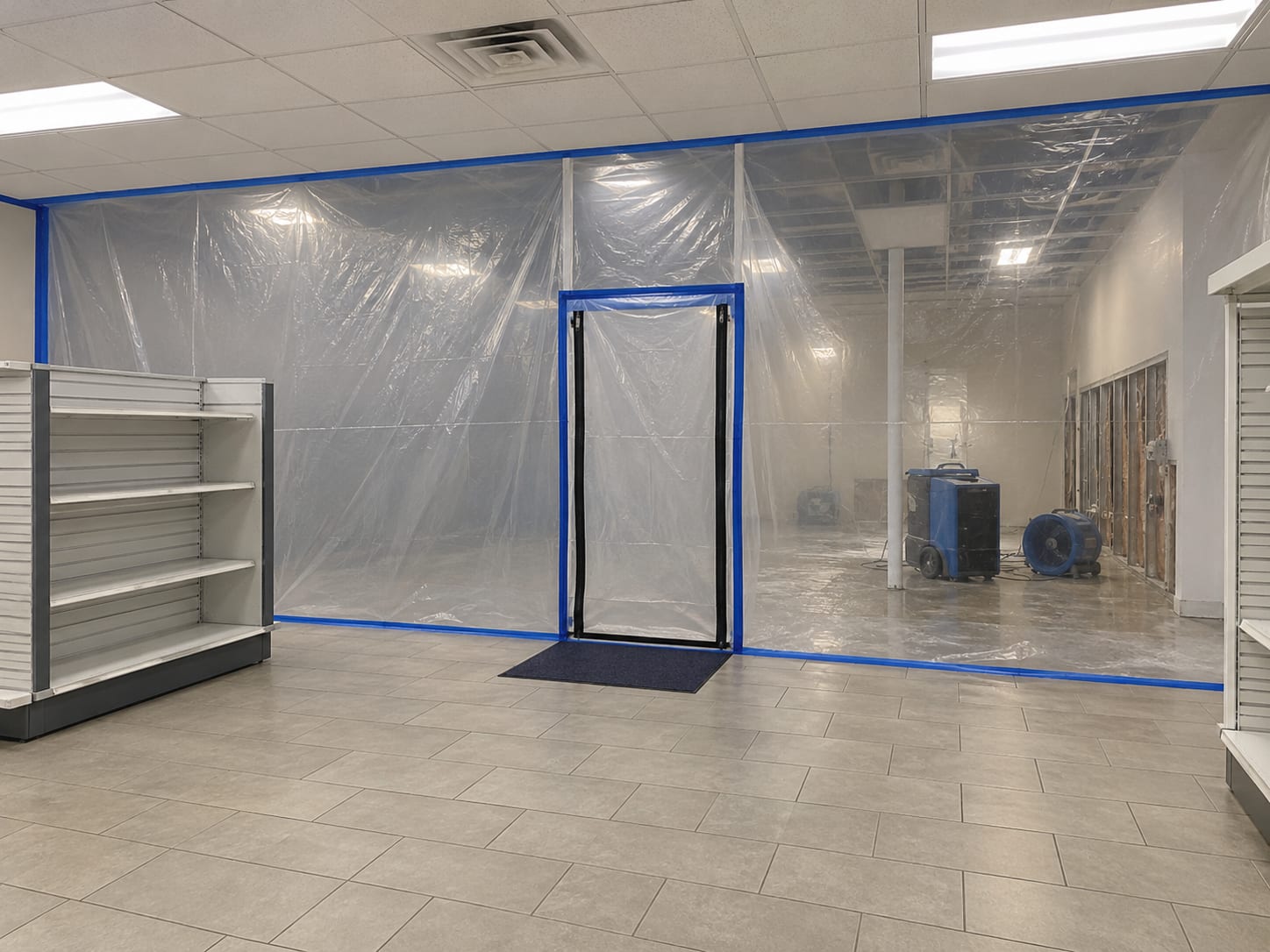
Owners often want to reopen the front of the store or one floor of the office while work continues behind a barrier. That can work when the affected areas are isolated, hazards are addressed, utilities and life-safety systems have been evaluated, and the responsible authority or a qualified professional says the occupied area is suitable. Keep HVAC from carrying contaminated air into the open space, and keep staff and customers out of active work areas. Tell tenants and employees what is closed, what is open, and when the next update is coming, and share a safe-to-occupy message once someone qualified has cleared the area.
Permits and code officials
New Jersey construction work runs through the Uniform Construction Code, N.J.A.C. 5:23, which local construction officials and subcode officials administer. Permit needs depend on the scope of work, so call your municipal construction office and ask about each piece you plan: emergency stabilization, roof work, structural repair, electrical, plumbing, fire protection, demolition and reconstruction. The state's construction permit forms page points applicants to the local office. Local officials also decide questions about unsafe structures, occupancy, substantial damage, floodplain rules and utility reconnection.
When the cleanup ends and the rebuild begins, post-water-damage reconstruction and insurance restoration services cover the build-back, with permits and specialty trades handled as the scope requires.
Ask your restoration contractor to put the scope in writing
You will probably call a restoration company within the first day, and a few requests make the relationship smoother. Ask for a safety assessment that names the areas to keep closed, and for emergency mitigation listed separately from permanent repair. Ask for moisture mapping, the drying equipment placed, daily readings, equipment logs, photographs and written scopes you can share with your insurer, tenants and property manager. For a multi-tenant building, ask how the crew will handle restricted areas, tenant notices and access. For mold or contaminated water, ask how containment, HVAC and porous materials will be handled.
At ExecPro Restoration & Cleaning, commercial mold remediation already includes containment, negative air pressure and HEPA filtration, and our storm work follows the same habit of documenting what we find and what we do. We coordinate with insurers, adjusters, property managers, code officials and specialty contractors, and your policy decides what it pays.
Planning ahead cuts the next storm's disruption
Once the building is dry and open again, use what you learned. Keep a copy of your policy, declarations page and agent's number off site. Know where your water, gas and electrical shutoffs are and who may operate them. Gather your financial records in one folder, since they support any business-income claim. New Jersey's hazard-mitigation program describes mitigation as a way to reduce long-term risk to businesses and buildings, with measures involving codes, flood risk, elevation, parapet walls and anchoring. If your roof edge or drainage failed this time, raise those items with your property manager or engineer.
Frequently Asked Questions About Commercial Storm Damage Restoration New Jersey
Q: Who do I call about a downed power line at my building?
Call 911 for immediate hazards and your electric utility for the line itself. Treat the line as energized and keep everyone at least 10 feet away, or farther if the utility instructs it, according to OSHA.
Q: Does a standard commercial policy cover flood damage?
Flood damage, including hurricane storm surge, is typically excluded from a standard commercial policy and needs separate flood insurance or an endorsement, per Triple-I. Ask your agent which water sources your own policy covers.
Q: What does the 24 to 48 hour drying window mean?
It is EPA's recommended window for cleaning and drying water-damaged areas when possible. Use it as a target for starting extraction and dehumidification, and let moisture readings tell you when the structure is dry.
Q: Do emergency repairs need a permit?
That depends on the work. Ask your municipal construction office about each activity, including roof protection, structural repair, electrical, plumbing and fire-protection work.
Q: What should I tell my tenants and staff?
Give them the closed areas, the open areas, the work schedule and the time of your next update. Affected areas reopen once the responsible authority or a qualified professional clears them.
Commercial Storm Damage, Quick Check
1. How far should people stay from a downed power line, at minimum, according to OSHA?
2. What is EPA's recommended window for cleaning and drying water-damaged areas when possible?
3. Who tells you the building is safe to re-enter?
4. How is flood damage, including storm surge, typically treated by a standard commercial policy?
Pick an answer to begin.
What This Means for You
A storm tests a business in a predictable order. Safety comes first, then stopping more water, then records, then drying, then the conversations with your insurer, tenants and code office. Following that order keeps the claim file complete and keeps tenants and staff informed.
Clear photographs, honest cause descriptions, daily drying records and organized financial papers make the repair scope and the insurance conversation easier for everyone at the table. The building returns to use with a record behind it.
If a New Jersey storm has damaged your office, store, warehouse or multi-tenant building, we at ExecPro Restoration & Cleaning can help you set the order of work. Call us at (888) 300-3772 or reach us through our contact page, and we will talk through the water source, the affected areas and a written scope for extraction, drying, mold control and rebuild.
Commercial Storm Damage Terms
Tap a term to see what it means.
ANSI/IICRC S500. The professional standard behind water-damage work, covering water classification, microbiology, drying technology, safety and documentation for commercial buildings.
Related Articles
Storm Damage Restoration in Bridgewater, NJ: Roof, Trees and the Claim Clock
After roof, tree or window damage, the house needs protecting before the next rain. Who to call first, what protects your claim and what the township approves.
Storm Damage Restoration in Trenton, NJ: Temporary Fixes, Historic Facades and the Claim
Tarp first, photographs second, permanent repair after any Landmarks review. How to close up storm damage in an older Trenton house without hurting the claim.
Storm Damage Restoration in Robbinsville, NJ: Downed Trees, Long Outages and Drying Without Power
Trees on the roof and the power out for days: see how storm damage restoration in Robbinsville, NJ closes the opening, dries without power and starts a claim.