
Rebuilding After Mold Remediation in Warren, NJ: When the Wall Closes
Cal HewittPublished
- post mold remediation rebuild
- clearance
- reconstruction
- warren nj
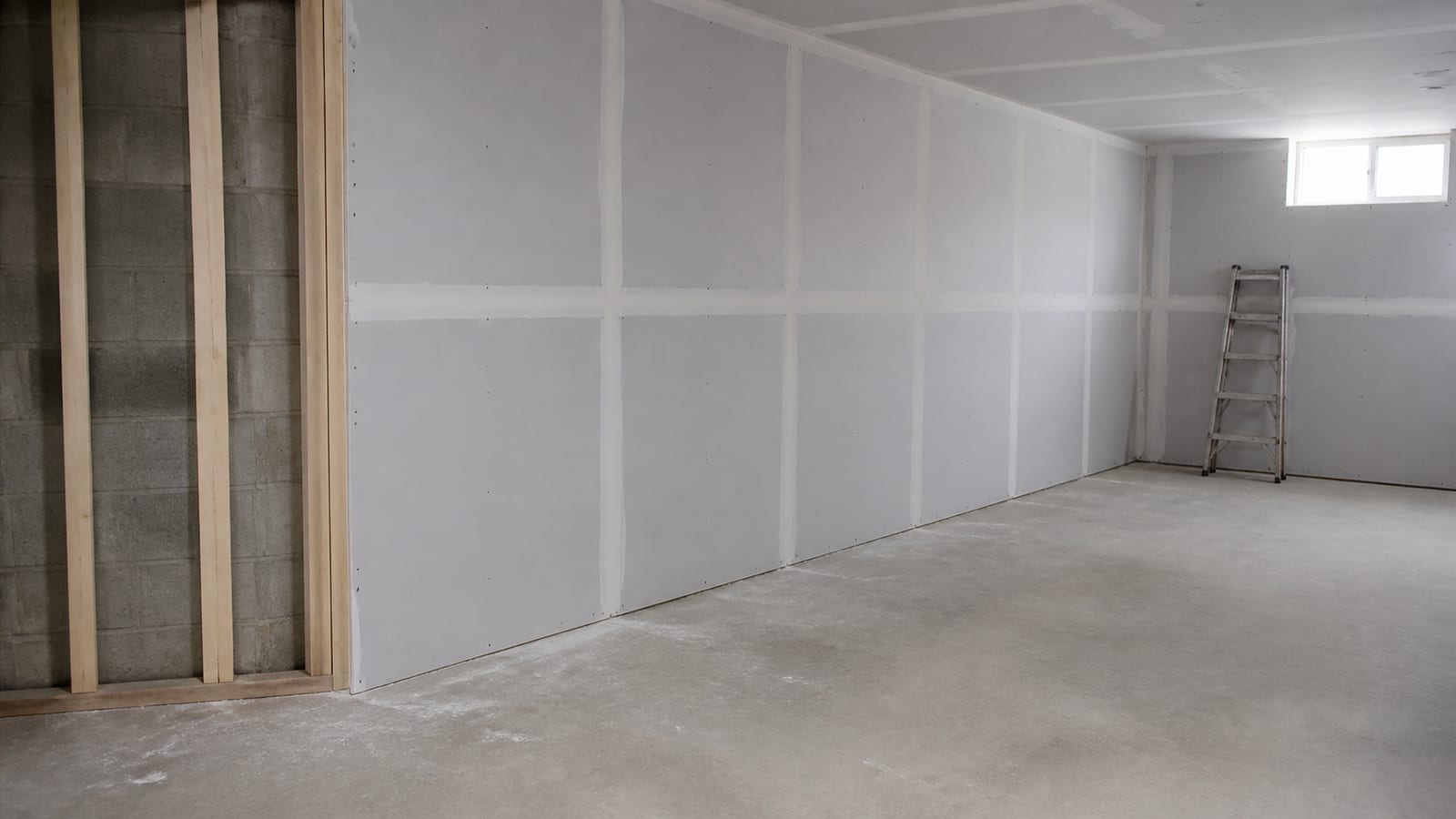
The containment came down, the equipment went away, and you are living with an open wall or a room stripped back to studs. This is the part of the job nobody explains in advance, and it is where most people feel forgotten: the crisis is over, nothing is visibly wrong any more, and yet the house is not back. The wall is open for a reason, closing it is a decision with a condition attached, and the condition is a good thing. Here is what has to be true before it closes, who does that stage, and what changes if the work reaches into regulated territory.
Key Takeaways
Drying is verified, not assumed
nothing should close until moisture readings say the material is dry, rather than because it looks and feels dry.
Rebuild is a separate stage
from remediation, with its own scope, its own price and often a different crew.
The gate is what protects you
closing a wall over damp material is how the same problem returns inside a finished room.
Ask for the two estimates separately
, remediation and reconstruction, because they answer different questions.
In a flood hazard area Warren adds review
the Floodplain Administrator keeps records including substantial improvement and substantial damage determinations and, where required, as built elevation certificates.
Keep the closeout documentation
it is what answers a buyer's inspector years from now.
What to Do After Mold Remediation
From Verification to a Closed Wall
- 1
Get the drying verification in writing
Moisture readings on the materials that were wet, with the target and the actual.
- 2
Get the closeout record
What was found, removed, cleaned and corrected at the source.
- 3
Take the last look
While the assembly is open is the final chance to see framing and bearings for years.
- 4
Decide who rebuilds
The remediator, a general contractor, or you. What matters is that nobody starts before verification.
- 5
Confirm whether it is regulated
Structure, or a flood hazard area, changes the answer.
- 6
Rebuild the assembly
Insulation, board, taping, trim, paint, flooring, in that order.
- 7
Keep the file
It is what answers a buyer's inspector in four years, when nobody remembers.
Four things, in this order.
Get the verification in writing. Moisture readings on the materials that were wet, taken at the end rather than at the start, with the target and the actual. This is the document that says the space is ready to close. If nobody has offered it, ask.
Get the closeout record. What was found, what was removed, what was cleaned, what was corrected at the source. This is the file you will want if you ever sell.
Decide who rebuilds. The remediation contractor, a general contractor, or you. All three are legitimate. What matters is that whoever does it knows what the gate was and does not start before it is met.
Confirm whether the work is regulated. Replacing drywall and trim in a lower level is usually straightforward. Anything that touches structure, or that happens in a flood hazard area, is a different conversation.
Why the Wall Is Still Open
Because closing it is irreversible in a way that matters.
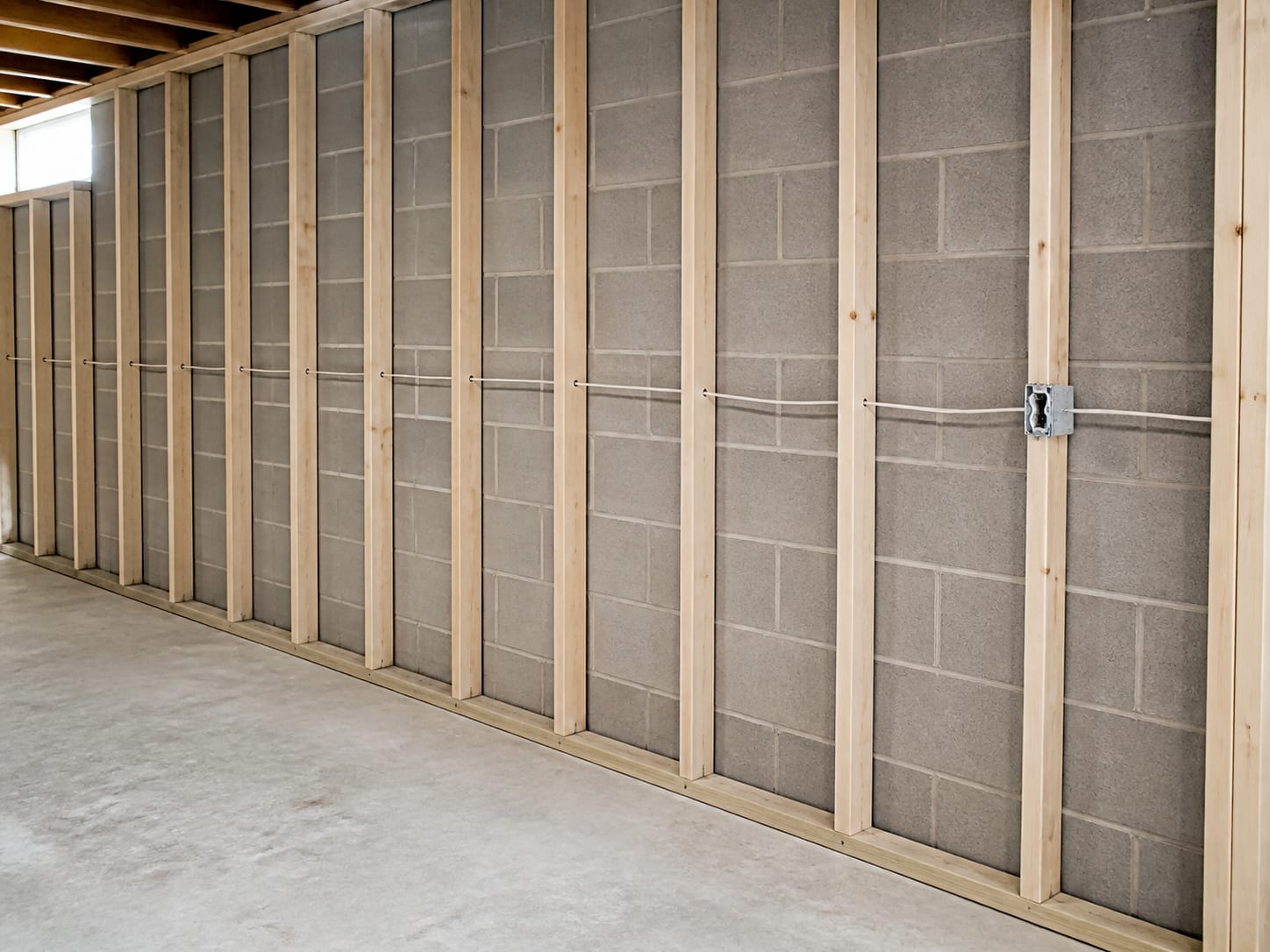
Building materials hold moisture inside their thickness and behind their faces. A stud can feel dry on the surface and be wet through. Concrete and masonry hold water for a long time. Insulation in a cavity can be wet while the room air is comfortable. Close the assembly and all of that is sealed in, in the dark, at a stable temperature, which is the condition growth prefers.
That is why dryness is a measurement. A moisture meter reads the material rather than the room, and the reading is compared against what that material should be. It is a short check and it is the difference between a rebuild that holds and one that gets opened again.
The other reason the wall stays open is that it is the last chance to look. Once it is closed, the framing, the bearing points and the back of the assembly are out of sight for years.
The Rebuild Itself
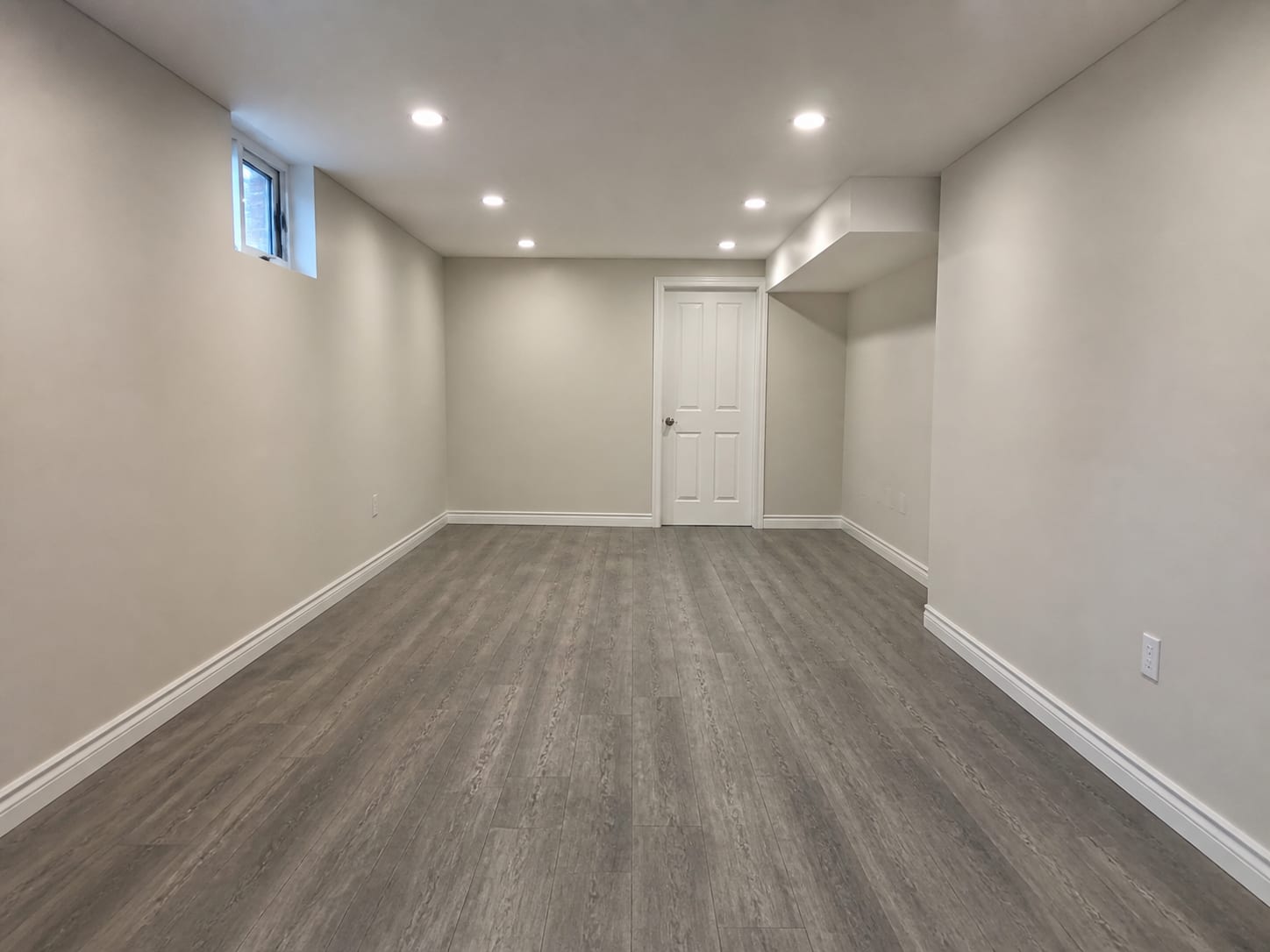
Restoring what came out, in the order the assembly goes together: insulation, vapour control where it applies, drywall, taping and finishing, trim, paint, flooring, and any fixtures or built ins that were removed.
Two decisions worth making deliberately rather than by default.
Rebuild the same, or rebuild differently? If the space took water because of where it is, putting back the same materials invites the same outcome. In a lower level with a shallow seasonal water table, that might mean different flooring, or keeping the bottom of the wall assembly demountable, or not finishing to the floor at all. It is not always the right answer, but it is worth asking rather than defaulting.
What was the source correction, and is it done? The rebuild should not start before the water is fixed. If the fix was a drainage or grading correction outside, it should be complete and ideally tested through a rain event.
When Warren Gets Involved
Ordinary interior restoration is usually not permitted work. Two things change that.
Structure. If the repair touches framing or capacity, it goes through the New Jersey Uniform Construction Code. Warren requires permits for most construction activity and inspection requests at least 24 hours ahead, with no same day inspections.
Flood hazard area. Where the property is in a regulated flood hazard area, the Township's Chapter 15 coordinates floodplain review with the construction code. The Floodplain Administrator reviews permit applications for location in a flood hazard area and retains records including permits, determinations of substantial improvement or substantial damage, and as built elevation certificates where required.
That second one is worth understanding rather than fearing. A substantial improvement or substantial damage determination compares the cost of the work against the pre damage market value of the structure. Where it applies, it can change what the rebuild has to comply with. It is a reason to establish early whether the property is in a mapped area, not a reason to avoid the question.
What Drives the Rebuild Cost
The area and the finishes, which is the obvious part.
Whether anything structural is involved, which changes the trade mix and brings in permits.
Whether the space is being put back the same or differently.
Access, and whether the work is happening around occupants.
Materials lead times, which on some flooring and cabinetry is the single longest item on the schedule.
Ask for this priced separately from the remediation. They are different jobs and bundling them makes it impossible to see what either costs.
How Likely Is It to Come Back
The honest answer is that it depends almost entirely on one thing: whether the water was corrected.
Remediation that removed growth and dried the space, without fixing why the space got wet, is a pause. Remediation that corrected the source is a resolution. That is why the closeout record should name the source and what was done about it, and why a rebuild is a reasonable point to ask the question one last time before the evidence is covered up.
Where the cause was a seasonal condition rather than a failure, as it often is in a Warren lower level, the correction is management rather than elimination, and the rebuild should be designed with that in mind.
Rebuilding a Lower Level for the Ground It Sits On
The rebuild is the one moment when the assembly can be changed rather than replaced, and on a Warren lower level that is worth a conversation rather than a default.
The question worth asking is what happens to this wall the next time it gets wet. If the answer is that the same materials absorb the same water and the same two feet come out again, the rebuild is buying time rather than solving anything. That is a reasonable choice if the event was a one off failure. It is a poor one if the cause was a seasonal condition the ground will keep producing.
What can change without any exotic materials. Keeping the bottom of the wall assembly demountable rather than taped and skimmed, so the next inspection is a screwdriver rather than a saw. Leaving a service gap at the base. Choosing flooring that tolerates wetting and can be lifted in sections. Getting storage off the floor and onto shelving as a matter of design rather than tidiness.
What is worth spending on. Insulation that does not hold water against a cold wall, and a detail at the bottom plate that does not wick. These are not expensive decisions at rebuild time and they are expensive to retrofit.
What not to do. Sealing the assembly tighter in the hope of keeping moisture out. On a wall with a seasonal water table behind it, a tighter assembly traps what does get in and gives it nowhere to go. Drying potential matters more than resistance here.
On the regulatory side, if the property is in a mapped flood hazard area, this is exactly the point where the Township's Chapter 15 review can attach requirements, because a rebuild is development. The Floodplain Administrator's records include substantial improvement and substantial damage determinations, and those turn on the cost of the work against the pre-damage market value. It is cheaper to establish that before design than after.
The reassuring part. None of this makes the room less pleasant to be in. A lower level built for the ground it sits on looks the same as one that is not. It simply costs less the second time.
Frequently Asked Questions About post mold remediation rebuild Warren NJ
What should I do after mold remediation?
Get the drying verification in writing, get the closeout record of what was found and corrected, decide who is doing the rebuild, and confirm whether the work is regulated. Do not let anything close before the verification exists.
How likely is mold to come back after remediation?
It turns on whether the moisture source was corrected. Growth removed and space dried, with the cause left in place, will generally recur. With the cause corrected, it should not. That is the question to ask about your own job.
How do I know the space is actually dry?
Moisture readings on the materials, compared against target values for those materials, taken at the end of drying. Not by touch, not by smell, and not by how long the equipment ran.
Does the remediation company do the rebuild?
Sometimes, and it can be convenient because they know what was found. It is equally reasonable to bring in a general contractor. What matters is that the rebuild does not begin before the verification, and that the two stages are priced separately.
Do I need a permit to put the room back?
Usually not for drywall, trim, paint and flooring. Yes where structure is involved, and there is an additional review where the property is in a flood hazard area, handled by the Township's Floodplain Administrator alongside the construction code.
Should I rebuild it exactly as it was?
Worth thinking about rather than assuming. Where the space took water because of its position, different materials or a different detail at the base of the wall can make the next event a much smaller job.
Final Thoughts
If your Warren property is sitting open after remediation and you are not sure what has to happen before it closes, ExecPro Restoration & Cleaning can confirm the space is verified dry, tell you whether the rebuild is regulated work, and put it back. Call ExecPro Restoration & Cleaning at (888) 300-3772 or get in touch. Emergency mold and water damage services are available 24/7, Monday through Sunday. Related: post-mold remediation rebuild for the service itself, and structural mold repair where framing is involved.
Rebuild Terms
Tap a term to see what it means.
Verified dry. Logged moisture readings on materials compared against target values, which is the gate before closing.
Serving Warren
ExecPro Restoration & Cleaning provides mold remediation services in Warren, NJ, from inspection and testing through removal, drying, and post-remediation verification. Call (888) 300-3772 for 24/7 emergency response.
Related Articles
Mold Remediation in Warren, NJ: What the Work Involves
Mold remediation cost is driven by area, material and the source repair. How the work runs in a Warren, NJ home, and what makes one job bigger than another.
Structural Mold Repair in Warren, NJ: Where the Line Sits
Surface growth on a joist and loss of section are different jobs. Where that line sits in a Warren, NJ home, who decides it, and what the repair involves.
Water Damage Restoration in Warren, NJ: The First 72 Hours
After the water stops in a Warren, NJ home the clock starts. Extraction, drying, what gets removed, what the Township needs, and how the days actually run.