Before You Pay for a Sample: Mold Testing in Alpine, NJ
Cal HewittPublished
- mold testing
- sampling
- stormwater
- alpine nj
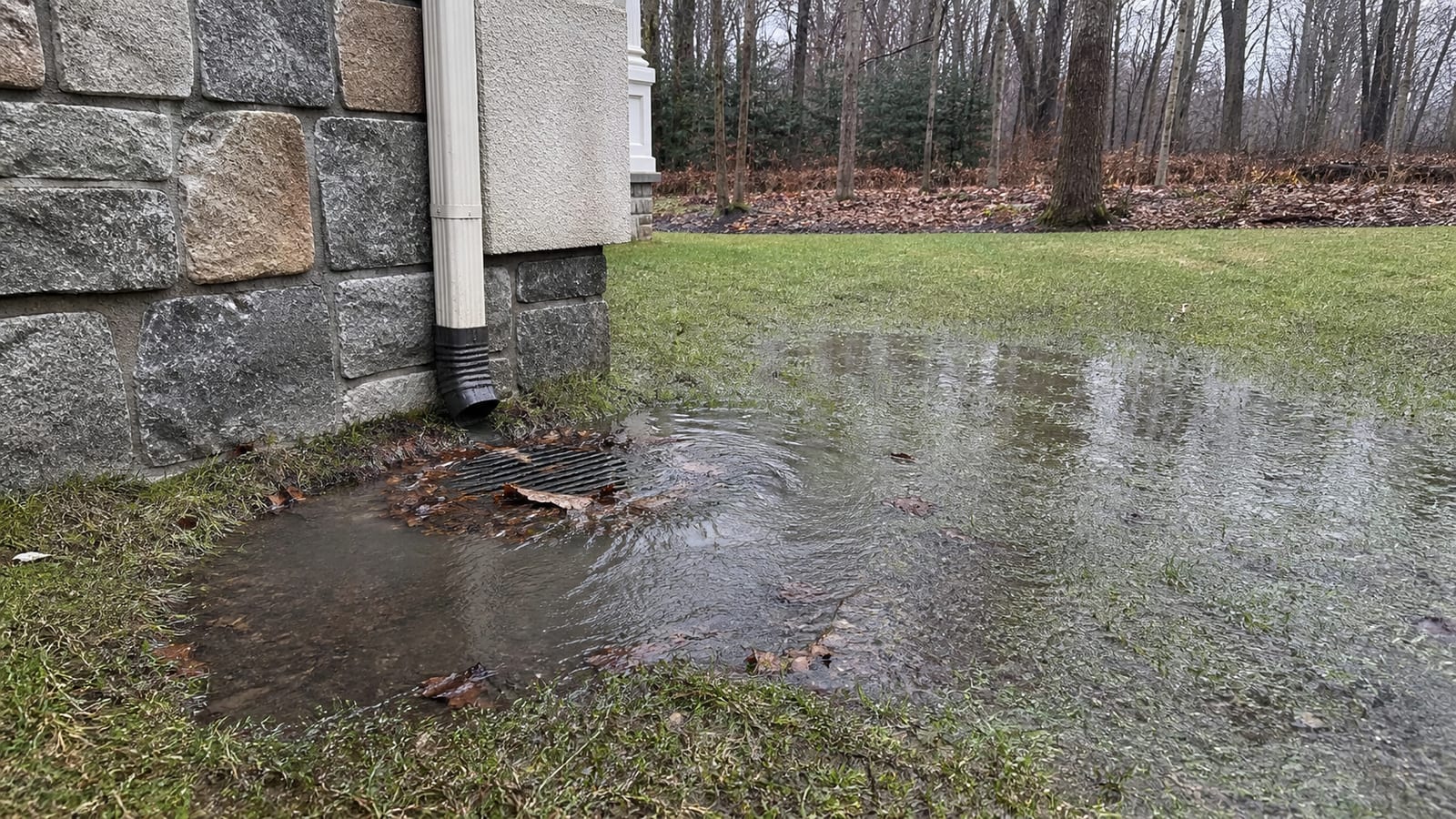
Most calls about mold testing start with the same sentence in a different order: there was a storm, or a smell, or a stain, and somebody wants to know what it is. That is a reasonable instinct and it is usually aimed one step too far down the road. A laboratory reports what its method found at the place and time it was collected. Whether that result changes anything depends entirely on which situation you are actually in.
There are four of them, and only two are improved by a sample. Sorting yourself into the right one before you spend anything is the single most useful thing this page can do, because the wrong purchase here is not just money, it is a false sense that a question has been settled when the water is still arriving.
Key Takeaways
Visible growth rarely needs a test
Federal and state guidance both hold that sampling is generally unnecessary where growth is visible, because the finding already exists.
A sample needs a question
State guidance describes testing as something done alongside an investigation, not bought on its own.
There is no passing number
No federal limit exists for airborne mold, and a short negative result may not represent what a person is actually exposed to.
Alpine's seepage pits are a real water history
Borough guidance says many homes collect roof, driveway and patio runoff in them, and that they are generally designed for a two inch rainfall.
Maintenance has a stated trigger
The borough advises inspecting and cleaning those pits twice a year, and after any storm producing two inches or more.
Independence matters for a clearance
State health guidance notes that using one company to both test and remediate can present a conflict of interest.
Four Situations, and Which Ones a Lab Helps
The first situation is visible growth or wet material. Here the answer is not a sample. The presence of mold is already established, the correction does not change with the species name, and the money is better spent finding the water and planning the removal. Both the federal and the state position is that sampling is generally unnecessary in this case, which is a rare instance of everyone agreeing.
The second is no visible growth, but a real history: a recurring damp condition, an odor with no source, a cavity or an area nobody can get into. This is where a sample can genuinely earn its cost, provided somebody first investigates the moisture and access, and then writes a sampling plan that says which location is being sampled and what an answer would change.
The third is a record for somebody else. A closing, an insurer, a tenant and owner disagreement, a dispute headed somewhere formal. The deliverable there is a dated written record with locations, methods, photographs, moisture findings and, where samples were purposefully collected, results with a chain of custody. The fourth is an active water problem, a roof, a plumbing failure, a drainage or septic issue. Testing does not repair water entry, and the sequence is stop it, dry it, then decide whether anything is still unanswered.
The Seepage Pit Is Part of Your Water History
Alpine's own stormwater guidance contains a fact most homeowners here do not have at hand. It says many homes in the borough use seepage pits to collect runoff from roofs, driveways, patios and walkways, that those pits are generally designed for a two inch rainfall, and that they should be inspected and cleaned twice a year and after any storm that produces two inches or more. It also makes the plain point that intense rain can arrive faster than the ground can absorb it, overloading watercourses and underground collection systems.
Read that as a diagnostic rather than a chore. A pit that has not been looked at in years, on a property where roof and paved surfaces all drain into it, is a plausible explanation for water that reached a lower level during one heavy storm and has been quietly evaporating out of a wall ever since. That is a water history, and a water history is exactly what makes a lower level odor worth investigating rather than deodorizing.
It also sets up the honest answer to a question people ask hopefully: a maintained drainage system does not certify the inside of a building. It removes one candidate. The rest of the routes, and how to separate them, are covered in our Alpine mold inspection guide, and the wider service picture is on the Alpine service area page.
What a Result Cannot Be Made to Say
There is no federal limit for airborne mold, which means no report can announce a pass. Guidance from the federal health agencies also cautions that a short term negative air result may not represent actual exposure, so a single clean cassette proves less than it appears to. Color is not a diagnosis either, and a retail culture plate mostly demonstrates that mold is common in the environment, which was never in dispute.
What a good report does instead is state its own boundaries. It should name the areas inspected and the areas that were not, the moisture findings, the materials and estimated extent of any growth, the sample purpose, locations, substrates and methods where samples were taken, the results, the limitations, and the corrective actions the findings point to. A bare laboratory sheet with no moisture investigation behind it is an incomplete product regardless of what the numbers say. Our mold testing page sets out what a purposeful sampling scope includes.
The Order That Produces a Useful Answer
- 1
Write down the question
Hidden moisture, a closing, an insurer, a dispute or a post cleanup record, because the question determines everything after it.
- 2
Inspect before sampling
A visual and moisture assessment is the step state guidance calls the most important one, and it frequently ends the matter.
- 3
Find the water
Identify the source, the affected materials and the areas that could not be reached, and record all three.
- 4
Decide whether anything is still unanswered
If the next action is the same either way, the sample is not needed.
- 5
Write a sampling plan
State each location, each sample type and what result would change which decision.
- 6
Collect and document
Samples taken with locations, times, methods and chain of custody recorded as they happen.
- 7
Interpret in context
Read the laboratory results alongside the moisture findings and the visible conditions, never on their own.
Who Should Take the Sample
This one is uncomfortable and worth saying anyway. New Jersey's health department guidance notes that using the same company to test and to remediate can present a conflict of interest, and suggests considering separate companies. Where the sample exists to justify work, or to sign off on work, that concern is real and the right answer is independence. For a clearance after a cleanup, a formal dispute, or a transaction where somebody else is relying on the result, engage an independent assessor and keep the documentation.
Where a sample is purely diagnostic, part of finding a hidden source before anyone has proposed anything, the same firm doing both is a practical convenience rather than a problem. We will tell you which of those you are in. The post remediation verification case is the one where the question comes up most, and it is the one where the answer matters most.
There are two further checks worth making on anyone you hire. Home improvement contractors in New Jersey are required to be registered with the Division of Consumer Affairs, and registration carries a commercial general liability requirement of at least 500,000 dollars per occurrence, so ask for the registration number and current evidence of insurance before authorizing work that repairs or rebuilds anything. It is also worth knowing that a bill introduced in the legislature in May 2026 proposes registering mold inspection and remediation contractors annually and barring the same firm from inspecting and remediating the same premises. That is a proposal rather than current law, and anyone describing it as an existing requirement is ahead of the facts.
What It Should Cost to Find Out
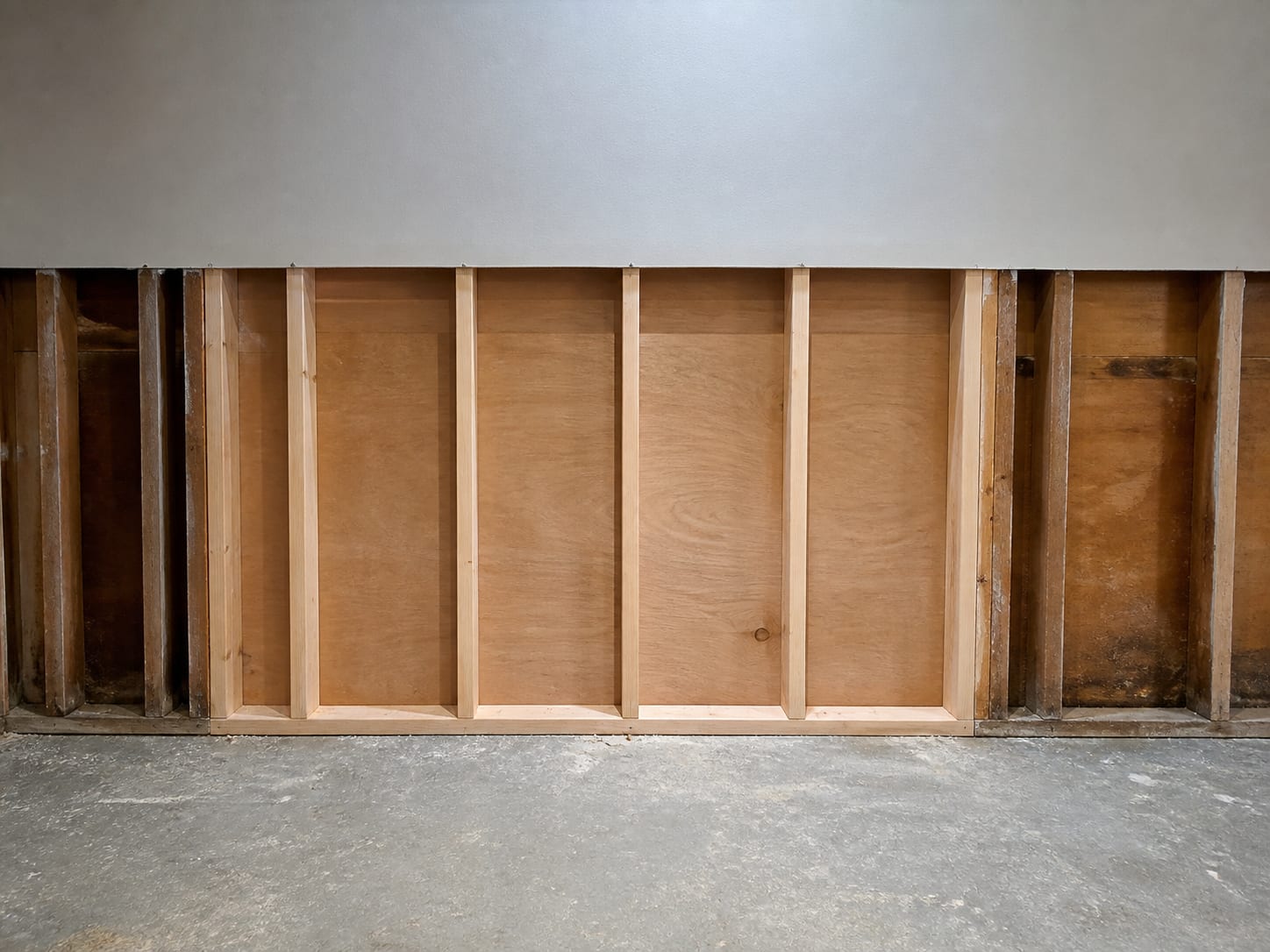
No published Alpine price schedule exists for this work, and a quote that arrives before anyone has described a scope is a number in search of a job. What a proper estimate looks like is itemized: the assessment, each purposeful sample and its laboratory analysis, the report and interpretation, any access or opening work needed to reach a suspect area, and any clearance visit, priced separately with the purpose of the sampling stated.
The legitimate drivers behind those lines are the number of distinct complaint areas, the size and layout of the building, whether an attic, lower level or cavity has to be investigated, how many air handling zones are involved, whether an outdoor comparison is needed, and what the reporting has to support. What is not a driver is a package of routine samples added because they are easy to sell. Where the inspection has already found visible growth, the money belongs in mold remediation and source correction instead.
Frequently Asked Questions About Mold Testing in Alpine NJ
I can see the mold. Should I still test it?
Usually not. Both federal and state guidance treat sampling as generally unnecessary where growth is visible, because the presence of mold is already established and the remediation does not change with the species. Spend the money on finding the water and removing the affected material properly. Testing has a stronger case afterward, if a documented record of the cleanup is needed.
Is there a spore count that means my house is fine?
No. There is no federal limit for airborne mold to be measured against, which is why no laboratory report can issue a pass. A result becomes meaningful only in context: read against an outdoor comparison from the same day, alongside the moisture readings and what is visible in the building. Any report presenting a number as a verdict is describing a standard that does not exist.
We had two inches of rain and the basement smells. What first?
Check the drainage before booking a laboratory. The borough's guidance says many Alpine homes route roof, driveway and patio runoff into seepage pits designed for about a two inch rainfall, and advises inspecting and cleaning them twice a year and after a storm of that size. If a pit was overwhelmed, the odor has a plausible source, and the next step is finding where the water went rather than what species is on the wall.
Can a test tell me whether the house is making us sick?
No, and that limit is worth being clear about. Federal guidance is that no health based standards exist for indoor mold and that short term counts cannot be read as a health risk. Health questions belong with a clinician who knows the people involved. What a property assessment contributes is finding and correcting the moisture and the affected material, which is the actionable half.
Should the same company test and remediate?
For a straightforward diagnostic sample it is usually fine. For a clearance, a dispute, or anything a third party will rely on, state health guidance flags the conflict of interest and suggests considering separate companies, and that is sound. Ask any firm to tell you which situation you are in before it quotes both.
Do I need a permit to have testing done in Alpine?
Nothing in the borough's published construction material identifies non destructive sampling as a permit category. What can require a permit is what follows: opening walls, replacing materials, plumbing, mechanical, electrical, structural or drainage work. The construction office confirms that for the specific scope, and drainage and septic questions have their own routes locally.
Final Thoughts
Testing has a real place, and it is a narrower place than the way it is usually sold. It answers a question that an inspection has left open, it documents a condition for somebody who was not there, and it supports a judgment about whether an area was adequately cleaned. It does not clear a building, it does not diagnose anybody, and it does not repair the thing that made the material wet.
In Alpine the most useful pre test step is often free. Look at where the property's runoff actually goes, when the collection system was last cleaned, and whether the timing of the smell lines up with a storm that put more water into it than it was built for. That single check has resolved more lower level mysteries than any cassette.
If you are weighing whether a sample would change anything at your property, ExecPro Restoration & Cleaning will tell you plainly when it would and when it would not, and will say so before quoting one. Call (888) 300-3772 or reach us through the contact page, and describe the water history first.
Sampling Terms
Tap a term to see what it means.
Sampling plan. A written statement of which locations will be sampled, by which method, and what result would change which decision.
Serving Alpine
ExecPro Restoration & Cleaning provides mold remediation services in Alpine, NJ, from inspection and testing through removal, drying, and post-remediation verification. Call (888) 300-3772 for 24/7 emergency response.
Related Articles
Mold Testing in Robbinsville, NJ: Air Samples, Swabs and the Moisture Behind Them
What a mold sample shows is one moment in one room, not the source. See when mold testing in Robbinsville, NJ is worth paying for and who needs the result.
Mold Testing in Trenton, NJ: What a Landlord, Tenant or Buyer Can Do With a Result
Landlord, tenant or buyer: a mold test only helps if the result changes what happens next. See what mold testing in Trenton, NJ can and cannot settle.
Mold Testing in Bridgewater, NJ: When a Lab Report Changes the Plan
Offered a mold test in Bridgewater, NJ? Sampling pays off when the source is hidden or someone else needs a result, so ask what it would change first.