Two Elevations, One Question: Mold Remediation in Alpine, NJ
Cal HewittPublished
- mold remediation
- source control
- palisades
- alpine nj
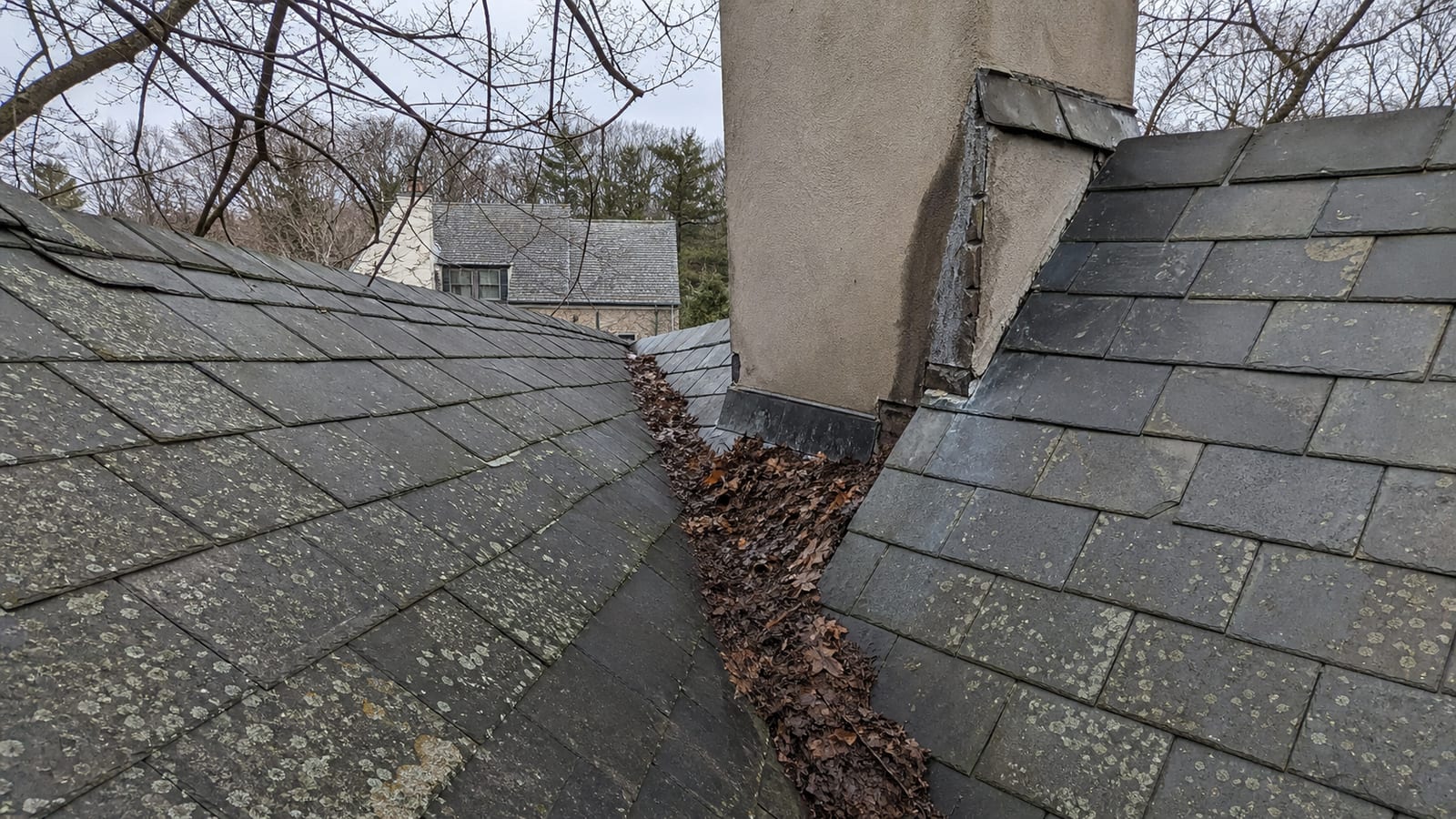
Alpine occupies two landscapes that could hardly be less alike. Up top, the Palisades Interstate Park Commission puts Point Lookout at 520 feet above sea level, with summit soil that can be only a few inches deep and storm water that fills streams quickly and drains away almost as fast. Down at the water, the same commission describes the Hudson as an estuary where the level along the park waterfront moves three to four feet through a tidal cycle, and reports flooding and storm damage to its own parking areas, trails and structures.
Those are genuinely different water environments inside one small borough. What neither of them does is diagnose a building. A wet wall on the ridge is not explained by the river being tidal, and a damp room near the bottom is not explained by thin soil at the summit. The location narrows the plausible routes. Only the property settles which one actually happened, and that is where remediation has to start.
Key Takeaways
Mold is a moisture finding
The growth is the evidence of a water condition, and correcting the water is what federal guidance identifies as the control.
Neither elevation is a diagnosis
Ridge conditions and river edge conditions suggest different routes, but the source is established at the address.
The size bands guide the setup, not the decision
Federal guidance separates areas under 10 square feet, 10 to 100, and above 100, with judgment overriding the number.
Contaminated water is a different job
Where water may have carried sewage, the controls, protection and salvage rules change from the first hour.
Fresh wet material has a short window
Guidance is to dry water damaged areas and items within 24 to 48 hours to prevent growth.
Rebuilding is a separate phase
Removal is remediation, and the reconstruction that follows it may be regulated construction with its own review.
Mold Is What a Moisture Problem Looks Like Once It Is Visible
Nothing grows indoors without water, which is why the useful reframing is to treat the growth as a symptom with a location rather than as the problem itself. Federal guidance puts moisture control at the center of mold control, and the health agencies make the same point from the other direction: promptly correcting dampness does more for occupants than testing the air does. Every credible remediation therefore begins by naming the source, not by describing the stain.
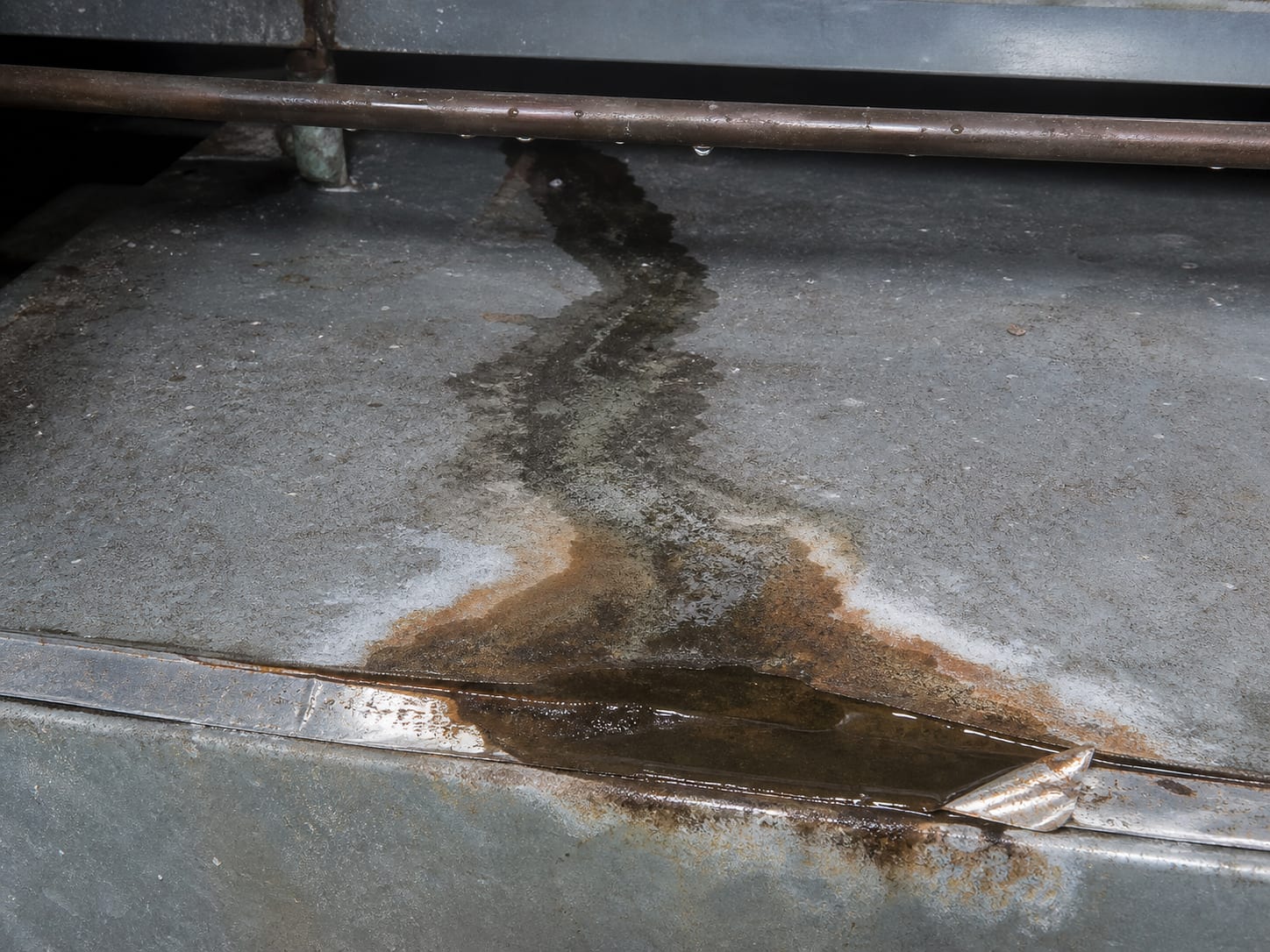
In practice that means separating five candidates before anything is removed. Roof or envelope intrusion, a plumbing or appliance failure, condensate and humidity from the mechanical system, surface water and runoff reaching the building, and a water event that arrived and left. Each leaves a different signature in where the wetting is heaviest, how it tracks with weather or with use, and what the surrounding materials look like. Our Alpine mold inspection guide covers how those get separated, and the Alpine service area page sets out the local picture more broadly.
How Large Is It, Actually
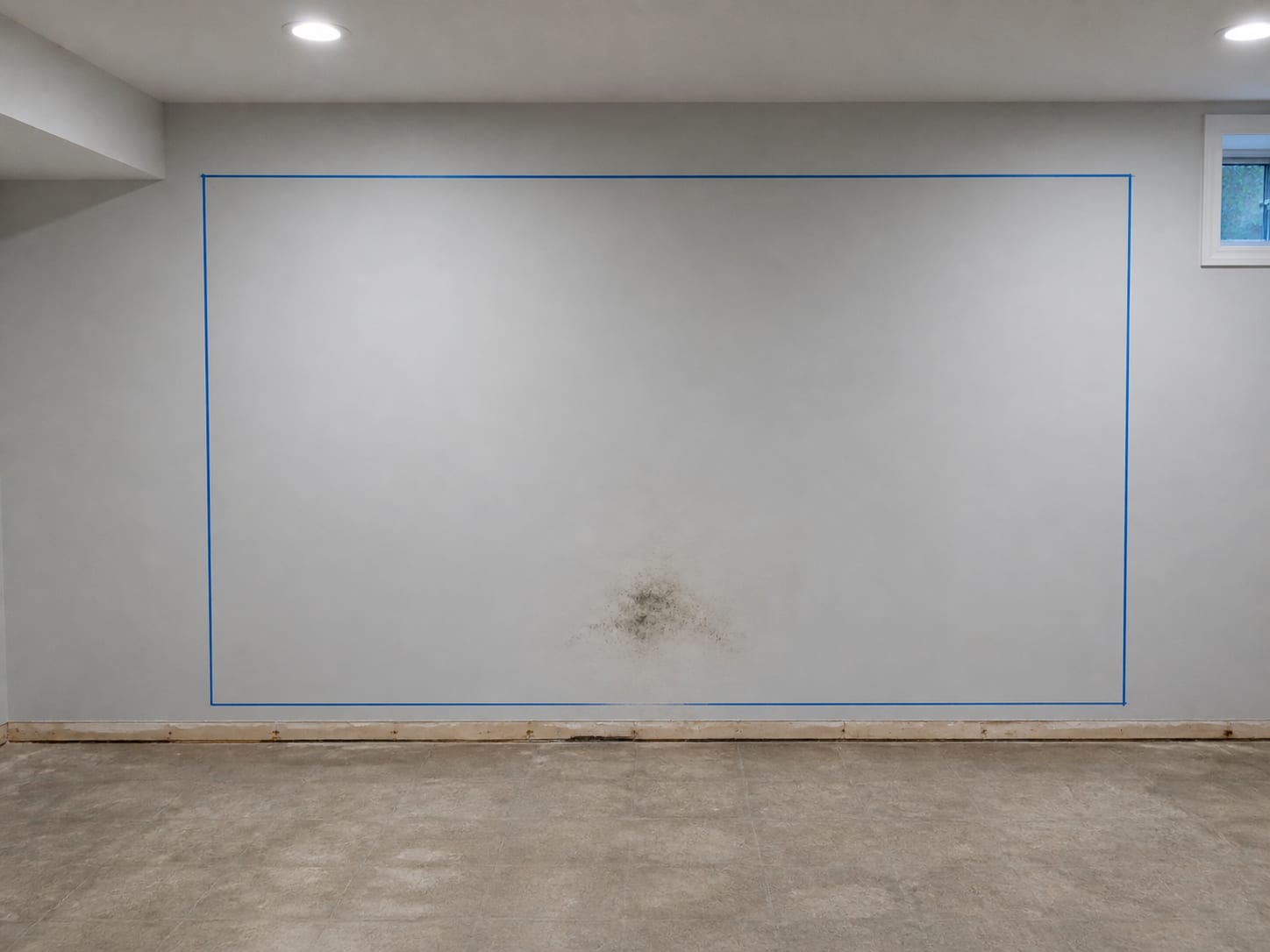
Extent drives the setup more than anything else on the job. Federal remediation guidance sorts work into areas under 10 square feet, areas of 10 to 100 square feet, and areas larger than 100 square feet or situations carrying significant exposure potential, with containment and protection increasing across those bands. It also distinguishes porous material such as wallboard, carpet and insulation, which frequently cannot be adequately cleaned, from hard non porous surfaces that usually can be.
The bands are planning guidance and they are not a permission slip. The same guidance calls for a more cautious approach where hidden growth is expected, where airborne spread is likely, where sensitive occupants are in the building, or where the water may have been contaminated. A small area of heavy growth in an occupied house with somebody who has asthma is not the same job as the same square footage in an empty utility room, and treating the number as the whole answer is how a contained problem becomes a whole house one.
The other reason extent gets underestimated is that it is measured on the visible surface. What is behind the finish is part of the scope, and the honest way to find out is a small inspection opening rather than a guess in either direction. Where the water arrived from a source that may have carried sewage, sewage cleanup governs the handling rather than the mold guidance.
The Sequence That Holds Up
- 1
Establish the source
Name the water route and confirm the repair path, since everything after this depends on it.
- 2
Map the extent
Document the affected materials, including what is behind finishes, and set the removal boundary from the record.
- 3
Contain the area
Set protection appropriate to the extent and the occupants, before anything is disturbed.
- 4
Remove and clean by material
Porous material that cannot be adequately cleaned comes out; sound hard surfaces are cleaned in place.
- 5
Dry to a measured standard
Run the drying with readings recorded per location until they reach and hold.
- 6
Verify before closing
Confirm the space is clean and dry, and that the source repair is actually complete.
- 7
Rebuild last
Restore finishes only after verification, with any regulated work run through the borough.
Two timing facts are worth separating here. Fresh wet material has a genuine window, and the guidance to dry water damaged areas and items within 24 to 48 hours belongs to that situation. A remediation of established growth has no published schedule, because its duration is set by the extent found, the water category, how long drying takes, the rebuild scope, access and any inspection the work requires. Where drying is the substantial part of the job, structural drying is the phase carrying the calendar.
Verification Is the Step That Gets Skipped
There is a moment on most jobs where the wall is open, the material is out, the space smells fine and everybody wants to close it up. That is the moment worth slowing down. Verification is not a ceremony, it is the answer to two questions somebody will ask later: was the affected material actually removed, and is the assembly actually dry rather than looking dry.
Readings taken at the same locations over several days, an inspection of the removal boundary, and confirmation that the source repair happened are what make the answer checkable. It costs an afternoon and it is the difference between a job that ends and a job that comes back. Once that is settled, post mold remediation rebuild is where the finishes go back and where permits usually enter the picture.
Access, Staging and the Shape of the Week
Alpine adds a practical layer that rarely appears in a scope of work. Properties here sit on long private approaches, on sloped ground, and in some cases against a park boundary and a road network that is not a normal municipal street grid. Where equipment goes, how material leaves, and which route a truck can legitimately use are worth settling before the first day rather than discovered on it, and legal access matters where the park edge is anywhere near the property line.
The administrative rhythm is similarly worth knowing in advance. The borough's construction and zoning officials work by appointment and its building inspections run on set days, so a rebuild that needs review is scheduled around that rather than the other way around. None of it slows down the work of making a building safe and dry. It shapes the week in which the repair gets finished.
What Moves the Cost, and What Should Be in Writing
There is no published Alpine price for remediation and there is no useful average, because the variables are all specific: the source and who repairs it, the measured extent, how much porous material cannot be salvaged, the containment level, the water category, access and contents handling, the drying required, and the rebuild that follows. A quote that arrives as a single number is hiding which of those it assumed.
Ask instead for a scope that separates investigation and source repair, protection and containment, removal against cleaning, drying and monitoring, disposal, any authorized testing, and reconstruction. Then keep the record as the work happens: dated photographs, the moisture and drying readings, the source repair invoice, the written scope and any changes to it, disposal records, permits and inspections where they applied, and anything sent to an insurer. Our mold remediation page sets out what the core service covers.
Frequently Asked Questions About Mold Remediation in Alpine NJ
Can I clean it myself if the area is small?
Sometimes, and the size bands are the wrong thing to rely on alone. Federal guidance treats an area under 10 square feet as small, but it also says to take a more cautious approach where growth may be hidden, where spread through the air is likely, where somebody in the building is sensitive, or where the water may have been contaminated. If any of those apply, the square footage is not the deciding factor. And in every case the water source still has to be corrected, or the patch comes back.
Does living on the ridge mean water is not the issue here?
No. Elevation changes which routes are plausible, not whether water reaches buildings. Thin soil at the summit and quick storm runoff can send surface water at a foundation, roofs and plumbing fail at any height, and mechanical condensate does not consult a topographic map. The commission's own description of the area is a reason to inspect the site, not a reason to rule it out.
How long will the work take?
There is no standard duration, and anybody quoting one before seeing the space is guessing. What sets it is the extent found once material comes off, the water category, how long the assemblies take to dry, whether another trade has to repair the source, how accessible the area is, and whether the rebuild needs review. A written scope should say what would extend it rather than promising a number.
Do we have to move out?
Usually not, and it depends on the extent, where the work is, and who lives there. Containment exists so the rest of the building is not part of the work area, and that is the normal answer for a defined area. Where the work is large, where occupants have respiratory conditions or reduced immunity, or where the water was contaminated, the answer should be given for the specific project rather than in general.
Is a permit needed?
For the cleanup itself, generally not. New Jersey's construction code allows ordinary maintenance without a permit application, but excludes work affecting structural or fire safety along with many piping and electrical changes, so the reconstruction phase frequently does need one. The borough's construction office is where a specific scope gets classified, and asking early is faster than asking after the fact.
Should the material be tested before it is removed?
Where growth is visible, usually not, because the presence is already established and the removal does not change with the species. Testing has a role when a source cannot be found, when documentation is needed for a transaction or a claim, or when a record of conditions after cleanup is wanted. Correcting the water and removing the material is what changes the building.
Final Thoughts
The mold question in Alpine is not really about mold. It is about which of five water routes reached a specific assembly, how far it went, whether the source is repaired and whether the material actually dried. The dramatic geography, a ridge on one side and a tidal river on the other, is useful for narrowing the candidates and useless for picking one.
What separates a job that ends from a job that repeats is unromantic: the source named and fixed, the extent measured rather than eyeballed, the removal contained, the drying verified by readings, and the rebuild kept behind all of that. Everything else, including the paperwork, follows from those five.
If something in your building is growing and you would rather know why than watch it come back, ExecPro Restoration & Cleaning will find the water first and scope the rest from what is actually there. Call (888) 300-3772 or reach us through the contact page, and tell us what the space has been through.
Remediation Terms
Tap a term to see what it means.
Source control. Repairing the leak, drainage, condensation or equipment failure that supplied the water, without which removal is temporary.
Serving Alpine
ExecPro Restoration & Cleaning provides mold remediation services in Alpine, NJ, from inspection and testing through removal, drying, and post-remediation verification. Call (888) 300-3772 for 24/7 emergency response.
Related Articles
Where the Water Went: Air Quality Testing in Alpine, NJ
A sample is read against that day's outdoor air, and on a sloped Alpine lot the more useful question is usually where the water got in.
Above the Hudson, Below the Roof: Attic Mold Remediation in Alpine, NJ
An Alpine attic problem is a moisture source question and an access question. The Palisades setting changes how you get to the roof, not what wet the wood.
Elevation Is Not Dryness: Emergency Water Extraction in Alpine, NJ
Emergency water extraction in Alpine, NJ: what the first hour is actually spent on, why the power situation is settled before any pumping starts, and what follows.