Where the Water Went: Air Quality Testing in Alpine, NJ
Cal HewittPublished
- air quality testing
- mold testing
- palisades
- alpine nj
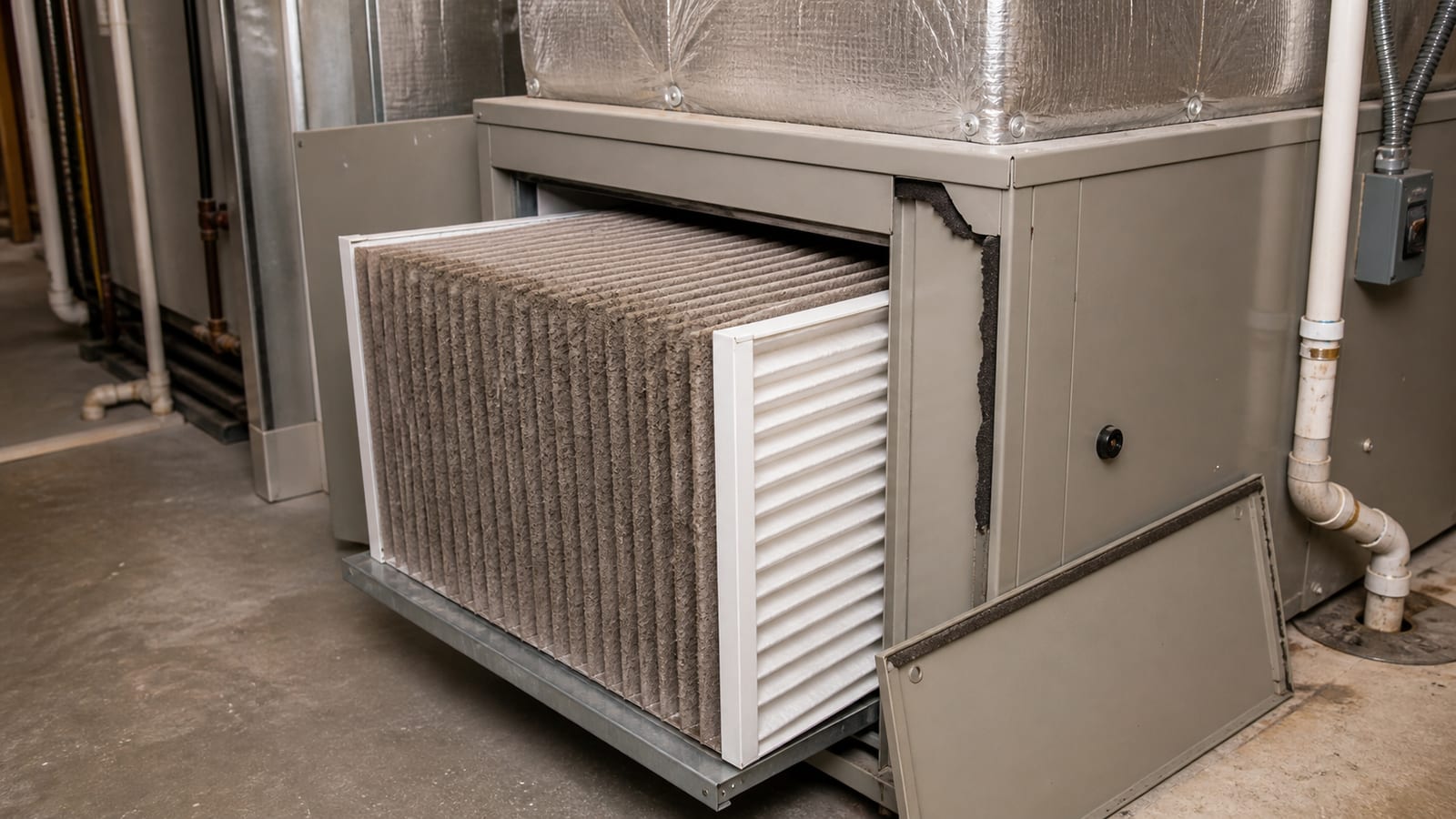
Most people booking an indoor air test are expecting a verdict, and it is easy to see why. A sample goes to a laboratory, a number comes back, and it feels as though the number ought to arrive with a line under it saying whether the room is alright. For airborne mold that line does not exist anywhere, and the Environmental Protection Agency says so directly: there is no federal standard or threshold limit value to measure against.
That is not an argument against testing. It is an argument for knowing what kind of tool you are holding. A sample describes what its method found, in one place, over one short period, and it becomes meaningful when somebody reads it alongside the outdoor air from the same day, the moisture readings, what is visible in the building and what the building has been through recently. Used that way it answers real questions. Used as a pass mark it answers none. Understanding that changes what you should ask for in Alpine, and it changes which questions are worth paying to answer. The method itself is covered on our indoor air quality testing page; this is about deciding whether you need it.
Key Takeaways
There is no federal limit
The outdoor control is the comparison
New Jersey guidance is that an outside reference sample is collected at the same time as the indoor one. Without it there is nothing to compare against.
Visible growth usually needs no test
EPA and the state health department agree that when mold is visible, sampling is normally unnecessary. Find the water instead.
Alpine is not a mapped flood zone
The FEMA county study says Alpine had no Special Flood Hazard Areas on its effective date, which makes the water path a property question rather than a map question.
The resale certificate is not a clearance
Alpine's continued occupancy inspection is a visible condition and code check, and it is not a mold or air quality document.
What One Air Sample Establishes
An air sample is a measurement of one place, over one short collection period, on one day. That is genuinely useful information, and it is much narrower than people assume. The Centers for Disease Control is direct about the limits: there are no health based standards for mold or other biological agents in indoor air, and short term sample concentrations cannot be read as a measurement of health risk. A negative short term finding may not represent what a person is actually exposed to over time.
So the honest framing is that sampling answers a specific question, and the question has to exist before the sample does. Often a mold inspection answers it without a laboratory at all. If the result will not change what anyone does next, the sample is documentation without a purpose.
Why the Outdoor Control Makes a Result Readable
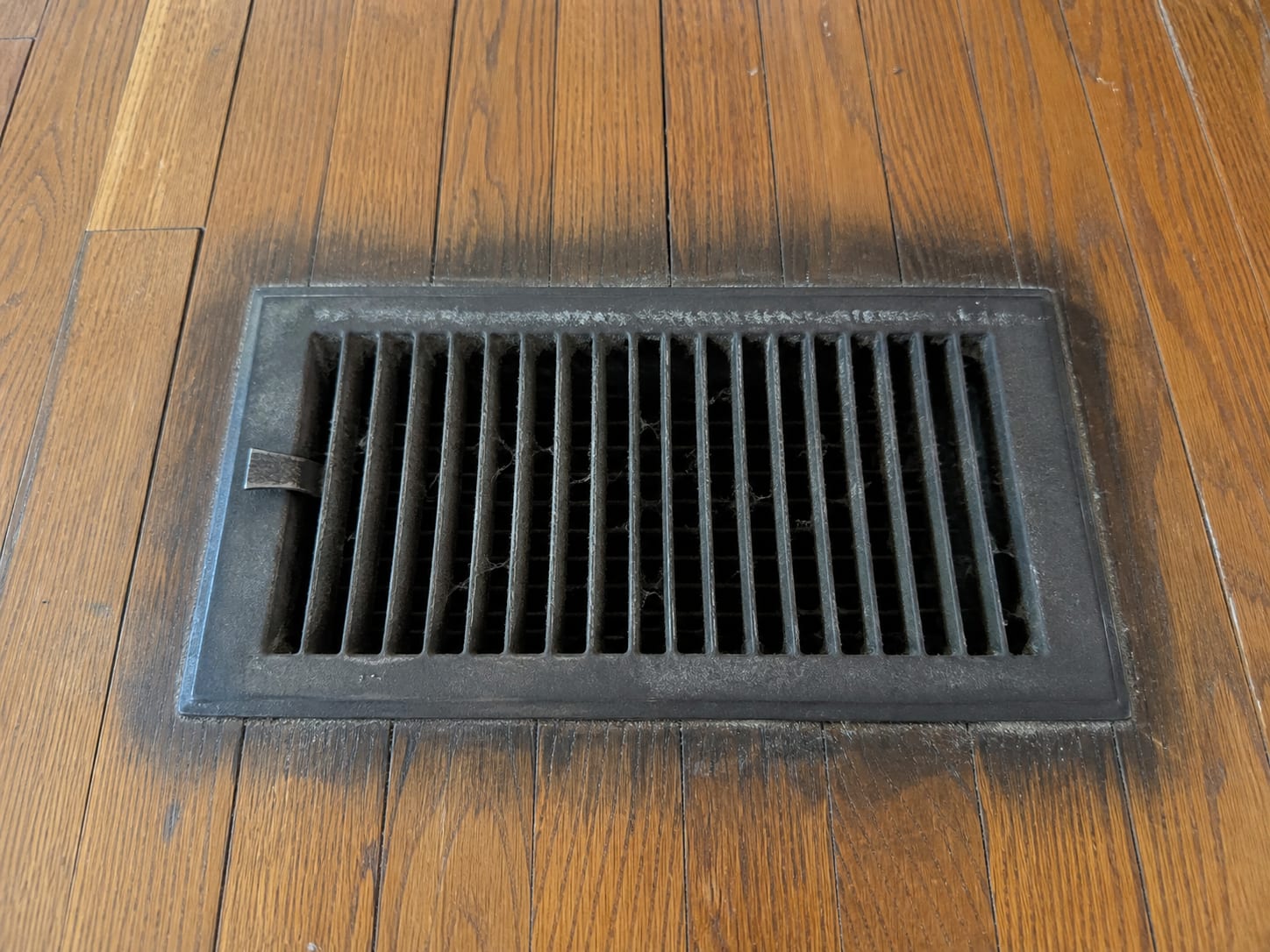
Outdoor air contains mold spores. It always has. So an indoor count in isolation is a number without a scale. New Jersey's Department of Health guidance is that an outside reference sample should be collected at the same time as the indoor samples, specifically for comparison. Same time matters more than people expect, because outdoor spore levels move with weather, season, wind and what is growing nearby. A control taken on a different day is comparing a room to a different atmosphere.
What the comparison supports is a contextual judgment: does the indoor air look like filtered outdoor air, or does it carry a mix and an amount that outdoor air that day does not explain? That is a real finding. It is not a compliance test, and a report that presents it as one is overstating what the method can do.
A report worth keeping names its sampling locations, the date and time, the collection method and volume, where the outdoor control was taken, the laboratory and method, chain of custody where used, the moisture and odor and visual observations, and its own limitations. It should also keep observation and interpretation clearly apart, so a reader can tell what was measured from what it was taken to mean.
Alpine's Water Question Is a Property Question
This is where an Alpine page usually goes wrong, and the published record is more interesting than the assumption. The borough sits on the Palisades above the Hudson, and our Alpine service area page sets out the local picture in full. The state describes the New Jersey park landscape here as shorefront, uplands and cliffs, running about 12 miles long and half a mile wide across roughly 2,500 acres. Alpine's own zoning code treats slopes of at least 15 percent as steep slopes, and says its controls exist to respond to erosion, siltation, flooding, soil slippage, water runoff and vegetation removal. Wetlands and floodplains are named as environmentally sensitive features.
With that setting, it would be easy to write that Alpine is a flood risk town. The FEMA Bergen County flood insurance study says the opposite: on that study's effective date, Alpine had no Special Flood Hazard Areas. Both facts are true, and holding them together is the whole point. A property can have a completely real water problem from runoff across a sloped lot, a roof or flashing failure, a plumbing leak, a drainage path or localized seepage, while sitting outside any mapped flood hazard area. The map answers a question about mapped flood risk. It answers nothing about whether water got into a wall, a lower level or an assembly next to the HVAC.
Where water has actually arrived, water damage restoration and structural drying come before any sample. So the useful question after rain or a leak in Alpine is not whether the town floods. It is whether water entered a specific assembly, whether it was dried, and where the path was.
When Testing Actually Changes the Decision
Both EPA and the state health department say that when mold is visible, sampling is normally unnecessary. The reasoning is unglamorous: visible growth is already the finding, and the remediation does not change based on which species it turns out to be. Correct the moisture source, clean or remove the affected material, and verify. The health department goes further and says the cost of sampling should be weighed when deciding whether to sample at all, and that sampling alone usually does not supply everything needed to evaluate a moisture and mold problem.
There are real cases where a sample earns its cost. When there is a musty odor and no visible source, sampling can support the search. When a cleanup is finished and someone needs documented evidence toward whether the area was adequately cleaned, post remediation verification has a defined role. When a transaction, a dispute or an insurance file needs a time stamped record of inspected conditions. When an occupant has a diagnosed condition and a physician is involved in the decision.
The Order That Produces a Useful Report
- 1
Start with the complaint
What is the concern, in which room, and what is the water history of that space.
- 2
Look before sampling
Visual inspection and moisture readings, because the source is the thing that matters.
- 3
Ask what the sample settles
Choose locations only where a result would change the next decision.
- 4
Collect with a control
Indoor samples and a same time outdoor reference, documented as they are taken.
- 5
Interpret in context
Laboratory results read alongside moisture, odor, visible findings and event history.
- 6
Decide and document
Source correction and cleanup where indicated, with limitations stated in writing.
The Resale Certificate and What It Covers
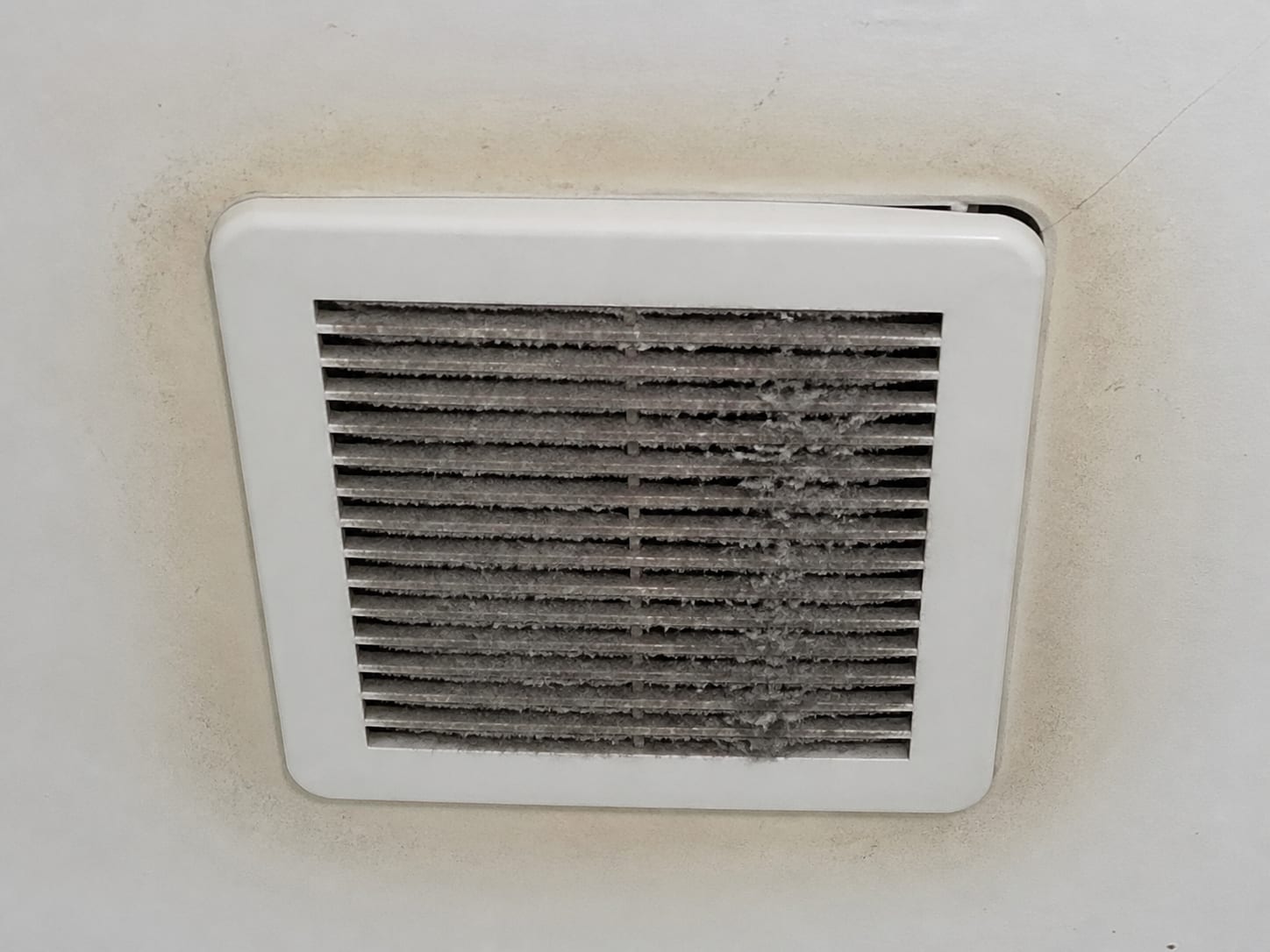
Alpine added a certificate of continued occupancy for resale on October 25, 2023. The application must be submitted at least 20 business days before the planned change of occupancy, and the official inspects within 10 business days of receiving a complete application and fees. That certificate documents a general visual check for apparent violations and unsafe conditions. It is a code and condition process. It is not a laboratory mold clearance, it is not an indoor air quality certification, and representing it as either is a misreading that can cost someone at a closing.
For a sale, home buyer and seller protection covers the wider documentation question. The two processes can sit beside each other usefully. A borough inspection covers what a code official can see. A targeted moisture assessment covers a specific question about a specific space, with a written record of what was inspected and when. Neither substitutes for the other.
If findings lead to actual construction, the local picture becomes concrete. Alpine's code requires a zoning permit before a building permit, and the zoning officer has 10 business days after a written application to grant or deny it. The Construction Code Enforcement Office administers the state Uniform Construction Code locally, with inspections by appointment. A non destructive air or surface sample is not listed in Alpine's published construction permit materials as a permit category, but the reconstruction that sometimes follows one certainly can be.
Alpine also has a Historic Preservation Commission, created by ordinance on December 14, 2016 and carried out by the Planning Board, and the state's register list records an Alpine Historic District listed on the state register on July 13, 1995 and the National Register on September 6, 1995. That matters for later development review on a historic resource property. It does not mean a walk through with a moisture meter needs historic approval.
What Changes the Scope, and What It Costs
Sampling is priced by what it has to answer, not by the size of the house. What moves a quote is the question itself, how many locations and of what type, whether a same time outdoor control is needed, whether surface, bulk or HVAC sampling is involved, how easy the attic, lower level and utility spaces are to reach, the laboratory method and whether results are rushed, how detailed the report needs to be, and whether verification after a cleanup is part of it. Those are scope decisions rather than a function of square footage. A large house with one clear question can need fewer samples than a small one with an unexplained odour in three rooms. The number worth having is a written, address specific scope after someone has walked the building.
One thing to check before hiring anyone: New Jersey does not run a certification programme for companies doing mold or indoor air work, and the Department of Health says so plainly and does not endorse the firms on its lists. So a company advertising a state certification is describing something that does not exist. Ask instead who trained them, what protocol they follow, what the sampling plan is, and exactly what the report will contain.
Frequently Asked Questions About Air Quality Testing in Alpine NJ
My results came back below the limit. Does that mean the house is fine?
There is no limit to be below. EPA states that no federal standard or threshold limit value exists for airborne mold, so any report describing a pass against an official line is describing something that does not exist. What a good report gives you is a comparison against that day's outdoor control, read alongside moisture readings and visible conditions. That is a useful judgment, and it is a different thing from a certification.
There is visible mold in the basement. Should I test it first?
Usually not. EPA and the state health department both say sampling is normally unnecessary where growth is visible, because the presence of mold is already established and the remediation does not change with the species name. The money is better spent finding the water source and correcting it. Testing has a stronger case after cleanup, or when the source cannot be found.
Alpine is right above the Hudson. Is this a flood problem?
Probably not in the mapped sense. The FEMA county flood insurance study says Alpine had no Special Flood Hazard Areas on its effective date. That does not mean water cannot reach a building. Runoff across a sloped lot, a roof or flashing failure, a plumbing leak or a drainage path can all put water where it does not belong on a property that is nowhere near a mapped flood zone. The investigation is about your building, not the map.
Is one sample enough?
One sample describes one location during one collection period, which is why the CDC cautions that a short term negative finding may not represent actual exposure. The number of locations should follow the question being asked and the layout of the building, including which rooms share HVAC air. More samples are not automatically better, and a sample taken without a question attached to it rarely earns its cost.
Does the borough resale certificate cover mold?
No. Alpine's continued occupancy certificate is a general visual inspection for apparent violations and unsafe conditions. It is not a mold or indoor air document and should never be presented as clearance. If a buyer or seller wants a record of a specific concern, that is a separate targeted assessment with its own report.
Do I need a permit for testing in Alpine?
Non destructive sampling is not listed as a permit category in the borough's published construction materials. What can require permits is what comes after: opening walls, replacing materials, changing systems, drainage or excavation work. Alpine requires a zoning permit before a building permit, and the zoning officer has 10 business days to grant or deny after a written application. Ask the Building Department about your specific scope before work starts.
Final Thoughts
The value of an indoor air test in Alpine is not the number that comes back. It is whether the report tells you something you can act on: where water entered, whether it was dried, what the indoor air looked like next to that day's outdoor air, and what the assessor could not determine.
The published Alpine record supports a specific and slightly counterintuitive framing. This is a steep sloped borough on the Palisades whose own code names runoff, erosion, flooding and soil slippage as land use concerns, and which the FEMA study puts outside any mapped Special Flood Hazard Area. Both things at once. Water problems here are property problems, traced on the property, not inferred from a map or from a spore count.
If you have a musty lower level, a prior water event or a closing coming up and you want to know whether sampling would actually answer your question, ExecPro Restoration & Cleaning will tell you plainly when it would and when your money is better spent finding the water. Call (888) 300-3772 or reach us through the contact page, and we will start with what a report can honestly establish.
Air Sampling Terms
Tap a term to see what it means.
Outdoor control. A reference sample collected outside at the same time as the indoor samples, which is what makes an indoor result readable.
Serving Alpine
ExecPro Restoration & Cleaning provides mold remediation services in Alpine, NJ, from inspection and testing through removal, drying, and post-remediation verification. Call (888) 300-3772 for 24/7 emergency response.
Related Articles
Above the Hudson, Below the Roof: Attic Mold Remediation in Alpine, NJ
An Alpine attic problem is a moisture source question and an access question. The Palisades setting changes how you get to the roof, not what wet the wood.
Two Elevations, One Question: Mold Remediation in Alpine, NJ
A house on the ridge and a structure at the river edge are different problems wearing the same word, and neither location tells you where the water in a particular wall came from.
Before You Pay for a Sample: Mold Testing in Alpine, NJ
Four situations bring an Alpine owner to the idea of a mold test, and only two of them are improved by one. Knowing which you are in is worth more than the sample.