Insurance Restoration in Warren, NJ: Document It Before You Touch It
Cal HewittPublished
- insurance restoration services
- claim documentation
- cause of loss
- warren nj
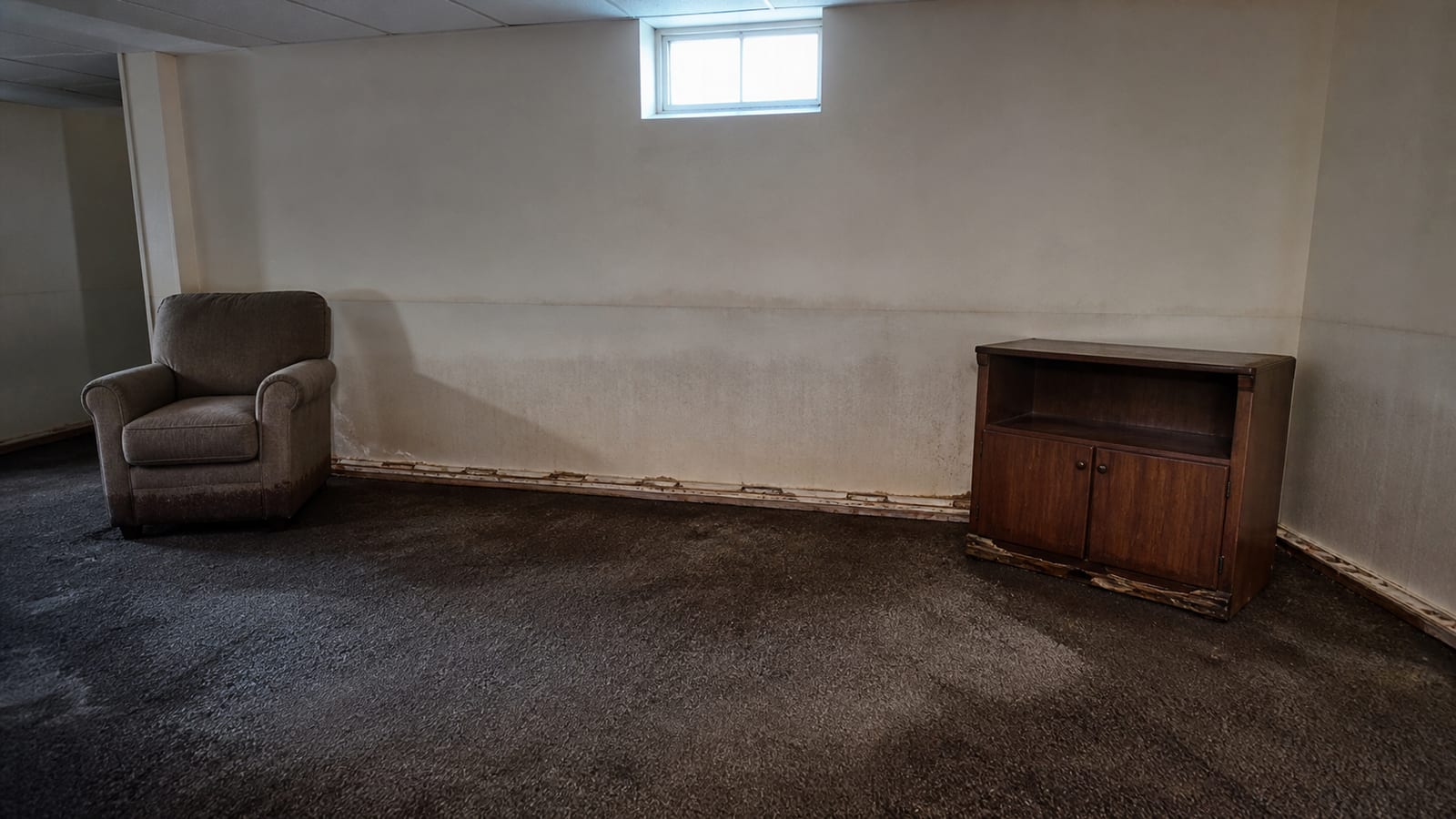
The adjuster has not called back yet, there is damage in the house, and everyone is telling you not to move anything while also telling you to act fast. Both are true, and the way through is narrower than it sounds. There is a short list of things worth doing in the first hour that cost nothing, cannot be done later, and materially improve every conversation that follows. Do those, then get the drying started, because delay creates its own problems. What nobody can tell you at this stage is whether your policy will pay, and anyone who does is guessing at your expense.
Key Takeaways
Photograph before anything moves.
The CDC advises contacting the insurer and taking photographs before cleanup begins. Cleanup destroys the record of extent.
Mitigation is not the same as repair.
Preventing further damage is generally expected of you; the repair is the part being assessed.
Cause of loss usually decides it
, and sudden and accidental against long term seepage is the distinction that matters most.
Nobody honest promises coverage
, including us. It turns on your policy and the finding.
Keep contemporaneous records
moisture readings, equipment logs, an itemised scope and what was removed.
The Township ran this exact sequence itself
loss, immediate remediation, documentation, then carrier review before payment was approved.
Photograph It Before Anyone Touches It
The First Hour, and What It Is Worth
- 1
Photograph wide, then close
Each room from the doorway, then the damage, then the source if visible.
- 2
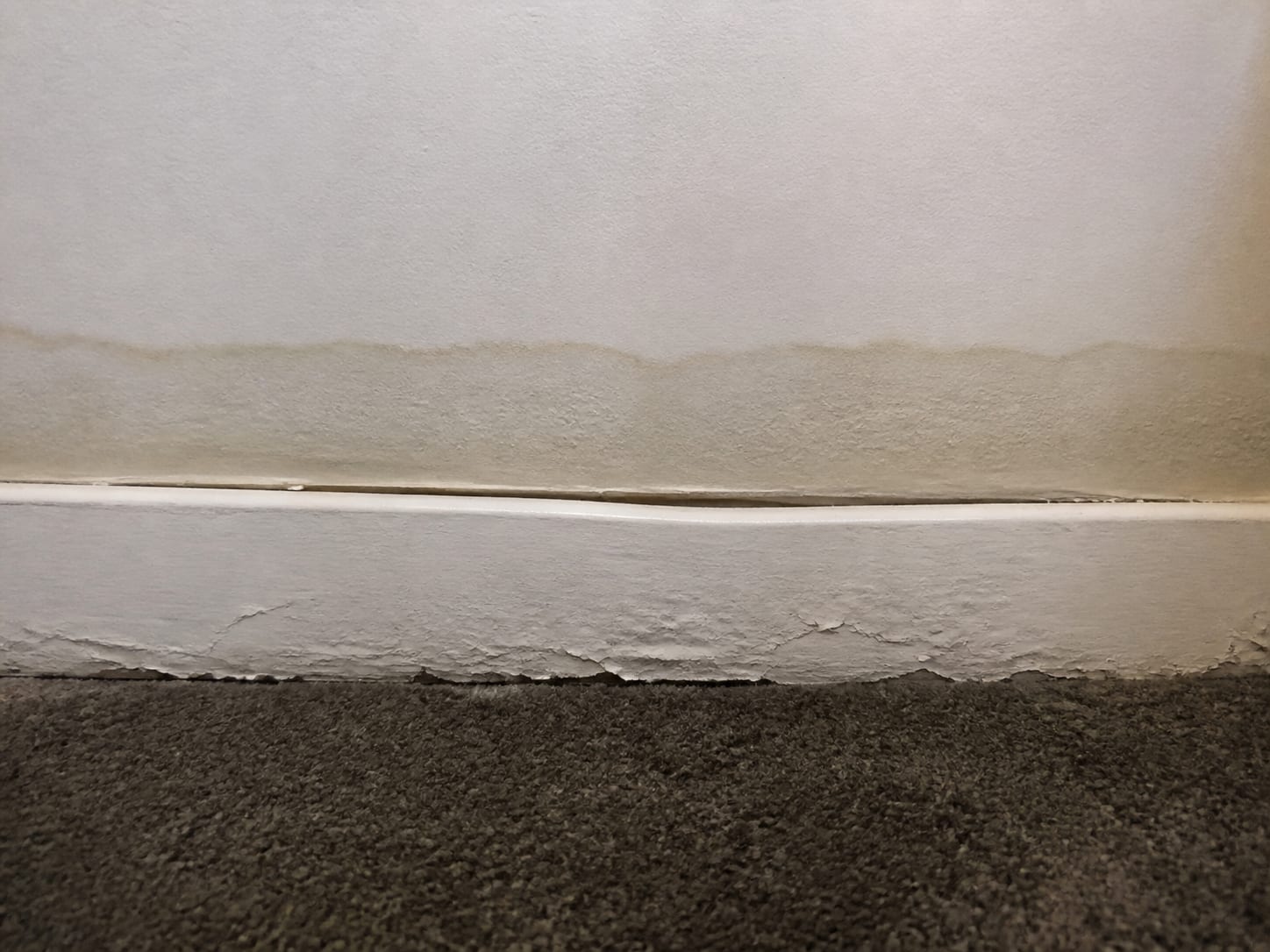
Capture the water line
The single most useful photograph, and the first thing lost when a room is cleared.
- 3
Photograph contents in place
Before anything is dragged out, including what is underneath.
- 4
Record model plates
On anything mechanical that was affected.
- 5
Note the times
When you found it, and as best you can when it happened. They are often different.
- 6
Notify the insurer
Then begin mitigation, because damage accruing while you wait is damage you allowed.
- 7
Keep everything contemporaneous
Readings, equipment logs, an itemised scope, and what left the building.
Five minutes, no cost, cannot be recreated.
Wide, then close. Each affected room from the doorway, then detail on the damage. If water came from above, the ceiling. If it came in from outside, the water line on the wall, which is the single most useful photograph you can take and the first thing lost when the room is cleared.
The source, if it is visible. The failed component, the open joint, the appliance.
Contents in place, before anything is dragged out, including what is underneath furniture.
Serial numbers and model plates on anything mechanical that was affected.
Note the times. When you found it, and as best you can when it happened. They are often different and the difference can matter.
Then contact the insurer. Then start mitigation.
Mitigate, Because Not Doing So Is Its Own Problem
Policies generally expect the insured to take reasonable steps to prevent further damage. That is why waiting for an adjuster before extracting water is usually the wrong instinct: the damage that accrues while you wait is damage you allowed.
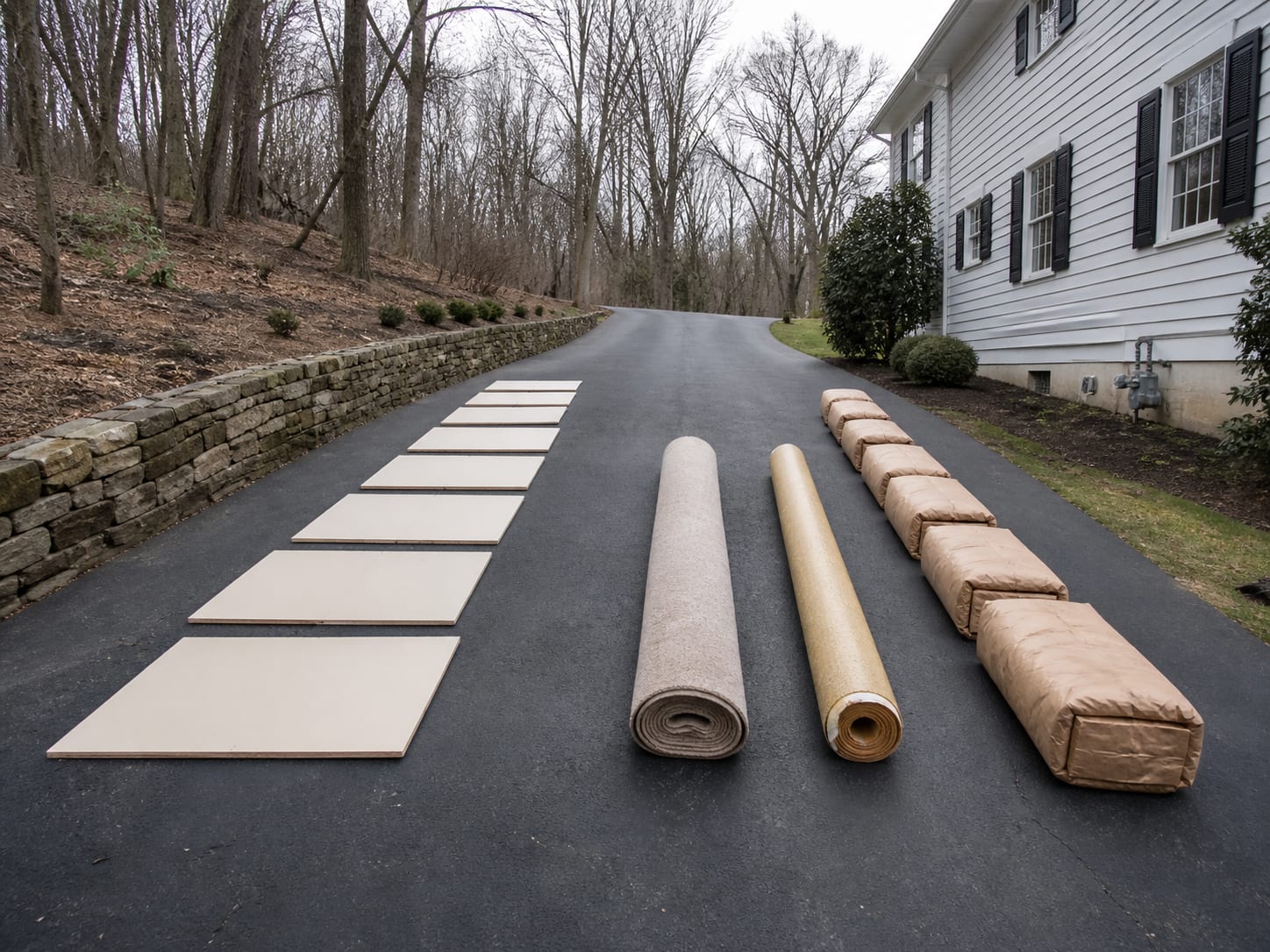
Reasonable steps mean stopping the source if it is safe, getting standing water out, getting drying started, and protecting undamaged property. It does not mean stripping the room to the studs before anyone has seen it. Document as you go and keep what you remove, or at least photograph it, until you are told it can be disposed of.
What Usually Decides a Claim
Not the amount of damage. The cause of it, and how long it went on.
The distinction that comes up more than any other is sudden and accidental against long term seepage or repeated leakage. A supply line that failed on Tuesday and a joint that has been weeping behind a wall for two years produce similar looking damage and are treated very differently. This is one of the strongest arguments for documenting early and for finding the source properly, because the source assessment is evidence about which of the two you have.
Two other distinctions worth knowing exist:
Water arriving from outside is generally handled differently from water that originated inside the building, and often under a separate arrangement.
The damage against the cause. Repairing what the water damaged and repairing what let the water in are frequently treated as separate questions.
None of that is a statement about your policy. It is the vocabulary the conversation will use, and knowing it helps you ask better questions of the person who can actually answer them.
What a Restoration Company Does and Does Not Do
Does: establish and document the condition, establish the source, produce an itemised scope, carry out mitigation and drying, record moisture readings and equipment use over time, and provide the documentation the carrier will ask for.
Does not: tell you whether you are covered, negotiate on your behalf as a public adjuster, or characterise your insurer.
That boundary is worth insisting on. A contractor promising a covered outcome before an adjuster has seen anything is making a commitment they have no power to keep, and the person left holding it is you.
Warren's Own Claim, as a Worked Example
This sequence is not abstract here, because the Township went through it in public.
A third floor fire sprinkler pipe burst at Warren Town Hall on February 8, 2026. The Township recorded that immediate remediation was required to prevent further damage, mold and environmental contamination. Its resolution of April 16, 2026 approved $383,416.63 for that remediation, after the Township's insurance program and the carrier had reviewed the completed work.
Read the order: the loss, immediate mitigation because delay would have made it worse, documentation, then a carrier review of completed work, then approval. That is the same sequence on a house, and it is a useful thing to point at when somebody tells you to sit and wait for permission before drying a building out.
It is also worth noting what it is not. It is one institutional claim with published figures. It says nothing about what any residential policy will do.
The Records Worth Keeping
Photographs, from before cleanup onward, dated.
Moisture readings over the course of drying, on materials.
Equipment logs: what ran, where, and for how long.
An itemised scope: what was removed, what was cleaned, what was repaired.
The source assessment, in writing.
Receipts for anything you paid for directly, including temporary accommodation if that becomes relevant.
Keep it after the claim closes too. It is the file that answers a buyer's inspector in four years, and by then nobody remembers.
Where the Repair Meets the Township
Mitigation and drying are not permitted work. Reconstruction generally is.
Warren Township requires permits for most construction activity and asks for inspection requests at least 24 hours ahead, with no same day inspections. Where the property sits in a regulated flood hazard area, the Floodplain Administrator reviews applications alongside the Construction Official, and keeps records including determinations of substantial improvement or substantial damage and, where required, as built elevation certificates.
That last one can interact with a claim, because a substantial damage determination compares the cost of the work against the pre damage market value of the structure. It is a reason to establish early whether the property is in a mapped area.
What Slows a Claim Down, and What Speeds It Up
Most of what determines how a claim goes is decided in the first day, by things that cost nothing.
What speeds it up. Photographs taken before anything moved, including the water line and the contents in place. Prompt notification. Mitigation started quickly and documented as it happened. An itemised scope produced by whoever did the work, showing what was removed and why rather than a lump figure. Moisture readings logged over time rather than once. Model and serial details for anything mechanical. Receipts kept as you go.
What slows it down. A room cleared before it was photographed, which removes the evidence of extent and turns a factual question into a recollection. A scope that says "remediate affected areas" without saying which, where, or what material. Disposal of removed material before anybody documented it. A gap between the loss and the notification that nobody can explain. Verbal agreements about who was doing what.
Where disputes actually arise. Almost always about extent rather than about entitlement: whether a material needed to come out or could have been cleaned, and how far the water travelled. Both are answerable with readings and photographs of concealed conditions taken at the time, and effectively unanswerable afterwards. That is the whole argument for documenting more than feels necessary in the first hour.
On the distinction that matters most. A sudden failure and a long running leak can leave identical looking damage. What separates them in the record is the condition of the surrounding material, the pattern of staining, and what the source assessment found. This is another reason to have the source established properly and in writing rather than assumed.
What a restoration contractor cannot do for you. Tell you whether you are covered, negotiate on your behalf, or characterise your insurer. If a contractor promises a covered outcome before an adjuster has seen anything, they are committing to something they have no power to deliver and you are the one holding it afterwards.
A Warren note. The Township itself ran this sequence in public: a sprinkler line failed at Town Hall on 8 February 2026, immediate remediation was carried out because delay would have made it worse, and the April resolution approved payment after the insurance program and the carrier had reviewed the completed work. Loss, mitigate, document, review, approve. The order is the same on a house, and it is a useful thing to point at when somebody suggests waiting for permission before drying a building out.
Frequently Asked Questions About insurance restoration services Warren NJ
Should I wait for the adjuster before starting cleanup?
Document first, then mitigate. Policies generally expect reasonable steps to prevent further damage, so waiting while a building stays wet usually works against you. Photograph thoroughly, notify the insurer, then get the drying started.
Will my insurance cover water damage?
That depends on your policy and the cause of loss, and no restoration company can tell you. What we can do is establish and document the cause properly, which is the evidence the question gets decided on.
What is the difference between sudden damage and seepage?
Broadly, a discrete failure at a point in time against a long running leak. They can look identical in the finished damage and are treated differently. It is one of the main reasons the source assessment matters.
Do you bill the insurance company directly?
Arrangements vary and it is worth agreeing in writing at the start who is contracting with whom. What should not vary is that you receive the same documentation either way.
What if the adjuster's scope is smaller than yours?
It happens, and it is usually resolved with evidence rather than argument: moisture readings, photographs of concealed conditions, and an itemised scope showing why a material was removed rather than cleaned. That is another reason the record is built as the work happens rather than afterwards.
Do I need a permit for the repair?
For reconstruction, usually yes. Warren requires inspection requests at least 24 hours ahead with no same day inspections, and there is additional floodplain review where the property is in a mapped flood hazard area.
Final Thoughts
If you have damage in a Warren property and are working out what to do before the adjuster arrives, the answer is photograph it thoroughly, then get the drying started. ExecPro Restoration & Cleaning will document the condition and the source properly, keep the readings and equipment records your carrier will want, and give you an itemised scope. Call ExecPro Restoration & Cleaning at (888) 300-3772 or get in touch. Emergency mold and water damage services are available 24/7, Monday through Sunday. Related: water damage restoration and, if there is standing water now, emergency water extraction in Warren.
Claim Terms
Tap a term to see what it means.
Mitigation. Reasonable steps to prevent further damage, generally expected of the insured.
Serving Warren
ExecPro Restoration & Cleaning provides mold remediation services in Warren, NJ, from inspection and testing through removal, drying, and post-remediation verification. Call (888) 300-3772 for 24/7 emergency response.
Related Articles
The File Decides It: Insurance Restoration Services in Plainsboro, NJ
What to photograph, what to keep and what not to touch before your adjuster arrives in Plainsboro, NJ, plus what a homeowners policy usually will not cover.
The Fourth Track in the Claim File: Insurance Restoration Services in Alpine, NJ
A restoration claim runs on four separate tracks, and the one that gets forgotten on an Alpine property is the site itself, which can carry its own review before permanent work starts.
Commercial Storm Damage in New Jersey: The First 72 Hours for a Business
Commercial storm damage restoration in New Jersey: what to do in the first hour, day and 72 hours, from safe entry to drying and insurance records.