The Fourth Track in the Claim File: Insurance Restoration Services in Alpine, NJ
Cal HewittPublished
- insurance restoration services
- claim documentation
- permits
- alpine nj
Most people picture an insurance restoration project as two things happening: the building gets dried and repaired, and the insurer decides what it pays. It is actually four, and keeping them apart is what makes a claim readable to the person reviewing it. Cause of loss is one track. Emergency mitigation is another. Permanent repair, with its permits and inspections, is a third.
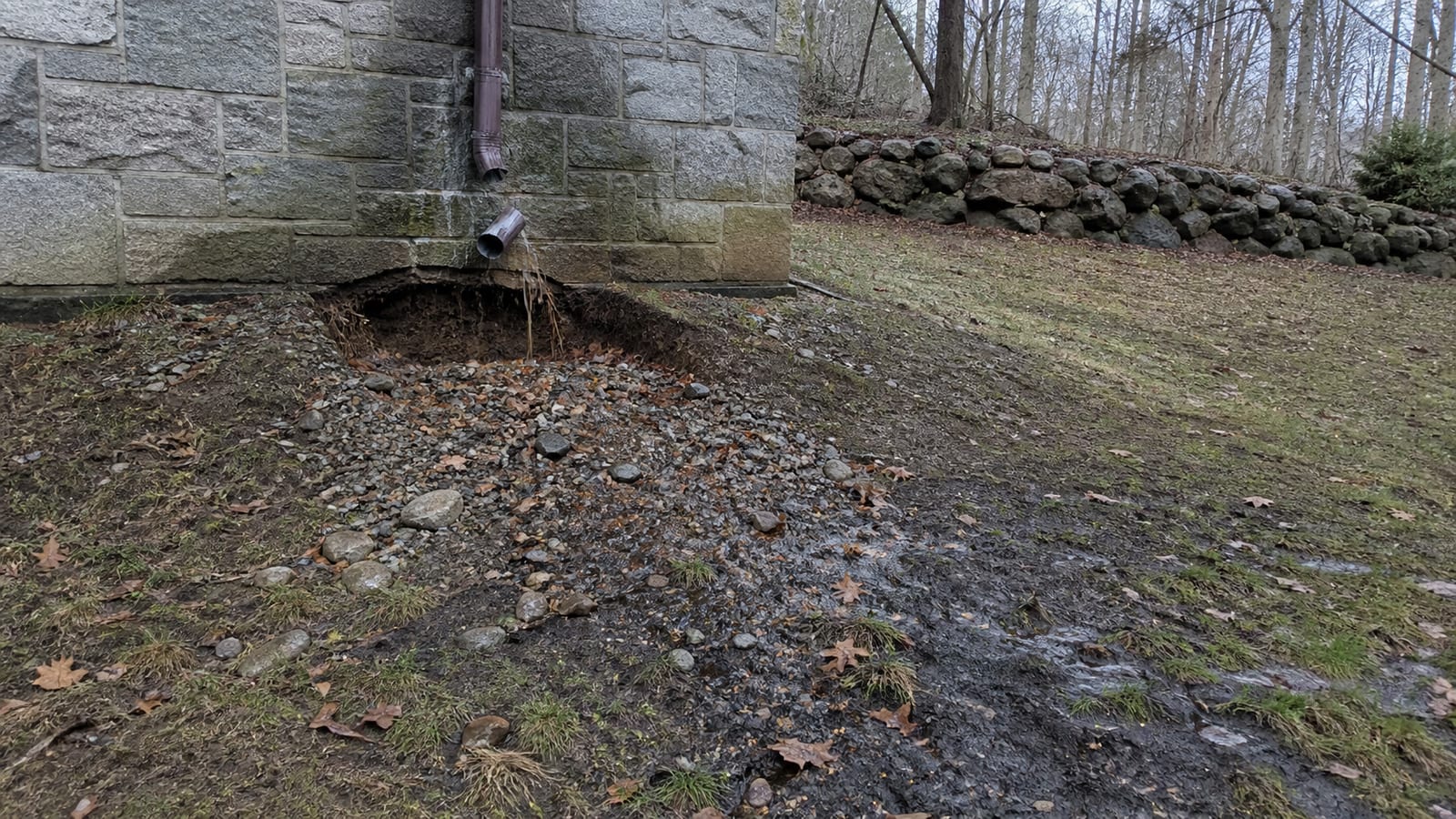
The fourth is the site, and it is the one that catches Alpine owners. On a parcel where the borough's code singles out slopes of at least 15 percent grade, wetlands, floodplains and mature vegetation for protection, and applies its slope provisions lot by lot, a repair that reaches outside the building can pick up a municipal review that an interior dry out never touched. Nothing about that shows up in a carrier's estimate, and it belongs in the plan from the first week.
Key Takeaways
The cause controls the coverage
A sudden discharge, surface floodwater, a sewer backup and long term seepage are different provisions, not four versions of water.
Temporary repairs are expected, permanent ones wait
State guidance is to prevent further loss and keep the receipts, while permanent repair waits on the adjuster's review.
Do not throw anything away yet
Guidance is to keep damaged property until the insurer has inspected it or has authorized disposal.
Code driven costs can need their own endorsement
Additional expense caused by a change in code or law is not automatically part of a standard policy.
Flood policies treat basements narrowly
The federal program's manual limits coverage for finished basement walls, floors and ceilings and for most personal property kept there.
Alpine's site rules run on the parcel
Slope, wetland, floodplain and vegetation provisions are applied lot by lot rather than by neighborhood.
Track One: Naming the Cause Precisely
Water is not a cause of loss. A supply line that failed on a Tuesday is a cause. Surface water that arrived during a storm is a different one. A sewer or drain backup is a third, long term seepage through an assembly is a fourth, and mold discovered afterward is a consequence of whichever of those actually happened. Policies are written against those distinctions, and the file should be too.
The consumer guidance from the state is blunt about several of them. A homeowners policy excludes flood damage, and separate flood coverage is the route for that peril. A sewer or drain backup is normally not covered by a homeowners policy or by flood insurance unless it has been obtained separately. Additional expense created by a change in code or law, the kind that turns a like for like repair into an upgraded one, may require its own endorsement. Neglect and earth movement sit among the common exclusions as well.
None of that is a coverage opinion about your loss, and no contractor is in a position to give one. What it does mean is that the first hour of documentation should establish what happened, when it was discovered, and where the water came from, because everything downstream is read against that. Where the event was a storm or surface water, our Alpine flood damage cleanup guide covers the handling side of the same distinction.
Track Two: Mitigate, Document, and Keep the Debris
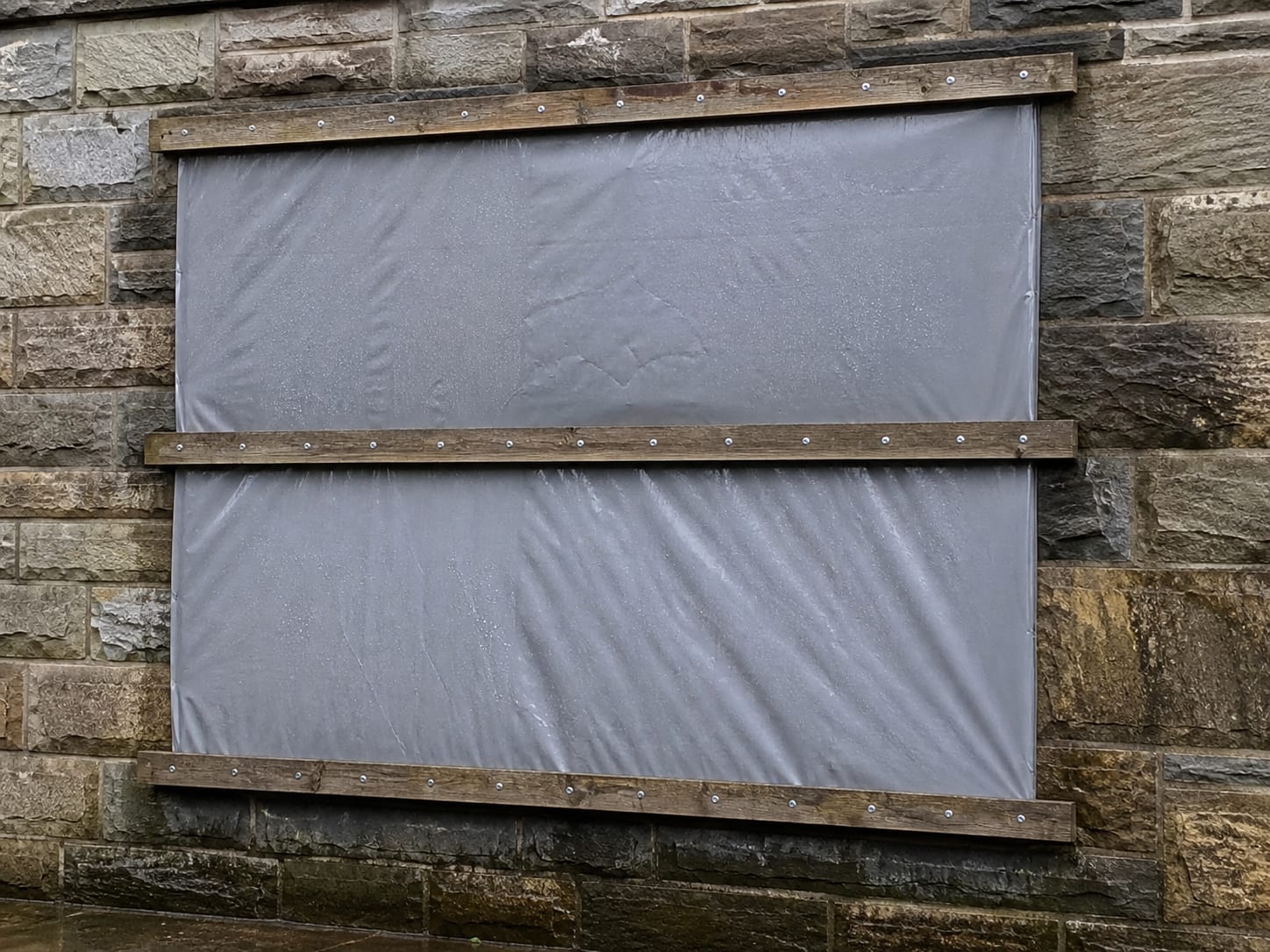
The obligation to protect the property from further loss starts immediately, and it is not in tension with the claim. State guidance is that necessary temporary repairs may be needed to prevent additional damage and that receipts for them should be retained, while permanent repairs wait until the adjuster has reviewed the loss. Board a window, stop the water, dry the structure, tarp the roof. Do not rebuild the room.
The instruction people break most often is about disposal. Guidance is to make a list of damaged property, photograph it, and not discard it before the insurer has inspected or has authorized disposal. That runs directly against the instinct to clear a wet house, so it needs a plan rather than good intentions: stage removed material where it can be seen, label it by room, and photograph everything before it moves. Where material genuinely cannot be kept, the photographs and the itemized list become the record in its place.
Track Three: The Permanent Repair Is Code Work
Once the adjuster has been through, the rebuild becomes a construction project with its own rules. New Jersey's construction code allows ordinary maintenance without a permit application, but the exclusions from that category are specific and they cover most of what a serious loss involves: cutting a load bearing wall, removing a structural beam or bearing support, altering required egress, work affecting structural or fire safety, and specified piping and electrical changes.
So the honest framing is that dry out is usually not permitted work and reconstruction usually is. A complete permit application is to be released or denied within 20 business days, which is a processing rule and not a project schedule. Alpine's construction and zoning officials work by appointment and its inspections run on set weekday windows, so the calendar is shaped by availability as much as by review. The rebuild itself sits under our build back services, and the coordination side is covered on the insurance restoration services page.
One more distinction is worth holding onto. The state's rehabilitation rules govern the technical standard that applies to work on an existing building. They do not remove the requirement to obtain a permit, and describing a rebuild as rehabilitation does not make it exempt.
Track Four: The Site Nobody Estimated
Here is the track that makes an Alpine claim different from the same claim in a flat subdivision. The borough's code identifies steep slopes of at least 15 percent grade, wetlands, floodplains and mature vegetation as features to be preserved, and says slope zoning is applied to each individual building lot within a development application. That is a parcel by parcel test, not a neighborhood label, and it applies to what happens outside the walls.
Losses reach outside the walls more often than people expect. A drainage correction that stops the water from returning, regrading around a foundation, a retaining feature, an access route for equipment on a sloped approach, tree work to reach a roof, or a rebuilt exterior assembly are all site work, and on a constrained parcel any of them may need review before it proceeds. The claim consequence is practical: those items belong on the estimate as named lines rather than folded into an interior allowance, because they can have their own timeline and their own approval.
The other reason to name them is that carrier positions differ on site work, and a line item that has never been described cannot be discussed. The wider local picture sits on the Alpine service area page.
The Basement Clause Worth Reading Before You Assume
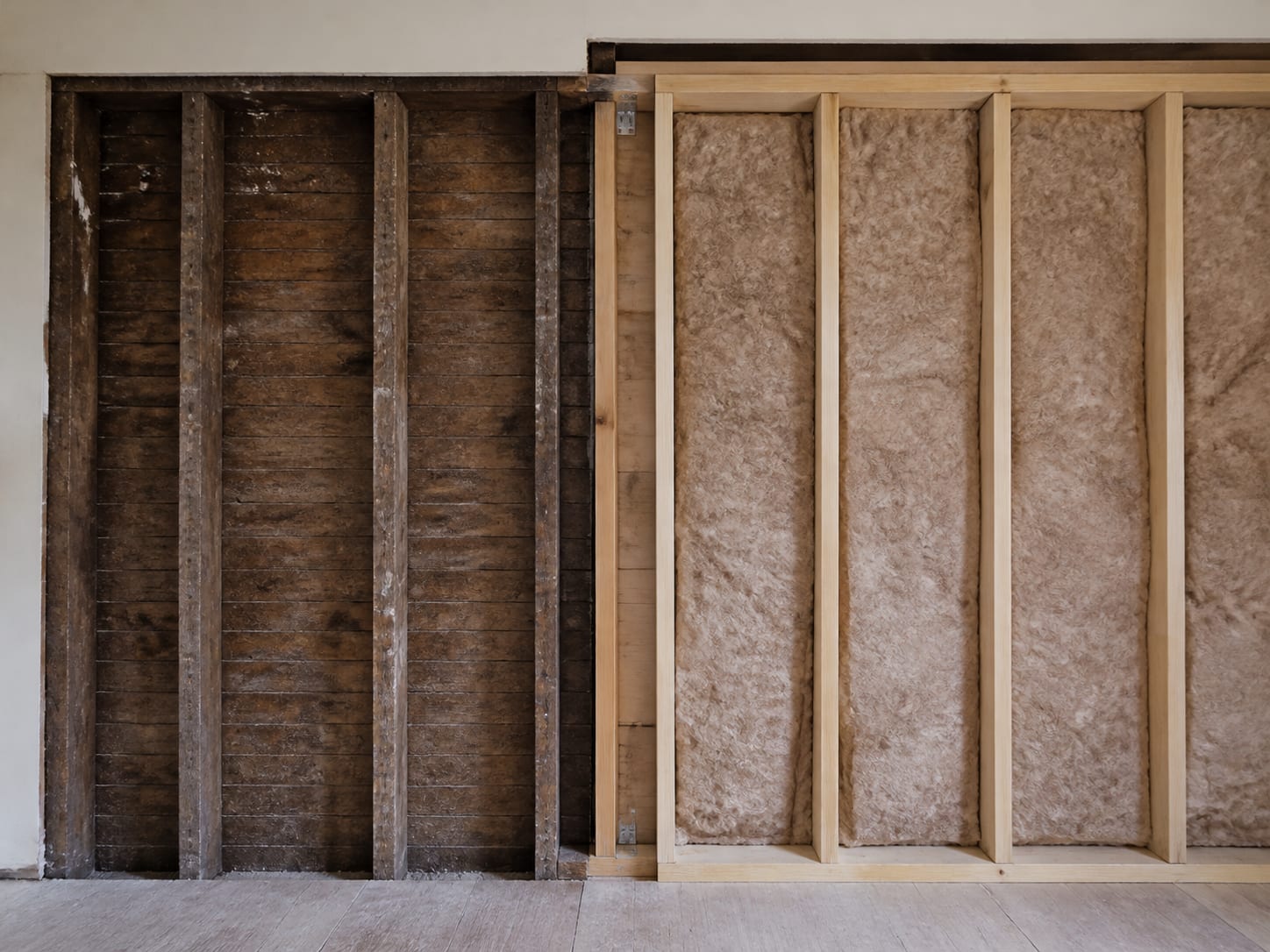
For a flood claim specifically, lower level expectations need adjusting early. The federal flood program's manual limits coverage for finished basement walls, floors and ceilings, and lists only limited categories of personal property kept in a basement. Program documents change and the current policy and claims instructions govern any actual loss, but the shape of the limitation has been consistent enough that it should be checked before a finished lower level is scoped as a full replacement.
That limitation is a coverage question and not a safety one. A wet lower level still has to be dried, cleaned and made safe regardless of what the policy will fund, and material that could not be dried within about 24 to 48 hours is treated as a mold question rather than a drying one. Where that is the situation, mold remediation is the scope that follows, and the coverage discussion for it runs on its own track like everything else here.
Keeping the Four Tracks Separate
- 1
Stabilize and report
Make the property safe, notify the carrier, and start the photographic record before anything moves.
- 2
Establish the cause
Document the source itself, not only the damage, since the provisions follow from it.
- 3
Mitigate with receipts
Temporary repairs and drying, logged, with invoices kept and readings recorded.
- 4
Inventory before disposal
Room by room lists and photographs, with material retained until the insurer inspects or releases it.
- 5
Get the adjuster through
Permanent work waits, and the itemized estimate gets reviewed line by line rather than accepted whole.
- 6
Classify the rebuild
Determine which parts are permitted construction and file accordingly.
- 7
Price the site separately
Drainage, grading, access and vegetation work as their own lines, with their approvals identified.
Frequently Asked Questions About Insurance Restoration in Alpine NJ
Can I start cleaning up before the adjuster arrives?
You should start protecting the property immediately, and that is different from repairing it. State guidance supports necessary temporary repairs to prevent further damage, with the receipts kept, while permanent repairs wait for the adjuster's review. The one thing to avoid is disposal: keep damaged property until the insurer has inspected it or told you it can go, and photograph everything before it moves.
Is water damage covered?
It depends entirely on where the water came from. A homeowners policy excludes flood, a sewer or drain backup is normally not covered under either a homeowners or a flood policy unless obtained separately, and a sudden interior discharge is a different question again. That is why the cause is documented first. No contractor can tell you what your policy owes, and one who does is guessing with your money.
The repair has to meet current code and it costs more. Who pays?
That is the code or law question, and it is not automatically part of a standard policy. Additional expense caused by a change in code or ordinance can require a separate endorsement, so the answer is in the declarations rather than in the estimate. Ask the carrier the question directly and get the position in writing before that portion of the work is authorized.
Our lower level was finished. Will the flood policy replace it?
Check before assuming. The federal program's manual limits coverage for finished basement walls, floors and ceilings and for most personal property kept in a basement, which frequently surprises owners of finished lower levels. The current policy and claims instructions govern your loss, and the point of raising it early is so the scope and the expectation are set from the same document.
Why is the drainage work priced separately?
Because it is a different kind of work with a different approval path. Alpine applies its slope, wetland, floodplain and vegetation provisions lot by lot, so exterior grading, drainage, retaining or access work on a constrained parcel can require review that an interior repair does not. Keeping it as a named line means it can be discussed, approved and scheduled rather than discovered late inside a lump sum.
How long will the whole thing take?
There is no standard duration and nobody can honestly give one at the outset. The variables are the cause, the extent found once material comes out, the carrier's response, whether the rebuild is permitted work, plan completeness, inspection availability and materials. A complete permit application carries a 20 business day decision rule, which is one interval inside a much longer sequence rather than the length of the project.
Final Thoughts
A restoration claim goes wrong in predictable ways: the cause is described loosely, the debris leaves before it is photographed, mitigation and improvement get mixed into one number, and the site work appears at the end as a surprise. All four are avoidable with a file that keeps them apart from the first day.
In Alpine the fourth track deserves the extra attention, because the borough's protections attach to the parcel and are applied lot by lot. A loss that stays inside the walls is a straightforward claim. One whose real fix involves the ground, the drainage or the approach is two projects, and saying so early is what keeps the second one from stalling the first.
If you have a loss and want the cause, the mitigation, the permitted repair and the site work documented as separate things rather than as one invoice, ExecPro Restoration & Cleaning will build the file that way from the start. Call (888) 300-3772 or reach us through the contact page, and photograph the source before you touch anything.
Claim Terms
Tap a term to see what it means.
Cause of loss. The specific event that produced the damage, which determines the policy provisions applied to the claim.
Serving Alpine
ExecPro Restoration & Cleaning provides mold remediation services in Alpine, NJ, from inspection and testing through removal, drying, and post-remediation verification. Call (888) 300-3772 for 24/7 emergency response.
Related Articles
Insurance Restoration in Warren, NJ: Document It Before You Touch It
Photograph the damage before anything moves. What to document for a Warren, NJ claim, what usually turns on the cause of loss, and where a restorer fits in.
The File Decides It: Insurance Restoration Services in Plainsboro, NJ
What to photograph, what to keep and what not to touch before your adjuster arrives in Plainsboro, NJ, plus what a homeowners policy usually will not cover.
Finishing a Basement in New Jersey: The Moisture Checks to Do Before Framing
Planning on finishing a basement in NJ? Walk through the moisture checks, below-grade materials, permits and records that come before framing.