The File Decides It: Insurance Restoration Services in Plainsboro, NJ
Cal HewittPublished
- insurance restoration services
- claim documentation
- cause of loss
- plainsboro nj
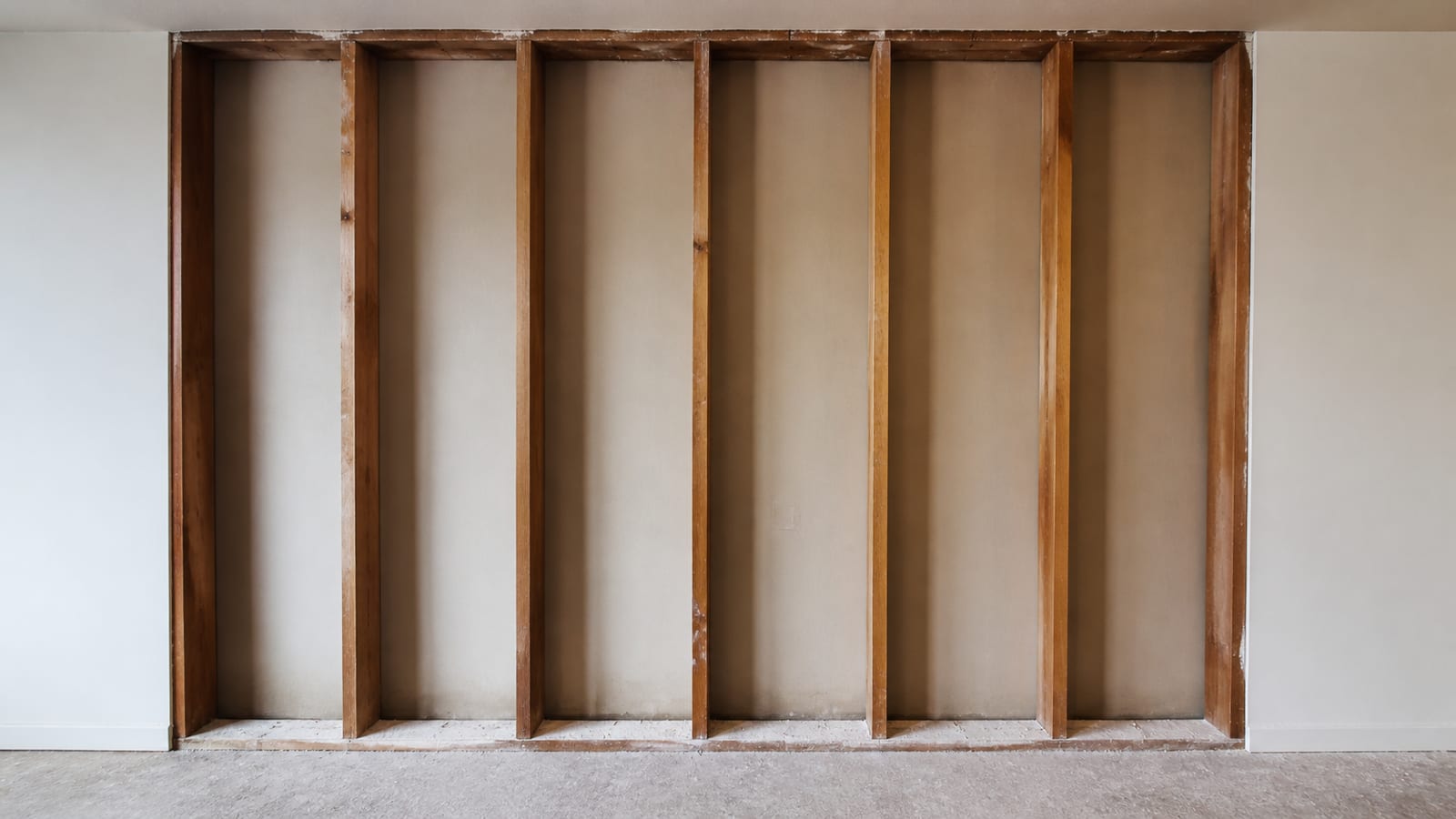
Almost everything that decides a water or mold claim gets created in the first day, and most of it cannot be recreated afterward. That is the uncomfortable part. By the time anyone is arguing about scope, the evidence that would have settled it has usually already gone out in a skip, in good faith, by somebody trying to be helpful.
So this is the practical version: what to do before anything is moved, what a homeowners policy generally does and does not cover, how the cause of loss changes everything, and what a contractor can and cannot tell you about your own coverage.
Key Takeaways
Photograph before disposal, not after
State guidance is explicit, and it is the single highest value thing you can do in the first hour.
Keep the damaged property where you safely can
Until the insurer has had the opportunity to inspect, or has told you otherwise.
Temporary repairs yes, permanent repairs wait
Stopping the loss getting worse is expected of you; closing it up too early is not.
Flood is a different policy
New Jersey's regulator states plainly that homeowners policies exclude water damage caused by flooding.
You choose your own contractor
That is a policyholder's right, not a favour.
No contractor can promise you coverage
Your declarations, endorsements, exclusions and deductible decide it, plus the carrier's written position.
The First Hour, in Order
Make it safe. Power and standing water first, from a dry position or by an electrician. Nothing else matters if somebody gets hurt.
Photograph and film everything before it moves. Wide shots of each affected room, then close-ups of the damage, the waterline if there is one, the source if you can see it safely, and the contents. Date them. This is the step people skip because the room is a mess and clearing it feels productive.
Stop the loss getting worse. Shut the water off, tarp the opening, get absorbent contents up off the floor, start drying. This is temporary repair and it is expected of you.
Report it promptly, and write down the claim number, the representative's name, and the date of every conversation.
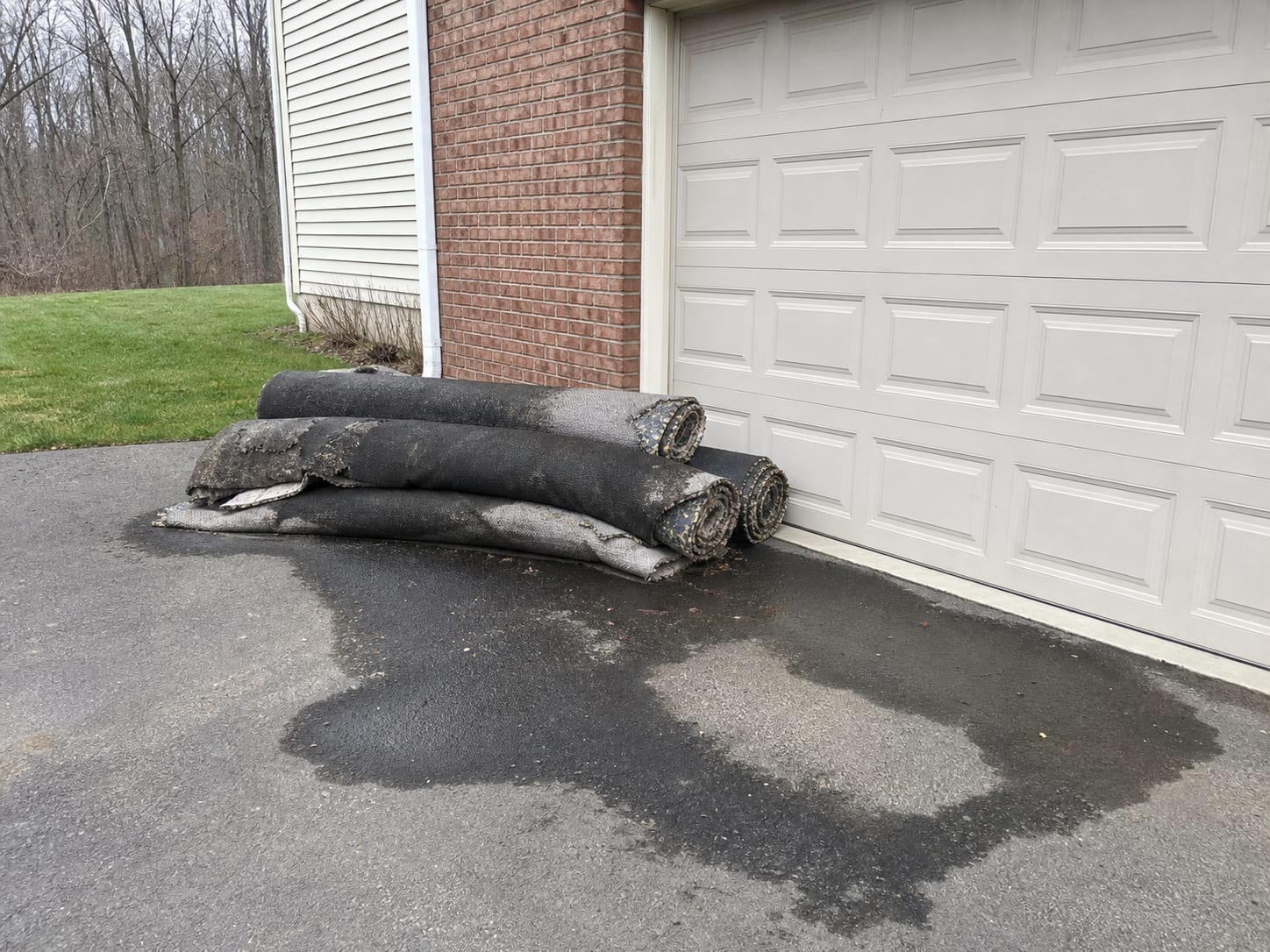
Do not throw out the damaged property. Keep it where you safely can until the insurer has inspected or told you they do not need to. The ruined carpet in the driveway is evidence until somebody with authority says it is not.
Save every receipt for the temporary repairs, because those are usually treated differently from the permanent ones.
Cause of Loss Is the Whole Conversation
Everything downstream depends on what the water was and where it came from, so getting this named correctly on day one is worth more than anything you do in week three.
New Jersey's Department of Banking and Insurance states plainly that homeowners policies exclude water damage caused by flooding, and that flood insurance is what covers a home and personal property against floods. That single distinction moves a claim between two entirely different policies. A supply line that failed inside the house and surface water that came in at the door look similar in a photograph and are not remotely the same claim.
The categories worth separating in your own notes:
- A supply line or appliance failure, sudden and accidental.
- Roof or opening intrusion, which is often storm related.
- A sewage backup, which is its own coverage question and its own health question.
- Flood or surface water, which is the flood policy conversation.
- A long running leak, which is where gradual damage exclusions usually come up.
If you are unsure which you have, say so rather than guessing on the phone. A wrong label given confidently in the first call is harder to correct later than an honest "we are still establishing the source."
What the Documentation Actually Has to Show
A restoration file that survives scrutiny separates things that people habitually blur together. Emergency protection. Mitigation. Removals. Drying with its verification. Permitted build-back. And changes discovered after an assembly was opened.
Kept apart, the same document can be read by you, by an adjuster and by a building department without anybody having to take a number on trust. Bundled into one figure, it invites a disagreement that nobody has the evidence to settle.
The moisture record is the part contractors most often skimp on and adjusters most often want: readings in the affected materials and in comparable unaffected ones, visible deterioration, any pre-existing damage, how far the water migrated, and the daily drying progress. That is what explains why a scope grew from a visible stain to a wall cavity, a subfloor, the contents or a neighbouring unit. It does not prove payment is owed, but without it the growth of a scope looks like an opinion.
The Two Policy Problem in a Managed Building
Plainsboro's housing profile includes sizeable segments of five to nine unit, ten to nineteen unit and twenty plus unit buildings, so a good share of local losses happen in properties where more than one policy touches the same wall.
In a condominium the association's master policy and the unit owner's policy both have a claim on the same assembly, and where the line falls between them is set by the governing documents rather than by anything visible on site. A loss that starts above your ceiling may be the association's to repair and yours to clean up after, or the reverse, and neither carrier will decide that for the other.
What helps is the same thing that helps everywhere else: establish and document the source early, name the affected elements precisely, and get the association or manager notified in writing as well as by phone. Most of the disputes we see in multi-unit buildings are about facts nobody recorded rather than about the terms themselves.
Where the Rebuild Meets the Township
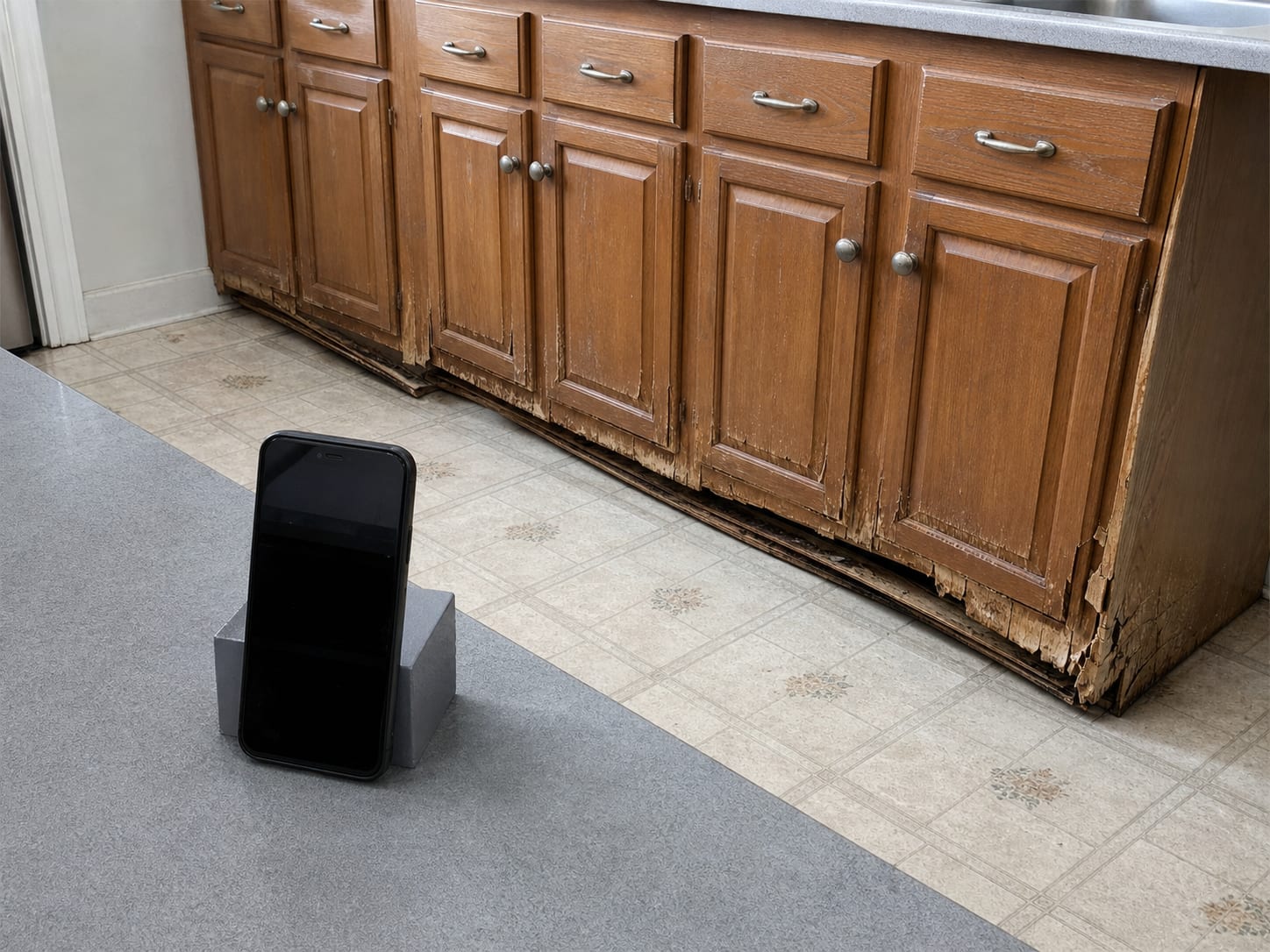
Mitigation and reconstruction are different jobs, and the second one has a municipal shape that a claim file should reflect.
Plainsboro's Building Division administers the state construction code and requires permits for new work and for renovations or alterations affecting use, structure or egress, and specifically for heating and cooling or water heater replacement and structural deck or balcony repair. New Jersey's ordinary maintenance category does not cover work affecting structural or fire safety, or the alteration, replacement or relocation of water supply, sewer, drainage, gas, waste or vent piping. So a whole water loss rebuild should be classified with the Building Division rather than described as ordinary maintenance and left there.
There is a second layer for some addresses. The Township's floodplain ordinance incorporates the construction code and the state Flood Hazard Area Control Act, and states that state regulated flood hazard areas may extend beyond the FEMA mapped Special Flood Hazard Area. It lists the Township's state studied waters including the Millstone River, Devils Brook and Cranbury Brook, with the maps and studies held by Planning and Zoning. That matters before construction, grading, filling, utility work or reconstruction on a potentially regulated parcel.
At the end, altered or renovated buildings receive a Certificate of Approval after code compliant completion. Keep the applications, the inspection results and that certificate with the claim file. They are the proof the rebuild was done properly, and they are what a future buyer or insurer asks for.
What a Contractor Can and Cannot Do for You
Can: document the condition, establish and record the cause of loss, produce an itemised scope, take and log moisture readings, verify drying, carry out the work, and give the carrier a clear technical account of why the scope is what it is.
Cannot: tell you whether you are covered, promise a payout, waive your deductible, or negotiate the claim on your behalf.
Two things worth knowing about your own position. You may use a contractor of your choice, which is a policyholder's right rather than a concession. And if you are considering a public adjuster, they are state licensed and are hired by policyholders to appraise and negotiate claims, but they are not required in order to file or resolve one. Whether that is worth it depends on the size and complexity of your loss rather than on anybody's sales pitch.
Be wary of any proposal that quotes a single bundled figure without separating emergency protection, mitigation, removals, drying, and permitted build-back. That number cannot be compared to another contractor's, and it cannot be evaluated by an adjuster either.
What You Can Do Yourself
More than you would think, and the highest value parts are free.
Take the photographs. Write down the timeline while it is fresh: when it started, when you found it, what the weather was doing, what you did and when. Keep a running note of every claim conversation with names and dates. Save receipts as you go rather than assembling them later. Get contents up off the floor and out of the affected area, photographing them first.
What to leave alone: permanent repairs before the adjuster has reviewed, disposal of damaged property before the insurer has had the chance to inspect, and running a heating and cooling system that may be contaminated.
Where the water arrived from outside rather than from a pipe, treat it as contaminated from the first hour and handle it as flood damage cleanup rather than an ordinary dry out, because federal guidance is clear that sewage or other contaminated water calls for somebody experienced in exactly that.
Frequently Asked Questions About Insurance Restoration Services in Plainsboro, NJ
Should I wait for the adjuster before doing anything at all?
No, and this is the most common misunderstanding. You are expected to make necessary temporary repairs to stop the loss getting worse, and drying promptly is part of protecting the property. What waits is the permanent repair, the closing up of walls, and the disposal of damaged property. Document, protect, then pause.
They are telling me to throw the carpet out. Should I?
Photograph it thoroughly first, and keep it where you safely can until the insurer has had the opportunity to inspect or has told you they do not need it. If it has to go for health or space reasons, record what it was, where it came from and why it could not be saved, with dates. The point is not to keep rubbish; it is not to destroy evidence before anyone has seen it.
Is mold covered?
It depends on your policy and on what caused it, and no contractor can answer that for you. What is broadly true is that coverage tends to follow the cause of loss, that flood damage is a separate policy entirely, and that gradual damage from a long running leak is treated differently from a sudden failure. Your declarations page, endorsements, exclusions and deductible are what settle it, along with the carrier's written position.
Can I use my own contractor?
Yes. Using a contractor of your choice is a policyholder's right. What matters more than who you pick is that their scope is itemised, their moisture documentation is real, and they can explain to an adjuster why the work is the size it is.
Do I need a public adjuster?
Not necessarily. Public adjusters are state licensed and are hired by policyholders to appraise and negotiate claims, but they are not required to file or resolve one. It is a judgement about the size and complexity of your loss. Nobody should be pressuring you into that decision at the same moment you are dealing with the damage.
Does the rebuild need a permit, and does that affect my claim?
Often yes on the permit, since Plainsboro requires them for renovations or alterations affecting use, structure or egress. It affects the claim mainly through documentation: the permit, the inspections and the final Certificate of Approval belong in the file as proof the reconstruction was code compliant, and some policies deal with code related upgrade costs separately.
Final Thoughts
The uncomfortable truth about restoration claims is that the most valuable work happens in the first few hours, by whoever is standing there, usually before any professional arrives. Photographs before anything moves. The cause of loss named honestly. Temporary repairs done and permanent ones held. Damaged property kept until somebody with authority says otherwise. Receipts saved.
None of that requires expertise and all of it is impossible to go back for. Everything after it, the scope, the moisture logs, the permits, the certificate, is easier to produce and easier to defend when the first day was recorded properly. The wider local picture is on our Plainsboro service area page, and the service itself is on our insurance restoration services page.
If you have a loss and want the documentation done properly from the first visit, ExecPro Restoration & Cleaning will scope it so an adjuster can read it. Call (888) 300-3772 or reach us through the contact page.
Claim Terms
Tap a term to see what it means.
Cause of loss. What actually caused the damage, which decides which policy the claim sits under.
Serving Plainsboro
ExecPro Restoration & Cleaning provides mold remediation services in Plainsboro, NJ, from inspection and testing through removal, drying, and post-remediation verification. Call (888) 300-3772 for 24/7 emergency response.
Related Articles
Insurance Restoration in Warren, NJ: Document It Before You Touch It
Photograph the damage before anything moves. What to document for a Warren, NJ claim, what usually turns on the cause of loss, and where a restorer fits in.
The Fourth Track in the Claim File: Insurance Restoration Services in Alpine, NJ
A restoration claim runs on four separate tracks, and the one that gets forgotten on an Alpine property is the site itself, which can carry its own review before permanent work starts.
Commercial Storm Damage in New Jersey: The First 72 Hours for a Business
Commercial storm damage restoration in New Jersey: what to do in the first hour, day and 72 hours, from safe entry to drying and insurance records.