A Borough With No Commercial District: Commercial Mold Remediation in Alpine, NJ
Cal HewittPublished
- commercial mold remediation
- facility management
- site plan review
- alpine nj
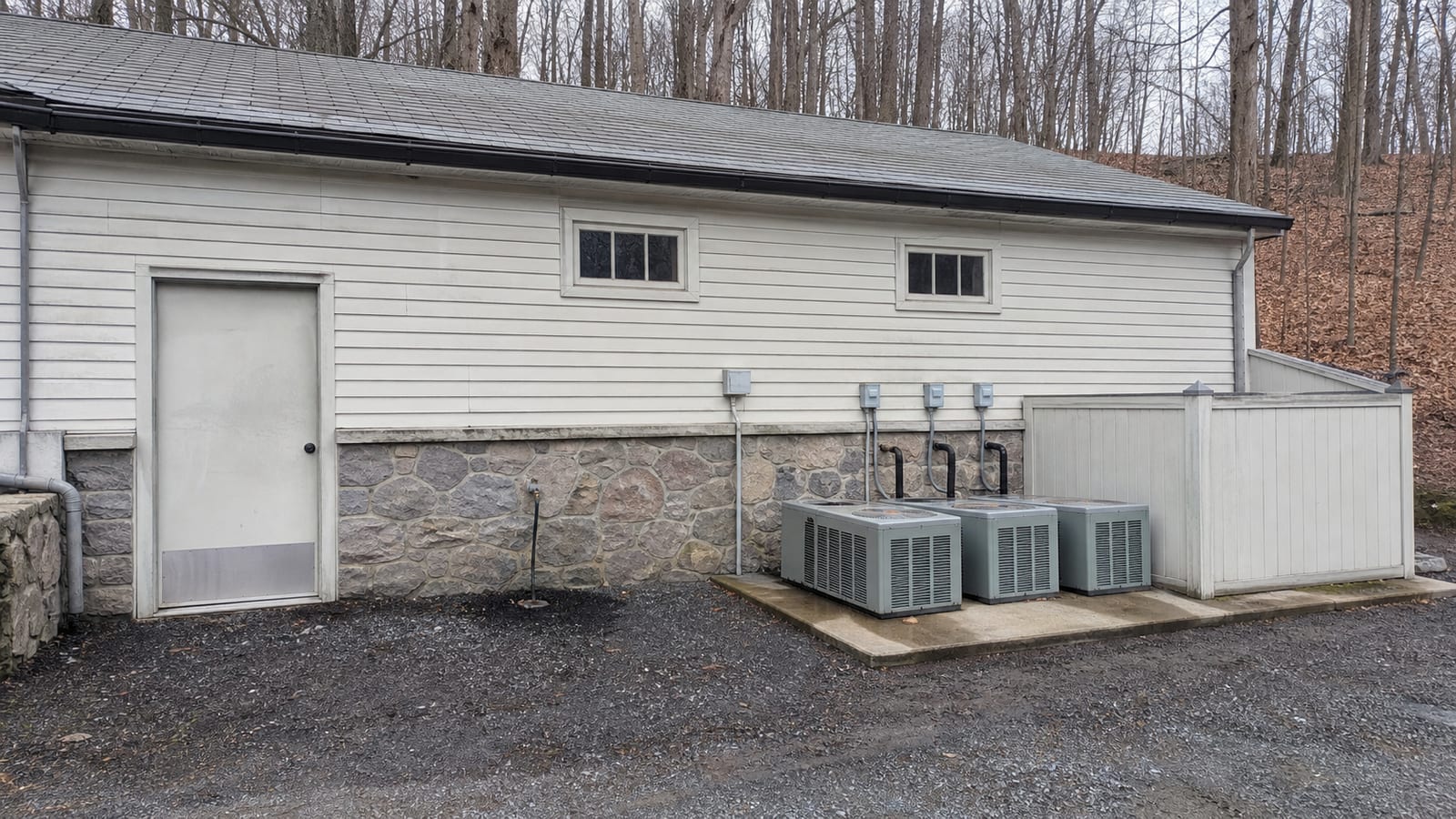
Alpine has commercial buildings and it does not have a commercial corridor. The borough's own 2025 plan puts commercial use at less than one percent of its land area, around 25 acres, describes those uses as primarily existing nonconforming small lot properties, and states plainly that there is no commercial district. Alongside them sit two private golf and country clubs, a cemetery and utility related sites.
That changes the first conversation. A mold job in a retail corridor starts with a suite, a landlord and a shared system. A mold job here starts with a question about what the building actually is: its use, its zoning status, whether it is served by a private septic system like most properties in the borough, and whether the corrective work is going to stay inside the building or reach the site. Everything about the schedule follows from those answers.
Key Takeaways
The intake question is the building's status
Use, zoning position, tenancy and site services decide the approval path long before the containment plan does.
Most properties here are on private septic
The borough's plan says only a select few have public sewer, businesses included, which changes a plumbing or drainage repair.
An occupied building adds an employer duty
Federal workplace rules require hazard assessment, and written certification where personal protective equipment is required.
There is no acceptable level to measure against
Workplace guidance states there are no standards for acceptable mold levels in buildings.
Change of tenancy counts as site development
Alpine's code includes nonresidential additions over 100 square feet, changes of use and changes of tenancy in that definition.
Business interruption is its own document
New Jersey requires insurers to provide a standardized business interruption summary with a commercial application or renewal.
What Counts as a Commercial Property in Alpine
The practical categories here are narrow and specific. A legacy small lot business operating as an existing nonconforming use. A private club with clubhouse, kitchen, locker and maintenance buildings. A civic, institutional or public use structure. A utility related facility. Each of those has a different occupancy pattern, a different set of systems and a very different tolerance for being closed.
That matters because a generic commercial scope assumes things that are not true here. It assumes a landlord and a tenant with a lease allocating responsibility, a shared mechanical plant, a municipal sewer connection and a property that can be worked on outside business hours without anyone noticing. In this borough the responsible party is often the owner directly, the systems are often building specific, and the wastewater is often handled on the parcel. Establishing all of that at intake takes twenty minutes and prevents a scope written for a building that does not exist.
The Employer Layer Most Scopes Skip
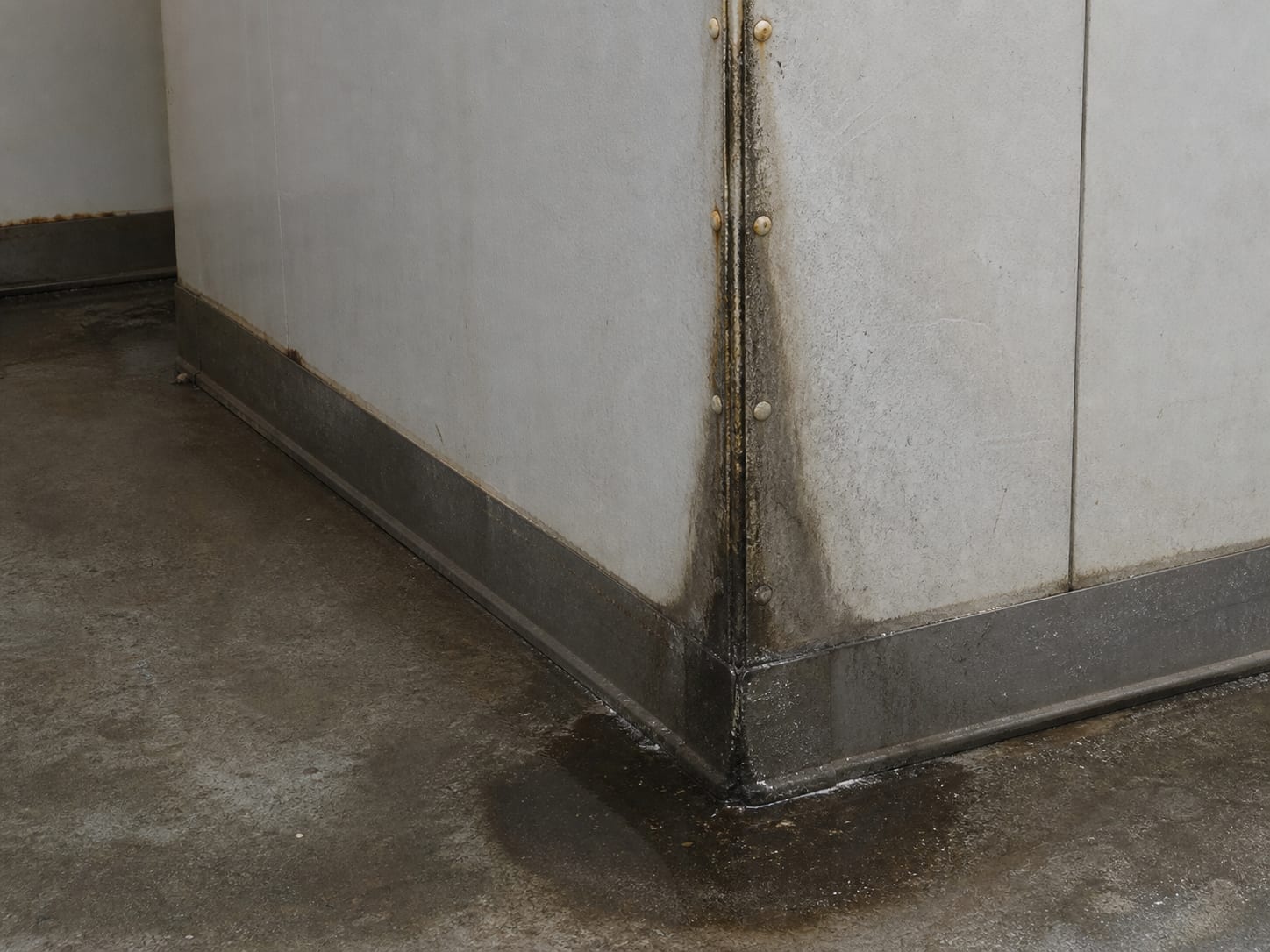
A house has occupants. A nonresidential building has occupants and workers, and the second group brings obligations that do not appear in residential guidance. Federal workplace rules require an employer to assess the hazards of the workplace, and where personal protective equipment is required, the personal protective equipment rule calls for a hazard assessment with written certification. Where respirators are used, the respiratory protection requirements come with them.
There is no numerical target to work toward. Workplace guidance says directly that there are no standards for acceptable levels of mold in buildings, which means the assessment is about conditions, exposure potential and controls rather than a reading. Where a recognized serious hazard exists without a hazard specific standard, the general duty provision can still apply. The practical effect for a facility manager is that the documentation of what was assessed and what was done is part of the job, not an optional extra.
Keeping the Building Working
Most of the craft in a commercial job is in sequencing rather than in cleaning. Containment is set so that the unaffected part of the building keeps functioning. The air distribution serving the affected area is isolated before anything is disturbed, since a system that keeps running carries the problem into rooms that were fine. Where a schedule allows, disruptive phases are moved outside occupied hours, which federal guidance suggests considering for occupied buildings.
The remediation plan itself should be written to be revised. Guidance is explicit that the plan identifies the moisture cause, sets containment and protection to suit the job, and gets reassessed if hidden mold is found, which on an older building is a real possibility rather than a formality. Where the air handling system turns out to be part of the pathway, HVAC mold remediation becomes its own scope, and where the water arrived recently, structural drying runs in parallel with everything else.
Sequencing a Nonresidential Job
- 1
Establish the building's status
Use, zoning position, tenancy, sewer or septic, and who authorizes the work.
- 2
Find the moisture source
Roof, envelope, plumbing, mechanical condensate, site drainage or the wastewater system.
- 3
Assess for occupants and workers
Document the hazard assessment and the protective measures the scope requires.
- 4
Plan containment and isolation
Set the barriers and shut down the air distribution serving the area before disturbance.
- 5
Phase the work around operations
Agree which spaces stay in use and which hours the disruptive stages occupy.
- 6
Remove, clean and dry
Work the affected materials, then bring the assembly to a documented dry standard.
- 7
Verify, then classify the repair
Confirm the condition, and determine whether the rebuild has crossed into regulated work.
Where the Repair Meets the Borough
This is the local step that catches people, and it turns on a definition. Alpine's site plan code excludes ordinary and minor repairs, along with certain non enlarging renovations that do not involve major structural change, from site plan review. That covers a great deal of remediation work. What it does not cover is site development, and the code's definition of that term includes nonresidential construction or additions over 100 square feet, a change in use, and a change in tenancy of an existing nonresidential structure. No building permit for site development issues before the required plan approval.
Read that last clause twice if you manage a property. A change of tenancy is a site development trigger here, which means a mold job that happens to coincide with a new occupant is two processes rather than one, and they have an order. Exterior work carries its own thresholds: soil protection requirements attach where more than 5,000 square feet is disturbed, development is barred in a delineated floodway, and flood fringe work carries stated elevation and no increased flooding conditions.
On flood exposure the county's 2026 hazard mitigation plan is the useful reference. It places Alpine's special flood hazard area primarily adjacent to the Hudson below the Palisades, puts about 1.3 percent of the borough's area in the one percent annual chance floodplain, and reports none of the developed parcels within it. That is a borough level picture and not a determination for any address, which is settled on the panel and on the ground. The broader local service picture is on our Alpine service area page.
The consistent theme is that nobody should self certify this. The construction official makes the determination on an actual scope, and a written answer before demolition is worth more than a confident opinion afterward. Where the repair reaches finishes and systems, post mold remediation rebuild is where those permits usually sit.
The Insurance Layer Is Different Too
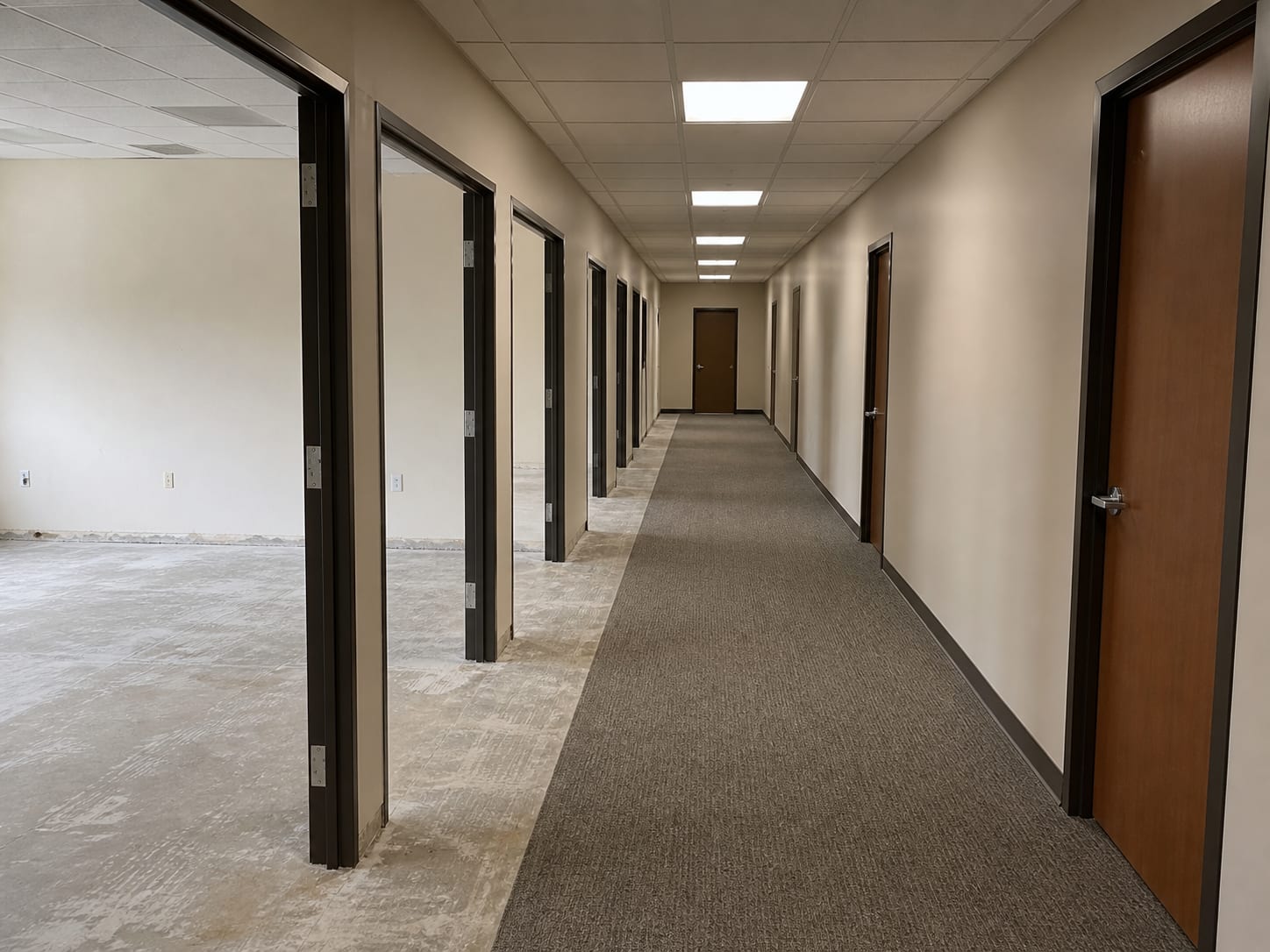
Commercial coverage carries a piece residential does not. New Jersey requires insurers writing commercial property and business interruption coverage in the state to provide a standardized business interruption summary with the application or renewal, which is worth locating before a loss rather than during one. It describes how that coverage works. It does not decide whether any particular water or mold event is covered, which turns on the policy and the facts.
What improves the position of a claim is the same as anywhere, done more thoroughly. Photographs before material moves, moisture readings with locations and dates, the written scope and any changes to it, the source finding, disposal records, permits and inspections, and whatever verification closed the job. On a nonresidential loss those records are read by people who never entered the building, which is precisely why they matter. Our commercial mold remediation page sets out the service itself, and where the question is documentation rather than cleanup, commercial mold inspection is the right starting point.
Frequently Asked Questions About Commercial Mold Remediation in Alpine NJ
Does a commercial mold job need a permit in Alpine?
There is no blanket answer, which is the honest version. Cleaning, drying and minor non structural repair are often outside site plan review, while nonresidential construction or additions over 100 square feet, a change of use and a change of tenancy fall inside the code's site development definition, and permitted building, plumbing, mechanical and electrical work has its own requirement. The construction official determines it for the actual scope.
Can we stay open during the work?
Usually part of the building can, and that is a planning question rather than a yes or no. Containment defines the work area, the air distribution serving it gets isolated, and the disruptive stages can often be scheduled outside occupied hours, which federal guidance recommends considering in occupied buildings. What decides it is the extent, the location and whether the affected area shares systems with the parts you need running.
What are our obligations to staff?
More than most owners expect. Federal workplace rules require the employer to assess workplace hazards, and where protective equipment is required, to complete a hazard assessment with written certification, with further requirements attaching when respirators are used. There is no acceptable mold level to measure compliance against, so the record of what was assessed and controlled is what stands behind the decision.
We are on septic. Does that complicate the repair?
It can, and it is worth establishing early because most properties in the borough, businesses included, use private septic rather than public sewer. Where the source correction touches plumbing, drainage or the disposal system itself, the repair is evaluated against that specific system, and septic matters follow their own local route rather than going through the construction office alone.
Should we test the air before starting?
Usually not, where growth is visible. Federal guidance is that visible mold generally does not require sampling, because no federal limits exist for mold or spores and a sample cannot establish compliance with a standard that does not exist. Where sampling is used it should be performed and interpreted by people experienced in protocols and results, and it works best attached to a specific unanswered question.
A new tenant is moving in after the work. Does that matter?
Yes, and it is the local detail most likely to be missed. Alpine's code treats a change in tenancy of an existing nonresidential structure as site development, and no site development building permit issues before the required plan approval. If the remediation, a fit out and a new occupant are all in the same few months, the sequence needs to be planned rather than discovered.
Final Thoughts
The commercial version of this work in Alpine is not a scaled up house and it is not a scaled down retail project. It is a small number of specific buildings, mostly owner controlled, frequently on their own wastewater systems, sitting in a land use framework that treats nonresidential change carefully because there is so little of it.
That shapes the job in two ways. The intake has to establish what the building is before anyone writes a containment plan, and the repair has to be classified before anyone opens a wall, because the definitions that matter here attach to use, tenancy and site work rather than to the word mold. Get both right and the rest is ordinary competent work.
If you manage a building here and something is growing where it should not be, ExecPro Restoration & Cleaning will start with the source and the status, and tell you which approvals the repair is going to need. Call (888) 300-3772 or reach us through the contact page, and have the property's use and service details to hand.
Commercial Terms
Tap a term to see what it means.
Nonconforming use. An existing use that predates current zoning and is allowed to continue, common among Alpine's small commercial properties.
Serving Alpine
ExecPro Restoration & Cleaning provides mold remediation services in Alpine, NJ, from inspection and testing through removal, drying, and post-remediation verification. Call (888) 300-3772 for 24/7 emergency response.
Related Articles
Commercial Mold Remediation in Warren, NJ: Keeping the Building Open
Warren has a corporate office corridor and a Mountain Boulevard retail strip. What commercial mold remediation involves with tenants and staff in the building.
Staying Open: Commercial Mold Remediation in Plainsboro, NJ
Commercial mold remediation in Plainsboro, NJ for buildings that cannot close: containment, out of hours sequencing, tenant access, cost drivers and records.
Open, Closed, or Sectioned Off: Commercial Mold Remediation in Livingston, NJ
Which suites close, which stay open, who authorizes the work, and when crews can be on site. Commercial mold jobs in Livingston, NJ turn on those calls.