When Mold Reaches the Framing: Structural Repair in Livingston, NJ
Cal HewittPublished
- structural mold repair
- framing damage
- building permits
- livingston nj
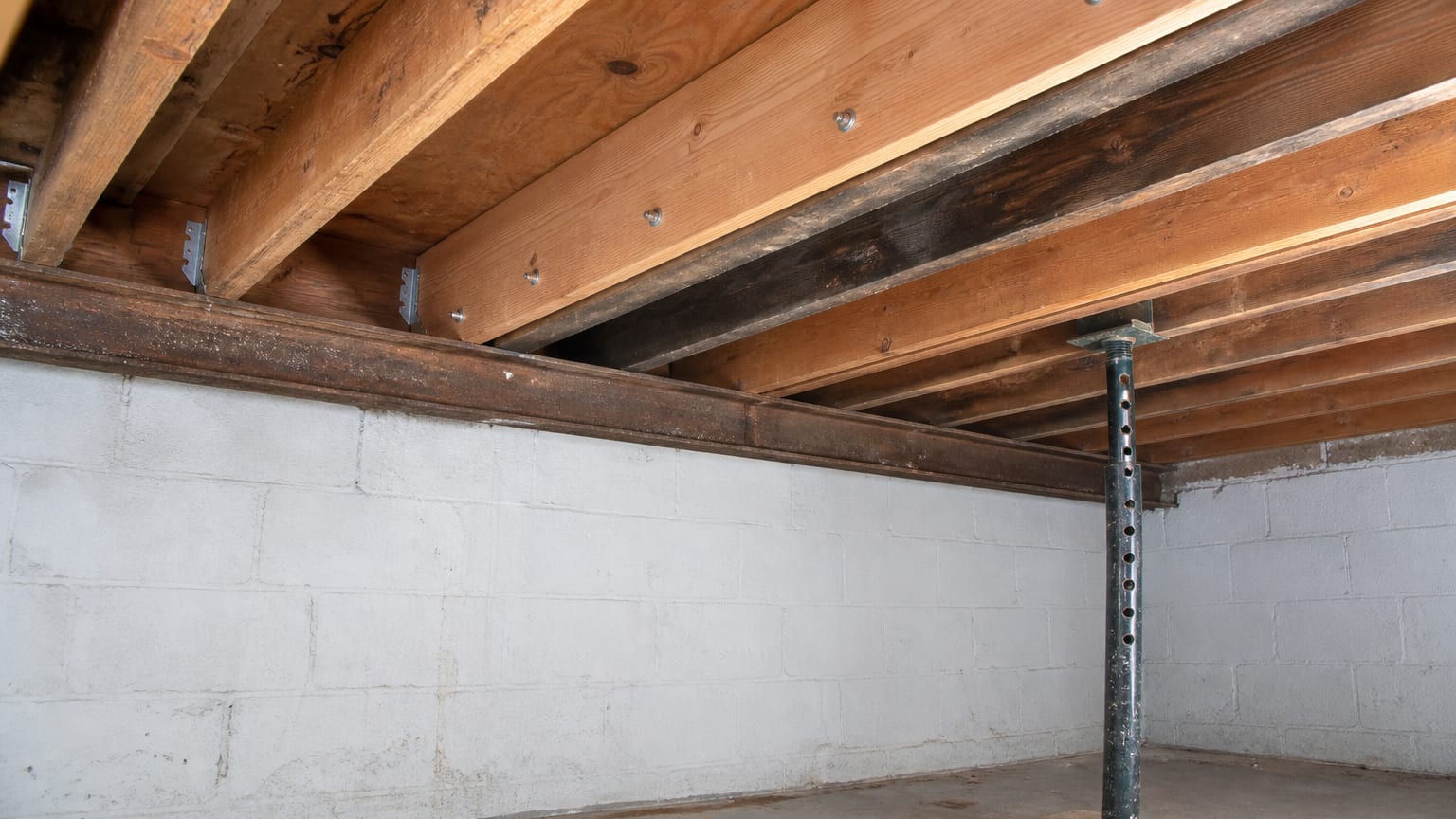
Somewhere behind the drywall, a mold job stops being about surfaces. A crew opens a wall or a ceiling to take out wet material, and what is behind it is not only insulation and paper facing. It is a stud, a floor joist, a section of subfloor, or a run of roof sheathing that has been wet long enough to show it. Up to that moment the work was environmental: find the moisture, stop it, and remove what cannot be cleaned. From that moment forward, it is also a construction question about one particular component in one particular building.
That shift is what structural mold repair actually describes. It is not another name for cleaning a surface, and it is not a general remodeling offer. It is the work that happens when moisture and mold conditions have affected, exposed, or required the removal of a structural or supporting building component, and someone now has to decide what that component needs. For a Livingston property owner, the useful version of this conversation connects four separate things: the water source, the affected component, where remediation stopped, and what repair the building actually calls for. The EPA's guidance on mold and moisture keeps moisture control at the center of all of it, because no repair can be judged apart from the reason the material got wet.
Key Takeaways
The scope changes at the component, not at the stain
Structural repair begins when framing, subflooring, sheathing, joists, or studs are affected, not when visible growth looks bad.
Moisture correction comes first
EPA guidance treats source control as the starting point, so closing an assembly before the wetting condition is understood risks rebuilding over a live problem.
Not every mold condition is structural
A report that names actual materials and areas is more useful than one that labels the whole job structural.
Structural judgment belongs to qualified review
Where the soundness of a supporting assembly is in question, that call belongs to appropriate professional expertise, not to a surface observation.
Livingston's Building Department sets local requirements
Whether the repair needs permits or inspections depends on the actual work, and the township is the source for that answer.
Four records stay separate
Environmental findings, remediation scope, structural assessment, and construction approvals each stand on their own.
What Counts as Structural, and What Does Not
The word structural does a lot of work in restoration conversations, and it is often used loosely. In a repair context it points to the components that hold the building up or support the assemblies around them: studs in a wall cavity, joists under a floor, rafters and sheathing in a roof assembly, subflooring, stair framing, and the supporting members in a commercial buildout. Drywall, trim, paint, and insulation are not those components, even when they are soaked through and have to come out.
The distinction changes who is involved and what comes next. Removing wet drywall is remediation work. Deciding what a wet floor joist needs is a construction question that may involve access, opening, temporary support, evaluation, and local approval before anything is replaced.
Naming the Component Instead of the Condition
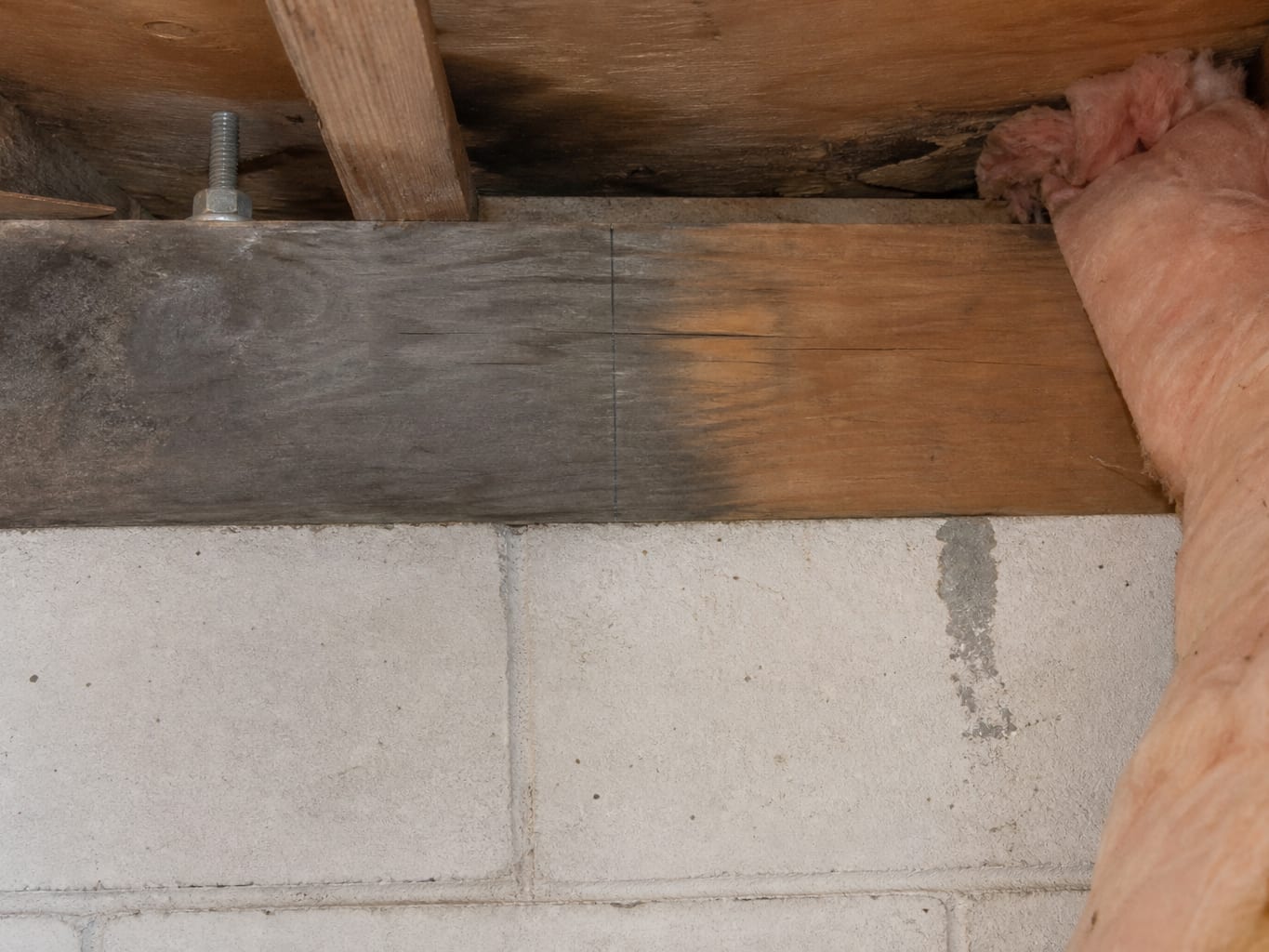
A useful report names materials and areas rather than applying one broad label. Roof sheathing above a bathroom, the rim joist along a basement wall, and the subfloor under a second-floor laundry are three different problems with three different repair paths, even if the mold on each one looks similar.
The opposite habit causes real trouble. Calling every mold condition structural inflates the scope, and calling a component structurally damaged without adequate access or qualified assessment is one of the most common errors in this work. Sometimes the honest answer is that a member remains concealed, has not been fully seen, and the file says so.
Where These Questions Come Up in Livingston Buildings
Livingston has 10,699 reported housing units, and the township's own records recognize single-family, multifamily, and commercial property types. Those categories are not paperwork trivia. They change who owns the affected component, who controls access to it, who occupies the space during the work, and which building systems run through the assembly being opened.
Access is often the real constraint. A finished basement ceiling can conceal the exact joist in question, and an attic or crawl space can be tight enough that a component cannot be properly observed without opening something first. A repair scope built on what was actually seen holds up; one built on assumption tends to change once the assembly is open.
Hover or tap a row to highlight it.
| Location | Component that may be involved | What usually limits the look |
|---|---|---|
| Roof assembly | Sheathing, rafters, framing near penetrations | Attic access, insulation coverage, restricted headroom |
| Basement | Rim joists, wall framing, posts and supporting members | Finished ceilings and wall coverings that conceal the member |
| Crawl space | Floor joists, subflooring above, girders | Clearance, standing ground moisture, limited entry points |
| Wall cavity | Studs, sheathing, bottom plates | Finishes on one or both sides, plumbing and electrical runs |
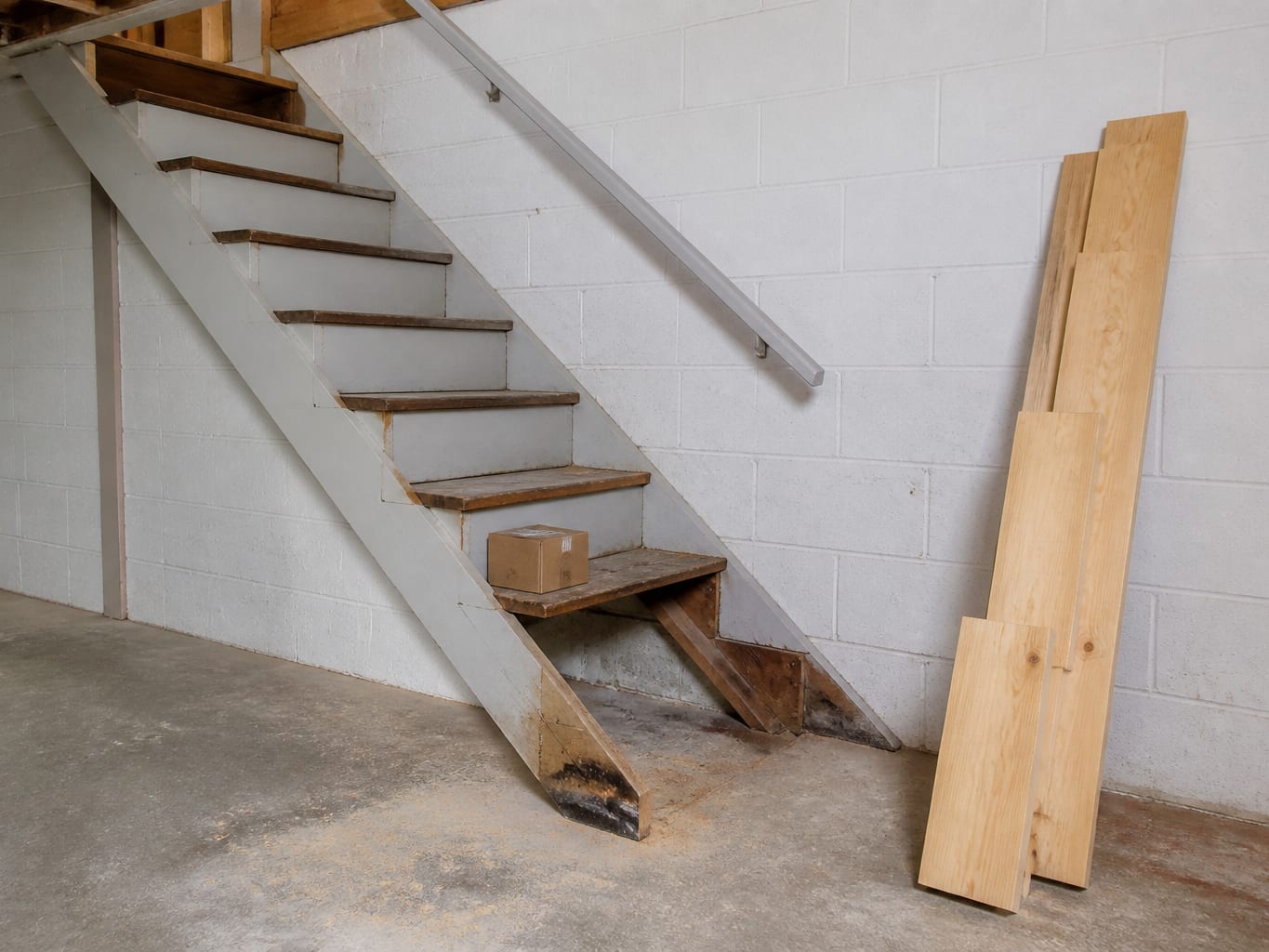
| Floor and stair areas | Subfloor, stringers, framing at landings | Flooring in place, occupancy during the work |
| Commercial buildout | Supporting framing in tenant spaces | Tenant schedules, occupancy, shared systems |
Age and Renovation History Are Clues, Not Conclusions
An older Livingston home with a long renovation history gives an inspector good questions to ask. Past work may have changed drainage, roofing, plumbing, insulation, or the way a space can be reached. Those changes shape where water is likely to have traveled.
What property age does not do is establish a defect. Newer construction has water events and damaged materials too. Age guides the investigation; observed condition decides the repair. Keeping those two apart is what separates a scope grounded in a specific building from a scope grounded in an assumption about old houses.
The Moisture Source Comes First
Every part of this depends on knowing why the material got wet. EPA guidance calls for correcting moisture problems as the foundation of any mold response, and structural repair is the stage where ignoring that advice is most expensive. Repairing framing or sheathing while a roof leak, plumbing failure, drainage issue, or condensation pathway is still active means paying to close an assembly that is going to get wet again.
The pathways worth tracking are property specific: roof leaks, plumbing loss, water entry at or below grade, condensation, and persistent ground moisture. Site evidence is what confirms one of them. Staining, wet materials, a documented water event, source history, and what is visible on accessible framing all point somewhere. A documented mold inspection is often where that evidence gets collected in a form the repair scope can actually use.
Inland Essex County, Not the Shore
Livingston sits inland in Essex County, so storm-surge and coastal language does not belong in a default explanation of why a building here got wet. New Jersey's Hurricane Ida recovery documentation is a fair prompt to ask whether a property went through a recorded severe weather event, but it does not establish damage at any particular address. Seasonal rain, freezing, HVAC operation, and indoor humidity can all worsen a source that already exists, which is not the same as naming a cause.
Who Decides Whether a Component Is Sound
This is the point where honest limits matter more than confidence. A remediation contractor is well positioned to document what was found, what was wet, what was removed, and what is now exposed. Drawing an unsupported structural conclusion from a surface observation is a different thing, and it is not the remediation trade's call to make. Where the integrity of a supporting assembly is genuinely in question, EPA guidance points toward involving the relevant professional expertise, which in practice can mean a structural evaluation or a code review depending on what is exposed.
That division protects the owner. A structural assessment that comes from someone qualified to make it is worth something in a file. An offhand opinion is not, and it tends to fall apart at exactly the wrong moment, such as during a sale or a claim review.
Livingston's Building Department Sets the Local Requirements
Whether a repair needs local approval depends on the actual work being done, and the township decides that. Repairs touching structural, plumbing, electrical, mechanical, or occupancy-related systems may require review, and Livingston's Building Department is the correct source for construction-code information, along with the township's permits and applications page for the forms themselves.
One assumption is worth retiring early: an environmental report does not stand in for a construction permit or an inspection. They answer different questions, they come from different parties, and they belong in the file as separate records.
How the Work Is Staged
The order is not arbitrary. Each stage produces the information the next one needs, and skipping ahead is how projects end up reopened.
From Wet Component to Finished Repair
- 1
Identify and correct the moisture source
Find the water pathway and stop it, because every decision after this depends on the wetting condition being understood and addressed.
- 2
Document the affected assembly
Record the actual materials and areas involved, with condition photos and source history, rather than a general description of the job.
- 3
Complete or define the remediation boundary
Establish where mold removal ends, so the repair scope starts from a known edge instead of a guess.
- 4
Assess the exposed structural components
With the assembly open and accessible, evaluate what is actually there, and bring in qualified structural or code review where the condition calls for it.
- 5
Determine the repair scope
Decide what is repaired, what is replaced, and what temporary support or engineered design the work requires.
- 6
Coordinate trades and approvals
Line up the trades involved and confirm with the township what permits and inspections apply to the work as scoped.
- 7
Rebuild and record the work
Complete the repair and keep the permits, inspections, invoices, and finish restoration together as one traceable sequence.
Timing follows those stages rather than a calendar promise. Source correction, drying, access, review where it is needed, materials, permits, inspection scheduling, and coordination around an occupied space all move the schedule. Once the supporting components are repaired, finishes come back in a separate stage, which is the territory covered by post-mold remediation rebuild work.
What Drives the Scope and the Cost
There is no single local price for structural mold repair, and any number offered before the component is observed is a guess wearing a decimal point. What actually moves the figure is the evidence and the repair design: which component is involved, how much has to be opened to reach it, the configuration of the roof, floor, or wall, whether temporary support or specialized review is needed, how much removal was already completed, what the source correction requires, replacement materials, permits and inspections, and any tenant or occupancy constraints in a commercial space.
A localized repair on an accessible member is a genuinely different project from an assembly that needs engineered design or broad reconstruction. A clear estimate says which one it assumes, states what was actually observed, lists the repair work included, identifies who is responsible for source repair, notes which permits and inspections are covered, names the finishes excluded, and says plainly that concealed conditions could change the scope once things are open. Municipal fee schedules are also not a contractor's quote; they are the township's own charges and sit in a separate line. Details on what this work covers are outlined on our structural mold repair service page.
The Mistakes That Cost the Most
The failures here are consistent enough to list. Calling a component damaged without the access or qualified assessment to support it sends the scope somewhere the evidence cannot defend. Repairing framing while the source is still active guarantees a repeat. A vague scope that never separates mold removal, source repair, structural work, and finish restoration makes it impossible to tell later what was done, or by whom.
Two expectations also need correcting. A completed structural repair does not guarantee an insurance outcome, since coverage depends on the individual policy and the facts of the loss, and it does not guarantee a resale result. What it documents is what was found, opened, and repaired, and what limits still apply. That is a stronger position than a bare claim that structural mold was fixed.
Safety While the Assembly Is Open
The stakes rise when a potentially supporting component is involved. Opening a floor, a ceiling, or a wall cavity exposes sharp fasteners, electrical and plumbing runs, and wet or unstable material, and it can leave openings in surfaces people are used to walking on. Protecting occupants and workers while the condition is assessed is part of the job, not an add-on.
Health questions belong elsewhere. EPA notes that some individuals have particular sensitivities around mold, and questions about a specific person's health belong with a clinician. What the project can speak to is the building.
Frequently Asked Questions About Structural Mold Repair in Livingston NJ
How do I know if my mold problem is actually structural?
It comes down to which component is affected. If the wet and affected material is drywall, insulation, trim, or flooring, that is remediation and finish work. If a stud, joist, rafter, subfloor, or run of sheathing is involved, the question moves into repair territory. That determination needs adequate access and, where the soundness of a supporting assembly is in question, qualified assessment rather than a look at a stained surface.
Does structural mold repair require a permit in Livingston?
It depends on the actual work. Repairs affecting structural, plumbing, electrical, mechanical, or occupancy-related systems may require local review, and Livingston's Building Department is the office that determines what applies. That answer is specific to the scope, so it is worth confirming with the township once the repair is defined rather than assuming either way.
Can the repair start before the leak is fixed?
Closing an assembly over an active source is the mistake this whole process is designed to avoid. EPA guidance places moisture correction first for exactly this reason. In practice, source correction and repair may involve different trades and different schedules, but the sequence stays the same: the water stops, then the component is assessed, then it is repaired.
Why will no one give me a price over the phone?
Because the cost is driven by the component, the access, and the repair design, none of which are known until someone observes the condition. An estimate written before that point is either padded to cover the unknown or set up to change. A useful estimate names its assumptions and says what could shift once the assembly is open.
Does an environmental or mold report cover the construction side?
No. A mold report speaks to the moisture and mold condition. Permits, inspections, and code determinations come from the local construction officials, and a structural evaluation comes from someone qualified to make one. Those records stay separate on purpose, and a file that keeps them separate is more useful later than one that blends them together.
Do township permit records tell me whether my house is structurally sound?
They do not. Livingston's construction records can show prior open or closed permits, which is genuinely useful history, but a permit record is evidence that work was filed and inspected at a point in time. It is not a statement about the current condition of a component or about mold status today.
Final Thoughts
Structural mold repair is the stage where a mold problem stops being about air and surfaces and starts being about a building component with a specific job to do. The path through it is not complicated, but the order is unforgiving: stop the water, document what is actually affected, get the exposed components looked at by someone qualified to judge them, scope the repair to the real condition, handle whatever local review the work calls for, and keep the environmental findings, the repair record, and the approvals as separate, honest documents.
That leaves an owner with a traceable sequence from the water source to the remediation to the construction repair, limits included. In a Livingston property that may change hands or face a claim someday, that is worth more than a confident summary.
If you have opened up a wall or a ceiling and are not sure whether what you are looking at is a finish problem or a framing problem, ExecPro Restoration & Cleaning can help you sort the difference and scope the work honestly. Call (888) 300-3772 or reach our team through the contact page, and we will start with the component in front of us and the water that got it wet.
Structural Mold Repair Terms
Tap a term to see what it means.
Structural component. A part of the building that supports load or supports the assemblies around it, such as a stud, joist, rafter, girder, or post.
Serving Livingston
ExecPro Restoration & Cleaning provides mold remediation services in Livingston, NJ, from inspection and testing through removal, drying, and post-remediation verification. Call (888) 300-3772 for 24/7 emergency response.
Related Articles
Structural Mold Repair in Warren, NJ: Where the Line Sits
Surface growth on a joist and loss of section are different jobs. Where that line sits in a Warren, NJ home, who decides it, and what the repair involves.
Clean, Retain, Reinforce, Replace: Structural Mold Repair in Alpine, NJ
Once growth is on a joist rather than on drywall, an Alpine job has four possible answers, and the one you pick changes how the state classifies the work.
When the Framing Is Involved: Structural Mold Repair in Plainsboro, NJ
Stained framing is not always damaged framing. How structural mold repair is assessed in Plainsboro, NJ, when it becomes permitted work, and what it involves.