Property Management Mold Services in Deal NJ: A Seasonal-Home Protocol
Cal HewittPublished
- property management mold services
- property management
- mold remediation
- coastal
- new jersey
- deal
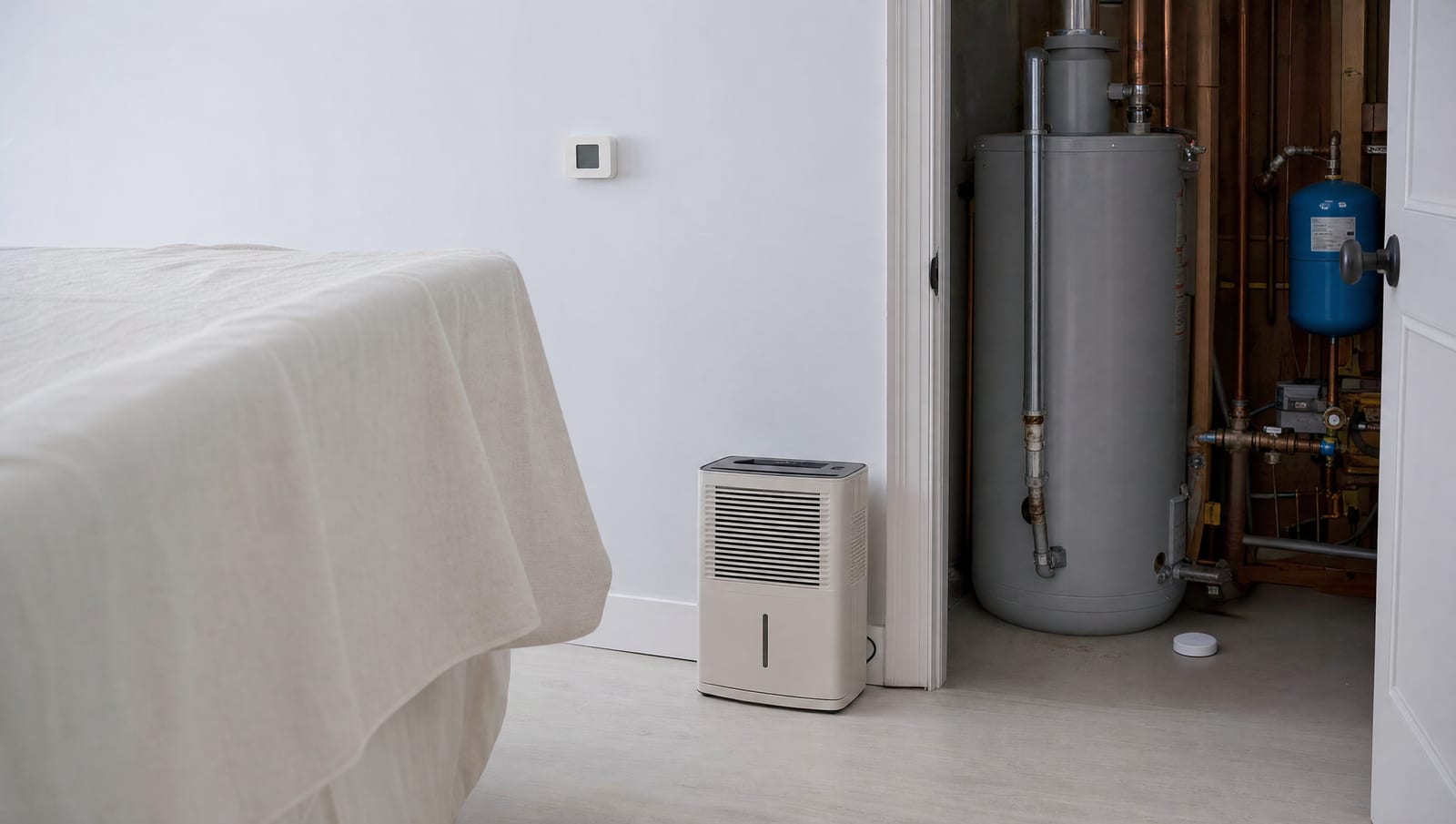
Managing a seasonal home in Deal is mostly about the weeks when nobody is there. A property that sits closed through the winter, or empty between an owner's visits, does not announce a problem the way an occupied house does. No one is home to notice a musty smell, a slow drip under a sink, or a sump pump that quit after a power outage. By the time someone walks in to open the house for the season, a small moisture issue has had months to become a mold issue. For a caretaker or property manager, the answer is not a single dramatic rescue. It is a calm, repeatable routine that catches trouble early and keeps a clear record of what was checked and when.
This is a different job from a one-time remediation and different from filing an insurance claim. It is an operations problem. The goal is a protocol you run the same way on every property you manage: inspect before the house closes, watch it while it sits empty, respond quickly when something happens, and report clearly to the owner. Deal adds a few local wrinkles worth planning around, which we will get to. What follows is a management framework, not a promise about any one address, because every home, every water pathway, and every parcel is different.
Hover or tap a row to highlight it.
| Checkpoint | The action | What gets documented |
|---|---|---|
| Before closing the home | Walk every level, check plumbing, roof, HVAC, sump, and dehumidifier; set monitoring | Baseline photos, moisture readings, sensor placement, systems left running |
| During vacancy | Review remote humidity and leak alerts; run scheduled walk-throughs | Alert history, walk-through notes, any readings outside the set range |
| After a storm | Inspect for water entry, check power to pumps, look at roof and low areas | Storm date, conditions found, photos, any water pathway observed |
| Before arrival | Full pre-arrival inspection, confirm dryness, clear the space for the owner | Inspection checklist, current readings, any issues found and corrected |
Why Seasonal Properties Need Their Own Approach
An empty house behaves differently from a lived-in one. Nobody is running exhaust fans, opening windows, or noticing that the air feels damp. Heating and cooling may be dialed back or shut off, which lets indoor humidity climb in warm months and lets surfaces stay cold and prone to condensation in winter. The Environmental Protection Agency's guidance is consistent on one point: controlling moisture is what controls mold. In an occupied home, small habits keep moisture in check without anyone thinking about it. In a closed home, that entire safety net is gone, and moisture is free to build until someone comes back.
Deal is a fully developed Atlantic-coast residential borough in Monmouth County, and the housing includes established high-value residences, altered homes, and seasonal-use properties. Coastal exposure and parcel-level flood risk both vary from address to address, so the same protocol may carry more weight at one property than another. That is exactly why a manager benefits from a documented routine rather than memory. When you run the same checks on every home and write down what you find, you are not guessing about which property is at risk. You are watching all of them the same way.
The causes worth watching for in a vacant property are ordinary: a slow plumbing leak, a roof or envelope failure, HVAC condensation, recurring bathroom moisture, a sump or dehumidifier that stopped working, and simple humidity that has nowhere to go. None of these prove a home has damage today. They are the pathways a good protocol is built to catch before they turn into remediation.
Monitoring a Closed Deal Property
The heart of a seasonal protocol is knowing what is happening inside a home you are not standing in. Modern monitoring makes that practical. Sensors can report indoor humidity and temperature, leak detectors can flag water at a known trouble spot, and a scheduled walk-through puts human eyes on the things a sensor cannot see. The point is not to install every gadget on the market. It is to cover the pathways that actually cause problems in an empty house and to make sure someone gets the alert in time to act.
Monitoring a Closed Deal Property
Humidity and temperature sensors
Track indoor conditions remotely so a manager can see when humidity climbs toward the range where condensation and mold risk rise.
Leak alerts
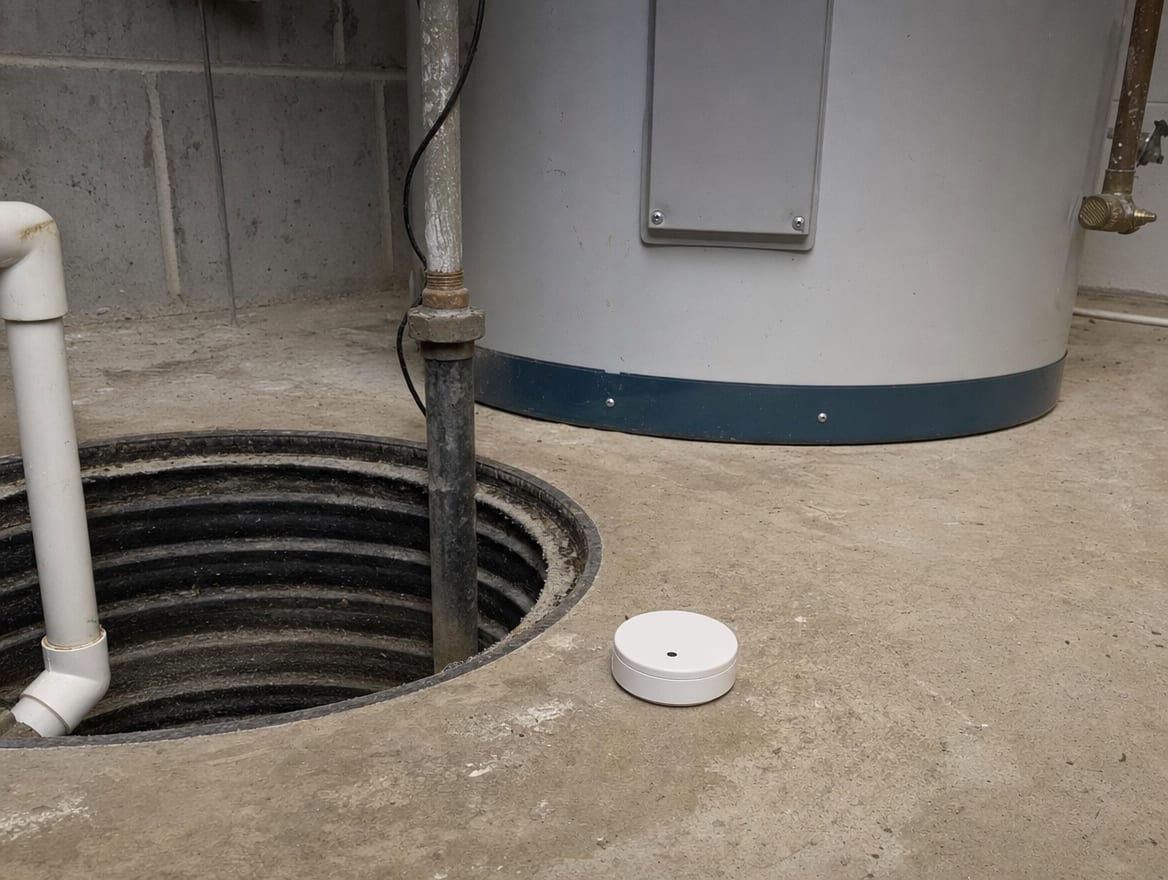
Place water detectors at known trouble spots such as under sinks, near water heaters, at the sump, and by laundry connections to catch a leak early.
Sump and dehumidifier checks
Confirm pumps and dehumidifiers still have power and are working, since a single outage during a vacant stretch can undo everything else.
Scheduled walk-throughs
Send a caretaker through the home on a set cadence to look, smell, and touch for signs a sensor would miss.
Post-storm inspection
Add an inspection after heavy rain, tropical systems, or winter freeze events, when water entry is most likely.
Emergency access plan
Agree in advance on who can enter, how, and under what authorization so response is not delayed by a locked door.
Owner reporting
Summarize conditions, alerts, and any actions taken on a regular schedule so the owner always knows the state of the home.
Sensors are only useful if someone reviews the readings and someone can act on them. That is where the operations side matters more than the hardware. A humidity reading that drifts high is a prompt to send a caretaker, not an emergency by itself. A leak alert paired with a report of standing water is a reason to move fast. The EPA advises drying wet materials within roughly 24 to 48 hours to reduce the chance of mold, so the value of monitoring is measured in how quickly a wet material gets found and dried, not in the number of sensors on the wall.
Emergency Access and Fast Response
A monitoring alert is worth very little if nobody can get into the house. For seasonal Deal properties, an emergency access plan is part of the protocol, not an afterthought. Before the owner leaves, agree on who holds keys or codes, who is authorized to enter, and what situations justify entry without waiting to reach the owner. Put it in writing. When a leak alert fires at a home that is closed for three months, the manager who already has written authorization can send someone that day. The manager who has to track down permission first loses the very hours that matter most.
Fast response also means knowing the order of operations. The first priority is safety and stopping further water when it is safe to do so. The second is documenting what you found before anything is disturbed. Only after that does drying and cleanup begin. A caretaker walking into a wet room should photograph conditions, note where the water is coming from if it is visible, and get the source shut off. That early record protects the owner later, whether the question is an insurance one or simply a clear account of what happened.
When the situation is beyond stabilization, this is where a remediation partner comes in. ExecPro's property management mold services are built for exactly this handoff, so a manager is not improvising containment and drying on a property they are responsible for. The remediator documents conditions and performs the work. The manager keeps the relationship with the owner and the record of the property.
The Management Cycle: Close, Monitor, Respond, Report
A seasonal property runs on a cycle, and the protocol follows it. Closing sets the baseline. Monitoring watches the empty house. Response handles what monitoring catches. Reporting keeps the owner informed and feeds the next cycle. Recurrence tracking, watching whether the same trouble spot keeps showing up across seasons, is what turns a reactive routine into a preventive one.
The Management Cycle: Close, Monitor, Respond, Report
- 1
Close the home and set a baseline
Inspect every level, check plumbing, roof, HVAC, sump, and dehumidifier, then record baseline photos and moisture readings and place monitoring.
- 2
Monitor during vacancy
Review remote humidity and leak alerts on a set schedule and run walk-throughs so conditions never go unwatched for long.
- 3
Respond when something happens
Make safety the first move, stop further water when it is safe, document conditions before disturbing them, then dry or remediate with containment.
- 4
Verify before the space is used again
Confirm the area is dry and, when a remediation was needed, that clearance criteria were met before reopening the space.
- 5
Report to the owner
Summarize conditions, alerts, actions taken, and any open items on a regular cadence so the owner has a clear, current picture.
- 6
Track recurrence across seasons
Note whether the same trouble spots return so prevention can target them before the next closing.
Local coordination belongs in this cycle too. Deal publishes a summer construction moratorium that runs from June 24 through the Wednesday after Labor Day, which can affect when certain work may proceed. Before scheduling anything beyond emergency stabilization, confirm scope and requirements with the Deal Building Department, since the authority having jurisdiction has the final word on what is allowed and when. Flood exposure is a parcel-by-parcel question, so check FEMA address-level mapping and New Jersey coastal-risk tools for the specific property rather than assuming every Deal home shares the same risk. These are planning inputs for the manager, not reasons to delay a genuine safety response.
What the Owner Sees: Documentation and Reporting
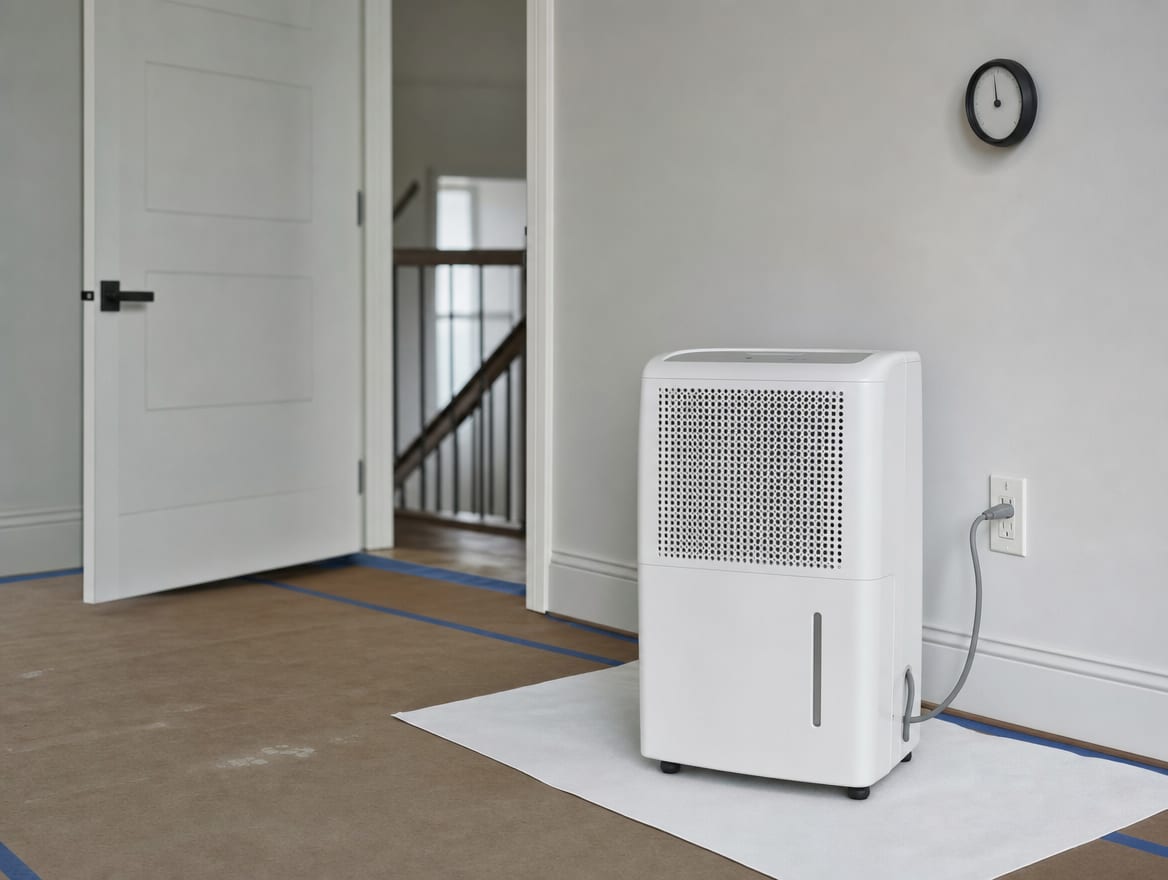
Owners of seasonal homes are usually not local. They rely on the manager to be their eyes, and clear reporting is what earns that trust. Good documentation is not busywork. It is the record that answers the questions that come up later: what was checked, what was found, what was done, and what is still open. Keep pre-work photos and moisture readings, a note of the source when one is found, the scope of any work, equipment and drying records, disposal records, post-work photos, and any verification reports when they were required. When an insurance question arises, that same record is what the owner and their carrier will lean on.
A steady reporting rhythm also prevents surprises. An owner who gets a short summary after each walk-through and a fuller report at closing and opening is rarely blindsided. Reporting should be honest about uncertainty as well. If a reading is trending the wrong way but no damage is visible, say so plainly rather than either alarming the owner or hiding it. And it is worth being clear on the limits: a remediation contractor documents what was found and corrected, but does not decide an insurance claim. Only the carrier can determine coverage under the policy language and the documented cause.
When a property needs verification that a space is truly clear after remediation, that is a defined step, not a guess. ExecPro's post-remediation verification confirms conditions before a space goes back into use, which gives the owner a documented result rather than a verbal assurance. It is the piece that lets a manager close out a work order with confidence.
Common Mistakes Managers Can Avoid
The most frequent misstep is treating the symptom instead of the water. Wiping down a stain or running a fan for a day does nothing if the leak or humidity source is still active, and mold will keep coming back to the same spot. A second common mistake is delaying safety and drying while debating who pays. The clock on wet materials does not wait for a coverage decision, so stabilize first and sort out the paperwork after. A third is discarding evidence too early, or rebuilding before materials are actually dry, both of which cause problems the owner inherits later.
For managers of multiple Deal properties, the last mistake worth naming is assuming they all share the same conditions. One home may sit in a higher flood-risk parcel, another may have a finicky sump, another may have a roof detail that leaks only in a driving coastal storm. A protocol that looks identical on paper still gets applied to real, different houses. That is the whole reason the documentation matters. It turns a general routine into specific knowledge about each property you hold. For a broader view of how these managed-property services fit together, the commercial services overview lays out the related pieces.
Frequently Asked Questions
How do I keep a closed Deal home from growing mold while it sits empty?
Control moisture and watch the home. Before closing, make sure the house is dry, plumbing is sound, and any sump pump or dehumidifier is working. Then monitor indoor humidity and place leak detectors at known trouble spots, and run scheduled walk-throughs. The EPA is clear that moisture control is what controls mold, so the goal is to catch and dry any wet material quickly rather than let it sit for weeks or months in an empty house.
What should a caretaker check after a storm?
After heavy rain, a tropical system, or a winter freeze event, inspect for water entry at the roof, windows, and low areas like basements or crawl spaces. Confirm that power is on and that sump pumps and dehumidifiers are still running, since outages often accompany storms. Photograph anything you find and note where water appears to be coming from. Distinguishing rainwater from plumbing water or possible floodwater matters, because the safety and cleanup decisions differ.
How does emergency access work for a property manager?
It works best when it is agreed on in advance and put in writing. Before the owner leaves, settle who holds keys or codes, who is authorized to enter, and what situations justify entering without first reaching the owner. That written authorization is what lets a manager respond the same day a leak alert fires, instead of losing critical hours tracking down permission while wet materials sit.
What gets reported to the owner?
A useful report covers conditions found, any alerts received, actions taken, and anything still open, on a regular schedule plus a fuller report at closing and opening. Keep the supporting records too: baseline and post-work photos, moisture readings, the moisture source when identified, scope of work, drying and disposal records, and any verification reports. That gives the owner a clear, current picture and a paper trail if an insurance or transaction question comes up later.
Will insurance cover mold or water damage at a seasonal home?
That cannot be guaranteed. Coverage depends on the policy language, the cause of the loss, any exclusions, timely notice, and the documentation. Flood damage is generally handled under separate flood insurance rather than a standard homeowners policy. A remediation contractor documents what was found and corrected but does not decide the claim. Only the carrier can determine coverage, which is one more reason clear, prompt documentation is part of the protocol.
If you manage seasonal homes in Deal and want a repeatable mold protocol backed by a remediation team that documents its work, ExecPro Restoration & Cleaning can help you build it and step in when a property needs hands-on response. We serve Deal and the surrounding communities, and you can reach our team to talk through your properties or call (888) 300-3772.
Property Management Mold Terms
Tap a term to see what it means.
Pre-arrival inspection. A full walk-through before an owner returns, confirming the home is dry and clearing any issues found before the space is used again.
Serving Deal
ExecPro Restoration & Cleaning provides mold remediation services in Deal, NJ, from inspection and testing through removal, drying, and post-remediation verification. Call (888) 300-3772 for 24/7 emergency response.
Related Articles
Reopening a Deal NJ Shore Home: When Air Quality Testing Answers a Real Question
Reopening a closed Deal NJ shore home? Learn when air quality testing helps after vacancy, humidity, a storm, or renovation, and what a test cannot tell you.
Structural Mold Repair in Deal NJ: Clean, Reinforce, or Call an Engineer
Structural mold repair in Deal NJ starts with one decision: is framing cleanable, decayed, or a job for a licensed engineer. Here is how to tell.
Insurance Restoration Services in Deal, NJ: Building a Claim File That Holds Up
In Deal, NJ, a strong insurance claim starts with documentation. See what belongs in a coastal claim file and how a restoration contractor records a loss.