Reopening a Deal NJ Shore Home: When Air Quality Testing Answers a Real Question
Cal HewittPublished
- air quality testing
- indoor air quality
- mold remediation
- coastal
- new jersey
- deal
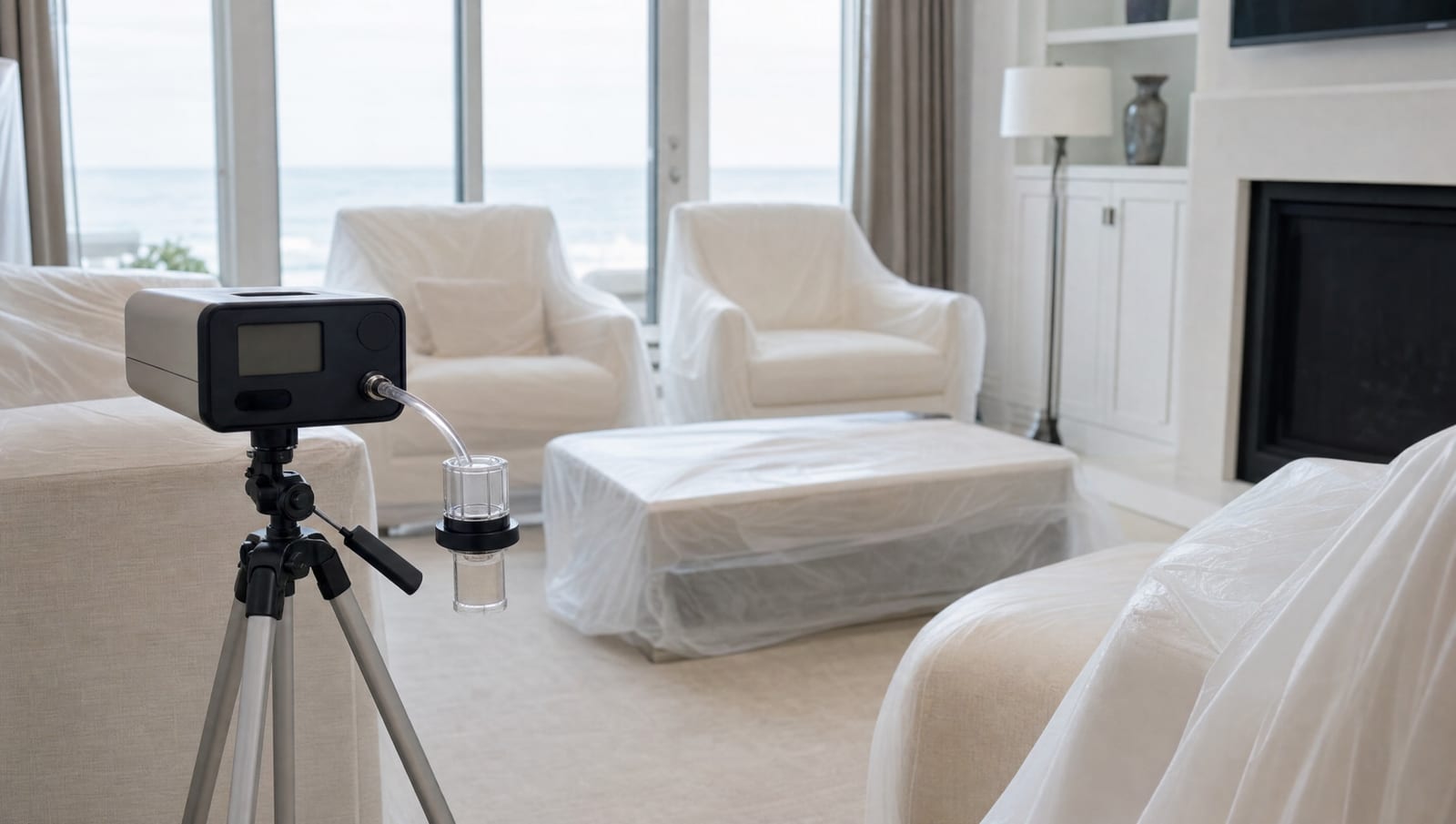
The house has been closed for months. You unlock the door in Deal, step into that first wave of still air, and something is off. Maybe it is a musty smell that was not there in the fall. Maybe the humidity feels heavy, or a caretaker mentioned a reading that climbed while nobody was around. Your first instinct is to book an air quality test and get an answer. That instinct is reasonable, but the smartest move is to slow down for a moment and ask a more useful question first: what exactly do you want a test to tell you?
Air quality testing works best when it answers a defined question, not when it is used as a random check on a home you are unsure about. A seasonal shore home in Deal carries a specific history. It may have gone through weeks of reduced ventilation, a shut-down or cycled-down HVAC system, shifting coastal humidity, a storm or two, and possibly a leak nobody caught. The right approach reconstructs what happened while the home sat closed, then decides whether a sample would actually change what you do next. This guide walks through when testing helps on reopening, what to check first, and what a test can and cannot answer.
What Changes Inside a Closed Deal Home
A home that sits closed does not stay the same as the day it was locked. In Deal, the coastal setting adds pressure that inland towns do not face. Humid marine air, wind-driven rain, and salt exposure all work on a building over a season, and a house with cooling or dehumidification turned down cannot fight back the way an occupied one can.
Several things can shift while a shore home is closed:
- Indoor humidity can climb when air conditioning or dehumidification is reduced, which slows drying and can support condensation on cooler surfaces.
- Air goes stale as ventilation drops, and odors from drains, damp materials, or stored contents concentrate instead of clearing.
- Plumbing traps can dry out, letting sewer-type odors drift up from drains.
- Dust, pest debris, and moisture can accumulate in corners nobody is watching.
- A slow roof, window, or plumbing leak can go unnoticed for weeks, giving moisture time to sit.
- New materials from a recent renovation, such as paint, flooring, cabinetry, or furniture, can keep releasing odors into air that is not being exchanged.
None of this means your home has a problem. It means the conditions that create problems have had time to build without anyone present. That is why the reopening moment is the right time to look carefully, and why the look should come before any decision about testing.
Hover or tap a row to highlight it.
| Situation | Does a test answer a real question? | What to do |
|---|---|---|
| Visible mold growth found | Usually not, per EPA guidance | Focus on cleanup and fixing the moisture source; sample only for documentation or hidden-scope questions |
| Musty odor with no visible source | Often yes, once you have inspected | Do a moisture and HVAC assessment first, then sample to help locate a hidden source |
| Recent storm, roof, or plumbing leak | Sometimes, after drying | Handle safety and drying first; test if it will change the remediation scope or document conditions |
| Just finished a renovation | Sometimes, for a defined concern | Consider VOC-focused testing if odors or symptoms point to off-gassing materials |
| A household member is sensitive or symptomatic | Only for building questions, never medical | Test the building for defined conditions; a doctor handles health concerns, since a test cannot diagnose a condition |
Inspect Before You Test
The most common mistake with air quality testing is running samples before anyone has looked at the building. A sample taken in the wrong spot, at the wrong time, or without knowing the home's recent history can produce data that does not point to a source or a next step. Inspection is what makes any later test worth the cost.
When you reopen a Deal home, start with a simple walk-through. Use your senses, then back them up with a moisture reading. You are trying to answer a few plain questions: is there a smell, is there visible growth, is anything damp, and did anything happen while the home was closed that could have let water in.
What to Check When You Reopen a Closed Deal Home
Musty odor
Note where a smell is strongest and whether it changes when you run the HVAC or open a window. A smell without visible growth is still worth investigating.
Visible growth
Look at bathrooms, closets, basements, around windows, and behind furniture. Visible mold usually means cleanup and moisture correction, not a species test.
Humidity reading
Check indoor relative humidity. A high reading points to a ventilation or moisture issue that a monitor can track over time.
Water and storm history
Ask the caretaker about storms, roof or window leaks, plumbing failures, or flooding while the home was closed.
HVAC condition
Look for condensate problems, odors when cooling starts, and whether systems ran at all during the closure.
Renovation dust and materials
New paint, flooring, cabinetry, or furniture can off-gas. Note recent work and any lingering chemical odor.
Inspect versus test
If a walk-through and moisture check explain the problem, you may not need a lab sample at all. Test when a defined question remains.
If the walk-through turns up visible mold, the priority is cleanup and fixing the water source, not sampling. The EPA is clear that sampling is usually unnecessary when mold is already visible, because you can see the problem and the fix is the same either way. Testing earns its place when a real question remains after you look, such as a hidden source, a scope you cannot see, or a need to document conditions.
When Humidity Monitoring Is Enough, and When Testing Is Justified
Not every concern needs a laboratory. Sometimes the answer is a number you can watch, not a sample you send away.
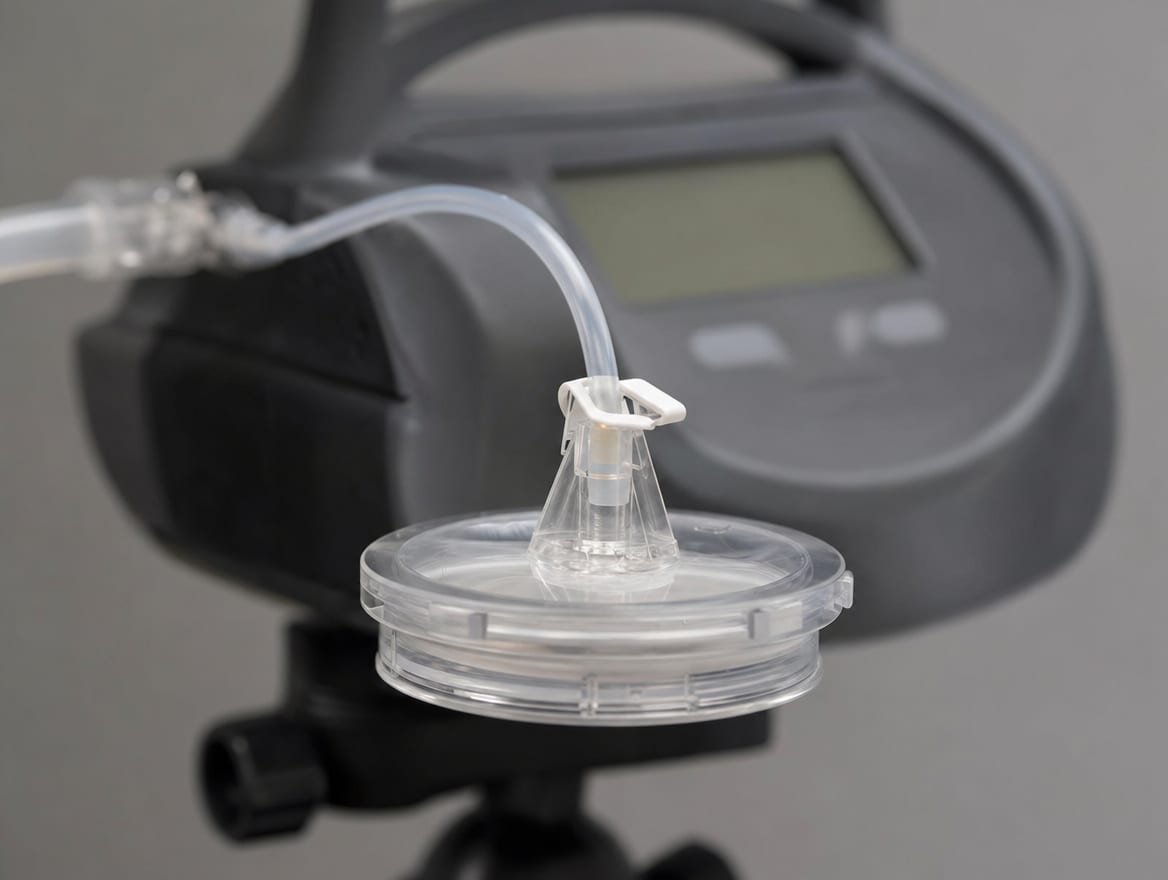
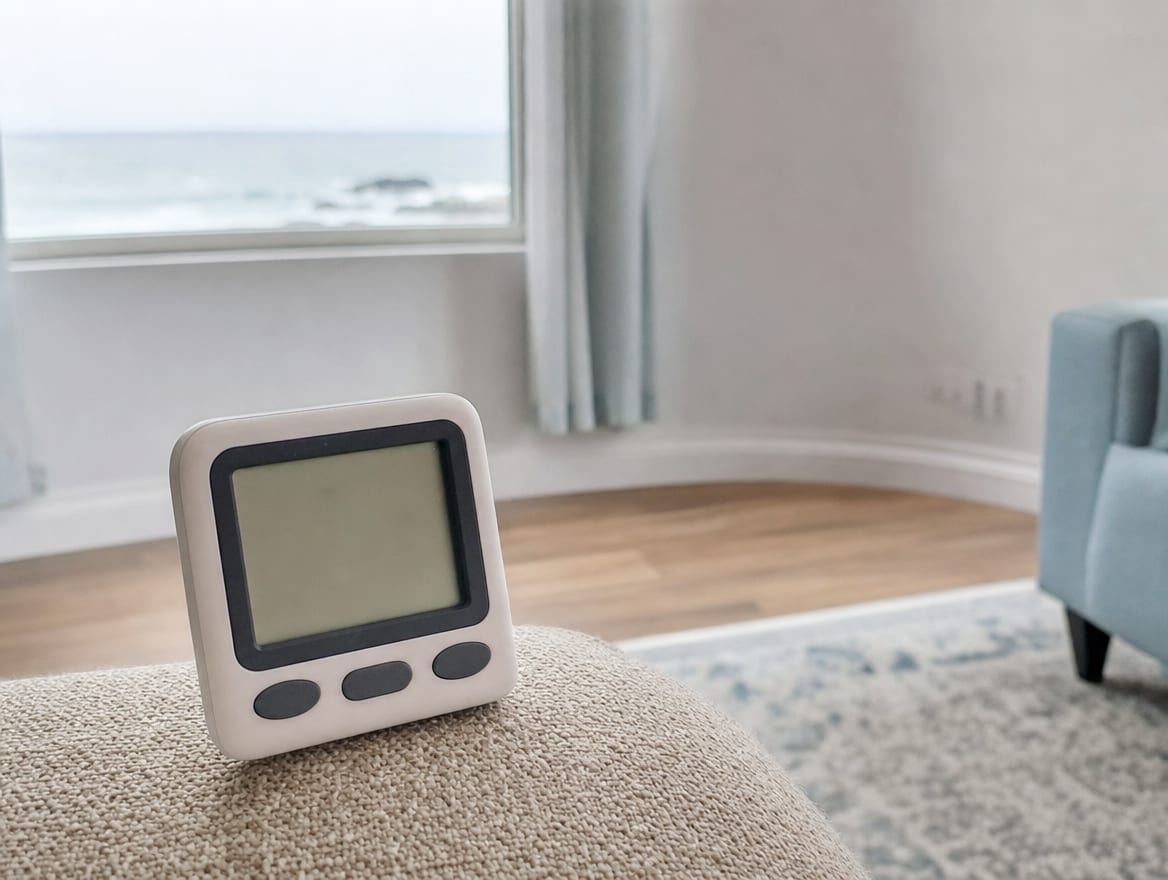
If your main worry is that a closed home ran humid, a simple monitor may be all you need. A low-cost monitor can show trends in humidity, and some also track carbon dioxide, particulate levels, or total VOCs. That is useful for spotting a pattern, such as humidity that stays high after the HVAC runs, or a musty feel that lines up with damp weather. A monitor helps you decide whether the building needs better ventilation, dehumidification, or a closer look.
A monitor has limits, though. It shows trends, but it does not identify every pollutant, pinpoint a hidden source, or replace an inspection. Professional testing is justified when a defined question remains that a trend line cannot answer. That includes a persistent odor with no visible cause, a suspected hidden moisture problem, renovation materials you think may be off-gassing, or a need for documented, lab-backed results for a transaction, an insurance file, or a remediation you want verified. In those cases, a targeted sample answers something specific. The professional path for that kind of work is indoor air quality testing, where sampling is chosen to match the question rather than run as a blanket panel.
How Storm, Roof, Plumbing, and HVAC History Shape the Plan
A test plan is only as good as the history behind it. Two Deal homes can look identical and need very different investigations because of what happened while they were closed.
Coastal storms and nor'easters matter here. Even when a property is not directly flooded, high winds and wind-driven rain can push water in through the roof, windows, siding, flashing, or mechanical systems. Salt air adds a slower pressure by corroding metal components, fasteners, flashing, and HVAC parts, and those failures can lead to water entry or condensate problems down the line. So the questions you ask about the closed period directly shape where a professional would look and sample.
A useful investigation documents the recent weather, how long the home was vacant, whether the HVAC ran, any leak or flood history, the indoor humidity, any visible dampness, and whether odors change when the mechanical systems run. If a storm or leak is part of the story, safety, water extraction, and drying come first. Testing follows only when it will change the remediation scope or document conditions, not as a reflex. The same logic applies to the HVAC system: if odors appear when cooling starts, the system and its ductwork become the focus, and the plan follows the moisture, not a guess.
What Testing Can and Cannot Answer
This is the heart of the reopening decision, so it is worth being plain about it. A test answers building questions. It does not answer health questions.
Here is what testing can do. Mold air or surface samples can measure spores in the air or on a surface, which can help locate or document a problem once you have inspected. VOC or formaldehyde sampling can flag off-gassing from materials after a renovation. Particulate monitoring can show dust and fine-particle levels. Carbon dioxide can act as a ventilation indicator, showing whether fresh air is moving through the home. Allergen and radon testing answer their own specific questions. Each of these works best when it is chosen to answer something defined.
Here is what testing cannot do, and this matters most. No single test proves a building is universally safe. There are no federal health-based limits for mold or mold spores in indoor air, so a short-term mold sample cannot certify a home as clean, and a negative result may simply miss an intermittent or hidden condition. Most important, air quality testing cannot diagnose a medical condition. If someone in the household feels unwell, that is a matter for a qualified healthcare professional, and testing the building will not answer it. A test tells you about the building, and only about the building.
Some situations are not testing questions at all. A carbon monoxide alarm or symptoms, a suspected gas leak, sewage, major flooding, or fire residue call for urgent, specialized response, not a routine air sample.
Why a Large Deal Home May Need Zone-Based Testing
Many Deal properties are large. Estates and near-ocean residences can have several floors, multiple HVAC zones, finished lower levels, extensive wall cavities, and sometimes detached structures. That scale changes the sampling plan.
One sample cannot represent a whole large home. A reading taken in a first-floor living room says nothing about a third-floor guest wing on a different HVAC zone with its own moisture history. When testing is warranted in a big property, sample locations should be chosen by floor, by HVAC zone, by complaint area, by moisture history, and by how each part of the home is used. That is not about running more samples for their own sake, which is not automatically useful. It is about placing each sample where it answers a real question about that part of the house.
Reopening: Inspect First, Test With a Purpose
- 1
Walk through with your senses and a moisture meter
On reopening, note odors, look for visible growth and dampness, and take a humidity reading before deciding anything.
- 2
Find the visible source or the moisture history
If you can see mold or trace a leak, that guides the work. Visible growth usually means cleanup and moisture correction, not a species test.
- 3
Decide whether a test answers a defined question
If inspection explains the problem, you may not need a sample. Test only when a specific, unanswered question remains.
- 4
Sample where it is warranted
Match the sample to the question, place it by zone in a large home, and document the conditions during sampling.
- 5
Act on the findings
Use the results to guide drying, remediation, HVAC work, or simple ventilation and cleaning.
- 6
Verify after any remediation
When cleanup happens, confirm the work with follow-up checks rather than assuming it is done.
What to Do With the Results Before Family or Guests Arrive
The point of all this is to reach the reopening with confidence, not with a folder of numbers you cannot use. A good result gives you a clear next step.
If the inspection and any testing point to a simple issue, the fix may be simple too: better ventilation, running the dehumidification, and a thorough cleaning to clear stale air and settled dust. If the findings point to active moisture, mold, or storm damage, the answer is targeted work. That might mean drying, mold remediation for the Deal area, HVAC or duct attention, or reconstruction where materials were damaged. The path follows the source, not the fear.
When remediation does happen, close the loop. Confirming the work through post-remediation verification checks that the cleanup met the agreed criteria before you move on. That final step is what turns a reopening from a hopeful guess into a documented, settled decision, so the home is ready for family and guests with the questions actually answered.
A vague report that identifies no source and suggests no action does not help you. A clear one that names the likely cause, the corrective work, and the way to verify it does. That is the difference between testing that resolves a question and testing that just adds uncertainty. So compare scopes, not only prices, when you weigh professional help. A lower quote may cover fewer rooms, fewer concerns, no moisture assessment, or no written plan, and on a large shore home that gap can leave the real question unanswered.
Frequently Asked Questions
Do I need an air quality test just because I am reopening my Deal home?
Not automatically. Reopening is a good reason to inspect the home carefully, but a test is only worth it when a defined question remains after you look. Start with a walk-through, a moisture check, and a humidity reading. If odors, dampness, HVAC concerns, a leak history, or occupant complaints remain unexplained, that is when professional testing helps. If a simple inspection explains the problem, you may not need a lab sample at all.
If I can see mold, should I test before cleaning it up?
Usually not. The EPA states that sampling is generally unnecessary when mold is already visible, because you can see the problem and the fix is the same either way: clean it up and correct the moisture source. Testing can still make sense for documentation, to gauge a hidden scope you cannot see, or to verify the work after remediation, but it should not delay the cleanup.
Can a test tell me whether the air is making my family sick?
No. Air quality testing answers building questions, not medical ones, and it cannot diagnose a health condition. A test can identify conditions in the home that may need correction, but if someone feels unwell, that is a matter for a qualified healthcare professional. The doctor handles the person, and testing handles the building.
My closed home feels humid. What does that mean?
High indoor humidity is common in a shore home that sat with reduced cooling or dehumidification, and Deal's coastal air makes it more likely. Elevated humidity slows drying and can support condensation on cooler surfaces, a condition mold can use. A simple monitor can track the trend and show whether better ventilation or dehumidification brings it down. If humidity stays high or comes with odors and dampness, a closer inspection is the next step.
Should I test the air after a renovation?
Sometimes. New paint, flooring, adhesives, cabinetry, and furniture can release VOCs, and a tightly built or freshly closed home may hold those odors longer. If you notice a lingering chemical smell or symptoms that seem tied to the new materials, a VOC-focused test can answer that specific question. As with any test, it works best when it targets a defined concern rather than serving as a general check.
Can one test prove my whole Deal home is safe?
No single test proves a building is universally safe, and there are no federal health-based limits for indoor mold to measure against. A short-term sample can miss intermittent or hidden conditions, and in a large home with several zones, one sample cannot speak for the whole property. Testing is valuable when it answers a specific question and points to a clear next step, not when it is asked to certify an entire house.
If you are reopening a seasonal home and want a clear read on what to inspect or test, ExecPro Restoration & Cleaning can help you sort a real question from a reflex. You can reach our team through our contact page or by phone at (888) 300-3772, and we will point you toward the air quality testing approach that actually fits your Deal property and its history.
Air-Quality Testing Terms
Tap a term to see what it means.
Indoor air quality. The condition of the air inside a building, shaped by moisture, ventilation, pollutants, and the materials and systems in the home.
Serving Deal
ExecPro Restoration & Cleaning provides mold remediation services in Deal, NJ, from inspection and testing through removal, drying, and post-remediation verification. Call (888) 300-3772 for 24/7 emergency response.
Related Articles
Property Management Mold Services in Deal NJ: A Seasonal-Home Protocol
A repeatable mold protocol for managers of seasonal Deal NJ homes: pre-arrival inspections, remote humidity monitoring, emergency access, and owner reporting.
Structural Mold Repair in Deal NJ: Clean, Reinforce, or Call an Engineer
Structural mold repair in Deal NJ starts with one decision: is framing cleanable, decayed, or a job for a licensed engineer. Here is how to tell.
Insurance Restoration Services in Deal, NJ: Building a Claim File That Holds Up
In Deal, NJ, a strong insurance claim starts with documentation. See what belongs in a coastal claim file and how a restoration contractor records a loss.