Insurance Restoration Services in Deal, NJ: Building a Claim File That Holds Up
Cal HewittPublished
- insurance restoration services
- insurance restoration
- mold remediation
- coastal
- new jersey
- deal
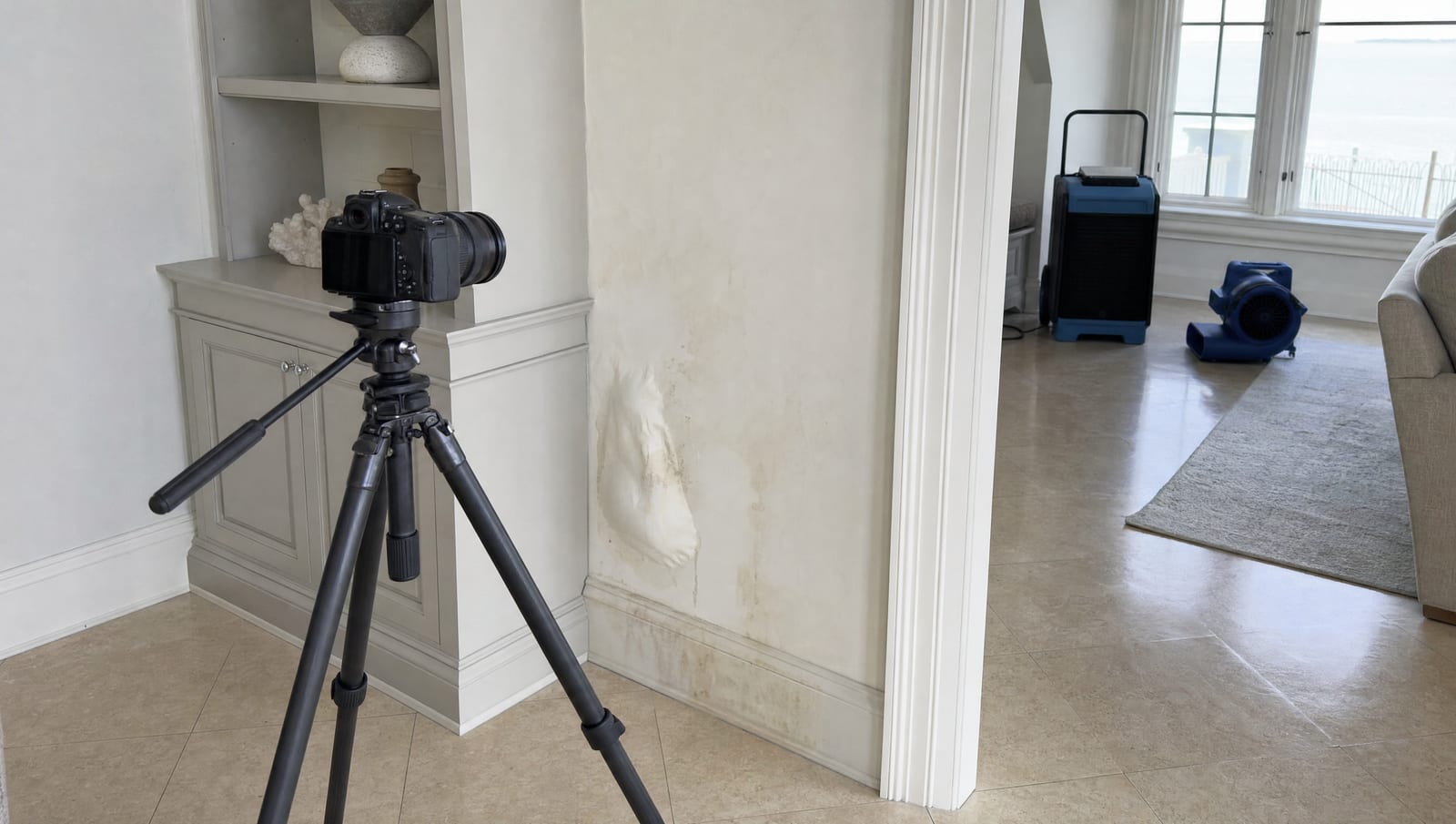
A home in Deal that sits quiet for part of the year can hide a loss for weeks before anyone notices. A supply line lets go in a closed house, a storm drives rain past a coastal window, or a slow leak works into a finished wall while the family is away. By the time the door opens, the water is old news and the real question becomes provable: what happened, when, and what did it damage. In an insurance restoration job, the answer to that question is a claim file, and the quality of that file often shapes how smoothly the claim moves.
This post is about the paperwork, not the mop. Deal is a fully developed Atlantic-coast borough in Monmouth County, and three local facts change how a claim file should be built here: many homes carry seasonal or part-time occupancy, finishes tend to be high in value and specific in material, and coastal cause-of-loss questions can decide which policy even applies. On top of that, the borough runs a summer construction moratorium, so a rebuild that follows a loss may need to be timed and confirmed with the town. A restoration contractor documents conditions, mitigates damage, and works alongside your adjuster. It does not decide coverage and cannot promise it. What a good contractor can do is make sure the record is complete enough for the people who do make those decisions.
Why a Deal Claim Starts With Documentation
Insurance is built on cause and evidence. Your carrier decides coverage based on the policy language, the cause of the loss, any exclusions, whether notice was given, and how well the loss is documented. A contractor cannot change any of those facts, but it can capture them cleanly at the moment they are easiest to prove. That is the whole point of a claim file: it turns a wet room into a dated, measured, photographed record that an adjuster can read months later and still understand.
FEMA guidance on documenting and reporting losses is consistent on this: record conditions early, keep receipts, and preserve evidence before it is cleaned up or thrown away. That advice matters even more in a seasonal home, where the discovery date and the loss date may be far apart. The file is where you show your work.
Hover or tap a row to highlight it.
| Document | Why it matters | Seasonal or coastal note |
|---|---|---|
| Cause and date of loss | Coverage turns on what happened and when | In a closed home, note both the discovery date and any evidence of when the loss began |
| Photos and video | Shows conditions as found, before changes | Capture wide and close views before anything is moved or dried |
| Moisture readings | Proves where water traveled and how wet | Concealed cavities behind high-value finishes often read wet when surfaces look dry |
| Drying logs | Records daily progress toward a dry standard | Ongoing logs show the work was monitored, not guessed |
| Scope of work | Lists affected assemblies and planned repairs | Coastal losses may involve flood versus wind versus plumbing, each documented separately |
| Contents inventory | Accounts for damaged belongings | High-value furnishings and finishes need item-level notes and photos |
| Invoices and records | Ties every charge to documented work | Keep disposal, equipment, and permit records with the file |
Record the Loss Before You Move Anything
The single most common way a seasonal-home claim gets harder is action taken before the record is made. It is natural to want to rip out wet carpet or haul soaked furniture to the curb, but once material is gone, its condition is gone with it. The first job on site is to record what is there, exactly as found. Wide shots establish the room, close shots establish the damage, and readings establish how far the water reached.
Discovery timing deserves its own note in a Deal file. When a house has been closed, the loss may have started days or weeks before anyone saw it. That gap is not a problem to hide; it is a fact to document. Photographs of standing marks, layered staining, or advanced material damage help show a timeline, and the carrier decides how that timeline fits the policy. EPA guidance recommends drying wet materials within 24 to 48 hours to reduce the risk of mold, so mitigation should not wait on the claim. The right move is to document first, then mitigate, and log both.
Documenting a Loss in a Seasonal Home
Record conditions as found
Photograph and video every affected area before moving, drying, or discarding anything, using both wide and close views.
Note the discovery-timing gap
For a closed home, write down when the loss was found and any evidence of when it may have started, and keep it factual.
Capture moisture and drying records
Take moisture readings at the start and keep daily drying logs so progress toward a dry standard is on paper.
Inventory high-value contents
List and photograph damaged furnishings and finishes item by item, since generic notes rarely do them justice.
Document source and cause
Record where the water came from and how it traveled, because the cause drives what the policy may or may not cover.
Keep all correspondence
Save every message, estimate, and note exchanged with the carrier and the adjuster in one place with the file.
High-Value Finishes Change the Scope, Not the Rules
Deal homes often carry finishes that are expensive and specific: custom millwork, stone, specialty plaster, hardwood, and materials that are not simply swapped from a shelf. This does not change the rules of documentation, but it raises the stakes on getting them right. A generic line like "repair wall" undersells a hand-finished surface, and a thin contents note undersells a room full of quality furnishings.
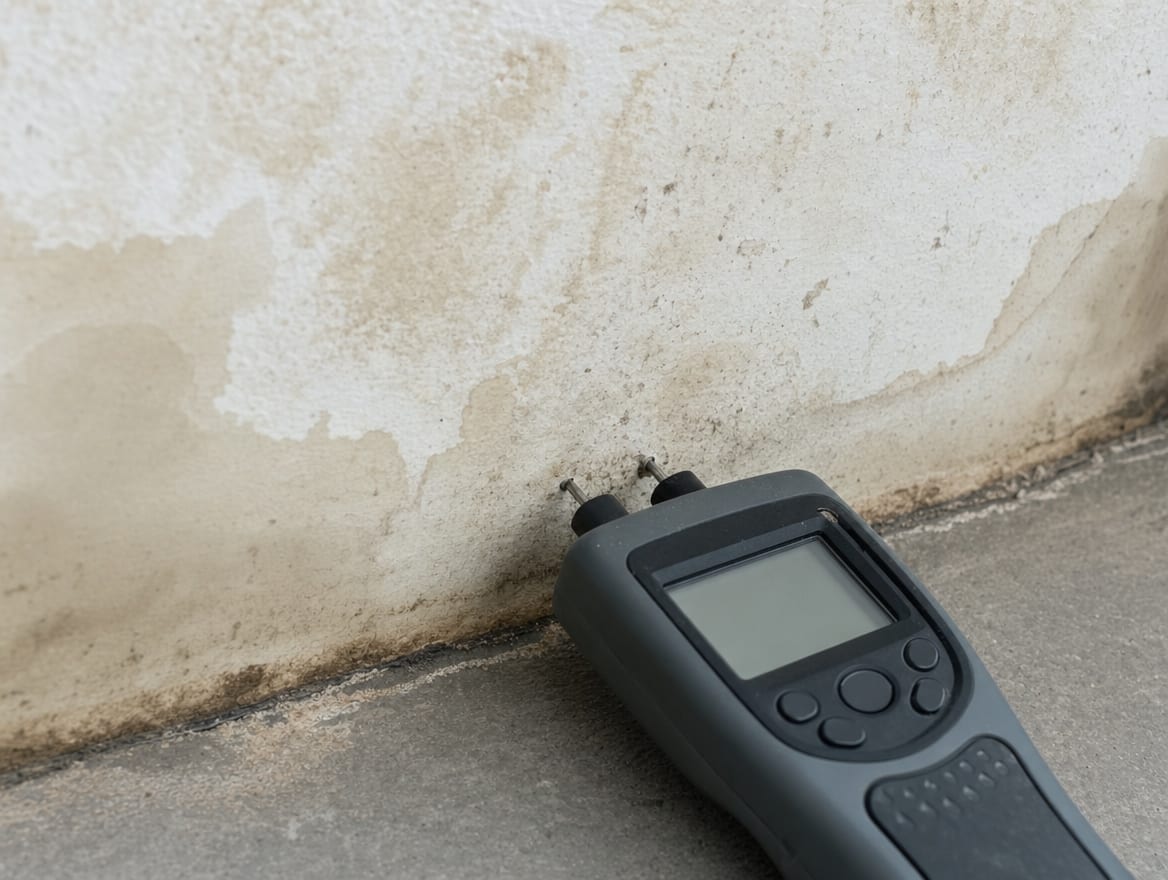
Two documentation habits protect these finishes in a claim. First, whether a material is porous or cleanable belongs in the scope, because that decides whether it is dried and saved or removed and rebuilt. Second, when water reaches concealed cavities behind a finished surface, the moisture readings are what prove it, since the face of the wall can look dry while the framing behind it holds water. Matching a high-value finish during rebuild is a real cost driver, and a scope that names the material and its condition gives the adjuster the detail needed to evaluate it fairly. Our team handles that rebuild stage through our insurance restoration services, coordinating the documented repair back to the way the home was before the loss.
Coastal Cause-of-Loss Questions
Near the coast, the cause of a loss is not always obvious, and it can decide which policy responds. Floodwater, groundwater, wind-driven rain, plumbing water, sewage, and condensation are different events with different coverage paths. Flood insurance is separate from standard homeowners coverage, and only your carrier can determine what applies to your loss. A contractor does not settle that question, but it does document the water pathway on site so the record supports whatever review follows.
Flood exposure in Deal is a parcel-by-parcel matter, not a borough-wide label. Two homes on the same street can carry different flood risk, so the honest step is to check the specific address using FEMA flood mapping and the state's coastal-risk tools rather than assume. In the claim file, that means writing down what the water was, where it entered, and how it moved, and keeping those observations separate when more than one cause is possible. Clear cause notes are one of the most useful things a file can carry, because they line up with the exact question the adjuster has to answer.
When the Summer Moratorium Meets a Rebuild
Deal publishes a summer construction moratorium that runs from June 24 through the Wednesday after Labor Day, which can affect the timing of exterior and construction work during that window. For a loss that happens in season, mitigation and drying still move quickly, but the rebuild phase may need to be scheduled around the moratorium. That is a coordination detail, not a coverage detail, and it belongs in the file as part of the plan.
The right way to handle it is to confirm the scope and timing with the Deal Building Department before rebuild work begins, since they are the authority on what is allowed and when. Documenting that confirmation keeps the claim honest about the schedule and prevents a surprise later. Emergency stabilization protects the home right away; the documented rebuild follows on a timeline the town confirms.
From Discovery to a Documented Claim
- 1
Notice and document as found
Protect safety, then photograph and video the loss before anything is moved, and note the cause and dates.
- 2
Mitigate and log
Stop further damage, begin drying, and keep moisture readings and daily drying logs as the work proceeds.
- 3
Scope and readings
Build an itemized scope of affected assemblies with supporting moisture data and a contents inventory.
- 4
Coordinate with the adjuster
Share the file, walk the loss, and reconcile any supplements as the carrier reviews the claim.
- 5
Rebuild documentation
Confirm scope, permits, and timing with the town, then record the repair work and any finish matching.
- 6
Closeout file
Assemble post-work photos, verification results when required, invoices, and all correspondence into one complete record.

What a Contractor Can and Cannot Do
It helps to be plain about roles. A restoration contractor documents conditions, mitigates damage, builds the scope, performs the repair, and communicates with your adjuster. That is a lot, and done well it removes most of the friction from a claim. What a contractor cannot do is decide coverage, guarantee that insurance will pay, or offer legal or insurance advice. Anyone who promises a covered outcome before an adjuster has reviewed the loss is raising a red flag, not offering reassurance.
The same honesty applies to results. Restoration can return a home to its pre-loss condition, but it cannot guarantee a rise in property value, and it cannot promise a health outcome. Damp environments affect some people and not others, and anyone with health concerns should seek appropriate medical advice. When verification is called for after remediation, that step answers a defined question and confirms the work, and we handle it through post-remediation verification. The contractor's job is to make the record clear and the work sound, then let the people who decide coverage do their part with good information in front of them.
Frequently Asked Questions
Does insurance cover mold or water damage in Deal?
It depends on the cause of the loss and your specific policy, and it cannot be guaranteed by a contractor. Coverage turns on policy language, the documented cause, any exclusions, whether notice was given, and the strength of the record. Flood insurance is also separate from standard homeowners coverage. Only your carrier can decide, which is exactly why the claim file matters so much.
What should I document first after finding a loss?
Record conditions as found before you move, dry, or discard anything. Take wide and close photos and video, note the cause and both the discovery date and any evidence of when the loss began, and capture starting moisture readings. FEMA guidance is to document early and keep evidence, because once material is cleaned up or thrown out, its condition can no longer be shown.
Does a closed-home discovery delay matter to the claim?
It matters as a fact to document, not something to hide. In a seasonal home the loss can begin well before it is found. Note the discovery date and any signs of how long the water was present, such as layered staining, and let the carrier weigh that timeline against the policy. Prompt drying should still begin right away to limit further damage.
Who talks to my adjuster?
Your restoration contractor coordinates with the adjuster on the documentation, the scope, and any supplements, and shares the file that supports the claim. The contractor works alongside the adjuster and does not replace them or decide coverage. You stay in the loop, and the goal is a shared, accurate picture of the loss.
Will the summer construction moratorium affect my claim timeline?
It can affect the rebuild schedule, not the coverage. Deal's summer construction moratorium runs from June 24 through the Wednesday after Labor Day, so rebuild work may need to be timed around it. Confirm the scope and timing with the Deal Building Department before that work begins, and keep that confirmation in the file. Emergency stabilization and drying still proceed promptly.
Can you help with mold and flood losses in Deal specifically?
Yes. We document, mitigate, and rebuild losses across the borough, and you can see our local coverage on our mold remediation in Deal, NJ page. Because flood exposure in Deal is a parcel-by-parcel matter, we check the specific address using FEMA and state tools rather than assume a single borough-wide condition.
When you are ready to turn a loss into a documented claim, ExecPro Restoration & Cleaning is here to help. We record conditions from day one, mitigate the damage, and build the scope and file your adjuster needs, then handle the repair back to your home's pre-loss condition. Call (888) 300-3772 or reach out through our contact page to get started, and we will walk your Deal loss from discovery to a clear, complete record.
Insurance Restoration Terms
Tap a term to see what it means.
Cause of loss. What actually caused the damage, such as a burst pipe, storm, or flood, which the policy uses to decide whether and how a loss is covered.
Serving Deal
ExecPro Restoration & Cleaning provides mold remediation services in Deal, NJ, from inspection and testing through removal, drying, and post-remediation verification. Call (888) 300-3772 for 24/7 emergency response.
Related Articles
Reopening a Deal NJ Shore Home: When Air Quality Testing Answers a Real Question
Reopening a closed Deal NJ shore home? Learn when air quality testing helps after vacancy, humidity, a storm, or renovation, and what a test cannot tell you.
Property Management Mold Services in Deal NJ: A Seasonal-Home Protocol
A repeatable mold protocol for managers of seasonal Deal NJ homes: pre-arrival inspections, remote humidity monitoring, emergency access, and owner reporting.
Structural Mold Repair in Deal NJ: Clean, Reinforce, or Call an Engineer
Structural mold repair in Deal NJ starts with one decision: is framing cleanable, decayed, or a job for a licensed engineer. Here is how to tell.