
Where Remediation Ends and Construction Begins: Post-Mold Rebuild in Livingston, NJ
Cal HewittPublished
- post mold remediation rebuild
- build back
- mold remediation
- livingston
- essex county
- new jersey
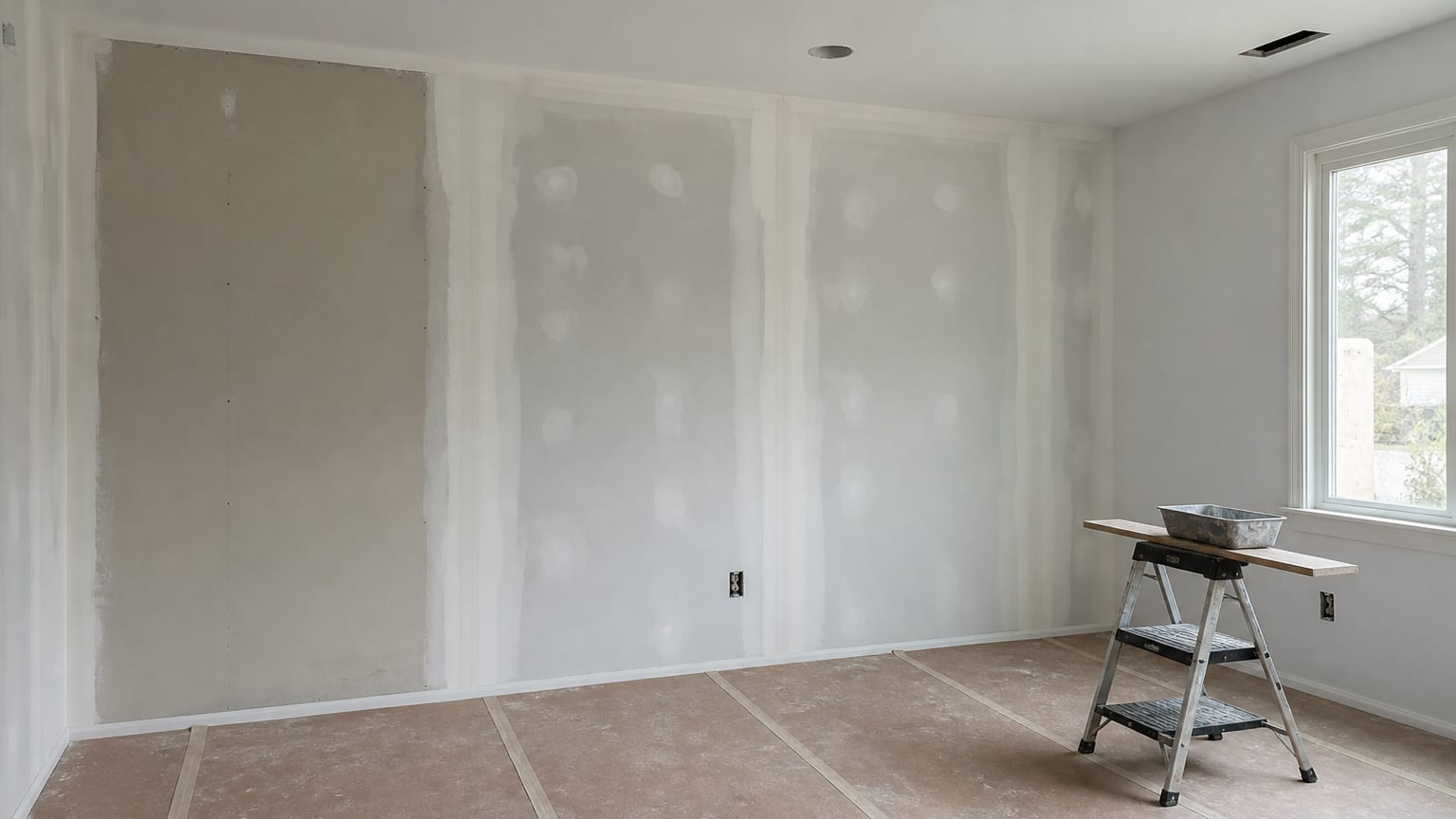
There is a specific hour in every mold project when one kind of work stops and a completely different kind starts. The plastic sheeting comes down. The negative air machine goes quiet. The crew that removed drywall, insulation, and flooring loads out, and you are standing in a room that is open to the studs. Nothing is growing anymore. Nothing is finished either.
That hour is the handoff. Everything before it was environmental work, controlling moisture and removing affected materials. Everything after it is construction, putting back walls, insulation, floors, trim, and paint. In a Livingston home or business suite, the two phases often involve different trades, different paperwork, and sometimes different approvals from the township. Owners run into trouble when they treat the handoff as a formality instead of a real checkpoint, because that is the exact point where a rebuild can quietly bury an unresolved problem behind brand new drywall.
The good news is that the checkpoint is not complicated. It comes down to one question you can ask out loud before a single sheet of board goes up: has the reason this room was opened actually been corrected, and is that correction written down?
Key Takeaways
The handoff is a checkpoint, not a formality
Remediation ends when affected materials are out and the moisture source is corrected, and construction starts only after that is true and documented.
Moisture correction comes before finishes
The EPA identifies moisture control as the key to mold control, so closing a wall over an active water pathway hides a problem instead of solving it.
The removal boundary defines the rebuild scope
What gets rebuilt traces back to what was actually opened or removed, not to every adjacent material in the room.
Rebuild work is separate scope, item by item
Drywall, insulation, flooring, trim, cabinets, and paint are each their own line, with their own materials and their own timing.
Livingston permits depend on actual scope
Work touching electrical, plumbing, mechanical, structural, or occupancy conditions is a Building Department question, and a rebuild estimate is not a permit.
Three records stay separate
Contractor scope, township approval, and insurance coverage are three different decisions made by three different parties.
What the Handoff Actually Is
Post-mold remediation rebuild is the repair stage that follows a documented remediation scope. It is not inspection, and it is not removal. Those already happened. The rebuild answers a narrower question: which finishes, insulation, flooring, trim, cabinetry, and wall assemblies need to be restored, and does the record show that the condition which caused their removal has been fixed.
That last part is what separates a rebuild from an ordinary remodel. A remodel starts with a room somebody wants to change. A rebuild starts with a file. Behind it sits an opened assembly, a cause history, and a set of decisions about what was taken out and why. If the file is thin, the rebuild is guesswork wearing a nicer finish.
The Moisture Source Comes First
The EPA is direct on this point in its guidance on mold, moisture, and your home: controlling moisture is the key to controlling mold. That single idea sets the order of operations for the entire rebuild. If the original water pathway is still open, new materials sit in the same conditions the old ones failed in.
In Livingston, that pathway is usually an ordinary building source: roof entry, a plumbing leak inside a wall or ceiling, foundation water reaching a lower level, condensation on cold surfaces, or discharge from an appliance such as a washer, water heater, or air handler. Essex County property sits inland, so the cause history on a rebuild here is normally a building failure rather than a weather event. Humidity and weather can be part of a documented cause history, but neither is a reason to close a wall before the source is confirmed corrected.
What the Remediation Scope Hands You
A useful handoff is not a phone call saying the room is clear. It is a description of the physical condition you are inheriting.
The Removal Boundary Sets the Rebuild Scope
Remediation leaves behind an edge, the line where removal stopped and existing material continues. That edge is the reference point for everything that follows. A rebuild scope traces back to it rather than assuming every nearby surface was affected, which keeps the work honest in both directions. It prevents an undersized repair that leaves an open cavity untouched, and it prevents an oversized one that quietly turns into a renovation.
Livingston's building stock makes that boundary worth taking seriously. The township counts 10,699 housing units, and its construction records recognize single family, multifamily, and commercial properties, so the same service can mean a private finished room, a shared common area in a managed building, or a tenant suite. Older finishes may not match materials sold today. Renovated spaces can contain layered assemblies from earlier work. Newer spaces still need restoration after a leak. Property type does not predict how much rebuild work there is.
What Gets Assessed Once the Walls Are Open
An open assembly is the one chance to look at what is normally hidden. Before board goes back up, the practical work is identifying the removal boundary, confirming which materials need replacement, assessing exposed framing and systems within reach, planning the repairs, and lining up the trades in the right order.
Drywall, insulation, flooring, trim, cabinets, and paint each stand as their own scope element with their own lead time. A clear rebuild report also states whether any post-remediation verification or moisture review has taken place, and names anything that could not be reached or was deliberately left out. Areas nobody could access are a normal part of real buildings. Leaving them unmentioned is what creates surprises later.
From Handoff to Finished Room
- 1
Confirm the source is corrected
Review the cause history and the repair that addressed it, because finishes installed over an active water pathway hide the problem rather than end it.
- 2
Read the removal boundary
Walk the opened assembly, mark where removal stopped, and list the materials that need to be restored on that basis.
- 3
Assess what is exposed
Look at framing, insulation cavities, wiring, and plumbing while they are visible, and note anything inaccessible or excluded.
- 4
Sort the scope into lines
Separate source repair, remaining demolition, build back, and finishes, and keep elective upgrades on their own line.
- 5
Check whether permits apply
Ask the Livingston Building Department about anything touching electrical, plumbing, mechanical, structural, or occupancy conditions before construction begins.
- 6
Rebuild, then close out the file
Install in trade order, photograph the assembly before it is covered, and keep the invoices, selections, and any approvals together.
Livingston Permits and the Building Department
Some rebuilds are a drywall patch and a coat of paint. Others reach into regulated systems, and that is where the township enters the picture. When construction affects electrical, plumbing, mechanical, structural, or occupancy related conditions, the Livingston Building Department is the authority on whether a permit and inspections apply. The answer depends on the actual scope, not on the fact that mold was involved.
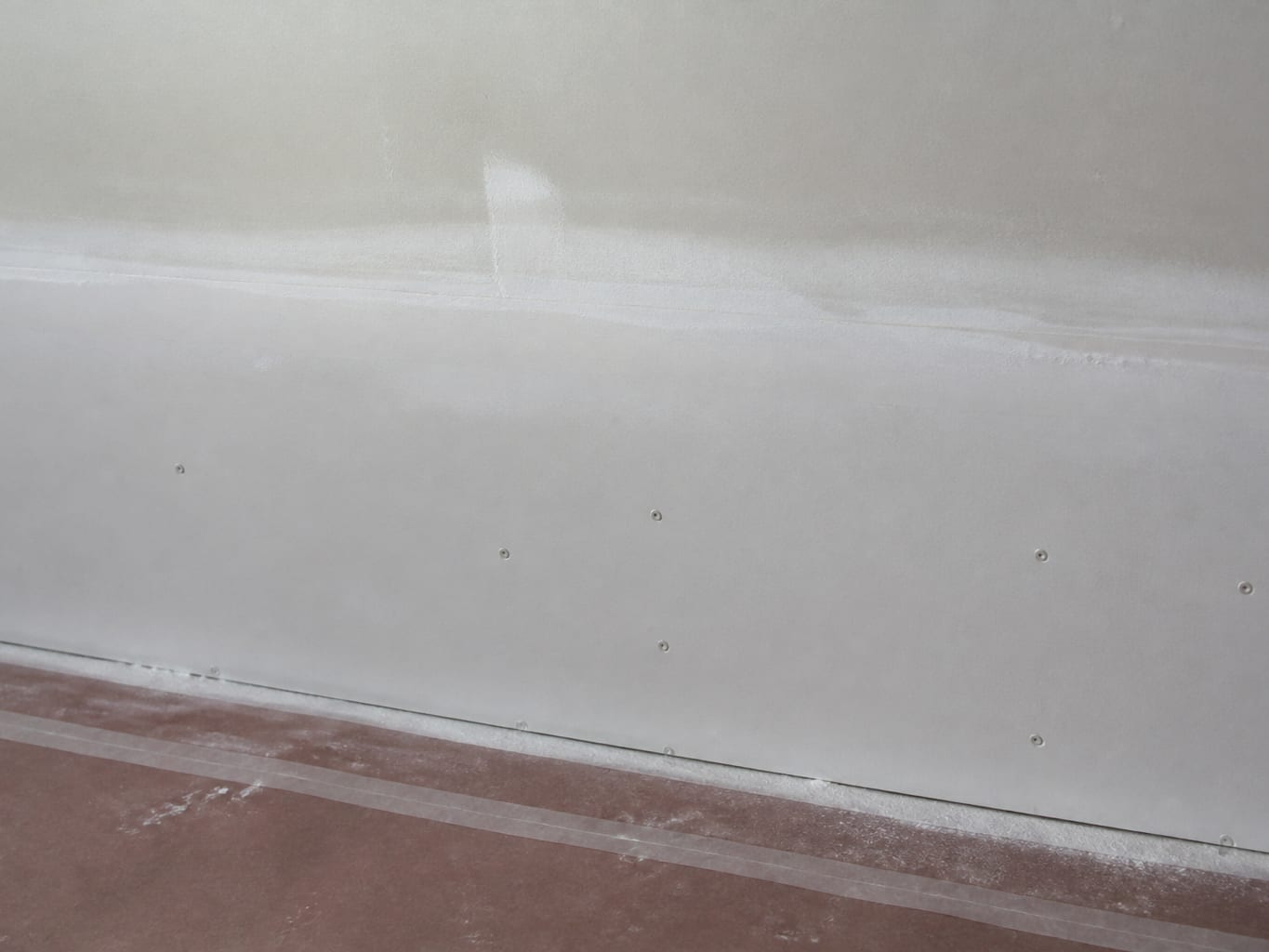
Two boundaries are worth holding onto here. A remediation report describes environmental work, and it does not authorize construction. A rebuild estimate is a contractor's price, and it is neither a permit nor a clearance certificate. Livingston also publishes construction fee information for regulated work, which is a fee schedule for permits, not a price list for finishing a basement.
The township's construction record search can show permit history for a property. That history is genuinely useful to an owner, a manager, or a future buyer, but it speaks to construction approvals only. It does not establish a mold condition, and it does not grade the quality of a rebuild.
Hover or tap a row to highlight it.
| Who decides | What they decide | What their record does not do |
|---|---|---|
| Your contractor | The rebuild scope, materials, sequence, and price | It does not authorize regulated construction or confirm coverage |
| Livingston Building Department | Whether permits and inspections apply, and whether work passes | It does not establish a mold condition or judge finish quality |
| Your insurer | Whether a claim is covered and what is paid | It does not define the physical repair scope or replace a permit |
| Post-remediation verification | Whether the environmental condition was addressed | It is not a promise that the building will never leak again |
What Drives the Cost and the Calendar
Nobody can quote a Livingston rebuild from a room name, because the number follows what was removed and what condition the exposed assembly is in. The variables that move it are wall and ceiling area, insulation, flooring, trim, cabinets, painting, how closely new finishes need to match existing ones, access, contents in the way, utility relocations, structural or mechanical repairs, permits where they apply, and any tenant or commercial constraints. A small patch and a rebuilt lower level are not the same project.
The calendar follows a similar list: the size of the opening, material availability, remaining drying or verification needs, permits and inspections, trade coordination, restrictions on working in an occupied space, and how quickly selections get made. Finish selections are the item owners control most directly and underestimate most often.
A clear estimate keeps its categories apart. Remediation already completed, source repair, remaining demolition, build back, finishes, allowances, and excluded upgrades each belong on their own line. Municipal fees and insurer determinations are not part of a contractor's price unless the document says so plainly. It also helps to know which bucket a given item falls into, because restoring a prior condition, adding an elective upgrade, and correcting a code related issue carry different documentation and different authorization.
Where Rebuilds Go Wrong
The most common failure is simple and expensive: closing walls, floors, or ceilings before the moisture source and the affected material scope are documented. New finishes make a room look complete. They do nothing to a water pathway that is still open behind them.
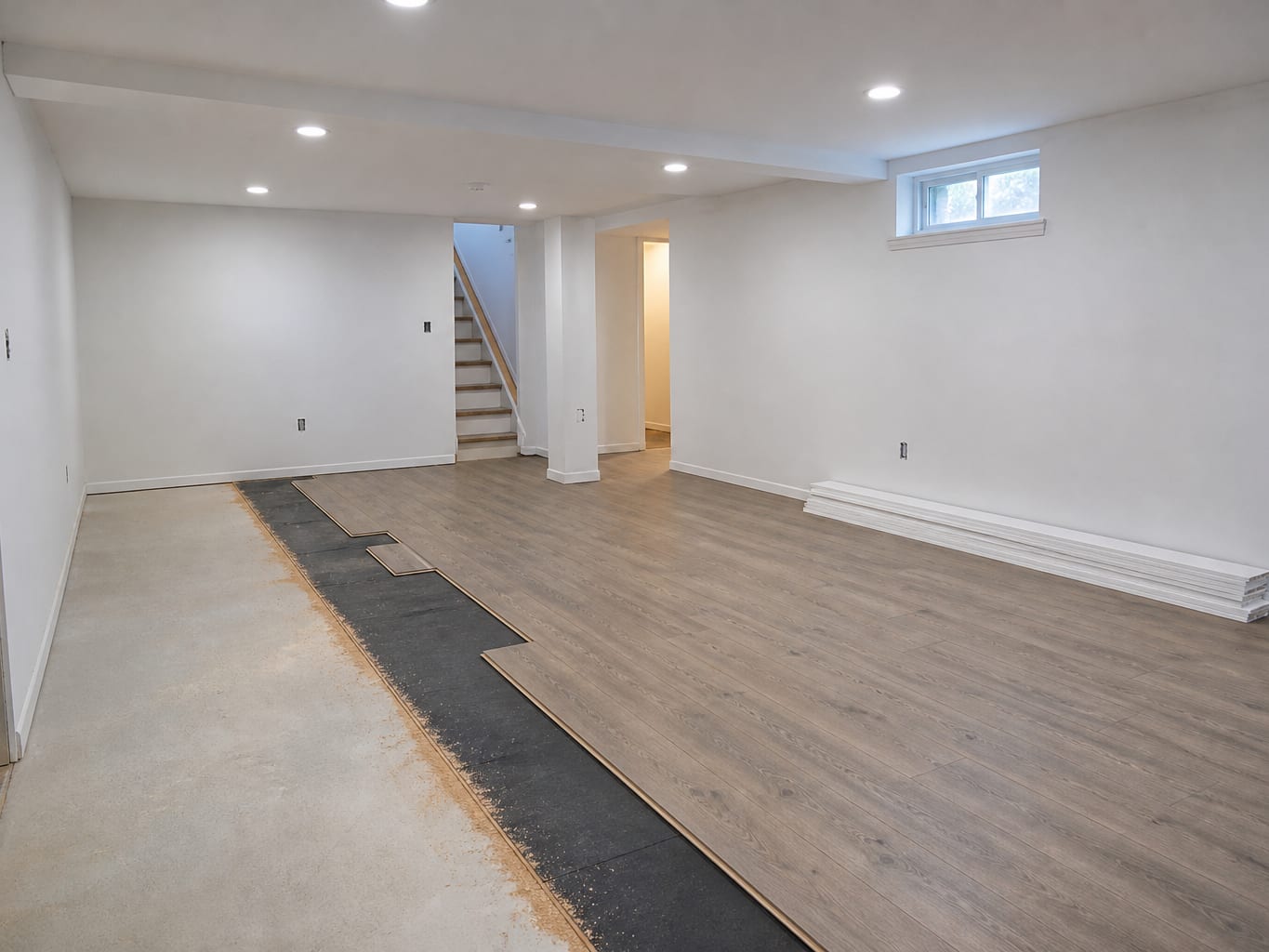
A few other patterns show up often enough to name. Paint gets treated as a substitute for remediation, which it never is. Insulation and cavity conditions get left out of a repair plan even though they were part of what was removed. Existing damage and optional upgrades get blended into one number, so nobody can tell later what was restoration and what was an improvement. And someone promises clearance, which no rebuild can deliver, since finishes alone prove nothing about future moisture.
If a rebuild reaches exposed framing or other building elements that need real repair, that work belongs in the plan before finishes, and our structural mold repair services page walks through what that stage involves. Where an environmental check is wanted before construction, post-remediation verification testing is a separate service with its own report.
Safety While the Building Is Open
An opened assembly is a work site, not just an unfinished room. Wiring, plumbing lines, sharp edges, dust, and trip hazards are all exposed at once, which is one more reason rebuild work is sequenced after the environmental condition has been handled rather than run alongside it.
It is also worth being clear about what a build back can and cannot do for you. It can restore rooms to service, protect the assemblies that were opened, and leave behind a traceable record for an owner or a future transaction. It cannot guarantee a property value, an insurer payment, or a building that never leaks again. Health questions about individual occupants sit outside a rebuild report entirely, which describes property conditions and repair boundaries.
Frequently Asked Questions About Post-Mold Rebuild in Livingston, NJ
When is it safe to start rebuilding after mold remediation?
Once the affected materials are out and the moisture source has been corrected and documented. The EPA treats moisture control as the key to mold control, so the sequence matters more than the calendar. If a source repair is still pending, or nobody can say clearly what corrected it, the walls stay open a little longer.
Do I need a permit for a post-mold rebuild in Livingston?
It depends entirely on the scope. Work that affects electrical, plumbing, mechanical, structural, or occupancy related conditions is a Building Department question, and the township is the authority on the answer. A drywall and paint repair is a different conversation than reworking a lower level. Ask before construction starts rather than after.
Does a remediation report allow the construction work to begin?
No. A remediation report describes environmental work that was performed. Authorization for regulated construction comes from the township, through permits and inspections, when the scope calls for it. The two documents live side by side in a project file and answer different questions.
Will rebuilding help with an insurance claim or a future sale?
It creates a clearer property history, which is worth having. It does not promise a financial result. Coverage stays policy specific and is decided by your insurer, and no repair estimate settles that. What good documentation does is let an owner, manager, buyer, or adjuster see what was observed, removed, repaired, and approved without the three getting mixed together.
How is this different from a normal remodel?
A remodel starts with a preference. A rebuild starts with a removal boundary and a cause history. The scope traces back to what remediation actually opened, and the file carries forward from the environmental work into the construction work. That continuity is the whole point.
What should end up in the project file when the work is finished?
Photos of the original condition and of the assembly before it was covered, the removal boundaries, any moisture or verification notes, invoices, material selections, permits where they applied, and a plain statement of anything inaccessible or excluded. New finishes on their own are not evidence that a building has no future moisture issue, and a file that says so honestly is more useful than one that overclaims.
Final Thoughts
The handoff deserves more attention than it usually gets. It is the seam between two kinds of work, and seams are where things slip. Treated well, it is a short conversation with a clear answer: here is what was removed, here is the source that caused it, here is the repair that corrected it, and here is what we are putting back.
Treated as a formality, it becomes the moment a finished room starts hiding an unfinished problem. Livingston property owners who slow down for one checkpoint before the drywall goes up tend to get a rebuild that holds, along with a record that still makes sense years later when somebody asks what happened in that room.
When you are ready to move from a remediated space to a finished one, our team at ExecPro Restoration & Cleaning handles the construction side of that transition, from framing repairs and insulation through drywall, flooring, trim, and paint, with the scope written to match what was actually opened. You can read more about our post-mold remediation rebuild service, or call (888) 300-3772 to talk through your project. You can also contact our restoration team online and we will walk the space with you.
Rebuild Terms Worth Knowing
Tap a term to see what it means.
Handoff. The point where remediation work ends and construction restoration begins, once affected materials are out and the moisture source has been corrected.
Serving Livingston
ExecPro Restoration & Cleaning provides mold remediation services in Livingston, NJ, from inspection and testing through removal, drying, and post-remediation verification. Call (888) 300-3772 for 24/7 emergency response.
Related Articles
Post-Mold Rebuild in Deal NJ: Planning the Build-Back Around the Summer Moratorium
After mold clears in a Deal NJ home, the build-back begins. Learn to schedule regulated construction around the summer moratorium and match high-value finishes.
Dry Before You Close: A Verified Rebuild Sequence for Finished Basements and Additions in Princeton Junction, NJ
After mold remediation in Princeton Junction NJ, rebuild too soon and new drywall traps moisture. Learn to verify dryness first, then build back to last.
Post-Mold Remediation Rebuild in Princeton, NJ: A Preservation-Aware Plan for Older Homes
Rebuilding an older Princeton NJ home after mold remediation? Learn how to restore original character, review lead and asbestos, and rebuild without trapping moisture.