Post-Mold Rebuild in Deal NJ: Planning the Build-Back Around the Summer Moratorium
Cal HewittPublished
- post mold remediation rebuild
- build back
- mold remediation
- coastal
- new jersey
- deal
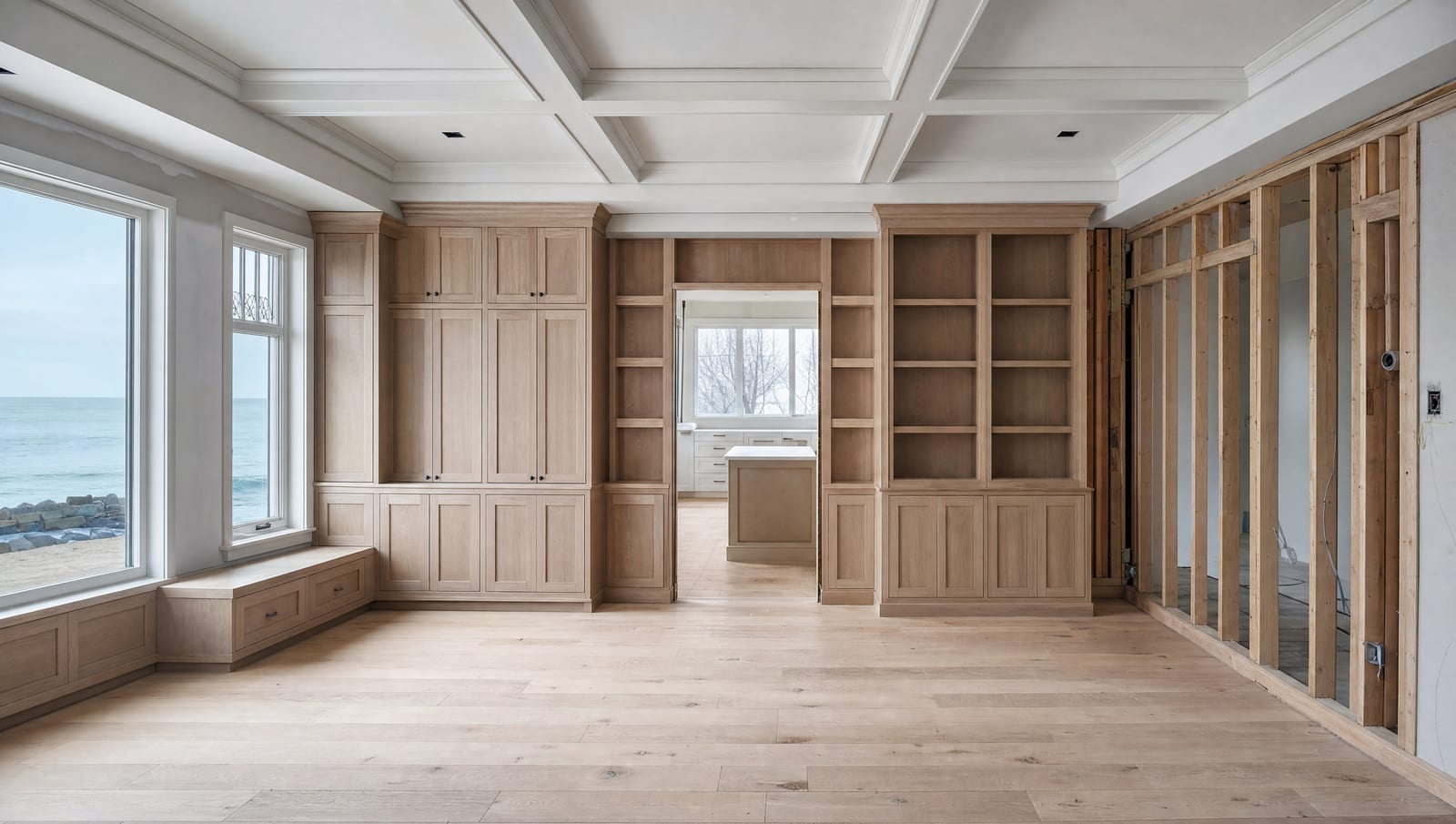
The mold is gone. The containment is down, the air readings came back the way you hoped, and the crew that opened up your walls has packed out. In a Deal home, that moment can feel like the finish line. It is really the start of a different phase. The space still has to be put back together, and in a high-value coastal house that rebuild is its own project with its own timing, its own permits, and its own standards for how the finished rooms should look when the work is done.
This is a guide to that second half, the build-back. It assumes the hard part of getting rid of the mold is already behind you and focuses on what it takes to restore the space well: confirming the home is truly ready for reconstruction, scheduling regulated work around Deal's summer construction moratorium, matching the custom finishes that make these homes what they are, and keeping the paperwork that owners and insurers rely on at closeout. None of it needs to be rushed or stressful. It just needs to be done in the right order.
Start by Confirming the Home Is Ready to Rebuild
The single most important rule of a post-mold rebuild is simple: you do not close a wall until you know what is behind it is dry and clean. Reconstruction is the step that hides everything. Once new drywall, insulation, cabinetry, or flooring goes in, any moisture or contamination left behind is sealed out of sight, where it can quietly start the cycle over again. That is the outcome the whole rebuild is meant to prevent, so the first task is verification, not carpentry.
Two things need to be settled before build-back begins. The first is dryness. Building materials that got wet during the original loss have to reach a stable dry standard before they are covered, and that is measured with meters, not judged by how a surface feels to the hand. The second is clearance. When testing was part of your project, post-remediation verification is the independent check that the remediation actually met its goal. It answers a defined question and gives you a documented result to build on. If you want to understand how that verification step works and why it matters here, our post-remediation verification service page walks through it.
Not every job requires laboratory testing, and that is fine. Testing should answer a specific question and change a decision. What matters is that someone has confirmed, in writing where appropriate, that the moisture source is corrected and the affected assemblies are dry before reconstruction starts.
Hover or tap a row to highlight it.
| Stage | What happens | Deal timing and permit note |
|---|---|---|
| Verify clearance | Confirm the moisture source is corrected and materials meet a dry standard; review any post-remediation verification results | Nothing gets covered until dryness and clearance are confirmed |
| Permits and moratorium check | Identify which repairs are regulated work needing a permit, and confirm scope against the borough calendar | Deal publishes a summer construction moratorium; confirm scope and timing with the Deal Building Department |
| Rough build-back | Replace framing repairs, insulation, and drywall in dried, cleared cavities using moisture-aware assemblies | Regulated trade work is inspected at the rough stage before it is closed |
| Finish matching | Source and install millwork, stone, plaster, and cabinetry to match the home's original character | Lead times on custom materials can shape the whole schedule |
| Final documentation | Assemble photos, readings, permits, inspection results, and invoices into one closeout record | Records support the owner, the sale, and any insurance claim |
Working Around Deal's Summer Construction Moratorium
Here is the part that is genuinely specific to Deal. The borough publishes a construction moratorium that runs through the busy summer season, roughly from late June, on or about June 24, through the Wednesday after Labor Day. During that window, regulated construction activity is restricted. For a homeowner trying to get a house back together, that calendar can be the difference between a smooth rebuild and a stalled one.
The important thing to understand is that not every part of a build-back is the same in the eyes of the code. Some repairs are regulated work that needs a permit and an inspection. Other steps are stabilization or cleanup that may be treated differently. Because the details of what is allowed and when depend on your exact scope and the current rules, this is not something to guess at. Confirm your scope and schedule directly with the Deal Building Department before work begins. They are the authority having jurisdiction, and they can tell you what your project needs and how the moratorium applies to it.
Practically, that means planning ahead. If a loss happens in the spring, it is worth mapping the permitted, regulated portions of the rebuild against the summer window so the schedule is realistic. If a loss happens during the summer, emergency stabilization and drying can often move forward to protect the home while the regulated reconstruction is sequenced around the calendar. The moratorium is a scheduling constraint to design around, not a reason to cut corners or skip a permit. A rebuild that respects the local process is one you never have to unwind later.
Matching High-Value Finishes After Mold
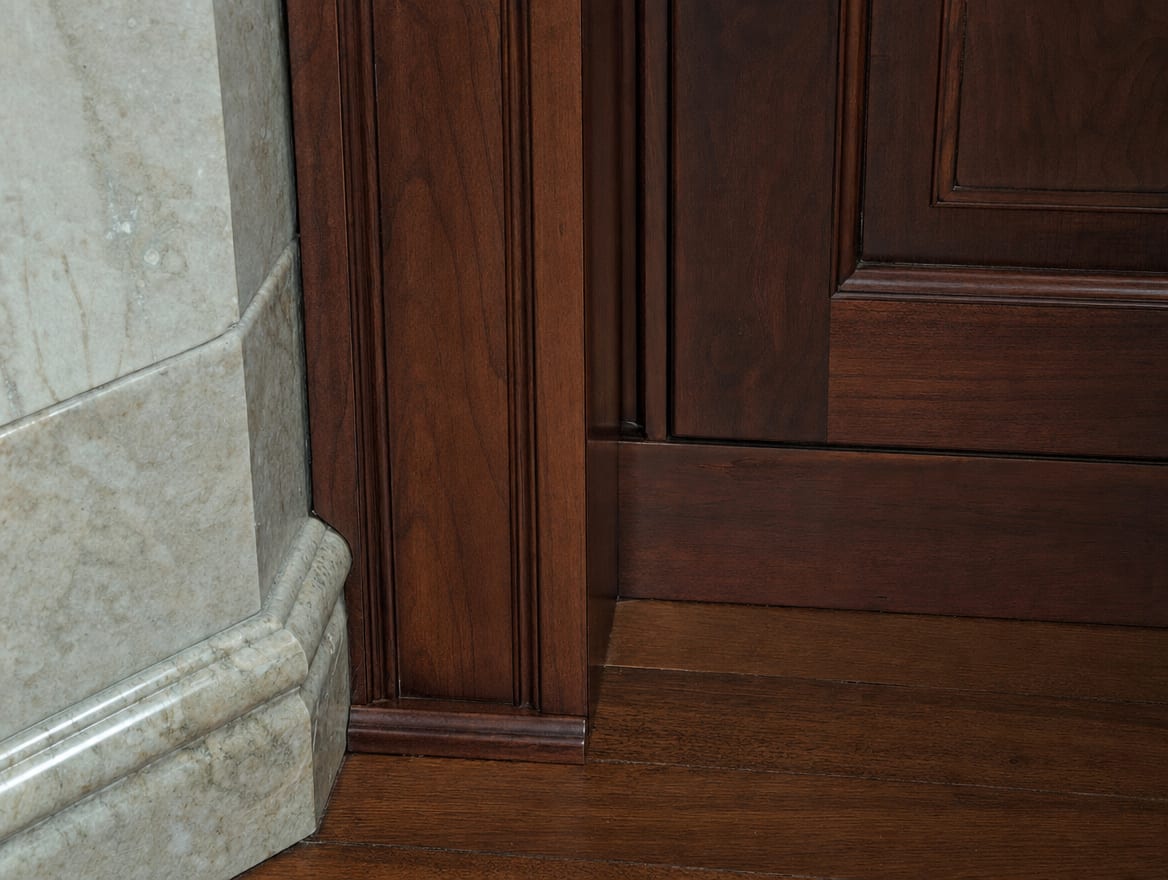
Deal is a borough of established, often custom homes, and that changes what "putting it back" means. In many houses the finishes are not off-the-shelf. Think custom millwork and trim profiles, natural stone, plaster wall treatments, and built-in cabinetry that was made for the room it sits in. A build-back that drops in generic replacements can leave a repaired space looking like a patch rather than a restoration. The goal is for the finished room to read as if the loss never happened.
Good finish matching starts before demolition, not after. The single best move is to document the originals thoroughly while they are still in place, so profiles, materials, and details can be sourced to match. From there it is a matter of finding the right materials, protecting the areas of the home that were not affected, and installing to the same standard as the original craftsmanship. And it still follows the same non-negotiable rule as everything else in the rebuild: the surfaces underneath have to be verified dry and clean first, because a beautiful finish over a damp cavity is a problem waiting to return.
Matching High-Value Finishes After Mold
Document originals before demolition
Photograph and measure existing millwork, stone, plaster, and cabinetry so profiles and materials can be sourced to match later.
Source-match millwork, stone, plaster, and cabinetry
Find replacement materials and craftspeople that reproduce the original character rather than substituting a generic finish.
Verify dryness first
Confirm the assemblies behind the finish meet a dry standard before any new surface goes on, so nothing traps moisture.
Choose moisture-aware materials
Where it makes sense, favor assemblies and details that handle the home's real conditions, especially in a coastal setting.
Permit regulated work
Identify which repairs need a permit and inspection, and confirm the scope with the Deal Building Department.
Walk the finished work
Review the completed rooms against the documented originals so the match is checked, not assumed.
Putting the Space Back, Step by Step
Once dryness and clearance are settled and the permitting picture is clear, the physical rebuild moves in a logical order. Structure and mechanical repairs come first, then the layers that cover them, then the finishes that people actually see. Working from the inside out is what keeps the quality high and keeps anything unresolved from getting sealed in.
If you want the full picture of how the reconstruction phase is handled from the first cleared wall to the last coat of paint, our post-mold remediation rebuild page lays out the service in detail.
Putting the Home Back, Step by Step
- 1
Confirm completion and dryness
Verify the moisture source is corrected and affected materials meet a dry standard before anything is covered.
- 2
Document concealed conditions
Photograph and record open framing, cavities, and any repairs so there is a record of what was found and fixed.
- 3
Secure permits and check the calendar
Identify regulated work, pull the required permits, and confirm scope and timing with the Deal Building Department around the summer moratorium.
- 4
Repair structure and the moisture source
Correct the defect that caused the loss and make any framing or subfloor repairs while the assemblies are still open.
- 5
Restore insulation and assemblies
Replace insulation and close walls and ceilings using moisture-aware details suited to the home.
- 6
Match and install finishes
Source and install millwork, stone, plaster, cabinetry, flooring, and paint to match the home's original character.
- 7
Complete inspections and closeout
Pass required inspections and assemble the full documentation package for the owner and any insurer.

Documenting the Closeout for Owners and Insurers
A rebuild is not really finished when the last piece of trim goes up. It is finished when there is a clean record of what was done. Good documentation protects everyone. It shows the owner what was found, corrected, removed, dried, verified, and rebuilt. It gives a future buyer or their inspector real answers instead of a shrug. And it is the backbone of any insurance conversation, because a carrier decides coverage based on the policy language and the documented cause of loss, not on a description after the fact.
A useful closeout package pulls the whole story into one place: pre-work and post-work photos, moisture readings, the source findings, the scope and its exclusions, any change orders, drying and disposal records, permits, inspection results, verification reports where they were required, and invoices. On the insurance side, one honest point is worth stating plainly. No contractor can promise that a claim will be paid. Coverage depends on your policy, the cause of the loss, exclusions, timely notice, and documentation, and flood damage in particular is usually handled under separate flood insurance rather than a standard homeowners policy. What a good build-back can do is give you complete, organized records so the claim is judged on facts. To see how reconstruction and claim documentation fit together across the board, our build-back services overview is a good next read.
A Note on Flood Exposure in a Coastal Borough
Because Deal sits on the Atlantic coast, it is tempting to make a blanket statement about flood risk. Resist that. Flood exposure in Deal varies parcel by parcel, and the only reliable way to understand a specific property is to check that address against FEMA's flood mapping and the state's coastal risk tools, not to assume the whole borough shares one condition. That parcel-level reality matters for a rebuild because the water category behind your loss, and the exposure going forward, can shape material choices and what the local process expects. It is one more reason the scope is built around your actual address and confirmed with the authorities, never copied from the house down the street.
Frequently Asked Questions
When can the rebuild actually start?
Only after the home is confirmed ready. That means the moisture source has been corrected and the affected materials have reached a dry standard, verified with meters, and any required post-remediation verification has come back clear. Reconstruction covers everything up, so it should never begin until dryness and clearance are settled in writing where testing was part of the job.
Can you match my home's custom finishes?
That is the goal of a proper build-back, and it starts with documenting the originals before demolition so profiles, stone, plaster, and cabinetry can be sourced to match. Custom materials can carry longer lead times, which is worth planning for early. The finished rooms should read like the loss never happened rather than looking patched.
Will the summer moratorium delay my build-back?
It can affect the schedule, because Deal restricts regulated construction during its summer window. How it applies depends on your exact scope, so confirm both the scope and the timing directly with the Deal Building Department. Stabilization and drying can often move forward to protect the home while the regulated reconstruction is sequenced around the calendar.
Will insurance cover the reconstruction?
That is the carrier's decision, and it cannot be guaranteed. Coverage depends on your policy language, the documented cause of loss, exclusions, timely notice, and your records. Flood damage is generally handled under separate flood insurance, not a standard homeowners policy. The best thing a rebuild can do is give you thorough documentation so the claim is reviewed on the facts.
How do you avoid trapping moisture in the walls?
By treating dryness as the gate for every covered surface. Assemblies are confirmed dry before insulation and drywall go back in, the original moisture defect is corrected rather than hidden, and moisture-aware details are used where they make sense, which matters in a coastal home. Nothing gets closed up on the assumption that it is probably fine.
Do I need a permit for the rebuild?
Some parts of a build-back are regulated work that needs a permit and an inspection, and some steps are treated differently. Which is which depends on your scope, so this is a question for the Deal Building Department rather than something to assume. Confirming it up front keeps the project clean and inspectable.
Bringing It Home
A post-mold rebuild in Deal is a manageable project when it is taken in order. Confirm the home is dry and cleared before anything is covered. Map the regulated, permitted work against the summer moratorium and confirm your scope with the Building Department. Document the original finishes so custom millwork, stone, plaster, and cabinetry can be matched. Then reconstruct from the inside out and keep a complete closeout record for yourself, a future buyer, and your insurer. That sequence is what turns a cleared-out house back into a home that looks and performs the way it should.
If you are at the point where the mold is handled and you want the rebuild done right, ExecPro Restoration & Cleaning can help you plan the build-back around Deal's calendar and match the finishes your home deserves. You can reach out to our team or call (888) 300-3772 to talk through your project. You can also see how we serve the area on our mold remediation in Deal, NJ page.
Rebuild and Build-Back Terms
Tap a term to see what it means.
Clearance. The confirmation, through post-remediation verification, that a mold remediation met its goal and the space is ready for the next step.
Serving Deal
ExecPro Restoration & Cleaning provides mold remediation services in Deal, NJ, from inspection and testing through removal, drying, and post-remediation verification. Call (888) 300-3772 for 24/7 emergency response.
Related Articles
Where Remediation Ends and Construction Begins: Post-Mold Rebuild in Livingston, NJ
Containment comes down and a Livingston, NJ property stops being a remediation site and becomes a construction one. That handoff has its own rules.
Reopening a Deal NJ Shore Home: When Air Quality Testing Answers a Real Question
Reopening a closed Deal NJ shore home? Learn when air quality testing helps after vacancy, humidity, a storm, or renovation, and what a test cannot tell you.
Property Management Mold Services in Deal NJ: A Seasonal-Home Protocol
A repeatable mold protocol for managers of seasonal Deal NJ homes: pre-arrival inspections, remote humidity monitoring, emergency access, and owner reporting.