
New Jersey's Nor'easter State of Emergency: What It Means for Your Insurance Claim
Cal HewittPublished
- insurance restoration services
- flood insurance
- storm damage
- new jersey
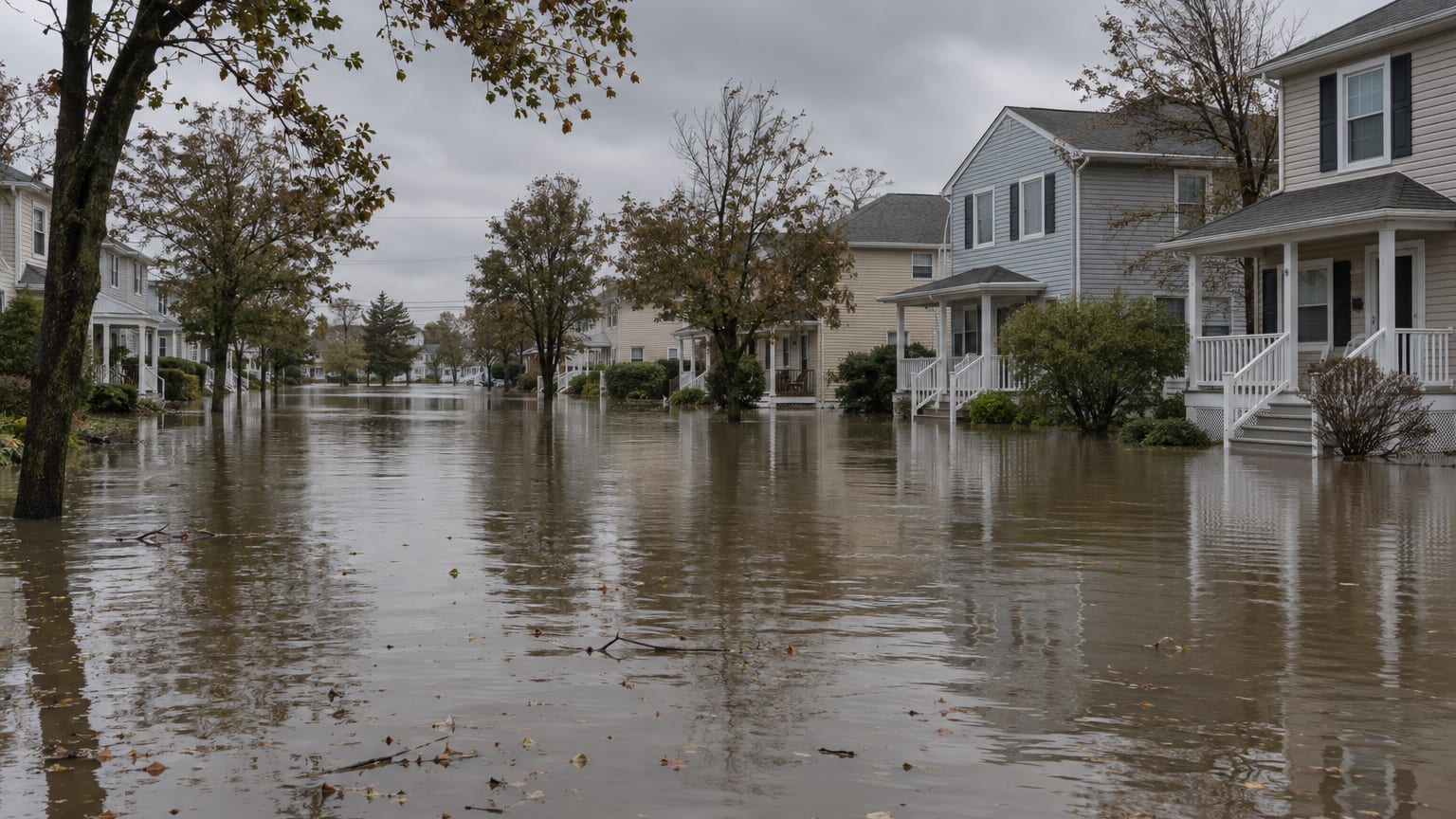
If you are trying to sort out a New Jersey state of emergency flood insurance claim, you are probably standing in a wet building or just back from one, and the questions are stacking up faster than the water is draining. Which insurer do you call first? Does this loss belong under a homeowners policy, a renters policy, a commercial policy, or a flood policy? And what can you touch before an adjuster sees it? Cleanup begins fast, and evidence goes out with the debris. What follows is a clock you can follow, from the next hour to the next week.
Key Takeaways
First hour
Stay out of a flooded or unsafe building, follow evacuation and road-closure instructions, and report the loss to your insurer with the policy number and address ready.
Which policy
Wind damage usually belongs with homeowners or renters coverage, while rising water from the ground usually belongs with a flood policy, and sewer backup depends on the policy.
First week
On an NFIP claim, the signed Proof of Loss and its supporting records are due within 60 days of the flood unless the insurer or FEMA sets a different timeframe.
What Did the September 2026 Nor'easter Do to New Jersey Properties?
Governor Mikie Sherrill announced a State of Emergency effective at 5:00 p.m. on September 25, 2026, for Atlantic, Burlington, Cape May, Cumberland, Middlesex, Monmouth, Ocean and Salem counties. The Governor's release described a nor'easter bringing strong winds, heavy rain, significant coastal flooding and beach erosion, with the most severe impacts expected from September 25 through Sunday, September 27.
On September 28, the National Weather Service still listed a Coastal Flood Warning for Barnegat through 2:00 p.m. EDT. It described the storm as weakening while coastal flooding and locally heavy rain continued. So, many owners are dealing with standing water today, not last week's rain.
Damage reports are local so far. Congressman Frank Pallone's office described six to seven feet of tidal flooding in parts of his district, affecting homes, businesses, piers, bulkheads and vehicles. Statewide damage totals have not been published by the responsible agencies, so treat any single big number you hear as a report from one place.
The Storm and What Is Confirmed, as of September 28, 2026
- 1
September 25, 2026, 5:00 p.m.
The State of Emergency takes effect for Atlantic, Burlington, Cape May, Cumberland, Middlesex, Monmouth, Ocean and Salem counties.
- 2
September 25 through Sunday, September 27
The Governor's release expected the most severe impacts, from a nor'easter bringing strong winds, heavy rain, significant coastal flooding and beach erosion.
- 3
September 28, through 2:00 p.m. EDT
The National Weather Service still lists a Coastal Flood Warning for Barnegat, and describes the storm as weakening while coastal flooding and locally heavy rain continue.
- 4
September 28
Congressman Frank Pallone's office describes six to seven feet of tidal flooding in parts of his district. Statewide damage totals have not been published by the responsible agencies.
- 5
September 28
No presidential disaster declaration for this nor'easter has been confirmed. A report said federal, state and local officials were being asked to survey damage in anticipation of a possible federal declaration.
What Should You Do in the First Hour, the First Day and the First Week?
In the first hour, follow every evacuation, road-closure, utility and emergency-management instruction. Do not enter a flooded or unsafe building. Shut off electricity and gas only when it is safe to do so, and have a qualified professional inspect the property before power comes back on. Then report the loss to the homeowners, renters, commercial-property, auto or flood insurer, whichever may apply, with the policy number and address in front of you.
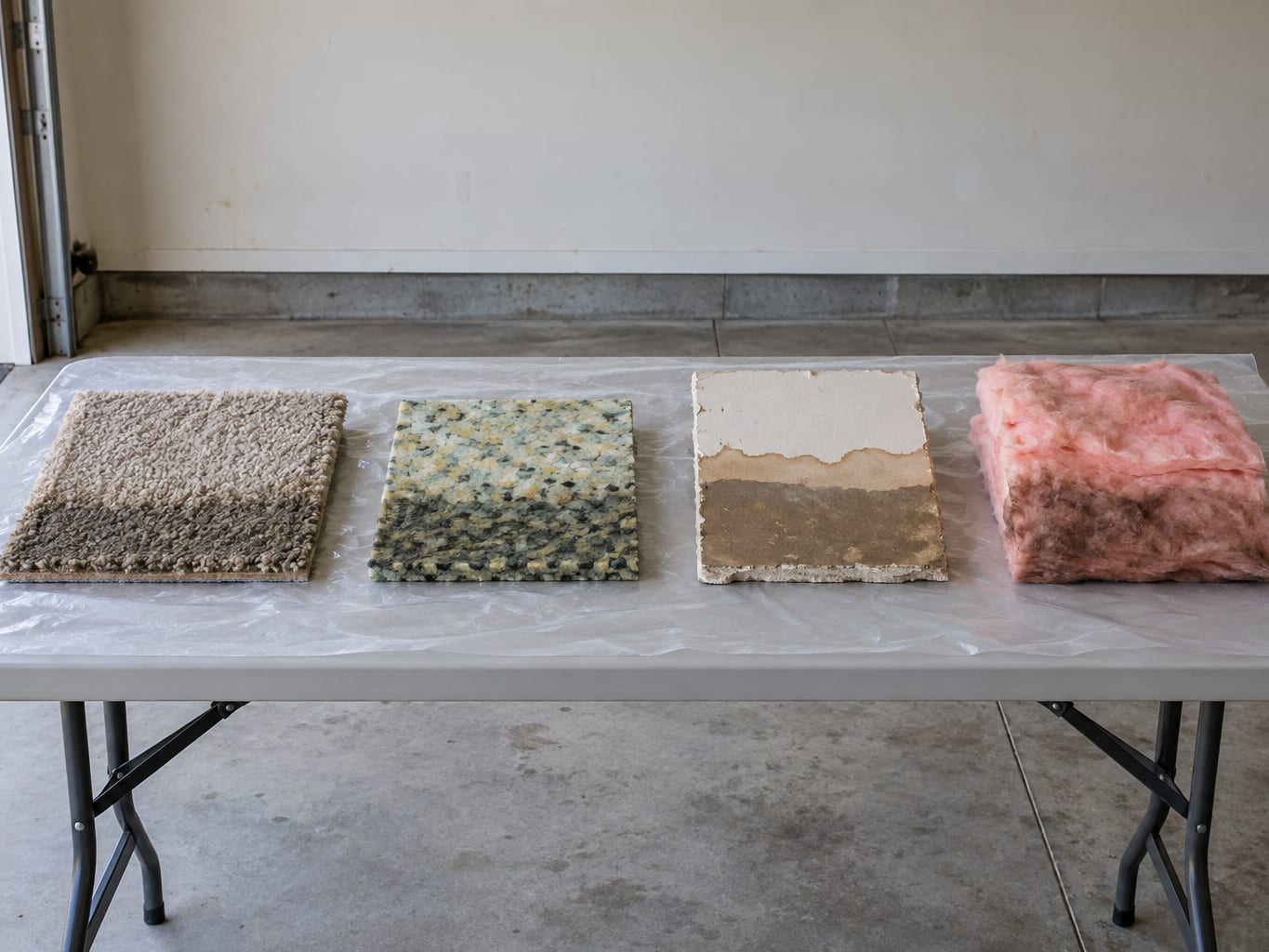
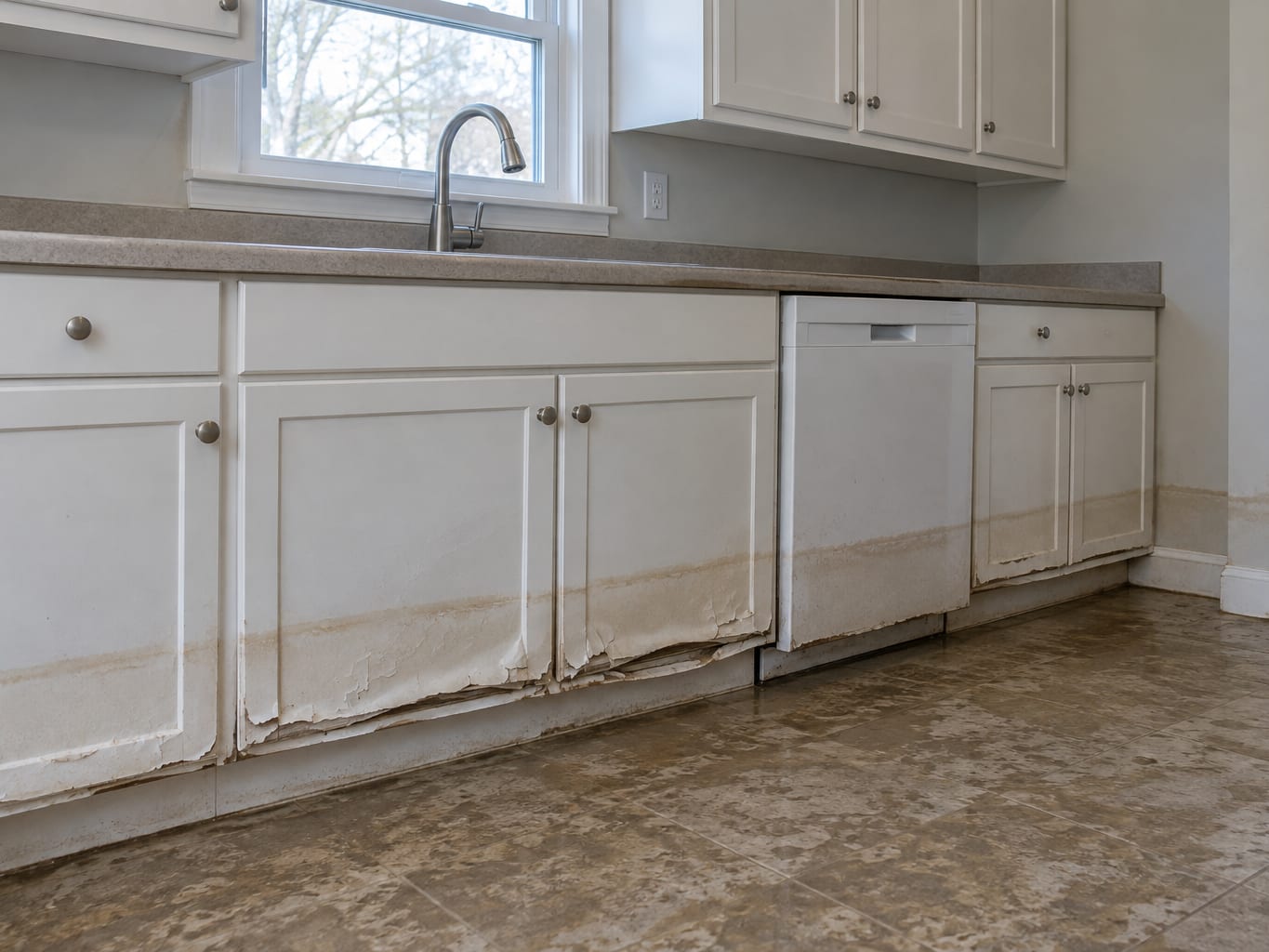
If it is safe, photograph and video the waterline, the rooms, appliances, furnishings and any visible mold before cleanup. Keep damaged materials unless they create a health hazard or officials require removal, and set aside small samples of flooring, carpet, drywall and insulation.
Through the first day, keep a written log of every call with the insurer, adjuster, contractor, utility, town office and emergency-management office. Save receipts for emergency purchases, drying, cleanup, temporary repairs, lodging and replacement items. Take safe steps to stop more damage, such as water extraction (pumping and vacuuming standing water), drying, moving undamaged contents and covering openings. Talk with the insurer or adjuster before you sign a permanent repair contract.
By the first week, you should be meeting the adjuster and reading the written estimate line by line. For an NFIP claim, ask the adjuster for government-issued photo identification and the Flood Control Number card. NFIP is the National Flood Insurance Program, the federal flood coverage sold through insurers.
Your Claim Clock: Hour, Day, Week
- 1
First hour
Follow every evacuation, road-closure, utility and emergency-management instruction. Do not enter a flooded or unsafe building. Shut off electricity and gas only when it is safe to do so, and report the loss to the insurer that may apply, with the policy number and address in front of you.
- 2
First hour, if it is safe
Photograph and video the waterline, the rooms, appliances, furnishings and any visible mold before cleanup. Keep damaged materials unless they create a health hazard or officials require removal, and set aside small samples of flooring, carpet, drywall and insulation.
- 3
First day
Keep a written log of every call, save receipts, and take safe steps to stop more damage, such as water extraction, drying, moving undamaged contents and covering openings. Talk with the insurer or adjuster before you sign a permanent repair contract.
- 4
First week
Meet the adjuster and read the written estimate line by line. For an NFIP claim, ask the adjuster for government-issued photo identification and the Flood Control Number card. The signed Proof of Loss is due within 60 days of the flood unless another timeframe is authorized.
Which Policy Responds to Wind, Floodwater and Sewer Backup?
The water's route decides the policy, so start by working out where it came from. New Jersey's required flood notice defines flood to include the overflow of inland or tidal waters and the unusual, rapid buildup or runoff of surface water. It states that standard homeowners policies do not cover damage from floods, and that separate flood insurance may be available.
Here is how the common situations usually sort out. Exact terms, deductibles and exclusions always come from your own policy.
Hover or tap a row to highlight it.
| Damage or water source | Standard homeowners or renters policy | NFIP flood policy |
|---|---|---|
| Wind damage to a roof or structure | Commonly covered, subject to terms, deductibles, exclusions and proof of cause | Not the primary coverage |
| Wind-driven rain entering through a wind-damaged opening | May be covered when the policy covers the resulting roof or building damage | Generally excluded when water enters from the top down through a damaged roof |
| Surface water, storm surge, tidal flooding or rising water | Excluded as flood | Covered for qualifying flood damage under the building or contents coverage the policy provides |
| Sewer backup | Policy-specific; optional water-backup coverage may apply | Covered only when the backup is a direct result of flooding |
| Sudden burst pipe or appliance leak | Commonly covered when sudden and accidental | Generally not flood damage |
| Temporary housing | May be available under a covered loss | Not covered by standard NFIP coverage |
NFIP building and contents coverage are separate, each with its own deductible. FEMA lists residential limits of up to $250,000 for building coverage and $100,000 for contents.
How Do You Document Damage Without Weakening the Claim?
Start with photographs and video, and go room by room, low to high. Capture the waterline on each wall, the affected floors, appliances with their serial numbers, electronics, furniture and any visible mold. Then write an inventory of damaged items, using the FEMA guidance on documenting damage as your checklist for what each entry should hold.
Record the claim number, the adjuster's name, phone number and email, and a line for every conversation. Keep invoices, estimates, temporary-repair records, lodging bills and emergency purchases in one folder, on paper or on your phone.
Two habits protect you. First, protect undamaged property and take reasonable steps to prevent more damage, since insurers generally expect that. Second, do not make permanent repairs or throw out significant evidence until the insurer or adjuster has had a reasonable chance to inspect, unless safety or public-health conditions force the issue.
What to Record and Keep
Photos and video
Go room by room, low to high. Capture the waterline on each wall, the affected floors, appliances with their serial numbers, electronics, furniture and any visible mold.
A written inventory
List the damaged items, using the FEMA guidance on documenting damage as your checklist for what each entry should hold.
Claim contacts
Record the claim number, the adjuster's name, phone number and email, and a line for every conversation.
One folder for paperwork
Keep invoices, estimates, temporary-repair records, lodging bills and emergency purchases together, on paper or on your phone.
Prevent more damage
Protect undamaged property and take reasonable steps to prevent more damage, since insurers generally expect that.
Wait on permanent repairs
Do not make permanent repairs or throw out significant evidence until the insurer or adjuster has had a reasonable chance to inspect, unless safety or public-health conditions force the issue.
What Federal Disaster Assistance Is Available Right Now?
As of September 28, 2026, no presidential disaster declaration for this nor'easter has been confirmed, so federal individual assistance should not be counted on yet. A September 28 report said federal, state and local officials were being asked to survey damage in anticipation of a possible federal declaration. A survey request is the start of a process, and it does not approve anything.
According to FEMA's eligibility guidance, flood damage may qualify for federal disaster assistance only after the President officially declares a disaster. If a declaration is later issued for your county, apply at DisasterAssistance.gov or through the channel the declaration lists.
Keep your insurance claim moving in the meantime and after any declaration. FEMA assistance may cover eligible needs that remain unmet, while flood insurance payments follow the terms of the flood policy.
What Do New Jersey's Claim Rules, Adjusters and Repair Records Look Like?
New Jersey's insurance regulator gives storm-claim advice that applies here: call your agent or insurer as soon as possible, have the policy number ready, write down the claim number and the claim representative's contact information, and keep every record. The NJDOBI claims guidance also says you do not need a public adjuster to file or resolve a claim. If you hire one, use a licensed public adjuster. The department's consumer hotline is 1-800-446-7467.
Executive Order No. 25, the order behind the declaration, authorizes the State Emergency Operations Plan, county and municipal emergency plans, recovery coordination, and traffic controls such as detours and entry restrictions on state, county and local roads. It does not create homeowners or flood coverage, it does not change your insurance contract, and it does not replace reporting the claim under your policy. A state declaration by itself does not activate FEMA individual assistance either.
On timing, private-policy deadlines and sworn proof-of-loss dates depend on your policy, so ask your insurer for the exact date in writing. For NFIP claims, the claims checklist says the assigned adjuster should contact you within 48 hours, and the Proof of Loss, your signed statement of the amount claimed, goes in within 60 days of the flood unless the adjuster, insurer or FEMA authorizes another timeframe. If the estimate leaves out damage, or you find more, send supplemental documentation. A denied NFIP claim can be appealed to FEMA within 60 days of the date on the denial letter.
Hover or tap a row to highlight it.
| Step | Timeframe |
|---|---|
| NFIP adjuster contacts you | Within 48 hours, according to the NFIP claims checklist |
| Proof of Loss, your signed statement of the amount claimed | Within 60 days of the flood, unless the adjuster, insurer or FEMA authorizes another timeframe |
| Appeal of a denied NFIP claim to FEMA | Within 60 days of the date on the denial letter |
| Private-policy deadlines and sworn proof-of-loss dates | Set by your policy; ask your insurer for the exact date in writing |
Before permanent reconstruction, call your town's construction or floodplain office. Building, electrical, demolition and floodplain permits can apply.
Where Does ExecPro Restoration & Cleaning Fit In?
Our role is the first stretch, when water is still in the building. ExecPro Restoration & Cleaning handles emergency services around the clock, including water extraction, structural drying, mold containment and removal, and reconstruction afterward. Our water damage restoration work includes moisture mapping, which means measuring which walls, floors and framing are wet and tracking them until they are dry. That work also produces the records an adjuster asks for. If the water is still coming in, our 24-hour water damage response is the place to start.
Two other services often follow. If wet materials stay damp, our mold remediation team handles containment and removal, then post-remediation verification. When the drying is done, build-back services cover structural repairs, drywall, insulation, flooring and painting.
We serve central and northern New Jersey, including portions of Mercer, Middlesex, Somerset, Hunterdon, Monmouth, Ocean and Burlington counties. Have ready:
- Location: The property address and county.
- Status: Whether the building is occupied, evacuated or unsafe to enter, and whether water is still entering.
- Affected areas: The rooms, floors, basement, crawl space or contents involved.
- Photos: Photographs and video taken safely before cleanup.
- Claim details: The claim number, the insurer, agent and adjuster contacts, and mortgage-company contact if you have it.
- Restrictions: Any municipal access, evacuation or safety limits.
Ask us for itemized scope documentation, moisture readings, photographs, drying logs, emergency-service invoices and repair estimates that you can hand to the adjuster.
Frequently Asked Questions About Flood Insurance Claims Under the New Jersey State of Emergency
Does homeowners insurance cover flooding in NJ?
A standard homeowners policy usually does not, because New Jersey's required notice states that these policies exclude flood damage from tidal or inland overflow and surface-water runoff. Wind damage, and some resulting rain damage, may be covered. A separate NFIP or private flood policy handles rising water.
How do I start a flood insurance claim in New Jersey?
Call your flood insurer as soon as possible with the policy number and address, then record the claim number and adjuster's contact details. FEMA's claim steps also call for photographs before cleanup and a log of every call.
What does an NJ state of emergency change for storm damage?
It brings coordinated emergency response, possible road restrictions and county or municipal measures across the eight named counties. Keep reporting your loss under your policy.
Is FEMA assistance available for this storm?
As of September 28, a federal declaration had not been confirmed. Check DisasterAssistance.gov and FEMA announcements, and keep your insurance claim open either way.
Can I start cleanup before the adjuster arrives?
Safe emergency steps such as extraction, drying and moving undamaged contents help limit the damage. Photograph first, keep samples, save receipts, and hold off on permanent repairs until the insurer has had a chance to inspect.
Test Your Storm Claim Knowledge
1. When is the signed Proof of Loss due on an NFIP claim, unless another timeframe is authorized?
2. Does a standard homeowners policy usually cover tidal or inland flood damage?
3. Does Executive Order No. 25 create coverage or change your insurance contract?
4. As of September 28, 2026, had a presidential disaster declaration for this nor'easter been confirmed?
Pick an answer to begin.
Final Thoughts
The first hour is about safety and a phone call, the first day is about records and stopping further damage, and the first week is about the adjuster's estimate and, for a flood policy, the Proof of Loss. Knowing whether the water came from the wind, the ground or the sewer tells you which insurer to call first. Good photographs, a call log and drying records back up whatever the estimate says.
A careful file can save you weeks of back-and-forth later, and it holds up if an estimate comes in short.
If your property has water in it, we can help. ExecPro Restoration & Cleaning serves homes and businesses across New Jersey, and our team can start with emergency water extraction and drying and give you the moisture readings and photographs your adjuster will ask for. Contact us today with your address and claim details, and we will tell you when we can be there.
Storm Claim Terms
Tap a term to see what it means.
NFIP. The National Flood Insurance Program, the federal flood coverage sold through insurers.
Related Articles
Commercial Storm Damage in New Jersey: The First 72 Hours for a Business
Commercial storm damage restoration in New Jersey: what to do in the first hour, day and 72 hours, from safe entry to drying and insurance records.
Tidal Flooding at the Jersey Shore: What Saltwater Does to a Home
Tidal water from the September nor'easter came into a Jersey Shore home? What saltwater does to wiring, HVAC and framing, and what to do first.
Water Got Into Your New Jersey Home in the Nor'easter: The First 48 Hours
Water got into your New Jersey home in the September nor'easter? What is safe to touch, what to photograph, and how to start drying in the first 48 hours.