A Musty Smell With No Visible Mold: How to Track Down the Source
Cal HewittPublished
- mold inspection
- moisture source
- indoor air quality
- new jersey
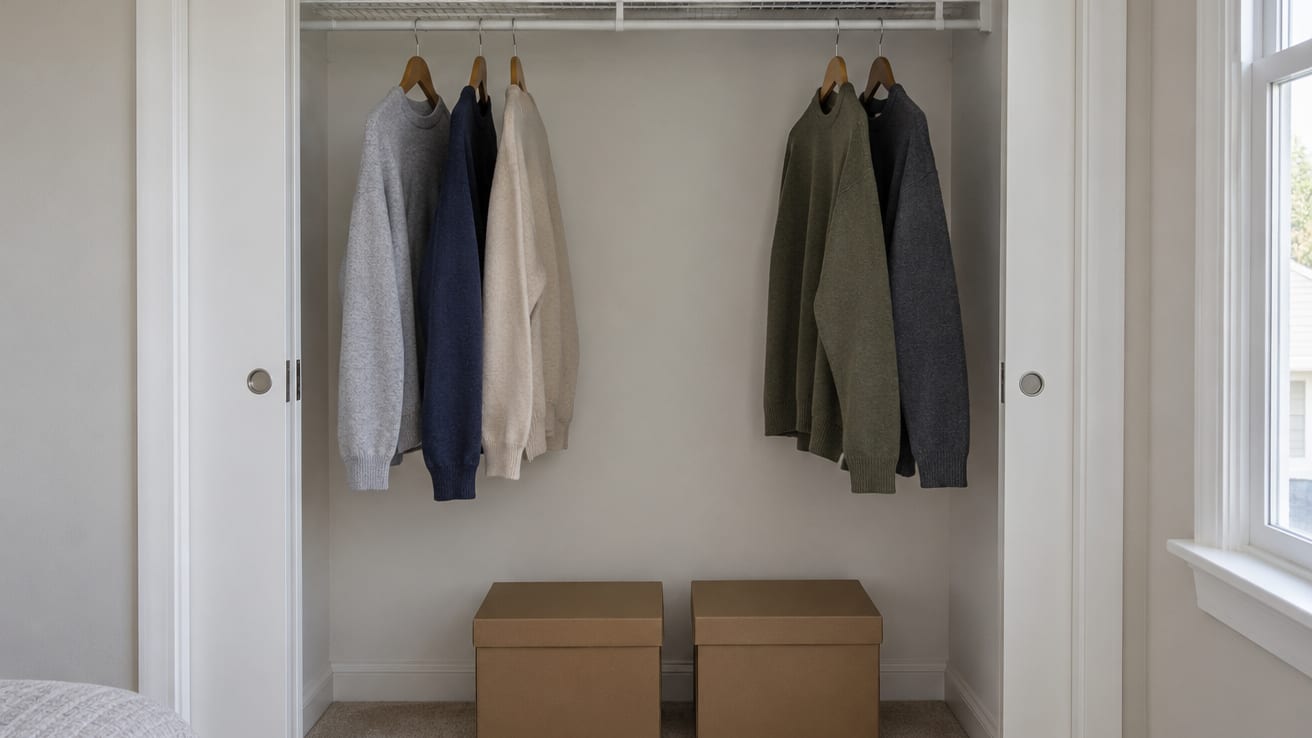
A musty smell but no visible mold leaves you standing in a closet or a basement corner, sniffing the air with nothing to point at. You want to know whether this means mold, where to look tonight, and whether anyone should keep sleeping in that room. Often the answer is damp material somewhere out of sight, or an ordinary household cause that is quick to fix. Either way, the smell tells you where moisture may be hiding. Start with the spot where the odor is strongest, and the rest of this page shows you what to check, what to leave closed, and when to call.
Key Takeaways
Follow the moisture
A musty odor usually leads to damp materials such as carpet pad, a plumbing wall, an attic leak or a wet air handler, so your first job is to locate water, then decide whether mold is involved.
Rule out the easy causes first
A dry drain trap, damp towels, stored cardboard and a stale closet can all smell musty, and each one is quick to check.
Leave walls and carpet in place
Cutting into a wall or pulling up carpet to investigate an odor can release spores, so photograph, measure humidity and let an inspector make any opening.
Write it all down
Dated notes and photos of the odor, the weather, leaks and symptoms help a landlord, an insurer and an inspector act faster.
A Musty Smell Points You to Moisture Before It Points to Mold
Mold gives off gases called microbial volatile organic compounds, and the EPA says these gases create the musty odor people associate with mold growth. A moldy smell suggests mold may be growing, so it deserves a look. The CDC adds that mold grows wherever moisture is present, on drywall, wallpaper, insulation, carpet, upholstery, wood, cardboard and ceiling tiles. Much of that sits behind or under the surface you can see, which is why the smell can be strong while the room looks clean.
Can something smell moldy when there is no mold?
Yes. EPA treats odor as a clue that sends you toward a moisture check, and NIOSH, part of the CDC, calls musty odors useful indicators of possible dampness that should be followed by a visual and moisture investigation. Other causes of a musty smell include:
- A dry drain trap: A seldom-used sink, shower or floor drain can dry out and let sewer gas into the room, as Michigan State University explains.
- Damp fabric and cardboard: Towels, rugs, upholstered furniture, clothing, boxes and books hold moisture and smell like it.
- A closed-in closet: Poor air circulation lets a closet against an exterior wall smell old.
- Everyday odors: Pets, tobacco, cooking, chemicals and new building materials leave their own smells.
Is mildew a different smell from mold?
Mildew and mold both give off musty compounds, so the two words describe the same family of smells. The strength of the odor points you toward the wettest spot, and the species and amount come from an inspection.
The Places a Musty Odor Hides When You Cannot See Mold
Start at the strongest smell, then compare the rooms next to it. The EPA lists the places hidden mold turns up: the back of drywall, wallpaper and paneling, the top of ceiling tiles, carpet and carpet pad, wall areas around leaking or sweating pipes, walls behind furniture, ductwork, and roof materials above ceilings. Room by room, the checks look like this.
- Bathroom: Ceiling corners, the exhaust fan, caulk and grout, bath mats, towels, the plumbing under the sink and the shower drain.
- Kitchen: Under the sink, the dishwasher connections, the refrigerator supply line and exterior-wall corners.
- Basement: Perimeter walls, floor cracks, the sump pump area, floor drains, stored cardboard, carpet, paneling and the water heater.
- Bedroom or living room: Carpet edges, furniture against exterior walls, closets, window trim and ceiling stains.
- Laundry room: Washer hoses, drain connections and the flooring around the appliances.
- Attic and crawl space: Roof leaks, wet insulation, darkened sheathing, standing water, damp soil and condensation.
- Heating and cooling equipment: Accessible filters, the drain pan, the condensate line, and whether the smell begins when the system starts.
Why does the bathroom smell like mildew when the walls look clean?
Shower steam, damp towels and mats, a wet shower curtain and a weak exhaust fan are the common causes. Moisture can also sit beneath caulk or flooring, inside a wet wall or ceiling cavity, or behind a dry drain trap that lets sewer gas up. The New Jersey Department of Health says steam-related bathroom mold can be controlled by wiping the shower walls and running the exhaust fan, so start there before you suspect the wall.
Hover or tap a row to highlight it.
| Room | What to check |
|---|---|
| Bathroom | Ceiling corners, the exhaust fan, caulk and grout, bath mats, towels, the plumbing under the sink and the shower drain |
| Kitchen | Under the sink, the dishwasher connections, the refrigerator supply line and exterior-wall corners |
| Basement | Perimeter walls, floor cracks, the sump pump area, floor drains, stored cardboard, carpet, paneling and the water heater |
| Bedroom or living room | Carpet edges, furniture against exterior walls, closets, window trim and ceiling stains |
| Laundry room | Washer hoses, drain connections and the flooring around the appliances |
| Attic and crawl space | Roof leaks, wet insulation, darkened sheathing, standing water, damp soil and condensation |
| Heating and cooling equipment | Accessible filters, the drain pan, the condensate line, and whether the smell begins when the system starts |
The First Twenty-Four Hours: Safe Checks and Moisture Control
Your first hour is for looking, and your first day is for drying.
In the next hour:
- Map the smell: Note where it is strongest and whether it changes when you open a closet or a basement door, run a bathroom fan, or start the heating and cooling system.
- Check for visible water: Look around sinks, toilets, tubs, the washing machine, the water heater, windows, exterior walls, the sump pump and any ceiling stain.
- Run water in unused drains: Running water refills a dry trap and shows you whether the drain was the cause.
- Photograph, then leave surfaces alone: Keep walls, carpet and wallpaper in place. The EPA warns that disturbing hidden mold can release spores, so cutting, peeling or pulling is a job for an inspector with a plan.
In the next day:
- Stop the water: Repair active leaks or report them to the person who owns the building.
- Dry wet material: The EPA and CDC point to a 24 to 48 hour window for drying wet materials before mold gets a foothold.
- Run the fans: Vent bathroom and kitchen exhaust fans to the outside, hold indoor humidity under 60 percent (30 to 50 percent is the ideal range), and use a dehumidifier where the air stays damp.
- Write it down: Record the location of the odor, the dates, the weather, any recent leak or flood, when the heating and cooling system ran, and any symptoms.
Wall openings, suspect insulation, carpet removal, heavy scraping and entry into a damp crawl space belong with a professional who has protection and a containment plan. You can replace a dirty filter by following the manufacturer's instructions and dry small damp fabrics.
The First Twenty-Four Hours
- 1
Map the smell
Note where it is strongest and whether it changes when you open a closet or basement door, run a bathroom fan, or start the heating and cooling system.
- 2
Check for visible water
Look around sinks, toilets, tubs, the washing machine, the water heater, windows, exterior walls, the sump pump and any ceiling stain.
- 3
Run water in unused drains
Running water refills a dry trap and shows whether the drain was the cause.
- 4
Photograph, then leave surfaces alone
Keep walls, carpet and wallpaper in place.
- 5
Stop the water and dry wet material
Repair active leaks, then dry wet materials inside the 24 to 48 hour window.
- 6
Run the fans and write it down
Vent exhaust fans outside, hold indoor humidity under 60 percent, and record the odor location, dates, weather and symptoms.
Is it safe to sleep in a room that smells musty?
Your own health decides that question. The CDC says damp or moldy places cause no symptoms for some people, while others get nasal congestion, a sore throat, coughing, wheezing, burning eyes or a skin rash. People with asthma, mold allergies, chronic lung disease or a weakened immune system face greater concern. If anyone has trouble breathing, wheezing, chest tightness or a cough that will not quit, move to another part of the building and call a physician.
A Professional Inspection Makes Sense When the Smell Keeps Coming Back
Call for an inspection when the odor stays after you have dealt with the obvious household causes, returns after cleaning, spreads to several rooms, follows a known leak or flood, gets stronger when the heating and cooling system runs, or arrives with dampness, staining or symptoms. The New Jersey Department of Health recommends an inspection when a mold problem cannot be traced readily to a leak, because the excess water has to be located.
When to Call for an Inspection
The odor stays
It lingers after you have dealt with the obvious household causes.
It returns after cleaning
A smell that comes back means moisture is still reaching that place.
It spreads
The odor shows up in several rooms.
It follows a leak or flood
A known water event came before the smell.
It gets stronger with the system
The smell increases when the heating and cooling system runs.
It arrives with dampness, staining or symptoms
Visible moisture or health complaints travel with the odor.
A moisture-focused inspection starts with the building's history, maps the odor, then moves to a visual check and moisture readings. The EPA names moisture meters and borescopes among the tools for locating hidden moisture and mold. A moisture meter finds elevated moisture in or behind some materials, and thermal imaging picks out temperature patterns that match moisture when conditions allow. A borescope, which is a small camera on a flexible cable, or one small targeted opening can reach a cavity when the earlier findings point to it. The order is water first: find the entry, find the affected materials, decide whether the heating and cooling equipment is involved, and then decide what to clean, remove, dry or repair.
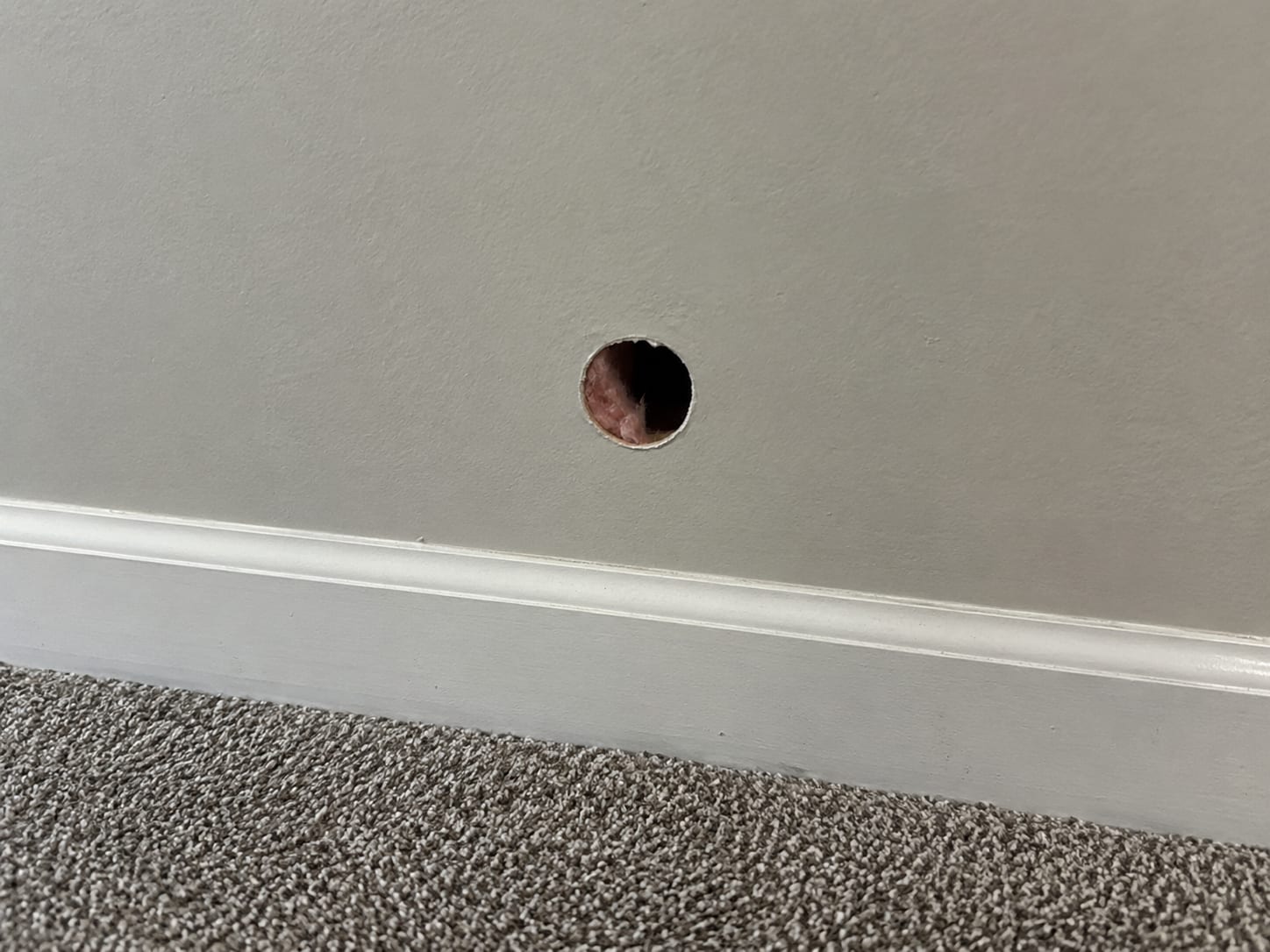
Our mold inspection covers basements, crawl spaces, attics, bathrooms, HVAC systems, windows and exterior walls. The written report carries photographs, moisture readings, findings, limits and recommended next steps. We also tell you which call comes next, whether that is a plumber, an HVAC contractor, your insurer or a remediation team. Our residential mold inspection page covers homes, and our real estate inspection services are set up for buyers, sellers and agents.
New Jersey has no state certification program for mold inspectors, consultants or remediation firms, according to the Department of Health. Before you book anyone, ask what training, tools and report contents come with the visit.
Air Purifiers and Air Tests Help After the Moisture Is Located
Several quick fixes tempt people at the first whiff of mustiness, and each works best once the water has been located.
Do air purifiers get rid of musty smells?
An air purifier with activated carbon may reduce some airborne particles and odors. The EPA's guide to air cleaners explains that portable air cleaners and heating and cooling filters leave the moisture source in place, so they work as a supplement while you locate and correct the cause. Ozone generators release a gas that irritates the lungs, which makes them a poor fit for any occupied room. Fragrance sprays and heavy chemical use cover the smell while the damp material keeps working, and mixing bleach with ammonia or other cleaners produces a poisonous gas, the CDC warns.
Should I order a mold test first?
A test works best after a visual and moisture investigation. The CDC advises against routine mold testing because no health-based standards define an acceptable amount of indoor mold, and short-term air samples can miss actual exposure. NIOSH calls visual inspection and musty odors more reliable than routine air sampling for spotting building dampness. A clean sample result describes one short window of time and leaves a damp wall cavity unanswered. That is why we start with moisture readings and add mold testing when the findings call for it.
Will a musty smell go away on its own?
It may fade for a while when the air dries out, then return with the next humid week. EPA and CDC guidance is consistent that the moisture source has to be corrected and affected materials cleaned, dried or replaced, so fix the leak or condensation first and refinish afterward.
New Jersey Rentals, Insurance Claims and Documentation
If you rent: Report leaks, plumbing problems and other building defects to the landlord or property manager in writing, and give access for repairs. The state Department of Community Affairs says tenants have a right to safe, sanitary and habitable housing and that landlords must repair conditions affecting habitability. The state's process guide lists leaks or mold that significantly affect health and safety as possible habitability issues. Talk to an attorney or the proper agency before you withhold rent, repair and deduct, or break a lease. The Department of Health points renters with unrepaired leaks to the local building-code office. Property managers can see how we work with them on our property management mold services page.
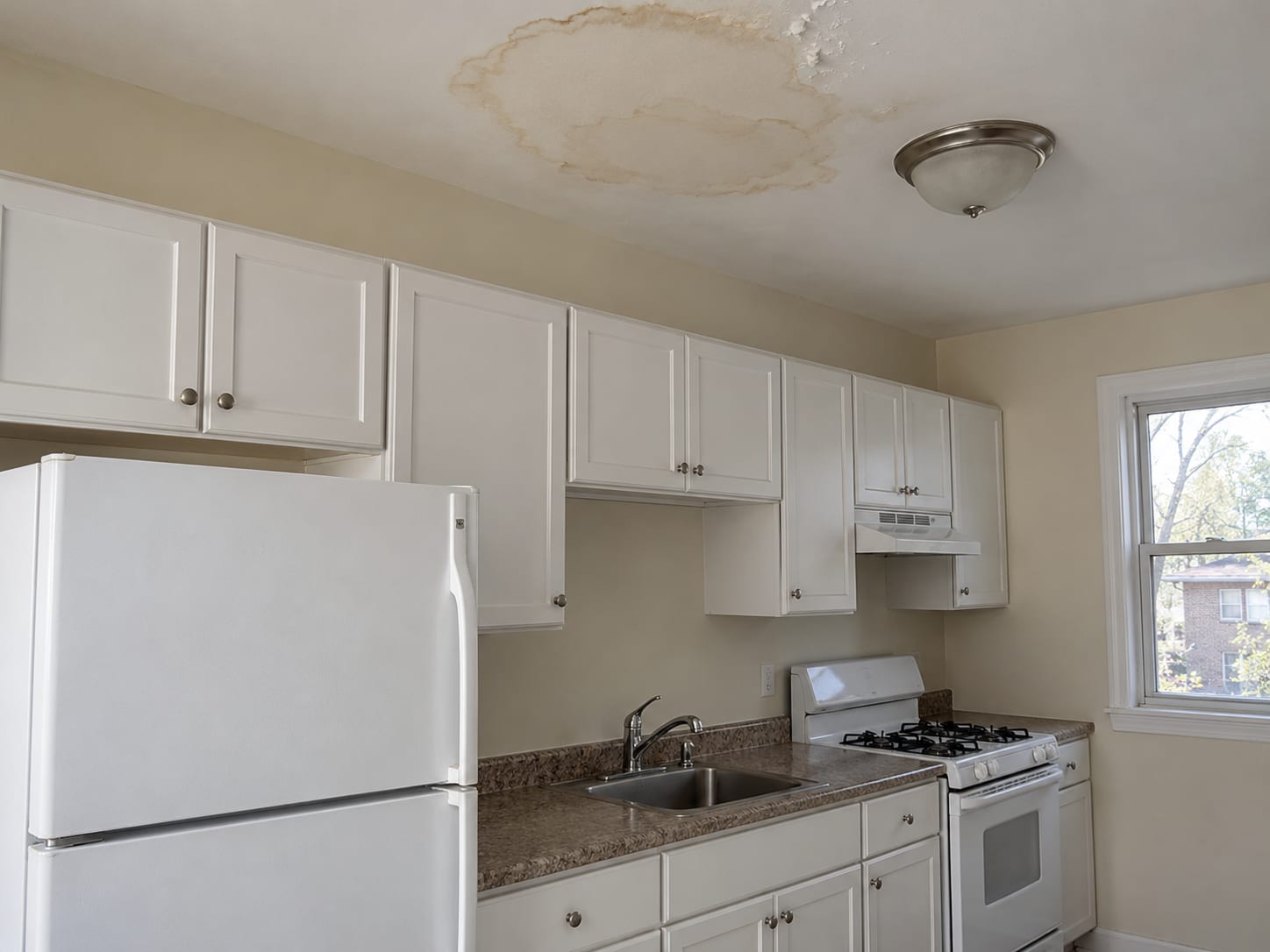
If you own and have insurance: Coverage depends on the policy, the cause of loss, exclusions, the deductible and timing. The Department of Banking and Insurance's home insurance basics advise reporting a loss promptly, making only temporary repairs to prevent further damage, saving receipts, photographing damage, listing damaged property and waiting for the adjuster before permanent repairs. Standard homeowners policies exclude flood damage, and flood cover generally comes through a separate policy or endorsement. If the smell follows a leak or storm, call the insurer before permanent repairs begin.
What to keep:
- Photos and video: Dated shots of wet materials, stains and the area around the smell.
- A smell log: Location, strength, dates, weather, humidity readings and when the heating and cooling system ran.
- Event and paper records: Leak and storm dates, landlord messages, inspection reports, moisture readings, invoices, receipts and insurer instructions.
- Damaged items: Hold them for the adjuster unless safety requires removal.
Preventing the Odor From Returning After the Source Is Fixed
Once the cause is repaired and the wet materials are dried, cleaned or replaced, the work shifts to keeping the building dry. Moisture control is the central measure in EPA and CDC guidance.
- Dry fast and hold humidity in range: Dry wet materials inside the 24 to 48 hour window, keep indoor humidity between 30 and 50 percent, and run a dehumidifier in damp basements.
- Vent moisture outside: Run bathroom and kitchen exhaust fans to the exterior during and after showers and cooking, and wipe steam from shower walls.
- Look at the equipment: Keep filters changed, keep the condensate pan and line draining, and treat a smell that starts with the system as a reason to look at the air handler and ducts. Our HVAC mold remediation page covers that work.
- Store smart: Keep cardboard, books and textiles off basement floors and away from exterior walls, and run water in seldom-used drains now and then.
- Recheck: Smell the same spots after the next humid stretch or heavy rain; a returning smell means moisture is still reaching that place.
Our services directory lists water damage restoration for odors that follow a leak, flood or wet-material event.
Musty Smell Terms
Tap a term to see what it means.
Microbial volatile organic compounds (mVOCs). Gases mold gives off, which create the musty odor people associate with mold growth.
Frequently Asked Questions About Musty Smell but No Visible Mold
Does a musty smell mean mold?
It can. The EPA links musty odors to the gases mold gives off and recommends investigating a moldy odor. A dry drain trap, damp fabric or stored cardboard can smell the same, so check for those and for moisture together.
Is this mold or sewer gas?
Run water in every seldom-used sink, shower and floor drain first. If the smell fades once the traps refill, the drain was the cause; if it stays, continue with the moisture checks above.
Why is the smell strongest only when the heating and cooling system runs?
Moisture in the air handler, the drain pan or the ducts can be the source, and the system then carries the smell through the rooms it serves. Photograph the equipment area and arrange an inspection of the air-handling parts.
Can mold be behind a wall that looks dry?
Yes. The EPA lists the back of drywall, wallpaper and paneling and wall areas around leaking or sweating pipes as common hiding places. Moisture readings and thermal imaging let an inspector see behind the surface before anyone opens it.
Test Your Musty Smell Knowledge
1. According to the EPA, what creates the musty odor people associate with mold?
2. What should you do first with a seldom-used sink, shower or floor drain?
3. Within what window should wet materials be dried?
4. What should you do with walls and carpet while you investigate an odor?
5. What does the CDC advise about routine mold testing?
Pick an answer to begin.
Final Thoughts
A musty smell with no visible mold is a clue about moisture, and the reliable path runs from the strongest smell to the water. Check drains, fabrics and humidity today, leave walls and carpet in place, write down what you notice, and call for an inspection if the smell lingers, returns or travels with the heating and cooling system. Tenants can put the request in writing, and owners can call their insurer before permanent repairs.
Finding the cause early protects your drywall, flooring and belongings and saves a longer repair later. A dry building with a documented history is also easier to rent, insure, sell or hand to a contractor.
If you are in New Jersey and the smell is still there, we at ExecPro Restoration & Cleaning can walk the building with you, take moisture readings and tell you what is causing it. We handle mold inspection, mold remediation, water damage restoration and rebuilds, and we confirm service-area availability before we schedule. Call us at (888) 300-3772 or reach us through our contact page with a note about where the smell is strongest and when it began.
Related Articles
Air Quality Testing in Robbinsville, NJ: A Musty Smell After a Thunderstorm
A musty smell that shows up after heavy rain often means hidden moisture. See what air quality testing in Robbinsville, NJ can tell you and what to check.
Mold Inspection in Trenton, NJ: Tracing the Water Before Anyone Opens a Wall
Before anyone opens a wall, a mold inspection in Trenton, NJ traces where the water came from. See what it covers, what it cannot see and what it costs.
Mold Inspection in Robbinsville, NJ: Leaks, Condensation or Seepage, and What an Inspector Checks
Most of the township's land sits outside the mapped floodplain, so a musty room usually traces to a leak. See what mold inspection in Robbinsville, NJ checks.