Mold Inspection in Trenton, NJ: Tracing the Water Before Anyone Opens a Wall
Cal HewittPublished Updated
- mold inspection
- moisture source
- sampling
- trenton nj
- new jersey
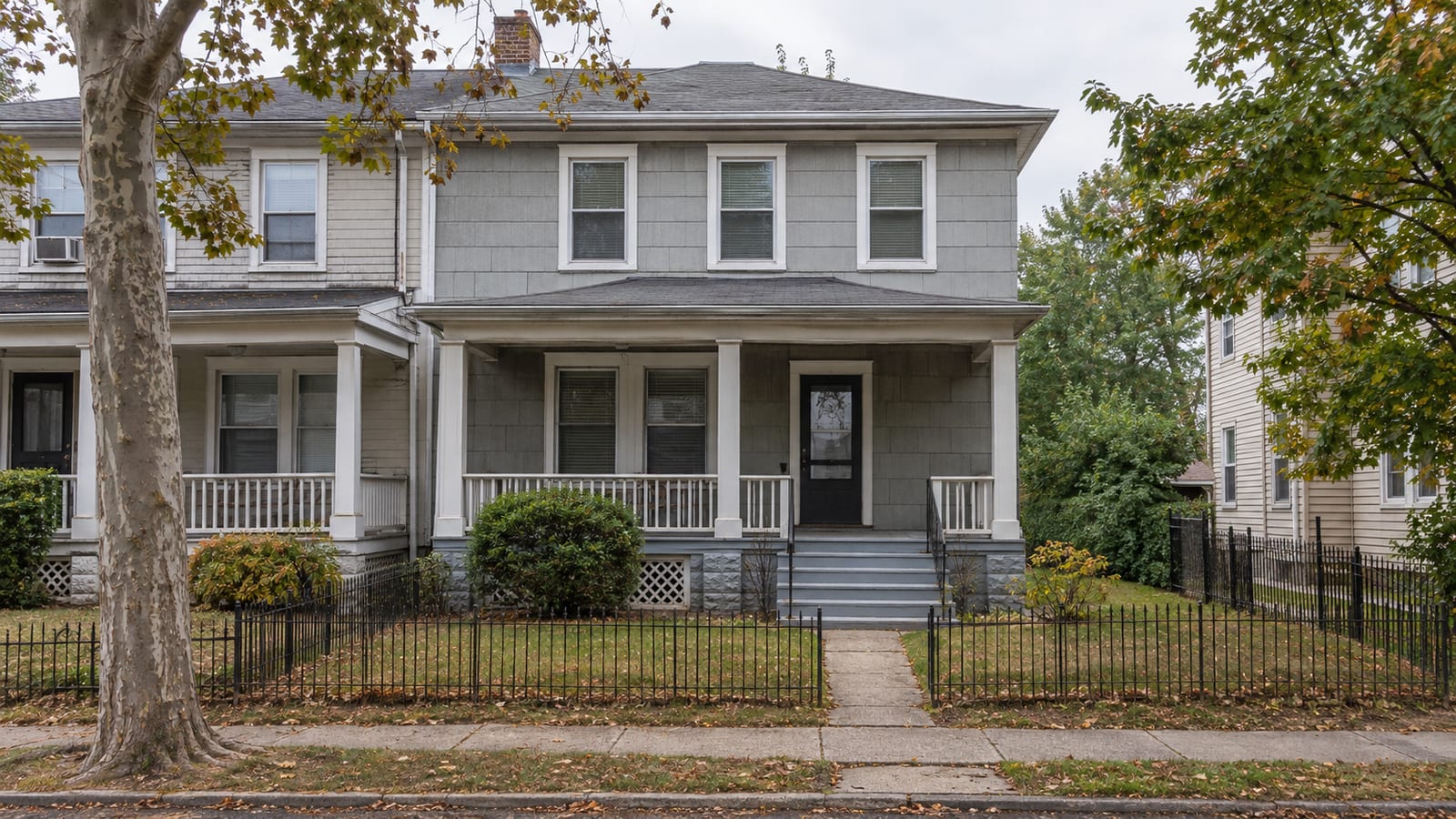
A musty smell in a basement or a stain that keeps coming back after you paint over it puts you in an awkward spot. Paying for a mold inspection in Trenton, NJ feels like a lot to ask when you are not sure anything is there, and ignoring it feels worse. If you rent, you may not know whether you can call an inspector yourself or whether the landlord has to be involved first. If you are buying an older house, you may be counting days on a contingency and wondering what an inspection can actually find in that time. The answer to all of it starts with the same question, which is where the water has been, and that is something an inspector can start tracing without opening a single wall.
Key Takeaways
The water history comes before the mold type
An inspection asks whether moisture is active, where it entered and how far it reaches.
An inspection is visual and moisture-focused
It documents what can be reached and seen, and it does not authorize demolition.
Ask for an itemized quote
National inspection prices run from $303 to $1,045, and the quote should separate inspection, moisture diagnostics, samples, report and follow-up.
The report is the product
Photographs, readings, room-by-room findings and suggested next steps are what you hold afterward.
A Smell or a Stain: What Deserves a Closer Look
An inspection earns its cost when the result will change a decision. That may be whether to repair or replace a material, whether a water source is still active, whether a buyer should renegotiate or go ahead, whether a landlord needs a written record, or whether a remediation scope is justified. It adds less when the growth and the moisture source are already obvious and the next step is clear, such as a dripping pipe under a sink with a small stain beneath it.
A musty smell, a stain on a ceiling, paint that bubbles or peels, a basement that feels damp after rain, a past flood, a tenant complaint and a real-estate sale are all reasons to have someone look. What they share is water. Mold needs moisture, so the inspector's first questions are practical ones: when did the water event happen, where did the water come in, and how far does the wet area reach? Those questions come before any question about what kind of mold is present.
Symptoms are a separate question. CDC says damp and moldy environments may cause no symptoms or may cause a stuffy nose, sore throat, coughing, wheezing, burning eyes or a skin rash, and that people with asthma or mold allergies can have stronger reactions. Anyone with breathing difficulty or severe symptoms should contact a healthcare professional, and an inspection does not replace that call.
Write down what you know before the visit. The date you first noticed the smell or stain, any leak, storm or backup you remember, and which rooms are affected all shorten the search. Photographs of the area as it looks today give the inspector something to compare against.
Write This Down Before the Visit
The first date
When you first noticed the smell or stain.
Any water event
A leak, storm or backup you remember.
The affected rooms
Which rooms have the smell, stain or dampness.
Photographs of today
Pictures of the area as it looks now, so the inspector has something to compare against.
The Water History Matters More Than How Close You Are to the River
Trenton sits on the Delaware River, and the Assunpink Creek crosses the city before it reaches the Delaware. The city's all-hazard mitigation plan says most of Trenton's flood problems come from those two waters, and that some isolated areas get overland flow or ponding instead. That is the reason an inspector asks about the water history of every address, whether the house is near the river or well away from it.
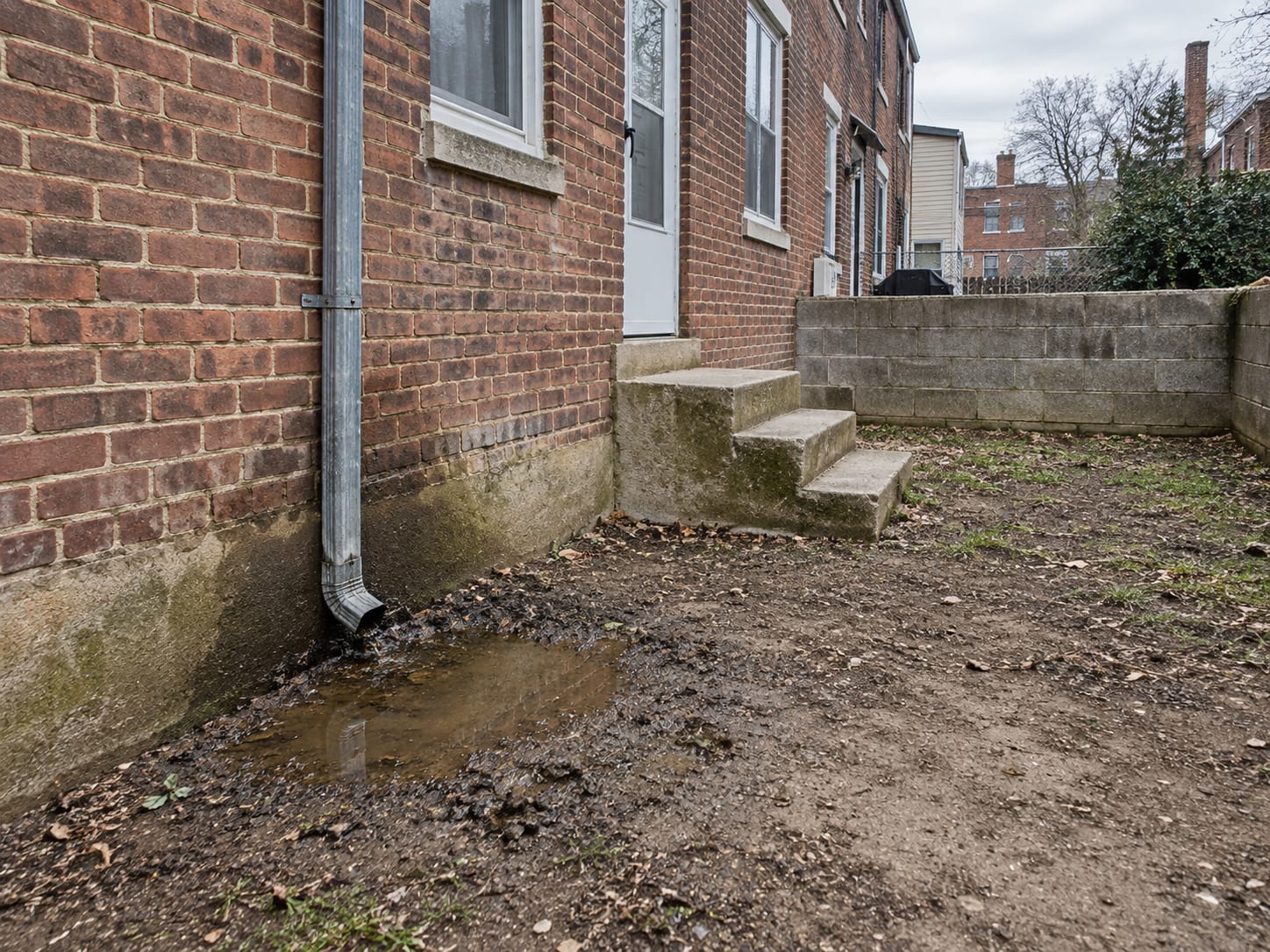
Two houses on the same street can have different stories. One may have taken in creek water once, another may have a downspout that dumps against the foundation, and a third may have a slow plumbing leak behind a bathroom wall. Being near the river does not establish that a building flooded, and being far from it does not rule out water. Flood exposure depends on the address and its elevation, so check the property on the Delaware River Basin Commission flood resources and ask neighbors, the landlord or the seller what has happened there.
Wet periods, storms, groundwater intrusion, drainage failures, roof leaks, plumbing failures and condensation can each create the conditions an inspector is looking for. Naming which one applies to your building is the main output of the visit, and it decides what happens next.
What an Inspection Can and Cannot See Without Opening Walls
A professional mold inspection is a visual, moisture-focused assessment. The inspector documents visible growth, musty odor, water staining, moisture readings, affected rooms and the accessible concealed areas, such as a basement, crawl space, attic, bathroom, HVAC area, window, exterior wall or any space with known water intrusion. Moisture readings come from meters that measure how wet a material is, which shows dampness that the eye cannot see. A written report typically includes photographs, room-by-room findings, readings, suspected source areas and suggested next steps.
In our practice, most residential inspections are finished in one visit, usually somewhere between one and four hours depending on the size and complexity of the property. That is our own working range and not a citywide standard.
An inspection has limits, and you should hear them before you book. It cannot establish every condition behind inaccessible walls, under floors or inside sealed building assemblies without proper access. It does not authorize demolition, and it does not open anything. If the readings suggest a hidden problem, the report says so and recommends the next step, and that step is separate from the inspection.
Access is the practical question in Trenton. Basements, attached or multifamily units, rental access, commercial occupancy, historic properties and flood-affected areas can each limit what an inspector can reach on a first visit. Tell the company about those conditions when you book, so the visit is scheduled with the right access.
Who Has to Say Yes Before Anyone Comes In
If you own the property, you decide, and you can book directly. If you rent, the unit belongs to your landlord, so access for an inspector has to be coordinated with the landlord or property manager, and it is best done in writing so there is a record. The New Jersey Department of Health directs renters with unrepaired leaks to the local building-code office. A mold complaint does not replace ordinary building-code, plumbing, roofing or housing-maintenance enforcement, so a leak that has not been fixed is still a code matter.
If you are buying, an inspection can evaluate active growth, hidden moisture and conditions that could produce mold before an inspection contingency closes. We describe this as a targeted assessment that is separate from a general home inspection, so ask the seller and your agent about scheduling early enough that the report is back before the deadline. If you manage a building, the report gives you documentation for owners, tenants and insurers. A landlord who receives a tenant's written notice can use the same report to decide on repairs, and a tenant can keep a copy of the notice and any reply. In an older attached or multifamily building, mention any shared basement, shared wall or common area up front, because the moisture may start in a space nobody in the unit controls.
Hover or tap a row to highlight it.
| Your situation | What to do |
|---|---|
| You own the property | You decide, and you can book directly |
| You rent | Coordinate access with the landlord or property manager, in writing, and keep a copy of the notice and any reply |
| You are buying | Schedule early enough that the report is back before the inspection contingency closes |
| You manage a building | Use the report as documentation for owners, tenants and insurers, and mention any shared basement, shared wall or common area up front |
Insurance is a separate question. A mold inspection does not itself establish coverage, and coverage depends on the policy and the cause of the moisture loss. The New Jersey Department of Banking and Insurance publishes home policy summaries that explain coverages and exclusions, and it is worth asking your carrier whether inspection, testing, water damage, remediation and repairs are treated separately.
What the Quote Should Itemize, and What Moves the Price
No Trenton price schedule sets what an inspection costs, so the best guide is a written quote you can read line by line. For a national reference, Angi's 2026 cost data lists $303 to $1,045 for a mold inspection, with an average of $671. That is national practice data and not a Trenton quote. Angi says home size, access to suspected areas, laboratory fees and additional samples affect the price.
Hover or tap a row to highlight it.
| Measure | Amount |
|---|---|
| Low end | $303 |
| Average | $671 |
| High end | $1,045 |
These are the items that move a quote:
- Size of the property: More rooms take more time.
- Number of suspected locations: Each moisture or mold location needs documenting.
- Hard-to-reach spaces: A basement, crawl space, attic or HVAC area adds time.
- Moisture mapping and imaging: Whether thermal imaging or extra documentation is included.
- Laboratory samples: The number and type of samples, and how fast the lab turns them around.
- Property type and purpose: Residential, multifamily, commercial, a sale or an insurance claim.
- Follow-up: A return visit, remediation planning, clearance or rebuild documentation.
Ask for the inspection, moisture diagnostics, laboratory sampling, report, rush turnaround and follow-up charges on separate lines. New Jersey has no state certification for mold companies, so also ask each company how it performs the inspection, what the report contains and whether its liability insurance covers mold or microbial work, which the New Jersey Department of Health advises consumers to confirm.
A Lab Test Comes Second, and Only if It Answers a Question
Many people expect the inspector to take air samples. EPA says sampling is usually unnecessary when visible mold is present, and it notes that no federal standards exist for airborne mold or mold spores, so a sample cannot show that a building meets a federal safe level. Testing helps when the source is unclear, when hidden contamination is suspected, or when a dispute, clearance or sale needs documentation. A negative air sample also cannot reliably rule out concealed mold. The mold testing page covers what a lab result can show and who can use it, and the practical rule is to pay for a test only when a lab answer would settle a question the inspection left open.
From the Report to Drying, Repair and Rebuild
The report ends the inspection, and it starts your decisions. Read it for these things:
- The source: Where the water entered, and whether it is still active.
- The reach: Which rooms and materials the moisture has touched.
- The readings: The moisture numbers, with the location of each reading.
- The photographs: Dated images of what was seen, room by room.
- The next step: Drying, a repair, remediation, testing or documentation, and in what order.
If a section is missing or vague, ask the inspector to add it before you rely on the report. Then decide whether the priority is drying, a repair, remediation, testing or documentation. The full mold remediation sequence, from the moisture source through the completion record, is laid out on our Trenton mold remediation page.
From the First Call to the Rebuild
- 1
Note the water history
Write down when the water event happened, where it came in and how far the wet area reaches.
- 2
The visit
Most residential inspections are finished in one visit, usually one to four hours, in our practice.
- 3
The written report
Photographs, room-by-room findings, readings, suspected source areas and suggested next steps.
- 4
Decide the priority
Drying, a repair, remediation, testing or documentation, and in what order.
- 5
Confirm the approvals
Check construction, flood-hazard and historic-district requirements before any reconstruction.
Before any reconstruction, confirm what approvals apply. A mold inspection is not a permit-triggering activity, but separate work may be. Trenton's flood-hazard rules apply to certain new construction and substantial improvements in flood-prone areas, its historic-district rules can require a Certificate of Appropriateness for exterior work on a designated property, and construction, demolition or alteration work may need permits under the New Jersey Uniform Construction Code. Check with the city's construction office, and with the Landmarks Commission before any exterior work on a landmark or a property in a historic district.
Frequently Asked Questions About Mold Inspection Trenton NJ
Do I need to know the mold type before I do anything?
Usually not. The first decision is whether moisture is active, where it entered, how far the area extends and what materials are involved. Stop the water source and keep the affected area quiet while it is evaluated.
How much does a mold inspection cost in NJ?
National 2026 data lists $303 to $1,045, with a $671 average, and Trenton pricing changes with property size, access, the number of suspected areas, laboratory sampling and report needs. Ask for those items itemized.
How can I get a free mold inspection in New Jersey?
Some contractors offer a no-cost visit as part of their sales process, and the scope varies. Ask whether it includes a written report, moisture readings, photographs and laboratory work, and whether the company also sells remediation.
Will insurance pay for a mold test?
It depends on the policy, its exclusions and limits, and the cause of the moisture loss. Ask the carrier whether inspection, testing, water damage, remediation and resulting repairs are treated separately.
Is a mold inspection worth it?
It is worth it when the result will change a decision. It adds less when visible growth and the moisture source are already obvious and the next action is clear.
Mold Inspection Quick Check
1. What does an inspector ask about first?
2. Does a mold inspection authorize demolition?
3. What national price range does the post cite for a mold inspection?
4. According to EPA, is sampling usually needed when visible mold is present?
5. If you rent, who coordinates access for an inspector?
Pick an answer to begin.
Final Thoughts
A mold inspection in Trenton is a way to trace the water. It looks at what can be seen and measured, it names the source and the reach of the moisture, and it ends with a written report and a suggested next step. It cannot see behind every wall, it does not authorize demolition, and a lab test comes second.
If you use it well, you spend a modest amount on knowing before you spend a larger amount on repairs, and you hold photographs, readings and a source history that an insurer, a buyer or a landlord may ask for later.
If you have a smell or a stain in a Trenton, NJ home or building, ExecPro Restoration & Cleaning can inspect the property, trace where the water has been and give you a written report with suggested next steps. Call us at (888) 300-3772 or contact us to schedule a visit, and read about our mold inspection service in the meantime.
Mold Inspection Terms
Tap a term to see what it means.
Moisture readings. Measurements from meters showing how wet a material is, which reveals dampness the eye cannot see.
Serving Trenton
ExecPro Restoration & Cleaning provides mold remediation services in Trenton, NJ, from inspection and testing through removal, drying, and post-remediation verification. Call (888) 300-3772 for 24/7 emergency response.
Related Articles
A Musty Smell With No Visible Mold: How to Track Down the Source
Musty smell but no visible mold? Check these places tonight, learn what a moisture inspection covers, and know when to call. A New Jersey guide.
Air Quality Testing in Trenton, NJ: Is the Smell Yours or Next Door's?
Rowhomes and twins share a party wall, so a musty smell or symptoms can start next door. See which air quality testing in Trenton fits and what it costs.
Basement Mold Remediation in Trenton, NJ: Old Masonry Cellars and Summer Rain
Finding growth on a masonry cellar wall starts with the water path. How old Trenton cellars are cleaned and dried, and what to fix so it does not return.