Buying a House With Mold: When to Walk Away or Repair
Cal HewittPublished
- mold inspection
- moisture source
- documentation
- new jersey
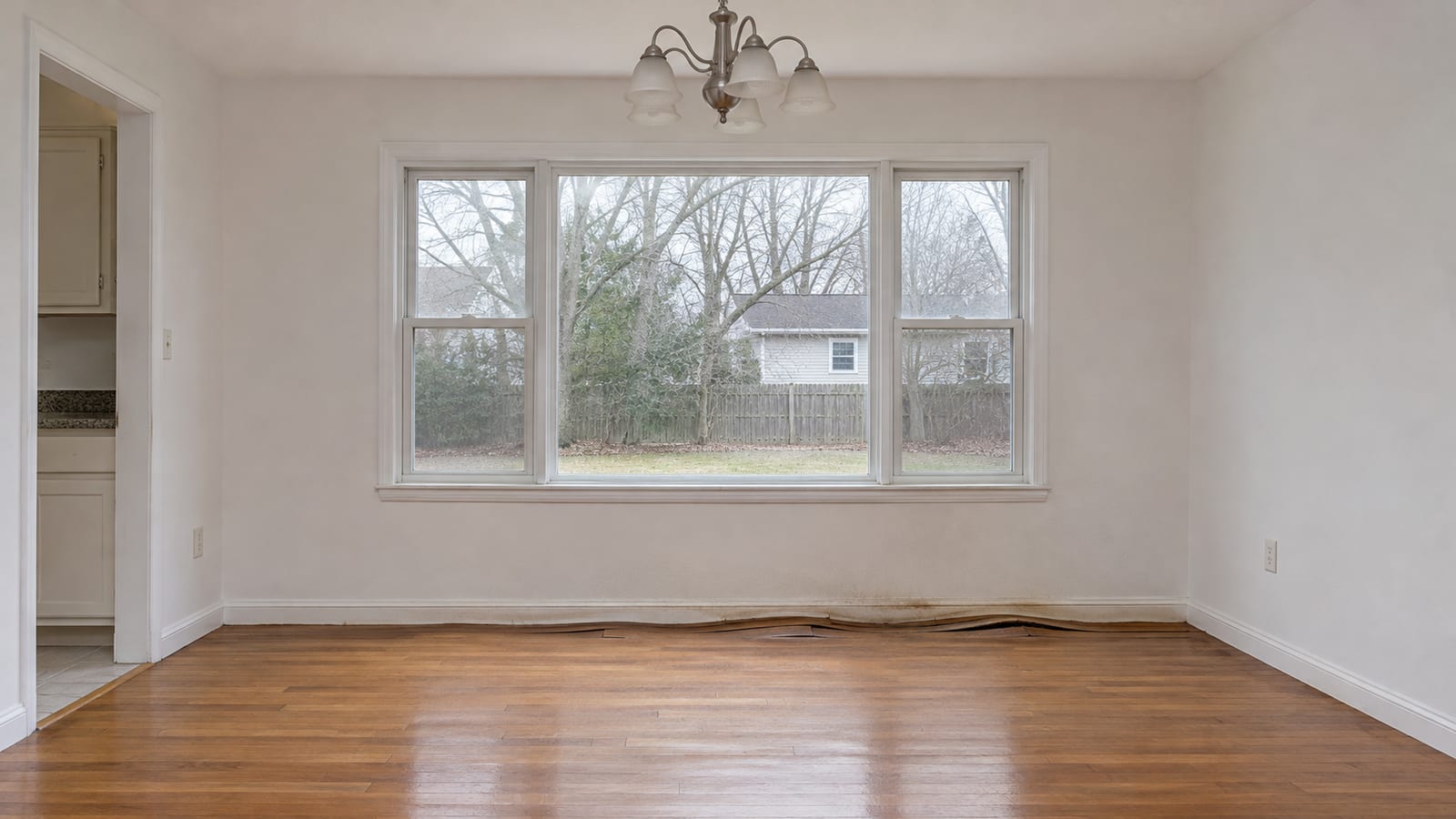
The inspection report says mold, staining or water damage, and the attorney-review clock is running. You are deciding whether to buy, renegotiate or leave, and the answer to when to walk away from a house with mold rests on a short list of findings you can check in the next few days.
Start today. Save the report, the seller disclosure, every photograph and every message. Call your transaction attorney and your agent, write down the review and inspection deadlines, and book a qualified moisture and mold assessment that ends in a written scope.
That scope is what you negotiate from. With it, a credit or a price request rests on a document instead of a guess.
Key Takeaways
The findings decide, not the word
Small visible growth on a hard, cleanable surface with a corrected moisture source is more likely fixable, while active or recurring water, structural rot, spread across assemblies, HVAC involvement, repeated flooding, contaminated water and undocumented seller work justify slowing down or walking away.
Size bands guide who does the work
NJDOH says areas under 10 square feet may sometimes be handled by a homeowner and areas over 100 square feet call for a qualified contractor.
Requests run through your attorney
Seller repair, a closing credit, escrow, a written extension or a cancellation right each depend on the signed contract.
Records protect you later
Keep the report, disclosure, photographs, moisture readings, scope and invoices for insurance, a lender or the next buyer.
A Mold Finding Is A Reason To Investigate Before You Decide
Mold grows where moisture stays, and EPA identifies moisture control as the central principle of mold control. So the useful questions about your report are about water: where it came from, whether it is still coming, and what it has touched. NJDOH guidance begins with a thorough visual inspection, followed by investigation of leaks and other moisture sources.
The NJDOH mold bulletin adds that visible mold generally does not need additional testing before corrective action. The priority is correcting the moisture source and cleaning or removing the contaminated materials. A small finding tied to a known source gives you a repair to price.
Five questions sort most reports. Is the moisture source identified and permanently correctable? Is the growth localized, or spread across more than one part of the house? Is there structural rot, damaged sheathing or a deteriorated subfloor? Are the seller's records complete and consistent? Can the work be scoped and priced before the deadline? Clear answers to all five point toward a repair, and gaps in the answers tell you where to look next.
Hover or tap a row to highlight it.
| Question | Points toward a repair | Points toward slowing down |
|---|---|---|
| Is the moisture source identified and permanently correctable? | The source is identified and can be corrected for good | Water is active or recurring, such as plumbing or roof leaks, foundation seepage, flooding history or sump pump failures |
| Is the growth localized? | It sits in one part of the house, such as a small visible area on a hard, cleanable surface | It spreads across several rooms, floors or assemblies, or a musty odor has no visible source |
| Is there structural rot, damaged sheathing or a deteriorated subfloor? | Framing, sheathing and subfloor are sound | Dry rot, deteriorated wood, sagging ceilings, or water-damaged framing, sheathing or subflooring |
| Are the seller's records complete and consistent? | Records show the removal, the drying and the source correction | Remediation with no records, staining covered up, or a "clean and paint" scope that names no source, containment or drying |
| Can the work be scoped and priced before the deadline? | A written scope and estimate are ready in time | No credible remediation scope exists inside the deadline |
Can a house with mold be saved?
Often, yes. It works when the moisture source can be corrected, contaminated materials can be cleaned or removed, the area can be dried, and the work can be verified. EPA says remediation is incomplete until the water problem is fixed and visible mold and moldy odors are gone. Whether your house qualifies depends on the extent, the location, the structural condition, how much of the house you can see into, and the quality of the proposed scope.
The Findings That Should Make You Slow Down Or Walk Away
Walk away when the documented condition cannot be understood or controlled within your deadline, especially when water keeps coming back, the contamination is extensive, suspected growth is out of reach, structural damage is present, the HVAC system is involved, the disclosure is incomplete, or no credible remediation scope exists. A localized, visible condition with a known moisture source and a defined repair plan gives you a different answer.
These findings call for slowing down at minimum:
- Active or recurring water: Plumbing or roof leaks, foundation seepage, poor drainage, flooding history, sump pump failures, or dependence on temporary drainage.
- Structural damage: Dry rot, deteriorated wood, sagging ceilings, damaged floors, or water-damaged framing, sheathing or subflooring.
- Spread across the house: Growth in several rooms, floors or assemblies, or a musty odor with no visible source where finished surfaces block access.
- HVAC or contaminated water: Mold or moisture near intakes, an air handler or ductwork, or sewage. EPA says not to run an HVAC system suspected of contamination.
- Seller work without records: Remediation that leaves moisture unresolved, covers staining without showing removal and drying, or comes as a "clean and paint" scope that names no source, containment or drying.
The size of the problem points to who should handle it. NJDOH says areas over 100 square feet should be handled by a qualified contractor experienced in mold or environmental cleanup, and sizes between 10 and 100 square feet call for professional judgment. EPA advises turning to its larger-building guidance when there has been substantial water damage or mold covers more than 10 square feet. Those are guidance thresholds that sort the work by who should do it.
Hover or tap a row to highlight it.
| Affected area | What the guidance says |
|---|---|
| Under 10 square feet | NJDOH says a homeowner may sometimes handle it |
| 10 to 100 square feet | NJDOH says professional judgment applies |
| Over 100 square feet | NJDOH says a qualified contractor experienced in mold or environmental cleanup should handle it |
| More than 10 square feet, or substantial water damage | EPA advises turning to its larger-building guidance |
What To Do During The First Day Of Attorney Review And Inspection
In the first hour, preserve the report, the disclosure, the photographs and all written messages. Tell your attorney and your agent, identify the attorney-review and inspection-contingency deadlines, and ask permission for a specialist inspection. Leave concealed materials alone until the condition is documented.
Within the day, arrange a targeted pre-purchase mold inspection or another qualified moisture and mold assessment. Hand the specialist the inspection report and the seller disclosure, and ask for a written scope. Waiting until the end of the contingency period leaves no time to get one.
New Jersey's home-buying guide says a contract prepared by a real estate licensee must contain an attorney-review clause that gives buyer and seller three business days from delivery of the fully signed contract to consult attorneys. During that period your attorney may propose revisions or void the contract, subject to the contract and applicable law. The attorney advises on your contractual rights.
Within the week, your attorney can negotiate from the documented findings. Requests commonly include seller repair of the moisture source, seller-paid remediation by a qualified contractor, a closing credit or price adjustment tied to a written estimate, an escrow where the contract allows it, a written extension, and a cancellation right. Each depends on the signed contract, and your attorney decides how it gets written. NJ REALTORS recommends collecting contractor quotes, since home inspectors do not provide repair prices.
Attorney Review: Hour, Day and Week
- 1
First hour
Preserve the report, the disclosure, the photographs and all written messages. Tell your attorney and your agent, identify the attorney-review and inspection-contingency deadlines, and ask permission for a specialist inspection. Leave concealed materials alone until the condition is documented.
- 2
Within the day
Arrange a targeted pre-purchase mold inspection or another qualified moisture and mold assessment, hand the specialist the inspection report and the seller disclosure, and ask for a written scope.
- 3
Within the week
Your attorney negotiates from the documented findings, with requests such as seller repair of the moisture source, seller-paid remediation, a closing credit or price adjustment tied to a written estimate, an escrow where the contract allows it, a written extension, or a cancellation right.
How A Qualified Mold And Moisture Scope Is Built
A written scope turns a finding into a number. Ask the specialist to include these pieces:
- Property and paperwork: The address, inspection date, reason for the visit and the documents supplied.
- Areas inspected and areas not reached: Basement, crawl space, attic, bathrooms, HVAC areas, roof penetrations, plumbing areas and foundation walls, with a reason for every area that could not be reached.
- Observations and readings: Photographs, moisture-meter and relative-humidity readings with locations and units, suspected sources and whether they look active.
- Materials and work: Which materials are porous, structural, cleanable or likely to need removal, with recommendations for containment, demolition, cleaning, drying and reconstruction.
- Sampling, estimate and limits: Whether sampling is recommended and what question it answers, an estimate tied to the scope, assumptions and exclusions, and any follow-up verification.
New Jersey has no statewide certification program for companies that perform residential mold services, so ask each provider about training, insurance, experience, written methodology, reporting limits and references.
EPA and NJDOH both put visual inspection and moisture-source investigation ahead of routine testing. CDC and NIOSH state that there are no health-based standards for mold in indoor air and that routine air sampling is not recommended. Sampling fits a specific unresolved question, such as suspected hidden contamination. Our pre-purchase page describes a targeted visual assessment, moisture readings, photographs, notes on inaccessible areas and reporting timed to the transaction, with most visits taking one to three hours and lab turnaround separate.
What Drives The Work: Moisture, Materials, Structure And Access
Four things move the scope and the number.
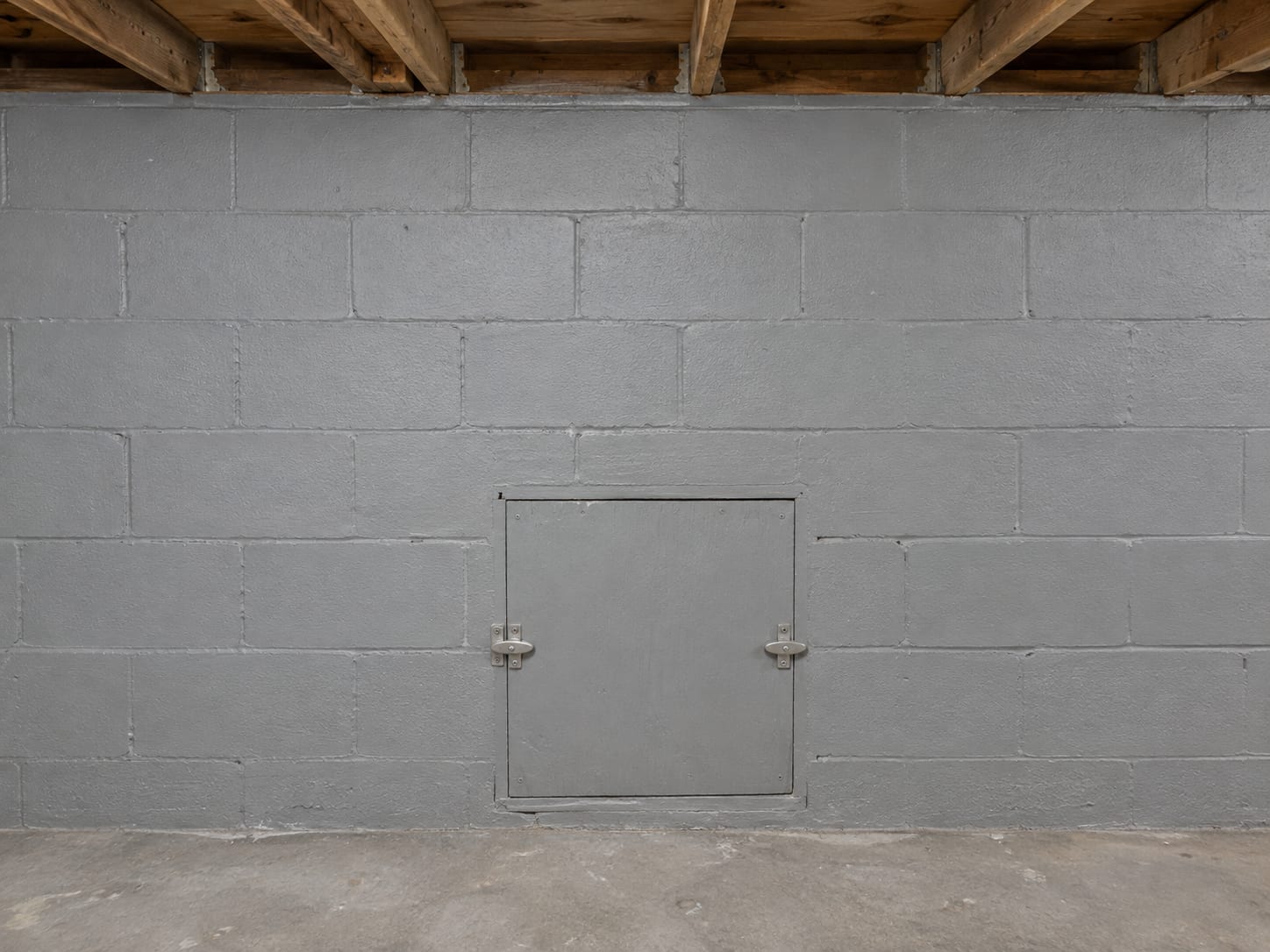
Moisture comes first. EPA recommends drying wet materials within 24 to 48 hours when possible, and a cleanup is not complete until the moisture problem is fixed. Materials come second: a hard, cleanable surface is a different job from drywall, insulation or carpet that has to come out. Structure is third. EPA notes that moisture inside building cavities can contribute to rot, structural damage and premature paint failure, so framing, sheathing and subfloor belong in the scope. Our structural mold repair page covers that side.
Access is the fourth. The attic, crawl space, basement, HVAC area, grading, drainage and sump system all need a look, and areas that cannot be reached stay unknown until someone opens them. Ask yourself whether you are prepared, financially and practically, to manage whatever stays inaccessible at closing.
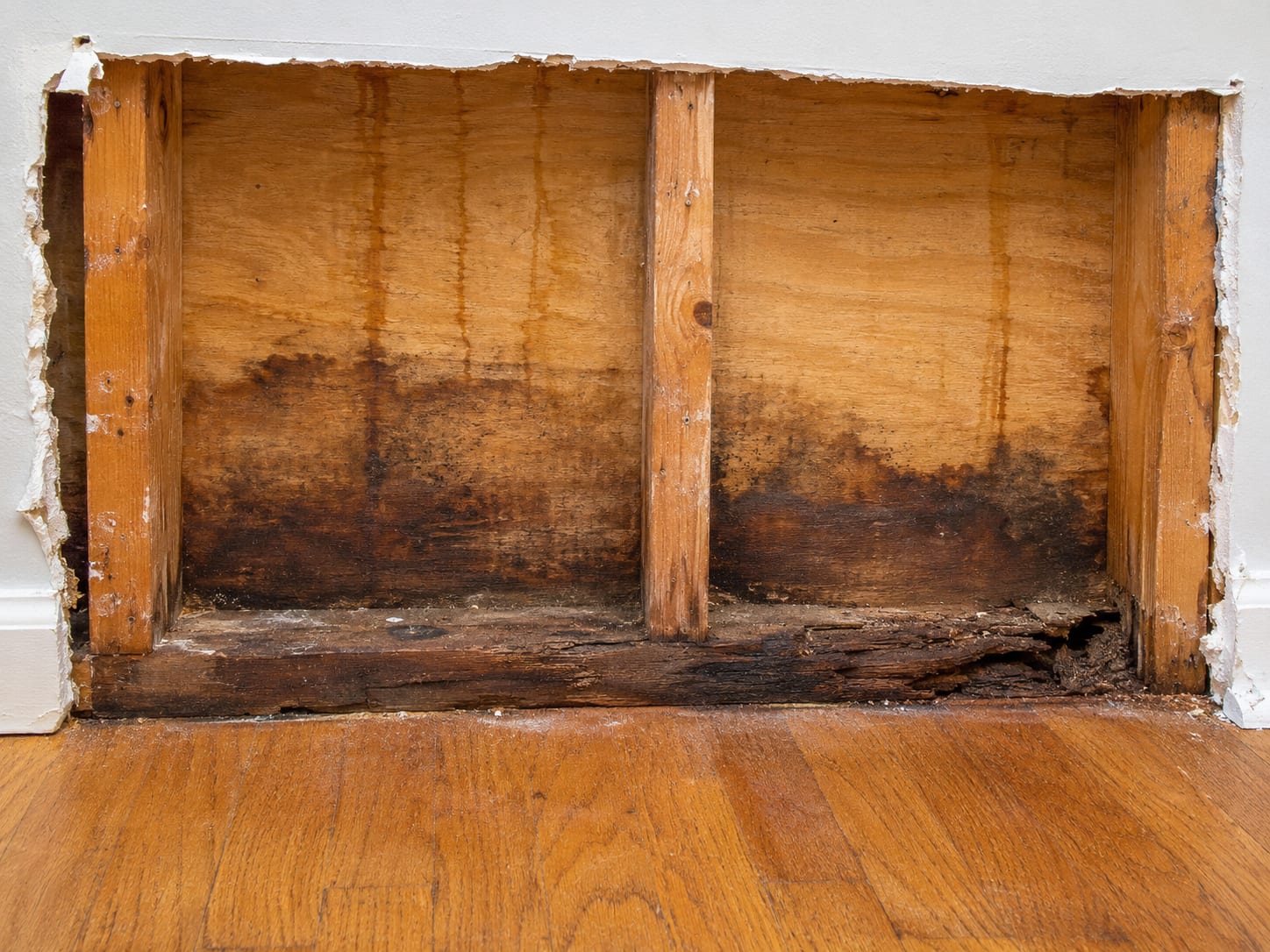
If the water came through the basement or the plumbing, basement flood cleanup and water leak detection show how the source and the wet materials get handled, and structural drying covers wet framing.
Request an estimate tied to the documented scope, so the figure you take to your attorney and agent matches what the specialist saw. A general repair credit with no written scope behind it gives the seller little to respond to, and an estimate that names the materials, the containment, the drying and the rebuild gives your attorney a number to argue from.
New Jersey Disclosure, Insurance And Contract Details
New Jersey's seller property-condition disclosure form, issued with a December 20, 2023 Attorney General release, asks directly about roof leaks, basement or crawl-space dampness, mold, water-control repairs, dry rot, flooding, drainage, foundation issues and plumbing or sewage problems. It says the seller must disclose known material defects even when no printed question covers them. Put your own questions to the seller in writing:
- Water history: Has the property flooded? Has water entered through the roof, foundation, plumbing, sewer, sump system or HVAC? Did a sump pump ever fail?
- Mold history: Where was mold or a musty odor noticed, and when? Was anything covered with paint, drywall or flooring? Were moisture readings taken?
- Repairs and records: What caused the water event, who repaired it and when? Were permits obtained? Are there invoices, insurance claims, drying logs or clearance reports?
- Photographs and history: Were photographs taken before demolition? Has a prior buyer canceled or renegotiated over water damage?
- Occupants: Was the property vacant during or after the event? Has anyone reported respiratory symptoms or moved out because of the condition?
The signed contract controls your inspection rights, deadlines and remedies, so give your attorney the complete file early.
On insurance, the NJDOBI homeowners summary says mold is commonly excluded unless it results from a covered loss, continuous or repeated seepage is commonly excluded, and the policy controls. Bulletin 03-24, issued in 2003, directed insurers to offer $10,000 aggregate mold and fungus coverage with optional $25,000 and $50,000 limits, and it applies only when a loss results from a covered peril during the policy period. Ask the insurer or agent whether coverage is available for this property, whether prior losses affect underwriting, whether a mold sublimit applies and whether flood or repeated seepage is excluded. Get the answer in writing before you rely on insurance to fund remediation.
Hover or tap a row to highlight it.
| Topic | What the NJDOBI material says |
|---|---|
| Mold | Commonly excluded unless it results from a covered loss |
| Continuous or repeated seepage | Commonly excluded |
| Bulletin 03-24 (2003) | Directed insurers to offer $10,000 aggregate mold and fungus coverage, with optional $25,000 and $50,000 limits |
| When that coverage applies | Only when a loss results from a covered peril during the policy period |
| What controls the claim | The policy |
How To Protect The Property And The Next Buyer
Keep the inspection report, seller disclosure, photographs, moisture readings, specialist scope, estimates, communications, repair records, invoices, permits, insurance correspondence and any post-remediation verification. A future insurer, lender, buyer or attorney may ask for the chronology and proof that the moisture source was corrected. Our post-remediation verification page covers the final check, and post-mold remediation rebuild covers what follows removal.
What to Keep for the Next Buyer
Inspection records
The inspection report, the seller disclosure, photographs and moisture readings.
Scope and estimates
The specialist scope and the estimates tied to it.
Repair paperwork
Repair records, invoices and permits.
Communications
Messages with the seller, agents and contractors, plus insurance correspondence.
Proof of the fix
Any post-remediation verification, along with the chronology showing the moisture source was corrected.
Is it hard to sell a house after mold remediation?
A prior mold history raises buyer questions about the moisture source, the scope, the materials removed, the repairs, insurance claims and whether the work was finished. A documented file answers them: before-and-after photographs, invoices, moisture readings, repair records, permits where they apply, remediation documentation and verification. The effect on price depends on the property, the disclosure, the records, the location and buyer demand, so talk through the specifics with your real estate professional. Our home buyer and seller protection page describes how inspection, remediation and rebuild connect.
Home Buying and Mold Terms
Tap a term to see what it means.
Attorney review. A clause in a licensee-prepared contract that gives buyer and seller three business days from delivery of the fully signed contract to consult attorneys. Your attorney may propose revisions or void the contract during that time, subject to the contract and applicable law.
Frequently Asked Questions About Buying a House With Mold
Should I buy a house with mold?
It depends on the findings. A limited, visible area with a known and corrected moisture source is a repair to scope. Active or recurring water, structural damage, spread across assemblies or HVAC involvement calls for slowing down. Bring the written scope to your attorney before you decide.
Can I sue if I bought a house with mold?
A mold finding does not by itself establish a legal claim. The answer depends on the contract, the disclosure documents, what the seller knew and represented, the timing of discovery and applicable law. Give the full report, disclosure, photographs, messages and contract to the attorney retained for the transaction.
Do I need air testing before I buy?
Air testing helps when a specific question needs an answer, such as suspected hidden contamination. The visual and moisture assessment comes first, and a clean air sample does not show that concealed moisture is absent.
What happens if the seller refuses to fix it?
Your attorney can tell you what the contract allows, which may include a credit, a repair, an extension or cancellation. A documented scope and estimate give those requests something solid to rest on.
Can I cancel the purchase?
Only the signed contract answers that. Attorney review gives a window to propose revisions or void the contract, and the inspection provisions set out what specialist findings allow after that. Ask your attorney before you send anything to the seller, and let the written scope support the request.
Is this active mold or old staining?
Staining alone does not tell you. A past leak with normal moisture readings, a repaired source, dry surrounding materials and an accessible area points toward old damage, and staining over current moisture points toward an active problem. Either way, the assembly under the stain should be evaluated and never simply painted.
When should I schedule a mold inspection before buying?
At the start of the contingency period, so the specialist can inspect and write the scope before the deadline. Our residential mold inspection page covers inspections outside a transaction.
Buying a House With Mold, Quick Check
1. Who does NJDOH say should handle areas over 100 square feet?
2. How long is attorney review under New Jersey's home-buying guide?
3. What do EPA and NJDOH both put ahead of routine testing?
4. Which finding calls for slowing down at minimum?
5. Who advises you on what the signed contract allows?
Pick an answer to begin.
Final Thoughts
Mold in an inspection report is a reason to ask where the water came from, how far it went and whether the work can be scoped before your deadline. Small, visible, well-sourced findings are usually repairs, and recurring water, rot, spread, HVAC involvement and undocumented seller work are the findings that justify slowing down or leaving. Your attorney shapes the requests, and the insurer or agent answers coverage questions.
A written scope with photographs and moisture readings gives you something to negotiate from now and something to hand the next buyer later. It also tells you whether the house is a fixable problem or a different decision.
If you are inside a contract window, call ExecPro Restoration & Cleaning at (888) 300-3772 or reach us through our contact page. We serve central and northern New Jersey with pre-purchase mold inspections, remediation, structural drying and rebuild, and we can prepare a remediation estimate when the findings call for one.
Related Articles
What Looks Like Mold on Walls: Common Stains and Their Causes
Spots or staining on a wall and not sure if it is mold? Learn how to tell mold from mildew, dirt and water stains, and when to get an inspection.
Can a House With Mold Be Saved? What Decides the Scope
Whether a New Jersey house with mold can be saved comes down to the moisture source, the structure and the materials. See the steps, limits and next calls.
Mold in a NJ Rental: What a Tenant Does First and Who to Call
A tenant with mold in a NJ rental should notify the landlord in writing and document it. Learn which local office to call and when to get legal advice first.