Mold Testing in West Windsor, NJ: Making the Sample Answer a Question
Cal HewittPublished Updated
- mold testing
- post remediation verification
- documentation
- west windsor nj
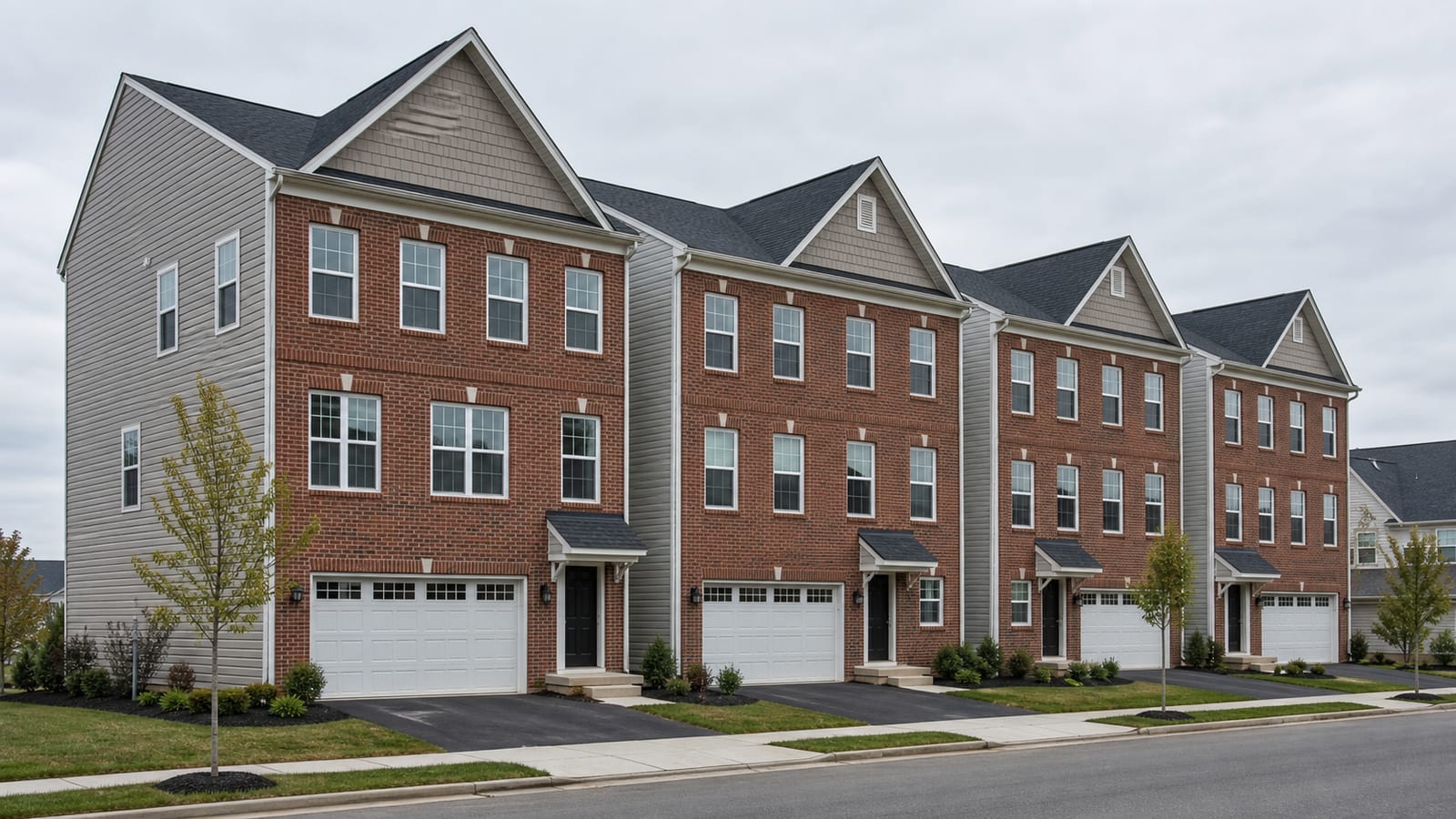
Somebody has offered you a mold test and you are trying to work out whether it is the careful thing to do or an extra line on the invoice. That is a reasonable place to be stuck, because the answer genuinely depends on your situation rather than on a rule of thumb. A sample is a good instrument for three specific jobs and a poor one for everything else, and once you know which three, you can tell in about a minute which one you are in. Where you are in one of them, testing is worth doing properly and it settles the thing that has been bothering you. Where you are not, the same money spent on finding the water gets you further.
Key Takeaways
A sample answers a question
is there a hidden source, was this area adequately cleaned, and do I need a documented result for a file.
Where growth is visible, sampling is usually unnecessary
, because the extent and the moisture source decide the work rather than a species name.
There are no federal mold or spore limits
, so no result is a pass or a fail against a standard.
Short-duration air counts cannot be read against health thresholds
, and federal guidance rates visual inspection and musty-odour detection as more reliable.
The sample plan has to fit the building
, which in West Windsor means an older village house, a newer townhouse and a Route 1 suite are three different plans.
When Does a Mold Test Change a Decision?
Three situations. If you are in one, book it. If you are not, the money is better spent elsewhere and we will tell you so.
Three Situations Where a Test Earns Its Place
A source you cannot find
An odour, a health complaint or a history of water, and a careful visual and moisture inspection has not located growth.
Proof an area was cleaned
Post-remediation verification, a before-and-after question with a defined comparison.
A documented result for a file
A landlord and tenant matter, a purchase or sale, an insurance claim, or a dispute heading somewhere formal.
You suspect a source you cannot find. There is an odour, or a health complaint, or a history of water, and a careful visual and moisture inspection has not located growth. This is the case EPA names explicitly: sampling has a role in evaluating a hidden source. It changes a decision because it tells you whether to keep investigating and where.
You need to know an area was adequately cleaned. Post-remediation verification. This is a genuine before-and-after question with a defined comparison, and it is the cleanest use of a sample there is.
You need a documented result for a file. A landlord and tenant matter, a purchase or sale, an insurance claim, a dispute heading somewhere formal. Here the value is not that the number teaches you something. It is that a dated, professionally collected, properly interpreted result exists and can be produced later.
Outside those three, a sample tends to produce a figure with nothing to compare it against. That is the honest boundary, and knowing it is what makes the test worth paying for when you are inside it.
What Should You Establish Before Anyone Samples?
The assessment that comes first is not a formality, and it is what makes any later sampling meaningful. Four stages, in order.
Four Stages Around a Sample
- 1
Document the concern
When it started, what changed, the water history, where the odour is strongest, which rooms are affected, and whether symptoms track with being in the building.
- 2
Inspect visually and with moisture diagnostics
Where most questions are answered. If growth is found, the extent and the moisture source set the work.
- 3
Sample only if a stated question remains
Written down before the pump comes out, not decided afterwards from the result.
- 4
Interpret the result alongside the inspection
A laboratory number read on its own is the most common way testing misleads people.
Document the concern. When it started, what changed, the water history of the property, where the odour is strongest, which rooms are affected, and whether anybody's symptoms track with being in the building.
Inspect visually and with moisture diagnostics. This is where most questions are actually answered. If growth is found, the decision is made: the extent and the moisture source set the work.
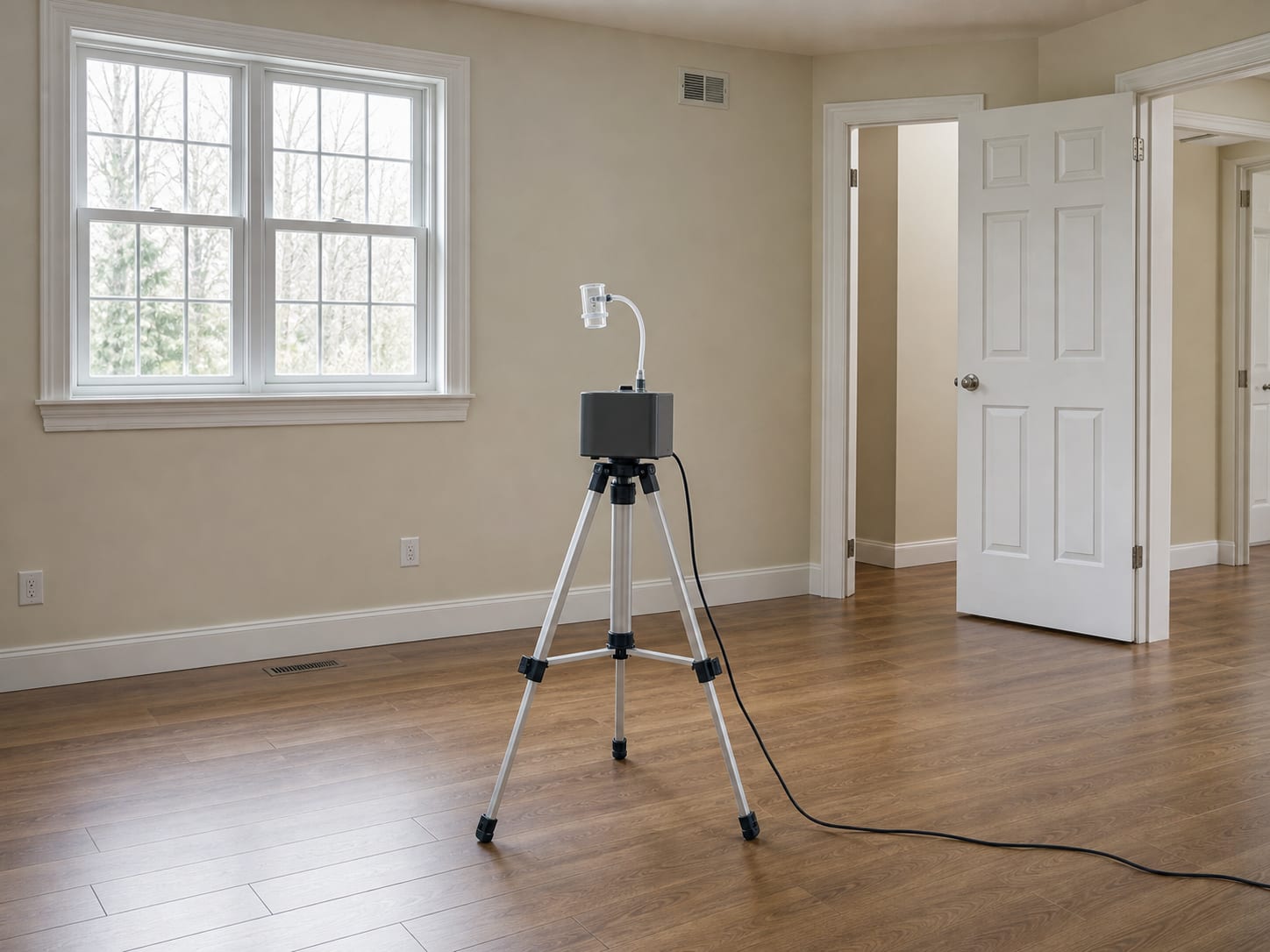
Sample only if a stated question remains. Written down before the pump comes out, not decided afterwards from the result.
Interpret the result alongside the inspection. A laboratory number read on its own is the most common way testing misleads people.
Two cautions worth knowing before somebody starts opening things up. EPA advises care in a hidden-mold investigation because looking behind finishes can disturb growth and spread it, which is a real cost of going looking carelessly. And it says sampling should be done by people experienced in both the protocols and the interpretation, which is a polite way of saying that collecting a sample is the easy half.
Why Can't a Result Just Tell Me If It Is Safe?
Because there is nothing to compare it to, and that is a feature of the science rather than a gap in the service.
There are no federal mold or spore limits. No number exists that a laboratory result can be measured against to produce a pass or a fail. Anybody presenting a result that way is inventing a standard.
Short-duration air sampling is a weak instrument for this. NIOSH's position is that visual inspection or musty-odour detection is more reliable than routine short-duration air sampling, and that measured short-term spore counts cannot be interpreted against health-risk thresholds. Spore levels move with the weather, the season, the time of day and what the building was doing an hour ago.
What a competent interpretation does instead is comparative and contextual: an indoor result against an outdoor control taken the same day, read alongside what the inspection found and where the moisture is. That is a judgement supported by evidence, not a measurement against a line, and a report that pretends otherwise is less useful than one that says so.
None of this means a result is worthless. It means the result is evidence in an argument rather than a verdict, which is exactly what you need for the three situations above.
Does the Sample Plan Fit Your Building?
This is where a West Windsor page has something to say that a national one does not, and it is a practical point rather than a geographic one.
The Township's Master Plan does not treat West Windsor as one uniform housing stock. It maintains a Dutch Neck Planning and Zoning Study alongside a Historic Preservation Plan Element, which is a formal recognition that older village settings and newer development are different things. Add the Route 1 corridor's commercial suites and you have three sampling problems that share nothing but a municipality:
- An older village house. Uneven envelope, additions meeting original construction, and cavities that were never designed as sealed. The likely hidden source is at the envelope or where two eras of building meet.
- A newer townhouse or condominium. Shared walls, shared air handling, and a neighbouring unit you cannot inspect. Where the air moves between units, an indoor result may be reporting on somebody else's problem.
- A Route 1 commercial suite. Suspended ceilings, zoned air handling, and occupancy constraints that decide when sampling can happen at all.
A copied sample plan serves none of those. The questions that shape a real one are which rooms or zones are affected, whether air handling is shared, where the suspected source is, and who controls access to the space next door.
Hover or tap a row to highlight it.
| Building | What shapes the plan |
|---|---|
| Older village house | Uneven envelope, additions meeting original construction, and cavities never designed as sealed. The likely hidden source is at the envelope or where two eras of building meet. |
| Newer townhouse or condominium | Shared walls, shared air handling, and a neighbouring unit you cannot inspect. An indoor result may be reporting on somebody else's problem. |
| Route 1 commercial suite | Suspended ceilings, zoned air handling, and occupancy constraints that decide when sampling can happen at all. |
For the record, no published townwide count of basements, crawl spaces, finished basements or foundation types in West Windsor exists. Those get observed at the address, which is another reason the plan is written after somebody has been in the building rather than before.
What Does the Visit Involve, and How Long Does It Take?
There is no published West Windsor benchmark for how long a mold assessment takes, so treat any advertised local standard with suspicion. What we can tell you is our own practice: a residential on-site visit typically runs one to three hours, depending on the size of the property, how many areas are being assessed, and whether samples are collected. Laboratory turnaround is agreed before the assessment rather than discovered afterwards, so you know what you are waiting for.
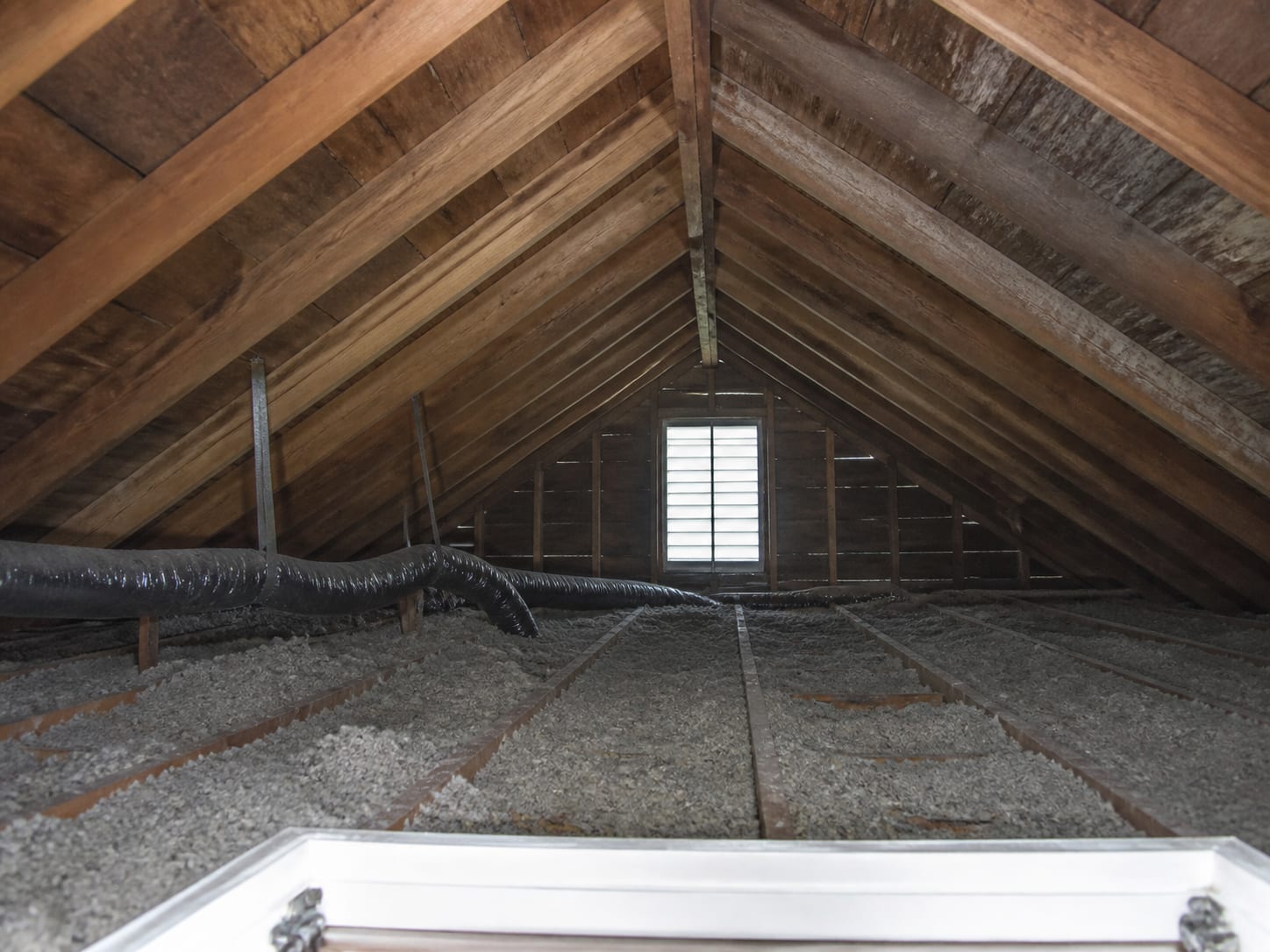
Sort out access before the appointment, because it is the usual cause of a wasted visit. That means the affected rooms, attic or crawl space access if either is in scope, mechanical rooms, any occupancy constraint, and permission from an association or property manager where one is involved.
On that last point: no Township rule was found requiring a permit for a visual mold inspection or for sample collection, and none requiring HOA approval or historic-district approval for non-destructive sampling. So testing does not need paperwork. If the findings lead to alteration, repair or rebuild, the local code process becomes relevant, and in a flood hazard area the Township's floodplain permit application asks for identification of the site and intended use and may require site plans, construction documents, grading and filling plans, and whatever else the Floodplain Administrator requests.
What Changes the Scope?
No credible published West Windsor mold testing price exists, and a range borrowed from listings would be a guess. What genuinely moves the scope of a real quote:
- Which of the three questions you are answering. Hidden-source investigation, targeted confirmation, documentation for a file, or post-remediation verification are different pieces of work.
- How many rooms or zones are in scope.
- How many samples and of what type. Air, surface, bulk and dust answer different things.
- Access. Attic, crawl space, wall cavity and mechanical areas each add time.
- The report. Whether it has to map locations, carry photographs, moisture readings, laboratory findings and stated limitations, which it should if it is going into a file.
A written, dated quote naming the purpose, the rooms, the methods, the sample count, the laboratory analysis and the reporting is what settles cost for a property. That is what to ask for.
Hover or tap a row to highlight it.
| Factor | What it changes |
|---|---|
| Which of the three questions | Hidden-source investigation, targeted confirmation, documentation for a file, and post-remediation verification are different pieces of work |
| Rooms or zones | How many are in scope |
| Samples | How many and of what type. Air, surface, bulk and dust answer different things |
| Access | Attic, crawl space, wall cavity and mechanical areas each add time |
| The report | Whether it has to map locations and carry photographs, moisture readings, laboratory findings and stated limitations |
Frequently Asked Questions About mold testing West Windsor NJ
I can see mold. Should I still test it?
Usually not, and this is the case where testing most often adds cost without adding information. EPA says sampling is generally unnecessary where growth is visible, because the extent and the moisture source decide the work rather than a species name. The exception is if you need a documented result for a claim, a sale or a dispute, in which case the sample is for the file rather than for the decision. We will tell you which you are in.
Can a test tell me if my house is safe?
Not as a pass or a fail, because there are no federal mold or spore limits to measure against. What a properly designed test does is answer a specific question, such as whether there is a source you have not found or whether an area was adequately cleaned. That is a narrower claim and a much more useful one.
What about air quality tests that give a spore count?
Read them carefully. NIOSH says short-term measured spore counts cannot be interpreted against health-risk thresholds and that visual inspection or musty-odour detection is more reliable than routine short-duration air sampling. A count is meaningful compared with a same-day outdoor control and alongside the inspection findings, not on its own.
Do I need permission from my HOA or the Township to have testing done?
No Township permit was found for a visual inspection or sample collection, and no HOA or historic-district rule for non-destructive sampling. If you are in a townhouse or condominium it is still worth telling the association, particularly where shared walls or shared air handling mean the source may not be inside your unit.
How long until I get results?
The site visit is typically one to three hours for a residential property depending on size, areas and samples. Laboratory turnaround depends on the method and the laboratory, and it is agreed before the assessment rather than left open.
My tenant is asking for a test. What should I do?
This is one of the three situations where testing is clearly the right tool, because you need a dated, professionally collected and properly interpreted result that exists independently of anybody's opinion. Have the inspection done alongside it so the result can be read in context, and keep the report.
Test Your Mold Testing Knowledge
1. Which of these is one of the three situations where a test earns its place?
2. Is there a federal mold or spore limit a result can be compared against?
3. What does NIOSH say is more reliable than routine short-duration air sampling?
4. When should the question a sample answers be written down?
5. Is a Township permit required for a visual mold inspection or sample collection?
Pick an answer to begin.
Mold Testing Terms
Tap a term to see what it means.
Post-remediation verification. A sample taken to show an area was adequately cleaned, a before-and-after question with a defined comparison.
Final Thoughts
Mold testing is a good instrument used precisely and a poor one used generally. If there is a source you cannot find, if you need to know an area was cleaned properly, or if you need a documented result for a claim, a sale or a dispute, a sample earns its place and is worth having done by somebody who plans it and interprets it rather than just collects it. If you are looking straight at growth and the question is what to do about it, the inspection and the moisture correction are what move you forward.
In West Windsor the practical point is that the plan has to match the building, because an older village house, a newer townhouse with shared air handling, and a Route 1 suite put the question in three different places.
If somebody has quoted you for testing and you are not sure it is the right tool, call us and describe the situation. ExecPro Restoration & Cleaning has inspected, tested and remediated across Mercer County since 2015, from Princeton Junction NJ through West Windsor NJ, Princeton NJ, Plainsboro NJ, Hightstown NJ and Robbinsville NJ. Call ExecPro Restoration & Cleaning at (888) 300-3772 or get in touch. We will tell you which of the three questions you are actually asking, plan the sampling around it if that is the answer, and handle the moisture correction and remediation if it is not.
Serving West Windsor
ExecPro Restoration & Cleaning provides mold remediation services in West Windsor, NJ, from inspection and testing through removal, drying, and post-remediation verification. Call (888) 300-3772 for 24/7 emergency response.
Related Articles
Post-Remediation Verification in NJ: What the Final Check Covers
Mold remediation almost done? See what post-remediation verification checks, who should do it, what a passing report rests on, and what to keep in NJ.
Mold Testing in Trenton, NJ: What a Landlord, Tenant or Buyer Can Do With a Result
Landlord, tenant or buyer: a mold test only helps if the result changes what happens next. See what mold testing in Trenton, NJ can and cannot settle.
Mold Testing in Bridgewater, NJ: When a Lab Report Changes the Plan
Offered a mold test in Bridgewater, NJ? Sampling pays off when the source is hidden or someone else needs a result, so ask what it would change first.