Paying for Mold Testing in East Windsor, NJ: When a Sample Earns Its Cost
Cal HewittPublished
- mold testing
- mold inspection
- east windsor
- new jersey
- mercer county
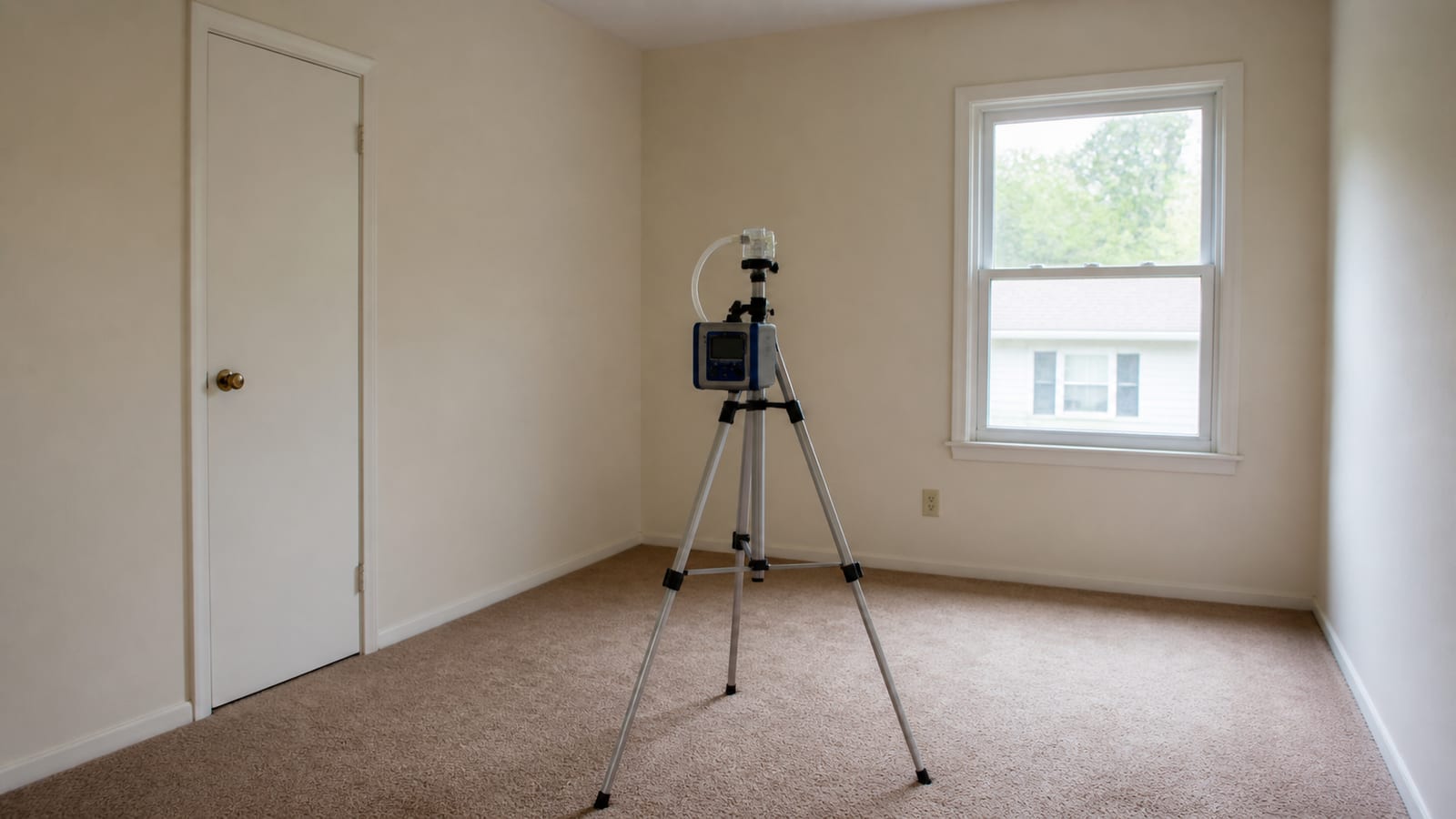
Almost every call about mold testing starts with a price question. How much is a test, how many samples are needed, and does the whole house have to be done. Those are reasonable questions, and they are also the wrong place to start, because the price of a sample tells you nothing about whether the sample will change what you do next. A test that cannot change your decision is not a bargain at any price. A test that resolves a question you genuinely cannot answer by looking may be worth quite a lot.
That framing matters more in East Windsor Township than people expect. This is an inland Mercer County municipality with a mixed housing stock: Census Reporter estimates 12,422 housing units, and about 54 percent of them sit in single unit structures. The rest are attached and multifamily buildings where a stain on your wall may be fed by a pipe, a roof, or a neighboring unit you do not control. Whether a sample earns its cost depends heavily on which of those buildings you are standing in and what you already know about the water.
Key Takeaways
The question comes before the sample
A mold test only has value when it answers something specific that observation and moisture history cannot settle on their own.
Visible growth usually does not need a lab result
The EPA says sampling is generally unnecessary when mold is already visible, because the response is the same either way.
There is no number that certifies a building
No federal limits exist for mold or mold spores, so a result cannot prove a property is safe, compliant, or cleared.
Negative results can mislead
NIOSH cautions that short term air samples, especially negative ones, may not represent what people are actually exposed to.
Hidden sources are the strongest case for testing
When a musty odor has no visible source, or when cleanup needs verification, a designed sample can do real work.
Cost tracks scope, not brand names
Number of locations, access to shared spaces, materials involved, and laboratory analysis drive what an assessment costs.
The Question a Sample Is Supposed to Answer
Before you price anything, write down the sentence you want the test to finish. Owners usually have one of five in mind: I can see growth and want to know what it is, I smell something and cannot find it, I need to know whether this material is contaminated, I want to confirm that a cleanup worked, or I need a record for a landlord, an association, or a buyer. Those are five different jobs, and only some of them are jobs a sample does well.
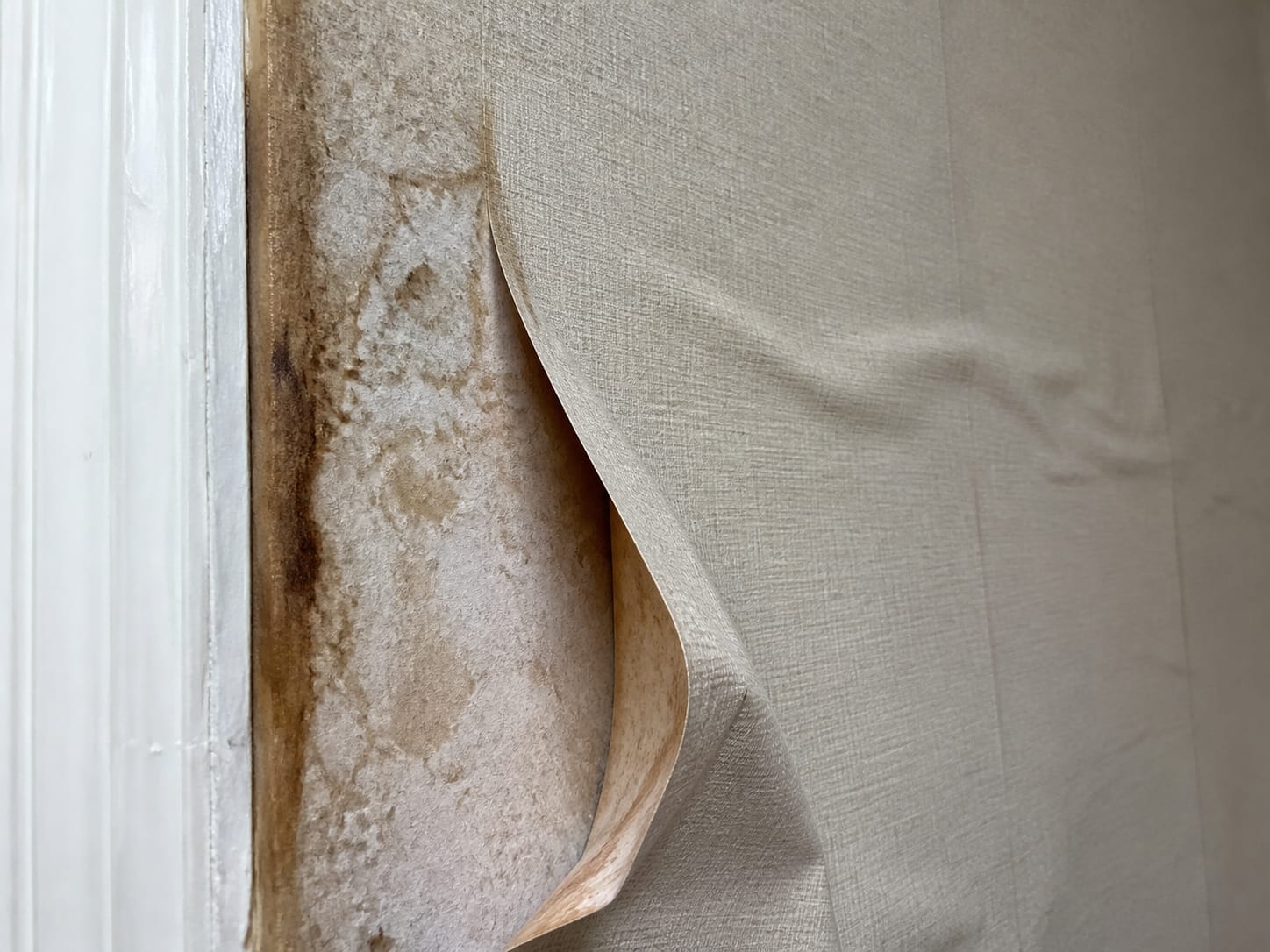
The EPA is direct about the first one. In most cases where visible mold growth is present, sampling is unnecessary, because the recommended action does not change based on the species. The CDC takes the same position for homes and does not recommend routine mold testing, adding that no matter what type of mold is present, the response is to remove it and correct the moisture problem that allowed it. If you are looking at the growth right now, a laboratory report is very unlikely to alter your next step. You already know you have a moisture problem and material that needs attention.
The middle three questions are different. The EPA says sampling can be useful when a hidden problem is suspected, or to determine whether an area has been adequately cleaned or remediated. Those are real uncertainties, and a sample designed around them can actually resolve something. The EPA also says that when sampling is done it should be designed and interpreted by people with specific experience in mold sampling protocols, methods, and the meaning of results. A sample collected without a stated purpose and read without context is an expense, not an answer.
What a Result Can Never Do
There is a hard ceiling on what any mold sample can tell you, and understanding it before you pay protects you from being sold something that does not exist. There are no EPA or other federal limits for mold or mold spores. NIOSH states plainly that there are no health based standards for mold or other biological agents in indoor air. That means no laboratory number can be compared against a legal or medical threshold, because the threshold does not exist.
Hover or tap a row to highlight it.
| The situation | Does a sample earn its cost? | Why |
|---|---|---|
| Growth is plainly visible on a wall, ceiling, or framing | Usually not | The EPA says sampling is generally unnecessary when mold is visible, since the response is removal and moisture correction either way |
| A musty odor persists and no source can be found | Often yes | This is the hidden source case the EPA identifies as a reasonable use of sampling, paired with careful investigation |
| A cleanup has been completed and needs verification | Often yes | The EPA lists post remediation assessment as a purpose sampling can serve when the question is defined in advance |
| Someone in the building feels unwell | No | The CDC explains that sampling and culturing cannot determine whether a person will become sick; that is a clinical question |
| A landlord or buyer wants proof the building is safe | No | No federal mold standard exists, so no result can certify a property as safe or compliant |
This is also why the marketing language around testing deserves scrutiny. The CDC notes that health effects differ from person to person and explains why sampling and culturing cannot predict whether someone will get sick. NIOSH adds that short term spore counts and culture results cannot be interpreted in relation to health risk, and that a negative result may simply reflect the moment the air was captured rather than what occupants breathe over weeks. If a proposal promises a clean bill of health from a lab report, that promise is not supportable.
New Jersey's Department of Health points residents to EPA mold resources and maintains a list of private firms, but it states clearly that it does not endorse or qualify the companies on that list. Being on a state page is not a state certification, and it is worth knowing that before a list is presented to you as a credential.
Where the Money Actually Goes
No public source establishes a standard mold testing price for East Windsor, and anyone quoting a township wide figure is inventing it. What can be described honestly are the things that move the number. Scope drives cost far more than any single line item.
Check Your Understanding of Mold Testing
1. According to the EPA, when is sampling generally unnecessary?
2. What do federal agencies set as the legal limit for mold spores indoors?
3. Why does NIOSH caution against relying on a negative air sample?
4. What does the CDC recommend doing when mold is seen or smelled?
5. Which purpose does the EPA identify as a reasonable use of sampling?
Pick an answer to begin.
The main drivers are the purpose of the assessment, whether the concern is visible or concealed, how many locations or units are involved, whether wall cavities or shared spaces have to be opened for access, the type and number of samples if a protocol supports them, laboratory analysis, and the time spent interpreting findings alongside the water history and the visual evidence. A single defined question in one room and a building wide investigation across several units are not the same service and should never carry the same estimate.
What follows the report is a separate cost, and a trustworthy proposal keeps it separate. A finding may lead to source investigation, cleaning, material removal, drying, or construction repair. If repair reaches regulated work, East Windsor Township permit charges are the sum of the applicable subcode fees, which is not something a testing quote can fold in ahead of time.
Who Has to Say Yes, and Where the Township Comes In
Access decides more testing outcomes in East Windsor than most owners anticipate. Census QuickFacts puts owner occupancy in the township at 61.1 percent for the 2020 to 2024 period, which means a meaningful share of local residents rent or live in managed housing. Twin Rivers, documented by the township as a Planned Unit Development, is one concrete example of the managed residential settings inside East Windsor's borders.
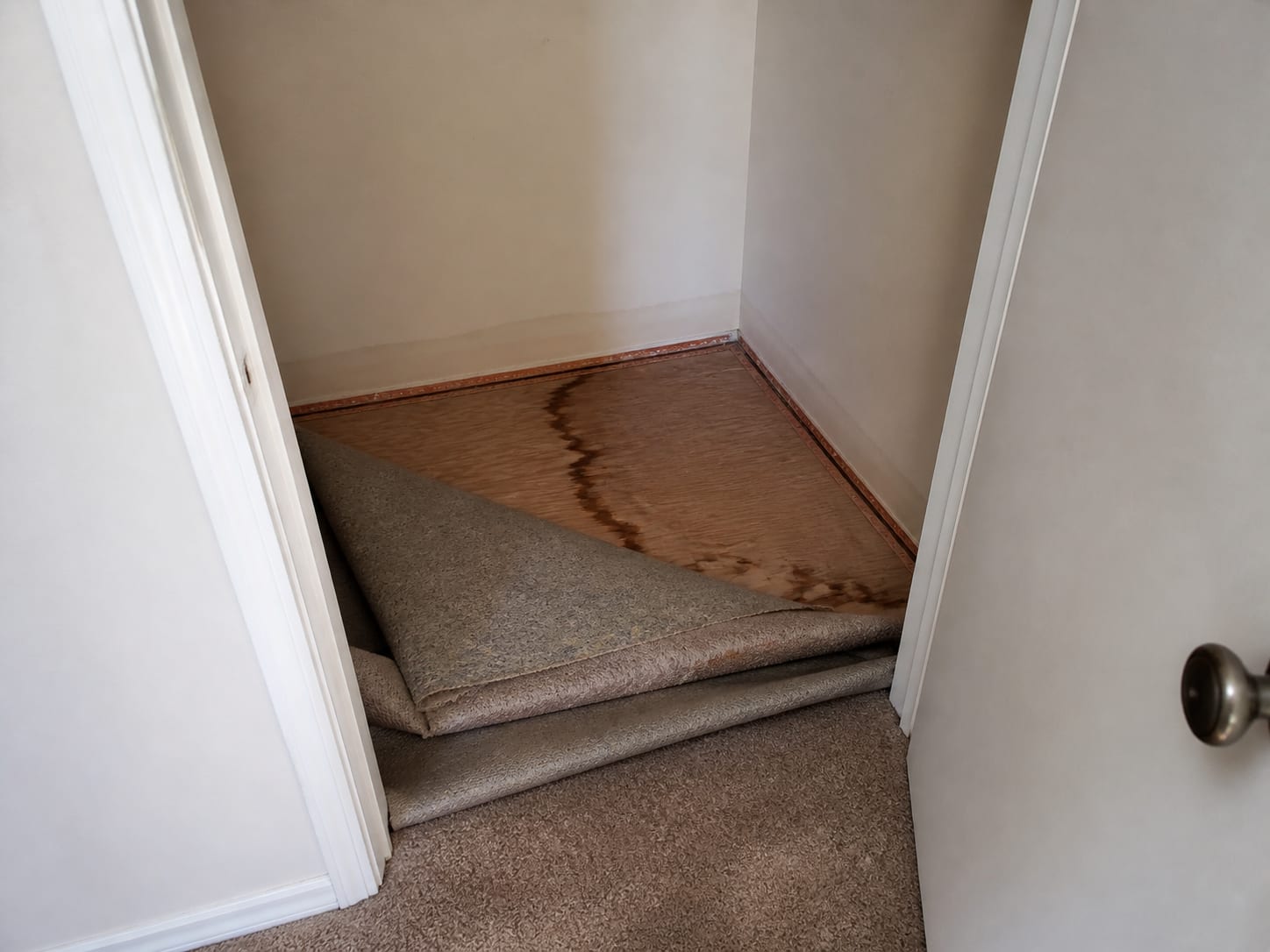
In an attached home, a condominium, or an apartment, the suspected source may sit in a shared wall, a common plumbing run, a roof, or a neighbor's unit. Sampling the one room you can enter may confirm that something is present without identifying where it comes from, and without the authority to fix it. That is not a laboratory failure. It is a boundary problem, and it is worth resolving before you spend, because the person who can authorize the repair may not be the person paying for the test.
The municipal piece arrives later. Collecting a sample is not a construction project, and East Windsor does not list it among permitted activities. But the township's Construction Department receives applications and performs plan review and inspections for building, electrical, fire, mechanical, and plumbing work, and the township's resident guidance lists permits for alterations, plumbing rearrangement, HVAC work, electrical replacement, roofing, and structural member repairs. If your findings lead to opening or replacing regulated components, that is the department you deal with. One local detail matters here: East Windsor surrounds the separate borough of Hightstown, and West Windsor is a different township entirely. Using the wrong municipality's process is a real and avoidable delay.
A Better Order of Operations
The sequence that produces good decisions usually runs the same way. Start with what the building shows. NIOSH considers thorough visual inspection and detection of musty odor more reliable than routine air sampling for finding dampness and mold related damage, which is a strong argument for spending your first dollars on looking rather than sampling. A detailed mold inspection of the building documents the components involved, the materials, and the water history, and it often ends the question outright.
If a genuine uncertainty survives that walkthrough, then design a sample around it. The EPA notes that hidden mold investigations can be difficult and require caution, because disturbing material such as wallpaper can release spores into the air. That is a reason to plan the investigation, not a reason to avoid it. Our mold testing service is built around a stated question, and the companion piece on what a mold inspection maps in an East Windsor building explains the assessment side in more detail.
Whatever the result says, the finish line is the same one the CDC describes: remove the mold and correct the moisture problem. The CDC notes that mold grows on paper, cardboard, ceiling tiles, wood, drywall, carpet, and fabric whenever moisture is present, which is a reminder that the water is the variable you control. A report that documents a condition but leaves the source unexplained has not finished its job.
Frequently Asked Questions About Mold Testing in East Windsor, NJ
Do I need a mold test if I can already see mold?
Usually not. The EPA says that in most cases where visible mold growth is present, sampling is unnecessary, and the CDC does not recommend testing homes because the response does not change with the species. Visible growth means you have a moisture problem and affected material, and both need the same treatment regardless of what a laboratory would name.
Is there a mold level that passes or fails in New Jersey?
No. There are no EPA or other federal limits for mold or mold spores, and NIOSH states there are no health based standards for mold in indoor air. No sample can establish compliance, because there is no numerical standard to comply with. Any report presenting a pass or fail grade is describing something that does not exist.
When is testing actually worth paying for?
The EPA identifies two useful purposes: investigating a suspected hidden problem, and determining whether an area has been adequately cleaned or remediated. A persistent musty odor with no visible source, a question about whether a specific material is affected, and post cleanup verification are the situations where a designed sample can resolve something that looking cannot.
Can a mold test tell me whether my family is getting sick from the house?
No. The CDC explains that health effects vary between individuals and that sampling and culturing cannot determine whether a person will become ill. NIOSH says short term spore counts and culture results cannot be interpreted in relation to health risk. Health questions belong with a clinician, and a building report should not be presented as a medical finding.
I rent in East Windsor. Can I have testing done myself?
You can generally arrange an assessment of the space you occupy, but you may not be able to access or repair the source if it sits in a shared wall, common plumbing, the roof, or an adjacent unit. Because 61.1 percent of township housing is owner occupied, a substantial local audience faces exactly this split. It is usually more productive to document the condition and water history first and bring that record to whoever controls the repair.
Does East Windsor require a permit for mold testing?
Sample collection is not listed among the township's permitted construction activities. Permits become relevant when findings lead to regulated work such as alterations, plumbing, HVAC, electrical, roofing, or structural member repair, all of which run through the East Windsor Construction Department. Remember that Hightstown is a separate borough and West Windsor is a different township, so the correct office matters.
Should the whole house be sampled?
Rarely, and not as a default. A townwide or whole house sampling package usually reflects a sales structure rather than a question. Sampling should follow the locations where observation, odor, or water history raises a specific unresolved issue, and each sample should have a reason you can state in one sentence.
Final Thoughts
Mold testing is a narrow instrument, and it is genuinely useful inside that narrow range. The mistake is not paying for a sample. The mistake is paying for a sample before anyone has written down the question it is supposed to answer, or paying for one when the answer is already in front of you on the wall. Visible growth, in almost every case, is its own conclusion.
Start with the building. Look at where the water has been, what materials it touched, whether the source is inside your walls or someone else's, and what a musty odor is trying to tell you. If that work leaves a real uncertainty standing, a carefully designed sample is money well spent. If it does not, put the same money toward finding and fixing the water, because that is the step that actually ends the problem.
When you want a clear read on an East Windsor property before you spend anything on a laboratory, ExecPro Restoration & Cleaning can walk the building with you, document the moisture history, and tell you honestly whether a sample would change the plan. Call (888) 300-3772 or reach out through our contact page to start with the question rather than the invoice.
Mold Testing Terms
Tap a term to see what it means.
Air sampling. Collecting a volume of indoor air to measure spores present at that moment, which NIOSH warns may not represent longer term exposure.
Serving East Windsor
ExecPro Restoration & Cleaning provides mold remediation services in East Windsor, NJ, from inspection and testing through removal, drying, and post-remediation verification. Call (888) 300-3772 for 24/7 emergency response.
Related Articles
Mold Inspection in East Windsor, NJ: Mapping Moisture a Sample Cannot Find
A walk through the building locates stains, odor and dampness that no laboratory result explains. It also stops at doors it cannot open. East Windsor, NJ.
Commercial Mold Remediation in East Windsor, NJ: Occupancy Decides the Plan
Commercial mold remediation in East Windsor, NJ: how the work is staged around people who cannot be sent home, what the lease decides, and what it costs.
The First Hours After Water Is Found in East Windsor, NJ: Extraction in Order
Standing water starts a clock in an East Windsor, NJ building. Power and safety come first, then the source, then removal, then proof it is actually dry.