What Leaves and What Stays: Mold Remediation Scope in Livingston, NJ
Cal HewittPublished
- mold remediation
- livingston nj
- moisture control
- essex county
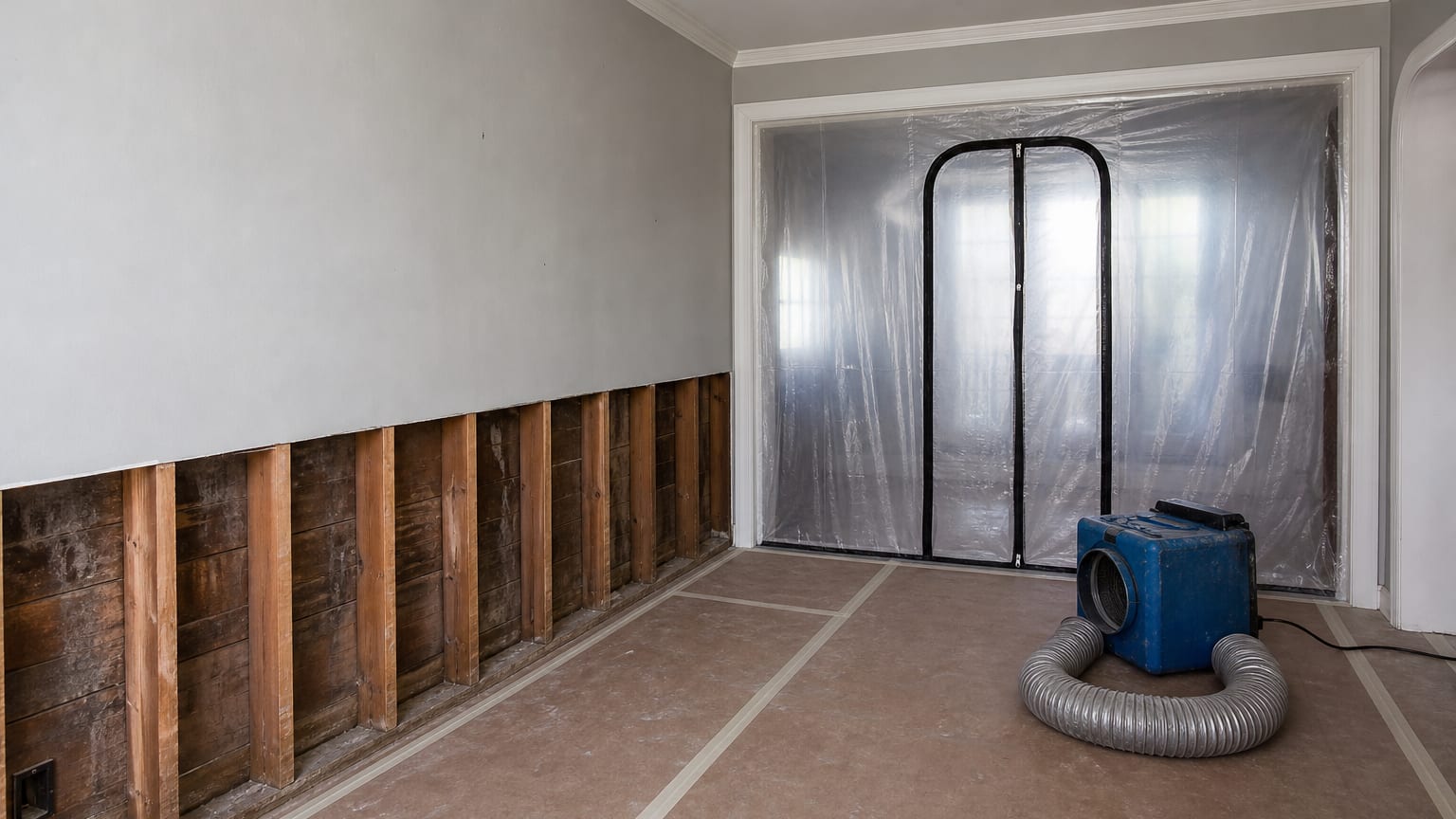
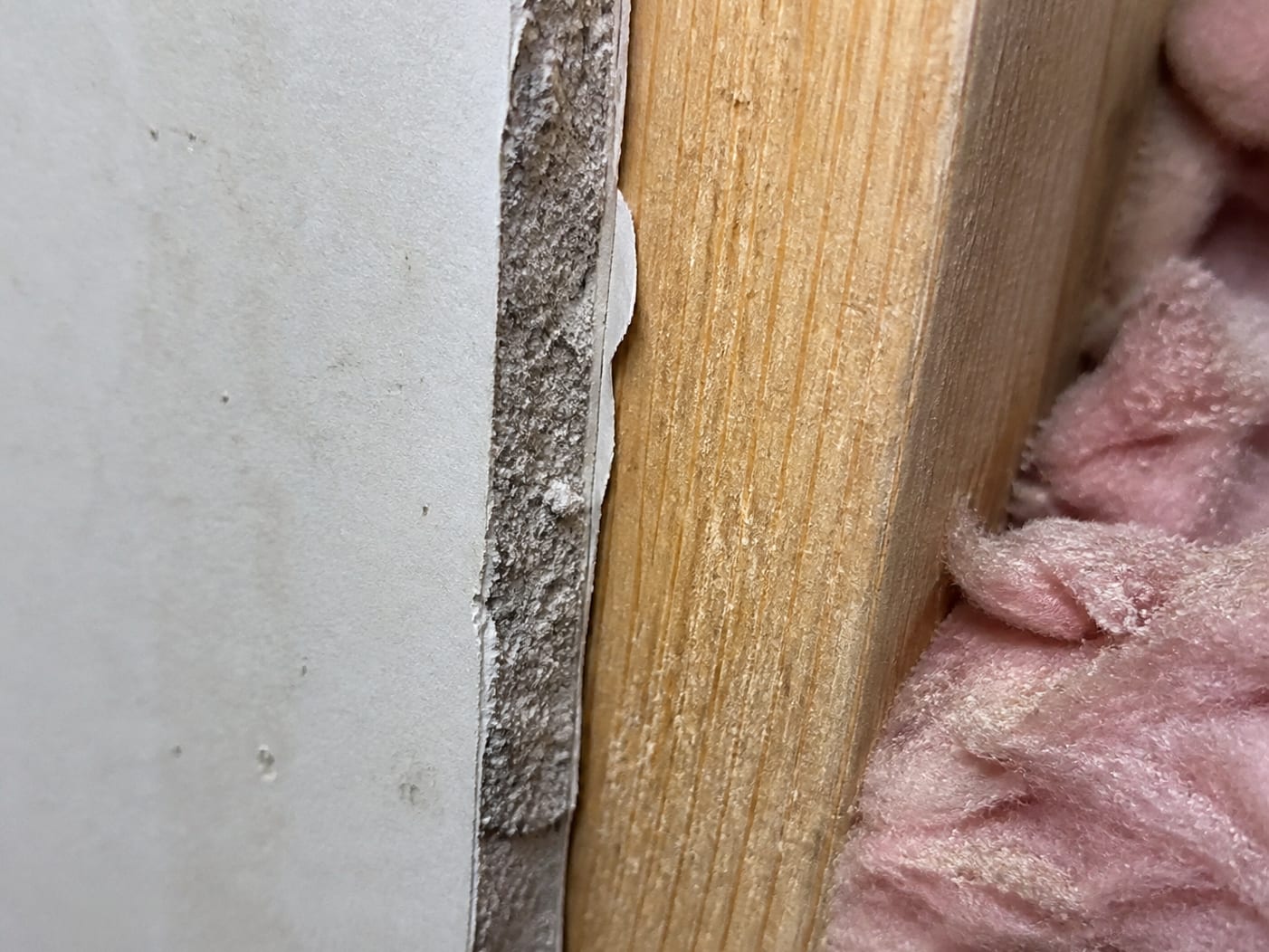
Open a wall cavity in a Livingston home after a slow leak and you will find two materials pressed against each other. There is the wood stud, dense and structural. There is the paper faced drywall and the batt insulation packed beside it. Same water, same room, same number of days wet. And those two materials usually do not get the same treatment. One is cut out and carried to a dumpster. The other stays in the building, gets cleaned, and gets dried.
That split is what mold remediation actually is. Not a cleaning visit, not a spray, not a verdict handed down from a smell in the hallway. It is a set of calls about which materials leave and which stay, plus a separate set of decisions about the water that caused the problem. If you are judging a proposal for your own property, the useful question is not how bad it is. It is where the contractor is drawing that line, and why.
The Short Version
Porosity decides the outcome
Whether a material is removed or cleaned depends on how much water it absorbs and holds, not on how dark the stain looks.
The water source is separate work
Taking out wet material and correcting the leak that soaked it are two different jobs, and doing only the first is the common failure.
Accessible and concealed are not the same
A finished wall hides the assembly behind it, so a scope has to say what was opened and what was left closed.
Remediation is not construction
Cutting out wet drywall does not authorize changes to plumbing, electrical, mechanical, or structural systems.
No standard exists for a clean air number
EPA has not set health based limits for indoor mold spores, so no report can certify a building as universally safe.
Porosity Is the Line, Not Appearance
The instinct is to sort materials by how bad they look. A black streak feels worse than a faint gray shadow, so the streak must be the thing that leaves. That is not how the call is made, and it is not how the CDC frames mold, where color is not what defines the risk.
What decides it is whether the material holds water inside itself. A porous material soaks water into its body, so mold is not on the face of it, it is in it, and cleaning the surface leaves behind what you cannot see. EPA's guidance on mold and moisture is direct: porous items that absorbed water and grew mold often have to be discarded, because there is no reliable way to reach the growth inside them.
Dense materials are the other case. Water sits on them rather than in them. That is why a stud, a joist, a foundation wall, or a tiled surface can usually stay and be cleaned and dried, while the drywall and insulation that touched the same water do not.
Hover or tap a row to highlight it.
| Material | Usual handling | Why |
|---|---|---|
| Fiberglass or cellulose insulation | Removed | Holds water throughout its body and stays damp against framing long after the room feels dry |
| Paper faced drywall | Removed where wet | The paper facing feeds growth and the gypsum core absorbs water rather than shedding it |
| Carpet and pad | Removed where saturated | Both layers hold moisture, and the pad dries far slower than the surface suggests |
| Ceiling tile | Removed | Soft and highly absorbent, and it rarely returns to its original shape after wetting |
| Framing lumber | Cleaned and dried in place | Dense enough that growth is largely surface level, and removal is a structural decision |
| Concrete and masonry | Cleaned and dried in place | Non absorbent enough that surface treatment plus drying is the right response |
That table is a starting frame, not a verdict on your house. Two Livingston properties can have the same wet materials and land in different places, because how long each sat wet and whether the source is still running change the answer.
The Second Boundary: Where the Water Came From
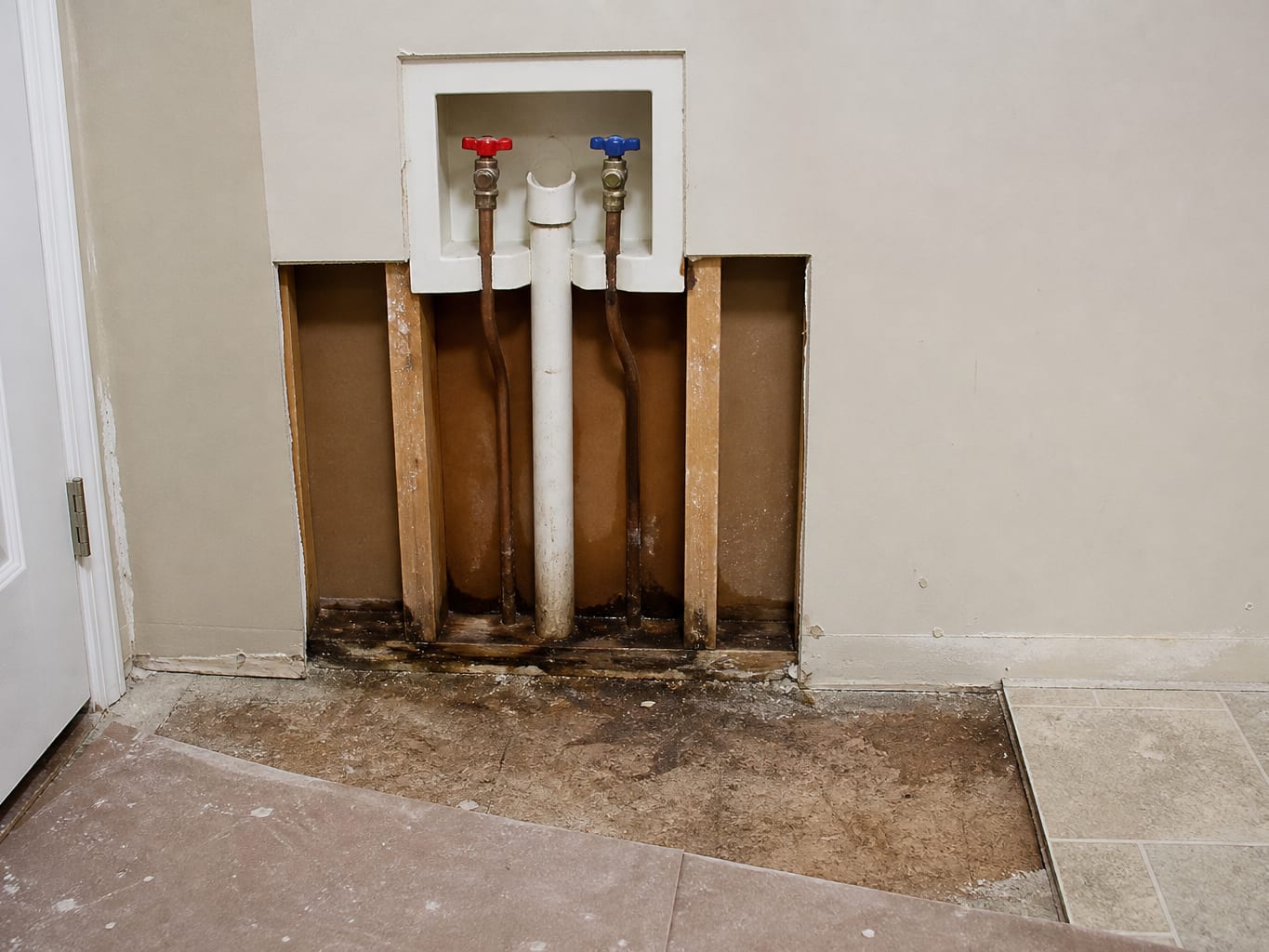
Removing wet material and correcting the water pathway are two different pieces of work. EPA is explicit that cleanup without correcting the moisture problem is not a lasting solution. Pull the drywall, skip the leaking shutoff behind it, and you have bought a clean cavity that will be a wet cavity again.
Livingston is inland Essex County, and that shapes how you think about sources. Moisture here is almost always property specific: roof entry, a plumbing failure, an appliance discharge line, lower level water, condensation on cold surfaces, or a bath fan that was never vented outside. Statewide storm records, including New Jersey's Hurricane Ida recovery materials, are useful background, but they do not establish what happened at your address. Only the assessment at the building does that.
So when you read a scope, look for the source. A proposal that names every material coming out and says nothing about why they got wet has described half a job.
Accessible Versus Concealed
Livingston has roughly 10,699 housing units, and the Township's construction record form treats single family, multifamily, and commercial properties as separate categories. That matters on a real job, because it changes who approves access, when work can be scheduled, and who has to be coordinated with before anything is opened.
Inside the building, the same question becomes finished versus open. A utility area with exposed joists tells you what it is. A finished basement, a built out bathroom, or a wall with cabinetry against it does not. The assembly behind the finish is a closed box until someone opens it.
So a good scope reads in two columns: what was reached and included, and what was not accessible and therefore not evaluated. That second column is not a weakness. It is what keeps the first column believable, and it tells you whether a follow up is likely. When the extent or the source is genuinely unclear, that is the moment for a professional mold inspection to map the evidence rather than guessing at a scope and correcting it later.
How a Remediation Project Moves
- 1
Find the source
The investigation traces the actual water pathway, because everything downstream is scoped against it.
- 2
Define the work area
The affected zone is bounded by material and location, so everyone knows which surfaces are in and which rooms are not.
- 3
Protect what is not affected
Clean areas and contents are protected before demolition, so the work does not push the problem into the rest of the building.
- 4
Remove or clean, material by material
Porous materials that absorbed water come out, dense surfaces are cleaned in place, and each call gets recorded.
- 5
Dry the assembly
Drying continues until the materials that stayed are actually dry, not until the room feels dry to the hand.
- 6
Document the boundaries
The record states what was addressed, what source correction was done or is still needed, and what sat outside the scope.
Where a Remediation Contractor's Authority Stops
A contractor who removes wet drywall is not automatically authorized to alter plumbing, electrical, mechanical, roof, or structural systems. Those are regulated construction activities on a different track. The Livingston Township Building Department is the local source for code, permit, and inspection questions on that work.
The Township also publishes a construction code fee schedule, and those fees have nothing to do with what remediation costs. If someone folds a municipal fee into a remediation price, or presents a work plan as though it were a permit, two separate things are being blurred together.
The practical sequence is source correction and material removal first, then regulated repair, then finishes. When damage reaches framing, that assessment belongs with structural mold repair rather than the cleaning phase. When conditions are corrected and it is time to close the walls, that is post mold remediation rebuild work, scoped on its own. Keeping the phases separate on paper is how you avoid paying for finish work installed over a source that was never fixed.
What a Scope Should Actually Tell You
Cost follows the documented condition. The honest drivers are already on this page: whether the source is still active, the materials and their porosity, the size and accessibility of the area, containment, contents handling, drying, disposal, and whether testing answers a defined question. Source repair and rebuild sit on top as separate lines.
New Jersey does not run a state certification program for mold companies, which puts more weight on what the paperwork says. A scope worth trusting names the materials and locations included, states its assumptions about the source, describes the method, lists exclusions plainly, and says what reporting you get.
A few things should make you slow down. A promise to make a building universally safe is not supportable, since EPA has not established health based standards for acceptable indoor mold spore levels. A scope with no material or location detail is not a scope. And a single air sample used as proof of both cause and completeness is doing work that EPA's guidance on testing and sampling says it cannot do, especially when growth is visible and the money would be better spent on the water.
Health questions belong with a clinician. EPA does note that mold raises particular concerns for people with asthma, allergies, or immune suppression. A remediation report can describe the building and the work. It cannot connect a person's symptoms to a condition in the house.
Frequently Asked Questions About Mold Remediation in Livingston, NJ
Why does the insulation come out when the wood next to it stays?
Because the two hold water differently. Insulation absorbs moisture through its whole body and keeps it against the framing long after the room feels dry, so growth is inside the material. Framing lumber is dense enough that growth is largely at the surface, which means it can be cleaned and dried in place. It is a porosity decision, not a judgment about which one looks worse.
Do I need a mold test before any work can start?
Not necessarily. EPA guidance on testing and sampling says visible growth does not automatically require laboratory sampling before action. Testing earns its place when there is a specific question it can answer, such as an unclear source or an extent you cannot see. When mold is visible and the source is known, a sample can consume budget the moisture repair needs.
How long does remediation take?
There is no universal duration, and anyone quoting one before seeing the property is guessing. It depends on the source repair, the size of the area, the materials, whether containment is required, how long drying takes, how accessible the space is, whether the building stays occupied, and what reconstruction follows.
My house is older and has been renovated. Does that make mold more likely?
Age and renovation history are context, not proof. Older work can conceal previous leaks or altered assemblies, which makes the concealed versus accessible question more important. But newer construction still has plumbing, roof, appliance, condensation, and ventilation defects. EPA's approach is prompt drying and source correction based on what is found at the building, not on the year it was built.
Can the same crew fix the leak and rebuild the wall?
Sometimes, but they are still separate scopes and should be priced and documented separately. Remediation addresses the materials and the moisture condition. Regulated repairs go through the Township's construction process. Rebuild puts the finishes back after conditions are corrected. Bundling all three into one vague number is how owners pay for finish work installed over a source that was never fixed.
Will I get a report that says my home is safe?
You should get a report that documents conditions and work, which is more useful. It can preserve photographs, locations, materials, evidence of the source, access limits, the scope performed, and any verification method used. What it cannot do is issue an unrestricted health or regulatory clearance, because no such standard exists for indoor mold levels. That is the report you want when a buyer, an insurer, or a manager asks questions later.
The Practical Takeaway
Mold remediation is a boundary problem twice over. First between materials, where porosity decides what leaves and what stays to be cleaned and dried. Second between phases, where removal, water repair, and rebuild each carry their own scope. When those boundaries are written down clearly, you can read a proposal and tell whether it addresses your building or just your symptoms. When they are blurred, you get the usual outcome: material removed, surface cleaned, water still arriving, and the same wall opened again a season later.
If you are looking at growth in a Livingston property and want the material calls and the source correction spelled out before anything is cut, the team at ExecPro Restoration & Cleaning works this way and documents what was reached and what was not. Call (888) 300-3772 or send us the details of your Livingston property to get a scope you can actually evaluate.
Terms in a Livingston Remediation Scope
Tap a term to see what it means.
Porous material. A material that absorbs water into its body rather than shedding it, such as insulation, drywall, carpet pad, or ceiling tile.
Serving Livingston
ExecPro Restoration & Cleaning provides mold remediation services in Livingston, NJ, from inspection and testing through removal, drying, and post-remediation verification. Call (888) 300-3772 for 24/7 emergency response.
Related Articles
From the Ground Up: Crawl Space Mold Remediation in Livingston, NJ
Moisture under a Livingston, NJ home starts at the soil and ends at the floor you stand on. Read it in that order or the repair misses the source.
Black Mold Removal in Livingston, NJ: What Sets the Scope and What It Costs
Found a dark patch in a Livingston, NJ home? What sets the scope of the removal, what it costs, and how the water source gets found and corrected.
Finished or Utility: Basement Mold Remediation in Livingston, NJ
Two Livingston basements, same street, same rain. The utility one shows its moisture; the finished one hides it behind the wall until the smell arrives.