
From the Ground Up: Crawl Space Mold Remediation in Livingston, NJ
Cal HewittPublished
- crawl space mold
- mold remediation
- moisture control
- livingston nj
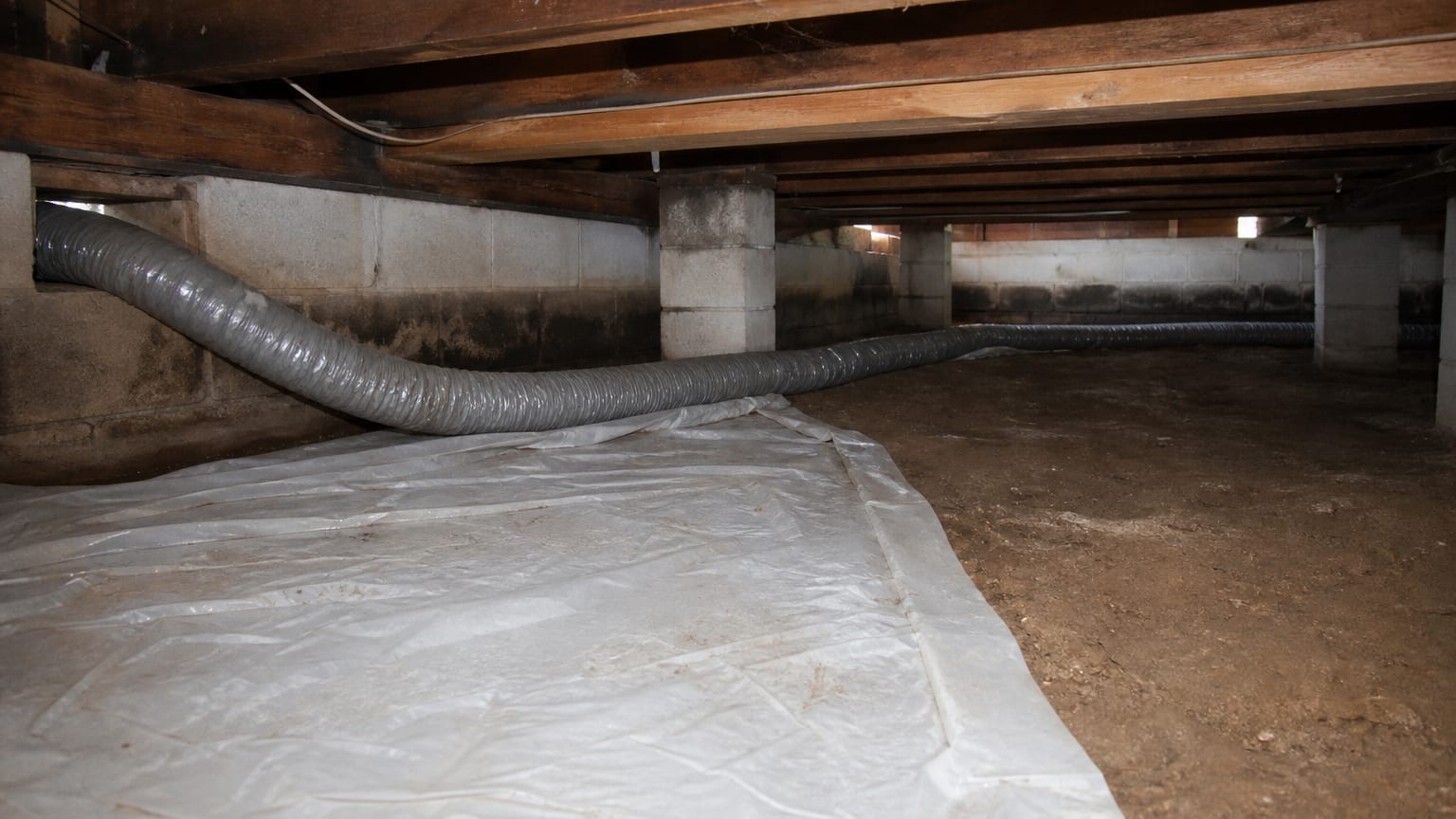
Start at the dirt. In a crawl space, that is usually where the story begins, and it is the part almost nobody looks at. Under a lot of homes the floor of that space is not a floor at all. It is bare soil, or gravel, or a thin slab poured long after the house went up. Whatever is down there matters, because ground moisture under a house moves in one direction, and that direction is up.
From the ground it moves through a series of layers. First the air and the vapor sitting in that shallow space. Then the insulation, if there is any, pressed against the underside of the floor. Then the joists and the subfloor, which are wood and will hold water. Then the finished floor of the room you actually live in. By the time you notice a smell in a hallway, the moisture has already crossed most of those layers. Working the problem from the ground upward is the only way to find out where it started instead of where it surfaced.
Livingston sits inland, in Essex County, so this is a water movement story rather than a weather story. Rain matters here through runoff, drainage, foundation entry, and groundwater. Indoor sources count just as much: a slow plumbing leak, a condensate line, humid air drifting into a cool space under the floor.
One more thing worth saying plainly. Census figures list 10,699 housing units in Livingston, but nothing in that data says how many sit over a crawl space. Some do, some do not, and some have one alongside a basement. This is not a claim about every home in town. It is a way to read one specific building.
Reading a Crawl Space From the Ground Upward
- 1
The ground surface
Soil, gravel, or slab. Is there a vapor retarder, and is it continuous or torn and gapped? Is the ground damp, wet, or holding standing water?
- 2
Air and vapor
How the shallow space breathes. Whether foundation openings are vented or sealed, and whether humid air is moving in from outside or from the house.
- 3
Insulation
Whether insulation is present, whether it touches a damp surface, and whether it is holding water against wood instead of keeping the floor warm.
- 4
Joists, subfloor, and ducts
Staining, softening, or deterioration in framing, plus any plumbing, drain, or HVAC component that leaks or sweats overhead.
- 5
The occupied floor above
The boundary. Odor, cold floors, or a damp room upstairs are prompts to look down, not proof of what is down there.
Layer One: What the Ground Is Doing
The ground surface is the single most useful observation in a crawl space, and it is the one people skip. A dirt floor with no cover is an open moisture source. Soil holds water and releases vapor into the space above it continuously. A vapor retarder is meant to interrupt that, but only if it is actually continuous. A sheet that is torn, curled back at the perimeter, or stops short at an obstacle is not doing much.
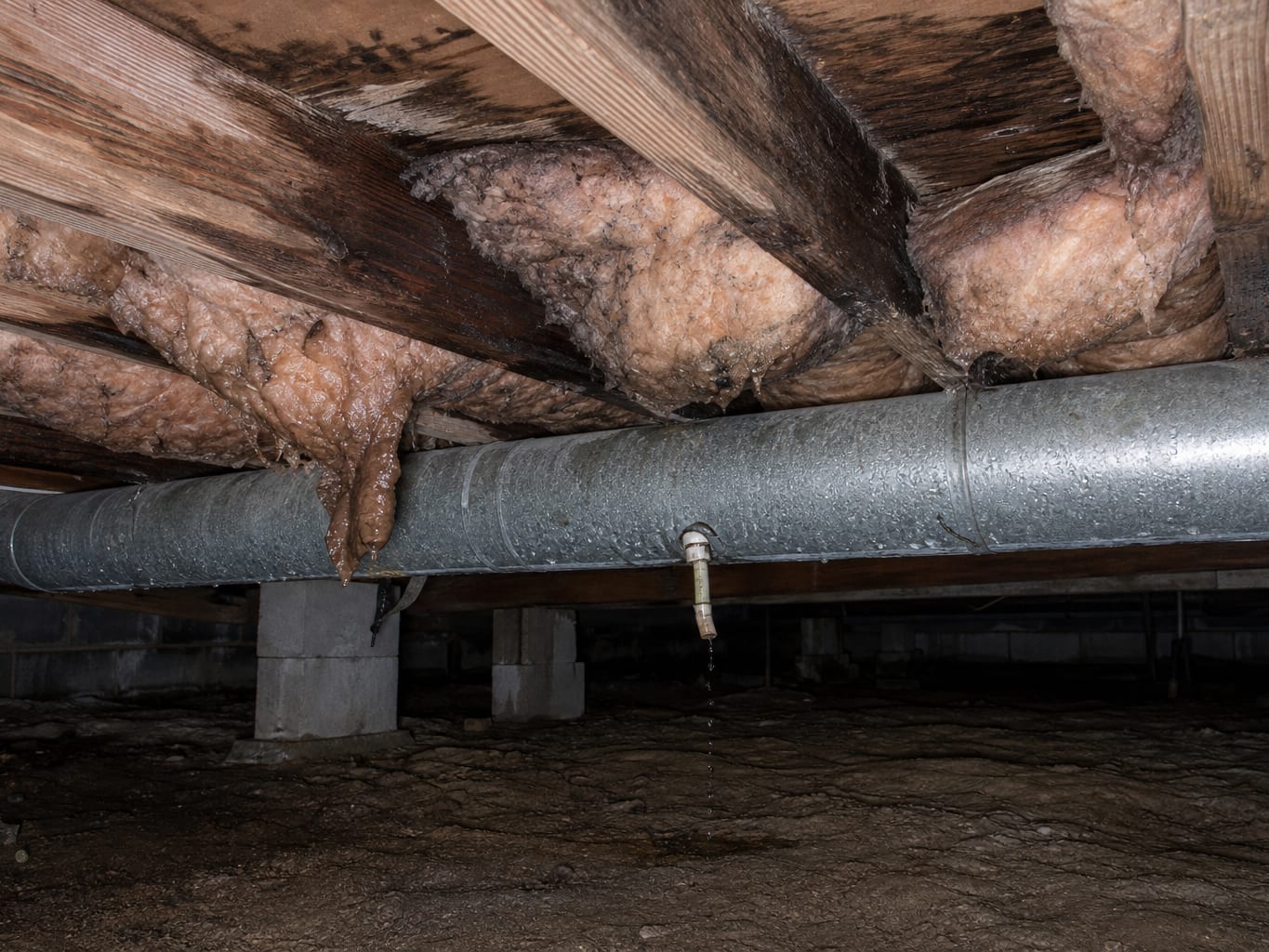
Wet is not one condition, either. Standing water, damp soil, white efflorescence on masonry, a dripping supply line, and soaked insulation all look like "moisture" from the hatch, but they point to different causes and different corrections. Standing water suggests drainage or groundwater entry. Efflorescence suggests water moving through masonry. A wet spot under a fixture suggests plumbing. Sorting those apart on site is what makes the rest of the work meaningful, because the EPA's guidance on mold and moisture rests on one idea: moisture control is the key to mold control.
Layer Two: Air, Vapor, and the Vent Question
The next layer up is the air itself. Older crawl spaces were usually built with foundation vents, on the theory that outside air would carry moisture away. Newer approaches often seal and condition the space instead. Homeowners tend to arrive with a strong opinion about which is correct, and that is where money gets spent on the wrong thing.
Whether vents are open or closed is not the fix. The Department of Energy describes moisture control as a building system issue, a combination of managing liquid water and managing vapor. Ground conditions, exterior water management, air movement, insulation, and how the house was actually built all interact. Changing the ventilation strategy while a supply line is still dripping onto the soil just moves the problem around.
Layer Three: Insulation That Holds Water
Insulation under a floor is supposed to slow heat loss. When it gets wet it does the opposite. It stops insulating, it sags, and it presses moisture against the underside of the subfloor for weeks at a time. That contact is what turns a damp space into a wood problem.
It is also why insulation is often removed rather than cleaned. Porous material that has been sitting wet against framing is not something you wipe down and reinstall. Whether it stays or goes is a judgment made on site, based on what it is made of, how wet it is, and what is behind it.
Layer Four: Joists, Subfloor, and Everything Overhead
Now you are looking at structure. Joists, beams, the subfloor above them, and whatever runs through the space: supply lines, drain lines, ductwork, sometimes a water heater or an air handler. Each of those is both a possible water source and a possible casualty.
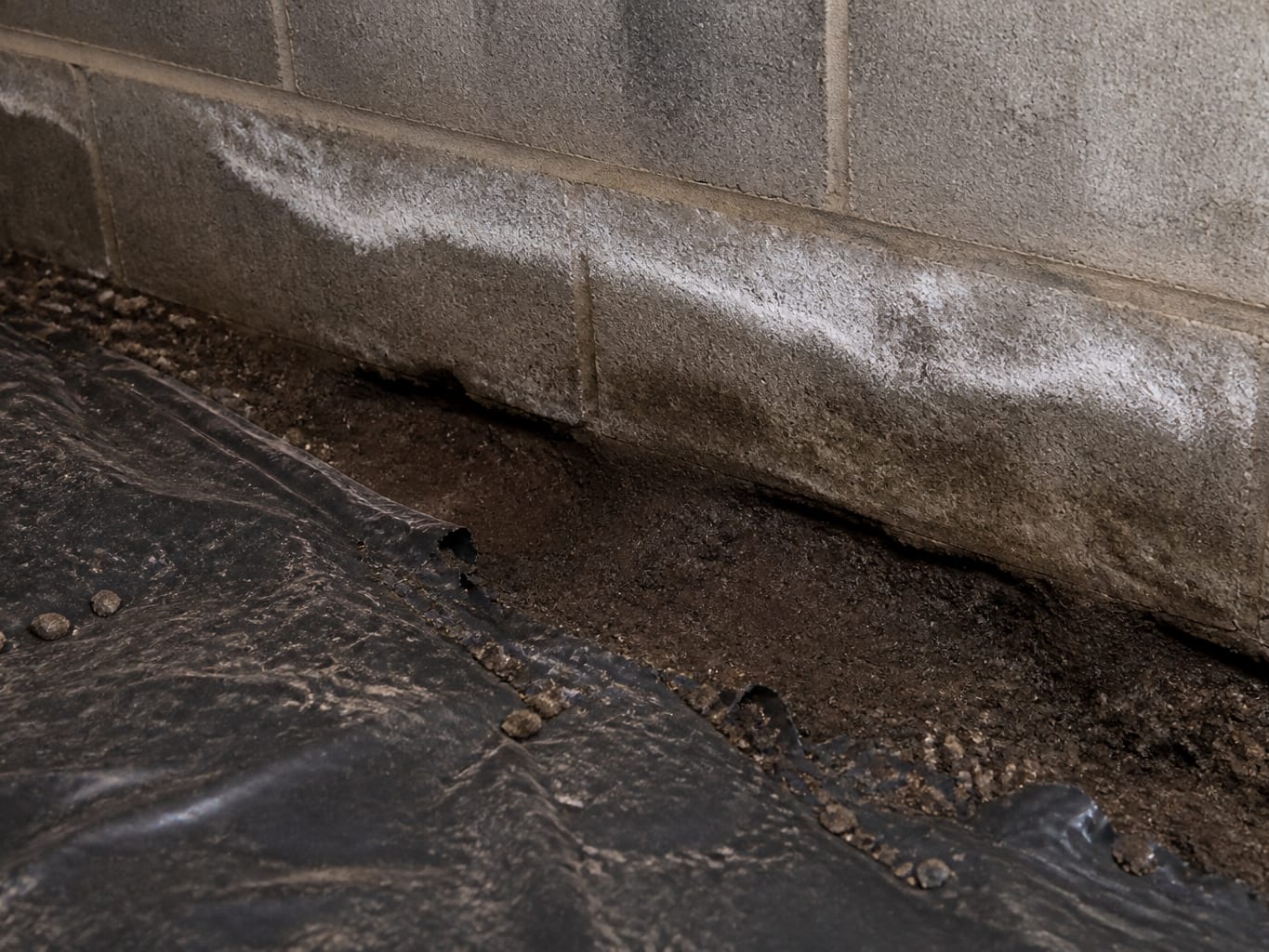
A dripping drain line wets the joist below it. A duct running through a cool crawl space can sweat along its length. A condensate line that has come loose puts water on the ground every time the system runs. Meanwhile the wood shows the history: staining, dark banding, soft spots, or deterioration that says this has been wet more than once. If framing or subfloor components have gone past cleaning and into repair, that is a different scope than remediation, and a structural drying and repair discussion belongs in the conversation early rather than as a surprise at the end.
Layer Five: The Floor You Live On
The occupied floor is the boundary, and it is where most homeowners come into this. Something smells musty in a first floor room. A floor feels cold or damp in one spot. A crawl space gets opened during a sale, a repair, or an HVAC service call, and somebody says the word mold.
Here is the honest limit of that. Odor or staining in the living space is a good reason to look underneath. It is not proof of an underfloor source. Treating it as proof, and then buying a fix for a problem nobody has actually seen, is the most common way this goes wrong. The finding has to come from access and observation below the floor, not from an inference above it.
Hover or tap a row to highlight it.
| Observation | Layer | What it usually points to |
|---|---|---|
| Standing water or saturated soil | Ground surface | Drainage, groundwater, or exterior water entering the foundation |
| Torn, gapped, or missing ground cover | Ground surface | Vapor moving freely from soil into the space above |
| White crusting on masonry | Perimeter | Water moving through foundation material over time |
| Sagging, matted, or damp insulation | Insulation | Active moisture, and material likely to need removal rather than cleaning |
| Wet spot under a fixture or line | Overhead | Plumbing, drain, or condensate leak that must be corrected first |
| Dark staining or soft wood on joists | Framing | Repeated wetting over time, and possible repair scope beyond cleaning |
Access Is Part of the Diagnosis, Not a Detail
Crawl spaces are difficult work areas by definition. Low clearance, poor light, wet footing, obstacles, exposed wiring, and sometimes pests. That is why access is treated as part of the finding rather than as an inconvenience. How big the opening is, how far a person can physically get, and which areas could not be reached all shape what can honestly be said about the space.
A useful report names the places nobody could crawl to or see. That is not a weakness. It is the difference between a documented assessment and an implied claim that every cavity under the house is clear. If the source or the extent is still uncertain after that, a dedicated mold inspection to locate the moisture source is the next step, not a guess.
Access is also why do it yourself is limited here. Constrained entry, low headroom, and wet surfaces around utility components are real hazards, and the EPA notes that people with asthma, allergies, or immune suppression may have particular concerns around mold. Health questions belong to a clinician, not to a crawl space report. What a property assessment can do is identify conditions and what needs correcting.
Source Correction and Cleaning Are Two Different Jobs
A crawl space plan should read as two lists, not one. The first is source correction: drainage, plumbing repair, ground moisture control, air sealing, or whatever is actually letting water in. The second is cleaning and removal of affected material. EPA guidance is direct on the order, which is to fix the moisture problem and dry wet materials rather than remove visible mold and leave the cause running.
Timing follows the same split. How long the work takes depends on access, drying time, the size of the area, whether containment is needed, how much material has to come out, and whether another trade has to correct the source first. No one schedule fits every property.
Cost works the same way. The real drivers are entry size and clearance, area, wet soil or standing water, the condition of the ground cover, how much insulation and wood is affected, containment and drying needs, plumbing or drainage correction, access through finished areas, and whether structural or HVAC work is involved. A small accessible space with one corrected leak is a different job than a broad damp crawl space with restricted access. A proposal should state its access assumptions, exclusions, how insulation and contents are handled, disposal, reporting, and whether any rebuild is included. What it cannot credibly do is put a number on all of that sight unseen.
When the Repair Crosses Into Regulated Work
A visual assessment of a crawl space is not automatically a permitted project. But the corrections often are. Changes to plumbing, mechanical equipment, insulation, electrical, or structural elements can fall under municipal review, and that is a separate track from the environmental work.
The Township of Livingston Building Department is the authoritative local source for code and permit questions, and the township also runs a construction record search that can show open or closed permits at an address. That record is useful history if the crawl space has been altered before. It does not establish anything about present conditions. Keeping the two apart matters, because an environmental assessment is not a code approval and should never be presented as one.
Where Crawl Space Projects Go Wrong
Treating an upstairs smell as a diagnosis
Odor or staining in the living space is a reason to open the crawl space, not evidence of what is in it. The finding comes from access and observation.
Covering the ground while the leak runs
Installing a new vapor barrier or new insulation over an active plumbing, drainage, or foundation water problem buries the cause instead of correcting it.
Arguing about vents instead of water
Whether foundation openings are open or sealed is one variable in a system. It is not the fix by itself.
Implying the whole space was seen
If clearance, obstacles, or wiring stopped the inspection, the unreachable areas belong in the report by name.
Promising a clean bill of health
EPA has not set health based standards for acceptable indoor mold spore levels, so no report can declare a space universally safe.
Promising insurance coverage
Coverage depends on the individual policy and the specific loss facts, and no contractor decides it.
Frequently Asked Questions About Crawl Space Mold in Livingston, NJ
How do I know the musty smell upstairs is coming from the crawl space?
You do not know it from upstairs. Odor entering the occupied space is a legitimate reason to open and inspect the crawl space, but confirmation has to come from below the floor: visible growth, wet material, a moisture source, or affected framing. Assuming the source without access is the most common mistake here, and it leads to money spent on the wrong layer.
Should my foundation vents be open or closed?
That question cannot be answered on its own. The Department of Energy treats moisture control as a whole system of water movement and vapor management, which includes ground conditions, exterior drainage, air movement, insulation, and how the house was built. Changing ventilation while a water source is still active does not correct the space.
If I can already see mold, do I still need testing?
Not necessarily. Sampling can be useful when there is a specific question it is designed to answer, but the EPA notes that sampling is not automatically required when mold is already visible. Visible growth plus an identified moisture source is usually enough to define the work. Testing is a tool for a defined purpose, not a default step.
Can I clean the crawl space myself?
Some conditions are within reach for a homeowner, and many are not. Low clearance, poor lighting, wet footing, exposed wiring, and pest contact are real risks in a confined underfloor space, and disturbing affected material without containment can spread it. Beyond safety, cleaning without correcting the water source puts you back where you started within a season.
Will my insurance cover crawl space mold remediation?
Nobody can promise that. Coverage depends on the individual policy language and the facts of the loss, and that determination sits with the insurer, not with the contractor. What you can do is keep good records: dated photographs, the assessment findings, estimates, invoices, and documentation of the repair that corrected the moisture pathway.
Do I need a permit for crawl space work?
It depends entirely on what the correction involves. A visual assessment is not a permitted project. Work that alters plumbing, mechanical systems, electrical, insulation, or structural elements may require municipal review, and the township Building Department is the place to confirm that before the work starts rather than after.
Final Thoughts
A crawl space is the one part of a house that gets judged from the smell of a room above it. That is backwards, and it is why so many of these jobs get solved twice. Read it the other way. Look at what the ground is doing, then the air, then whether the insulation is wet, then what shape the joists and subfloor are in, and only then decide what the floor above is telling you.
When a crawl space is present, it needs its own moisture map and its own source correction plan. Not a copy of what was done in the attic, and not a general assumption about houses in the area. The specific opening, the specific ground surface, the specific leak, documented as they actually are, including the parts nobody could reach.
If you want that kind of look under your floor, the team at ExecPro Restoration & Cleaning handles it from access and assessment through source correction, material removal, drying, and crawl space mold remediation across Livingston and the surrounding Essex County area. Call (888) 300-3772 or send us a message through our contact page to get the space looked at properly.
Crawl Space Terms Worth Knowing
Tap a term to see what it means.
Crawl space. The shallow unfinished area between the ground and the floor of the lowest occupied room, usually too low to stand in.
Serving Livingston
ExecPro Restoration & Cleaning provides mold remediation services in Livingston, NJ, from inspection and testing through removal, drying, and post-remediation verification. Call (888) 300-3772 for 24/7 emergency response.
Related Articles
Finished or Utility: Basement Mold Remediation in Livingston, NJ
Two Livingston basements, same street, same rain. The utility one shows its moisture; the finished one hides it behind the wall until the smell arrives.
What Leaves and What Stays: Mold Remediation Scope in Livingston, NJ
Some materials leave a Livingston, NJ home and others get cleaned and dried in place. Porosity draws that line; the water source behind it decides the rest.
Follow the Air: Attic Mold Remediation in Livingston, NJ
Stained sheathing in a Livingston, NJ attic often starts at a bathroom fan, not the roof. Follow the air path from soffit to ridge and the source shows up.