Salt Air or a Leak: Finding the Mold Source in Deal, NJ
Cal HewittPublished
- mold remediation
- mold
- coastal
- new jersey
- deal
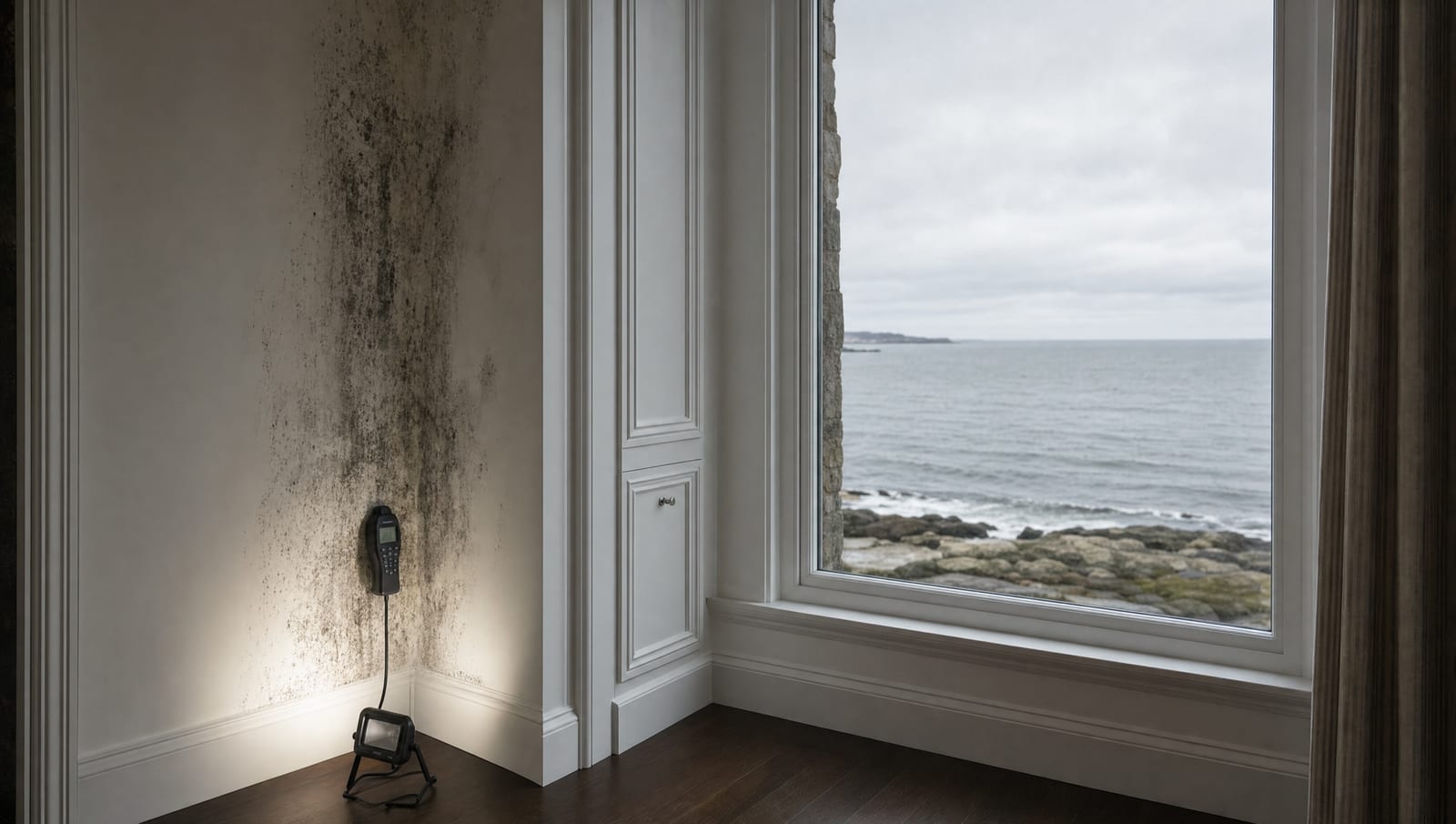
Almost every mold call from a Deal homeowner starts the same way. Someone opens a closed shore house, catches a musty smell, spots a gray bloom in a lower-level closet or along a window frame, and reaches for the easiest explanation: the ocean. It has to be the salt air. Living this close to the Atlantic, mold just comes with the territory, right?
That answer feels reasonable, and it is almost always wrong. Salt air does not seed mold on its own. Mold needs a steady supply of moisture on a surface it can feed on, and "the ocean is nearby" is not a moisture source you can point a meter at. When you treat salt air as the cause, you skip the one step that actually solves the problem: finding where the water is really coming from. This post walks through that investigation the way it plays out in a coastal borough like Deal, from the first "is it salt air or a leak" question all the way to a verified, dry, repaired home.
Where the Water Is Actually Coming From
Here is the part that surprises people. Salt from ocean air is corrosive, and over years it does quietly attack the metal parts of a house. It pits and rusts flashing, fasteners, nail heads, condensate pans, and the coils and cabinets inside HVAC equipment. But that damage is not mold. What it does is open a door. Corroded flashing lets wind-driven rain slip behind a wall. A rusted-through condensate pan drips onto a ceiling. A weakened fastener lets a panel or a window seal work loose. The salt sets up the leak, and then ordinary water, not salt, grows the mold.
So the real question in Deal is never "is it the salt air." It is "what is the water, and where is it getting in." In a coastal home the honest list of suspects is short and findable.
Hover or tap a row to highlight it.
| What owners assume | What is usually happening | How it gets confirmed |
|---|---|---|
| "Salt air causes the mold" | Salt corrodes flashing, fasteners, and HVAC parts, which then leak water | Inspection traces the corrosion to an actual water pathway |
| "It is just coastal dampness" | Ground vapor or high indoor humidity in a closed home condenses on cool surfaces | Moisture meters and humidity readings, not a guess |
| "A storm did it once" | Wind-driven rain or storm entry left concealed materials wet | Thermal imaging and moisture mapping of hidden cavities |
| "The house was fine when we closed it" | A slow leak ran for weeks in a lightly monitored seasonal home | Documented moisture findings on reopening |
Notice what every real cause in that table has in common: it can be measured. A leak, ground vapor, condensation, storm entry, and delayed discovery are all things a technician can find, document, and correct. Salt air is not. That is the whole reason the myth is worth clearing up before any cleaning starts. Under New Jersey and federal guidance, controlling the moisture is the only reliable way to control mold, which means the source has to be found first.
The Suspects Worth Investigating
Roof, flashing, and window leaks top the list, and the coast makes them worse because salt has already stressed the metal that keeps water out. Ground vapor is next: moisture rising into a basement or lower level through the slab and foundation, which then condenses on cool surfaces. Condensation itself is a big one in a closed home, where warm humid air meets cold walls, ductwork, or a chilled surface and turns to water. Storm entry from wind-driven rain and coastal weather can push water into cavities you never see. And delayed discovery ties it all together, because a home that sits closed and lightly watched for a season lets any of these run long before anyone smells the result.
None of this means every home in Deal shares the same problem. Flood exposure, foundation type, and construction vary from one parcel to the next, so the point of an investigation is to find out what is true at your specific address rather than assume the borough-wide story applies to your house.
A Local Decision Sequence, Start to Finish
Once you stop blaming the air, the work becomes an orderly sequence. Each step depends on the one before it, and skipping ahead is how homes end up with mold that keeps coming back. This is deliberately more detailed than a general overview, because a coastal seasonal home has a few twists a standard inland job does not.
From Source to Clearance in a Coastal Home
- 1
Identify the source
Trace the actual water pathway with a moisture meter and thermal imaging before touching the visible mold, so you fix the cause and not just the stain.
- 2
Classify safety and contamination
Judge how large the affected area is, what materials are involved, and whether the water was clean, gray, or storm and flood water, which changes the safety approach.
- 3
Document conditions
Record photos, moisture readings, and the source finding, since seasonal homes, insurance, and future sales all lean on that paper trail.
- 4
Check parcel and municipal constraints
Confirm your parcel's flood status on FEMA and NJDEP maps and check with the Borough of Deal Building Department, including the summer construction moratorium, before scoping repairs.
- 5
Mitigate and remediate
Contain the area, remove porous materials that cannot be saved, HEPA-clean salvageable surfaces, and correct the moisture source.
- 6
Verify dryness and clearance
Confirm the structure is dry to a defined standard and, when warranted, use independent testing before containment comes down.
- 7
Repair and rebuild
Only after the space is verified dry and clean, restore finishes, matching the custom millwork and detail these homes often carry.
Step One: Identify the Source
Everything starts here. A technician inspects beyond the visible growth, using moisture meters to find wet wood or insulation that looks fine to the eye and thermal imaging to spot cool, damp patches inside walls and ceilings. In a Deal home that often means following the water back to corroded flashing, a failing window seal, a sweating duct, or a condensate line, not just wiping down the closet where the smell is strongest. A thorough mold inspection is what separates a lasting fix from a cleanup that fails by the next humid stretch.
Step Two: Classify Safety and Contamination
Not all water is equal, and neither is all mold. Part of the job is judging how much area is affected, what kind of materials are involved, and what category of water caused it. Clean condensation is one situation. Water that sat and turned gray, or storm and flood water that carried contaminants in from outside, is another entirely, and it changes the protective gear, the containment, and what has to be thrown away versus cleaned. Where the species or spore level actually changes a decision, purposeful mold testing answers a specific question rather than adding cost for its own sake.
Step Three: Document Conditions
Documentation matters more on the shore than most people expect. A seasonal home changes hands, gets insured, and gets reopened by different people over the years, and a clear record of what was found, measured, and corrected protects all of that. Photos before work starts, moisture readings, the identified source, the scope, and any exclusions all belong in the file. This is also where honest limits show up: the record states what was verified, not what was assumed.
Step Four: Check Parcel and Municipal Constraints
This is the step a generic mold article leaves out, and it is exactly where Deal differs. Flood exposure here varies parcel by parcel, so it is checked against FEMA and NJDEP maps rather than assumed from the fact that the ocean is close. If reconstruction is on the table, the Borough of Deal Building Department is the authority on permits and inspections, and Deal runs a summer construction moratorium that can affect when rebuild work may proceed. Confirming these constraints early keeps the project from stalling halfway through. Requirements depend on the actual scope and the specific property, so they are verified, not guessed.
Step Five: Mitigate and Remediate
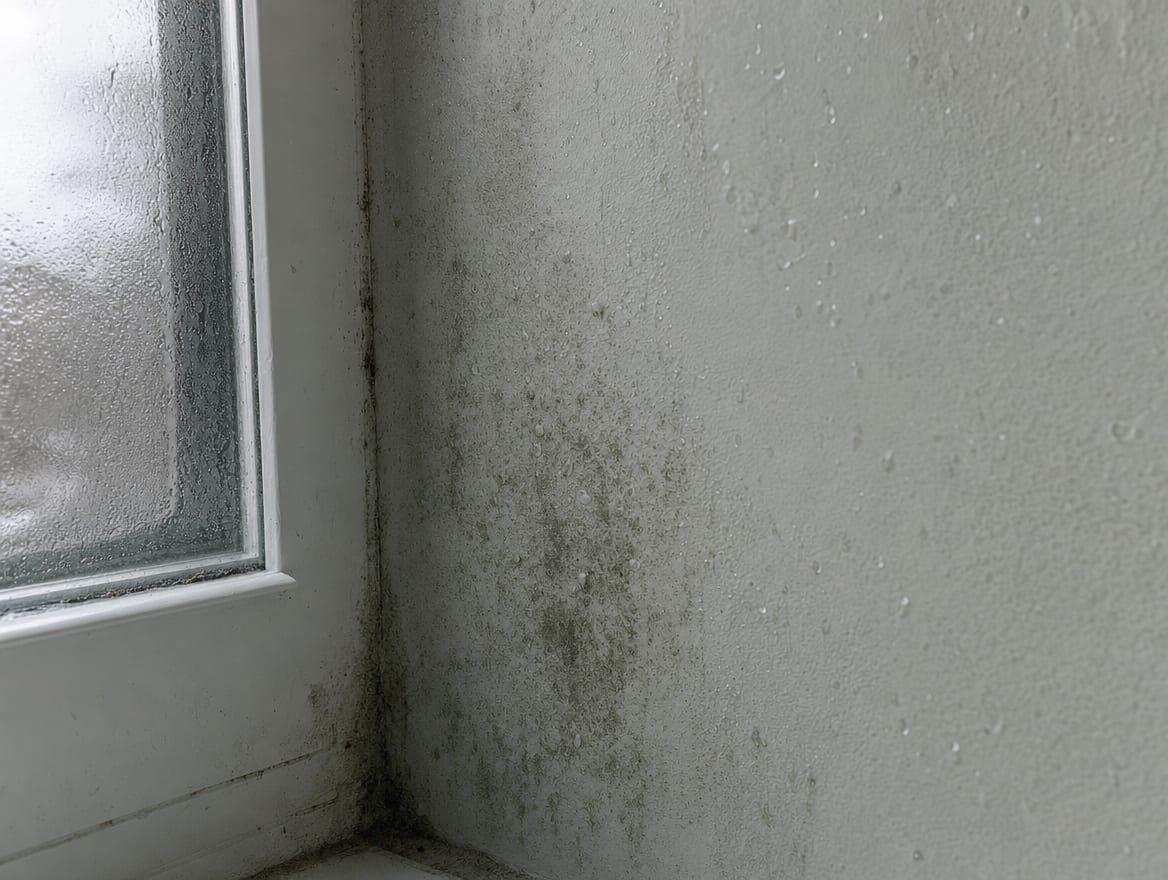
With the source found and the scope set, the physical work follows the IICRC S520 standard. The area is contained with sheeting and negative air pressure so spores do not travel to clean parts of the house. Porous materials that cannot be saved, like soaked drywall or insulation, are removed and bagged. Salvageable surfaces are HEPA-cleaned and treated. And the moisture source itself is corrected, because remediation that leaves the leak in place is not finished.
Step Six: Verify Dryness and Clearance
Before anyone calls the job done, the structure has to be confirmed dry to a defined target, not just dry to the touch. In a closed coastal home, humidity control during this phase matters, because a house that is buttoned up with the air off can hold moisture in the air even after the materials are handled. Where an objective sign-off is needed, independent post-remediation verification confirms that conditions have returned to normal background levels before containment comes down. For homes with sensitive occupants or a pending sale, indoor air quality testing adds another layer of documented assurance.
Step Seven: Repair and Rebuild
Only after the space is verified dry and clean does reconstruction begin. Many Deal homes carry custom finishes, detailed millwork, and high-end interiors, so the rebuild is often about careful matching rather than a quick patch. Doing repair last, after verification, is what keeps you from sealing moisture and mold behind a beautiful new wall.
Where Mold Hides in a Closed Shore Home
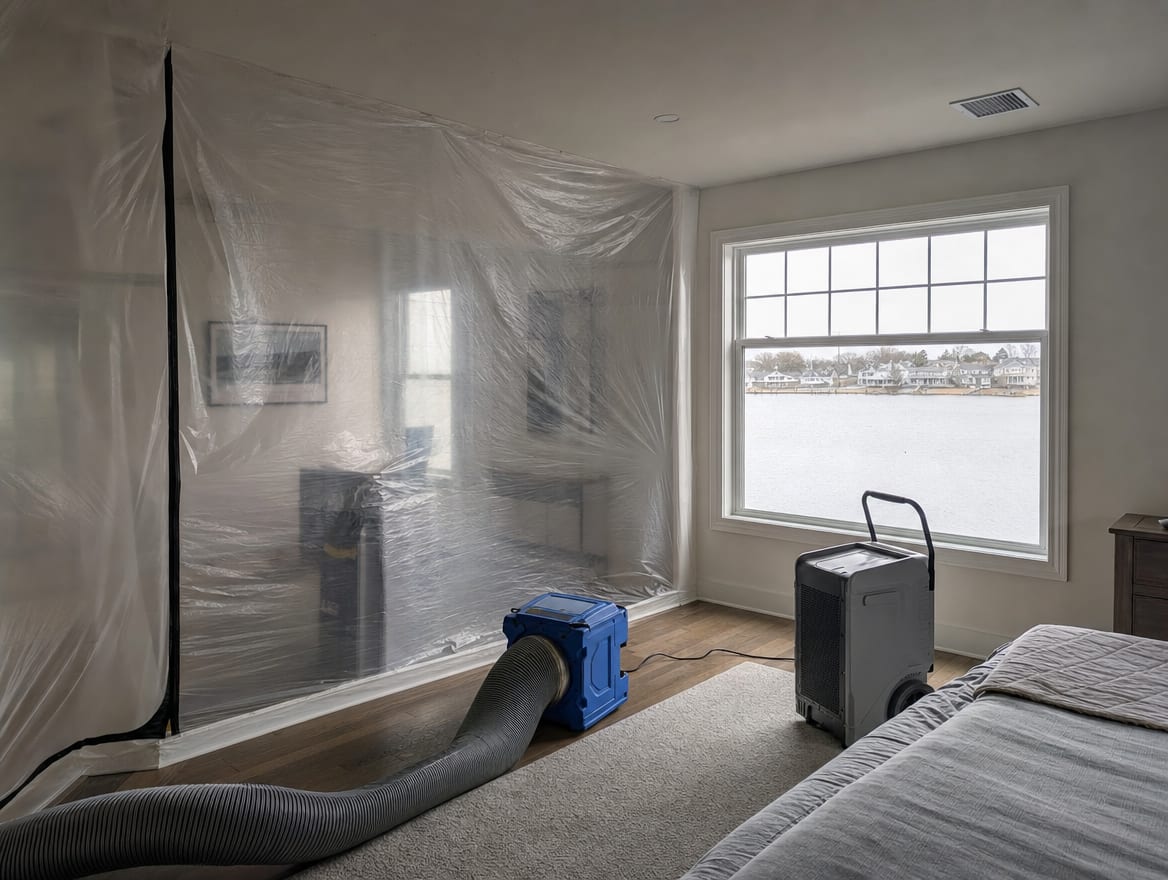
Because so many Deal properties sit closed for stretches, the growth is usually somewhere out of daily view by the time it is found. Knowing where to look, and how to stay safe while looking, saves a lot of guesswork.
Coastal Home Mold Check and Safety Points
Lower levels and basements
Ground vapor and any past water intrusion make below-grade spaces a first place to check for musty odor and staining.
Around windows and doors
Salt-stressed seals and flashing let wind-driven rain in, so frames and the wall just below them are common wet spots.
Near HVAC and condensate lines
Sweating ducts, clogged condensate drains, and corroded pans quietly wet ceilings, closets, and mechanical rooms.
Closed closets and still corners
Poor air movement plus high humidity in a shut home lets condensation settle where no one looks.
Do not disturb it blindly
Scrubbing or opening a moldy wall without containment can spread spores through the house, so scope it before you tear into it.
Protect sensitive occupants
Some people react to damp, moldy spaces more than others, so keep children, older residents, and anyone with respiratory issues away from active work.
The safety note at the bottom is not a throwaway. The most common homeowner mistake is grabbing a spray bottle and attacking the visible patch, which can push spores into clean air and still leave the real leak running behind the wall. Finding the source, containing the area, and correcting the moisture are what actually end the cycle.
Frequently Asked Questions
Does the salt air in Deal actually cause mold?
Not directly. Salt in ocean air corrodes metal parts like flashing, fasteners, and HVAC components, and that corrosion can create leaks. The leak, ground vapor, or condensation is what supplies the moisture mold needs. The fix is always finding and correcting the water source, not blaming the air.
My Deal house is only used in the summer. How would I even know there is a hidden problem?
Closed homes are exactly where slow leaks and humidity build up unnoticed. When you reopen the house, a musty smell, a stain that keeps returning, or any sign of past water is worth an inspection with moisture metering, which can find hidden moisture before it becomes a much larger loss.
How fast do I need to act once I find dampness?
Address anything unsafe and stop the water as soon as it is safe to do so. Federal guidance recommends drying wet materials within about 24 to 48 hours to reduce the chance of mold taking hold, so a quick response genuinely limits the damage.
Do I always need mold testing?
No. Testing is worth doing when it answers a specific question that changes a decision, such as identifying a species, confirming a spore level, or documenting clearance for a sale. It is not a routine add-on for every job.
Will my insurance cover it?
Only your carrier can decide that, based on your policy language, the documented cause, and the coverage you carry. Flood coverage is separate from standard homeowners coverage. Keeping thorough records of the source, the scope, and the work gives your claim the documentation an adjuster needs.
What contractor claims should make me walk away?
Be wary of a price quoted without an inspection, a single-product "cure," a promise that insurance will definitely pay, a guaranteed health outcome, or any plan that skips correcting the moisture source. A real scope starts with finding the water.
When you are ready to stop guessing about salt air and get a clear answer about what is really wetting your home, ExecPro Restoration & Cleaning can help. Our team investigates the moisture source, documents what we find, and handles the work through verification and rebuild for Deal and the surrounding shore. Call (888) 300-3772 or reach out through our contact page to schedule an assessment.
Coastal Mold Terms
Tap a term to see what it means.
IICRC S520. The professional standard that guides mold remediation, covering assessment, containment, removal, and verification.
Serving Deal
ExecPro Restoration & Cleaning provides mold remediation services in Deal, NJ, from inspection and testing through removal, drying, and post-remediation verification. Call (888) 300-3772 for 24/7 emergency response.
Related Articles
Reopening a Deal NJ Shore Home: When Air Quality Testing Answers a Real Question
Reopening a closed Deal NJ shore home? Learn when air quality testing helps after vacancy, humidity, a storm, or renovation, and what a test cannot tell you.
Property Management Mold Services in Deal NJ: A Seasonal-Home Protocol
A repeatable mold protocol for managers of seasonal Deal NJ homes: pre-arrival inspections, remote humidity monitoring, emergency access, and owner reporting.
Structural Mold Repair in Deal NJ: Clean, Reinforce, or Call an Engineer
Structural mold repair in Deal NJ starts with one decision: is framing cleanable, decayed, or a job for a licensed engineer. Here is how to tell.