Mold Inspection in West Windsor, NJ: What It Settles That Looking Cannot
Cal HewittPublished Updated
- mold inspection
- moisture source
- housing stock
- west windsor nj
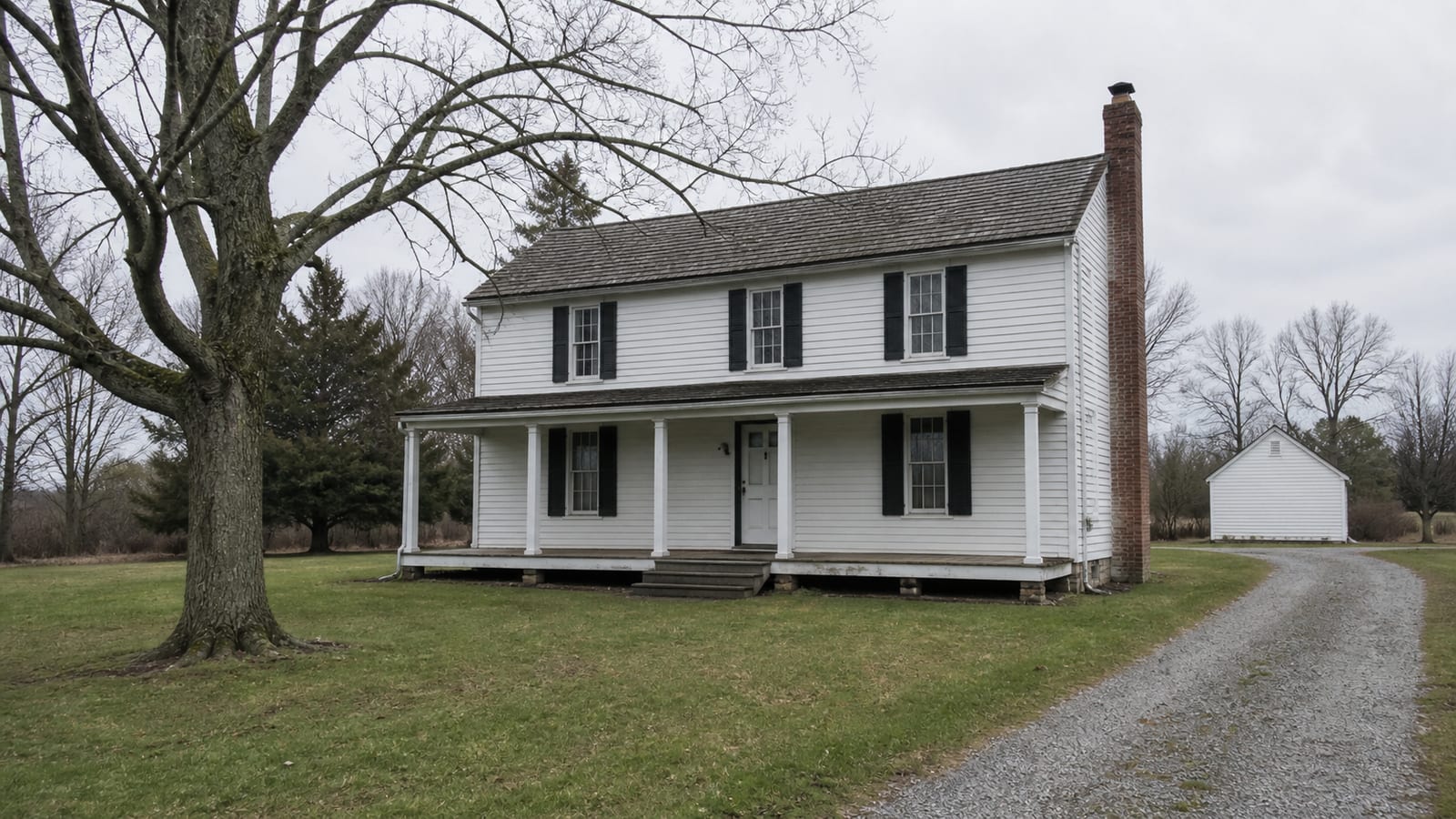
You have seen a mark on a wall, or something smells earthy in a room that never used to smell of anything, and the next decision is oddly hard. Do you need somebody to look at it, do you need it tested, or do you just need the leak fixed. The worry underneath is reasonable: paying for a report that confirms what you already suspect and settles nothing. So it is worth being specific about what an inspection actually produces, because the useful part is not the confirmation that mold is present. It is the moisture source, the extent behind what you can see, and a written record of both.
Key Takeaways
Where growth is visible, New Jersey's own guidance says a test is not needed
to decide that the moisture problem and the contamination require correcting.
The report is the deliverable, not the verdict
scope, locations, estimated affected area, substrates, moisture sources and corrective actions.
There is no pass mark
no federal numerical standard exists for airborne mold, and the state says the amount needed to cause health problems is not known.
What Can an Inspection Settle That Looking Cannot?
Three things, and none of them is "is that mold".
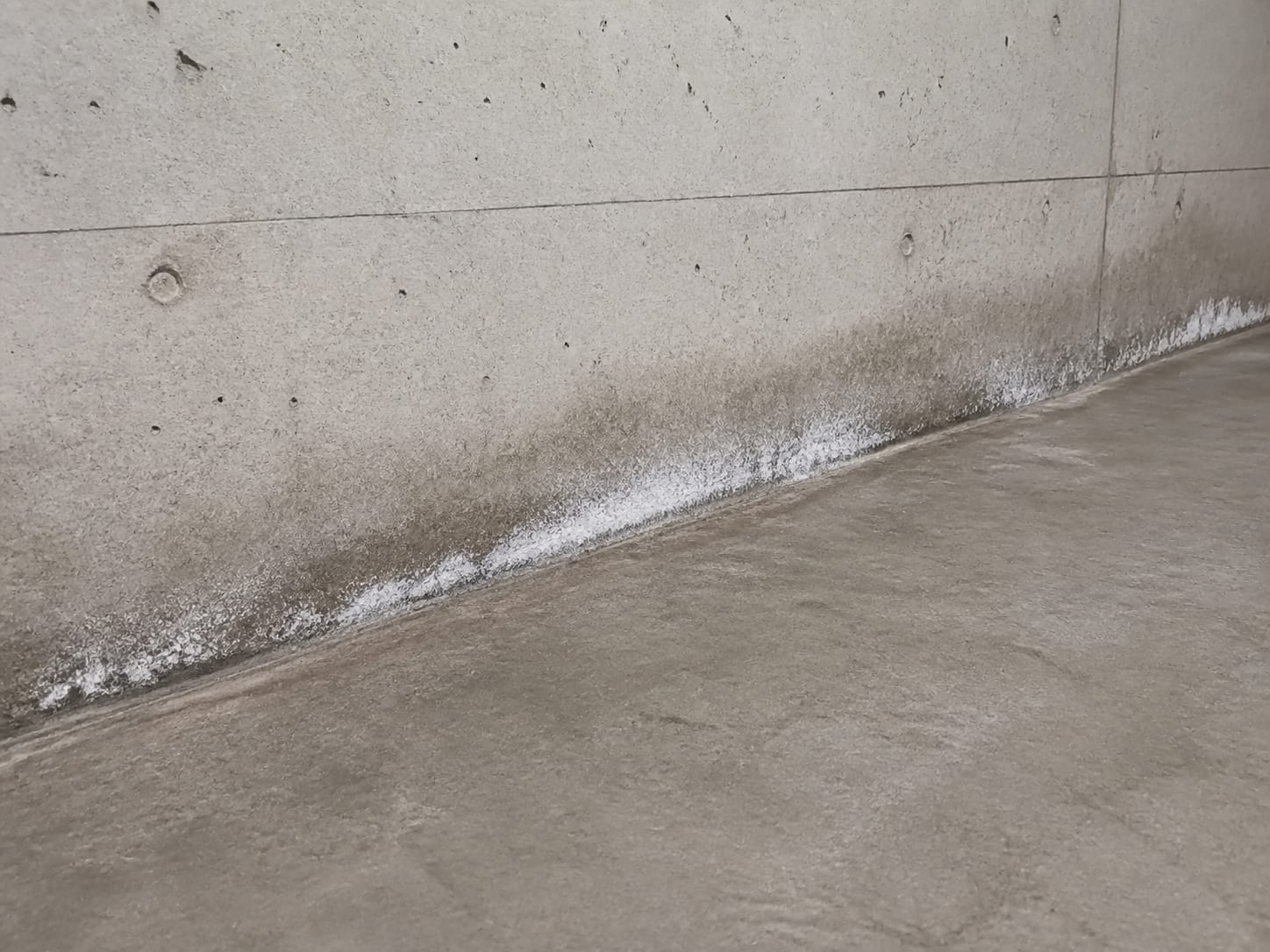
Where the water is coming from. The New Jersey Department of Health's position is that mold problems occur where there is excess water, and that an inspection is recommended when the source cannot readily be traced. That is the whole job in one sentence. Growth is the symptom being read backwards to a leak, a drainage condition, a failed seal or a humidity problem.
How far it actually goes. What is visible on a surface is the part that reached a surface. A moisture assessment establishes the apparent extent, including where it has travelled into materials that look fine from the room.
What you now have in writing. NJDOH's resident guideline sets out what the report should carry: the inspection scope and areas inspected, the techniques used, the mold conditions and their locations, the estimated affected area and the substrates involved, and the moisture sources with the corrective actions they call for. It also says that information about contaminants associated with sewage leaks or floodwater belongs in the report where that applies.
That last item is why the report outlives the job. It is what a contractor scopes from, what an insurer reads, and what a buyer's inspector asks for three years later.
What Should You Write Down Before Anyone Comes Out?
The inspection is better when it starts from a history rather than from a cold look at a wall, and you are the only person who has that history.
Note when you first noticed it and whether it has changed. Note any water event, however minor it seemed: an appliance that overflowed, a roof that was repaired, a pipe that dripped for a week, a basement that took water once. Note whether the smell is worse in particular weather, after rain, or when the heating or air conditioning runs. Photograph what you can see, dated.
What to Write Down Before the Visit
When you first noticed it
And whether it has changed since.
Any water event
However minor it seemed: an appliance that overflowed, a roof that was repaired, a pipe that dripped for a week, a basement that took water once.
What the smell does
Whether it is worse in particular weather, after rain, or when the heating or air conditioning runs.
Dated photographs
Of whatever you can see.
Records from a past water loss
The claim, the invoices, and the scope of what was dried.
If the property has had a water loss, dig out whatever exists from it. The claim, the invoices, the scope of what was dried. A previous drying job that stopped short is one of the more common findings, and knowing it happened saves an inspection from re-deriving it.
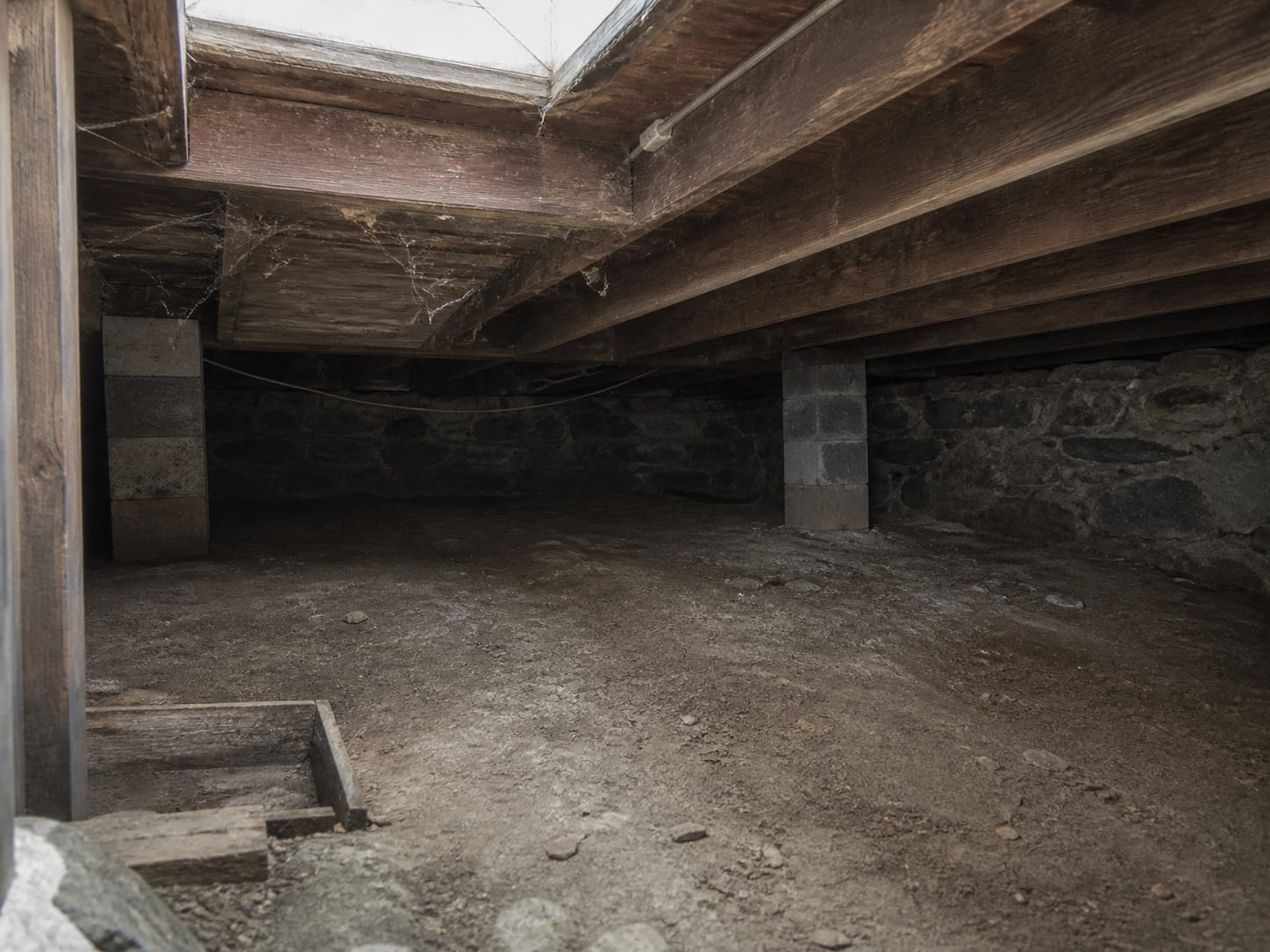
Two small cautions. Do not paint over it or clean it away before somebody looks, because that removes both the evidence and the extent. And do not tear anything open to investigate; opening a wall changes a contained condition into a distributed one.
What Kind of Building Is This, Actually?
Here is the local question that matters more here than the town name does, and it is a question about your specific property rather than about West Windsor as a place.
The Township's 2025 land use map separately names single-family detached, age-restricted detached, single-family attached and townhouse, multifamily, age-restricted multifamily, HOA property, commercial, office, industrial and mixed-use categories. That is not a planning detail. It decides who controls the wall the moisture is arriving through, who may authorise opening it, and whose insurer is involved.
The age mix matters just as much. The Township's own reexamination report, working from 2015 five-year estimates, puts 75.29% of the housing stock as built since 1980, with 2,783 units from the 1980s, 2,251 from the 1990s and 2,145 from the 2000s. But the same figures record 342 units built in 1939 or earlier, plus 165 in the 1940s, 434 in the 1950s and 602 in the 1960s. So West Windsor holds two quite different building problems side by side. A tight post-1980 house tends to produce moisture problems of mechanical ventilation and air movement. A pre-war house tends to produce them at the envelope, at older drainage, and where later work met original construction.
Hover or tap a row to highlight it.
| Period built | Housing units |
|---|---|
| 1939 or earlier | 342 |
| 1940s | 165 |
| 1950s | 434 |
| 1960s | 602 |
| 1970s | 948 |
| 1980s | 2,783 |
| 1990s | 2,251 |
| 2000s | 2,145 |
Neither of those is a diagnosis, and the numbers above are dated estimates rather than current parcel records. What settles the construction and moisture history of any single address is the property record, the permit history, and somebody physically looking. It is also worth saying plainly that no published townwide count of basements or crawl spaces in West Windsor exists, so anybody quoting you one has made it up.
When Does a Laboratory Test Add Anything?
Sometimes a test adds a great deal, and sometimes it adds a line item. Knowing which you are in saves money and gets the problem fixed sooner.
Where visible mold is found, NJDOH says additional testing is not necessary to decide that the moisture problem and the contamination need correcting. That is good news rather than a caveat, because it means you can go straight to the part that helps: establishing where the water is coming from, how far it has gone, and what correcting it takes. NJDOH also says sampling alone does not usually establish the extent of a mold and moisture problem, and extent is the thing most people hope a test will settle. The assessment is what settles it.
Where sampling genuinely earns its place is narrower. NJDOH describes it as something to consider when mold is still suspected after a visual inspection has found none, and says it should be planned as part of the investigation rather than run as a standalone product. Air, surface, dust and bulk samples each answer different questions, and a sample without a reasoned plan behind it produces a number attached to nothing.
There is also no line to clear. No federal numerical standard exists for airborne mold, so nobody can hand you a pass or a fail, and NJDOH is explicit that it is not known how much mold is needed to cause health problems. That is exactly why the moisture finding is the useful output: it is the part of this that can be measured, located and corrected. Where a documented result is genuinely the point, for a dispute, a transaction, a claim or a clearance after remediation, testing is worth doing, and it works best planned into the investigation rather than bought on its own.
What Happens Between the Inspection and the Repair?
An inspection that ends at a report has done half a job. The sequence that follows it is where the findings turn into work.
From Suspicion to Corrected Condition
- 1
History and site walk
Your notes, the water history, and a look at the areas the moisture would reach.
- 2
Visual and moisture assessment
Areas affected by infiltration, leakage or excess moisture, with readings rather than impressions.
- 3
Extent and source established
Where it goes behind the visible edge, and what is feeding it.
- 4
The written report
Scope, techniques, conditions and locations, estimated area, substrates, moisture sources, corrective actions.
- 5
Scope decision by area
NJDOH treats under 10 square feet as often resident-manageable, 10 to 100 square feet as warranting professional opinion, and over 100 square feet as work for a qualified contractor.
- 6
Correct the moisture source
The step that decides whether any of this recurs.
- 7
Remediate, then verify
With documentation kept for the claim, the association, or a future sale.
One local note on timing, because it gets confused. There is no published West Windsor standard for how long a mold inspection or a report takes. What the Township does publish are permit review targets: 20 business days for an initial or critically deficient submission, seven for a resubmission, and 10 for a complete certificate of occupancy application. Those attach to regulated construction work that may follow, not to the inspection, and a construction permit is required before regulated work begins unless it is ordinary maintenance or otherwise exempt.
What Changes the Scope Without Inventing a Price?
No credible published source gives a West Windsor mold inspection price, and this page will not manufacture a range from advertisements. What it can do is tell you what makes one inspection different from another:
- How many suspect areas there are, and how reachable they are. A crawl space, an attic and a finished basement are three access problems.
- Whether growth is visible or the suspicion is concealed. Finding something hidden is a different piece of work from documenting something in plain sight.
- Whether a sampling plan is justified, and if so where and what type.
- The extent, the substrates and the moisture source that end up in the report.
- Whether sewage or floodwater may be involved, which brings other contaminants into scope.
Worth repeating that NJDOH's 10 and 100 square foot thresholds are about cleanup decisions, not about pricing an inspection. They tell you who should do the removal, not what looking at it should cost.
Hover or tap a row to highlight it.
| Affected area | What NJDOH points to |
|---|---|
| Under 10 square feet | Often resident-manageable |
| 10 to 100 square feet | Professional opinion should be sought |
| Over 100 square feet | A qualified contractor experienced in mold and environmental cleanup |
Do You Need HOA or Township Permission First?
For the inspection itself, almost certainly not, and it is worth knowing that before anybody delays over it.
No townwide West Windsor requirement was found that an owner obtain HOA approval merely to conduct a mold inspection. What does exist is a zoning permit form carrying an HOA approval field where applicable, which bears on proposed work, not on having somebody assess a condition. If you are in a townhouse, condominium or HOA property, the governing documents and the actual suspected common element settle whether the association needs to be involved, and the honest answer is often that they will want to be, because the wall may not be entirely yours.
No historic-district restriction specific to mold inspection was identified either. Where later work is proposed, that is a separate question for the Township.
Frequently Asked Questions About mold inspection West Windsor NJ
Do I need a mold inspection or a mold test?
An inspection in almost every case, because it establishes the source and the extent, and those are what the repair is scoped from. If you can already see growth, New Jersey's guidance is that a test is not needed to decide the correction, so the money goes further on finding the water. Testing earns its place where mold is still suspected after a visual inspection found none, or where a documented result is needed for a dispute, a transaction or a clearance. We do both, and we will tell you which one your situation calls for.
What will the report actually tell me?
The areas inspected and the techniques used, the conditions and where they are, the estimated affected area and the materials involved, the moisture sources, and the corrective actions those call for. Where sewage or floodwater may be involved, that belongs in it too.
Can an inspection tell me whether the mold is making my family ill?
No, and neither can a laboratory sample. NJDOH says it is not known how much mold is needed to cause health problems, and no inspection diagnoses an illness. Health questions belong with a clinician; the inspection answers the building question.
Is there a safe spore count I should be looking for?
There is no federal numerical standard for airborne mold, so no result can be compared against an official limit. Where sampling is used, the meaningful comparison is usually an indoor result against an outdoor control taken the same day, and interpreting it is a judgement rather than a measurement against a line.
My house was built in the 1990s. Is mold less likely?
Not less likely, differently caused. Most West Windsor housing is post-1980, and a tighter house depends more on mechanical ventilation working properly, so a fan ducted to nowhere or an air path through the ceiling plane becomes the live risk. The Township's figures also record several hundred homes built before 1940, where the questions sit at the envelope and the drainage instead.
Should I clean it off before the inspection?
No. Cleaning removes both the evidence and the extent, and it does nothing about the water that produced it. Photograph it, leave it, and let somebody read it backwards to the source.
Test Your Mold Inspection Knowledge
1. If visible mold is found, what does NJDOH say about additional testing?
2. Does a federal numerical standard exist for airborne mold?
3. What share of West Windsor housing was built since 1980, in the Township's reexamination report using 2015 estimates?
4. Should you clean the mold off before an inspection?
5. At what affected area does NJDOH point to a qualified contractor?
Pick an answer to begin.
Mold Inspection Terms
Tap a term to see what it means.
Moisture assessment. The part of an inspection that establishes the apparent extent of a problem, including where moisture has travelled into materials that look fine from the room.
Final Thoughts
A mold inspection is worth having when you need to know where the water is coming from and how far the problem goes, which is almost always the case and is never answered by looking at a stain. It is not worth having as a way of proving that visible growth is really growth, and the state's own guidance says so. The deliverable is a written record of source, extent, substrates and corrective actions, and that record is what the repair is scoped from and what answers questions years later.
In West Windsor the first useful question is what kind of building you have, because a post-1980 house, a pre-war house and a townhouse with shared elements each put the moisture problem somewhere different and each involve different people in fixing it.
If something smells wrong or a mark has appeared and you would rather know what is behind it, we will come and look properly and put it in writing. ExecPro Restoration & Cleaning has inspected and remediated across Mercer County since 2015, from Princeton Junction NJ through West Windsor NJ, Princeton NJ, Plainsboro NJ, Hightstown NJ and the surrounding towns. Call ExecPro Restoration & Cleaning at (888) 300-3772 or get in touch. We can also handle the moisture correction and the remediation that the report calls for, so the findings do not sit waiting for a second contractor.
Serving West Windsor
ExecPro Restoration & Cleaning provides mold remediation services in West Windsor, NJ, from inspection and testing through removal, drying, and post-remediation verification. Call (888) 300-3772 for 24/7 emergency response.
Related Articles
A Musty Smell With No Visible Mold: How to Track Down the Source
Musty smell but no visible mold? Check these places tonight, learn what a moisture inspection covers, and know when to call. A New Jersey guide.
Mold Inspection in Trenton, NJ: Tracing the Water Before Anyone Opens a Wall
Before anyone opens a wall, a mold inspection in Trenton, NJ traces where the water came from. See what it covers, what it cannot see and what it costs.
Mold Inspection in Robbinsville, NJ: Leaks, Condensation or Seepage, and What an Inspector Checks
Most of the township's land sits outside the mapped floodplain, so a musty room usually traces to a leak. See what mold inspection in Robbinsville, NJ checks.