Mold Inspection in Livingston, NJ: What It Can Confirm and What It Cannot
Cal HewittPublished
- mold inspection
- moisture assessment
- livingston nj
- essex county
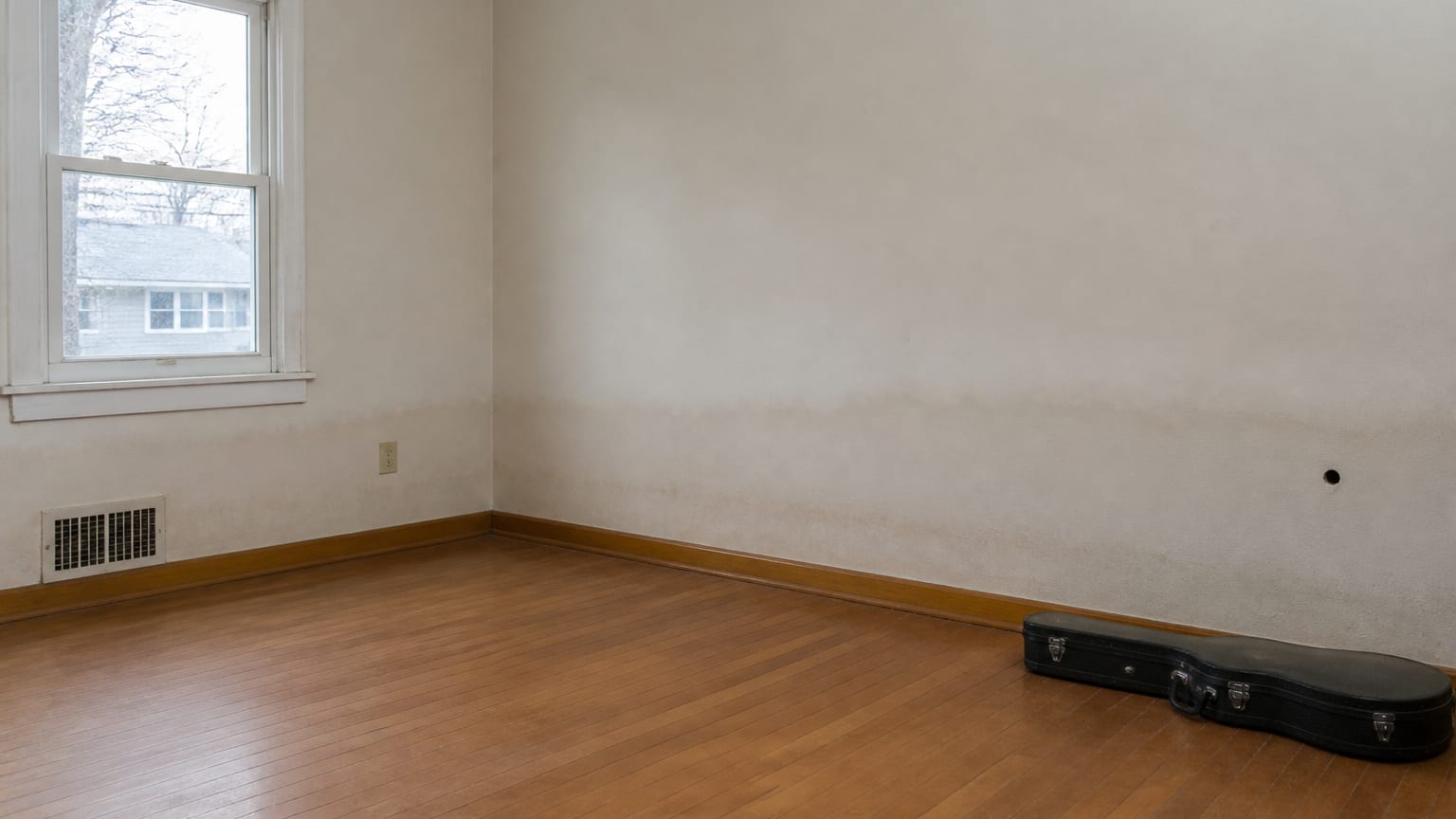
Start with the honest part. A mold inspection cannot tell you that your Livingston house is mold free. It cannot tell you what is happening inside a wall cavity nobody opened. It cannot tell you whether the cough your daughter has had since March is connected to the basement. And it cannot clear a property for a sale, a claim, or a code review.
That list sounds like a reason to skip the whole thing. It is actually the reason to take it seriously. An inspection that promises less is telling you the truth about a building, and a truthful picture of one address is worth far more than a confident label applied to a whole house.
What it does give you is a map. It shows where water is getting in or staying put, which materials have taken it on, what an inspector could see and reach on the day, and what stayed closed off. From that you decide whether your next move is a repair, a controlled cleanup, a targeted test, or opening something up to look further. That decision is the product.
Hover or tap a row to highlight it.
| What it can establish | What it cannot establish | Why the line falls there |
|---|---|---|
| Visible growth, staining and odor in accessible areas | That no hidden cavity anywhere in the building is affected | An inspector reports what can be seen and reached, and lists the areas that were closed off |
| A likely moisture pathway, such as a roof entry point or a leaking fixture | Exactly when the water first arrived | Evidence like staining shows history, but not a date, unless a water loss was recorded |
| Which materials are wet or damaged right now | Whether a source that has since been repaired was ever active | Readings describe conditions on the day of the visit |
| Whether a sample would answer a defined question | A health diagnosis for anyone in the building | The EPA has not set health based standards for indoor mold spore levels, and symptoms belong to a clinician |
| A dated record of conditions, photos and access limits | An insurance decision or a construction code clearance | Coverage depends on your policy and loss facts, and code questions go to the Livingston Building Department |
Moisture Comes First, Mold Comes Second
The reason a good inspection spends so much time on water is that mold is the downstream event. The EPA's guidance on mold and moisture treats moisture control as the key to mold control. Growth is a signal that something in the building stayed wet long enough to support it. Find the water and you have found the problem. Identify the mold without finding the water and you have found a symptom you will meet again.
That order changes how the visit feels. An inspector doing this properly spends less time photographing the spot you pointed at and more time asking where it sits in relation to a roof plane, a supply line, an appliance, a foundation wall, a bathroom fan, or an HVAC condensate line. The visible patch is a starting point, not the finding.
It also explains one of the most useful things in the EPA's position here. When mold is visible and the moisture is obvious, routine sampling is often unnecessary before corrective action. Paying for a lab result to confirm what is already in front of you rarely changes what happens next.
Your Building Sets the Questions, Not a Checklist
Livingston has 10,699 housing units in the Census Reporter profile for the township, and the township's own construction record form recognizes single family, multifamily and commercial classifications. Those are not trivia. They are the reason a single residential checklist does not fit every job in town.
An occupied finished basement raises different questions than a utility basement. A shared wall in a multifamily building raises questions a detached house never does. A commercial ceiling plenum, an attic, a crawl space and an appliance room each carry their own access problems and likely water sources. The first job of an inspection is to work out which building it is standing in.
Age can guide the conversation without proving anything. An older home may carry renovations, roof work and plumbing changes, along with finishes that now conceal what is behind them. Newer work can change ventilation, drainage, or the ability to reach a space at all. Either way, the useful output is a record of what is actually there: the assemblies you can observe, the work recently done, the leaks the owner remembers, and the areas nobody could get to.
Livingston Is Inland, So the Water Story Is a Building Story
Livingston sits inland in Essex County. There is no storm surge explanation to fall back on here, which is helpful, because it forces attention onto the pathways that actually matter at a specific address: rain entering at the roof, a wall or a window, plumbing and appliance leaks, water at the foundation or the lower level, condensation on cold surfaces, HVAC condensate, humidity, and materials that got wet and were never dried in time. Each leaves different evidence in a different place.
A past severe weather event is worth raising in the history. New Jersey's Hurricane Ida recovery documentation is a reasonable prompt for the question, "did this property take water then?" It is not evidence that yours did. What settles it is what the inspector finds at the assembly: staining, elevated readings, a reported roof leak, or a documented water loss. Weather sets the context. The building supplies the proof.
How a Livingston Inspection Actually Runs
- 1
Start with the complaint and the history
What you noticed, when you noticed it, what has been repaired before, and any water events or leaks you can recall at the address.
- 2
Walk the accessible areas
Rooms and assemblies that can be reached and viewed, with photographs of what is observed rather than a summary judgment.
- 3
Chase the moisture indicators
Readings and observable evidence at suspect assemblies, worked back toward a likely source instead of stopping at the visible patch.
- 4
Take in the materials, HVAC and ventilation context
What the affected materials are, how air and condensate move through the space, and how that connects to the wet locations.
- 5
Write down the limits with the findings
Which areas could not be accessed, what methods were used, and which questions remain open after the visit.
What Lands in the Report
A useful report is specific and dated. It names the rooms and assemblies viewed, includes photographs, records odor and water evidence where those were observed, states the methods used, and says plainly which areas were inaccessible, because that is where the next round of investigation usually starts.
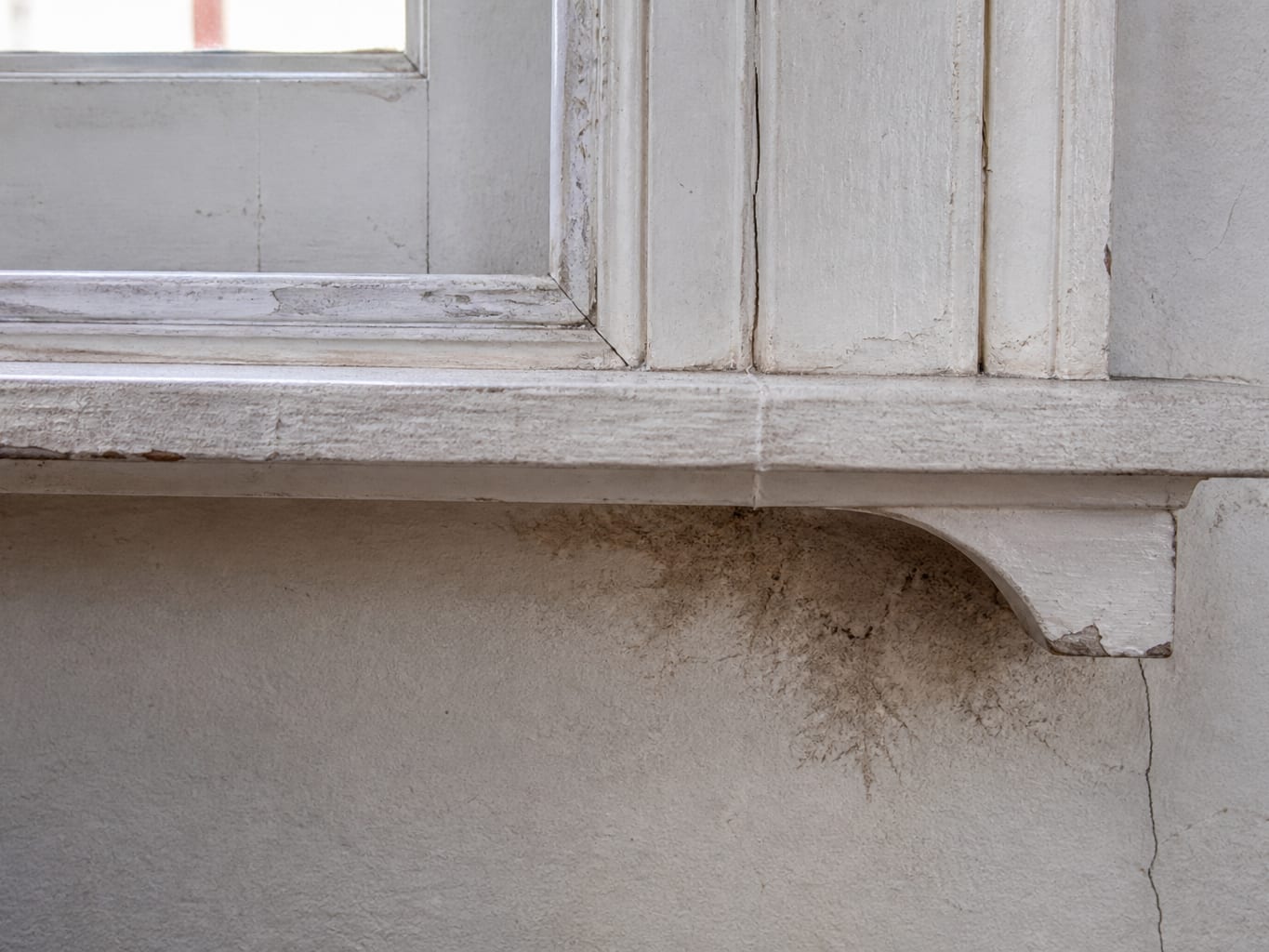
If sampling was part of the visit, the report explains the question the sample was meant to answer and the limits of the answer it gave. A sample supports a source investigation. It does not replace one.
Then it does the part owners care about most. It separates observed condition from source hypothesis from recommended follow up. You get to see which parts are facts, which parts are the inspector's reasoning, and which parts are the proposed next step. Those three blur together in a weak report, and once they blur you cannot tell what you are paying for.
The Limits, Stated Plainly
An inspection report is documentation. It is not a code clearance, a health finding, an insurance determination, or a transaction certificate.
On health, the EPA has not set health based standards for acceptable indoor mold spore concentrations, which is exactly why a number on a page cannot be read as a verdict. The agency does note that people with asthma, allergies or immune suppression may have particular concerns about mold. An inspection can identify moisture and materials that need attention so exposure can be reduced. Individual symptoms need a clinician, not a report.
On construction, a visual assessment does not by itself establish what permits your project needs. If the work that follows changes plumbing, electrical, mechanical, structural or occupancy conditions, that gets confirmed with the Livingston Building Department. The township's construction record request can show open or closed permits at an address, useful history that says nothing about current moisture conditions.
On insurance, coverage turns on your individual policy and the facts of the loss. Keeping the report with photos, receipts, repair records and claim correspondence is worth doing. Treating it as a coverage decision is not.
Red Flags Worth Recognizing
Some inspection habits tell you what you are dealing with before the report arrives. Identifying mold or a species from a photograph alone is one. A pass or fail conclusion with no assessment of the moisture source is another, because a grade without a cause gives you nothing to act on. So is any promise that no hidden condition exists anywhere in the building, which is a claim no accessible visual inspection can support. Broad testing recommended without a stated question is a fourth, since sampling that is not tied to something you are trying to find out tends to produce a number and a bill rather than a decision.
The most common technical miss is narrower than any of those. It is inspecting the visible spot and never following the water: not checking the roof, the plumbing fixture, the appliance, the basement wall, the HVAC component, or the bathroom exhaust that could be feeding it.
One more thing worth knowing locally. New Jersey has no state certification program for mold companies, so certification logos on a proposal are not a state license. What you can evaluate directly is the written scope: what areas it covers, what questions any testing answers, what the report will contain, what is excluded, and whether opening finishes or repair work is part of the price.
What the Inspection Costs Depends on What You Are Asking It to Do
There is no flat number for this work, because "a mold inspection" describes a range of jobs rather than one task. The variables are building size and layout, how many suspect areas there are, whether the attic or crawl space can be reached, whether tenants or a commercial schedule need coordination, how much moisture diagnostic work is involved, the HVAC context, whether anything gets opened up, whether sampling and lab work are justified, how detailed the report is, and whether follow up review is included. Timing moves with the same factors.
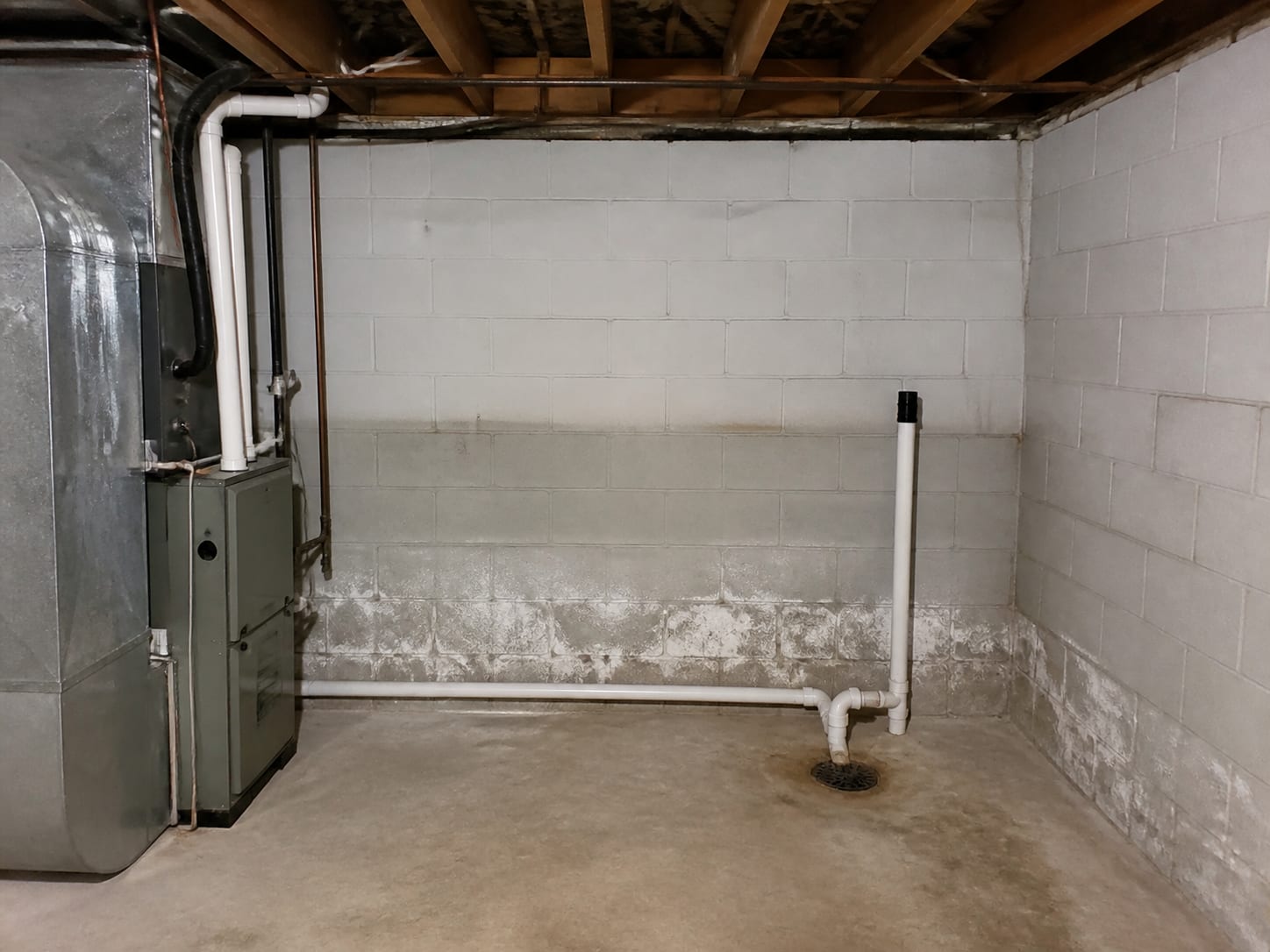
A pre purchase look at accessible areas is a different job from a multi zone commercial investigation, which is different again from an assessment after a water event. The proposal is where these get defined. It is also where the EPA's point about routine sampling can save you money, since visible mold with an obvious moisture source may warrant correcting the source rather than paying to confirm what you can already see.
What Happens After the Report
The findings decide the route, which is the whole reason the inspection comes first.
If a defined indoor air question is still open after the building review, that is when indoor air quality testing earns its place. It answers a specific question the walk-through could not, and it is a follow up rather than a substitute. If the inspection documents conditions that need controlled removal, the route runs into remediation. If water is still active or recent, extraction and drying come first.
If a specific environment is driving the problem, an attic, a basement, a crawl space or a commercial space, the work narrows to that environment. If corrective work reveals damage to framing or finishes, repair and rebuild follow. Details of the assessment itself are on the mold inspection service page, and the wider local picture is on the mold remediation page for Livingston, NJ.
Frequently Asked Questions About Mold Inspection in Livingston, NJ
Does a mold inspection prove my Livingston house is safe?
No. It documents conditions in the areas that could be accessed on the day of the visit, along with the areas that could not. A report claiming no hidden condition exists anywhere overstates what an accessible visual inspection can support. The value is an accurate picture of one address, not a clean bill of health.
Do I need air sampling as part of the inspection?
Not automatically. The EPA notes that routine sampling is often unnecessary when mold is visible and the moisture source is obvious. Sampling makes sense when there is a specific question the visual and moisture assessment left open. If nobody can tell you what question a proposed test answers, that is a reason to ask before agreeing to it.
What does the inspector actually look at?
The complaint and the property history first, then the accessible rooms and assemblies, then moisture indicators worked back toward a likely source, then the materials, HVAC and ventilation context around the wet locations. The report records what was viewed, what was found, the methods used and the areas that were inaccessible.
Will an inspection tell me whether my family is getting sick from mold?
It cannot. The EPA has not set health based standards for indoor mold spore concentrations, and no report can connect a condition in a building to symptoms in a person. What an inspection can do is identify moisture and affected materials so the conditions can be corrected. Health questions belong with a clinician.
Does my inspection mean I need a permit?
A visual inspection on its own does not establish permit requirements. If the repair work that follows changes plumbing, electrical, mechanical, structural or occupancy conditions, those requirements get confirmed with the Livingston Building Department. The township's construction record request can also show open or closed permits at your address as separate history.
Is a pre purchase inspection different from one after a water event?
Yes, and the difference is scope. A pre purchase inspection covers accessible areas to inform a decision within a limited window. An assessment after a water event follows where the water travelled, which materials took it on, and whether the source is still active. Both are visual and moisture based, and they ask different questions.
Test What You Know About Mold Inspections
1. What does a mold inspection focus on first?
2. According to the EPA, when is routine sampling often unnecessary?
3. What is a red flag in an inspection report?
4. Can an inspection report settle an insurance claim?
5. Why does a report list the areas that were inaccessible?
Pick an answer to begin.
Final Thoughts
The reason to start with what an inspection cannot do is that it makes the rest believable. A report that says "here is what I saw, here is where I think the water is coming from, here is what I could not reach, and here is what I would do next" gives a Livingston owner, buyer, seller or property manager something to act on. A report that says the building is fine gives you nothing you can check.
Get the moisture question answered accurately and everything downstream gets easier. Repairs get scoped to the real problem, and any testing you pay for answers a question you actually have.
When you want that picture of your own building, the team at ExecPro Restoration & Cleaning can walk the property, trace the moisture, document what is there along with what could not be reached, and tell you plainly which next step the findings support. Call (888) 300-3772 or send us a message through our contact page to get the assessment scheduled.
Mold Inspection Terms
Tap a term to see what it means.
Accessible area. A space or surface the inspector can physically reach and view without opening finishes or removing materials.
Serving Livingston
ExecPro Restoration & Cleaning provides mold remediation services in Livingston, NJ, from inspection and testing through removal, drying, and post-remediation verification. Call (888) 300-3772 for 24/7 emergency response.
Related Articles
What an Inspection Will Actually Tell You: Mold Inspection in Plainsboro, NJ
What a Plainsboro mold inspection finds, what it costs, how to get access in a shared building, and how to use the report with a landlord, buyer or insurer.
A Map of the Water: Mold Inspection in Alpine, NJ
An inspection here is worth what it establishes about where water enters and travels, which on a large Alpine lot with shallow rock and a septic field is a longer list than most people expect.
Black Mold Removal in Livingston, NJ: What Sets the Scope and What It Costs
Found a dark patch in a Livingston, NJ home? What sets the scope of the removal, what it costs, and how the water source gets found and corrected.