Mold Inspection in Bridgewater, NJ: Where the Inspector Needs to Look in Your Home
Cal HewittPublished Updated
- mold inspection
- sampling
- hoa condo
- bridgewater nj
- new jersey
There is a musty smell in the hall closet, or a stain has appeared on the ceiling, and you are trying to decide whether a mold inspection in Bridgewater, NJ is worth paying for. If you live in a townhouse, condo or apartment, there is a second question: is the problem in your unit, in a neighbor's, or inside a shared wall or roof, and who has to let the inspector in? An inspection is useful when it answers one of those questions. It locates moisture and growth, it tells you how far the problem reaches, and it gives you something to act on. What it can reach depends on the building you live in, and that is the best place to start.
Key Takeaways
Structure type sets the scope
Bridgewater's housing runs from detached houses to shared-wall townhouses and buildings of 20 or more units, and each has different places an inspector must reach.
Access is often someone else's decision
In an attached or multifamily building, ask the association or property manager about access, common-area responsibility and repair approval before you book anyone.
An inspection finds moisture and growth
It cannot give you a health-based safe airborne level, because EPA reports no federal limits for airborne mold.
Price a lab sample separately
Angi reports a national inspection range of $303 to $1,045, so ask any quote to separate the inspection from laboratory work.
Insurance and permits come later
The inspection itself is not a permit event in Bridgewater, but repairs that follow it can be.
Where an Inspection Has to Go in a Detached, Attached or Shared Building
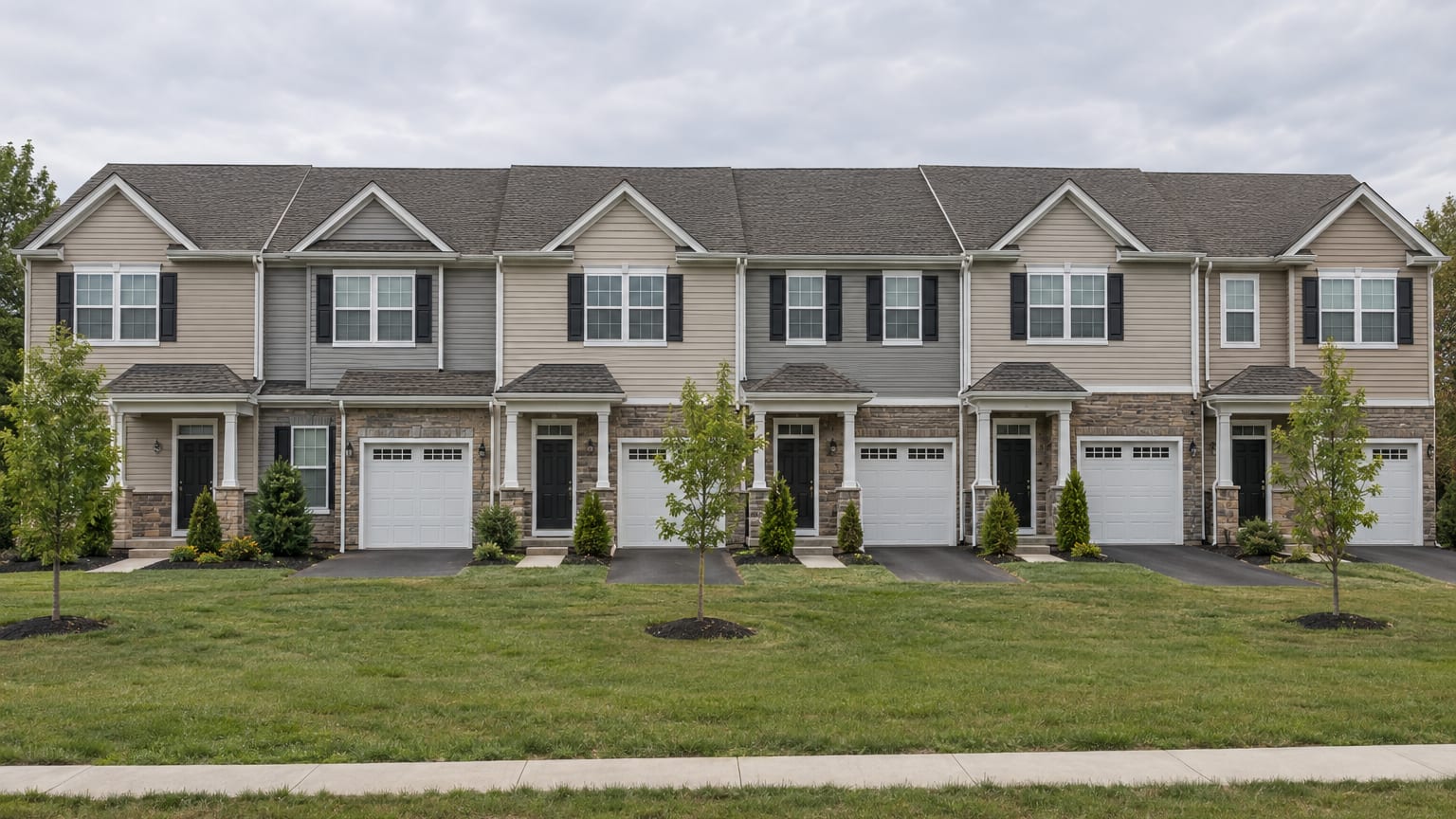
Bridgewater is mostly detached houses, and more than one in five of its homes are attached or in multi-unit buildings. The 2022 American Community Survey estimate in the township's housing plan counts 16,855 housing units: 11,907 detached (70.6 percent), 2,055 attached (12.2 percent), 1,073 in buildings of 20 or more units (6.4 percent) and 690 in buildings of two to four units (4.1 percent). The type of building you live in tells the inspector where to look.
Hover or tap a row to highlight it.
| Building type | Units | Share |
|---|---|---|
| Detached | 11,907 | 70.6 percent |
| Attached | 2,055 | 12.2 percent |
| Buildings of 20 or more units | 1,073 | 6.4 percent |
| Buildings of two to four units | 690 | 4.1 percent |
If you are in an attached home, a condo or an apartment, an inspection has to follow the water through parts of the building you may not control:
- Shared walls: A stain on your side may start in the neighboring unit.
- Plumbing chases: The vertical spaces that carry supply and drain lines can move a leak from floor to floor.
- Roof assemblies: A top-floor stain may come from a roof that belongs to the association.
- Common mechanical systems: Shared heating, cooling and ventilation equipment can spread moisture or odor.
- Association-managed areas: Basements, storage rooms and utility spaces often need a manager to unlock them.
Before you book, ask the association or property manager who handles access, who is responsible for common areas, how neighbors are notified and who approves repairs. Get the answers in writing, because a report is much easier to act on when the person who owns the source has agreed to let the inspector in.
Ask Before You Book
Who handles access
Basements, storage rooms and utility spaces often need a manager to unlock them.
Who is responsible for common areas
Shared roofs, plumbing chases and common mechanical systems are usually managed by an association or property manager.
How neighbors are notified
A stain on your side may start in the neighboring unit.
Who approves repairs
A report is easier to act on once the person who owns the source has agreed to let the inspector in.
Get the answers in writing
Keep them with your other records for the inspection.
If you live in a detached home, the list is the basement, the attic, the exterior drainage around the foundation, the garage and any crawl space. You control all of it, which makes scheduling simpler, but a hidden leak can still sit a long way from where you noticed the stain. For a commercial inspection in Bridgewater, NJ, the scope grows with the floor area. Commercial and industrial buildings are part of the township's permitted construction, and they can call for a larger-area assessment, HVAC review and documentation for the people who occupy the space. Coordinating with tenants and building managers is part of that job.
Your Water History Tells the Inspector Where to Start
The first step in an inspection is a conversation. The inspector will ask about leaks, flooding, odors, symptoms and prior repairs, so gather what you know before the visit. Write down when the smell started, when the last leak or storm happened, and whether anything was repaired or painted over. Have the construction year, any additions, whether you have a basement or crawl space, and any renovation history ready.
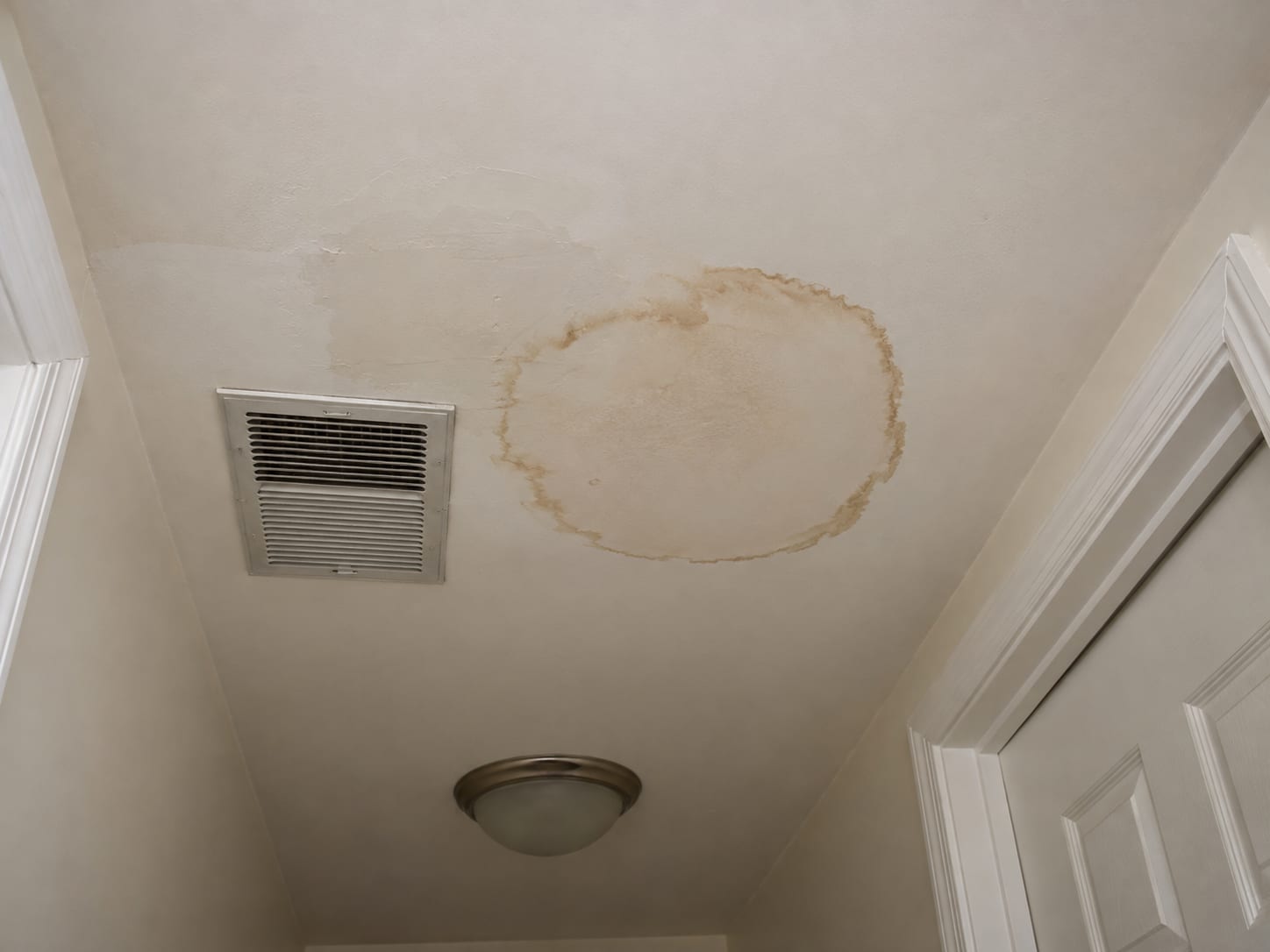
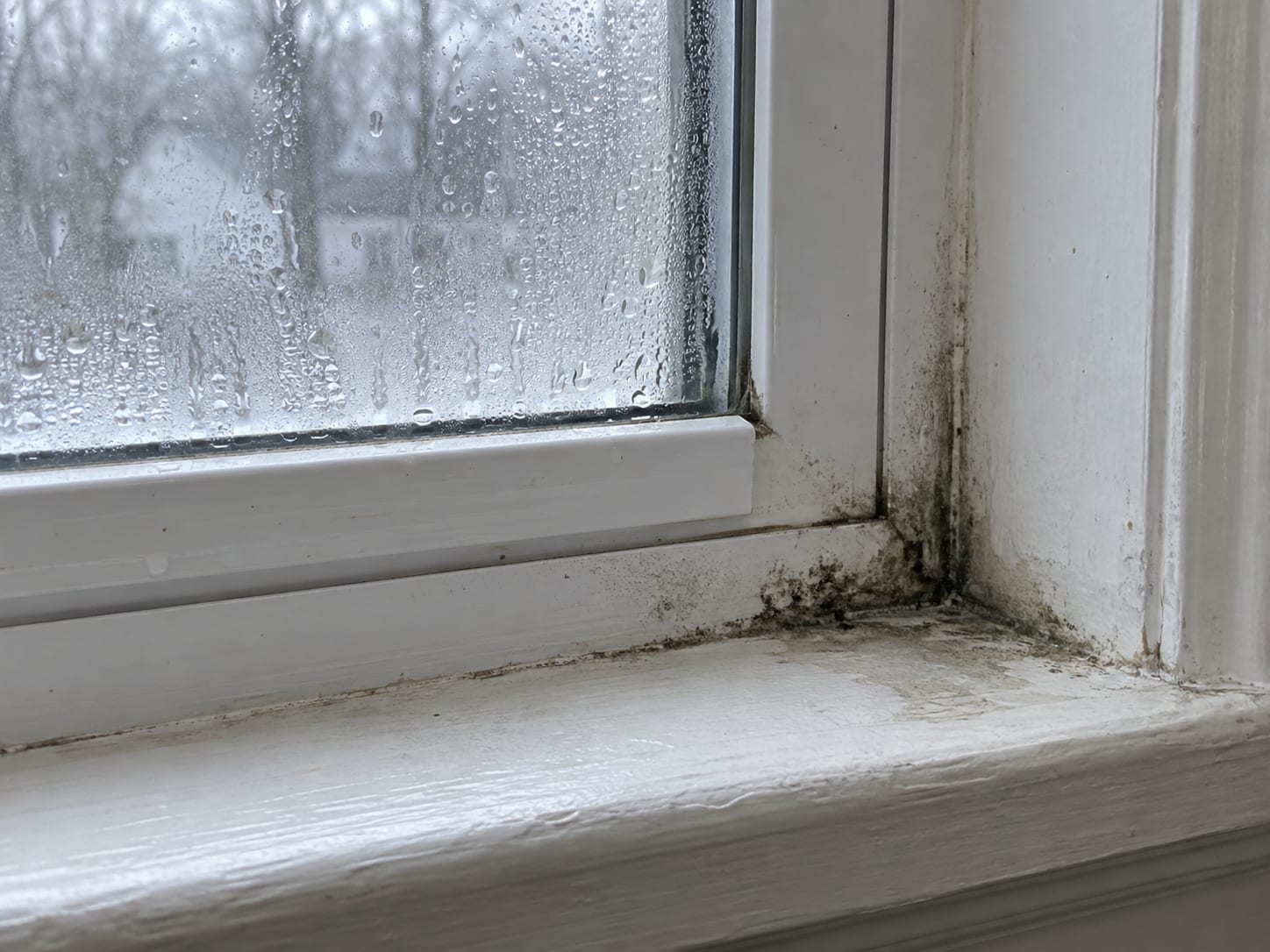
Whether the water came from inside or outside also matters. A plumbing, roof or HVAC leak points the inspector toward a pipe, a roof edge or a drain line. Floodwater or sewer backup points toward the lower level and a different kind of cleanup. CDC says mold needs moisture, and excess moisture is generally the major cause of indoor mold growth, so every inspection ends up following the water.
A Visual and Moisture Inspection Shows Where the Water Went
After your history, the inspector goes through the accessible rooms, basements, crawl spaces, attics and utility areas, and checks the outside of the building for moisture pathways. Moisture-detection equipment measures how wet materials are, and the inspector documents what is affected. A visual and moisture inspection can locate visible growth, water staining, damp materials, elevated moisture, musty odors and the likely routes water took.
How a Mold Inspection Goes
- 1
Talk through your water history
Leaks, flooding, odors, symptoms and prior repairs.
- 2
Walk the accessible spaces
Rooms, basements, crawl spaces, attics and utility areas, plus the outside of the building for moisture pathways.
- 3
Measure the moisture
Moisture-detection equipment measures how wet materials are, and the inspector documents what is affected.
- 4
Decide whether the findings support action
A wet wall with visible growth and a known leak needs the leak fixed and the material dealt with, and no further study will change that.
- 5
Add a lab sample only if a decision needs it
A sample earns its cost only when the result would change what you do.
- 6
Write the report
Observations, moisture sources, limits and recommended next steps.
The next step is to decide whether those findings already support action. Often they do: a wet wall with visible growth and a known leak needs the leak fixed and the material dealt with, and no further study will change that. The inspection ends with a written report that lists observations, moisture sources, limits and recommended next steps.
CDC notes that damp and moldy environments may cause no health effects for some people and symptoms such as a stuffy nose, sore throat, coughing or wheezing for others, with stronger reactions for people with asthma or mold allergies. Health questions belong with your clinician, and the inspection addresses the building.
That report has a boundary worth knowing. EPA states that there are no federal standards or threshold limit values for airborne mold contaminants, and CDC and NIOSH do not recommend routine air sampling because short-term spore counts cannot be interpreted against health risks. So an inspection can tell you where mold and moisture are, but it cannot certify that your air is at a safe level.
Angi's 2026 practice article reports that an inspection may take about two hours for obvious areas and as long as six hours when large areas are hard to reach. That is marketplace practice and not a Bridgewater requirement, but it is a fair way to judge a quote that seems very short for a large house.
A Lab Sample Is a Separate Question
Sampling collects material or air and sends it to a laboratory, which reports what is in that sample. It answers a different question from an inspection, and it earns its cost only when the result would change what you do, such as comparing indoor and outdoor samples or testing a specific idea about how the HVAC system spreads contamination.
If mold is already visible and you know where the water came from, sampling is usually unnecessary. The New Jersey Department of Health's occupational guidance says visual inspection and evidence of water damage should come first, and that testing needs a clear reason. In that situation the money is better spent on finding and stopping the water and on the removal of the affected material. Our mold removal service picks up from there.
Hover or tap a row to highlight it.
| Question | Visual and moisture inspection | Lab sample |
|---|---|---|
| What it answers | Where moisture and growth are, and how far the problem reaches | What is in the sample that was sent to the laboratory |
| When it earns its cost | When you want to know where the water went and what to do next | Only when the result would change what you do, such as comparing indoor and outdoor samples or testing an idea about how the HVAC system spreads contamination |
| If mold is visible and the water source is known | Points you to the repair and the removal of affected material | Usually unnecessary |
The Report Is Where the Inspection Ends
Everything you paid for shows up in the written report, so it is worth knowing what a useful one contains. It should list what the inspector observed and where, the moisture sources it points to, the limits of the visit, and the recommended next steps. The limits matter as much as the findings: a good report says which rooms, walls or spaces could not be reached, such as a locked mechanical room, a sealed crawl space or a neighbor's unit, so nobody reads silence as an all-clear.
Look for photographs, the locations of moisture readings, and a plain statement of what should happen next. Next steps usually fall into three groups: a repair for the water source, removal or cleaning of affected material, or a follow-up visit once the area has dried. In an attached building, share the report with the association or property manager as soon as you have it, since the source may be theirs to fix. Send a copy to your insurer if a claim is possible.
A report can also document a condition for a sale or a purchase, which helps everyone see what was found and what was done. It is one record among several; keep repair invoices and any later drying or moisture readings beside it.
Before the Inspector Arrives
In the next hour, stop active water entry if it is safe, avoid disturbing hidden materials, photograph the affected areas, note odors and recent leaks, and keep people with asthma or a weakened immune system away from heavily affected areas.
By the next day, call your insurer if the damage may be covered, work out whether the water was floodwater or a plumbing, roof or HVAC event, and arrange access to the basement, crawl space, attic and utility areas. Ask for a written scope that separates inspection from laboratory testing.
Over the following week, get the report, correct the moisture source, and find out whether any follow-up construction needs a permit. Keep receipts, photographs, moisture records, any laboratory reports and insurer messages together.
What an Inspection Costs, and What to Ask the Quote to Separate
No Bridgewater price list applies, so use the drivers. Angi's article, updated July 9, 2026, reports a national mold inspection range of $303 to $1,045, with an average of $671, including $300 to $400 for homes under 4,000 square feet and $700 to $1,000 for larger ones. Those are marketplace figures and not a Bridgewater quote. Angi reports laboratory testing at $250 to $500 as a separate line.
Hover or tap a row to highlight it.
| Item | Angi figure |
|---|---|
| National inspection range | $303 to $1,045 |
| National average | $671 |
| Homes under 4,000 square feet | $300 to $400 |
| Larger homes | $700 to $1,000 |
| Laboratory testing, a separate line | $250 to $500 |
The number moves with square footage and the number of rooms, whether the scope is one basement or the whole property, access to concealed or restricted areas, the number of buildings or units, multiple water events, crawl-space, attic, HVAC or exterior assessment, laboratory samples, report detail, rush scheduling and follow-up moisture mapping after repairs.
Ask the quote to say whether it includes moisture measurements, written documentation, travel, laboratory samples, laboratory fees and a return visit. If someone offers a "free" inspection, ask what the visit includes: a written inspection, moisture measurements and samples, or a sales estimate only.
Insurance, Permits and Records After Water Damage
Insurance depends on the policy and the cause. The New Jersey Department of Banking and Insurance says homeowner policies exclude water damage caused by flood. Its 2003 bulletin says insurers should offer $10,000 aggregate mold and fungus coverage, with optional $25,000 and $50,000 limits, when the mold loss results from a covered peril during the policy period. The bulletin is guidance for insurers and does not decide coverage under your policy, so notify your insurer, document the event and get its position in writing.
On permits, the Code Enforcement office says a permit is generally required to construct, enlarge, alter or demolish a structure or for structural, electrical, plumbing or mechanical work, and the zoning department is the first stop for zoning questions. The inspection itself is not described as a construction project. Demolition, rebuilding, plumbing, electrical or structural work that follows may need municipal review.
New Jersey has no state certification program for mold companies, according to the Department of Health, so ask about current insurance and training and about what the report will contain.
Frequently Asked Questions About Mold Inspection Bridgewater NJ
Q: How much does a mold inspection cost in NJ?
Angi's 2026 marketplace data reports $303 to $1,045 nationally, with an average of $671. A Bridgewater quote can fall outside that range depending on property size, access, laboratory work and documentation, so ask whether the amount covers the inspection alone.
Q: Will insurance pay for a mold test?
It depends on the policy, the cause of the moisture, exclusions and limits. Flood damage is excluded from homeowner policies. Notify the insurer, document the event and ask whether testing is authorized.
Q: Who has to let the inspector in at a condo or apartment?
You can give access to your own unit. Shared roofs, plumbing and common areas are usually managed by an association or property manager, although your governing documents or lease decide. Ask them about access, common-area responsibility, notification and repair approval before the visit.
Q: Is a mold inspection worth it?
It helps most when the result will change a decision, such as whether to open a wall, remove materials, chase a leak, evaluate a flooded lower level, look into a persistent odor, or document a condition for a sale or purchase.
Q: Does a mold inspection need a permit from Bridgewater?
The township does not describe an inspection as a construction project that needs a permit. Work that follows it can, including demolition, rebuilding, structural openings, plumbing, electrical or mechanical work. Ask Code Enforcement before that work starts, and check with Zoning first if you are not sure where to begin.
Q: What should I ask an inspector before booking?
Ask what the visit includes, whether moisture measurements are part of it, whether the report is written, and whether samples and laboratory fees are quoted separately. Ask which areas the inspector expects to reach, and how the report will handle any area that cannot be opened.
Test Your Mold Inspection Knowledge
1. What can a mold inspection not give you, according to EPA and CDC guidance?
2. Who should you ask about access before booking an inspection in an attached building?
3. Does Bridgewater describe a mold inspection itself as a construction project that needs a permit?
4. When is a lab sample usually unnecessary?
5. What national mold inspection range does Angi report for 2026?
Pick an answer to begin.
What This Means for You
Your building decides what an inspector must reach: the basement and attic of a detached house, or the shared walls, plumbing chases and roof of an attached one. A visual and moisture inspection finds growth, staining and wet materials and ends with a written report, while a lab sample is a separate decision.
Knowing that helps you book the right visit and get the right access.
If you have a musty smell or a stain in Bridgewater, NJ, we at ExecPro Restoration & Cleaning can inspect the accessible areas, measure the moisture and give you a written report of what we find and what to do next. Call (888) 300-3772 or contact us to describe your building and arrange access.
Mold Inspection Terms
Tap a term to see what it means.
Visual and moisture inspection. A walk through the accessible rooms, basements, crawl spaces, attics and utility areas, with moisture-detection equipment measuring how wet materials are.
Serving Bridgewater
ExecPro Restoration & Cleaning provides mold remediation services in Bridgewater, NJ, from inspection and testing through removal, drying, and post-remediation verification. Call (888) 300-3772 for 24/7 emergency response.
Related Articles
Air Quality Testing in Bridgewater, NJ: Odors, Symptoms and Which Test Fits
If the house smells musty after rain or symptoms ease when you leave, see which air quality testing in Bridgewater fits and what a result can change for you.
Mold Testing in Bridgewater, NJ: When a Lab Report Changes the Plan
Offered a mold test in Bridgewater, NJ? Sampling pays off when the source is hidden or someone else needs a result, so ask what it would change first.
Mold Inspection in Trenton, NJ: Tracing the Water Before Anyone Opens a Wall
Before anyone opens a wall, a mold inspection in Trenton, NJ traces where the water came from. See what it covers, what it cannot see and what it costs.