Air Quality Testing in Bridgewater, NJ: Odors, Symptoms and Which Test Fits
Cal HewittPublished Updated
- air quality testing
- indoor air quality
- sampling
- bridgewater nj
- new jersey
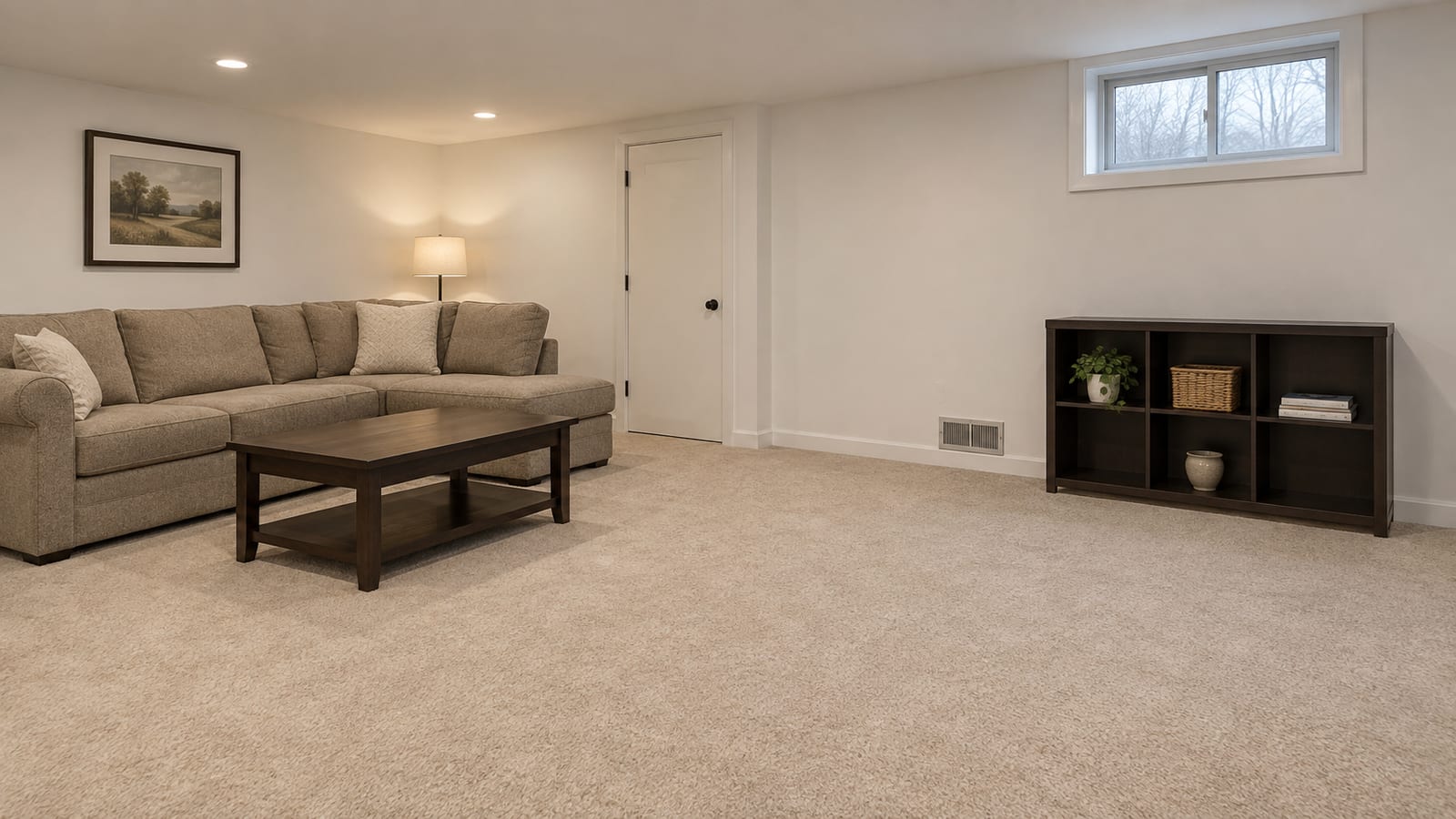
If you are looking into air quality testing in Bridgewater, NJ, something probably feels off and you cannot point to it. The lower level smells musty after a heavy rain, a cough or headache seems to ease when someone leaves the house, or one room never quite dries out, yet there is no dark patch, no stain and no drip to show anyone. A test costs money, and a number on a lab report only helps if it changes what you do next. Different tests answer different questions, and a few of them you can settle before anyone visits. Below, we match each complaint to the test that fits it, explain what a result can and cannot tell you, and show how to ask for a price you can compare. You do not need a diagnosis to start. You need a clear description of what you smell, where, and when.
Key Takeaways
Match the test to the complaint
Mold sampling, radon testing and other pollutant panels each answer a different question, and radon has its own certified testing in New Jersey.
A lab number needs the building beside it
There is no federal airborne mold limit, so a result is read against the moisture history, the sample locations and an outdoor comparison, and the useful question is whether it changes an action.
Ask for a written scope
Cost follows the number of samples, the panels chosen, the size and access of the building and how fast the lab reports, so request the visit, samples, lab work and report priced separately.
Which Test Fits the Complaint: Mold, Radon or Something Else
The right test depends on what you are trying to find out, and the usual complaints point in three different directions.
- Mold and moisture: A musty smell, a past leak or a lower level that stays damp usually calls for a moisture inspection and, when the cause is unclear, mold air samples. Samples are collected inside and, for comparison, outside on the same day, and a laboratory analyzes them. EPA says visible mold usually makes sampling unnecessary, because you already know what to do: stop the water and remove the growth. Testing earns its fee when the smell or the symptoms have no visible cause.
- Radon: Radon is a separate question from mold and moisture, with its own regulated testing. New Jersey requires individuals to be certified to test for or mitigate radon, and a homeowner can use a New Jersey-certified retail kit or hire a certified radon measurement company. A mold sample tells you nothing about it.
- Other pollutants: EPA lists indoor pollutant categories that include volatile organic compounds (VOCs), particulate matter, combustion products and carbon monoxide. A panel for these makes sense when something specific points to them, such as recent renovation, new finishes or a fuel-burning appliance.
The outdoor Air Quality Index describes the air outside your home, so it is a different subject from a test inside it, as EPA explains.
Hover or tap a row to highlight it.
| Test | Fits when | What to know |
|---|---|---|
| Moisture inspection and mold air samples | A musty smell, a past leak or a lower level that stays damp | Samples are collected inside and outside on the same day and analyzed by a laboratory; EPA says visible mold usually makes sampling unnecessary |
| Radon test | You want to know about radon | It has its own regulated testing; New Jersey requires certification to test for or mitigate radon, and a mold sample tells you nothing about it |
| Pollutant panel | Something specific points to VOCs, particulate matter, combustion products or carbon monoxide | Fits after recent renovation, new finishes or a fuel-burning appliance |
A Musty Smell That Returns After Rain Deserves a Moisture Check First
Most people who search for air quality testing are carrying one of a few situations, and each one has a sensible first move.
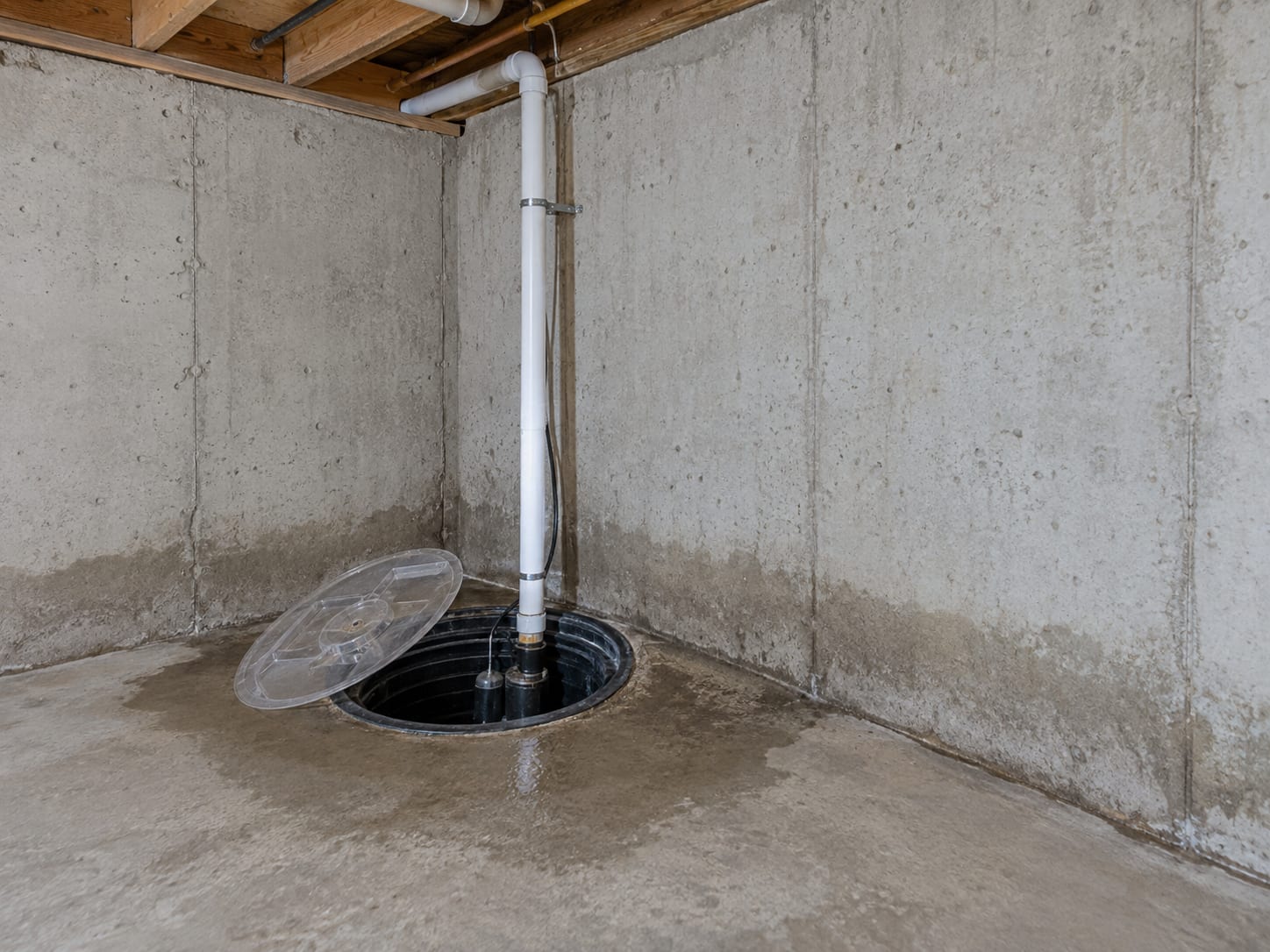
- An odor that gets stronger after rain: This usually points to water entering or sitting somewhere, such as a foundation wall, a sump pit or a finished lower level with damp framing.
- A past leak, flood or plumbing failure: If the materials were never fully dried, growth can continue inside walls or under flooring where you cannot see it.
- A renovation or new flooring followed by irritation: Dust, adhesives and new materials can be the cause, and a VOC or particulate panel may fit better than a mold sample.
- A heating and cooling system that seems to spread the smell: Duct or air-handler conditions may be involved, and the test plan should include the system.
- Symptoms that ease away from home: This is worth a conversation with your clinician. The New Jersey Department of Health says mold can be a health concern, that the amount needed to cause problems is not known, and that people with existing conditions may face a higher risk.
A test can show conditions in the building. It cannot show that a particular symptom came from the building, so keep your clinician in the loop and let the test answer the building questions.
Hover or tap a row to highlight it.
| Situation | What it usually points to |
|---|---|
| An odor that gets stronger after rain | Water entering or sitting somewhere, such as a foundation wall, a sump pit or a finished lower level with damp framing |
| A past leak, flood or plumbing failure | Growth that continues inside walls or under flooring if the materials were never fully dried |
| Irritation after a renovation or new flooring | Dust, adhesives and new materials, so a VOC or particulate panel may fit better than a mold sample |
| A heating and cooling system that seems to spread the smell | Duct or air-handler conditions, so the test plan should include the system |
| Symptoms that ease away from home | A conversation with your clinician, while the test answers the building questions |
A Professional Assessment Starts With the Building, Then Picks the Samples
A good visit begins with questions, not equipment. The assessor asks what prompted the call: an odor, a leak, a renovation, a tenant complaint, a sale, or verification after cleanup. That answer shapes everything after it.
Next comes a walk through the accessible areas, looking for moisture, staining, damaged materials, visible growth, drainage clues and heating and cooling conditions in the rooms connected to your complaint. Sample locations are chosen from what that walk shows. A house with a finished lower level, a house with several air-handling zones and a small office suite each need a different plan.
Then the samples are collected. For mold, that means indoor air samples plus an outdoor control taken under comparable conditions on the same day, and sometimes surface samples to identify growth or to check that a cleaned area is truly clean. The samples go to a laboratory for analysis.
The last step matters most. The results are read together with the moisture history, the sample locations and what the assessor saw, and the report ends with a decision: fix the water, dry the materials, remediate, look at the ductwork, investigate further, keep records, or do nothing more. EPA says sampling should be designed and interpreted by experienced professionals, and New Jersey does not certify companies that do mold or general indoor-air work, so ask any tester how they plan to interpret the results before you book.
What a Professional Assessment Involves
- 1
Start with questions
The assessor asks what prompted the call, such as an odor, a leak, a renovation, a tenant complaint, a sale or verification after cleanup.
- 2
Walk the accessible areas
Look for moisture, staining, damaged materials, visible growth, drainage clues and heating and cooling conditions.
- 3
Collect the samples
Indoor air samples plus an outdoor control taken under comparable conditions on the same day, and sometimes surface samples.
- 4
Send them to a laboratory
The samples are analyzed there.
- 5
Read the results against the building
Together with the moisture history, the sample locations and what the assessor saw.
- 6
Decide the next step
Fix the water, dry the materials, remediate, look at the ductwork, investigate further, keep records, or do nothing more.
Results Take a Few Days and Have to Be Read Against the Building
On our residential air quality testing work, a typical visit takes a few hours on site, and laboratory results commonly come back within two to three business days. That is our own practice, not a government timeline. If a closing, a tenant matter or an insurance deadline is driving the schedule, ask about rush processing when you book.
What the report can establish is limited by design. EPA says there are no federal airborne mold standards, so a result is not a pass or fail against a national limit. Indoor and outdoor samples taken on the same day give a comparison for that building, and how much weight it carries depends on the laboratory's methods, where the samples were taken and what the moisture evidence shows. A low result can spare you an unnecessary remediation. A high or unusual one can support a repair or remediation plan. Neither one is a certificate, so treat the words "passed" and "failed" with caution if you see them on a quote or report.
The Cost Follows Samples, Panels and Access, so Ask for a Written Scope
Price depends on how much the job asks of the assessor and the lab. These are the drivers that move it:
- Sample count and type: More indoor locations, an outdoor control, and air plus surface sampling all add cost.
- Panels: Mold only costs less than mold plus VOCs, allergens, particulates, carbon monoxide or carbon dioxide.
- Building size and systems: Square footage, the number of heating and cooling systems and zones, and multiple units or tenant spaces increase the work.
- Access: Crawl spaces, attics, ducts, basements and occupied rooms take time to reach.
- Speed and paperwork: Rush lab turnaround, chain-of-custody documents and reports written for an insurer, a tenant or a sale add time.
Ask every tester for a written scope that lists the visit, the number and type of samples, the laboratory charges, the turnaround time, the report, and any rush or follow-up fees. With those lines separated, two quotes can be compared honestly.
Hover or tap a row to highlight it.
| Driver | What adds cost |
|---|---|
| Sample count and type | More indoor locations, an outdoor control, and air plus surface sampling |
| Panels | Mold only costs less than mold plus VOCs, allergens, particulates, carbon monoxide or carbon dioxide |
| Building size and systems | Square footage, the number of heating and cooling systems and zones, and multiple units or tenant spaces |
| Access | Crawl spaces, attics, ducts, basements and occupied rooms take time to reach |
| Speed and paperwork | Rush lab turnaround, chain-of-custody documents and reports written for an insurer, a tenant or a sale |
One warning on radon: New Jersey's Department of Environmental Protection publishes a $750 to $3,500 range for radon mitigation systems, depending on the home. That range covers equipment and installation, not a test, so do not read it as the price of any air test.
The Green Brook Basin Is a Local Reason to Ask About Odors After Rain
Somerset County's 2045 transportation plan names longstanding flooding in the Green Brook basin, and says it is most severe in Bound Brook, Bridgewater and North Plainfield. For a Bridgewater homeowner with a musty lower level, that is a fair reason to ask a few questions about your own house before choosing a test.
- Odors after rain: Do they get stronger after storms and fade in dry weeks?
- The sump pump: Does it run, and does it keep running if the power drops?
- Foundation walls and floors: Is there dampness or staining near the base?
- Finished lower levels and additions: Has water ever reached the framing, carpet or drywall, and how quickly was it dried?
Flood exposure is different from parcel to parcel, and living in the basin does not prove that your indoor air is affected. The answers to those questions decide whether the next step is drainage work, drying, a mold sample, or nothing at all.
The same thinking applies beyond single-family homes. In a rental, the tenant, landlord and manager may all need the same report, and in an office or apartment building, shared heating and cooling systems can carry a complaint from one space to another. Our commercial mold and air testing work covers those settings. New Jersey's PEOSH indoor air standard applies to existing buildings occupied by public employees during regular working hours, and schools and child-care centers can face additional state indoor-environment requirements during renovation work.
What You Can Safely Do Before You Schedule Anything
You can make progress in the first hour, the first day and the first week without paying for anything.
In the next hour, write down what you notice: the odor and where it is strongest, any staining, recent water entry, the rooms affected, whether the heating and cooling system was running, and who has symptoms and when. Photograph anything visible, and leave visible growth alone. If you suspect carbon monoxide, leave the building and call emergency services or your utility. An air quality appointment is not a substitute for that.
Within the day, stop any active leak if it is safe to do so, and use ordinary ventilation or a dehumidifier where that suits the room. Keep your photographs and dates together. Ask each tester for a written scope. If radon is on your mind, order a New Jersey-certified kit or hire a certified radon company.
Within the week, hold the report up against what you know about the house and decide whether the evidence supports drying, a repair, remediation, a look at the ductwork, more testing or nothing further. Bridgewater's Code Enforcement office handles construction permits for structural, electrical, plumbing, mechanical, alteration and demolition work, so if a testing visit is part of a larger project like that, confirm with them first.
Before You Schedule Anything
- 1
In the next hour
Write down the odor and where it is strongest, any staining, recent water entry, the rooms affected, whether the heating and cooling system was running, and who has symptoms and when. Photograph anything visible and leave visible growth alone.
- 2
Within the day
Stop any active leak if it is safe, use ordinary ventilation or a dehumidifier where that suits the room, keep your photographs and dates together, and ask each tester for a written scope.
- 3
Within the week
Hold the report up against what you know about the house and decide whether the evidence supports drying, a repair, remediation, a look at the ductwork, more testing or nothing further.
The Results Point to a Next Step, and Which One Depends on What Changed
Once you have a report, sort the possibilities by what the building is telling you.
If the moisture source is still active, fixing it comes before anything else, and drying follows. If materials stayed wet, mold inspection and remediation may be the next stage. If the duct system looks involved, air-duct cleaning paired with a targeted air assessment can follow. If irritation began after a renovation, post-construction cleaning may address the dust and residue. When the contaminant is unclear or a document is needed, environmental consulting can help define the question.
What the Results Point To
The moisture source is still active
Fixing it comes before anything else, and drying follows.
Materials stayed wet
Mold inspection and remediation may be the next stage.
The duct system looks involved
Air-duct cleaning paired with a targeted air assessment can follow.
Irritation began after a renovation
Post-construction cleaning may address the dust and residue.
The contaminant is unclear or a document is needed
Environmental consulting can help define the question.
Keep the report, the sample locations, the laboratory paperwork, your photographs and any repair records together. For a rental, a commercial space, an insurance claim or a sale, the insurer, adjuster, property manager or attorney decides what documentation they accept, so ask them before you order the report. A dated report may help explain conditions to a buyer or seller, but it cannot guarantee a sale or set a market value.
Frequently Asked Questions About Air Quality Testing Bridgewater NJ
How much does air quality testing cost in Bridgewater?
The amount depends on the number of samples, which contaminants are tested, the size and access of the building, and how fast the lab reports. Ask for a written scope that separates the visit, samples, lab charges and report so you can compare quotes.
Is indoor air quality testing worth it?
It is most useful when a result can change a decision, such as after a water event when the source is unclear, after remediation when you want documented verification, during a sale, or when a tenant complaint needs an answer. When mold is plainly visible or a leak is still running, correcting the moisture comes first.
Can I test the air in my own house?
For radon, yes: New Jersey allows a certified retail kit, or you can hire a certified radon measurement company. Consumer monitors can show trends for some conditions, but a water event, visible growth, duct contamination or a documentation need calls for a targeted assessment.
What does an air quality test cover?
Depending on the plan, it can cover mold spores, radon, VOCs, combustion products, allergens and particulates. Each one is a separate test with its own method, so decide which question you are asking before you book.
Do I need a permit for air testing in Bridgewater?
A visit that only collects samples is not listed by the township as construction work. If testing is part of a renovation, demolition or mechanical alteration, confirm with Bridgewater Code Enforcement.
Air Quality Testing, Quick Check
1. Which kind of test has its own certified testing in New Jersey?
2. Is there a federal limit for airborne mold?
3. Why is an outdoor sample taken on the same day as the indoor ones?
4. How soon do laboratory results commonly come back on our residential air quality testing work?
5. What is the most useful test?
Pick an answer to begin.
Final Thoughts
A musty smell, a stubborn damp room or symptoms that ease away from home are enough reason to ask questions, and the first ones cost nothing: what changes after rain, where the water goes, and which pollutant you actually suspect. Mold sampling, radon testing and other panels each answer a different question, and a result is read against the building and its moisture history. The most useful test is the one whose answer will change what you do.
Getting the question right early saves money and worry later. It keeps you from paying for a test that repeats what a visible leak already told you, and it points a real problem toward the repair that fits it.
If you live in Bridgewater, NJ and want a hand sorting out which test fits your situation, ExecPro Restoration & Cleaning can walk your home or building with you, and we offer air quality testing alongside mold inspection, remediation and water damage restoration. Call us at (888) 300-3772 or contact us with a description of the smell, the room and when it started, and we will tell you which next step makes sense.
Air Quality Terms
Tap a term to see what it means.
VOCs. Volatile organic compounds, one of the indoor pollutant categories EPA lists.
Serving Bridgewater
ExecPro Restoration & Cleaning provides mold remediation services in Bridgewater, NJ, from inspection and testing through removal, drying, and post-remediation verification. Call (888) 300-3772 for 24/7 emergency response.
Related Articles
Air Quality Testing in Trenton, NJ: Is the Smell Yours or Next Door's?
Rowhomes and twins share a party wall, so a musty smell or symptoms can start next door. See which air quality testing in Trenton fits and what it costs.
Air Quality Testing in Robbinsville, NJ: A Musty Smell After a Thunderstorm
A musty smell that shows up after heavy rain often means hidden moisture. See what air quality testing in Robbinsville, NJ can tell you and what to check.
Mold Testing in Robbinsville, NJ: Air Samples, Swabs and the Moisture Behind Them
What a mold sample shows is one moment in one room, not the source. See when mold testing in Robbinsville, NJ is worth paying for and who needs the result.