Insurance Restoration in Princeton Junction NJ: Building the Paper Trail Your Claim Depends On
Cal HewittPublished
- insurance restoration services
- insurance restoration
- mold remediation
- new jersey
- princeton junction
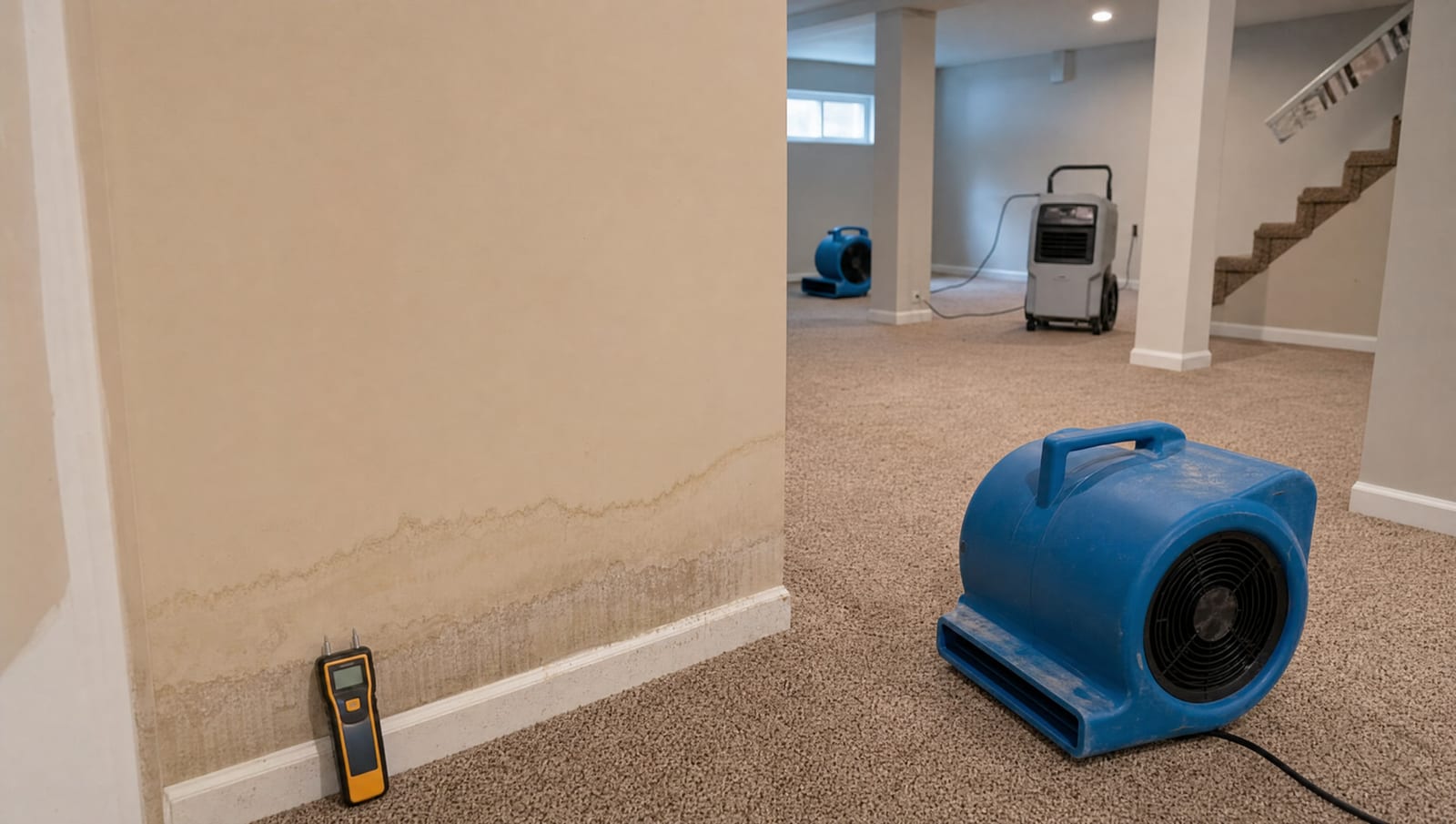
You get home from a long commute and something is wrong in the finished basement. The carpet squishes underfoot, the air smells damp, and a dark line has crept up the drywall behind the couch. The hardest part is that you have no idea when it started. You were on the train, at the office, or traveling for work, and the water had hours or days to spread before anyone saw it. For a lot of Princeton Junction households, that gap between when a loss begins and when it is discovered is the single biggest factor shaping how the insurance claim plays out.
This post is not about who is responsible for the water or about diagnosing what kind of mold you are looking at. It is about the paper trail. When you were not home to catch a loss early, your claim leans hard on documentation: clear records of what was found, when it was discovered, how wet the materials were, how the property was dried, and how the repair scope grew as hidden damage came to light. A restoration contractor cannot approve your claim or promise that it will be covered. What a good one can do is capture the conditions accurately and hand you and your adjuster a record that speaks for itself.
Hover or tap a row to highlight it.
| Record | What it helps show | Why it matters for a commuter household |
|---|---|---|
| Cause of loss and discovery date | What happened and when you first saw it | You were away when it started, so the discovery timeline has to be stated plainly rather than assumed |
| Photos and video as found | The condition of the space before anyone touched it | Late discovery means more spread, so the "before" images carry extra weight |
| Moisture readings | How wet the materials actually were | Numbers document saturation that a photo alone cannot convey |
| Drying logs | That the space was dried to a target, not just visibly dry | Proves the work followed a standard instead of guessing when to stop |
| Scope of work | The full list of affected assemblies and repairs | Hidden cavities often stay wet after a delayed discovery |
| Contents inventory | Damaged personal property in the space | Finished basements hold furniture and belongings that need their own record |
| Supplements | Added damage found after the first scope | Concealed damage from a slow, unseen loss frequently surfaces mid-project |
Why Late Discovery Changes the Claim
A leak that gets mopped up in the first ten minutes is a small event. The same leak running unseen through a Friday commute, a weekend away, or a full workday becomes a different problem. Water travels. It moves along the base of walls, wicks up into drywall, slips under flooring, and settles into the framing cavities you cannot see. By the time a commuter household walks in and notices, the visible damage is usually the smaller part of the story.
That is exactly why documentation carries so much weight here. The carrier was not there, you were not there, and the only reliable account of what happened is the record built after the fact. The EPA advises drying wet materials within 24 to 48 hours to reduce the chance of mold growth, and a delayed discovery often means that window has already passed. None of that decides your coverage. It simply means the condition you are documenting is more advanced, and the paper trail needs to reflect it honestly rather than downplay it.
Princeton Junction sits inside West Windsor Township, so questions about permits and code route through West Windsor rather than a separate town office. Housing here ranges from established subdivisions to newer construction, and some properties sit near streams, wetlands, or low drainage areas. Those local details matter when a rebuild needs approvals, but they do not change the core habit that protects a claim: document the loss as it actually is, at the address it actually happened.
Capture Conditions Before Anything Moves
The instinct after finding water is to start cleaning. Pull the wet rug, run to the store for a shop vac, drag the ruined furniture to the curb. That instinct is understandable, and safety always comes first, but everything you remove before it is documented is a piece of evidence that leaves no trace. The strongest claims begin with a simple discipline: capture the scene as found before anything moves.
Building a Claim When You Were Not Home
Capture conditions as found
Photograph and take video of the whole space before touching anything, including wide shots and close-ups of the water line, wet materials, and damaged contents.
Note the discovery timeline
Write down when you left, when you returned, and when you first saw the damage, since a commuter household cannot point to the exact start.
Record moisture and drying
Ask that moisture readings and daily drying logs be kept, so saturation and progress are numbers on a page rather than memory.
Inventory the contents
List the furniture, belongings, and finishes affected in the basement, with photos, before they are discarded or replaced.
Keep every invoice and message
Save receipts, work orders, and written communication with your contractor and carrier in one place.
Expect supplements
Plan for the scope to grow as concealed damage is uncovered, and document each addition as it is found.
Once the space is photographed and the safety concerns are handled, mitigation can begin without erasing the record. A restoration crew documents the same conditions with their own equipment: wide photos, close detail on the affected assemblies, and moisture readings that put a number on how saturated the materials are. That combination of your homeowner record and their technical record is what gives an adjuster a clear, consistent picture of a loss no one was present to witness.
Moisture and Drying Records Are the Backbone
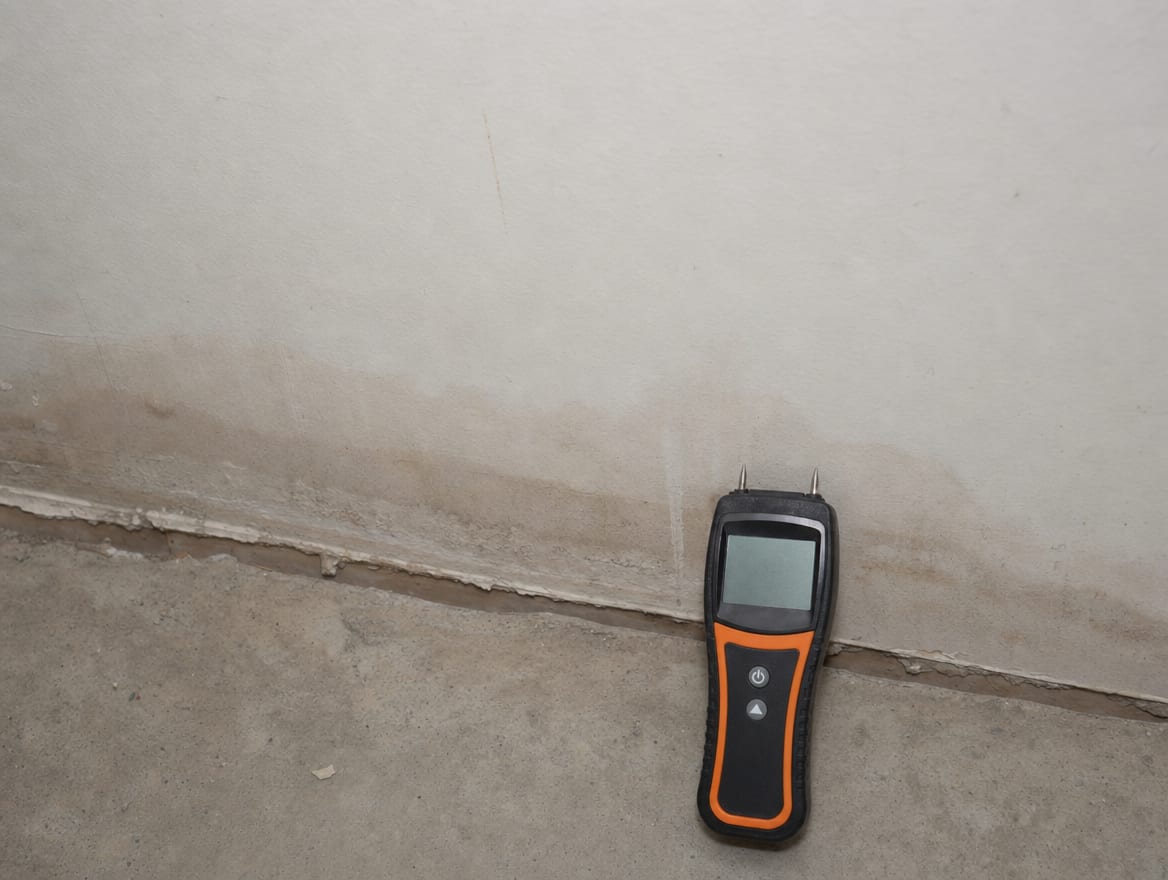
Photos show what a space looks like. Moisture readings show what a space actually contains. A wall can look dry on the surface while the cavity behind it stays wet for days, and in a delayed-discovery basement that hidden moisture is often the whole point. Documenting it with meters rather than eyes is what separates a defensible drying process from a hopeful one.
A structural drying effort is not finished when the floor feels dry to the touch. It is finished when the affected materials reach a documented target, confirmed with readings taken over the course of the job. Those daily drying logs do two things at once. They guide the technicians so equipment stays in place until the work is genuinely done, and they build a record that shows the drying followed a standard rather than a guess. When a claim involves materials that sat wet through a commute or a weekend, that log is frequently the most persuasive document in the file.
If the loss involved mold or contamination, verification becomes part of the record too. Independent post-remediation verification confirms that the cleanup met its goal before the rebuild covers everything back up, and that report becomes another piece of the paper trail. It is worth remembering the roles here: the remediator documents and reports conditions, and the carrier decides coverage. Keeping those lanes separate is part of doing the job honestly.
Reconstruction Supplements Are Normal, Not a Red Flag
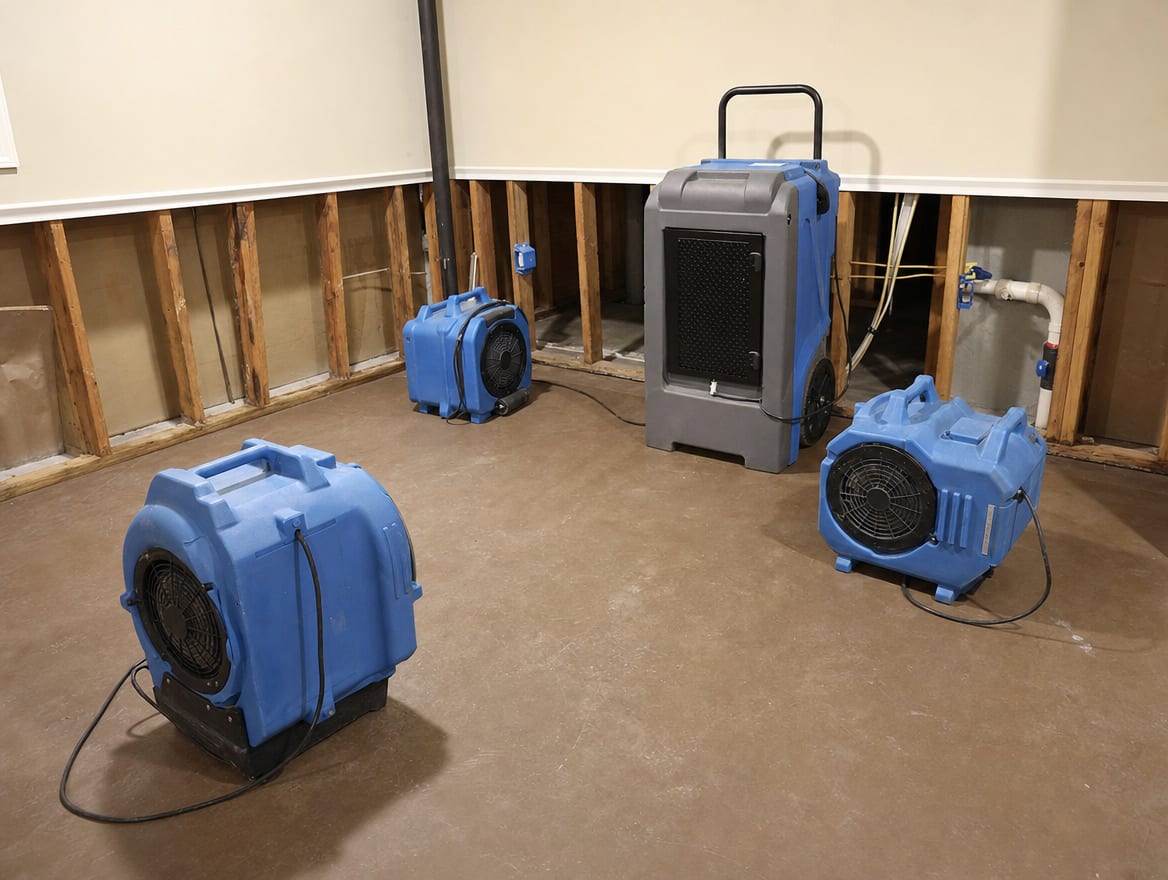
One of the most misunderstood parts of a restoration claim is the supplement. A supplement is an addition to the original scope of work, filed when the project uncovers damage that was not visible at the start. In a finished basement that flooded unseen, supplements are common. Demolition opens a wall and reveals wet insulation nobody could see. Flooring comes up and the subfloor underneath turns out to be affected. Drying exposes a stain that points to a larger area of moisture.
None of that means the first estimate was wrong. It means a loss that developed out of sight rarely shows its full extent on day one. The documentation-first approach treats supplements as a normal stage rather than a surprise: each new finding gets photographed, measured, and added to the scope with its own record, so the growing rebuild stays traceable from start to finish. That is where a coordinated insurance restoration process earns its keep, because the same team that documented the original conditions carries that record straight through the reconstruction.
From Remote Discovery to Reconstruction Supplement
- 1
Discover the loss
You return from a commute or a trip and find water, damp air, or staining in the finished basement.
- 2
Make it safe and photograph it
Address immediate safety, then capture wide and close photos and video of the whole space before anything is moved.
- 3
Notify your carrier
Report the loss and note the date, following your policy's requirements for timely notice.
- 4
Mitigate and measure
A crew stabilizes the damage, extracts water, and records moisture readings across the affected materials.
- 5
Keep the drying logs
Equipment stays in place while daily readings track the materials toward a documented dry target.
- 6
Verify when needed
If mold or contamination was involved, independent verification confirms the cleanup before the rebuild.
- 7
Build the scope and supplements
The repair scope is written from the records, with supplements added and documented as concealed damage appears.
- 8
Complete and file the record
Repairs finish, and the full paper trail of photos, readings, logs, scope, and invoices supports the claim.
What Documentation Cannot Do
It is worth being plain about the limits. A thorough record does not guarantee that a claim is paid, and no honest contractor will tell you otherwise. Coverage depends on your policy language, the cause of loss, any exclusions, timely notice, and how the loss is documented. Only your carrier can make that determination. Flood damage, for example, is generally handled through separate flood coverage rather than a standard homeowners policy, which is one more reason the documented cause of loss matters.
A restoration company also does not give legal or insurance advice, and it does not decide who was at fault or interpret your policy for you. What it does is capture conditions accurately, dry to a documented standard, and produce a scope and record you can hand to the people who do make those decisions. Treating that boundary with respect is part of what makes the documentation credible in the first place. Records that stick to what was found, measured, and done are more useful than records that try to argue the outcome.
For households near local streams or low-lying areas, checking parcel-level flood mapping and confirming any rebuild requirements with West Windsor before reconstruction is simply part of keeping the scope accurate. Local conditions vary from address to address, so the documentation stays specific to your property rather than assuming every Princeton Junction home faces the same exposure.
A Note for Commuter Households
If your schedule keeps you away from the house for long stretches, a little preparation makes a delayed discovery less costly. Know where your water shutoff is and make sure someone who is home can reach it. If the basement is finished and holds valuables, keep a simple photo inventory of the space now, before anything happens, so you have a clean "before" reference if you ever need one. And if a loss does occur while you were out, resist the urge to clear everything away before it is documented. The cleanup will still happen; it just happens after the record is made.
When you do call for help, look for a company that treats documentation as part of the job rather than an afterthought. The moisture readings, the drying logs, the photographed scope, and the supplement records are not busywork. For a loss that began while no one was watching, they are the closest thing you have to a witness. A team that handles mold remediation and restoration across Princeton Junction should be able to explain exactly how it will build that record for you.
Frequently Asked Questions
Does insurance cover mold damage in a basement loss?
It depends, and it cannot be guaranteed by a contractor. Whether mold is covered turns on your policy language, the cause of loss, any exclusions, and how promptly the loss was reported and documented. Only your carrier can make that call. A restoration company's role is to document the conditions clearly and correct the moisture, not to decide or promise coverage.
What if I discovered the damage days after it started?
That is common for commuter households, and it does not have to sink your claim. The key is to be honest about the discovery timeline, note when you were away and when you first saw the damage, and document the current conditions thoroughly. A delayed discovery usually means more spread and more hidden moisture, so strong "as found" photos and moisture readings become even more important.
What is a supplement, and why might I need one?
A supplement is an addition to the original repair scope, filed when the project uncovers damage that was not visible at the start. In a basement that flooded unseen, demolition and drying often reveal wet materials behind walls or under floors. A supplement documents that new damage and adds it to the scope. It is a normal part of restoration, not a sign that something went wrong.
What should I document first when I find a loss?
After you handle immediate safety and stop the water if it is safe to do so, photograph and take video of the entire space before you move anything. Capture wide shots and close-ups of the water line, the wet materials, and any damaged belongings. Then note the discovery timeline and start keeping every receipt and message. The record you make before cleanup begins is the hardest one to recreate later.
Who talks to my adjuster, and who decides coverage?
Your carrier's adjuster reviews the claim and, with the carrier, decides coverage. A restoration contractor documents and reports the conditions, the moisture readings, the drying, and the scope, and can share that record with your adjuster to keep everyone working from the same facts. The contractor does not adjudicate the claim or give insurance or legal advice.
When a loss starts while you are away, the paper trail is what carries your claim, and building it well is where ExecPro Restoration & Cleaning focuses its work. Our team documents conditions as found, dries to a measured standard, and keeps the records straight through any reconstruction supplements, so you and your adjuster are always looking at the same clear picture. If you have water or mold damage in a Princeton Junction basement, reach out through our contact page or call (888) 300-3772 to get the process started.
Insurance Restoration Terms
Tap a term to see what it means.
Cause of loss. What actually caused the damage, such as a burst pipe, storm, or sewage backup, which along with your policy language shapes how a claim is handled.
Serving Princeton Junction
ExecPro Restoration & Cleaning provides mold remediation services in Princeton Junction, NJ, from inspection and testing through removal, drying, and post-remediation verification. Call (888) 300-3772 for 24/7 emergency response.
Related Articles
Insurance Restoration Services in Deal, NJ: Building a Claim File That Holds Up
In Deal, NJ, a strong insurance claim starts with documentation. See what belongs in a coastal claim file and how a restoration contractor records a loss.
Insurance Restoration in Princeton, NJ: Coordinating a Claim on a Historic or Mixed-Use Property
Coordinating an insurance restoration claim on an older Princeton NJ property: documenting historic finishes, flood-zone questions, and municipal review.
Mold Remediation in Robbinsville, NJ: Hiring the Whole Job and Keeping the Paperwork
Once the water source is found, the written plan protects you. See what to get before you sign for mold remediation in Robbinsville, NJ, and what to keep.