
Flood Damage Cleanup in West Windsor, NJ: Outside Water Changes the Rules
Cal HewittPublished Updated
- flood damage cleanup
- floodplain permits
- contamination
- west windsor nj
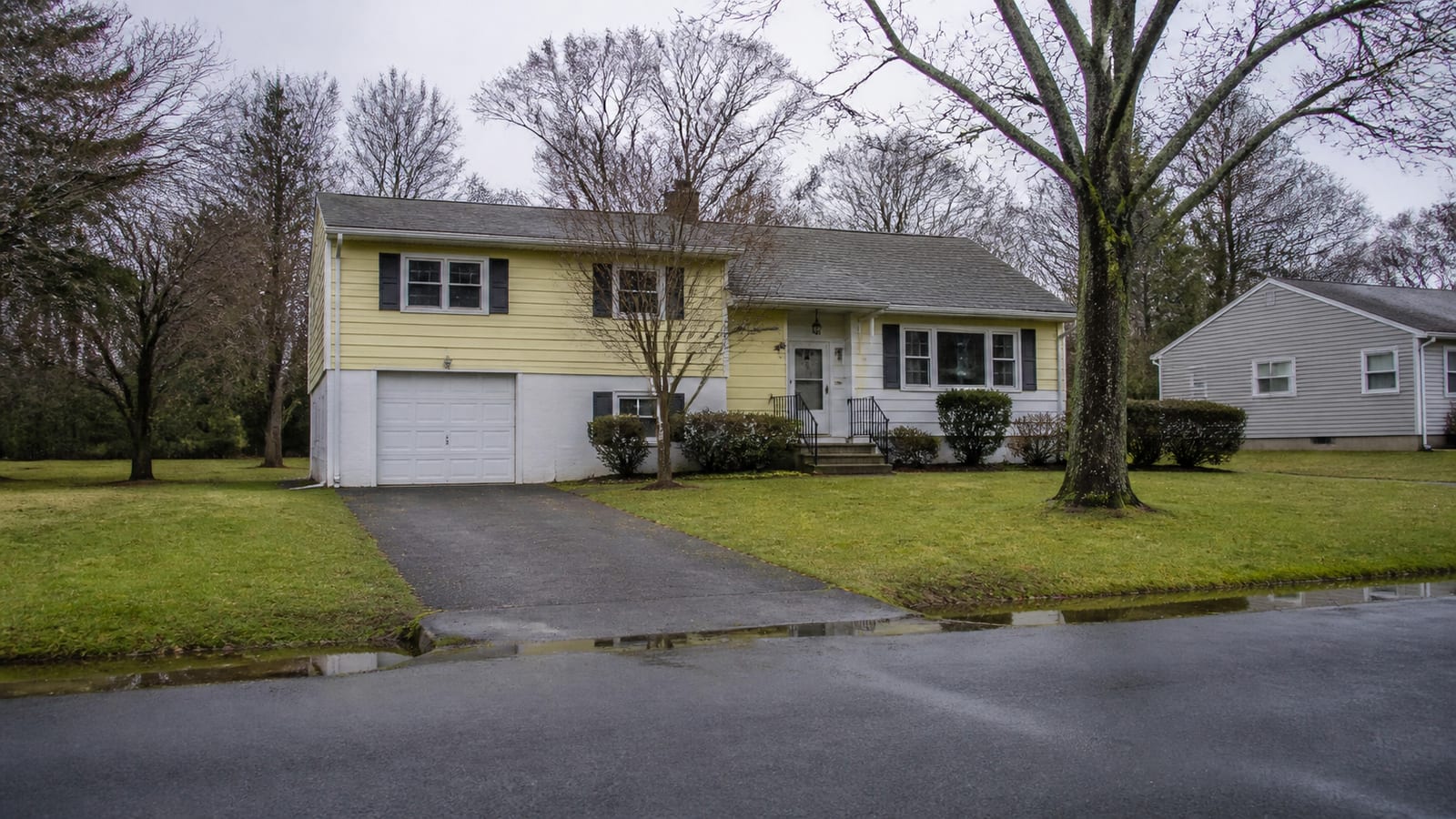
Water that came in from outside is not the same problem as water from a pipe, and treating it the same way is how people lose things they could have kept and keep things they should not have. It travelled across ground before it reached you, so what can be cleaned and what has to go is decided differently. There is also a second surprise waiting at the other end of the job, and it catches people who have done everything right: in a mapped flood hazard area, putting the room back exactly as it was can be a regulated piece of work rather than a repair. Knowing both of those on day one is worth more than any amount of speed on day three.
Key Takeaways
Photograph and call the insurer before cleanup starts
, which is federal guidance and not just good practice.
Keep the affected HVAC off
until cleanup and any repairs are complete, because contaminated ducts spread material into rooms that were never wet.
Porous items that cannot be cleaned and dried are discarded
, and with outside water that list is longer than people expect.
The Township has modelled its own flood thresholds
on the Millstone corridor, and they are specific to named roads rather than townwide.
A like-for-like rebuild can still need a floodplain permit
, which is the part that surprises people at the end.
Knowing What You Are Dealing With Saves the Things You Can Keep
Floodwater is graded by where it has been. It may have crossed roads, yards, drains or a stream corridor, and it carries whatever it met. That is why the decision about your belongings and your building materials is not about how wet they got.
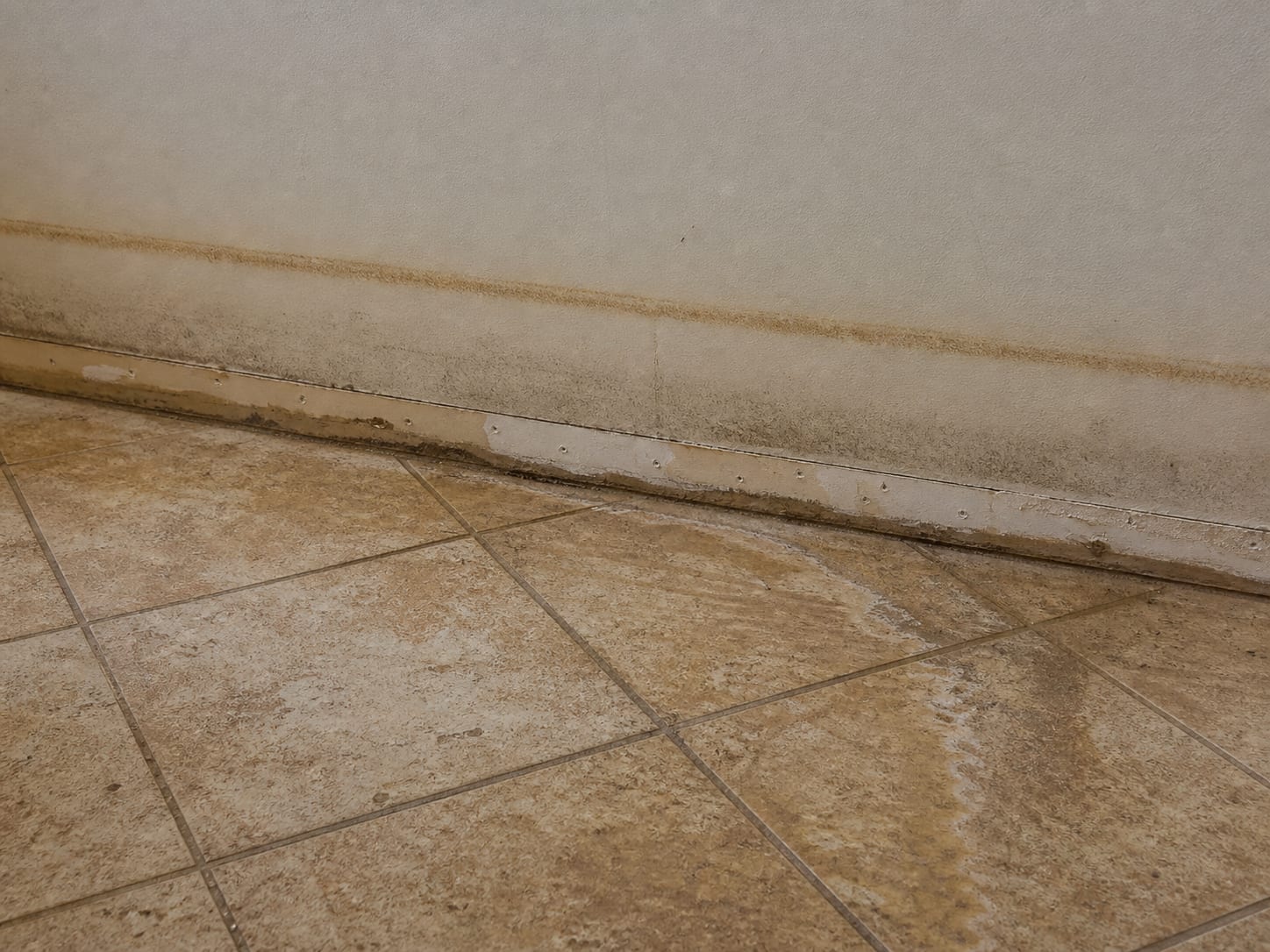
The working rule from EPA's flood cleanup guidance is to clean and dry the home and its contents within 24 to 48 hours where possible, and to discard what cannot be cleaned and dried. Applied to a real room, that generally means hard, non-porous surfaces can be cleaned and kept, while porous materials that absorbed contaminated water are removed: carpet and pad, most insulation, soaked upholstery and mattresses, and drywall below the waterline. It is a harder list than a clean-water loss produces, and knowing it early stops people drying something for a week that was never going to be salvageable.
Hover or tap a row to highlight it.
| Item | Usual outcome |
|---|---|
| Hard, non-porous surfaces | Cleaned and kept |
| Carpet and pad | Removed |
| Most insulation | Removed |
| Soaked upholstery and mattresses | Removed |
| Drywall below the waterline | Removed |
One instruction worth acting on immediately because it costs nothing and prevents a genuinely expensive problem: turn the affected HVAC system off and leave it off until cleanup and any needed repairs and remediation are finished. EPA is explicit that contaminated ducts can spread material into unaffected space. Running the air handling to help things dry is the single most common way a one-room flood becomes a whole-house cleanup.
Protecting the First Hour Protects the Claim
Before anything is moved, three things, and they take minutes.
Make entry safe. Standing water plus electricity is the hazard that actually hurts people. If any electrical equipment is in the water, that is an electrician or utility call from dry ground.
Stop or isolate the source where you safely can, then photograph everything. EPA specifically directs a homeowner to contact the insurer and take pictures of the home and belongings before cleanup begins. Once the room is cleared, that evidence does not exist any more.
Start the file, and keep it. Dated photographs, what you observed about where the water came from, the moisture readings once somebody takes them, a list of what was removed, invoices, and insurer correspondence. On a flood job that file does double duty: it supports the claim now, and it supports the scope and permit discussion later, which is the part nobody anticipates.
What Goes in the Claim File
Dated photographs
Taken before cleanup begins.
Source observations
What you noticed about where the water came from.
Moisture readings
Once somebody takes them.
A list of what was removed
Kept as things come out.
Invoices
For cleanup, drying and any repair work.
Insurer correspondence
The file supports the claim now and the scope and permit discussion later.
A Documented Sequence Gets You to a Verified Dry Structure
Flood Cleanup, in Order
- 1
Make entry safe
Electrical and structural conditions before anyone works in the water.
- 2
Stop or isolate the source
Where that can be done safely.
- 3
Photograph and notify
Condition and contents recorded, insurer contacted, before cleanup.
- 4
Remove standing water and wet debris
Bulk first, before any drying equipment.
- 5
Decide what cannot be safely retained
Contaminated porous material comes out.
- 6
Clean and disinfect what stays
Hard surfaces, appropriate to what the water carried.
- 7
Dry the structure and document it
Readings by location until they fall and hold.
- 8
Rebuild only after the site constraints are checked
Which in a flood hazard area is a separate process. See below.
The last line is not a formality and it is the reason this page exists separately from a general water damage page.
The Township Has Measured Its Own Flood Risk, Road by Road
This is unusually good local information, and it is more useful than any general statement about brooks because it is specific enough to tell you whether it applies to you.
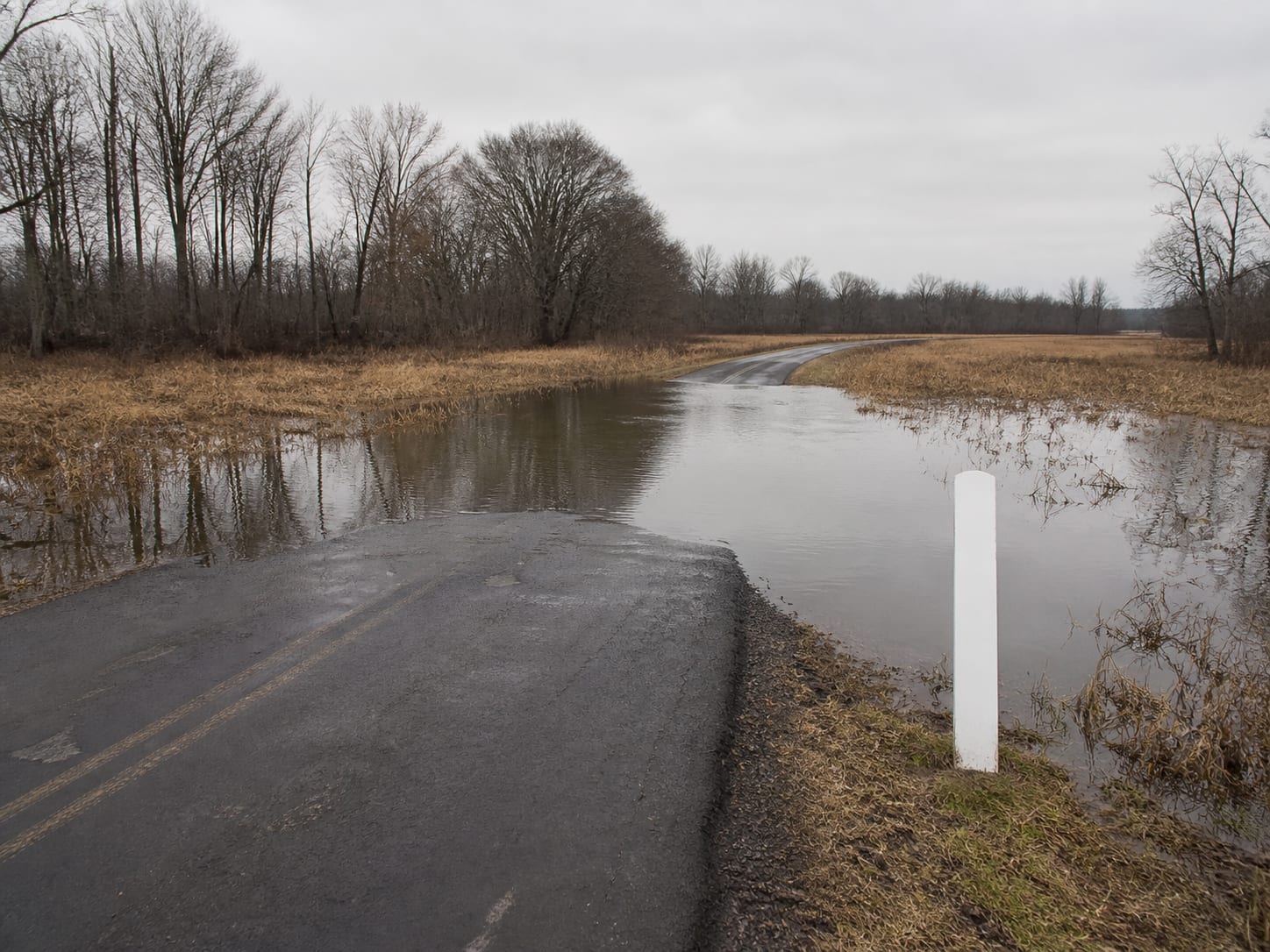
West Windsor's 2026 Little Bear Brook flood risk assessment models the Millstone River at the mouth of Little Bear Brook. It uses the flood of 30 April to 1 May 2014 as an estimated 20-year event at that location, and records 5.3 inches of storm rainfall in it, of which about 1.5 inches, 28%, had fallen by midday on 30 April, roughly 24 hours before the peak at Carnegie Lake Dam. That last detail is the practically useful one: the peak arrived about a day after the rain that caused it, which is time you can use if you know to watch for it.
The assessment then puts numbers on specific roads. Estimated Millstone-driven roadway flood thresholds are Fisher Place at 8 years, Fieldston Road at 9 years, Washington Road at 10 years and Alexander Road at 10 years. For buildings, it reports lowest above-grade-floor thresholds of about 14 years at 89 Washington Road, 19 years at 92 Washington Road and 20 years at 112 Fisher Place.
Hover or tap a row to highlight it.
| Location | What it is | Estimated threshold |
|---|---|---|
| Fisher Place | Roadway | 8 years |
| Fieldston Road | Roadway | 9 years |
| Washington Road | Roadway | 10 years |
| Alexander Road | Roadway | 10 years |
| 89 Washington Road | Lowest above-grade floor | About 14 years |
| 92 Washington Road | Lowest above-grade floor | About 19 years |
| 112 Fisher Place | Lowest above-grade floor | About 20 years |
Three things to take from that and nothing more. It is a modelled recurrence interval for a documented corridor, not a forecast for any storm. It applies to the Millstone relationship at that location rather than to the whole Township. And the report says plainly that those above-grade-floor thresholds do not reflect basement floors, which matters because a basement floods long before an above-grade floor does.
For anywhere outside that corridor, this data does not describe your property. What settles your address is the current flood mapping and the Township, not proximity to a road on that list.
Knowing the Permit Fork Early Saves the End of the Job
Here is the part that catches people, and it is the single most valuable thing on this page.
Emergency cleanup is not the regulated activity. The code addresses development, so get the water out, get the contaminated material out, and get the structure dry.
The rebuild can be regulated, and further than you would expect. Under West Windsor's code, an owner or agent proposing development in a flood hazard area, which includes rebuilding, alteration, filling and grading, applies to the Floodplain Administrator and obtains the required permit, and depending on the work that can be in addition to a building permit.
Then the specific provision worth reading twice. Section 200-274 provides that even listed ordinary maintenance and minor work examples are evaluated through the floodplain development permit for substantial-improvement and substantial-damage compliance. The listed examples include replacement-in-kind windows, doors, cabinets, plumbing fixtures, decks, walls, partitions, flooring and roofing.
Read that against what a flood victim actually plans to do. Put the same flooring back. Replace the drywall that came out. Reinstall the cabinets. In a mapped flood hazard area, those are exactly the items the provision names, and discovering it after the materials are ordered is an expensive way to find out.
The application itself asks for the address or legal description, the intended use and occupancy, a work valuation, site plan and construction documents, grading and filling information where relevant, and a signature. The work valuation is the piece to be careful with, because substantial improvement determinations turn on it.
What the Floodplain Application Asks For
Address or legal description
Identifies the property.
Intended use and occupancy
How the space will be used.
Work valuation
Substantial improvement determinations turn on it.
Site plan and construction documents
The drawings for the work.
Grading and filling information
Where relevant.
Signature
From the owner or agent.
None of this means you cannot rebuild. It means the sequence is check first, then scope, then order, and a contractor who raises it on day two is doing you a favour rather than creating an obstacle.
What Changes the Scope and the Cost
- What the water carried, which sets what can be cleaned rather than discarded.
- How long it sat, against the 24 to 48 hour window.
- How much porous material is involved, which is usually the largest single factor.
- Whether HVAC or ductwork was affected, which widens the job considerably.
- Contents, and how much can be cleaned versus inventoried and discarded.
- Whether the property is in a flood hazard area, which changes the rebuild path and its timeline.
Frequently Asked Questions About flood damage cleanup West Windsor NJ
Can I keep the carpet if I dry it fast enough?
With outside water, usually not. The rule is that what cannot be cleaned and dried is discarded, and carpet and pad that absorbed contaminated water generally cannot be cleaned to a standard you would want underfoot. Hard, non-porous surfaces are a different matter and are usually cleaned and kept.
Should I run the air conditioning to help it dry out?
No, and this is the mistake worth avoiding above all others. Keep the affected system off until cleanup and any repairs are complete, because contaminated ducts spread material into rooms that were never wet. Drying is done with equipment placed for the purpose, not through the building's air handling.
My road is on the Township's flood threshold list. Does that mean my house floods?
No. Those are modelled roadway thresholds for the Millstone relationship at that location, and the building-floor thresholds the report gives are for three specific addresses and expressly do not reflect basement floors. A road flooding and a building flooding are different events. Your address's status comes from the current flood mapping and the Township.
Do I need a permit to clean up?
No. The floodplain code addresses development, not emergency cleaning. Get the water and the contaminated material out.
I am only putting back what was there before. Surely that is just a repair?
In a flood hazard area, not necessarily. The code provides for listed ordinary maintenance items, including replacement-in-kind flooring, walls, partitions, doors and cabinets, to be evaluated through the floodplain development permit for substantial-improvement compliance. It is worth establishing before materials are ordered rather than after.
How long do I have before mold becomes the next problem?
The working window is 24 to 48 hours for cleaning and drying where possible, and material still wet past that is where growth starts. On a flood job the contamination decision and the drying decision run together, which is why removal often happens faster than people expect.
Flood Cleanup Quick Check
1. What should you do with the affected HVAC system?
2. What is the working window for cleaning and drying where possible?
3. Do the Township's above-grade-floor thresholds reflect basement floors?
4. Is emergency cleanup itself the regulated activity under the floodplain code?
5. Which like-for-like item is named in the ordinary maintenance provision?
Pick an answer to begin.
Final Thoughts
Flood cleanup has two moments that decide how it goes, and neither of them is the pumping. The first is in the opening hour: photograph, notify, keep the HVAC off, and understand that outside water shortens the list of what can be saved. The second is before the rebuild, when a mapped flood hazard area turns a like-for-like repair into a permitted piece of development.
West Windsor is better documented on this than most towns, right down to modelled thresholds on named roads. Used properly that is reassuring rather than alarming, because it tells most property owners that this corridor's numbers are not describing their address.
If floodwater has reached your West Windsor property, call us before anything goes to the kerb. ExecPro Restoration & Cleaning has handled flood and water work across Mercer County since 2015, from Princeton Junction NJ through West Windsor NJ, Princeton NJ, Plainsboro NJ, Hightstown NJ and Robbinsville NJ. Call ExecPro Restoration & Cleaning at (888) 300-3772 or get in touch. We handle the extraction, the contaminated material removal, the drying and verification, and we will flag the floodplain permit question before you order a single board.
Flood Cleanup Terms
Tap a term to see what it means.
Porous material. Material such as carpet and pad, most insulation, upholstery and drywall that absorbs contaminated water and generally cannot be cleaned and dried.
Serving West Windsor
ExecPro Restoration & Cleaning provides mold remediation services in West Windsor, NJ, from inspection and testing through removal, drying, and post-remediation verification. Call (888) 300-3772 for 24/7 emergency response.
Related Articles
River Scale, Lot Scale: Flood Damage Cleanup in Plainsboro, NJ
Plainsboro sits in the Millstone River watershed with Devils Brook and mapped wetlands nearby, and flood status is still settled one parcel at a time.
Flooded Basement Cleanup in New Jersey: The Order of Operations
Flooded basement cleanup in NJ goes in a set order: safety, source, photos, water, wet materials, drying, proof of dry. Here is each step and who to call.
Tidal Flooding at the Jersey Shore: What Saltwater Does to a Home
Tidal water from the September nor'easter came into a Jersey Shore home? What saltwater does to wiring, HVAC and framing, and what to do first.