Emergency Mold Remediation: When It Can't Wait and When It Can
Cal HewittPublished
- emergency mold services
- moisture source
- insurance restoration
- new jersey
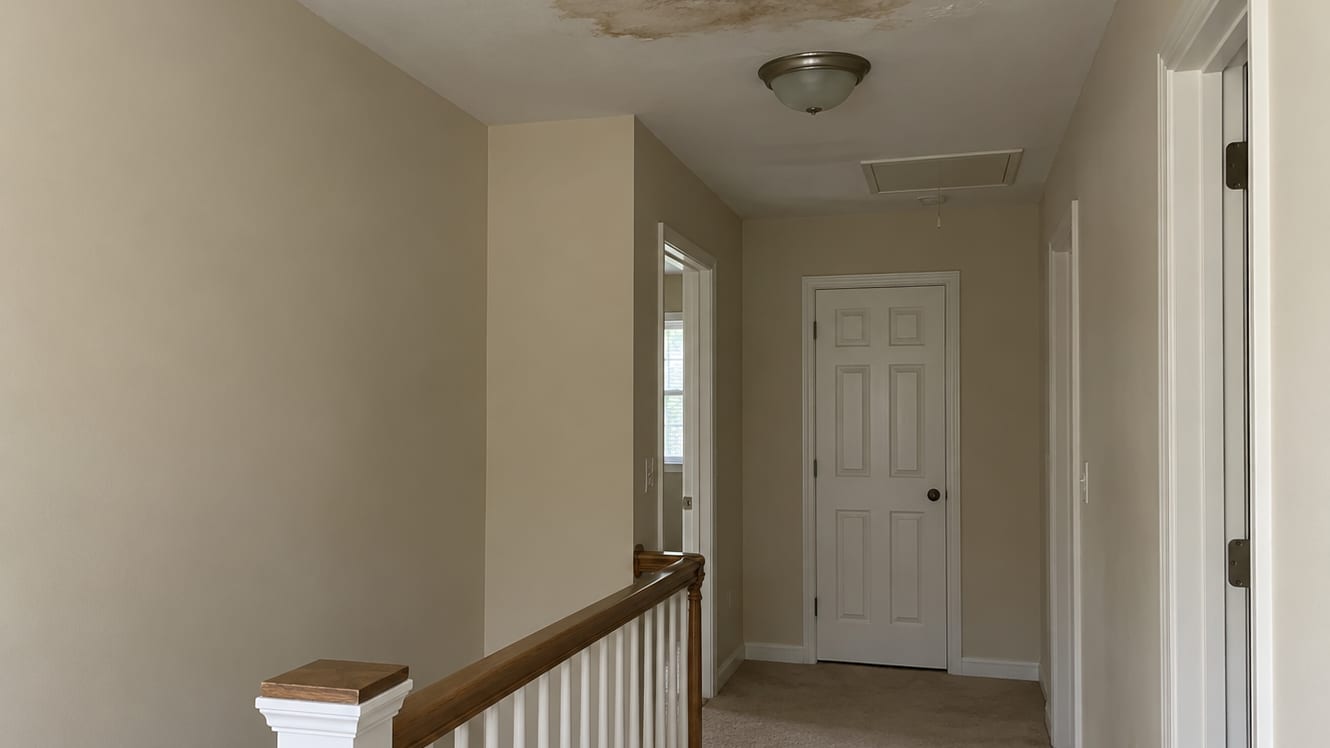
It is evening, you have just seen mold on a wall, a ceiling or the underside of a stained floor, and you are trying to decide whether to call someone tonight or book a visit next week. That is the right question to ask, and in New Jersey it has a practical answer. Some mold situations need help today, because water is still coming in or the people in the home are at risk. Others are small, dry and contained, and can wait for a scheduled assessment as long as they stay that way.
The sorting does not take special equipment. It takes a handful of questions about water, size, materials, air handling and who lives or works in the space. Below you will find those questions, what to do tonight whichever way you land, how insurance and rental rules affect your records, what changes the price of an emergency response, and what to ask when you call.
Key Takeaways
Active water makes mold an emergency
if a pipe, roof or foundation is still feeding moisture, or materials stay wet past 24 to 48 hours, call for help today.
About 10 square feet is the line
mold covering more than that, any sewage or floodwater, or any suspected HVAC contamination calls for professional guidance.
Photograph first, then ask your insurer
keep damaged materials and receipts until the insurer says otherwise, unless safety requires disposal.
Get the price in separate lines
a written estimate should split inspection, containment, removal, drying, disposal, verification and rebuild.
How urgent is mold remediation?
Treat it as urgent when any one of these is true: water is still entering the building, materials are still wet, sewage or floodwater is involved, the mold covers more than about 10 square feet, it may be inside the HVAC system, or someone in the space has asthma, COPD, a suppressed immune system or serious allergies. EPA says mold covering more than approximately 10 square feet, substantial water damage, suspected HVAC contamination or sewage-contaminated water warrants professional guidance.
A small, isolated patch on a hard, cleanable surface can often wait for a scheduled visit when the area is dry, no sewage is involved, the HVAC system is not involved and no vulnerable person lives or works there. Even then, the moisture source needs a fix soon, because mold returns wherever the moisture does.
Hover or tap a row to highlight it.
| Situation | Call today | Can usually wait for a scheduled visit |
|---|---|---|
| Water | A pipe, roof or foundation is still feeding moisture | The area is dry |
| Wet materials | Materials are still wet beyond 24 to 48 hours | Materials are dry |
| Area | More than about 10 square feet | A small, isolated patch |
| Surface | Mold behind drywall, under flooring, in insulation, in ceiling cavities or in framing | A hard, cleanable surface |
| Contamination | Sewage or floodwater is involved | No sewage is involved |
| HVAC | Mold may be inside the air handler, ductwork, filter or return plenum | The HVAC system is not involved |
| People | Infants, pregnant people, or people with asthma, COPD, serious allergies, immune suppression or chronic lung disease nearby | No vulnerable person lives or works there |
If you are not sure which side you are on, call. We would rather answer a question on the phone than have you spend a week guessing, and the questions we ask are the same ones in the next section.
Which signs mean you should not wait?
Each of these changes what a scheduled visit can do for you, so any one of them is a reason to ask for help today:
- Active water: a burst pipe, roof leak, appliance failure or foundation intrusion that keeps feeding moisture. Without a fix, drying and removal start over.
- Materials still wet: EPA recommends drying water-damaged areas and belongings within 24 to 48 hours. Anything still wet beyond that window needs prompt assessment.
- A larger area: under about 10 square feet may be manageable in limited circumstances; above that, get professional guidance. EPA's commercial-building guide uses limited containment for 10 to 100 square feet and extensive-contamination procedures above 100.
- Sewage or floodwater: both can carry harmful organisms and need specialized protection, containment, removal and disposal.
- A vulnerable person nearby: infants, pregnant people, and people with asthma, COPD, serious allergies, immune suppression or chronic lung disease should not take part in cleanup and may need to leave the affected area. Ask a physician about any symptoms.
- HVAC involvement: mold inside an air handler, ductwork, filter, return plenum or near an intake can spread through otherwise clean rooms. EPA's guidance on air ducts is a good starting point, and the system should stay off until it has been evaluated.
- Hidden or structural growth: mold behind drywall, under flooring, in insulation, in ceiling cavities or in framing usually needs controlled removal instead of surface cleaning.
- Heavy growth you would have to disturb: demolition, abrasive cleaning or visible spread into the next room all raise the need for containment.
What happens during an emergency mold remediation visit?
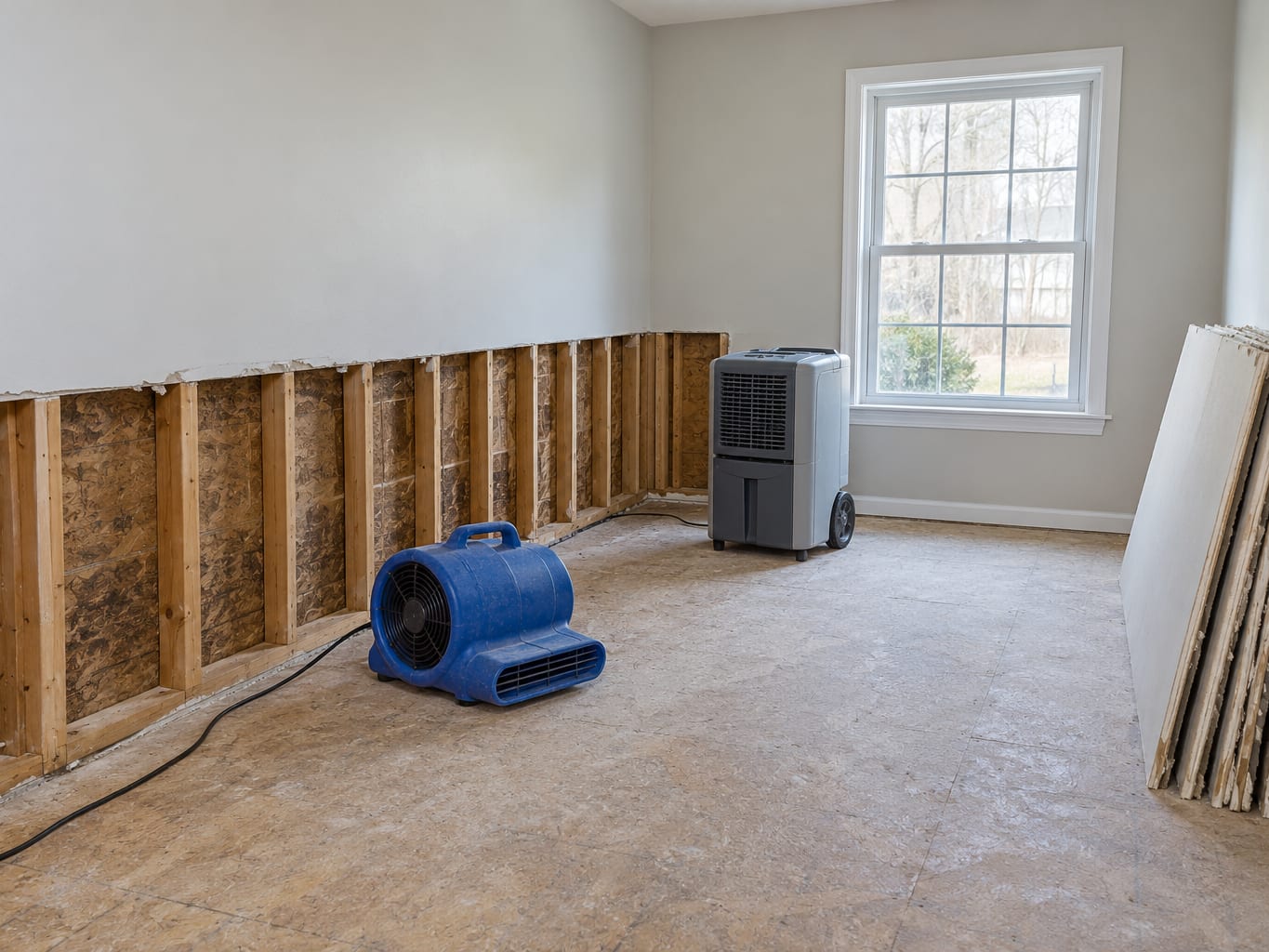
The visit starts with the moisture. We find where the water came from or is still coming from, take moisture readings, and photograph the affected areas before anything is moved. Then the work follows an order: assessment, containment, extraction or removal, drying, moisture monitoring and post-remediation verification. That is the workflow behind our emergency mold services. The professional standard for the field, ANSI/IICRC S520, covers inspection, safety, documentation, structural remediation, HVAC remediation, contents remediation and post-remediation verification. The current fourth edition dates to 2024.
The Order of an Emergency Visit
- 1
Assessment
Find where the water came from or is still coming from, take moisture readings, and photograph the affected areas before anything is moved.
- 2
Containment
Keeps the work from spreading mold to clean rooms.
- 3
Extraction or removal
Mold-contaminated porous materials such as ceiling tile, carpet, insulation and drywall may need to be discarded, and hard surfaces are cleaned.
- 4
Drying
The area is dried until the material is dry.
- 5
Moisture monitoring
Moisture readings continue, because closing a wall too soon traps moisture where mold can start again.
- 6
Post-remediation verification
The final record of the cause, affected areas, moisture readings, work performed and removed materials.
Containment keeps the work from spreading mold to clean rooms. Mold-contaminated porous materials such as ceiling tile, carpet, insulation and drywall can be difficult or impossible to clean completely, so EPA says they may need to be discarded. Hard surfaces are cleaned, and the area is dried and monitored with moisture readings until the material is dry. Closing a wall before that point traps moisture where mold can start again, which is why the drying records matter as much as the removal.
At the end you should have documents, not only a clean room: the cause, the affected areas, moisture readings, the work performed, removed materials and final verification. We supply photographs, moisture readings, scopes, drying records and verification results. When water extraction, drying and mold removal are coordinated by one company, the water is handled before the mold work begins, and the build-back (drywall, flooring, painting) can follow from the same records.
What should you do tonight before help arrives?
You can do a lot of good with a few safe steps. Most of them are about keeping people safe and keeping the evidence, and none of them requires special equipment.
- Stop the water if it is safe: close the valve, shut off the failing fixture or contain the leak.
- Mind the electricity: turn power off only if you can do it without entering standing water or touching wet equipment. Wet electrical equipment and standing water carry an electrocution risk.
- Photograph everything first: the water source, the affected rooms, the materials, your belongings and the visible mold, before anyone disturbs them.
- Keep people out: close doors, hang plastic where practical, and keep children, pregnant people and anyone with asthma, COPD or an immune condition away.
- Leave the HVAC off if contamination is suspected.
- Protect yourself: if a healthy adult must enter for a limited protective task, CDC recommends at least an N95 respirator, gloves and sealed eye protection. Ventilate when you use any cleaning product.
- Move clean belongings out of the area without spreading debris.
- Call your insurer, landlord or property manager as appropriate.
Just as important is what to leave alone. Do not dry-brush, sand, scrape or demolish moldy materials, because that puts spores into the air. Do not point fans across visible mold. Do not close up walls or replace materials before the moisture source and moisture levels are addressed. Treat sewage or floodwater as its own category and not as ordinary cleaning. Safe drying with fans can start within the day when the water is clean and no visible mold is in the path of the air.
What to Leave Alone Tonight
Brushing, sanding, scraping and demolishing
Do not dry-brush, sand, scrape or demolish moldy materials, because that puts spores into the air.
Fans across visible mold
Do not point fans across visible mold.
Closing up walls
Do not close up walls or replace materials before the moisture source and moisture levels are addressed.
Sewage or floodwater
Treat it as its own category and not as ordinary cleaning.
Safe drying
Fans can start within the day when the water is clean and no visible mold is in the path of the air.
Should you use bleach, vinegar or a spray on it?
Detergent and water on a hard surface is the supported home step. CDC allows bleach on some hard surfaces, at no more than 1 cup of bleach per 1 gallon of water, and says never to mix bleach with ammonia or any other cleanser, since the mixture can create hazardous fumes. Neither bleach nor vinegar reaches growth in drywall, insulation, ceiling tile or carpet, and neither fixes the leak that fed it.
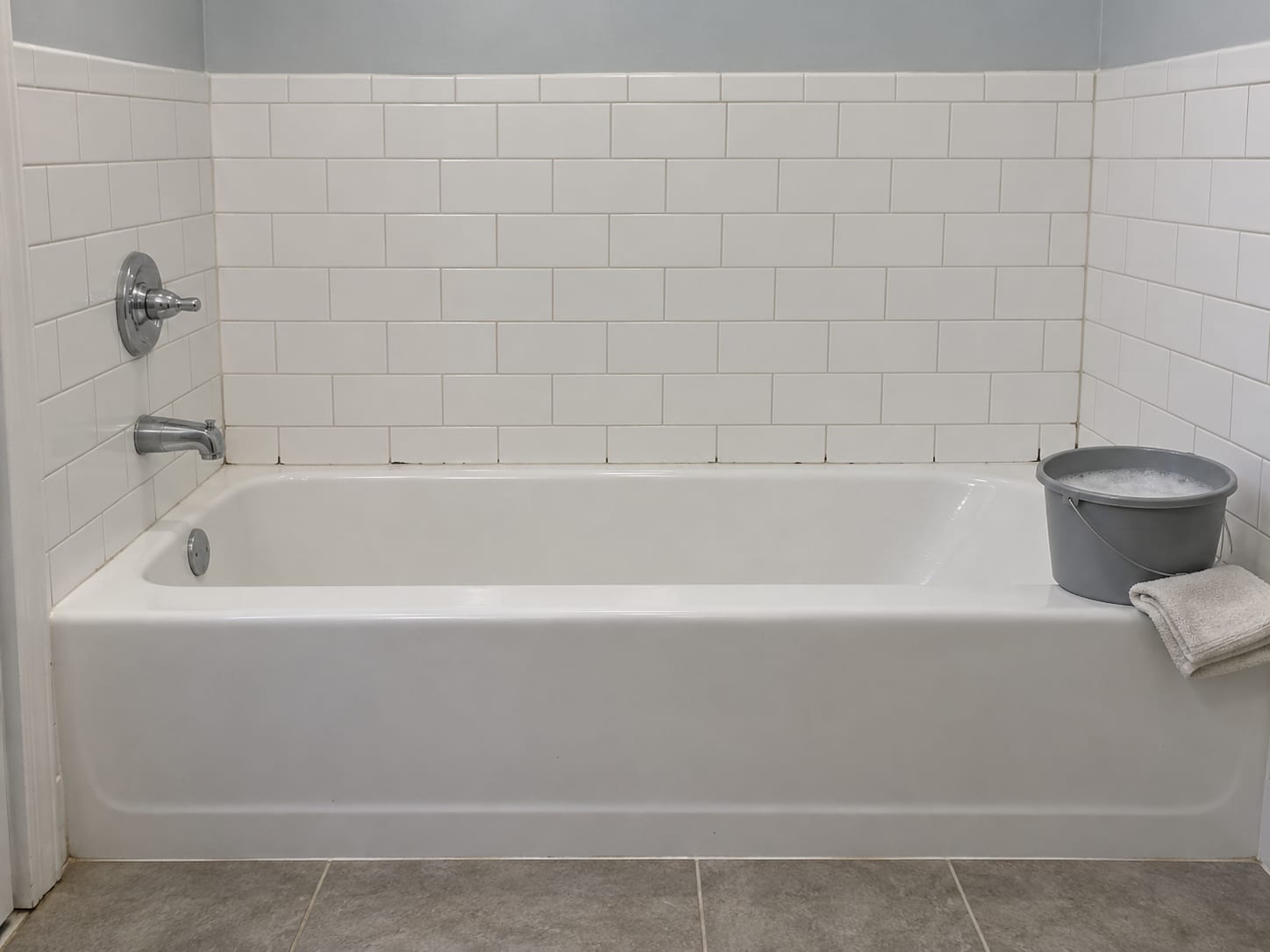
That is the reason a spray, fog, foam or gas treatment is not a stand-alone remedy for anything beyond a small area. Physical removal of contaminated material, plus correction of the moisture, is what finishes the job. If you have used a product already, tell the person who comes out so they know what is on the surface.
Will insurance pay, and what does a New Jersey renter need to keep?
Insurance and rental rules turn on records you can start building tonight. Coverage depends on the cause of the mold and on your individual policy, and the final decision belongs to your insurer and adjuster, not to a contractor. Keep that in mind as you document, and read the parts of your policy that deal with water, mold or fungus, flood, additional living expenses and loss mitigation.
Hover or tap a row to highlight it.
| Question | What to know |
|---|---|
| Who decides coverage | Your insurer and adjuster, not a contractor; it depends on the cause of the mold and on your individual policy |
| A sudden, covered water event, such as a burst pipe | May lead to coverage for the resulting damage, subject to exclusions, deductibles and any mold or fungus limits |
| Gradual leaks, repeated seepage and deferred maintenance | May be treated differently |
| Flood | Excluded from standard New Jersey homeowners policies; flood coverage is bought separately |
| Renters | New Jersey tenants have an implied warranty of habitability; send written notice to the landlord or property manager and keep records |
| Buildings with three or more rental units | Fall under the Bureau of Housing Inspection; smaller buildings are usually governed by local ordinances |
Will homeowners insurance pay for mold removal?
A sudden, covered water event, such as a burst pipe, may lead to coverage for the resulting damage, subject to exclusions, deductibles and any mold or fungus limits. Gradual leaks, repeated seepage and deferred maintenance may be treated differently. Standard New Jersey homeowners policies exclude flood, which the Department of Banking and Insurance defines to include overflow of inland or tidal waters and unusual or rapid surface-water runoff. Flood coverage is bought separately. The department advises policyholders to make temporary repairs, save receipts and document damage before permanent repairs or discarding property, unless safety requires action.
What if you rent?
New Jersey tenants have an implied warranty of habitability, and the Department of Community Affairs lists leaks and mold among serious conditions that may matter. Send written notice to the landlord or property manager, keep a record of access requests and replies, and photograph the conditions and any repairs. Buildings with three or more rental units fall under the Bureau of Housing Inspection; smaller buildings are usually governed by local ordinances. The Department of Health points renters with structural leaks to the local building-code office. Talk with an attorney before you withhold rent, repair and deduct, or end a lease, and read the state's habitability guide.
What if you cannot afford remediation?
Start with stopping active water and protecting the people in the space. Then call your insurer, landlord or property manager, ask for the policy's loss-mitigation and additional-living-expense information, and ask your local building-code or housing office about structural leaks or unsafe conditions.
What does emergency mold remediation cost, and what changes the price?
The price depends on the site. These factors move it:
- The affected area and the materials involved
- The moisture source and whether it is fixed
- The water category, meaning clean water, or sewage or floodwater
- HVAC involvement
- Containment requirements
- Contents that need handling
- Reconstruction, if drywall, flooring or finishes come out
Ask for a written, property-specific estimate that splits inspection, containment, removal, drying, disposal, verification and rebuild into separate lines. With that, you can see what the emergency portion is, what can be scheduled later and what your insurer needs to see first. A single lump sum hides all of that. If your insurer is involved, send them the same breakdown, and ask them to confirm which lines they will review before work that cannot be undone begins.
What Moves the Price
The affected area and materials
The size of the area and the materials involved change the number.
The moisture source
Whether it has been fixed matters too.
The water category
Clean water is priced differently from sewage or floodwater.
HVAC involvement
A contaminated air handler or duct adds to the job.
Containment requirements
What it takes to keep the work from spreading to clean rooms.
Contents
Belongings that need handling.
Reconstruction
Drywall, flooring or finishes that come out have to be rebuilt.
What should you ask before the first visit?
Before you authorize work, ask questions that tell you what you are buying. New Jersey does not have a state certification program for mold inspection, testing, remediation or general indoor-air services, and the Department of Health lists firms without endorsing or qualifying them. A company that calls itself "certified" is not certified by the state. So ask about training, insurance, references, a written scope and documentation practices, and confirm response area and availability.
Ask whether the plan covers moisture-source correction, containment, removal of porous materials, drying records and post-remediation verification. Ask how sewage or HVAC contamination would be handled, whether water extraction and mold remediation are coordinated, and whether reconstruction is available. At ExecPro Restoration & Cleaning, we present water extraction, flood cleanup, burst-pipe cleanup, sewage cleanup, storm restoration, emergency mold removal and structural drying as connected services, and we are glad to confirm credentials, service area, availability, scope and documentation for your property before you authorize anything.
To make the first visit useful, have your photographs ready, know where the water shutoff is, note when you first saw the problem, and have your policy number and your landlord or manager's contact at hand.
Frequently Asked Questions About Emergency Mold Remediation NJ
What should I throw away after mold remediation?
Throw away items that cannot be cleaned and dried. Porous materials such as some carpet, ceiling tile, insulation, drywall and upholstered items often need to go. Photograph claim-related property and ask your insurer before disposing of it, unless safety requires immediate removal.
Does New Jersey require a mold license?
The state has no certification program for mold services. Ask the company for its training, insurance, references and a written scope.
Should I run the heat or air conditioning?
If mold may be in the HVAC system, leave it off. EPA advises against running a suspected system because it can spread mold through the building.
Can this wait until tomorrow?
It can if the area is small, dry, isolated, on a hard surface, free of sewage and HVAC involvement, and no vulnerable person is exposed. If water is still active, call tonight.
Test Your Emergency Mold Knowledge
1. About how large an area of mold warrants professional guidance, according to EPA?
2. Within what window should water-damaged areas and belongings be dried?
3. What is the CDC's limit on a bleach mixture for some hard surfaces?
4. What should you do if mold may be in the HVAC system?
5. Does New Jersey have a state certification program for mold services?
Pick an answer to begin.
The Bottom Line
Mold is an emergency when water is still entering, materials stay wet, sewage or floodwater is involved, the area is larger than about 10 square feet, the HVAC system may be affected, or a vulnerable person is in the space. When none of those apply, a small, dry, hard-surface patch can wait for a scheduled visit while you fix the moisture source. Tonight, the safest moves are to stop the water, keep people out, photograph everything and leave the walls closed.
Getting the first day right protects your health, your building and your claim. A clear record and a written estimate with separate lines make every later decision easier, from what gets removed to who pays.
If you are looking at mold right now, ExecPro Restoration & Cleaning serves homeowners, tenants and managers throughout New Jersey with emergency water extraction, structural drying, mold removal, post-remediation verification and rebuild. Call us at (888) 300-3772 or use our contact page, describe what you see and where the water came from, and we will tell you whether it needs help tonight.
Emergency Mold Terms
Tap a term to see what it means.
Containment. Keeps the work from spreading mold to clean rooms.
Related Articles
How a Mold Remediation Estimate Is Built, Line by Line
Holding a mold remediation estimate in NJ? See what each line covers, what moves the price, and how to compare two bids on equal terms before you sign.
A Musty Smell With No Visible Mold: How to Track Down the Source
Musty smell but no visible mold? Check these places tonight, learn what a moisture inspection covers, and know when to call. A New Jersey guide.
Air Quality Testing in Robbinsville, NJ: A Musty Smell After a Thunderstorm
A musty smell that shows up after heavy rain often means hidden moisture. See what air quality testing in Robbinsville, NJ can tell you and what to check.